Chicago, IL
Chicago, IL is a city of 77 official community areas on 26 miles of Lake Michigan shoreline, with eight CTA 'L' lines, dozens of Metra stations, two airports and about 1.28 million homes, from brick bungalows to lakefront high-rise condos.
Living in Chicago, IL means choosing among 77 community areas, not one market. The median sale price was about $426,000 this summer, the effective property tax rate is near 1.66%, and the city adds its own transfer tax. Here is how the sides compare on housing, taxes, schools, transit, condos and basement flooding.
Written by Eshu Chikoti · 847-691-4282 ·
How Chicago Got Here: A Short History
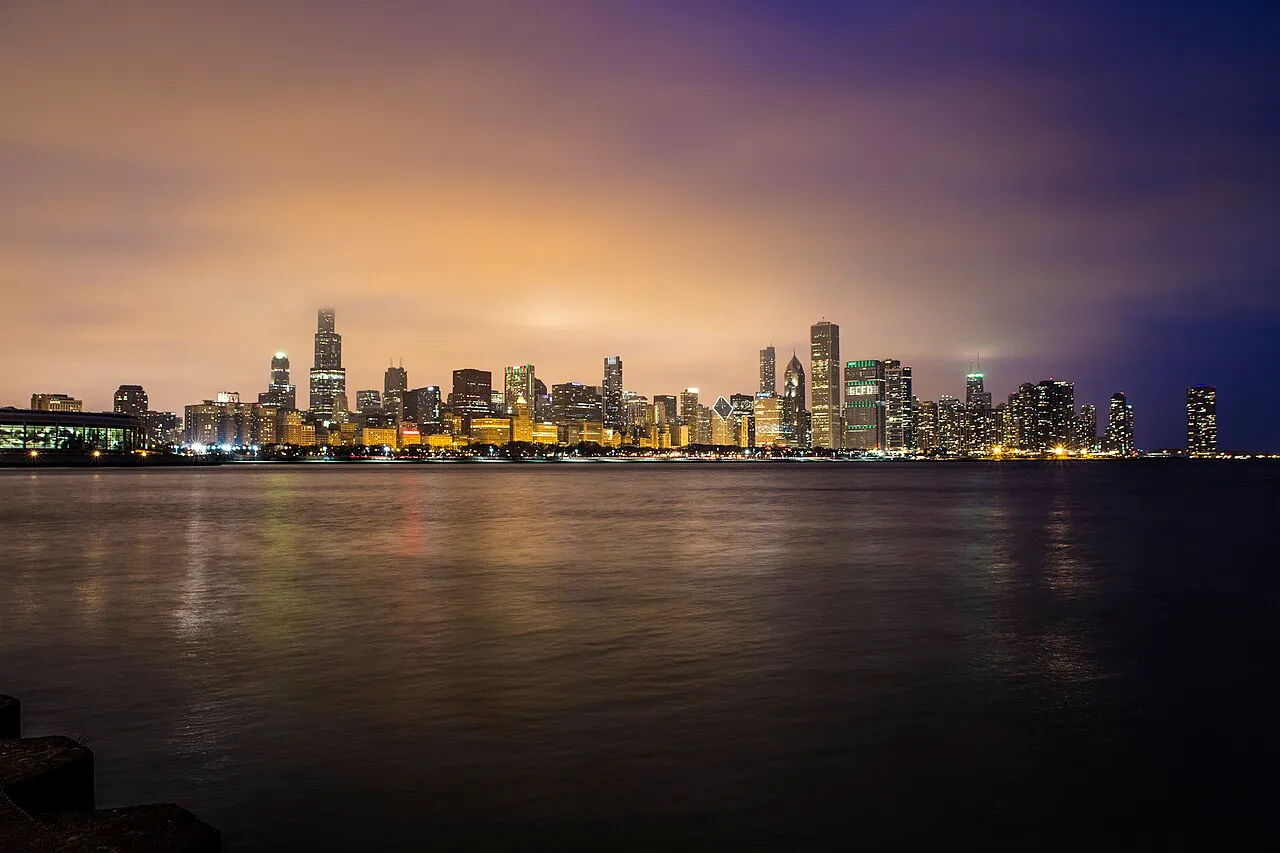
Chicago incorporated as a town on August 12, 1833, with about 350 people, and received its city charter on March 4, 1837, according to Wikipedia's history of Chicago. The Great Chicago Fire burned from October 8 to 10, 1871, destroying 17,501 buildings across about 2,112 acres, killing about 300 people and leaving more than 100,000 homeless. The rebuilding set the pattern of brick and stone construction you still see in older housing across the city.
The city's size today comes mostly from one vote. On June 29, 1889, voters approved annexing Lake View, Jefferson, Hyde Park, the Town of Lake and part of Cicero, and the city quadrupled its area, per the Edgewater Historical Society. Twenty years later, the 1909 Plan of Chicago by Daniel Burnham and Edward Bennett helped keep most of the lakefront as public parkland. Chicago's population peaked at 3,620,962 in the 1950 census, per the Census Bureau.
The 77 community areas you will see on this page are a research map from the 1920s. The University of Chicago's Local Community Research Committee drew 75 of them, per an archived Encyclopedia of Chicago entry. O'Hare became the 76th after the airport land was annexed, and Edgewater was split from Uptown in 1980 as the 77th. The city still reports data by these areas, which is why I use them here.
There is also a housing history every buyer in Chicago should know, because it shaped the market and the law. A riot that began on July 27, 1919 at the 29th Street beach killed 38 people and left an estimated 1,000 to 2,000 without homes, per Wikipedia. Racially restrictive covenants were common in Chicago deeds; the U.S. Supreme Court ruled on one Chicago covenant in Hansberry v. Lee on November 12, 1940, and in Shelley v. Kraemer on May 3, 1948 held that courts could not enforce such covenants. Between 1935 and 1940, federal Home Owners' Loan Corporation maps graded Chicago areas from "best" to "hazardous," the red grade that cut areas off from mortgage lending, per WBEZ. The City Council passed Chicago's first fair housing ordinance on September 11, 1963 and extended it to owners in 1968, per the Commission on Human Relations. The Chicago Freedom Movement led open housing marches in the city in the summer of 1966. And Gautreaux v. Chicago Housing Authority, filed on August 9, 1966, challenged how the housing authority chose sites for public housing on the basis of race; a federal judge ruled for the tenants in 1969, and the Supreme Court upheld a metropolitan remedy in 1976. Housing discrimination is illegal, and I report this history as fact because it is part of how the Chicago housing market was built.
Chicago by the Numbers: 77 Community Areas, One City
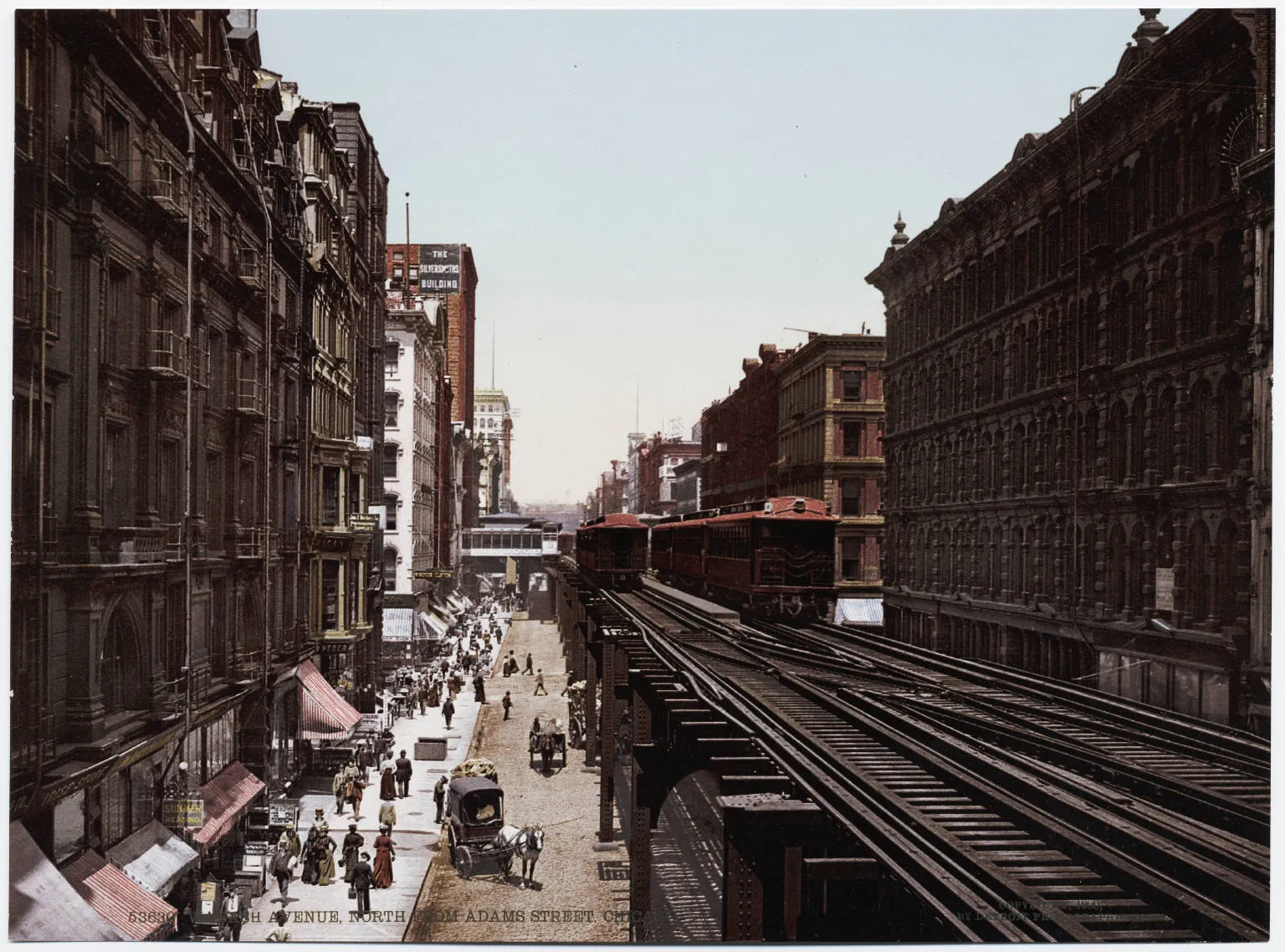
Chicago covers about 227.7 square miles of land, per Wikipedia, along the southwest shore of Lake Michigan. The City's own facts page counts 77 community areas, 100 neighborhoods and 50 wards. Community areas are the official, numbered units the City's data portal uses. Neighborhoods are the names you see in listings, and they overlap. Wicker Park, for example, sits inside the West Town community area.
The 2020-2024 Census ACS puts the city's population at 2,711,226 and counts 1,277,054 housing units. Of 1,160,205 occupied homes, 534,012 are owner-occupied, or 46.0%, so Chicago is a city where most homes are rented. The ACS median home value is $334,100 and the median gross rent is $1,440.
The building mix explains a lot. Only 25.6% of units are detached houses and 3.5% are attached houses such as townhomes. Two-flats and other two-to-four-unit buildings hold 27.4% of all units, buildings of five to 49 units hold 22.8%, and buildings of 50 or more units hold 20.4%. And 38.8% of all units were built in 1939 or earlier, while only 14.9% were built in 2000 or later. Those percentages are my arithmetic from the ACS counts.
Property taxes work differently here than in the suburbs I cover most. The whole city is assessed as one group of eight townships, so all 77 community areas are reassessed in the same year. The taxes section covers what that means.
Chicago Neighborhoods by Side: All 77 Community Areas
Chicago does not trade as one market. A high-rise condo downtown, a brick bungalow on the Northwest Side and a greystone two-flat on the West Side are three different searches with three different price ranges, tax bills and commutes. The City does not officially assign community areas to "sides." Locals have always talked about the North, West and South Sides, divided by the branches of the Chicago River. The grouping below is the one I use with buyers, adapted from the common nine-side map on Wikipedia. The names and numbers are the City's official ones from its community area data.
Within any side, the things that sort homes best are building type, distance to an 'L' or Metra station, and whether the block sits in a Chicago Landmark district, where exterior changes need city review. Walkability also changes a lot: Walk Score gives the city a 77 overall, with Wicker Park and the Near North Side at 96 and the Loop at 95. Price ranges vary even more, so I price each home against sales of its own building type nearby, not against a side-wide average.
I describe each side by its buildings, parks, landmark districts and transit only. If you want a specific address checked for its schools, its tax history or its flood map, that is a conversation I am happy to have here.
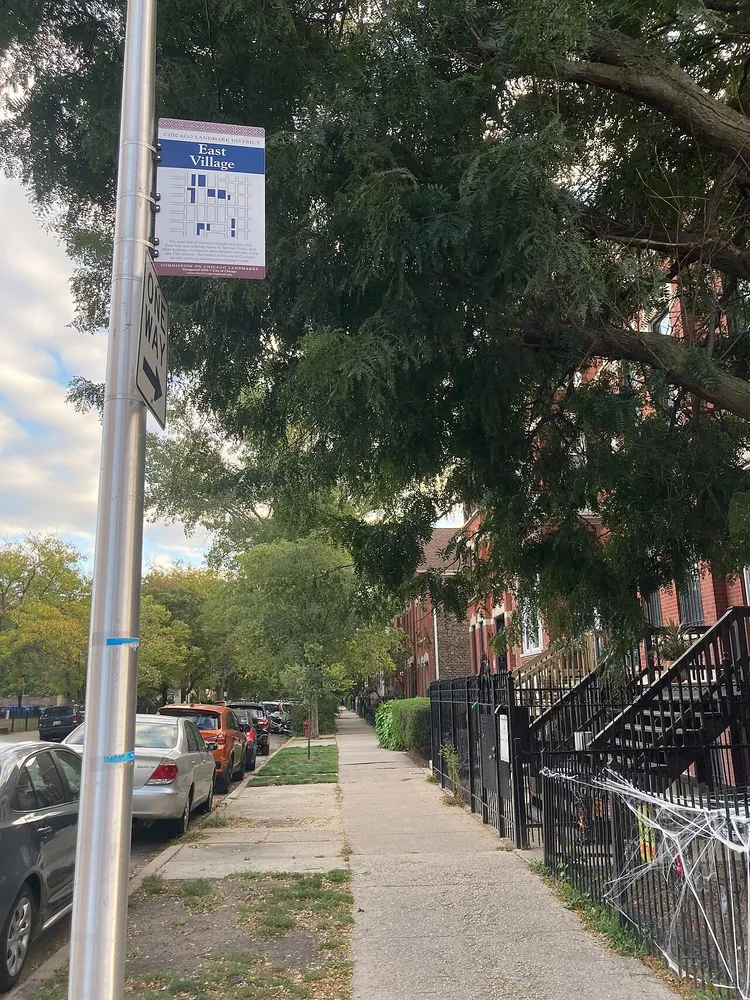
Downtown / Central (3 community areas). 8 Near North Side, 32 Loop, 33 Near South Side. High-rise and mid-rise condos and apartments, loft conversions and a few blocks of historic houses. The Loop has been dominated by skyscrapers since early in its history and added residents through conversions and new towers, per Wikipedia. The Near North Side includes the Gold Coast Historic District, listed on the National Register in 1978, and the Old Town Triangle Historic District, per Wikipedia. On the Near South Side, loft condo conversions began in the mid-1990s, followed by a tower boom, around the Prairie Avenue and Motor Row districts, per Wikipedia.
North Side (8 community areas). 1 Rogers Park, 2 West Ridge, 3 Uptown, 4 Lincoln Square, 5 North Center, 6 Lake View, 7 Lincoln Park, 77 Edgewater. Lakefront high-rise condos along the Drive, vintage courtyard buildings, two- and three-flats and single-family houses farther west, served by the Red, Brown and Purple lines. In Lake View, condos and mid-rise apartments line Lake Shore Drive and Broadway, and one historic district has houses and small apartment buildings built from 1890 to 1927, per Wikipedia. In Edgewater, the east side is largely high-rise condos and apartments and the west side has single-family homes and two- to four-story flats, including the Lakewood Balmoral Historic District, per Wikipedia. Lincoln Park scores 94 on Walk Score.
Northwest Side (15 community areas). 9 Edison Park, 10 Norwood Park, 11 Jefferson Park, 12 Forest Glen, 13 North Park, 14 Albany Park, 15 Portage Park, 16 Irving Park, 17 Dunning, 18 Montclare, 19 Belmont Cragin, 20 Hermosa, 21 Avondale, 22 Logan Square, 76 O'Hare. The largest share of the bungalow belt, plus Cape Cods, raised ranches and some of the city's largest lots toward the city line, with the Blue Line and two Metra lines. Portage Park is "primarily bungalows and two-flats," per Wikipedia. Norwood Park has the Noble-Seymour-Crippen House, built in 1833 and the oldest building still standing in Chicago, per Wikipedia. Logan Square's boulevards are a Chicago Landmark district of houses, two- and three-flats and small apartment buildings mostly built from about 1890 to 1930, with greystone flats typical, per Wikipedia.
West Side (9 community areas). 23 Humboldt Park, 24 West Town, 25 Austin, 26 West Garfield Park, 27 East Garfield Park, 28 Near West Side, 29 North Lawndale, 30 South Lawndale, 31 Lower West Side. Greystones, brick two- and three-flats, frame workers cottages, loft condos near downtown and large Victorian houses on the west end, with the Green, Blue and Pink lines. Much of Wicker Park in West Town became a Chicago Landmark district in 1991, per Wikipedia. North Lawndale has an estimated 1,700 historic greystones, built from 1890 to 1915, per UIC. Austin has six National Register listings, including the Austin Historic District and Midway Park, per Wikipedia. The Near West Side mixes loft conversions and new condo towers, per Wikipedia.
Southwest Side (11 community areas). 56 Garfield Ridge, 57 Archer Heights, 58 Brighton Park, 59 McKinley Park, 61 New City, 62 West Elsdon, 63 Gage Park, 64 Clearing, 65 West Lawn, 66 Chicago Lawn, 67 West Englewood. Brick bungalows, two-flats and mid-century single-family houses, with Midway Airport and the Orange Line. In Brighton Park, two-to-four-unit buildings are 70% or more of the housing units, per DePaul's Institute for Housing Studies. Clearing has brick houses, duplexes and townhouses around Lawler Park built in 1943, and single-story bungalows went up in western Garfield Ridge by about 1950, per Wikipedia on Clearing and Garfield Ridge.
South Side (13 community areas). 34 Armour Square, 35 Douglas, 36 Oakland, 37 Fuller Park, 38 Grand Boulevard, 39 Kenwood, 40 Washington Park, 41 Hyde Park, 42 Woodlawn, 43 South Shore, 60 Bridgeport, 68 Englewood, 69 Greater Grand Crossing. Lakefront high-rises and courtyard buildings, greystones on the boulevards, large houses in historic districts and bungalows inland, with the Red and Green lines and the Metra Electric. Hyde Park is mostly three-story apartment buildings and single-family houses, with high-rise condos nearest the lake, per Wikipedia. Kenwood has two Chicago Landmark districts and "some of the largest single-family homes in the city," per Wikipedia. The Obama Presidential Center opened in Jackson Park in June 2026 (see development).
Far South Side (18 community areas). 44 Chatham, 45 Avalon Park, 46 South Chicago, 47 Burnside, 48 Calumet Heights, 49 Roseland, 50 Pullman, 51 South Deering, 52 East Side, 53 West Pullman, 54 Riverdale, 55 Hegewisch, 70 Ashburn, 71 Auburn Gresham, 72 Beverly, 73 Washington Heights, 74 Mount Greenwood, 75 Morgan Park. The city's most detached-house-heavy side: bungalows, Georgians and post-war houses, with the Metra Rock Island and Metra Electric lines and the Red Line being extended south to 130th Street. Pullman's roughly 900 original rowhouses from the 1880s are now part of Pullman National Historical Park. The West Chatham Bungalow Historic District has 283 bungalows built from 1913 to 1930, per Wikipedia. In Beverly, 78.7% of the housing is single-family detached, against 26.1% citywide, per Wikipedia. Most of Mount Greenwood's houses were built from 1940 to 1970, per Wikipedia.
Chicago Home Types: Bungalows, Two-Flats, Greystones, Condos and New Construction
Chicago's housing comes in a few building types that repeat across the city, and knowing them is most of the battle. The Chicago Bungalow Association counts more than 80,000 Chicago bungalows still standing, nearly one-third of the city's single-family houses, in what it calls the Bungalow Belt, circling the city center from the far north to the far south. The Chicago Architecture Center describes the type: brick, a story and a half over a basement, a low hipped roof, built on the standard 25-by-125-foot city lot, with about 80,000 standing by the time the Great Depression hit.
The two-flat is the other workhorse. DePaul's Institute for Housing Studies reported in 2021 that units in two-to-four-unit properties are 26% of the city's housing stock, and a second IHS release found they were over 35% of its rental supply, with about 6% of that rental stock lost between 2012 and 2019. For a buyer, a two-flat means living in one unit and renting the other, and lenders count part of that rent. My guide to first-time buyer programs in Illinois covers the loan side.
Greystones are two- and three-flats with a limestone front, built on the same narrow lots. There are roughly 30,000 in Chicago, most two to three floors, faced in Bedford limestone from Indiana, per Wikipedia). Older still is the workers cottage, a narrow gable-front house built from the 1870s to the 1910s, per the Chicago Workers Cottage Initiative.
Then there are condos. Buildings of 50 or more units hold 20.4% of the city's homes, per the ACS, and condos range from a converted two-flat to a lakefront tower. The condo section covers what to check.
New construction is mostly infill: a new single-family house or townhome on a city lot, or a conversion of an older flat. The newest option is the coach house or basement unit. The City's Additional Dwelling Unit ordinance started with five pilot areas in 2020. On September 25, 2025 the City Council expanded it citywide in multi-unit, business and commercial zoning, with single-family zones only where wards opt in, and Block Club Chicago reported that the program went live on April 1, 2026. If you are buying a house to add a unit, check the parcel's zoning and ward before you write the offer, and have any older building inspected by someone who knows pre-war systems. My home inspection checklist is a good start.
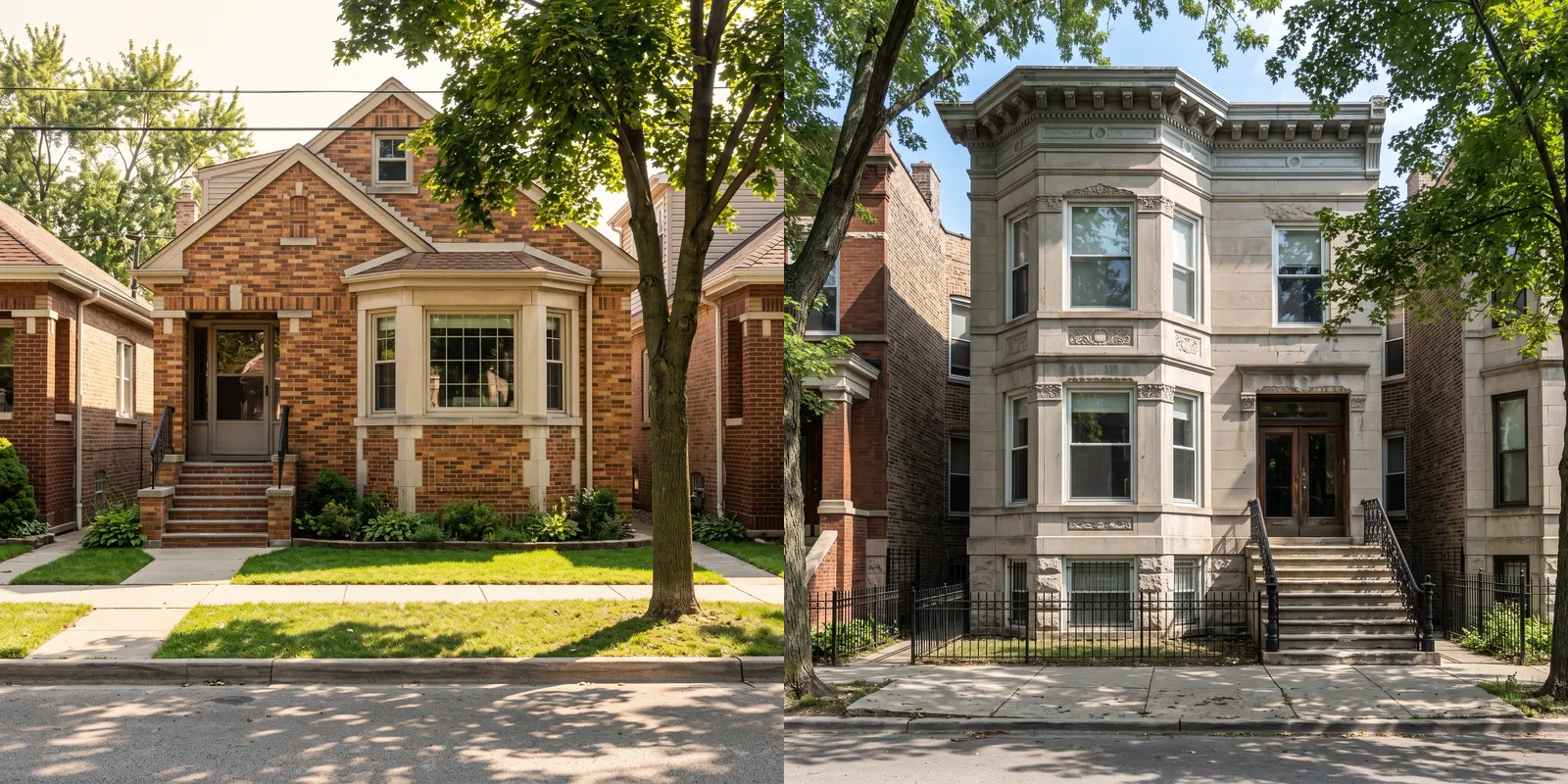
Chicago bungalow. Brick, a story and a half over a full basement, built on a 25-by-125-foot lot, mostly from the 1910s to the Depression. The most common single-family house in the Northwest, Southwest and Far South Sides.
Two-flat and three-flat. One unit per floor, usually with a basement. Owner-occupant buyers often rent the other unit. Common on every side.
Greystone. A two- or three-flat, sometimes a single house, with a limestone front. Common on the West Side and along the boulevards.
Workers cottage. A narrow gable-front house from the 1870s to the 1910s, often raised or expanded since. Found in the older areas near downtown and along the river.
Condominium. From a converted two-flat to a lakefront high-rise. See the condo section.
New construction and coach houses. Infill houses and townhomes on city lots, and since April 1, 2026, new coach houses and basement units where zoning and the ward allow.
The Chicago Housing Market in 2026
Chicago prices rose this summer. In the three months ending August 2026, Redfin reported a citywide median sale price of $426,255, up 9.3% from a year earlier. It counted 7,541 homes sold in August, up 2.0% from 7,391. Homes sold at 101.4% of list price on average and 49.3% sold above asking. The median price per square foot was $288, up 3.8%. Redfin's Compete Score is 63 out of 100, which it calls somewhat competitive, and it says the average home receives 3 offers and sells for about 1% above list, while hot homes sell for about 5% above list and go pending in around 33 days.
Zillow's home value index shows a steadier climb. It puts the typical Chicago home at $334,030 in August 2026, up 5.2% from $317,535 a year earlier and up 6.6% from $313,502 in August 2024. By type, Zillow's condo index was $338,517 (up 4.3% in a year) and its single-family index $329,793 (up 5.6%). The percentages are my arithmetic from Zillow's public data.
The two numbers measure different things. Redfin's median is the middle of what actually sold in those three months, and in Chicago that mix is heavy with condos and higher-priced homes in the central and North Side areas. Zillow's index estimates the value of every home in the city, sold or not, across all 77 community areas. The spread between $426,000 and $334,000 is the best reminder I know that there is no single Chicago price. Ask for the sales of your building type in your community area.
If you are working out a budget, my guide to how much house you can afford in 2026 walks through the math.
Chicago Property Taxes and the City's Triennial Reassessment
Ownwell's data, updated April 13, 2026, puts Chicago's median effective property tax rate at 1.66% and the median annual bill at $3,796. The median bill swings widely by ZIP code, from $634 in 60827 to $9,070 in 60622. That spread is mostly home values and exemptions, since the whole city shares most of the same taxing bodies.
Here is what that rate means on this summer's median sale. At 1.66%, a home bought for $426,255 would carry about $7,100 a year in tax, or roughly $590 a month on top of the mortgage. The current bill on the same home may be lower, because assessments lag sales and every bill depends on the parcel's exemptions. The expectation I most often have to reset is a buyer budgeting off the seller's bill.
The Cook County Assessor reassesses the county in thirds, and the City of Chicago is its own third. All eight city townships (Hyde Park, Jefferson, Lake, Lake View, North, Rogers Park, South and West) are reassessed in the same year, and the Assessor lists the city's reassessment years as 2024 and 2027. That matches the three-year cycle: the north suburbs were reassessed in 2025 and the south and west suburbs are being reassessed in 2026, so the city is next in 2027.
The last round was large. In its final 2024 numbers, released January 29, 2025, the Assessor said total assessed value in Chicago rose 23% to $50.8 billion, residential assessed value grew 18% in total (not a median change), and homeowners' share of the tax base fell from 51% to 49%. Those values landed on the second-installment bills issued in 2025.
This year's bills are late. The Cook County Treasurer set the Tax Year 2025 first installment due April 1, 2026 and the second installment due October 1, 2026. Cook County said on August 18, 2026 that second-installment bills would be released by September 1, about two months late, after an overhaul of the property tax technology. If you are closing this fall, make sure the proration in your contract accounts for a bill that may not have been paid yet.
This is general information, not tax advice. Your actual bill depends on your parcel, your exemptions and the Assessor.
The Chicago Transfer Tax and What Happened to the "Mansion Tax"
Chicago charges its own real estate transfer tax on top of the state and county stamps, and it is split between buyer and seller. Per the City's Department of Finance, read September 30, 2026, the rate is $5.25 per $500 of the price: $3.75 per $500 is the City portion, which the buyer generally pays, and $1.50 per $500 is the CTA portion, which the seller generally pays. Buyers 65 or older can get the CTA portion refunded on a home of $250,000 or less that they live in for at least a year. The state rate is 50 cents per $500 and Cook County's is 25 cents per $500, both customarily paid by the seller in the Chicago area.
On the $426,255 summer median, that works out to about $3,199 in City tax for the buyer and about $1,280 in CTA tax for the seller, plus about $427 in state and $213 in county stamps. That is my arithmetic, with each $500 or fraction counted as the law requires. A buyer coming from the suburbs is often surprised to pay a transfer tax at all.
The "Mansion Tax" did not pass. The Bring Chicago Home question on the March 19, 2024 ballot would have cut the City portion to $3 per $500 on the part of a price under $1 million and raised it to $10 per $500 on the part from $1 million to $1.5 million and $15 per $500 above $1.5 million, to fund homelessness programs, per Ballotpedia). A Cook County judge ordered it off the ballot on February 23, 2024, WTTW reported; the appellate court reversed on March 6, and the Illinois Supreme Court declined to hear the appeal on March 13. Voters rejected it, 52.17% to 47.83%, per Ballotpedia's certified figures. The City rate is still $3.75 per $500, and I found no later change to the transfer tax through September 2026. My Illinois closing costs guide covers the rest of the closing math.
Buying a Condo in Chicago: What to Check First
A Chicago condo is two purchases: the unit and a share of the building. The Illinois Condominium Property Act, Section 22.1, makes the seller get and show you, on request, the building's declaration, bylaws and rules; any liens or unpaid assessments on the unit; capital expenditures planned for this year and the next two; the reserve fund balance; the last year's financial statement; pending lawsuits involving the association; the insurance coverage; a statement on the prior owner's alterations; and the name and address of the principal officer. The board must provide them within 10 business days, and the fee is capped at $375, indexed to inflation. A collection-policy document joins the list on January 1, 2027.
Read the reserves line closely. The Act requires "reasonable reserves" but no reserve study, and a bill to require one, HB 2563, was sent back to committee on April 17, 2026. Low reserves plus a big project usually means a special assessment.
Tall buildings have their own calendar. The City's exterior wall program requires façade reports from an architect or structural engineer, with short forms due November 1 and critical examinations due December 1. For buildings 80 feet and taller, critical exams come every 4 to 12 years depending on the building's category, per the engineering firm Thornton Tomasetti. Ask when the last one was done and what it found.
Financing depends on the building, too. Fannie Mae's Selling Guide, updated August 5, 2026, makes a project ineligible if it needs critical repairs, including unfunded repairs of more than $10,000 per unit due within 12 months, and FHA loans need a building on HUD's approved list. Two more Chicago rules: a building can be sold to a developer for deconversion only with the approval of 85% of owners under a 2019 city ordinance, per the National Law Review, and any limits on renting out your unit are set by the building's own declaration, so read it if you might rent later.
I have closed a condo purchase in the city myself: a buyer-side sale at 817 E. 53rd Street, Unit 3, for $177,000 in September 2025. What made it work was reading the association documents before the inspection, not after.
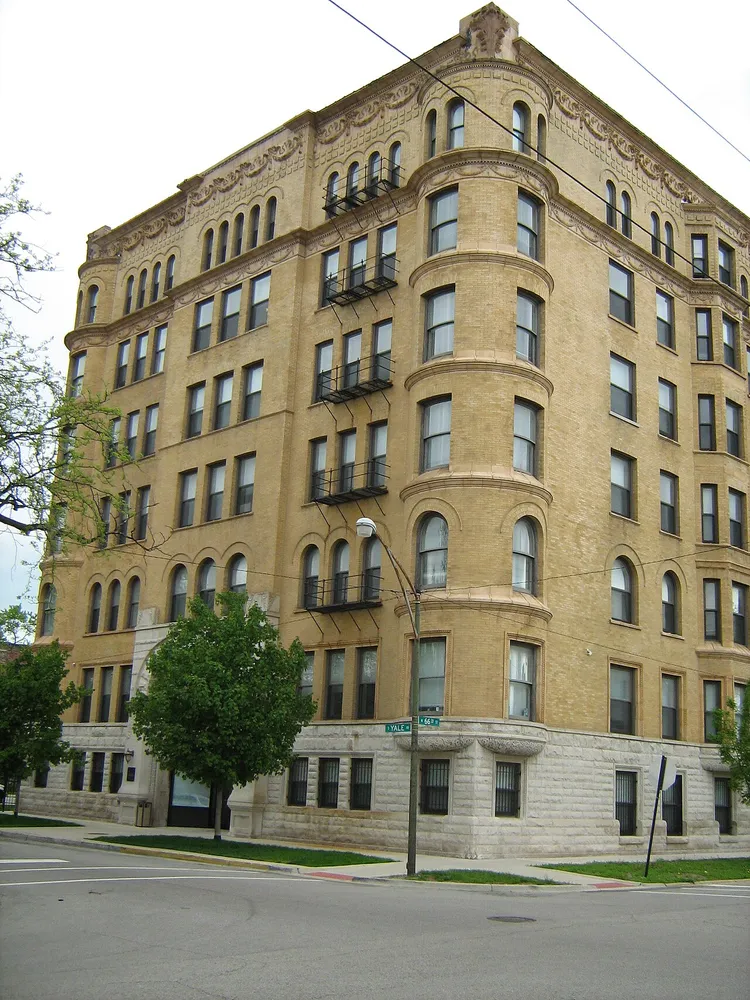
Chicago Public Schools: Attendance Boundaries and Selective Enrollment
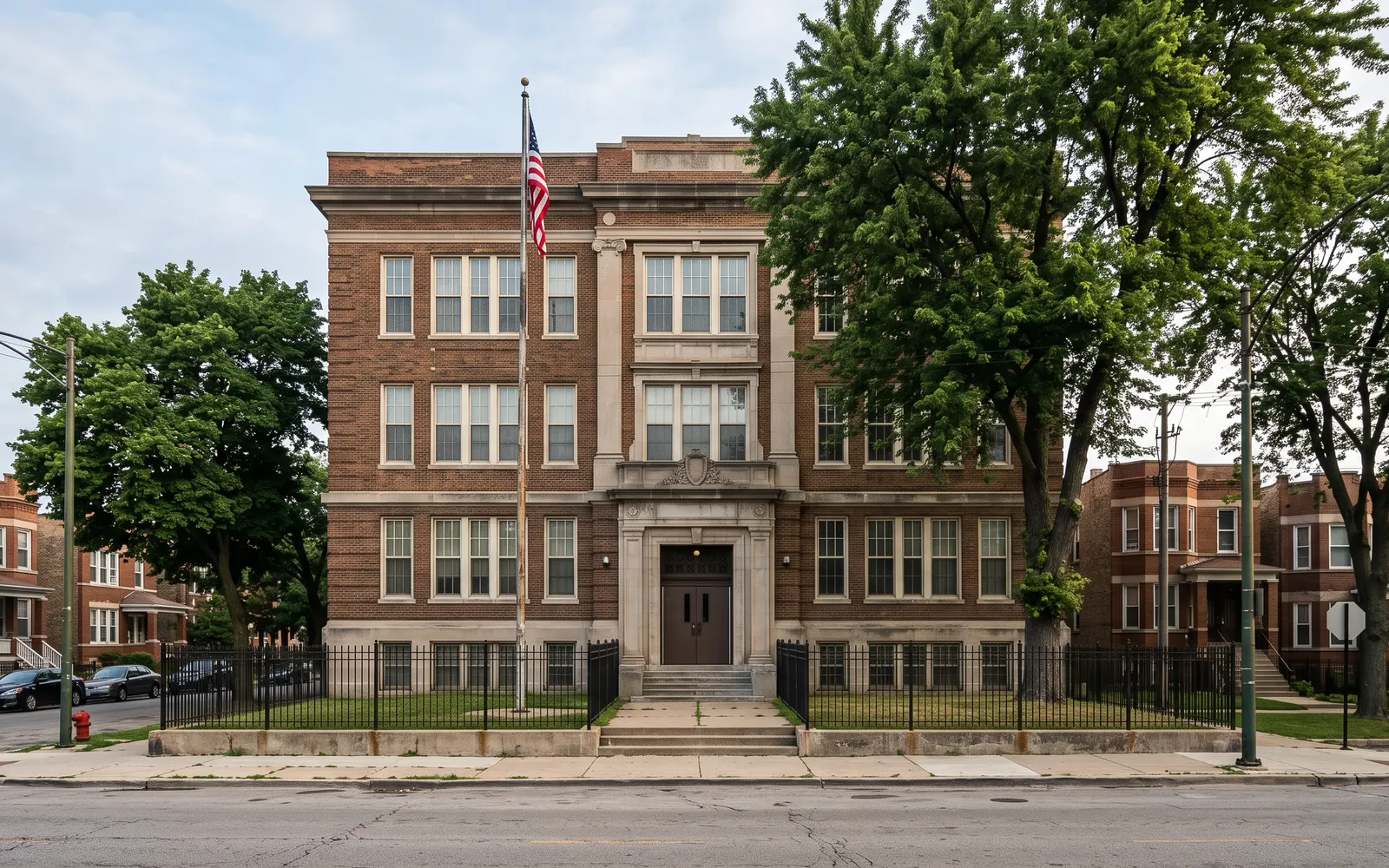
Nearly all of Chicago is one school district, Chicago Public Schools. Per CPS, 304,687 students enrolled at the start of the 2026-27 school year across 626 schools, including 520 district-run schools (428 elementary and 92 high schools), 99 charter schools and a handful of contract and other schools.
For a home buyer, the key fact is that every address has assigned schools. The CPS School Locator says each home address falls inside an elementary and a high school attendance boundary, and those are its neighborhood schools. CPS says every address is assigned a neighborhood high school where a student is guaranteed a seat without applying, with proof of residency. Boundaries follow streets, not community areas, so two homes on the same block can be assigned differently. Look up the exact address, and confirm with CPS before you rely on it.
Everything beyond the neighborhood school runs through the GoCPS application. For the 2027-28 school year, GoCPS applications opened September 9, 2026 and close November 13, 2026 at 5 p.m. CPS runs 11 selective enrollment high schools: Brooks, Hancock, Jones, King, Lane Tech, Lindblom, Northside Prep, Payton, South Shore International, Westinghouse and Young. Admission uses points, half from seventh-grade core grades and half from the HSAT exam, and seats are allocated partly by address tier. CPS assigns every address a tier from 1 to 4 based on Census data, so the tier is another thing tied to the home you buy.
Governance is changing too. The Board of Education became a hybrid of 11 appointed and 10 elected members in January 2025, and it becomes fully elected in 2027.
Getting Around Chicago: The 'L', Buses and Metra
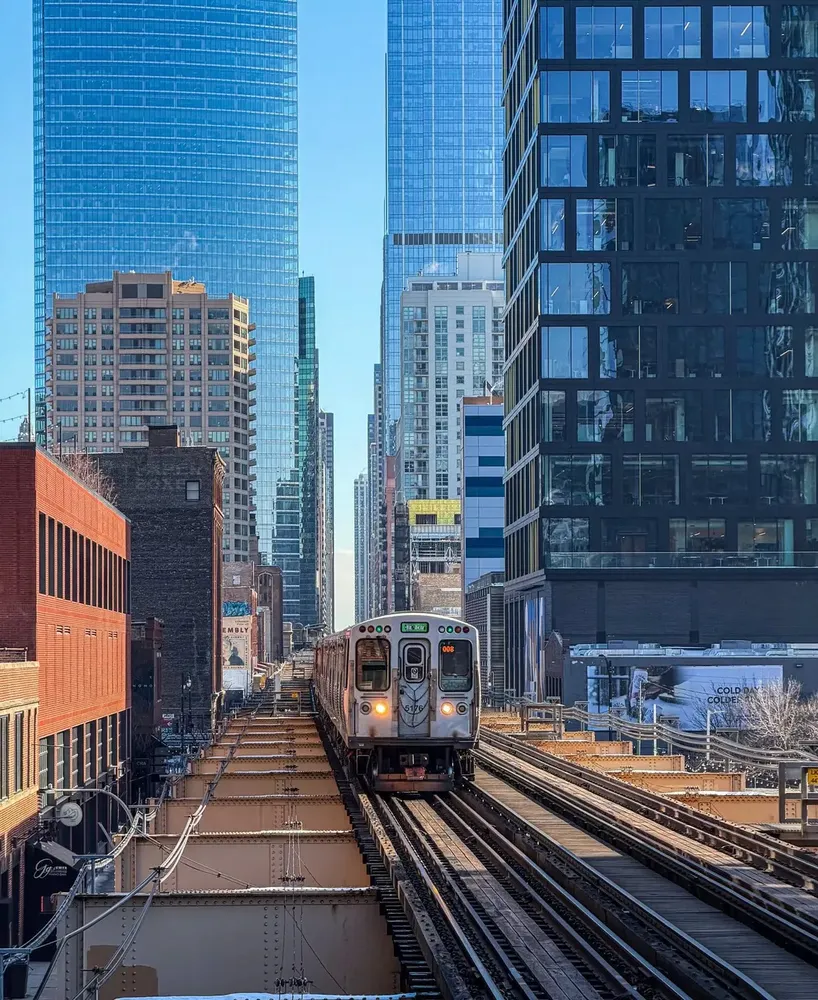
The CTA runs the city's rail and bus network. Per its facts page, updated March 2026, the 'L' has eight lines (Red, Blue, Brown, Green, Orange, Pink, Purple and Yellow) and 146 stations on 224.1 miles of track, plus 127 bus routes. The system carried 338.0 million rides in 2025, 138.4 million of them on rail. A rail ride costs $2.50 and a bus ride $2.25, with up to two transfers within two hours, per CTA's fares page. Unlimited passes are $5 a day or $75 for 30 days.
The biggest change is on the Far South Side. CTA broke ground in April 2026 on the Red Line Extension, 5.5 miles from 95th/Dan Ryan to 130th Street with four new stations near 103rd Street, 111th Street, Michigan Avenue and 130th Street, and expects it in service in 2030. Downtown, the State/Lake station is closed for reconstruction into 2029, per CTA.
Metra adds commuter rail. It runs 11 routes and 243 stations, per Metra, into four downtown terminals: Union Station, Ogilvie, LaSalle Street and Millennium Station. I count about 75 stations inside the city limits in Wikipedia's station list, the newest being Peterson/Ridge, opened May 20, 2024. Inside the city, Metra is often faster to the Loop than the 'L' from the Northwest and Far South Sides. Metra's fare table has four zones; a one-way trip in zones 1 and 2, which covers most city stations, is $3.75 and a day pass is $7.50.
The practical takeaway for a buyer: price the commute from the exact address to the exact office, and check whether the nearest station is 'L' or Metra. Walking distance to a station is the single amenity I see priced into Chicago homes most consistently.
O'Hare, Midway and Driving in Chicago
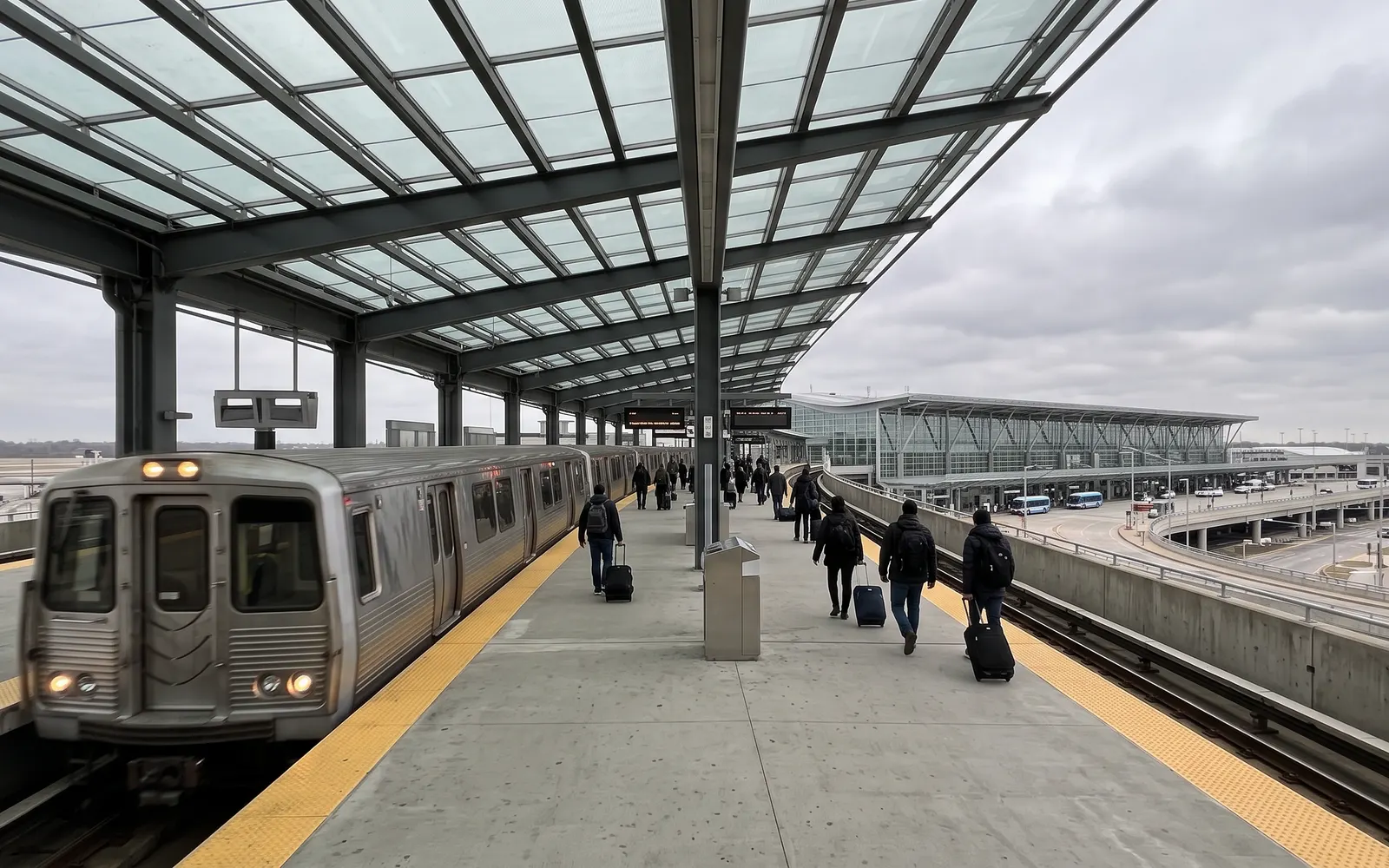
Chicago has two airports inside the city limits, and both have an 'L' line. O'Hare had 84.8 million passengers and 860,015 flights in 2025, the City reported in April 2026. The Blue Line runs to O'Hare around the clock, and CTA lists a 40 to 45 minute ride downtown; boarding at O'Hare costs $5. O'Hare is being rebuilt: the Chicago Department of Aviation broke ground on the $1.3 billion, 19-gate Concourse D in August 2025, with a late-2028 target, and a new Global Terminal is planned where Terminal 2 stands.
Midway sits about 12 miles from the Loop in the Garfield Ridge and Clearing community areas, per Wikipedia, and the Orange Line reaches downtown in 20 to 25 minutes, per CTA. For buyers on the Southwest Side, Midway is often closer than the Loop.
The expressways all meet near downtown. The Kennedy (I-90/94) runs northwest to O'Hare, the Dan Ryan south, the Eisenhower (I-290) west, the Stevenson (I-55) southwest and the Edens (I-94) north, with the Bishop Ford and the Skyway on the Far South Side. IDOT's three-year, $169 million Kennedy rehabilitation finished on October 24, 2025, a month early. The lakefront road was renamed Jean Baptiste Point DuSable Lake Shore Drive in 2021, per Wikipedia. Driving also brings a city cost the suburbs do not have, the vehicle sticker, covered in the utilities section.
Is Chicago Walkable?
Mostly, yes, and it depends on the side. Walk Score gives Chicago a Walk Score of 77, a Transit Score of 65 and a Bike Score of 72, and ranks it the fourth most walkable large city in the U.S. It counts 7,997 restaurants, bars and coffee shops and says the average resident can walk to three of them in five minutes.
The scores are highest near downtown and along the 'L' lines. Walk Score rates Wicker Park and the Near North Side at 96, the Loop at 95 with a Transit Score of 99, and Lincoln Park at 94. They fall on the edges of the city, where lots are bigger and the grid has more houses and fewer storefronts. If walking to a train and a grocery store matters to you, narrow the search to a few blocks around the stations and the commercial streets, and check the exact address.
The city is also building out off-street trails. The 606, a 2.7-mile elevated trail on an old rail line, opened in 2015, and the City Council approved money on September 23, 2026 that could extend it toward the river.
Chicago's Lakefront, Beaches and Parks
The lakefront is Chicago's biggest amenity, and it is public. The Chicago Park District describes 26 miles of open, free lakefront. Its beach search lists 27 beach facilities, while the City's facts page says 29, so the count depends on how you split them. Beach season runs from the Friday before Memorial Day through Labor Day, with lifeguards from 11 a.m. to 7 p.m. The 2026 season has ended. Unlike many lake suburbs, there are no beach passes.
The Lakefront Trail runs about 18.5 miles along the shore. Inland, the City's facts page counts over 580 parks and 8,300 acres, and Chicago's historic boulevard system links parks and squares along 26 miles of connected streets, per Wikipedia. Downtown, the Riverwalk adds a 1.25-mile promenade on the south bank of the Chicago River, per the City.
For a buyer, the parks question is usually about distance: to the lake, to the boulevards and to the nearest field house with programs. Parks and field houses are run by the Park District, and its programs are open to residents citywide.
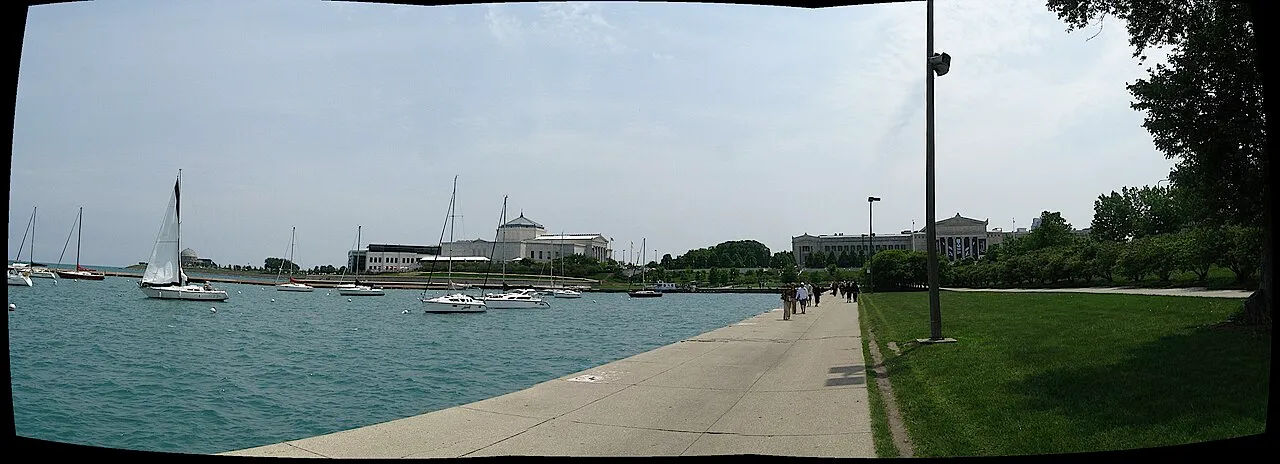
The Chicago Public Library
The Chicago Public Library runs 82 locations, per the City's data portal, including the central Harold Washington Library Center downtown, which opened in 1991, and three regional libraries. With that many branches, most homes in the city are close to one. The branch list and hours are on the data portal and the library's own site.
Chicago Utilities and City Costs: Water, Lead Lines, Garbage and the City Sticker
Chicago adds a few costs and closing steps that suburban buyers do not expect. Water and sewer are billed by the City, and no sale closes without a Full Payment Certificate showing the water bill is paid. The fee is $50, and without it the City will not issue the transfer tax stamps needed to record the deed. Order it early on a multi-unit building with a water account in dispute.
Garbage is a monthly fee. The City charges $9.50 per month per dwelling unit for homes that get City collection, per the Department of Finance, and buildings of five or more units use private haulers. Cars need a City vehicle sticker within 30 days of moving in, whatever state the car is registered in; a passenger vehicle sticker is $100.17 a year and the minimum ticket for not having one is $200, per the City Clerk.
The item I would flag first is lead service lines. The City says it has almost 400,000 of them, and that service lines were mostly made of lead until 1986. Its plan, as Inside Climate News reported in June 2025, replaces about 8,300 a year starting in 2027 and runs to 2076. If you are buying an older home, ask the seller and the City about the line, and have your inspector look at where it enters the basement.
Basement Backups and Flood Risk in Chicago
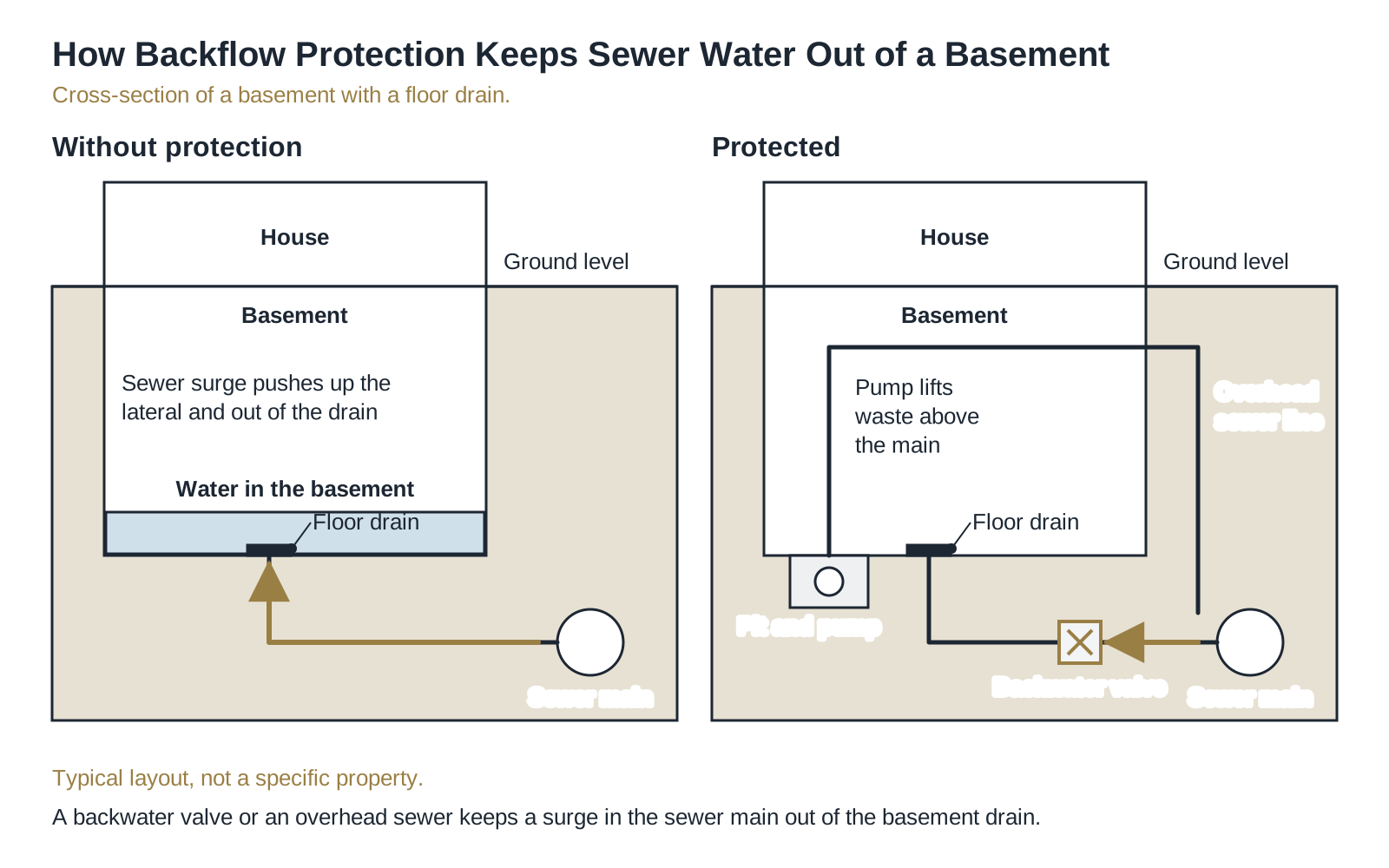
In Chicago the water question is mostly about basements. "Most of Chicago has a combined sewer system," per the Metropolitan Water Reclamation District, which means rain and sewage share the same pipes, and a hard storm can push water back up through a basement floor drain. The City's Department of Water Management says storms can dump two inches or more an hour on its 4,400 miles of sewer main, that street inlet restrictors hold water on the street for three to four hours on purpose, and that "nobody can guarantee you will never flood."
The regional fix is the Deep Tunnel. MWRD's Tunnel and Reservoir Plan has 110 miles of tunnels and more than 11 billion gallons of storage today, rising to 17.5 billion when the McCook Reservoir's second stage opens, which its June 30, 2026 status report expects in 2032. It has cut sewer overflows but not ended basement backups.
Recent storms show the scale. After the July 2023 flood, FEMA approved 76,450 individual assistance applications for $326.8 million under disaster DR-4728. A July 2024 storm damaged about 95,603 buildings citywide, 7.4% of all buildings, per a City Council Office of Financial Analysis report%20Valve%20Program.pdf). Federal aid for the July and August 2025 floods was denied, and Cook County approved a $15 million relief program in July 2026, up to $2,000 per household. A 2014 Center for Neighborhood Technology study found more than 181,000 flood damage claims in Cook County from 2007 to 2011, and federal flood insurance paid just 8% of the total, because most basement backups happen outside mapped floodplains.
Redfin, using First Street's model, rates Chicago's flood factor as minor, with 21% of properties at risk of severe flooding over the next 30 years. Before you write an offer, look the address up on the FEMA flood map, ask the seller directly about water in the basement, and have your inspector check for a backwater valve, an overhead sewer, a sump pump and whether the downspouts are disconnected. The City's analysis puts a backwater valve at $1,500 to $5,000. That is the first question I ask on any Chicago house with a finished basement.
What's Being Built in Chicago, and Where the Bears Stand
The Bears are the question I get most, so here is what is decided and what is only proposed, as of September 30, 2026. Decided by the team: on June 5, 2026 the Bears board voted to advance a stadium project in Hammond, Indiana, with the exact site "to be selected," the Chicago Sun-Times reported, and on August 13 the team said Hammond is its "sole focus." Decided by Indiana: a February 2026 law created a stadium authority. Not decided: no site has been chosen and no stadium has been approved, and no Illinois stadium law has passed; the megaproject tax bill passed the Illinois House in April 2026 but stalled in the Senate, per Capitol News Illinois. The team still owns 326 acres in Arlington Heights, the 2024 lakefront plan was dropped in 2025, and the Soldier Field lease runs through 2033, per the Sun-Times. In short, the Bears are still playing at Soldier Field, and nothing about their next home is final.
Other projects are further along. The Obama Presidential Center opened to the public in Jackson Park on June 19, 2026. The Chicago Fire broke ground on March 3, 2026 on a privately funded, $750 million stadium at The 78 in the South Loop, aiming to open ahead of the 2028 season. Bally's permanent casino at 560 W. Grand Avenue topped off on May 1, 2026 and targets spring 2027. The Illinois Quantum and Microelectronics Park on the former U.S. Steel South Works site broke ground in 2025, with a first phase due in 2027. And the Red Line Extension is under construction for 2030.
On housing, the northern part of the old Lincoln Yards site is now planned as Foundry Park with up to 3,737 homes, and the City Council approved $201.6 million in TIF for its roads, sewers and parks on September 23, 2026. The rules changed in 2025, too: coach houses and basement units (see homes), zero required parking near transit from September 25, 2025, and a Green Social Housing fund of $135 million approved May 7, 2025.
I don't label any neighborhood safe or unsafe.
Chicago or the Suburb Next Door? The Towns Along the City Line
A lot of the buyers I talk to are choosing between a Chicago community area and the suburb a few blocks away. The trade usually comes down to the tax bill, the school district, the transfer tax and the commute. Each of these suburbs has its own guide on my site.
North of the city, Evanston has two rail lines and its own transfer tax, and Skokie and Lincolnwood sit west of it. On the Northwest Side, the city line runs past Park Ridge, Norridge, Elmwood Park and River Grove; Harwood Heights, next to Norridge, does not have a guide yet. West of the city, buyers compare Oak Park, Cicero and Berwyn. Southwest and south, the neighbors are Evergreen Park, Oak Lawn, Alsip and Blue Island. On the Far South Side, look at Riverdale, Dolton and Calumet City.
The biggest single difference is usually schools. Inside the city, a home is assigned CPS schools by address; a block across the line, it is in a suburban district with its own boundaries and its own tax rate. The second is the reassessment calendar: the city is reassessed in 2027, the suburbs on their own schedules.
Chicago at a Glance
In one city you can buy a studio condo, a two-flat to live in and rent out, a bungalow with a yard or a lakefront high-rise, and you get eight 'L' lines, dozens of Metra stations, two airports on rail, 26 miles of public lakefront and a Walk Score of 77. The effective tax rate near 1.66% is lower than in many of the suburbs I cover, and there is a public school guaranteed for every address.
The transfer tax is split between buyer and seller and adds several thousand dollars, the whole city is reassessed at once in 2027, condo buildings need their documents read closely, most houses are old enough to need a look at the sewer line and the lead service line, and school assignment depends on the exact address and a separate application process. Only 14.9% of the city's housing was built since 2000 and most lots are 25 feet wide.
Frequently Asked Questions
How much does a house cost in Chicago, IL?+
Redfin reported a median sale price of $426,255 for the three months ending August 2026, up 9.3%. Zillow's home value index was $334,030 in August 2026, up 5.2%, with condos at $338,517 and single-family homes at $329,793. Prices vary widely by community area and building type.
How many neighborhoods are in Chicago?+
The City counts 77 official community areas and 100 neighborhoods. This guide groups the community areas into seven sides: Downtown/Central, North, Northwest, West, Southwest, South and Far South.
What are property taxes in Chicago, IL?+
Ownwell puts the median effective rate at 1.66% and the median annual bill at $3,796 (updated April 2026). At that rate a home bought at the summer median of $426,255 would carry about $7,100 a year once assessed at its sale price.
When is Chicago reassessed for property taxes?+
The Cook County Assessor reassesses all eight city townships together every three years. The last City of Chicago reassessment was 2024, and the Assessor lists 2027 as the next. The Tax Year 2025 second installment is due October 1, 2026.
How much is the Chicago transfer tax, and who pays it?+
The City charges $5.25 per $500 of the price. The buyer generally pays the $3.75 City portion and the seller the $1.50 CTA portion. The state adds 50 cents and Cook County 25 cents per $500, customarily paid by the seller.
Did the Chicago "Mansion Tax" pass?+
No. The Bring Chicago Home question on the March 19, 2024 ballot, which would have raised the transfer tax on the part of a sale above $1 million, failed 52.17% to 47.83%. The City portion is still $3.75 per $500.
How do I find which Chicago public school a home is assigned to?+
Enter the address in the CPS School Locator. Every address has a neighborhood elementary and high school by attendance boundary. Selective enrollment and other programs go through the GoCPS application, open September 9 to November 13, 2026 for 2027-28.
What is the status of the new Bears stadium?+
As of September 30, 2026, the Bears' board has voted to pursue a stadium in Hammond, Indiana, but no site has been chosen, no stadium has been approved and Illinois has passed no stadium law. The team still plays at Soldier Field under a lease that runs through 2033.
Eshu Chikoti has extensive access to off-market listings throughout Chicago and the rest of Cook County — homes that never make it to the public listing sites. That matters right now: in a seller's market like this one, well-priced homes routinely go under contract within days, and buyers relying only on public listings are competing for whatever is left over. Working with someone plugged into off-market inventory means seeing homes before the crowd does.
Eshu Chikoti · 847-691-4282 ·
Get new Chicago listings by email
When a home comes on the market in Chicago, I'll email it to you.
Just your email. Unsubscribe any time by replying.
Thinking About Chicago?
Whether you're buying, selling, or just curious what's on the market, I can walk you through Chicago street by street.