Cicero, IL
Cicero, IL is a Cook County town of about 82,800 people on Chicago's western edge, with a Metra station 7 miles from Union Station, two Pink Line stops and a summer 2026 median sale price near $295,000.
Living in Cicero, IL means a 15-to-18-minute Metra ride to Union Station, a Pink Line terminal on Cermak Road, and a summer 2026 median sale price near $295,000. About 42% of homes sit in two-to-four-unit buildings. The trade-offs are a 2.83% effective tax rate and housing that is mostly pre-1940. Here is how it breaks down.
Written by Eshu Chikoti · 847-691-4282 ·
How Cicero, IL Got Here: A Short History
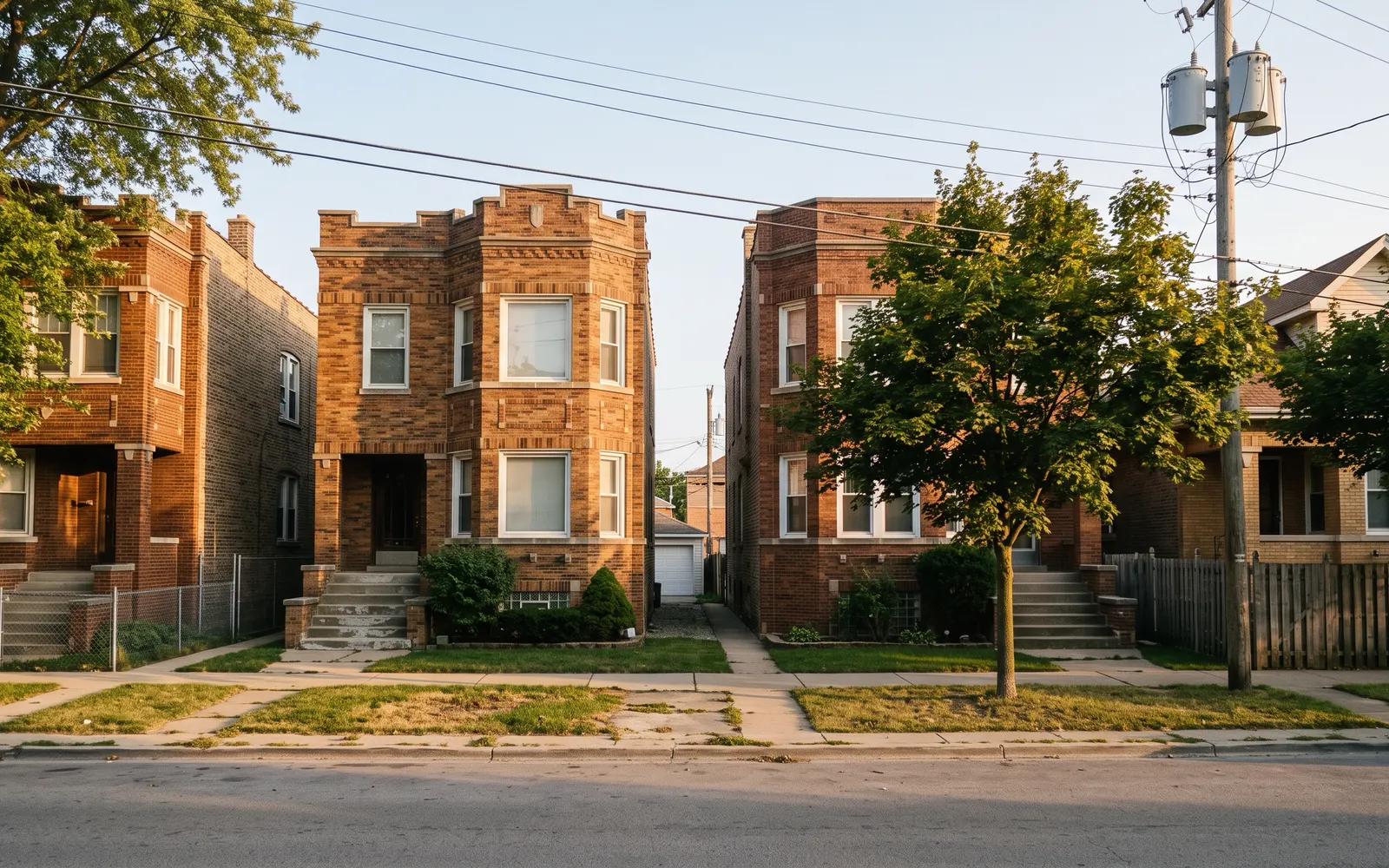
Cicero is older than most of the suburbs around it. According to the Town of Cicero's own history, 14 voters met on June 23, 1857, to organize local government for a 36-square-mile township bounded by what are now Western, North and Harlem avenues and Pershing Road. The town was incorporated with a special charter in 1867, which is the date Wikipedia gives as February 28, 1867.
Most of that original territory is gone. Chicago annexed the eastern and northern parts, including Austin. Oak Park incorporated separately in 1902, and Berwyn followed on June 6, 1908. The town's history page says what remained is less than six of the original 36 square miles. Today Cicero covers 5.87 square miles.
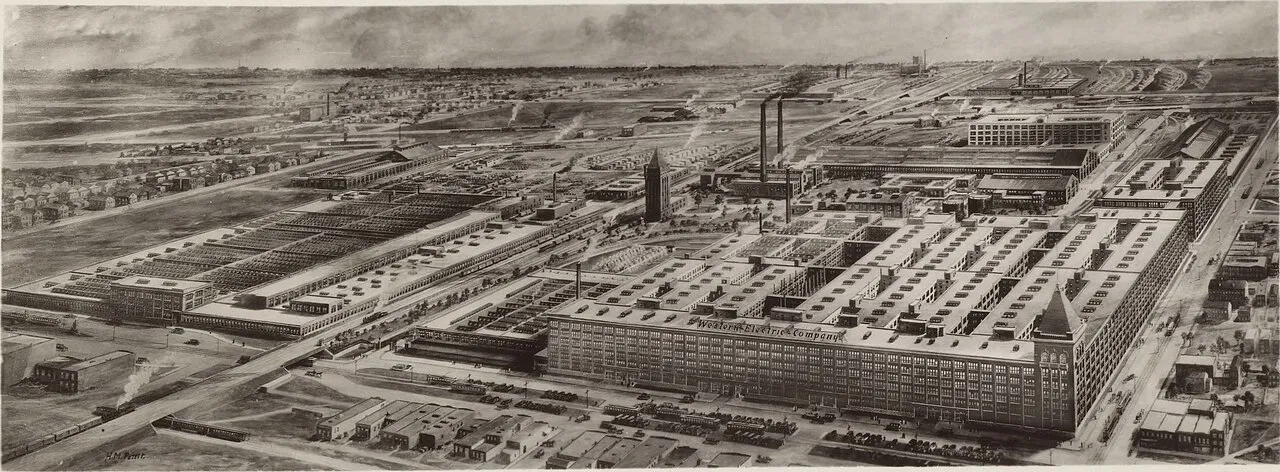
Industry built the modern town. Western Electric opened the Hawthorne Works at Cicero Avenue and Cermak Road in 1905. At its peak it employed about 45,000 people making telephone equipment, and the worker studies run there in the 1920s gave the world the term "Hawthorne effect." The plant closed in 1983 and was replaced by a shopping center. One of its original towers still stands behind the Hawthorne Works Shopping Center. Census counts on Wikipedia show the town growing from 16,310 people in 1900 to 66,602 in 1930, which is when most of today's houses went up.
The 1920s also gave Cicero its most famous name. Wikipedia's Al Capone entry says Capone based himself in Cicero, and that rivals fired on his headquarters at the Hawthorne Inn on September 20, 1926.
Two events from the civil rights era are also part of the record. On July 11 and 12, 1951, a mob of about 4,000 people attacked and burned an apartment building at 6139 W. 19th Street after Harvey E. Clark Jr., a Black World War II veteran, rented a unit there for his family. Governor Adlai Stevenson sent in the Illinois National Guard to end the riot. In 1966, during the open-housing marches in Chicago and its suburbs, a smaller march was held in Cicero, and Wikipedia notes that those marches helped build support for the federal Fair Housing Act of 1968.
Cicero at a Glance
The first thing to get right about Cicero is the word "town." Cicero is not a village or a city. It is an incorporated town, and it is coterminous with Cicero Township. The Cook County Assessor's June 2026 release says so plainly: "Cicero Township is coterminous with the town of Cicero." The town's history page adds that township and municipal functions are handled by a single elected board. For a buyer, that means one assessment township covers the whole town, so every Cicero house is reassessed in the same year.
Cicero sits directly west of Chicago. Berwyn is to the west, Oak Park to the north and Stickney and Forest View to the south. Wikipedia counted 85,268 people in the 2020 census, which made Cicero the 11th most populous municipality in Illinois. The 2020-2024 Census ACS on Census Reporter puts the population at 82,797.
It is a dense place. Of 24,432 occupied homes in that ACS, 13,329, or 54.6%, are owner-occupied, and 11,103 are rented. There are 26,203 housing units in all on less than six square miles. That density is a big part of why Cicero's Walk Score is 75.
The street grid is easy to learn. Cermak Road (22nd Street) is the main commercial street and the home of the town hall at 4949 W. Cermak. Cicero Avenue (Illinois 50) runs north and south along the east side, and Laramie, Central and Austin are the other north-south streets locals use. Roosevelt Road, 16th Street, 26th Street, 31st Street, Ogden Avenue and Pershing Road carry most east-west traffic.
Zillow's August 2026 index puts Cicero about $41,000 below Berwyn and about $207,000 below Oak Park.
Taxes run near 2.83% of value, and the 2026 township reassessment will show up on bills issued in 2027. Basement water is a real question on older houses, and the future of the Hawthorne Race Course site is still open.
Cicero Neighborhoods: The Eight Named Areas
Cicero did not grow out from one main street. It grew from separate settlements that filled in until they touched, and the Town of Cicero still names eight neighborhoods that come from those settlements: Grant Works, Hawthorne, Warren Park, Drexel (which the town spells "Drezel"), Clyde, Morton Park, Boulevard Manor and Parkholme. Listings and school names use them, so it helps to know them.
The town gives the origin of each name but not the boundaries. The locations below come from agent and listing sites (neighborhoods.com and Redfin), which is a thinner base than I would like, so treat the edges as approximate. The build years quoted are the range of homes that site has tracked, not a survey of every house.
The more useful filters are practical ones. How far is the house from the Metra station at 26th and Cicero or the Pink Line on Cermak? Is it on a quiet side street or on a bus route? Is it a single-family home, a two-flat or a three-flat? In a town this compact, those questions separate two houses more than the neighborhood label does.
If you want to know which area a specific address falls in and what similar buildings have sold for lately, that is a conversation I am happy to have here.
Hawthorne. Named for an 1850s quarry that the town calls its first industry, and the name Western Electric gave its plant. Neighborhoods.com says the area dates to 1895 and tracks homes built from 1888 to 2020. The listings it tags Hawthorne sit around 30th and 31st streets, a thin basis for a boundary, so check the MLS.
Hawthorne Manor. A listing label used on neighborhoods.com and NeighborhoodScout, not one of the town's eight. The listings tagged with it sit on 52nd to 55th courts north of Pershing Road. The site dates it to 1917, with homes built from 1891 to 1998.
Boulevard Manor. Named for Austin Boulevard. Neighborhoods.com places it in the southwest corner of town between Ogden Avenue and Pershing Road, with homes built from 1924 to 1959, Manor Park and Kolar Park nearby, and the LaVergne Metra station to the northwest.
Parkholme. The town says the origin of the name is unknown. Neighborhoods.com tracks homes built from 1921 to 1954. I could not place its boundaries from a reliable source.
Morton Park. Named for Julius Sterling Morton, the Nebraskan who served as Agriculture Secretary under President Cleveland, the same man the Morton high schools and Morton College are named for.
Clyde. Named after a river in Scotland, per the town. The Clyde station) at 29th Street and Austin Boulevard had Metra service until it closed on April 1, 2007.
Warren Park and Drexel. Both carry the names of local landowners. Each shares its name with a District 99 elementary school, Warren Park School and Drexel Elementary.
Grant Works. Named after a locomotive factory that opened around 1890, per the town.
What Cicero Homes Look Like: Bungalows and Two-Flats
Cicero is a prewar town, and the Census makes that obvious. Of 26,203 housing units in the 2020-2024 ACS, 16,196, or 61.8%, were built in 1939 or earlier. Another 10.5% went up in the 1940s. That is 72.3% of the housing stock standing before 1950. Only 149 units, 0.6%, were built in 2010 or later.
The mix of building types is what sets Cicero apart. Single-family detached homes are 42.3% of units, and townhouses another 2.6%. Buildings with exactly two units are 29.0%, and three- and four-unit buildings are 13.4%. Put those together and 42.4% of Cicero's homes are in two-to-four-unit buildings, about the same share as detached houses. Buildings of five or more units are only 12.4%.
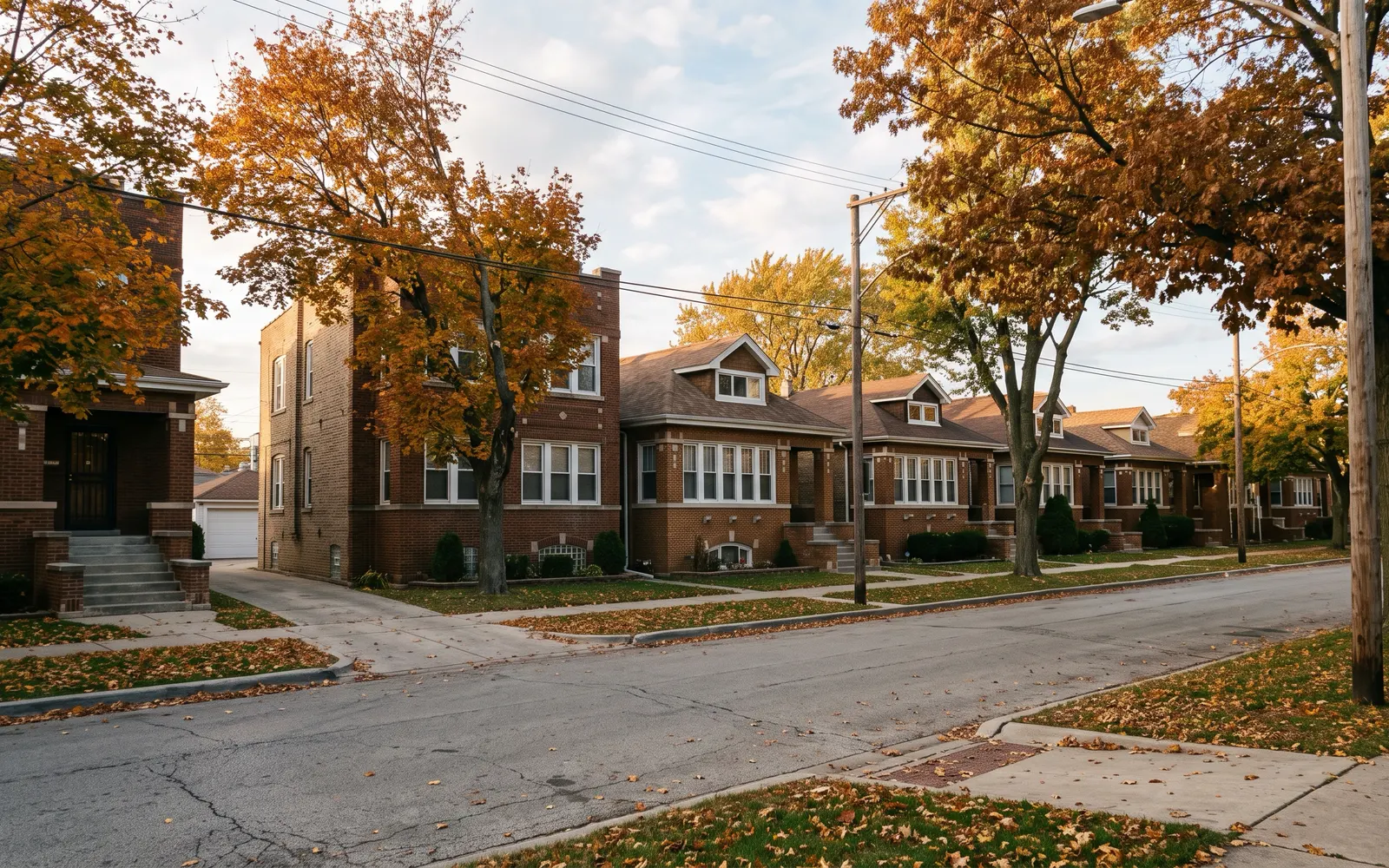
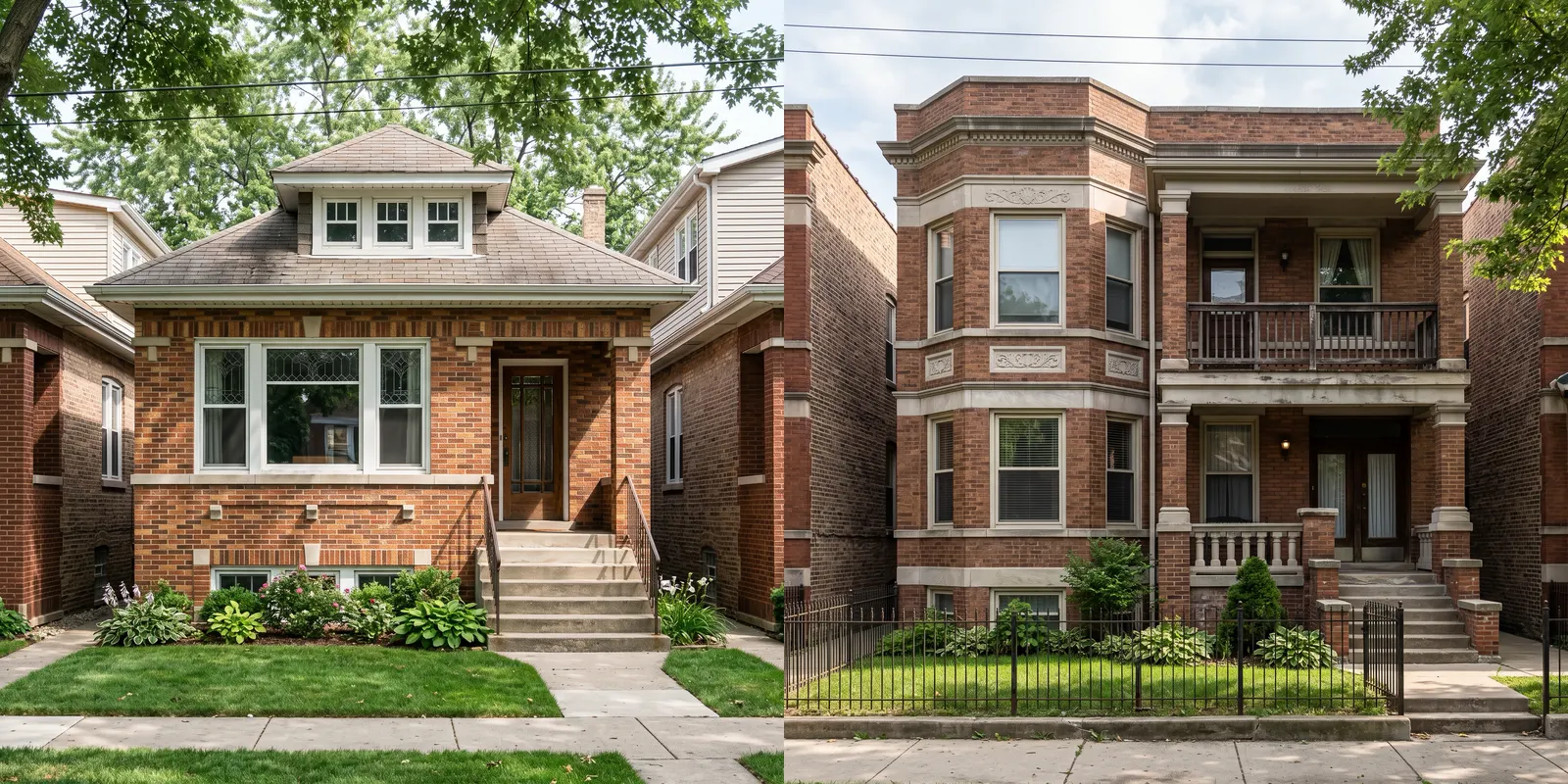
On the street, that means brick Chicago bungalows, frame cottages on narrow lots, and the classic brick two-flat with one apartment stacked on another. Three-flats and small courtyard buildings fill in along the busier streets. Most lots are narrow and back onto an alley with a detached garage.
The two-flat is the reason many buyers look here. A small building with a unit to rent can help carry the mortgage, and FHA and conventional loans both allow owner-occupied purchases of two-to-four-unit buildings. If that is your plan, my Illinois first-time buyer programs guide covers the assistance that pairs with it.
The ACS puts the median home value at $249,400 and the median gross rent at $1,154. Both trail the current market because the survey averages five years of responses.
The expectation I most often have to reset here is about age. A 1925 two-flat that shows well can still have original wiring, galvanized supply lines, an old boiler and a basement that has taken on water. None of that has to kill a deal. All of it belongs in the price. My home inspection checklist is a good place to start.
The Cicero Housing Market in 2026
The Cicero market is steady, not hot. In the three months ending August 2026, Redfin reported a median sale price of $294,805, down 4.4% from a year earlier. Homes took a median of 63 days to sell, against 66 a year earlier, and sold at 99.2% of list price. Redfin counted 92 sales in August 2026, up from 80 in August 2025, and gives Cicero a Compete Score of 50 out of 100, somewhat competitive, with about five offers per home on average.
Zillow's home value index tells a different story. For August 2026 it is $279,769, up 4.6% from August 2025 and 8.6% from August 2024.
Why does one source say prices fell while the other says they rose? Redfin's median describes only the homes that sold, and Zillow's index estimates the value of every home in town. Redfin's price per square foot fell 18.4% to $177 over the same period, which points to a change in what sold. In a town where a large two-flat and a small bungalow trade in the same few months, the sales mix swings the median more than it does in a town of similar houses. My read is that values held or rose modestly while the summer's sales leaned toward lower-priced buildings.
For context, Zillow's August 2026 index puts Berwyn at $321,149, Stickney at $297,472, Forest Park at $291,076, Lyons at $280,833, North Riverside at $356,131 and Oak Park at $486,880. Cicero is the lowest of those seven.
The assessor's numbers help too. The Cook County Assessor's Cicero valuation report lists 2025 median sale prices of $276,000 for single-family homes, $122,000 for condos and $364,000 for small apartment buildings. That last figure is the one two-flat buyers should watch.
If you are buying, set the budget before you tour. My guide to how much house you can afford in 2026 walks through it.
Cicero Property Taxes and the 2026 Township Reassessment
Property tax is the number that moves the monthly payment most. Ownwell's Cicero data, last updated April 13, 2026, puts the median effective rate at 2.83% and the median annual bill at $5,644. The same page puts Cook County's median effective rate at 2.14%, so Cicero's rate runs above the county's even though its bills are smaller.
Cook County reassesses one-third of the county each year, so each area is revalued every three years. The south and west suburbs were last reassessed in 2023 and came up again in 2026. Because the town and the township are the same territory, the assessor's Cicero Township release of June 18, 2026, covers all of Cicero. The assessor released the new values on June 17, and appeals were due July 31, 2026. The release lists a 2025 median single-family sale of $276,000 against the assessor's median estimate of $245,000. The new values will affect second-installment tax bills issued in 2027. By my own arithmetic on the three-year cycle, the next Cicero reassessment would come in 2029; the assessor has not published that date.
The bills come in two pieces. For tax year 2025, the first installment was due April 1, 2026, and the second is due October 1, 2026, per the Cook County Treasurer. If you close this fall, ask your attorney how the proration treats that bill.
Here is what the rate looks like on a real purchase. At this summer's $294,805 median, 2.83% works out to about $8,340 a year, or about $695 a month on top of the mortgage. The seller's current bill is often lower because assessments trail sale prices, and budgeting off it is the mistake I see most. The Cook County homeowner exemption takes $10,000 off the equalized assessed value of an owner-occupied home. A new owner has to apply.
Cicero also charges its own transfer tax and requires an inspection. The town's transfer stamp page sets the rate at $10 per $1,000 of price. On a $295,000 sale that is $2,950. The ATG summary lists the seller as the party liable, except in HUD deals, and notes a compliance inspection before every transfer. The town will not issue stamps without a paid final water bill and a Certificate of Compliance, or an approved escrow repair agreement for an as-is sale. The inspection fee is $150 for a single-family home and $190 for two units. Start that process early, because a failed item can hold up a closing. My Illinois closing costs guide covers the rest. This is general information, not tax advice. Your bill depends on your parcel, your exemptions and the assessor.
Cicero Schools: District 99 and Morton High School District 201
Cicero's public school setup is simpler than in most Cook County suburbs. Elementary and middle school students attend Cicero School District 99, which runs pre-kindergarten through 8th grade from its office at 5110 W. 24th Street. The district's site lists 15 schools and an enrollment of 8,555 students. The grade spans vary by building, so some schools serve pre-K to 4th grade and others 4th to 6th, and seventh and eighth graders go to Unity Junior High.
The district is also building. On March 23, 2026, the town reported the groundbreaking of the Brian Dominick Early Childhood Center at 1630 S. 59th Avenue, on the site of the former Burnham Elementary School, which was demolished for it.
High school runs through J. Sterling Morton High School District 201, which serves Cicero, Berwyn, Lyons, Stickney and Forest View. Wikipedia says students east of Ridgeland Avenue are zoned to Morton East, and all of Cicero is east of Ridgeland. Ninth graders start at the Morton Freshman Center in Cicero, then move to Morton East at 2423 S. Austin Boulevard for 10th through 12th grade. Morton East opened in 1894, and its Chodl Auditorium is on the National Register of Historic Places.
I rank no elementary schools here. The Illinois Report Card has each school's own data. Morton College, a community college founded in 1924, is also in town.
The rule I give every buyer still applies: assignment is by street, and it must be confirmed with the district. Check the address with District 99 before you write an offer, and ask me if you want it done for a specific house.
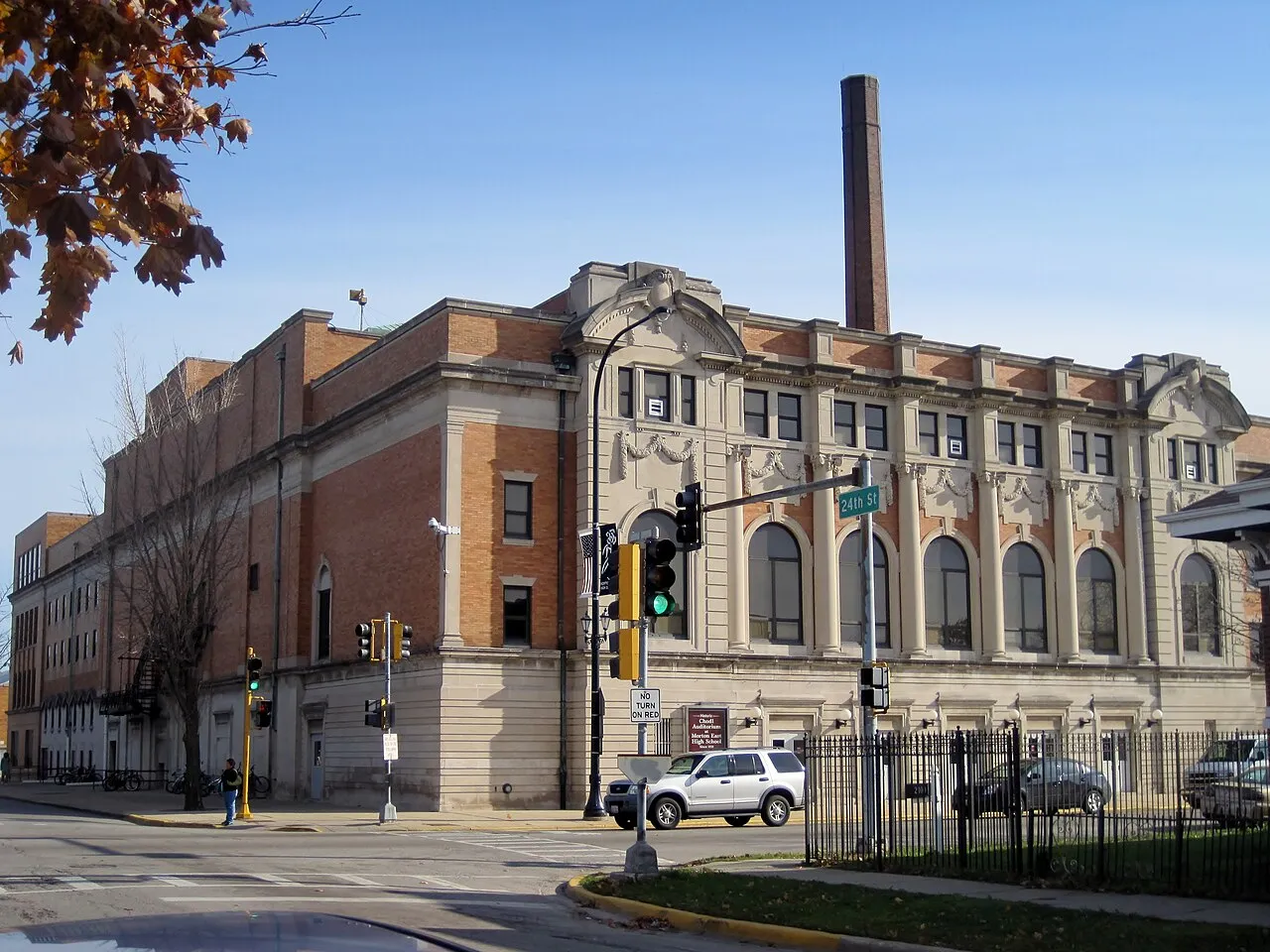
Cicero School District 99. Brian Dominick Early Childhood Center, Early Childhood Center, Cicero East, Cicero West, Columbus East, Columbus West, Drexel, Goodwin, Liberty, Lincoln, Roosevelt, Sherlock, Warren Park and Wilson elementary schools, and Unity Junior High, per the district's site.
Morton Freshman Center. District 201's ninth-grade building in Cicero, opened in 2004 per Wikipedia.
J. Sterling Morton High School East. 2423 S. Austin Boulevard, grades 10 to 12. 3,394 students.
Morton College. The local community college, established in 1924. Wikipedia's Hawthorne Works article says it operates the Hawthorne Works Museum.
Commuting from Cicero: Metra and the Pink Line
Cicero has two rail options, and both are close to downtown. The first is the Cicero Metra station) near 26th Street and Cicero Avenue on the BNSF line, 7 miles from Chicago Union Station in fare zone 2.
I counted the trains from Metra's published GTFS schedule feed, dated September 22, 2026, for the week of September 28. On weekdays, 28 trains stop at Cicero inbound and 29 outbound. On Saturdays and Sundays it is 18 each way. The ride is short. Morning inbound trains reach Union Station in 15 to 17 minutes, midday trains in 18, and weekday trips home take 14 to 16. Weekend trains take 18 minutes inbound and 15 out.
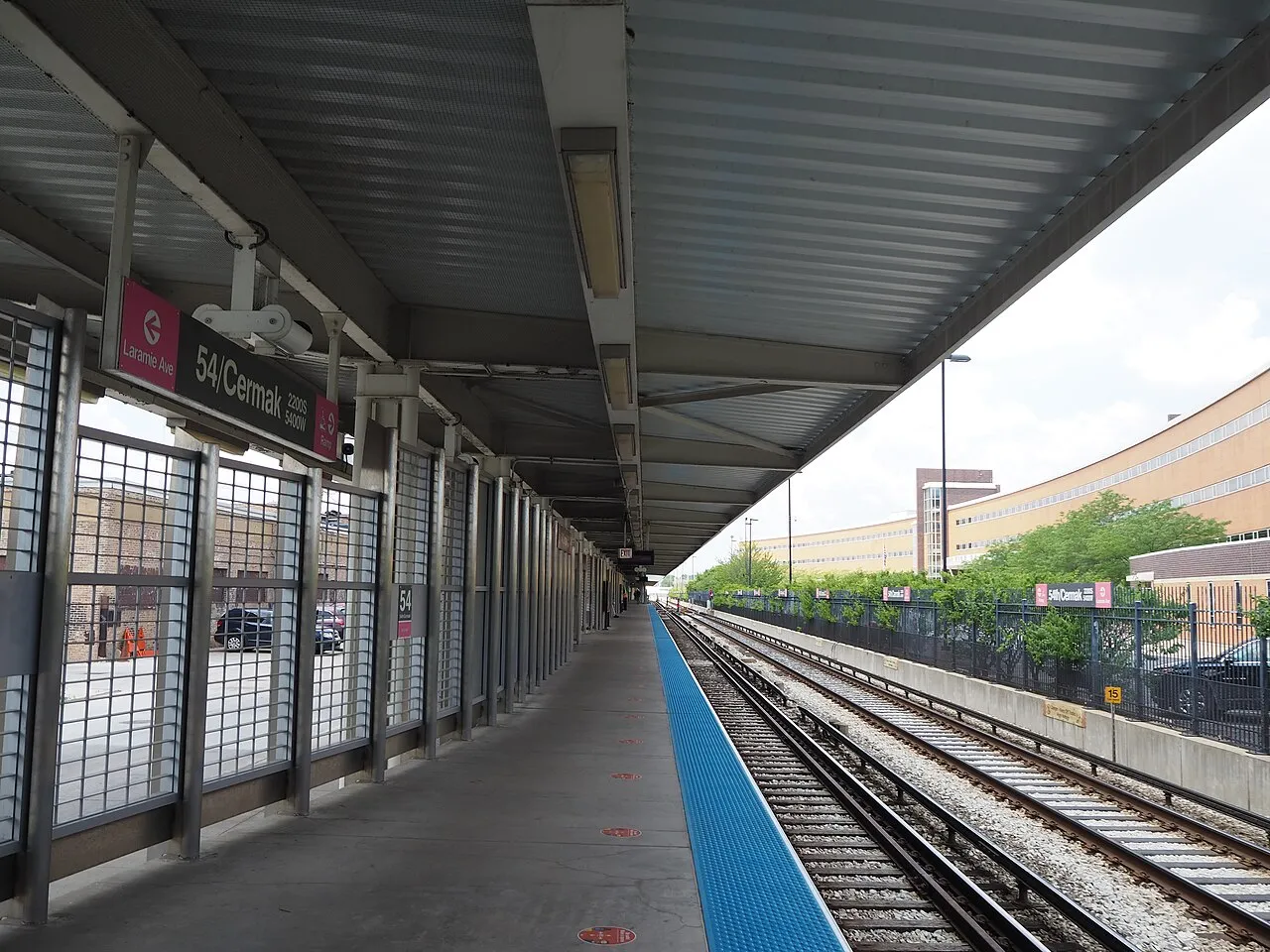
The second option is the CTA Pink Line, which runs through the north part of town along the Cermak branch. Its western terminal, 54th/Cermak, sits at 2151 S. 54th Avenue in Cicero with 175 parking spaces and counted 502,100 riders in 2025. The Cicero station) at 2134 S. Cicero Avenue counted 258,487. Pink Line trains run to the Loop every day, which is the main advantage over Metra's schedule.
Buses fill in the rest. Wikipedia lists CTA routes 21 (Cermak), 54 (Cicero), 54B (South Cicero), 35 (31st/35th) and the overnight 60 at these stations, plus Pace route 302 (Ogden/Stanley) at both Pink Line stops.
Driving from Cicero: Highways and Midway Airport
Cicero has no expressway running through it, but two sit just outside. The Eisenhower Expressway (I-290) runs east and west north of town, and the Stevenson Expressway (I-55) runs to the south. Cicero Avenue, which is Illinois Route 50, is the main north-south road and connects to both.
For east-west trips, Cermak Road, 31st Street, Ogden Avenue and Pershing Road carry most of the traffic, and Ogden runs diagonally toward the western suburbs. Laramie, Central and Austin are the other north-south routes.
Midway International Airport is close. By my own measurement from map coordinates, the airport sits about 4 miles south of the Cicero Metra station in a straight line, down Cicero Avenue. O'Hare is a longer trip north.
Which expressway is closer depends on the block. If you drive to work rather than take the train, time the route from the actual house at rush hour before you commit.
Is Cicero Walkable?
Yes, more than most suburbs. Walk Score rates Cicero 75 overall, very walkable, with a Transit Score of 51 and a Bike Score of 55. Redfin shows the same three numbers.
The commercial streets score higher. The Cicero Pink Line station address at 2134 S. Cicero Avenue scores 89. Town Hall at 4949 W. Cermak Road scores 87. The District 201 office at 5801 W. Cermak Road on the west end scores 84.
My read is that compact lots and a dense street grid explain most of that. The Pink Line runs along the north part of town and the Metra station is at 26th and Cicero, so check the walk from the exact address to the one you would use.
Walk Score does not publish neighborhood-level scores for Cicero, so score the exact address.
Shopping in Cicero: Cicero Avenue and Cermak Road
Most big shopping in Cicero sits on Cicero Avenue. Cicero Marketplace at 3027 S. Cicero Avenue is the largest center, with 391,688 square feet on 43.76 acres according to its owner. Its major tenants are Sam's Club, Home Depot, Food4Less, Ross and Five Below, and the owner lists Target as a shadow anchor next door.
The Hawthorne Works Shopping Center at 4629 W. Cermak Road sits at the southeast corner of Cermak and Cicero, on part of the old Western Electric site. Its owner says it was built in 1988 and remodeled in 2007. The tenant list includes AMC Theatres, Cermak Produce, Burlington, Dollar Tree, Harbor Freight Tools, Foot Locker and an AFC Urgent Care.
Farther south, the Walmart Supercenter at 3320 S. Cicero Avenue sits on land that was once Sportsman's Park. Wikipedia says the town acquired that former racetrack and demolished it, with a Walmart on the eastern half.
Cermak Road is the everyday shopping street, lined with small shops, banks and restaurants from Cicero Avenue west to Austin Boulevard. The town has been welcoming new businesses there and on 26th Street, where it held a four-business ribbon cutting in November 2025. For a mall, North Riverside Park Mall is a short drive west on Cermak Road.
Groceries and Everyday Errands in Cicero
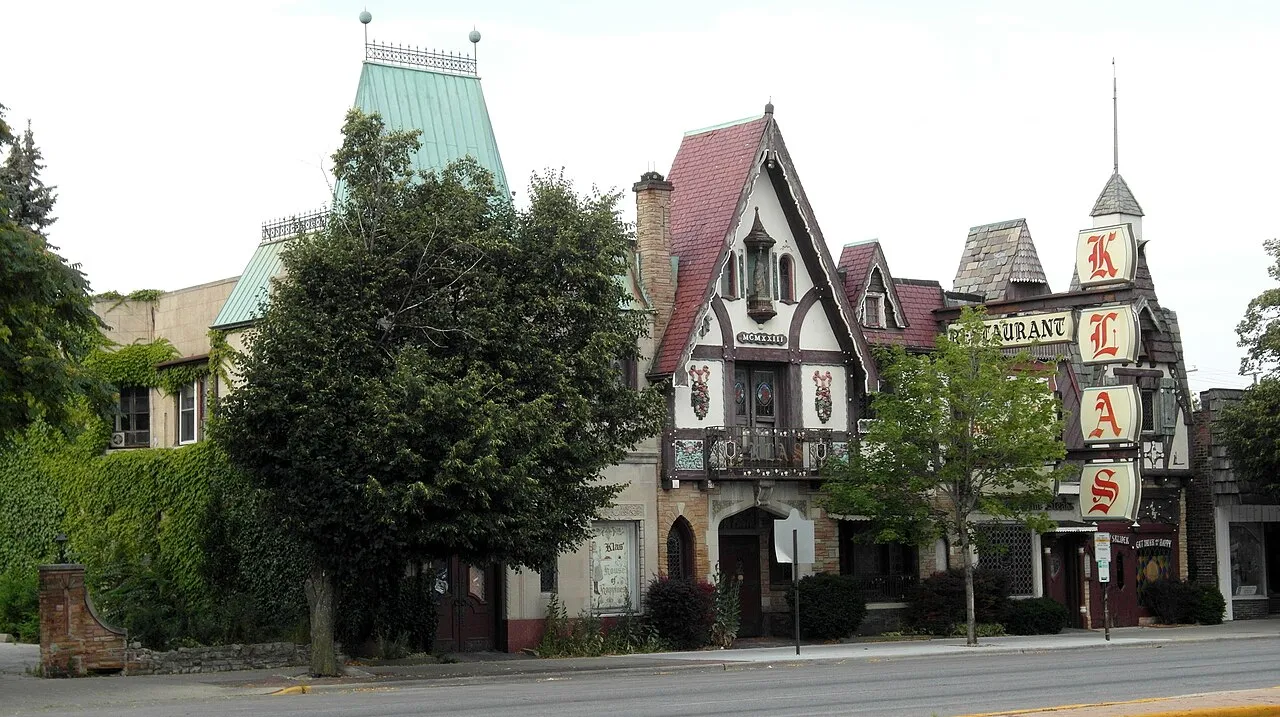
The large grocery options sit on the east side of town along Cicero Avenue. Food4Less and Sam's Club anchor Cicero Marketplace at 3027 S. Cicero Avenue, and the Walmart Supercenter at 3320 S. Cicero Avenue carries a full grocery department. Cermak Produce is one of the anchors at the Hawthorne Works Shopping Center at Cermak and Cicero.
The rest of town shops at smaller, locally owned markets spread along Cermak Road, 26th Street and the other commercial streets. One example the town highlighted in July 2026 is Supermercado Reynoso, which marked its first year in business and was the first grocer in town to deliver to homes.
On the west side, the Berwyn and North Riverside stores along Cermak Road and Harlem Avenue are a few minutes away.
Where Cicero Eats
Cermak Road is the dining street, and the town keeps a running record of what opens. In the past year the town's news page has marked openings including Hog Wild at 2305 S. Cicero Avenue in April 2026, Mona Lisa Café and Studio at 5706 W. Cermak Road in July 2026, a Chick-fil-A at 3035 S. Cicero Avenue in January 2026, and a rebuilt Dunkin' with a drive-thru at 5820 W. Ogden Avenue in June 2026.
The shopping centers carry the chains. The Hawthorne Works tenant list includes Chipotle, Popeyes, Taco Bell, White Castle, Subway and Hoots. Beyond food, Town Hall Bowl, which the town calls the last bowling alley standing in Cicero, reopened after a renovation in September 2025.
The advice I give buyers comparing houses on opposite ends of town is simple: eat near each one on a weeknight. It tells you more about daily life at that address than the listing will.
Parks and Recreation in Cicero
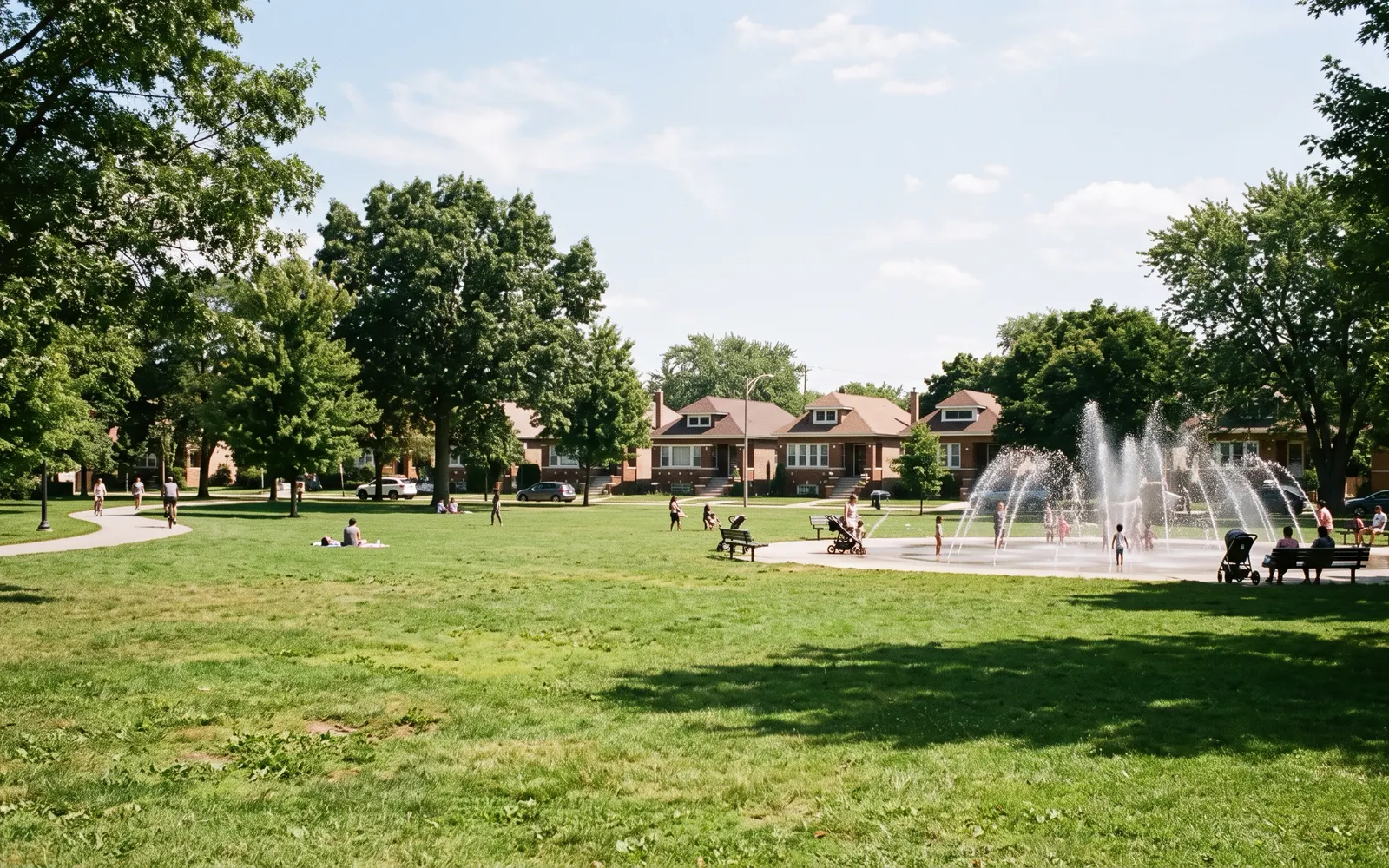
Cicero is short on big open space, so most of its parks are small and close to home. The largest town park is Cicero Community Park at Laramie Avenue and 34th Street, which the Office of the President page says opened in 2008. It has a summer splash pad and sits next to the Bobby Hull Community Ice Rink, so it gets use year-round.
The town has added more. The Laramie Park Extension at 18th Street and Laramie Avenue has sand volleyball, a soccer field, a skate park and the Cicero Waggin' Tails animal shelter. The Phil Fuentes Ability Park, which the town describes as its first fully accessible playground, opened on Laramie Avenue in October 2025. And on August 15, 2026, the town opened Serenity park on a former empty lot at 14th Street and 49th Court, with benches and a Little Free Library.
Park services are split. The town runs its own parks, and a separate park district serves the Clyde and Hawthorne areas. Cicero Independiente reported that the Clyde and Hawthorne park districts were consolidated effective January 1, 2020, after a 2016 advisory referendum. If park programs matter to you, ask which one serves a given address.
For larger green space, the Cook County Forest Preserves along the Des Plaines River are a short drive west.
The Cicero Public Library
The Cicero Public Library is at 5225 W. Cermak Road, a short walk from Town Hall and the 54th/Cermak Pink Line terminal. It is open 9 a.m. to 8 p.m. Monday through Thursday, 9 to 5 on Friday and 10 to 5 on Saturday, and closed on Sundays and holidays. The library runs a MakerSpace and a job help center called The Job Hub.
Utilities in Cicero: Water, Sewer and Lead Lines
Cicero buys its water from Chicago. The town's 2025 water quality report says it bought about 3.1 billion gallons from the City of Chicago in 2025, and Chicago draws that water from Lake Michigan. The town water department bills water, sewer and garbage together and reads meters every two months. Most homes in the area get electricity from ComEd and natural gas from Nicor Gas.
Two recent changes matter for owners. First, Cicero Independiente reported on July 1, 2026, that the town board approved a stormwater utility fee in January 2026 that applies to commercial and industrial properties only. Homeowners were excluded and keep paying the $26.59 bimonthly sewer fee.
Second, the town is replacing lead service lines. In April 2026 it started a project along 48th Court from Roosevelt Road to 16th Street, funded by a $2.7 million state loan. In September 2026 it began Phase Two along 31st Street from 54th Avenue to 49th Avenue, with a larger water main, new hydrants and about 130 new service lines. The town says homes with lead lines get new copper lines at no cost to the owner. If you are buying an older house, ask whether its service line has been replaced.
Closings touch utilities too. The town requires a paid final water bill, valid for 72 hours, before it will sell transfer stamps.
Hospitals Near Cicero
The closest hospital for most of Cicero is MacNeal Hospital, part of Loyola Medicine, at 3231 S. Euclid Avenue in Berwyn, just west of the town line. Wikipedia's Berwyn entry notes it was founded in 1919. For walk-in care, the Hawthorne Works Shopping Center at Cermak and Cicero lists an AFC Urgent Care among its tenants. Chicago's West Side hospitals are also within a short drive east.
Houby Fest and Cicero's Yearly Traditions
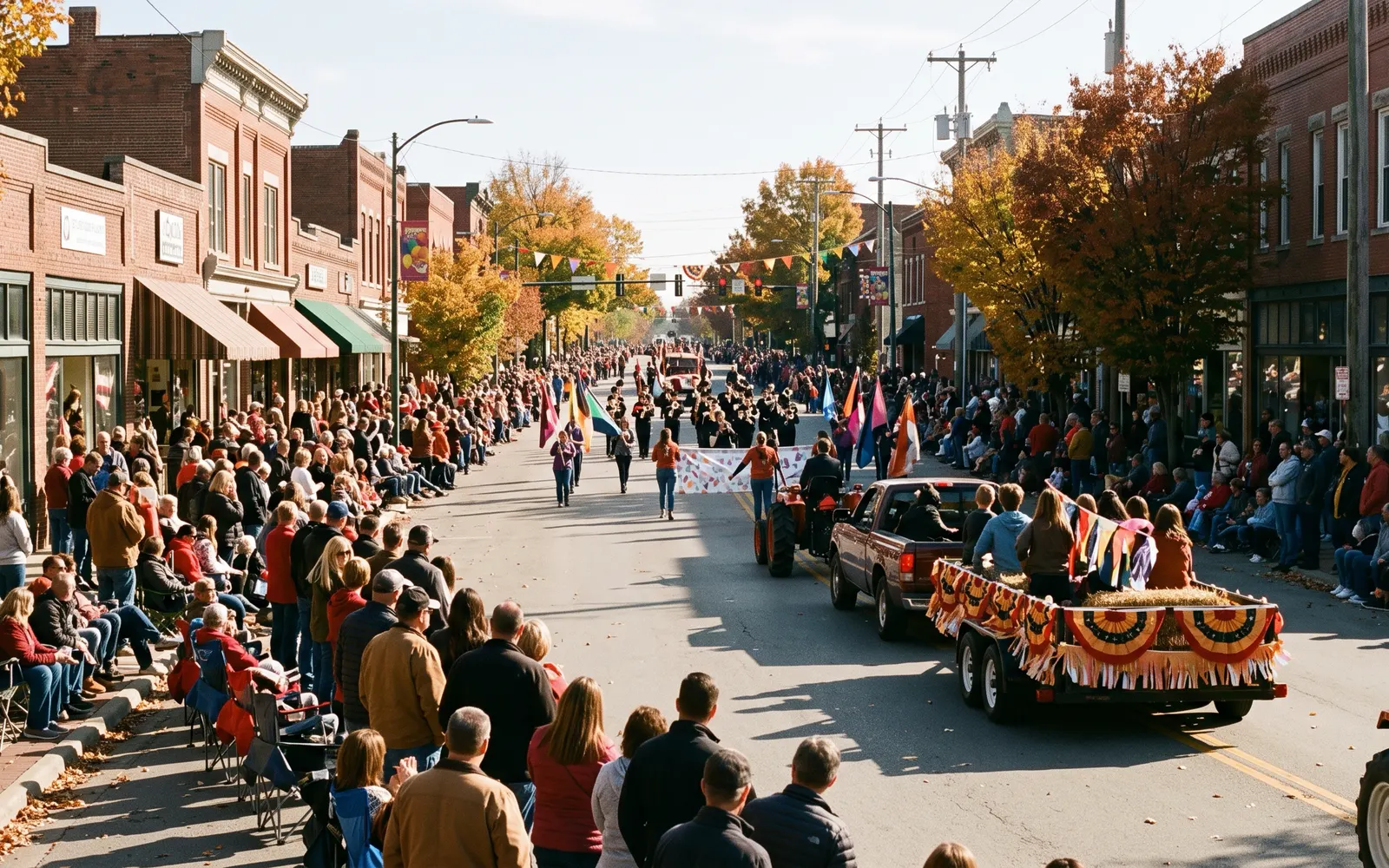
Cicero runs a busy calendar through its Department of Special Events. The longest-running is the International Houby Festival and Houby Day Parade each October. In 2025 the town held its 57th annual festival from October 2 to 5 at the Cicero Fairgrounds, with live music, food, carnival rides and a Sunday parade that drew more than 100 participants. Watch the town's calendar for the 2026 dates.
Summer has its own milestones. On July 5, 2026, the town held its first-ever Independence Day Parade to mark the country's 250th anniversary. The Morton homecoming parade, shared with Berwyn, runs each fall, and the town hosts National Night Out, a Trick-or-Treat caravan and a Memorial Day ceremony through the year.
If you are touring on a festival weekend, check the parade route first and park once.
What's Changing In and Around Cicero
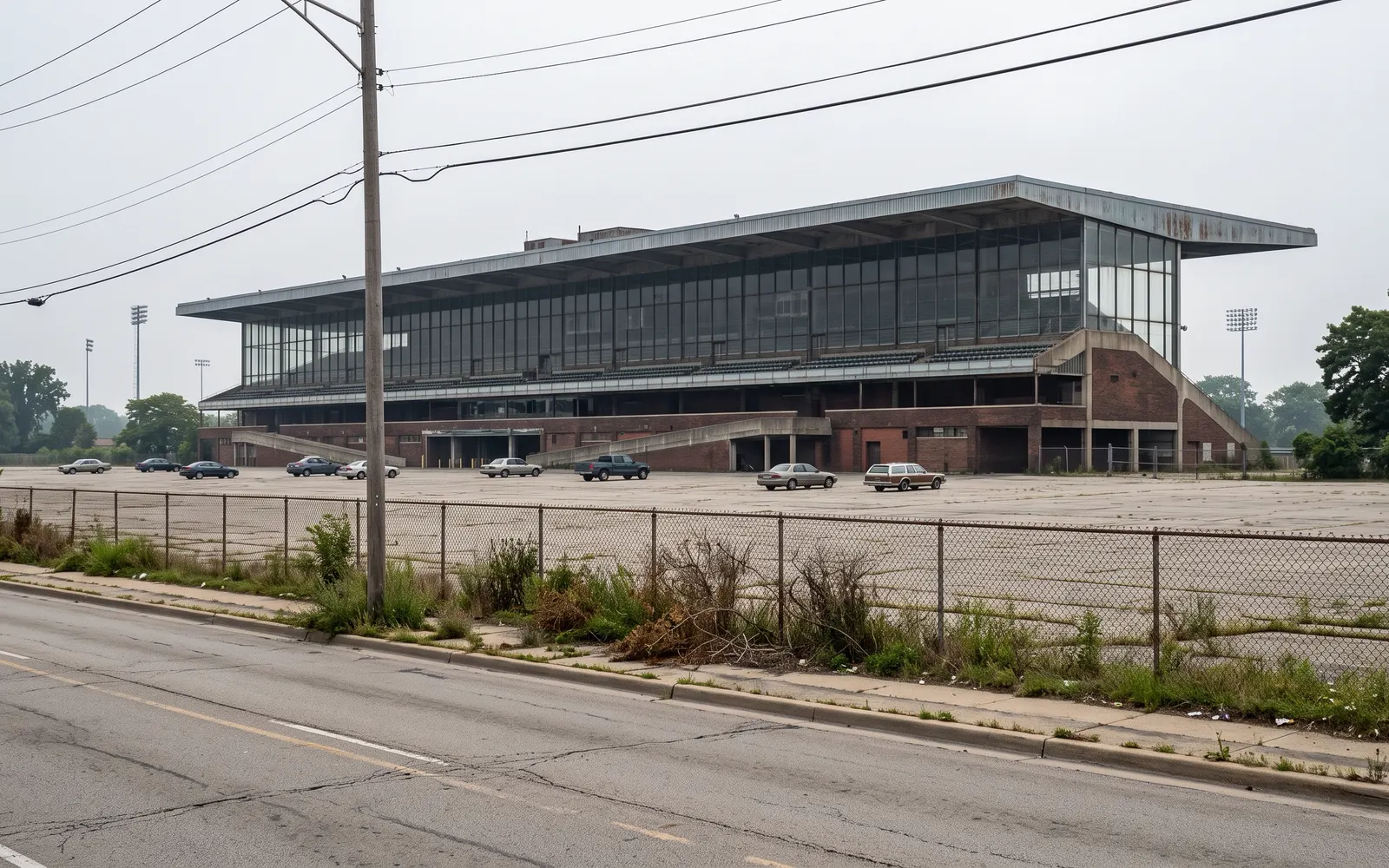
The biggest change of 2026 sits just across the town line. Hawthorne Race Course, the track of more than 100 acres at 3501 S. Laramie Avenue in Stickney on Cicero's southern edge, ran its final races on July 19, 2026, after a bankruptcy filing in February. The Chicago Sun-Times reported on August 21, 2026, that a buyer called Allimac 2023 LLC had agreed to pay $90 million, and, citing The Real Deal, identified data center developer Digital Realty as the company behind it. Harness Racing Update reported on September 4 that the sale closed on September 2. Stickney's board voted unanimously to block data center proposals there, and Cicero's trustees passed a resolution opposing one. I found no public proposal for the site as of late September 2026. If you are looking at homes in the south part of Cicero, follow this one.
Inside the town, the work is mostly infrastructure. The lead service line and water main projects on 48th Court and 31st Street are covered in the utilities section. Cicero Independiente reported on July 1, 2026, that the town approved a $9.3 million engineering contract to oversee stormwater projects, including 35 blocks of permeable alleys out of about 50 planned, and that it is managing about $96 million in federal flood recovery money.
Schools and parks are the rest. The Brian Dominick Early Childhood Center is under construction at 1630 S. 59th Avenue. The Phil Fuentes Ability Park opened in October 2025 and Serenity park in August 2026.
Zoning is also being rewritten. The town's project management page says Cicero is replacing its zoning code with a Unified Development Code, funded by the RTA, to carry out the 2017 Comprehensive Plan, the 2014 Cicero Avenue Corridor Plan and a transit-area plan. For owners near Cermak Road or the stations, the new code is worth reading when it is adopted.
I don't label any town or neighborhood as safe or unsafe.
Flood Risk and Basement Backups in Cicero
In Cicero, flooding usually means water coming up through the basement floor drain, not a river over its banks. Heavy rain overloads the sewer system, and older homes with basement plumbing take the backup. The town's flood prevention page ties its newest program to the severe flash flooding of July 2023.
Redfin, using First Street's model, rates Cicero's flood factor as minor but shows 29% of properties at risk of severe flooding over the next 30 years. That is a high share for a town with no river running through it, and it matches what I would expect from the sewer backup pattern.
The town has two programs. The Cicero Basement Flood Prevention Program uses just over $20 million in federal disaster recovery money to install sewer check valves for eligible owners affected by the 2023 storms, and the town installed the first one on Austin Boulevard in September 2026. Separately, the water department's Residential Flood Control Program reimburses up to $2,000 toward backflow protection for owner-occupied buildings under six units. Eligibility rules apply to both.
Two checks before you write an offer. Ask the seller whether the basement has taken water and whether a check valve or overhead sewer is installed. And look the address up on the FEMA flood map, because a mapped flood zone can mean required flood insurance. A sewer backup rider on your homeowners policy is worth pricing either way.
Frequently Asked Questions
Is Cicero, IL a village or a town?+
Cicero is an incorporated town, not a village. It is coterminous with Cicero Township, meaning the town and the township cover the same land, and a single elected board handles both. That is why the Cook County Assessor reassesses the whole town at once.
How much does a house cost in Cicero, IL?+
Redfin reported a median sale price of $294,805 for the three months ending August 2026, down 4.4%. Zillow's home value index was $279,769 for August 2026, up 4.6% from a year earlier. The assessor's 2025 medians were $276,000 for single-family homes and $364,000 for small apartment buildings.
What are property taxes in Cicero, IL?+
Ownwell (April 2026) puts the median effective rate at 2.83% and the median bill at $5,644. The whole town was reassessed in June 2026, and those values reach bills issued in 2027. The town transfer tax is $10 per $1,000, and a Certificate of Compliance inspection is required before a sale closes.
What school district is Cicero, IL in?+
Cicero School District 99 serves pre-kindergarten through 8th grade in 15 schools. High school is J. Sterling Morton High School District 201: ninth grade at the Morton Freshman Center, then Morton East for grades 10 to 12. Confirm every address with the district.
How long is the commute from Cicero to downtown Chicago?+
On Metra's BNSF line, trains from the Cicero station reach Union Station in 15 to 18 minutes, with 28 inbound and 29 outbound weekday trains and 18 each way on weekends. The CTA Pink Line also runs from 54th/Cermak and Cicero Avenue to the Loop every day.
Is Cicero walkable?+
Yes. The town-wide Walk Score is 75, very walkable, with a Transit Score of 51. Addresses along Cermak Road and Cicero Avenue score 84 to 89.
What neighborhoods are in Cicero, IL?+
The town names eight: Grant Works, Hawthorne, Warren Park, Drexel, Clyde, Morton Park, Boulevard Manor and Parkholme. Listings also use Hawthorne Manor for the blocks north of Pershing Road.
Does Cicero have basement flooding?+
Sewer backup is the main flood risk. Redfin/First Street shows 29% of properties at risk of severe flooding over 30 years, and the town is installing check valves for eligible owners affected by the July 2023 storms. Ask about the basement on every house.
What is happening with Hawthorne Race Course?+
The track in Stickney, on Cicero's southern edge, ran its last races on July 19, 2026. A $90 million sale closed on September 2 to a buyer the Chicago Sun-Times, citing The Real Deal, tied to data center developer Digital Realty. Stickney voted to block a data center there, and Cicero passed a resolution opposing one.
Eshu Chikoti has extensive access to off-market listings throughout Cicero and the rest of Cook County — homes that never make it to the public listing sites. That matters right now: in a seller's market like this one, well-priced homes routinely go under contract within days, and buyers relying only on public listings are competing for whatever is left over. Working with someone plugged into off-market inventory means seeing homes before the crowd does.
Eshu Chikoti · 847-691-4282 ·
Get new Cicero listings by email
When a home comes on the market in Cicero, I'll email it to you.
Just your email. Unsubscribe any time by replying.
Thinking About Cicero?
Whether you're buying, selling, or just curious what's on the market, I can walk you through Cicero street by street.