Evanston, IL
Evanston, IL is a Lake Michigan city of about 76,000 people in Cook County, with three Metra stations, seven CTA Purple Line stops, six beaches, Northwestern University and a water plant that supplies its neighbors.
Living in Evanston, IL means a 28 to 33 minute Metra ride to Ogilvie, a Purple Line train to the Loop and a median sale price near $505,000 this summer. The trade-offs are property tax near 2.3% of value, a city transfer tax and a school district in the middle of closures. Here it is, pocket by pocket.
Written by Eshu Chikoti · 847-691-4282 ·
How Evanston, IL Got Here: A Short History
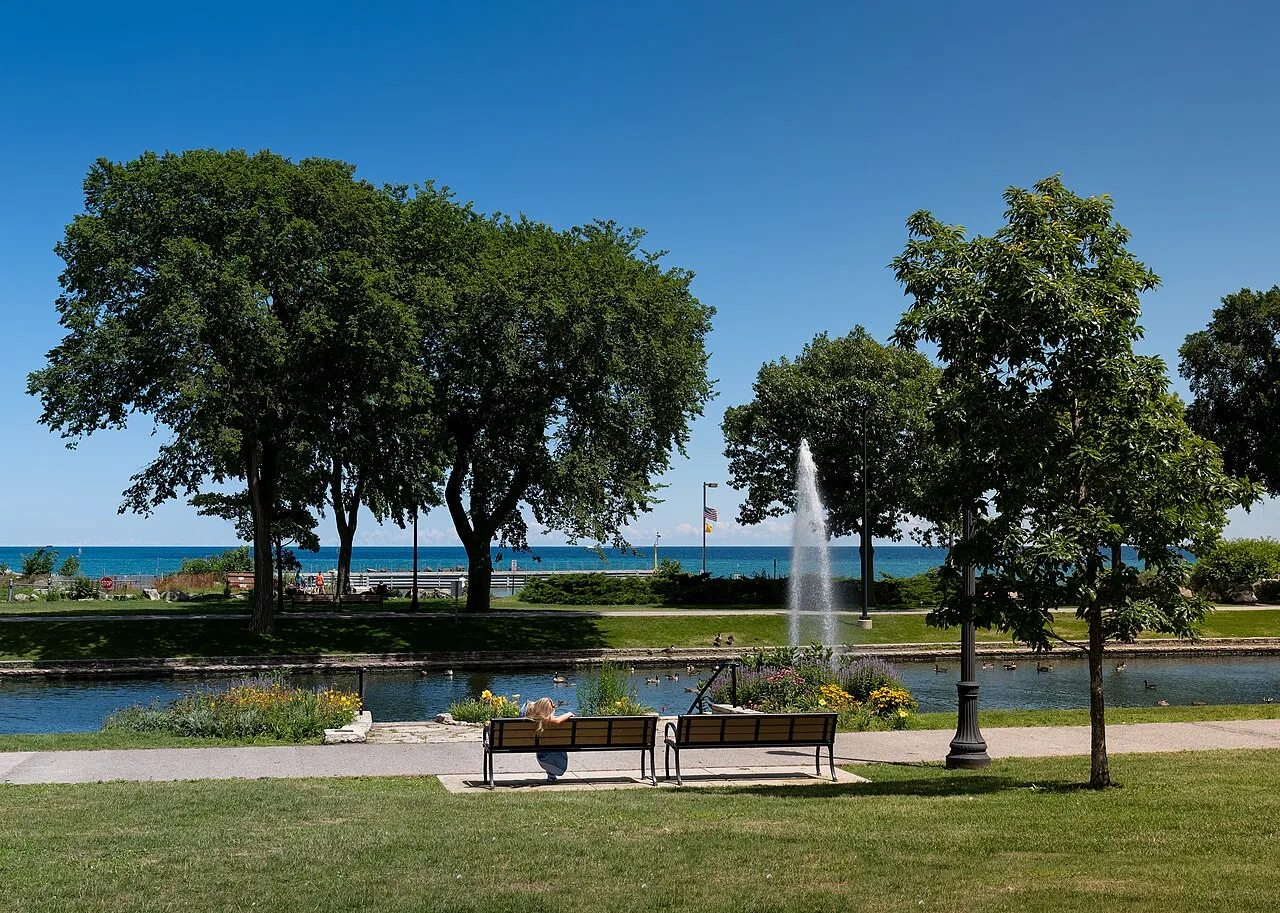
Before the 1830s the land that is now Evanston was mostly wetland and swampy forest, crossed by Potawatomi trails along the higher ridges, according to Wikipedia. French explorers called the area "Grosse Pointe." The first settlers of European descent arrived in 1836, and in 1850 a township named Ridgeville was organized.
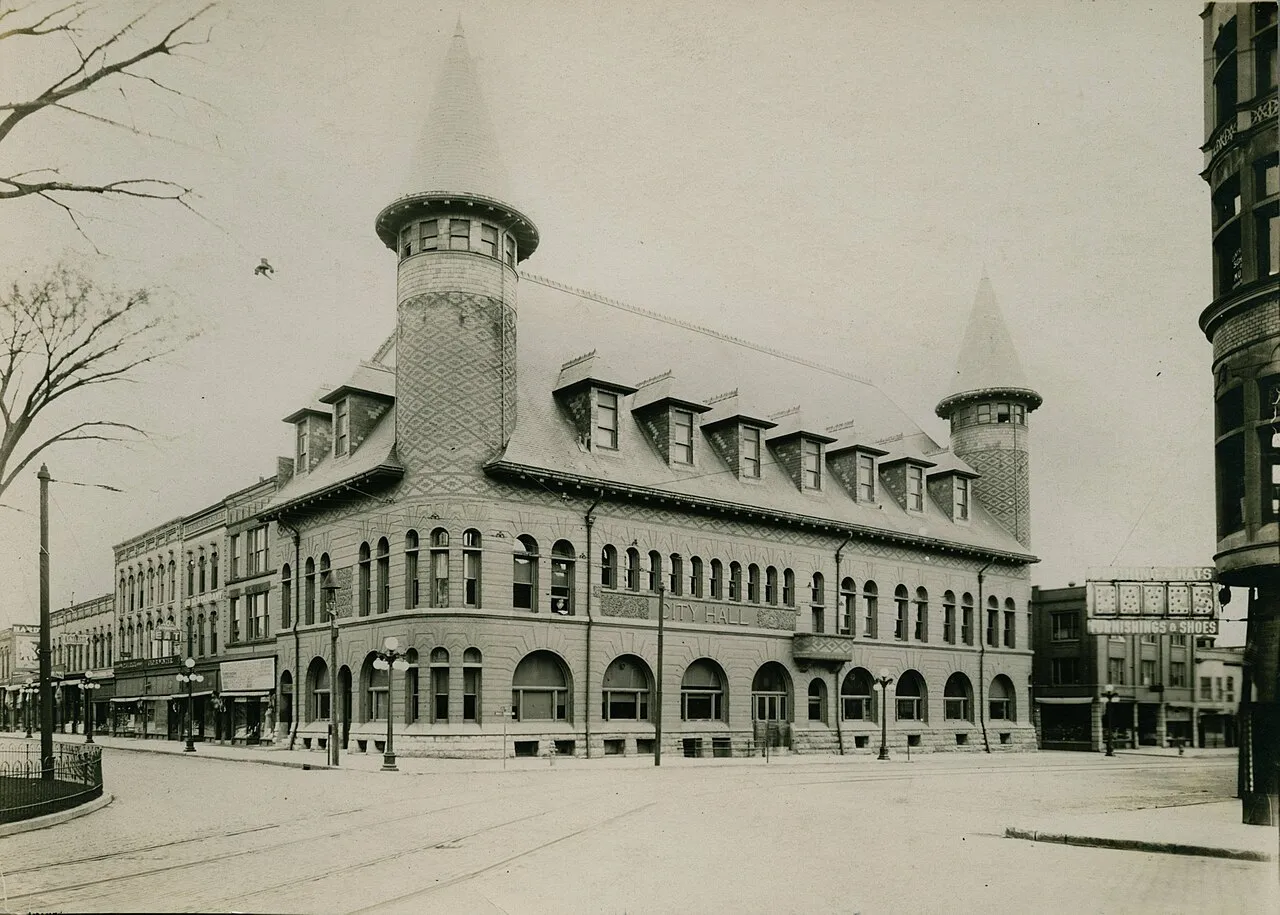
The turning point was 1851, when a group of Chicago business leaders founded Northwestern University and chose a wooded bluff on the lake for its home. In 1854 the founders asked the county to create a town named for John Evans, one of their leaders, and the request was granted in 1857. Evanston incorporated as a town on December 29, 1863, and in 1892, after annexing North Evanston and South Evanston, voters chose to become a city. The 1892 boundaries are mostly the ones on the map today.
Two details from that era still come up in conversation. Evanston was a dry town from 1858 until 1972, when the City Council allowed restaurants and hotels to serve liquor, and retail liquor stores were allowed only in 1984. And the Frances Willard House) at 1730 Chicago Avenue, built in 1865, was home to the temperance leader Frances Willard, and the building next door served for decades as headquarters of the Woman's Christian Temperance Union. The house became a National Historic Landmark in 1965.
There is also a housing history every buyer here should know, because the city has acted on it. The Evanston RoundTable reports that a 1921 zoning ordinance rezoned blocks for commercial use in a way that displaced households on the basis of race, that deeds of the era carried racially restrictive covenants until the U.S. Supreme Court made them unenforceable in 1948, and that the federal 1940 HOLC map graded part of the city "D," the rating that cut areas off from mortgage lending. On April 29, 1968, after two earlier attempts, the City Council passed a fair housing ordinance 15 to 1, and it was strengthened in June 1969. In 2021 the city launched its Local Reparations Restorative Housing Program, which the city ties to its part in housing discrimination between 1919 and 1969. Housing discrimination is illegal, and I report this history as fact because it is part of how the Evanston housing market was built.
Evanston at a Glance
Evanston covers 7.80 square miles along Lake Michigan, per Wikipedia, directly north of Chicago's Rogers Park neighborhood. Howard Street is the border with Chicago on the south, Wilmette is to the north, and Skokie is to the west. It is a city, not a village, and for property tax purposes the whole city is Evanston Township, which the Cook County Assessor notes is coterminous with the city.
The 2020-2024 Census ACS puts the population at 76,340. Of 31,705 occupied homes, 17,807 are owner-occupied, or 56.2%. That is a much lower owner share than the villages to the north, and it tells you what the housing stock looks like. Of 34,095 housing units, only 11,068 (32.5%) are single detached houses, while 10,823 (31.7%) are in buildings with 20 or more units. And 13,749 units (40.3%) were built in 1939 or earlier.
The layout is easy once you see it. The Metra tracks and the CTA Purple Line run north to south through the middle of the city, side by side for most of the way. Chicago Avenue runs beside them and connects the Main Street, Dempster Street and downtown districts, per Wikipedia. Sheridan Road follows the lake. Downtown sits around Davis Street, Northwestern's campus runs along the lake north of it, and Central Street is the main east-west street at the north end.
You get two rail lines with ten stations between them, six public beaches with free passes for residents, a university's calendar of games and lectures, and a housing stock that runs from studio condos to lakefront Victorians.
District 65 is closing schools and changing boundaries this year, the zoning code is being rewritten, a 29-story tower and a new stadium are coming to two parts of town, and the 2.28% effective tax rate plus a city transfer tax add up. Only 15.1% of the housing was built since 2000.
Evanston Neighborhoods, Pocket by Pocket
Evanston does not trade as one market. A downtown high-rise condo, a Queen Anne house in the Lakeshore Historic District and a 1920s brick bungalow in northwest Evanston are three different searches with three different price ranges. The two things that sort them best are how close a home is to a station and whether it sits inside one of the city's historic districts.
Walkability changes a lot across the city. Walk Score gives Evanston an average of 76, with 246 restaurants, bars and coffee shops. By address, the Main Library at 1703 Orrington Avenue downtown scores 97, 600 Main Street scores 90, 600 Howard Street 88, 2700 Central Street 79 and 2100 Central Park Avenue in northwest Evanston 47. Those are points, not neighborhood averages, so check the exact address.
Below are the pockets you will see named in listings. Boundaries are informal and agents draw them differently, so treat them as a starting point. Confirm the district for a specific address with the district office, and read each district's profile on the Illinois Report Card at illinoisreportcard.com. If you want a specific address checked, that is a conversation I am happy to have here.
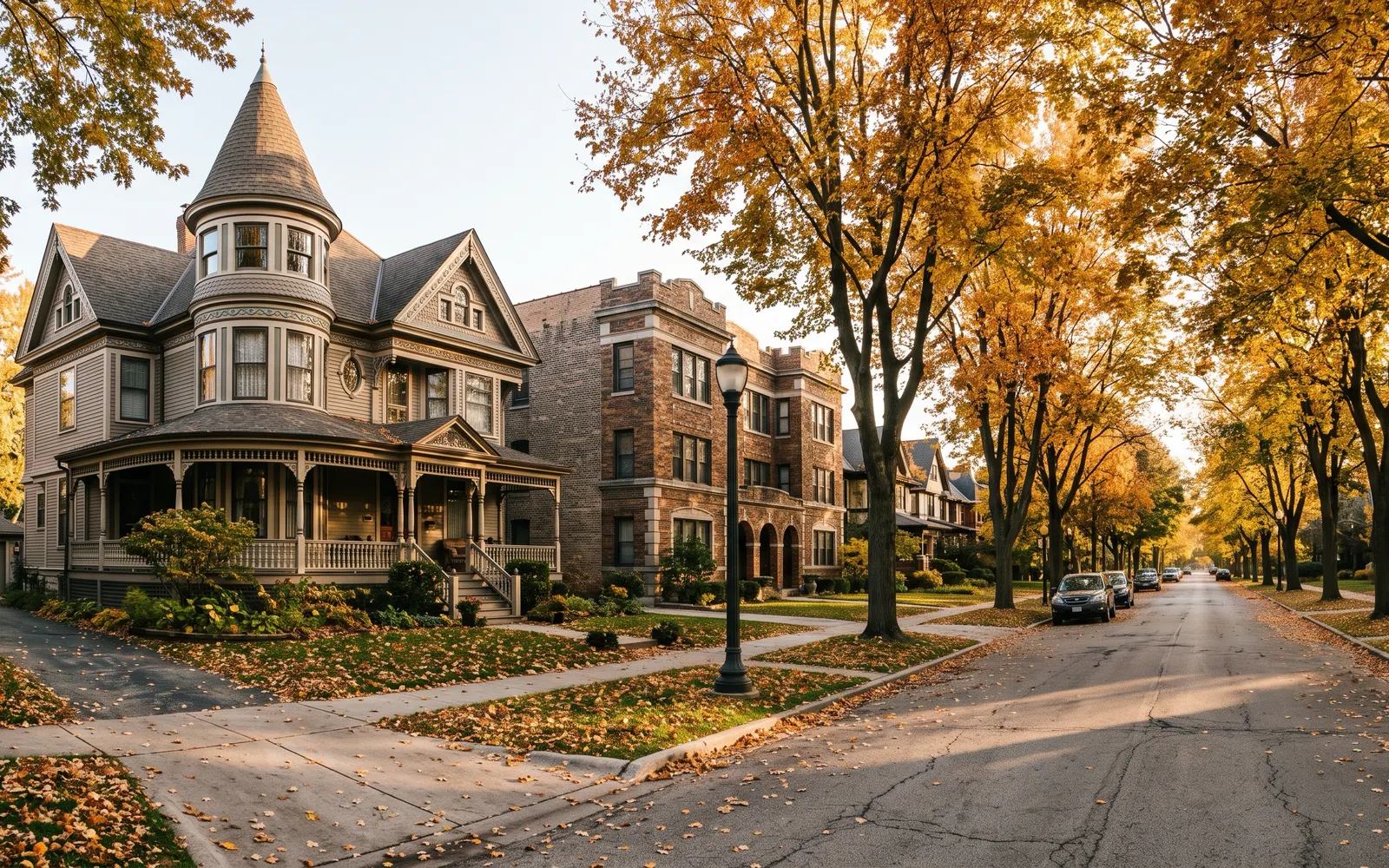
Downtown. The blocks around the Davis Street Metra and Purple Line stations, roughly Emerson Street to Dempster Street and Ridge Avenue to the lake, per Wikipedia. High-rise condos and rentals, the Main Library and Fountain Square. Walk Score 97 at the library.
The Lakeshore Historic District (southeast Evanston). Between Northwestern, the lake, Calvary Cemetery and Chicago Avenue, with 765 contributing structures from the late 1800s and early 1900s in Italianate, Queen Anne, Tudor Revival and Georgian Revival styles, per Wikipedia. 1000 Sheridan Road scores 75.
Main-Dempster Mile. The Main Street and Dempster Street business districts and the streets around them, with a Metra and CTA stop at Main. 600 Main Street scores 90.
The Chicago Avenue corridor. The spine that connects Main, Dempster and downtown, lined with mid-rise apartments and condos and most of the city's full-size grocery stores.
The Ridge Historic District. Along the glacial ridge bounded roughly by Main, Asbury, Ashland, Emerson, Ridge and Maple, with 397 contributing structures in Italianate, Queen Anne and Prairie School styles, per Wikipedia.
Northeast Evanston and Central Street. North of the campus, the Northeast Evanston Historic District has 474 contributing buildings between Sheridan Place, the lake, Emerson Street and Ridge Avenue. Central Street's shops sit by the Central Street Metra station. 2700 Central scores 79.
Northwest Evanston. West of the Metra line toward the North Shore Channel and the Canal Shores golf course. Builders put up more than 1,400 houses here in the 1920s and 1930s, per the RoundTable, so expect brick bungalows, Tudors and Colonials on regular lots. 2100 Central Park Avenue scores 47.
West Evanston. West of the tracks around Dodge Avenue and ETHS, with smaller single-family homes, two-flats and the new Foster School at 1600 Simpson Street. 1655 Foster Street scores 78.
South Evanston near Howard Street. The south end by the Howard, South Boulevard and Main stations, with courtyard buildings, condos and older houses. 600 Howard Street scores 88.
What Evanston Homes Look Like, and the Landmark Rules
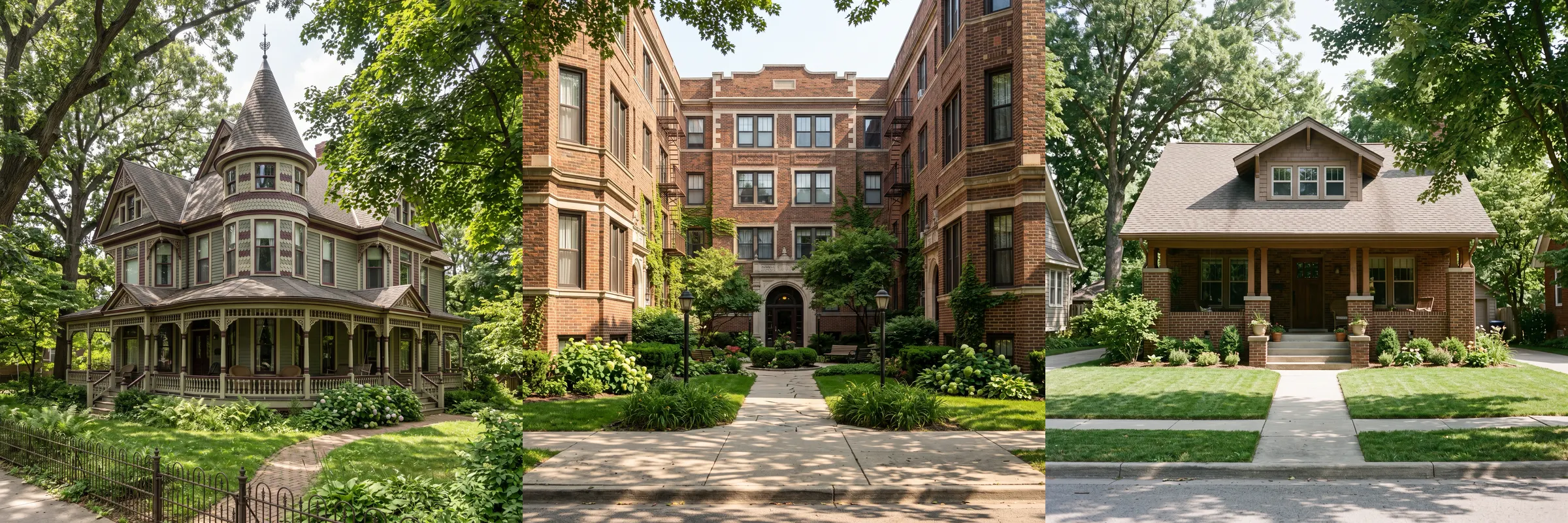
Evanston is a city of old buildings in every format. The ACS counts 13,749 housing units built in 1939 or earlier, 40.3% of the total, and only 5,143 (15.1%) built in 2000 or later. The mix is what sets Evanston apart from its northern neighbors: 32.5% detached houses, 5.0% attached houses such as townhomes, 13.0% in two-to-four-unit buildings, 17.7% in buildings of five to 19 units and 31.7% in buildings of 20 or more.
The ACS median home value is $481,200 and the median gross rent is $1,762. In practice that means a buyer can shop a one-bedroom condo, a vintage two-flat and a lakefront Victorian in the same week.
Landmark status matters here. The Evanston RoundTable lists five National Register historic districts: Lakeshore (1980), Ridge (1983), Northeast Evanston (1999), Oakton (2005) and a citywide Suburban Apartment Buildings district. All except Oakton are also local landmark districts, which means exterior changes go through the city's Preservation Commission. If you are buying to add on, replace windows or tear down in one of them, ask about the review before you write the offer.
The rules around new housing are also changing. The comprehensive plan the City Council adopted in January 2026 directs the city to allow more housing density in all neighborhoods, including by ending single-family zoning restrictions, and the zoning code that will carry that out is still being written (see the development section). If you are buying an old house to keep, have it inspected by someone who knows pre-war systems. My home inspection checklist is a good place to start.
The Evanston Housing Market in 2026
Evanston prices held flat this summer while homes kept selling over asking. In the three months ending August 2026, Redfin reported a median sale price of $504,666, down 0.31% from a year earlier. Homes sold in a median of 42 days, down from 45, at 103.7% of list price, and 51.5% sold over asking. Redfin counts 260 homes sold in August, down 6.0% from 276. Its Compete Score is 75 out of 100, which it calls very competitive, and it says the average home sells for about 3% above list and goes pending in around 44 days, while hot homes sell for about 7% over list in around 30 days.
Zillow's home value index tells a stronger story. It puts the typical Evanston home at $493,385 in August 2026, up 8.5% from $454,875 a year earlier and up 11.7% from $441,565 in August 2024. The two numbers measure different things. Redfin's median is the middle of what actually sold, and in Evanston that mix swings between condos and houses from month to month. Zillow's index estimates the value of every home in the city, sold or not. Redfin's price per square foot, $354, was up 5.7%, which is closer to Zillow's read. My take is that values are rising and this summer's sales leaned toward smaller units.
The Assessor's numbers show how wide the range is. In its 2025 Evanston Township release, the median single-family sale in 2024 was $675,000, well above the all-homes median. If you are working out a budget, my guide to how much house you can afford in 2026 walks through the math.
Evanston Property Taxes, the Transfer Tax and the Cook County Calendar
Ownwell's data, updated April 13, 2026, puts Evanston's median effective property tax rate at 2.28% and the median annual bill at $7,604. The median bill varies by ZIP code: $9,199 in 60201, $6,272 in 60202 and $8,726 in 60203. In 60201, bills run from $1,899 at the 10th percentile to $20,885 at the 90th, a spread that reflects condos and houses on the same tax rolls.
Here is what that rate means on this summer's median sale. At 2.28%, a home bought for $504,666 would carry about $11,500 a year in tax, or roughly $960 a month on top of the mortgage. The current bill on the same home may be lower, because assessments lag the market and every bill depends on the parcel's exemptions. The expectation I most often have to reset is a buyer budgeting off the seller's bill.
Evanston Township was reassessed in 2025. The Cook County Assessor released initial values on April 9, 2025, and the township's total assessed value grew 28% from the last reassessment in 2022. Those values land on second-installment bills issued in 2026. On the three-year cycle, the next Evanston Township reassessment is due in 2028.
Those 2026 bills are late. The Cook County Treasurer set the Tax Year 2025 first installment due April 1, 2026 and the second installment due October 1, 2026. Cook County said on August 18, 2026 that second-installment bills would be released by September 1, about two months late, after an overhaul of the property tax technology. If you are closing this fall, make sure the proration in your contract accounts for a bill that may not have been paid yet.
Evanston adds one cost most suburbs do not: a city real estate transfer tax on top of the state and county stamps. Per the City of Evanston, it is $5 per $1,000 of price up to $1,500,000, $7 per $1,000 from $1,500,000.01 to $5,000,000, and $9 per $1,000 above $5,000,000. The seller typically pays unless the contract says otherwise. On the $504,666 median, the city stamp is about $2,525. My Illinois closing costs guide covers the rest of the closing math.
This is general information, not tax advice. Your actual bill depends on your parcel, your exemptions and the Assessor.
Evanston Schools: District 65, the New Foster School and ETHS
Kindergarten through eighth grade is Evanston/Skokie School District 65, which serves Evanston and a small part of Skokie. It is a district in the middle of a hard reset. The Evanston RoundTable reported on September 15, 2026 that enrollment is about 5,900 this school year, down from 7,808 in 2015-16, and that the district plans to present about $20 million in cuts on October 13 and close at least two more buildings, with board approval expected by the end of November. Kingsley Elementary and the Bessie Rhodes School of Global Studies closed after the 2025-26 school year.
The new building is Foster School at 1600 Simpson Street, which held its ribbon-cutting on August 8, 2026 and opened for the 2026-27 school year, per the Daily Northwestern. It cost $48.5 million, was projected to come in about $3 million under budget, has room for about 600 students with about 360 at opening, and is the first newly built public school in Evanston in more than 60 years.
High school is Evanston Township High School, District 202: one school at 1600 Dodge Avenue on a 65-acre campus, established in 1883, with 3,560 students in 2024-25 per Wikipedia.
The detail that trips people up is assignment, and this year it is a moving target. Which school a home feeds depends on the address, and the District 65 boundaries may change again once the closure plan is approved. Confirm the address with the district before you write an offer, and ask me for the current boundary if you want it checked on a specific home.
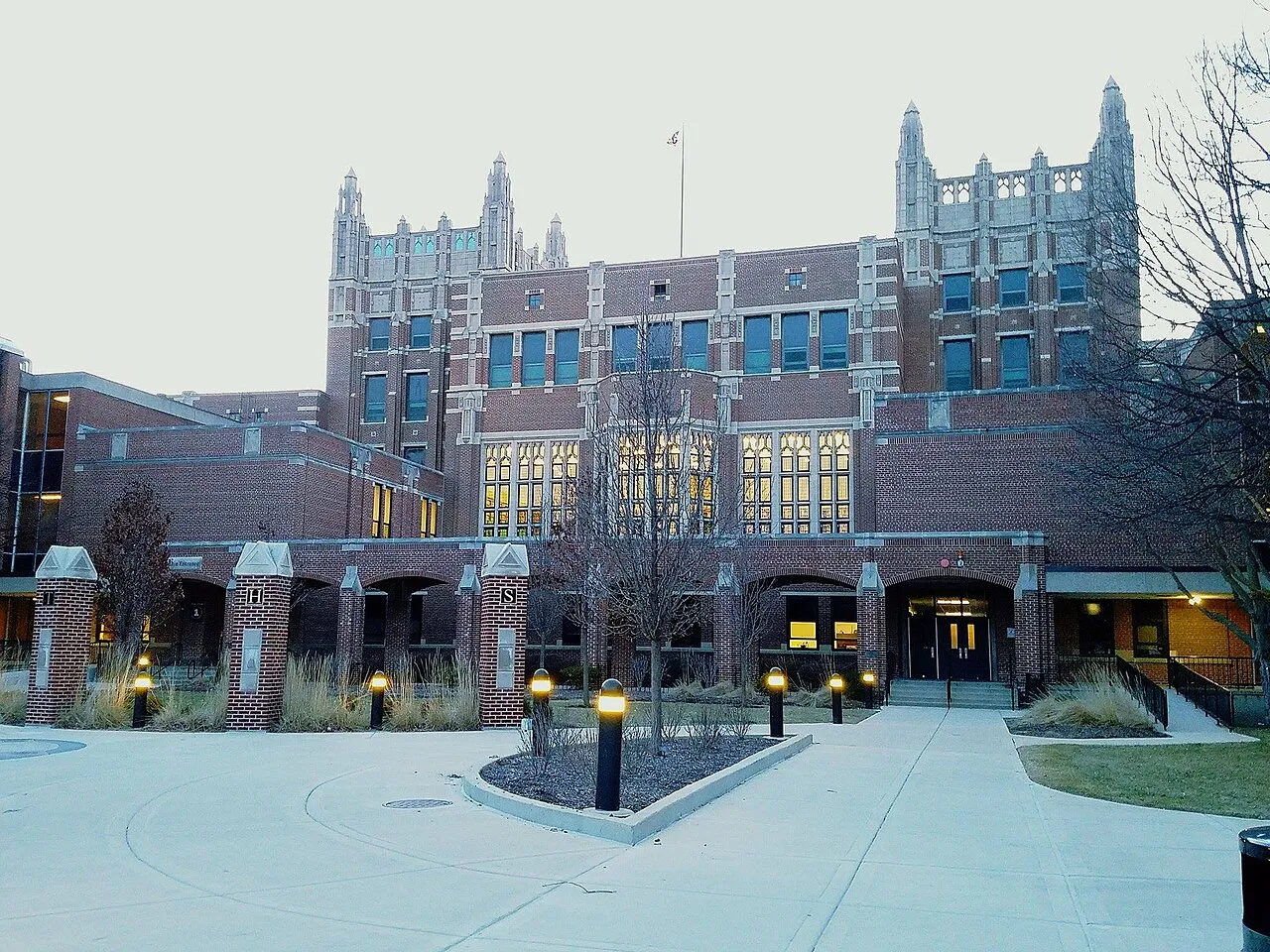
Foster School. District 65 elementary, 1600 Simpson Street, opened for 2026-27. About 360 students at opening, capacity about 600.
Other District 65 schools. The district's attendance-area elementary schools, middle schools and two magnet schools are being reorganized under the closure plan, so use the district's current attendance maps rather than any list published before this fall.
Evanston Township High School. District 202, 1600 Dodge Avenue, grades 9 to 12, 3,560 students (2024-25).
Commuting from Evanston: Metra and the Purple Line
Evanston is the rare suburb with two rail systems. Metra's Union Pacific North line stops at three stations, Main Street, Davis Street and Central Street, and ends at Ogilvie Transportation Center in the Loop. There is no Metra stop at Dempster. I counted trains from Metra's published schedule data for the week of September 28, 2026 (the current schedules are on Metra's site).
Davis Street has the most service: 35 inbound and 36 outbound trains on weekdays. Most take 30 minutes to Ogilvie, and five morning trains (the 7:11, 7:41, 8:11, 8:41 and 9:11) take 29. Main Street has 30 inbound and 29 outbound at 28 minutes, and Central Street has 30 and 29 at 33 minutes. On weekends each station has 15 trains in each direction.
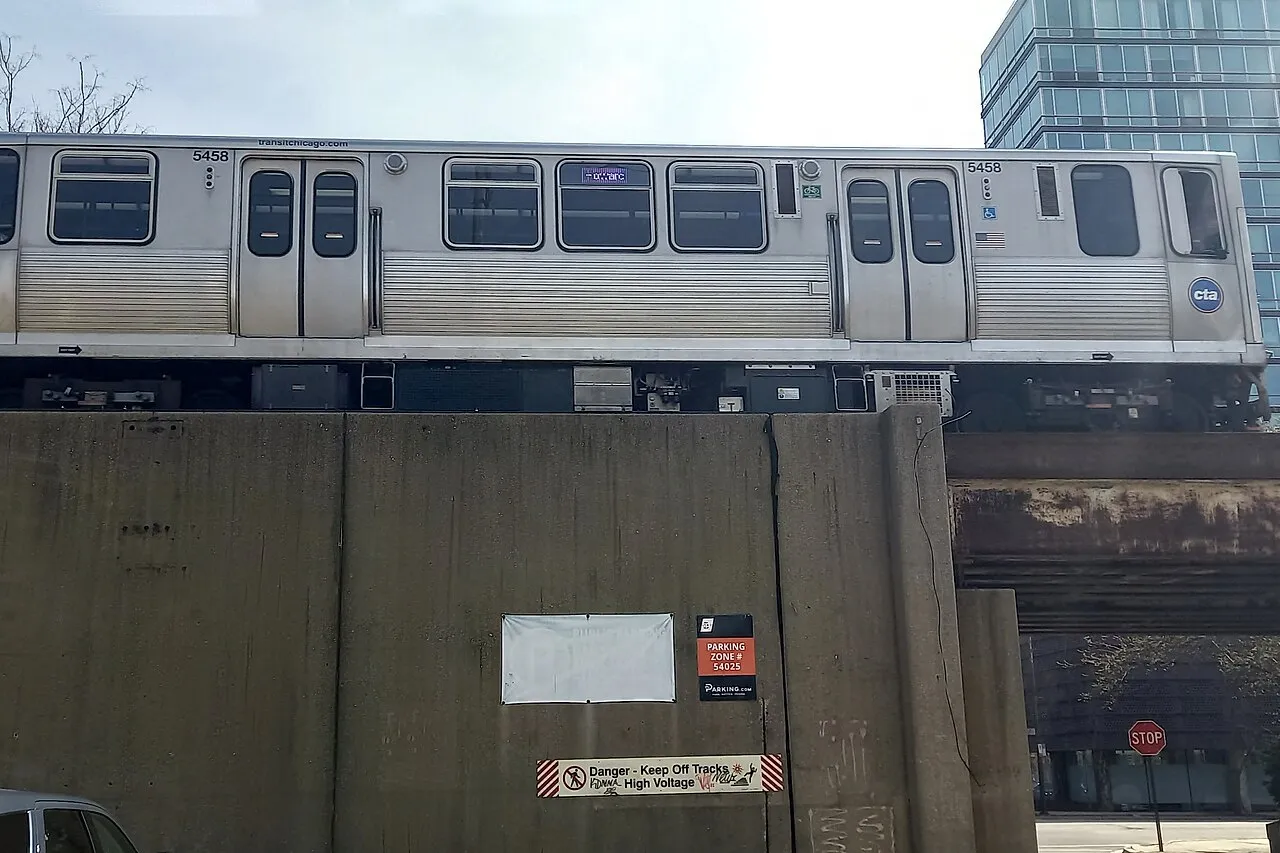
The CTA Purple Line runs between Linden in Wilmette and Howard in Chicago, with seven stops in Evanston: Central, Noyes, Foster, Davis, Dempster, Main and South Boulevard. On weekday mornings from 5:05 to 9:15 and afternoons from 2:05 to 6:25, the Purple Line Express continues past Howard to the Loop. In CTA's timetable effective May 3, 2026, a 7:26 a.m. express leaves Davis and reaches Merchandise Mart at 8:00 and Adams/Wabash at 8:07. Outside rush hours the line is a shuttle to Howard, running about every 12 minutes for most of the weekday, with a 6-minute ride from Davis to Howard, where the Red Line continues downtown.
The CTA Yellow Line runs through Evanston on its way to Skokie but does not stop here, per Wikipedia. One Loop note: the State/Lake 'L' station is closed for reconstruction into 2029, according to CTA.
Driving from Evanston: Sheridan, McCormick and the Edens
Evanston is one of the few North Shore towns without a highway at its edge. Per Wikipedia, the driving routes into Chicago are Lake Shore Drive, the Edens Expressway (I-94) and McCormick Boulevard, but the first two do not reach Evanston itself. To get to Lake Shore Drive you drive through Rogers Park on Sheridan Road or Ridge Avenue, and to get to the Edens you drive west through Skokie. From the north, the main routes are the Edens, Green Bay Road and Sheridan Road.
In practice that means your address decides your drive. Homes on the west side are closest to McCormick and the Edens. Homes near the lake are closest to Sheridan Road and the Drive. Game days add a new variable from this fall, when the rebuilt Ryan Field at Central Street and Ashland Avenue opens (see the entertainment section).
Is Evanston Walkable?
Mostly, yes. Walk Score gives Evanston an average of 76, which it calls very walkable, and says the city has good public transportation and is very bikeable. ZIP 60201 averages 76 and 60202 averages 75. It counts about 246 restaurants, bars and coffee shops, and says the average spot in the city can walk to three of them in five minutes.
The scores are highest along the rail lines. The Main Library block downtown scores 97, 600 Main Street 90 and 600 Howard Street 88. They drop as you move west and north: the Robert Crown Center at 1801 Main Street scores 73, and 2100 Central Park Avenue in northwest Evanston 47. If walking to the train matters to you, narrow the search to a few blocks around the stations, and those listings tend to go first.
Evanston's Shopping Districts
Evanston has several business districts instead of one main street, per Wikipedia. Downtown, centered on the Davis Street stations and next to Northwestern, has over 300 businesses and several high-rise office and residential buildings. Central Street is a string of districts along the city's northernmost main street, busiest near the Central Street Metra station. Main Street has about three blocks of mostly independent shops and restaurants next to its CTA and Metra stops, and Dempster Street, off the Dempster 'L' stop, has over 60 shops. Howard Street forms the border with Chicago, and a small cluster sits by the Noyes stop.
Main and Dempster market themselves together as the Main-Dempster Mile, which runs its own event calendar and a citywide digital gift card accepted at over 60 businesses. For big-box errands, most Evanston shopping means a drive west into Skokie.
Groceries and Everyday Errands in Evanston
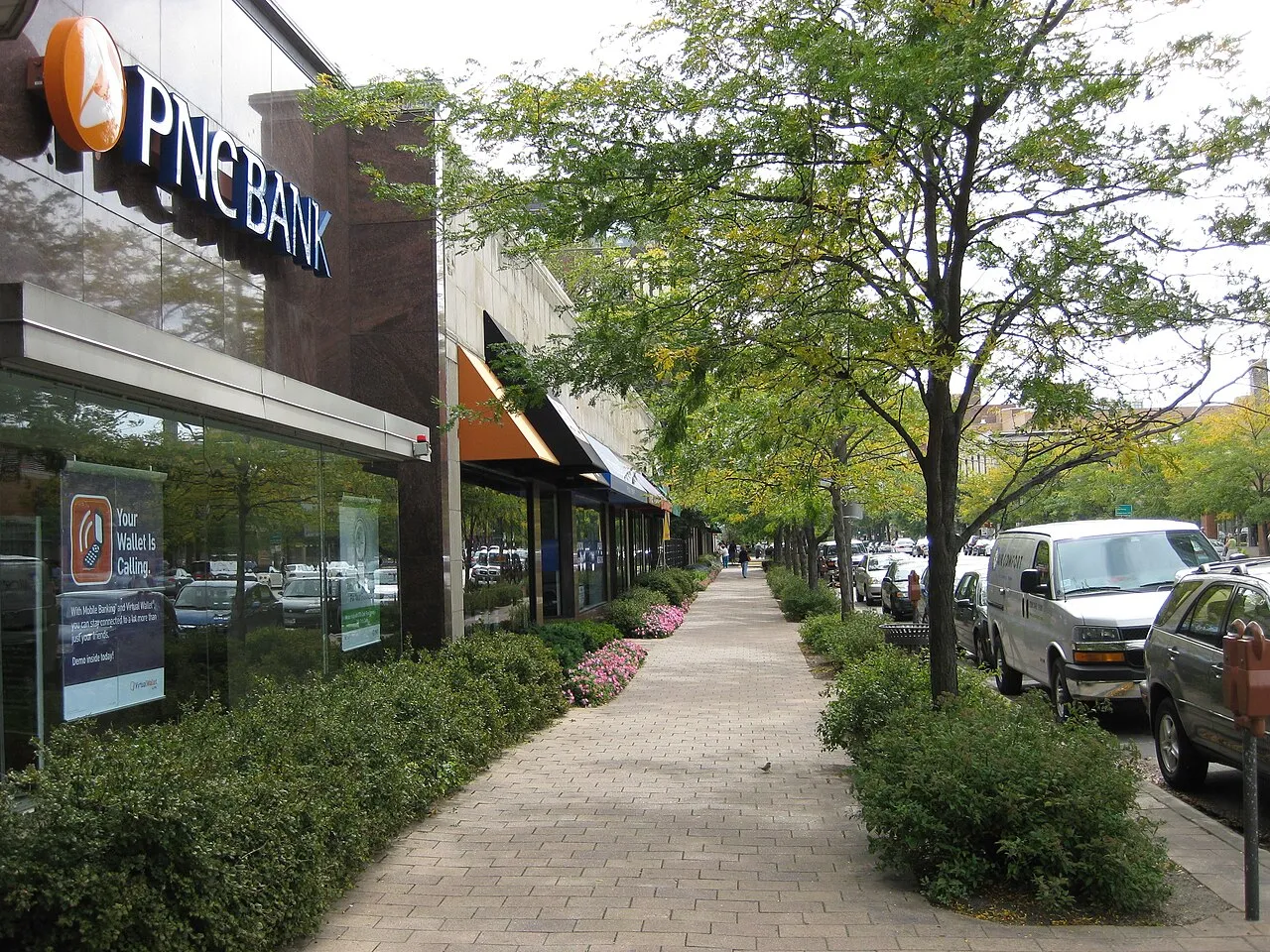
Most of Evanston's full-size grocery stores sit on Chicago Avenue, within walking distance of the rail lines for a lot of the city. Jewel-Osco is at 1128 Chicago Avenue, Trader Joe's at 1211 Chicago Avenue, and Whole Foods Market at 1640 Chicago Avenue. On the west side, Dempster Street heads toward the larger stores in Skokie. The city also lists Thursday Night Markets from June through September on its events page.
Where Evanston Eats
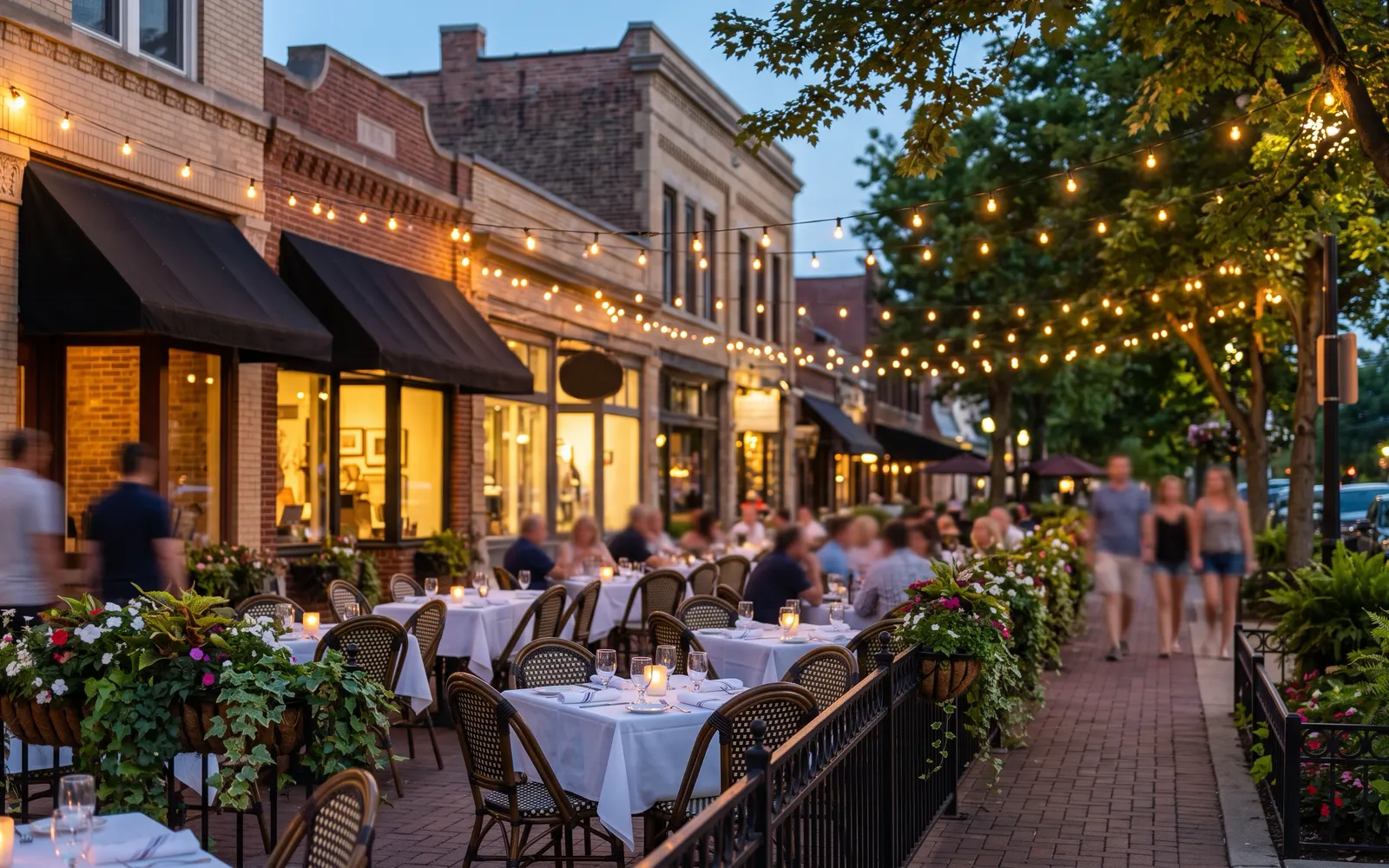
Walk Score counts about 246 restaurants, bars and coffee shops in Evanston, and the list turns over fast. In 2026 alone, a local agent's summer roundup counts Burl, a wood-fired restaurant that opened in February at 2545 Prairie Avenue off Central Street; Soul & Smoke, a barbecue kitchen that became a full sit-down restaurant at 1601 Payne Street; Land & Lake Cafe, a breakfast and lunch spot in the Hilton Orrington at 1710 Orrington Avenue; and Bat 17, the sandwich and burger bar at 1701 Maple Avenue, which reopened in May. The same roundup says the chefs behind Parachute are aiming to open a restaurant at 1710 B Sherman Avenue by the end of 2026.
The RoundTable's March 2026 restaurant roundup adds New Yolktown, an egg sandwich and rice bowl spot at 1571 Sherman Avenue; No Longer Human, a tea shop at 1810 Central Street; Dandelion Coffee Bar at 844 Main Street; Windfree Solar Cafe, a coffee and pastry spot at 517 Dempster Street; Lizzano Focacceria, a panini shop at 1607 Chicago Avenue; and Pizzeria DeVille at 1517 Chicago Avenue, at the corner of Davis Street. On summer Thursdays, Downtown Summer Sounds brings free music to Fountain Square from 6 to 8 p.m.
Evanston Beaches, the Lakefront and Parks
The lakefront is Evanston's biggest amenity, and most of it is public. The city lists six beaches: Clark Street, Greenwood Street, Lee Street, Lighthouse and South Boulevard, plus Lincoln Street Beach, which Northwestern manages. In 2026 the swimming beaches opened May 23 and ran through Labor Day, September 7, with lifeguards on duty from 10:30 a.m. to about 7 p.m., the RoundTable reported. There is also a separate, gated Dog Beach with its own pass.
Beach passes work differently here than in most lake towns. Per the city's admissions page, season passes are free for residents of 60201 and 60202. Non-residents pay $63 if bought from April 13 to June 5, $85 from June 6 to August 1 and $43 from August 2 to Labor Day, and Skokie residents pay $35, $43 and $24. A daily ticket is $12, or $10 for Skokie residents, and residents can buy guest tickets at $5 each, up to 20 per household per season. The city asks swimmers to swim only when lifeguards are on duty.
Inland, the North Shore Channel runs along the west side of the city with the Ladd Arboretum and the Canal Shores golf course beside it. Park passes, programs and the six community centers where you can pick up beach passes, including the Robert Crown Community Center at 1801 Main Street, are run by the city's Parks and Recreation department.

Lighthouse Beach. At the north end below the Grosse Point Lighthouse. Lifeguarded, accessible beach.
Clark Street Beach. Next to the beach office at 1811 Sheridan Road. Lifeguarded, accessible beach.
Lee Street, Greenwood Street and South Boulevard beaches. The south-side swimming beaches, all lifeguarded and listed as accessible by the city.
Lincoln Street Beach. Managed by Northwestern; free with a season pass.
Dog Beach. Gated, with a separate season pass that is free for residents.
The Evanston Public Library
The Evanston Public Library Main Library is at 1703 Orrington Avenue downtown, open 10 a.m. to 8 p.m. Monday through Thursday, 9 a.m. to 6 p.m. Friday and Saturday, and noon to 6 p.m. Sunday. Per Wikipedia, the library was established in 1873 and has been on the Orrington site since 1908. Its one branch is inside the Robert Crown Community Center at 1801 Main Street, opened in 2020; the old North and South branches closed in 2021, per Wikipedia.
Utilities in Evanston: The City Supplies Its Neighbors' Water
Evanston runs its own water plant on the lake at 555 Lincoln Street, and it is bigger than the city needs. Per the Evanston RoundTable, the plant serves about 400,000 people in Evanston, Skokie, Morton Grove, Niles, Lincolnwood and the Northwest Water Commission towns of Palatine, Buffalo Grove, Wheeling and Arlington Heights, plus part of Des Plaines. It produces an average of 46 million gallons a day, with filters rated for 108 million. Your water bill comes from the city.
The sewers are the other half of the story. Most of Evanston is served by a combined sewer that carries both rain and wastewater, and the city says that as long ago as 1902 its public works commissioner called the system too small. A long-range program approved in 1990 added 9 miles of tunnels about 60 feet deep and 43 miles of relief sewer mains between 1991 and 2008, at a cost of about $210 million, plus flow restrictors that hold rain on the street so sewage does not back up into basements. The flood section covers what that means for a buyer.
Hospitals in Evanston
Evanston has two hospitals inside the city limits, and both are Level I trauma centers. Evanston Hospital, at 2650 Ridge Avenue where it meets Central Street, is the founding hospital of what is now Endeavor Health (formerly NorthShore). It opened in 1891 and has a Level I trauma center.
In south Evanston, Saint Francis Hospital was founded in 1900 and has a Level I trauma center. It has changed hands several times: Ascension ran it as Ascension Saint Francis from 2022, and the sale to Prime Healthcare was finalized on March 1, 2025. If you see "Ascension Saint Francis" in an older listing or guide, it is the same hospital.
Ryan Field, Northwestern and Nights Out in Evanston
Northwestern University shapes Evanston's calendar. Founded on January 28, 1851, it has a 240-acre Evanston campus and enrolled 22,801 students in fall 2023, per Wikipedia; in the 1960s it added a 74-acre lakefill to the shoreline. Much of the city's calendar, from game days to downtown's busiest weeks, runs on the university's schedule.
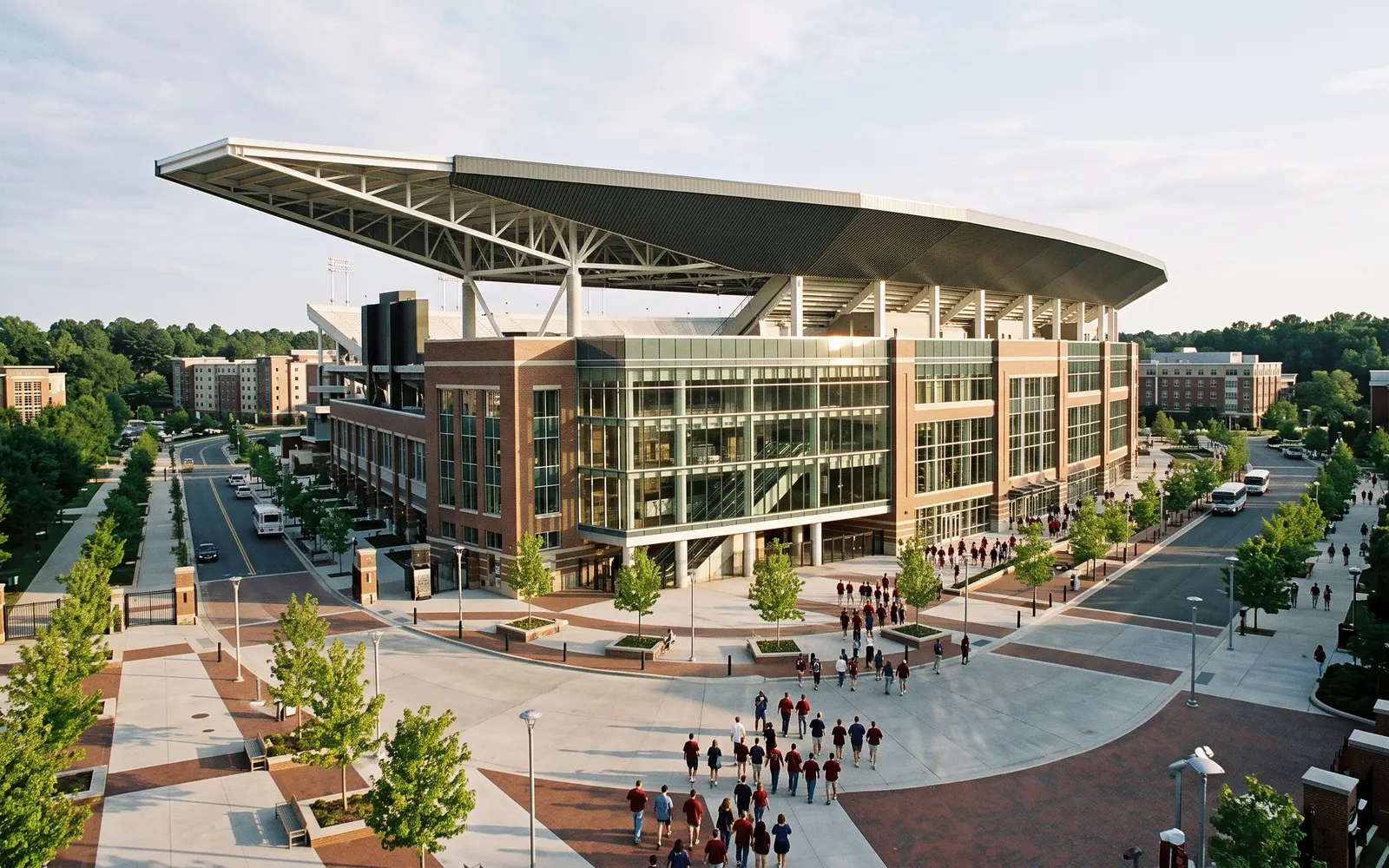
The big change this fall is the new Ryan Field at Central Street and Ashland Avenue. Per Wikipedia), the rebuilt stadium seats 35,000, the smallest in the Big Ten, and its final budget rose to $862 million. The RoundTable reported that it opens October 2, 2026 with Northwestern against Penn State, and its first community event is the ETHS and New Trier football game on October 16.
Concerts were the fight. On November 20, 2023, the City Council approved the zoning change 5 to 4, with Mayor Daniel Biss breaking a tie, allowing up to six concerts a year capped at 28,500 people, after the Land Use Commission recommended against it, the Chicago Sun-Times reported. The agreement includes $157.5 million in payments to the city over 15 years. The RoundTable says public concerts will not begin until summer 2027. If you are looking at homes near Central and Ashland, ask about game-day parking and traffic before you buy.
Evanston's Fourth of July and Yearly Traditions
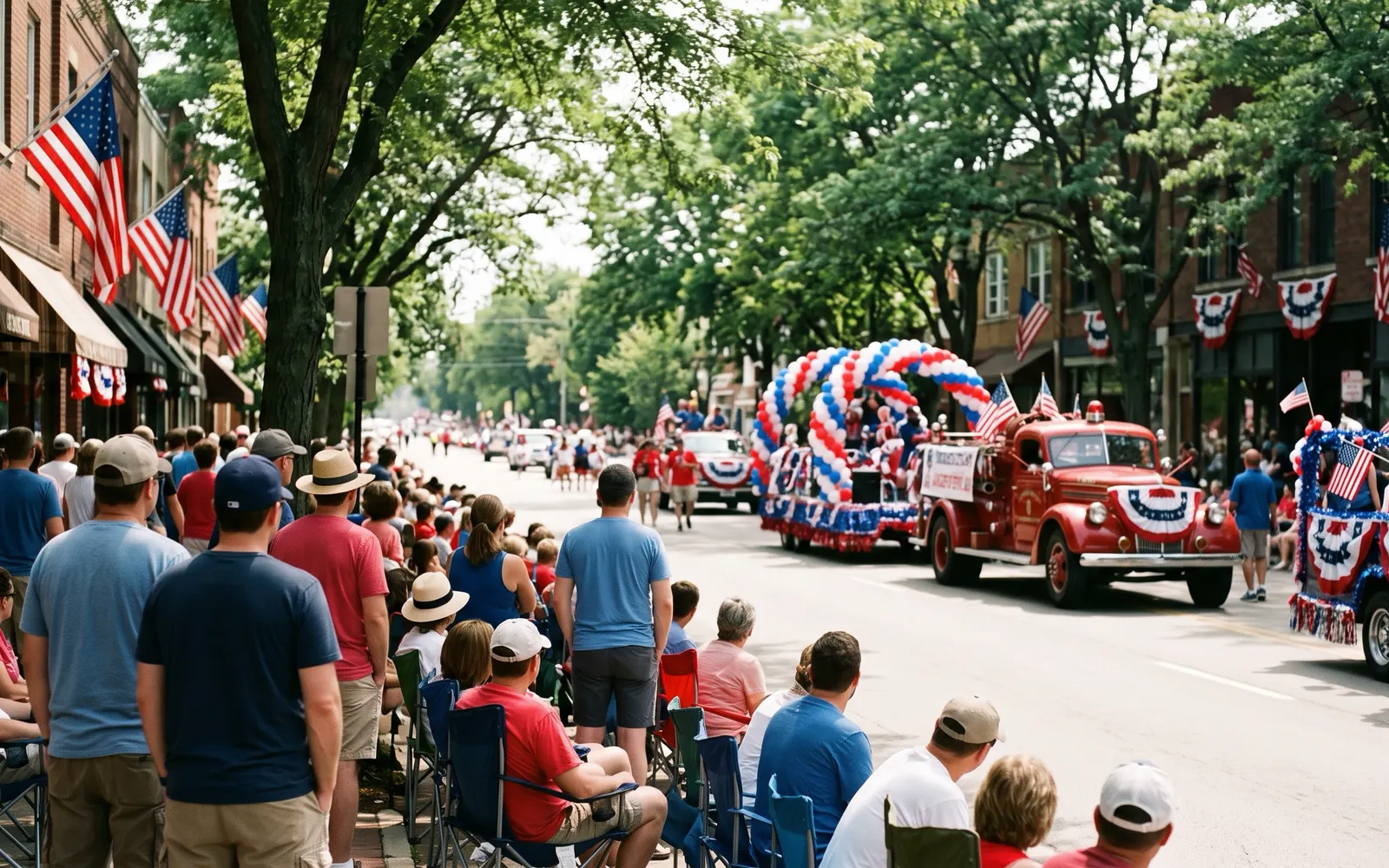
The biggest day is the Fourth of July. In 2026, per the RoundTable, the parade stepped off at 2 p.m. from Central Park Avenue, went east on Central Street and ended at Ryan Field at Ashland Avenue, with morning games, a fun run and an evening lakefront fireworks show. The volunteer Evanston Fourth of July Association, not the city, pays for the programming, and it said it spent more than $160,000 last year while taking in about $86,000.
The city's events page lists the rest of the 2026 calendar, including the Umbrella Arts Festival (May 30), Juneteenth (June 19), the Main Street Fair (June 27), the Evanston Plein Air Festival (July 11 to 19), Downtown Summer Sounds on Thursdays from July 9 to September 3, the Evanston Art and Big Fork Festival (August 22 and 23), Taste of Evanston (August 30), the Evanston Folk Festival (September 12 and 13), the Starlight Movie and Concert Series from June to August, and a Holiday Light Celebration on December 5.
What's Being Built in Evanston, and the Zoning Rewrite
The largest change is the rulebook. On January 26, 2026, the City Council adopted the Envision Evanston 2045 comprehensive plan 5 to 4, the city's first new comprehensive plan in over a quarter-century, per the RoundTable. Its policies direct the city to allow more housing density in all neighborhoods. The plan itself does not change zoning. In August 2026 the council voted 8 to 1 to hire Code Studio to rewrite the zoning code, under a contract of up to $911,480, the Daily Northwestern reported. No completion date was given. Until the new code passes, current zoning applies.
Under construction, per Evanston Now in July 2026: The Legacy, an 11-story, 110-unit building at 1621-31 Chicago Avenue downtown that broke ground in April and is expected in October 2027; a five-story, 230-unit building at 910-938 Custer Avenue next to the Main Street stations, due next summer; a 60-unit affordable building at 504-514 South Boulevard; a 30-unit building at 2206 Maple Avenue; a 33-unit affordable building at 1801-1815 Church Street; and a 12-home pocket neighborhood of 600-square-foot houses at 1915-1917 Grant Street.
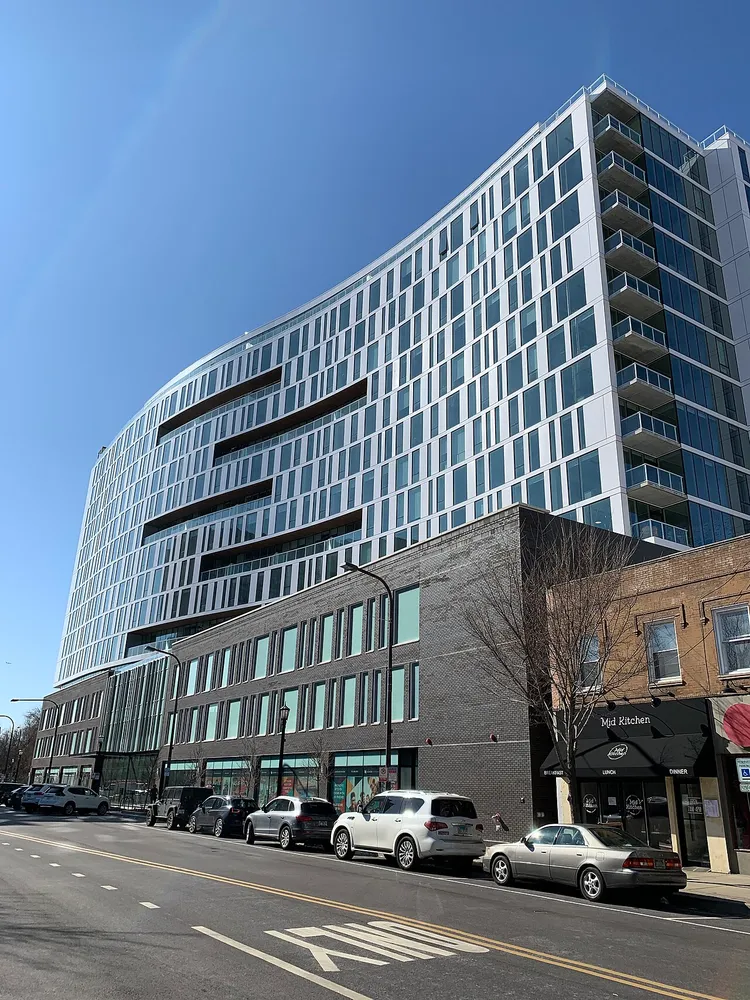
Approved but not started: a 29-story, 419-unit tower at 605 Davis Street, which would be Evanston's tallest building, approved 5 to 4 in November 2025 and awaiting foundation permits, with developers previously targeting early 2028. Proposed: a 26-story apartment tower at 900 Clark Street on the north end of Church Street Plaza, which had not reached its Land Use Commission hearing as of July. Add the new Foster School and Ryan Field, and downtown and the Main Street area will see construction for a while.
I don't label any town or neighborhood as safe or unsafe.
Basement Flooding and the Lakefront in Evanston
In Evanston the water question is mostly about basements, not rivers. The city's combined sewer carries rain and wastewater in the same pipes, and heavy storms used to push sewage back into basements for more than 50 years. The city says its relief sewers are designed so that no street flooding should occur in a 5-year storm and only minimal flooding in isolated areas in a 10-year storm. The flow restrictors that make that work do it by holding water on the street for a while, so ponding at the curb after a big storm is by design.
Redfin, using First Street's model, rates Evanston's flood risk as moderate, with 12% of properties at risk of severe flooding over the next 30 years. Homes near the lake have their own questions about the shoreline. Before you write an offer, look the address up on the FEMA flood map, ask the seller directly about water in the basement, and have your inspector check for a backflow valve, sump pump and overhead sewer. That last one is the question I would ask first on any older Evanston house.
Frequently Asked Questions
How much does a house cost in Evanston, IL?+
Redfin reported a median sale price of $504,666 for the three months ending August 2026, down 0.31% from a year earlier. Zillow's home value index was $493,385 in August 2026, up 8.5%. The Cook County Assessor put the 2024 median single-family sale at $675,000, so condos pull the all-homes median down.
What are property taxes in Evanston, IL?+
Ownwell puts the median effective rate at 2.28% and the median annual bill at $7,604 (updated April 2026). At that rate a home bought at the summer median of $504,666 would carry about $11,500 a year once assessed at its sale price.
Does Evanston have a real estate transfer tax?+
Yes. The city charges $5 per $1,000 of the price up to $1.5 million, $7 per $1,000 from $1.5 million to $5 million and $9 per $1,000 above that. The seller typically pays unless the contract says otherwise.
When is Evanston reassessed for property taxes?+
Evanston is Evanston Township, which the Cook County Assessor last reassessed in 2025, releasing values on April 9, 2025. The township is on a three-year cycle, so the next reassessment is due in 2028. The Tax Year 2025 second-installment bills reflecting those values are due October 1, 2026.
What school district is Evanston, IL in?+
Evanston/Skokie School District 65 for kindergarten through eighth grade and Evanston Township High School District 202. District 65 closed two schools after 2025-26, opened the new Foster School this fall and plans more closures, so confirm assignment by address.
How long is the commute from Evanston to downtown Chicago?+
On Metra's Union Pacific North line, Main Street reaches Ogilvie in 28 minutes, Davis Street in 29 to 30 and Central Street in 33. Davis has 35 inbound weekday trains. The CTA Purple Line Express runs to the Loop in weekday rush periods; a 7:26 a.m. train from Davis reaches Adams/Wabash at 8:07.
What neighborhoods are in Evanston, IL?+
Commonly named pockets include downtown, the Lakeshore Historic District in southeast Evanston, the Main-Dempster Mile, the Chicago Avenue corridor, the Ridge Historic District, Northeast Evanston and Central Street, northwest Evanston, west Evanston and south Evanston near Howard Street.
Are Evanston beaches free?+
For residents of 60201 and 60202, season beach passes are free. In 2026 non-residents paid $43 to $85 for a season pass depending on the purchase date, Skokie residents paid less, and daily tickets were $12.
Eshu Chikoti has extensive access to off-market listings throughout Evanston and the rest of Cook County — homes that never make it to the public listing sites. That matters right now: in a seller's market like this one, well-priced homes routinely go under contract within days, and buyers relying only on public listings are competing for whatever is left over. Working with someone plugged into off-market inventory means seeing homes before the crowd does.
Eshu Chikoti · 847-691-4282 ·
Get new Evanston listings by email
When a home comes on the market in Evanston, I'll email it to you.
Just your email. Unsubscribe any time by replying.
Thinking About Evanston?
Whether you're buying, selling, or just curious what's on the market, I can walk you through Evanston street by street.