The Home Inspection Guide I Give Every Lake County Buyer
Here is the honest version: a home inspection is the cheapest insurance you will ever buy, and in Lake County a standard single-family walk-through usually runs $350 to $550. For a house that costs several hundred thousand dollars, that is a rounding error — and it is the one moment in the process where you can still walk away without it costing you much. About 86% of inspections turn up at least one problem, so a report with findings is normal, not a catastrophe. The whole game is telling the difference between routine wear and the kind of thing that should change your price or send you looking at a different house.
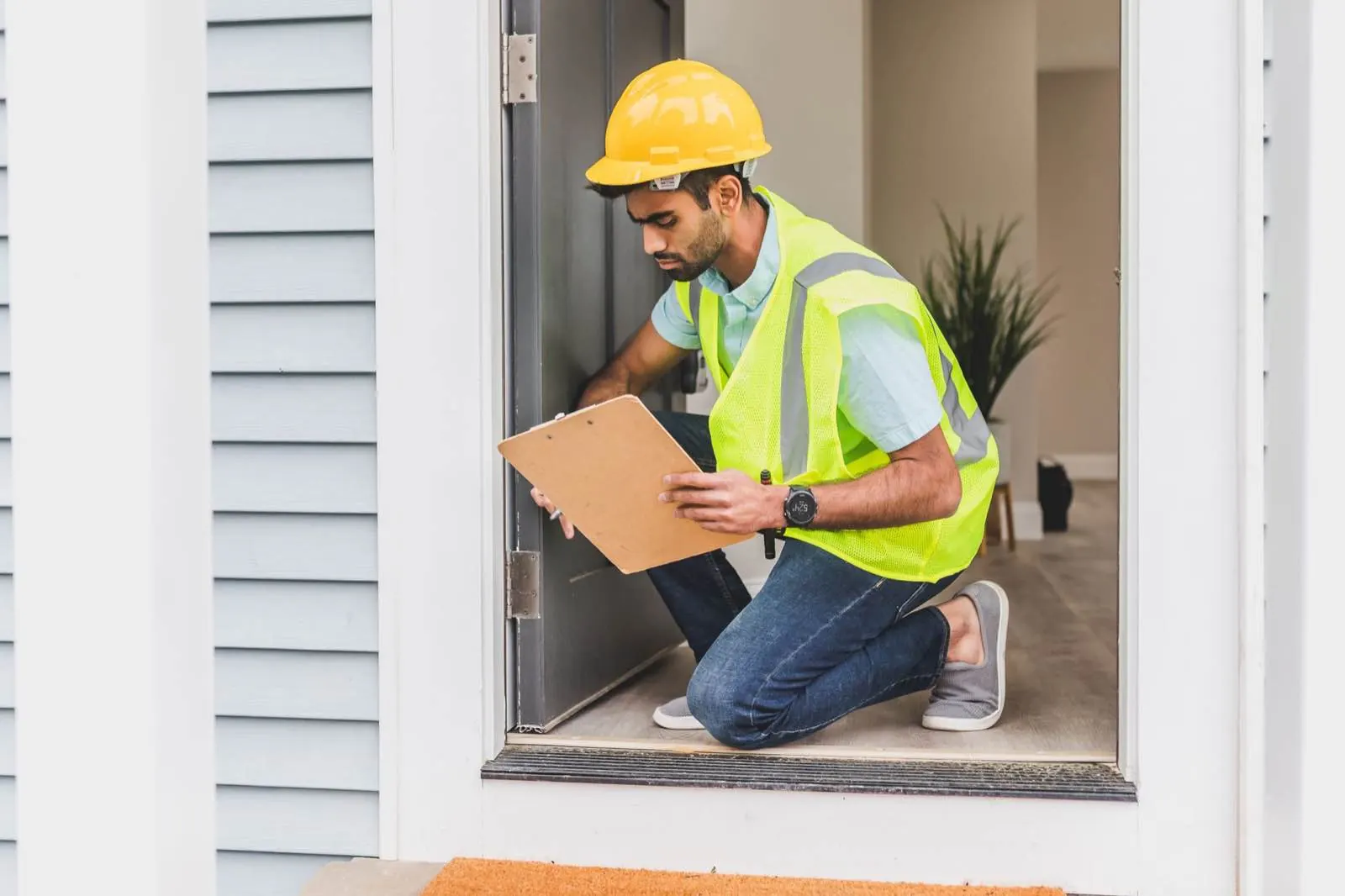
What an inspection actually costs here — and the add-ons that matter
A general inspection in our area lands around $350 to $550, with larger or older homes pushing toward $600. That base fee buys you a generalist with a flashlight and a checklist. What it does not buy you are the specialty tests that Lake County housing stock specifically calls for — and those are billed separately. Here is where I tell buyers to spend a little more:
- Radon test — Illinois sits high on the national radon map, and adding a radon measurement typically runs $100 to $300 on top of the base fee. More on why below.
- Sewer scope — a camera run down the main line, usually $125 to $500. On older homes with mature trees and clay-tile pipe, root intrusion is common and brutally expensive to discover after you own it.
- Wood-destroying insect inspection — often a lender or VA requirement, and cheap relative to what termites cost.
- Specialty follow-ups — a structural engineer, electrician, or water-intrusion pro, but only if the general report points you there. Do not pay for these blind.
What a standard inspection covers — and what it quietly does not
A standard inspection is visual and general. It covers the roof, structure, electrical, plumbing, HVAC, attic, basement or crawlspace, and interior finishes — what the inspector can see and safely reach. What it does not do is test for radon, termites, asbestos, lead paint, or mold, or tell you what is buried in the yard. Your inspector has eyes and experience, not a lab. First-time buyers get caught off guard by this constantly, so budget for the add-ons above rather than assuming they are baked in.
The five things I actually worry about in Lake County houses
A lot of our stock is mid-century, which means these homes have already lived a full life. Here is where my attention goes.
Water and basements. This is northern Illinois — high water tables, wet springs, and a lot of homes with basements. The sump pump is the single most important cheap machine in the house. Replacing one runs $309 to $755 on average, which is nothing next to a finished basement that floods. I want to watch the pump actually run, see a battery backup, check the grading around the foundation, and look for tide-line staining on the walls.
Aging roofs and HVAC. Mid-century homes have usually burned through a roof or a furnace already. A full asphalt-shingle replacement runs roughly $5,700 to $12,000, and a furnace at the end of its life is a known, plannable cost — not a reason to run, but a number you should be pricing into your offer.
Radon. The EPA places Lake County in Zone 1, its highest radon-potential tier (EPA radon zone map), and statewide roughly 40% of Illinois homes tested come back above the 4 pCi/L action level. It is the second-leading cause of lung cancer, it is invisible, and the fix is boring: a mitigation system runs about $1,016 to $1,590 in the Chicago area. I treat radon less as a deal-breaker and more as a known repair to test for and negotiate.
Old wiring. In pre-1970s homes I look hard at the electrical. Knob-and-tube and aluminum branch wiring both matter to insurers and to whoever buys the house after you. Angi puts a full rewire at $4,000 to $8,000, and up to $12,000 in a larger, older home. Pigtailing aluminum connections is a smaller job, so get an electrician's quote on the house in front of you. Federal Pacific panels are their own red flag — many insurers want them replaced. None of this is automatically fatal, but it all belongs in the math.
Buried oil tanks. Some older Lake County homes that once ran on heating oil still have a tank buried in the yard. Removing an underground tank runs $900 to $3,600 — but if it leaked, remediation can climb to $2,500 to $17,000 and gets reported to regulators. This is the rare item I want confirmed before, not after, closing.
An inspection report is not a list of reasons to panic. It is a list of prices — and your job, with your agent and your attorney, is to decide which of those prices you are willing to pay, and which ones belong back on the seller's side of the table.
Deal-breaker or routine? How I sort it
Routine looks like this: a furnace near the end of its life, minor vertical settling cracks, cosmetic wear, an aging roof with a few years left, a dead sump pump. Those are budget items, not reasons to walk.
The findings that make me slow a client down are different — active water intrusion, stair-step cracks in brick or doors that suddenly will not close, a roof that needs full replacement now, a wiring system no insurer will touch, or a mystery oil tank. I also tell buyers to walk in already knowing how much house they can actually afford, because a $15,000 repair reads very differently against a comfortable budget than against a stretched one.
Using the report in attorney review
Illinois gives you something a lot of states do not: an attorney-review period, and your inspection contingency runs right alongside it. This is where findings turn into dollars. The inspection contingency and your attorney-review window exist precisely so you can renegotiate or walk after you know what you are actually buying.
My advice inside that window is simple. For moderate issues, ask for a credit rather than making the seller complete the repair — you control the contractor and the quality that way. For anything structural, electrical, or water-related, get the specialist opinion first, then decide how hard to push. And for a genuine deal-breaker, walking away now is far cheaper than discovering the same problem after you hold the deed. If you want a second set of eyes on an inspection report for a Lake County house, that is a conversation I am always happy to have.
Frequently Asked Questions
A standard single-family inspection typically runs $350 to $550, more for larger or older homes. Add-ons like a radon test or a sewer scope are billed separately, so budget a bit above the base fee.
No — radon is a separate test that usually adds $100 to $300. It is worth it here: about 40% of Illinois homes tested exceed the 4 pCi/L action level, and Lake County is in the EPA's highest radon zone.
Usually not. These are plannable costs — a full asphalt-shingle roof runs $5,700 to $12,000 — and the right move is to price them into your offer rather than walk away.
Yes. Radon has been found in homes of every age and in all three EPA zones, and Lake County sits in Zone 1. If a test comes back high, a mitigation system averages around $1,280 in the Chicago area — a known, fixable number.
Yes. Your attorney-review period and inspection contingency are built for exactly this. For most issues, asking for a credit gives you more control than asking the seller to do the repair.
This is general information, not legal, financial, or engineering advice. Repair and inspection costs are estimates that vary widely by home, contractor, and conditions on the ground. Always hire a licensed inspector, get specialist opinions where warranted, and talk to your own real estate attorney about your specific situation.
Get new Lake County listings by email
I'll send you new Lake County homes as they come on the market. Just your email, no account needed.
Just your email. Unsubscribe any time by replying.
I'm Eshu Chikoti, a Lake County, IL agent. If you want the numbers in this article run for your specific home or purchase, let's talk it through — no pressure, no obligation.
Get in touch →