Wayne, IL
Wayne, IL is a village of about 2,300 people on 5.7 square miles of DuPage and Kane County, built around one- to four-acre lots, private wells, bridle trails, two National Register historic districts and the largest forest preserve in DuPage County.
Living in Wayne, IL means a home on one to four or more acres, usually with a private well and septic, zoning that allows horses on two acres, and 3,433 acres of forest preserve next door. The typical value was about $788,000 in August 2026, and property tax runs about 2.3% to 2.7%. Here is how it breaks down.
Written by Eshu Chikoti · 847-691-4282 ·
How Wayne, IL Got Here: A Short History
Wayne's story is a horse story. According to the Village of Wayne's history page, the first permanent settlers arrived in 1834, and until 1850 Wayne Township was entirely farmland with one small settlement, Wayne Center, east of today's Route 59. That changed when the Galena and Chicago Union Railroad laid track west in 1850. Solomon Dunham, a surveyor and farmer, gave the railroad the land it needed, then built an inn, a store and a house next to the new Wayne Station. The post office opened in 1853, and by 1900 the station had replaced Wayne Center as the heart of the area.
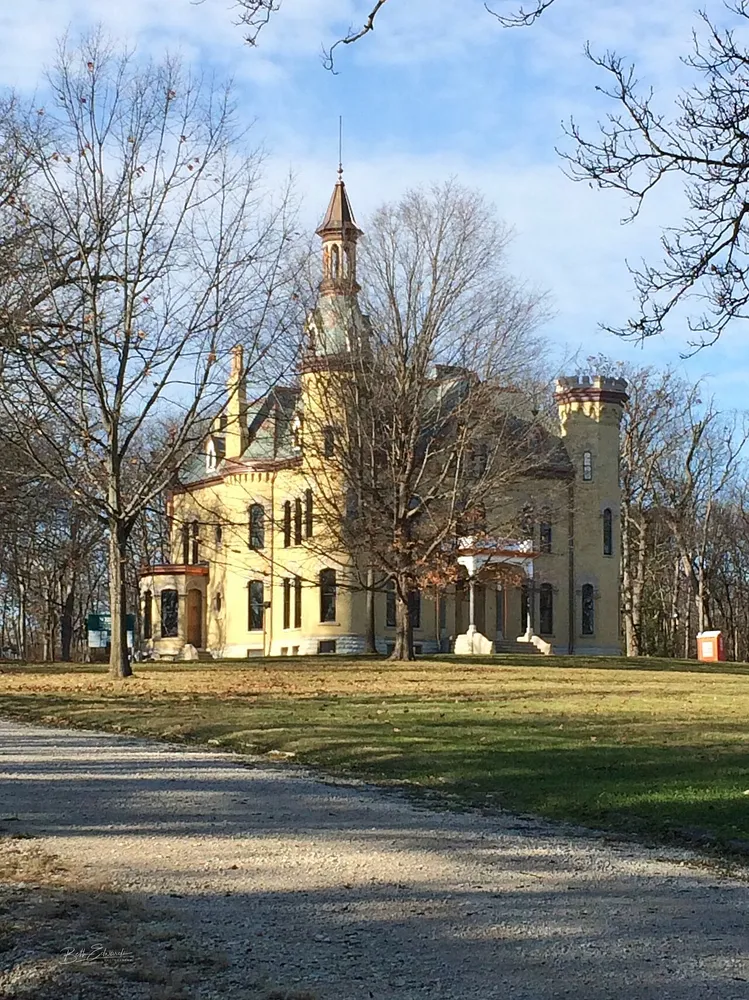
His youngest son, Mark W. Dunham, made the name famous. By 1865 he was importing and breeding Percheron draft horses from France. The village history says that by 1883 he had more than 1,300 mares and stallions on 1,700 acres known as Oaklawn Farm, and that by 1905 the farm produced more Percherons than the next eight establishments combined. In 1893 Oaklawn served as one of the agricultural displays for the World's Columbian Exposition, and visitors rode out from Chicago to see it. Dunham built his own residence on the farm in the early 1880s, a French chateau-style house that everyone now calls Dunham Castle.
Cars and trucks ended the draft-horse business, and what happened next is the reason Wayne looks the way it does. On November 17, 1937, before rural Kane County had formal zoning, the Dunhams, the Norrises and other landowners signed a private agreement limiting their land west of Dunham Road to single-family homes on at least four acres each. The village says that voluntary rule has been honored ever since and was upheld by the Kane County Circuit Court in 1990. The old Oaklawn office and barns went to a group of residents who formed the Dunham Woods Riding Club in 1934.
Wayne incorporated as a village in 1958, according to Wikipedia. Before that, and for a long time after, it ran on volunteers. The village's comprehensive plan appendix says a community association funded the police with carnival proceeds and donations, elected officials served without pay, and the village had no property tax levy of its own until 1983.
Wayne at a Glance
Wayne sits between St. Charles, West Chicago, Bartlett and the Fox River. The village's comprehensive plan describes it as bounded by Route 25 to the west, Route 59 to the east, Route 64 to the south and Stearns Road to the north, with Bartlett to the northeast and east, West Chicago to the south and St. Charles to the southwest and west. The 2024 Census Gazetteer puts its land area at 5.73 square miles.
The detail that matters most for a buyer is the county line, which runs through the village. Wayne is often listed as a Kane County town, and the historic Oaklawn Farm district at Dunham and Army Trail Roads is in Kane. But most of the people are in DuPage. The Census Bureau's Vintage 2025 estimates put 1,504 of the village's 2,278 residents in DuPage County (66%) and 774 in Kane County (34%). By land area the split is closer, about 52% DuPage and 48% Kane, according to Census Reporter's geography data. So DuPage is the main county. The DuPage side is in Wayne Township and the Kane side in St. Charles Township, and each county runs its own assessor, calendar and exemption process, which I break down in the tax section.
The housing is almost entirely owner-occupied single-family homes. The 2020-2024 Census ACS counts 965 housing units, 938 of them single-family detached, and 96.4% of occupied homes are owned rather than rented. It is a small market. A busy quarter here is a dozen sales.
Wayne also runs differently from a typical suburb. The village's 2026 spring newsletter says every home is on well and septic, each household picks its own trash hauler from five the village licenses, and every car garaged in Wayne needs a village sticker. Village Hall keeps weekday-morning hours, Monday through Thursday.
Wayne Neighborhoods, From Estate Lots to the Village Center
Wayne has no official neighborhoods, but it has a very clear pattern, and lot size is the map. The village's comprehensive plan appendix describes it this way: estate homes on four or more acres cover most of the village west of Dunham Road, many with private stables. Homes on two to four acres sit just east of that. Lots of one to two acres run mostly along Powis Road, and the smallest lots are in and around the historic village center and a few subdivisions on the east side.
The same appendix ties those patterns to zoning districts. W-1, most of the village west of Dunham Road, has the largest minimum lot, four acres. W-2, between the old EJ&E tracks and Munger Road, drops to two acres. W-3, mostly between the Union Pacific and EJ&E tracks, is one acre. W-4, a small area south of Army Trail Road between Munger Road and Route 59, is 40,000 square feet, and W-5 covers the riverfront piece west of Route 25 on one-acre lots. The plan dates from the mid-2000s. The village adopted a new zoning map in 2026, so check the current district for any parcel you are serious about.
That split drives everything else: whether you can keep a horse, how much land you maintain, and which buyers you will compete with. Below are the areas you will see named on listings and in village notices. Boundaries are informal. If you want to know which zoning district a specific address is in, whether it has association rules and which school it feeds, that is a conversation I am happy to have here.
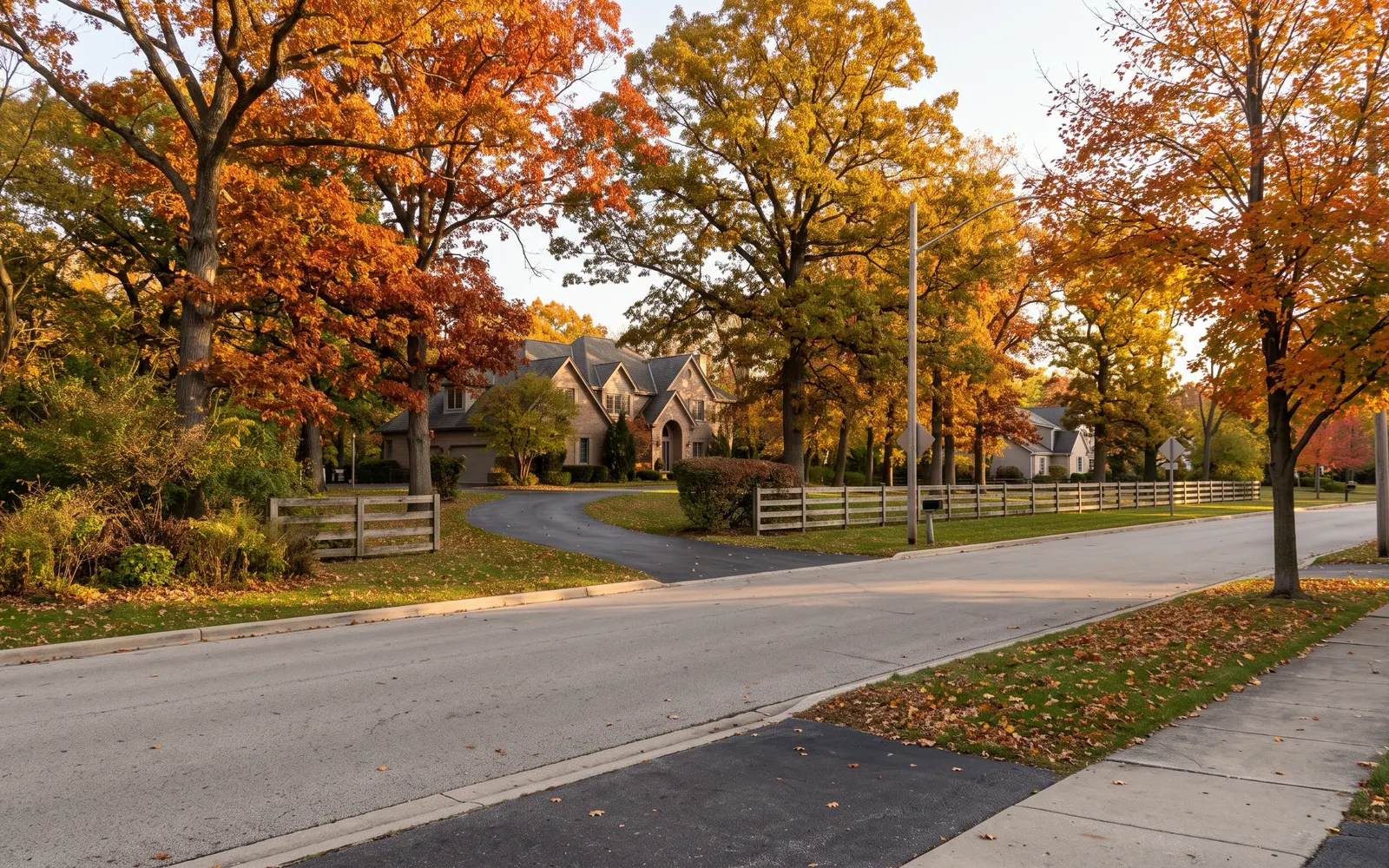
West of Dunham Road (Oaklawn country). The four-acre estate area created by the 1937 agreement, much of it in Kane County. Large custom homes, private stables and paddocks, and the Oaklawn Farm Historic District at Dunham and Army Trail Roads. The priciest and most private part of the village.
Dunham North, Dunham Trails, Behles, Derby and Billy Burns. Names the village uses for the areas west of the old C&NW (Union Pacific) tracks in its 2026 fiber internet update. Larger lots on quiet roads; confirm the zoning district and any association on each listing.
The historic village center. Along Army Trail Road and Railroad Street near the tracks: Village Hall, the post office, the restored depot and older homes, some dating to the 1800s. Smaller lots, historic district design review, and the one part of Wayne where you can walk anywhere.
Powis Road. Homes on one to two acres, according to the village plan, with Pratt's Wayne Woods close by on the east side.
Woods of Wayne, Bradford Park, Lake Eleanor and Wayne Meadows. Subdivisions the village names on the east end of town, east of the CN tracks near Army Trail Road. The village plan describes Wayne Meadows as a subdivision east of Route 59. Newer homes on smaller lots than the west side, often with a homeowners association.
Honey Hill. A named area the village board has discussed for future fiber service; ask about lot size and association rules on each listing.
The riverfront piece. The small part of Wayne west of Route 25 toward the Fox River, zoned W-5 with one-acre minimums and a 150-foot road frontage rule, per the village plan.
What Wayne Homes Look Like, by Era
Wayne's housing is single-family almost without exception. The 2020-2024 Census ACS counts 965 homes, 938 of them detached single-family houses, and a median year built of 1987. The age mix is wider than that median suggests. 142 homes, about 15%, were built in 1939 or earlier, which is unusual for a suburb this far out and reflects the Dunham-era houses along Army Trail Road. The biggest single decade is the 2000s, with 263 homes, followed by the 1980s with 245. Only 45 were built from 2010 to 2019.
On the ground, that means three kinds of houses. In and near the village center, 19th- and early-20th-century homes, many of them part of the Wayne Village Historic District, which has 53 buildings, among them Solomon Dunham's 1852 house and the 1871 Wayne Congregational Church. On the estate lots, large custom homes from the 1970s onward, many with barns, indoor arenas or paddocks. And in the east-side subdivisions, 1980s to 2000s two-story homes on smaller lots. The village's 2026 newsletter notes that many Dunham-era houses later became equestrian properties.
The ACS puts the median value of owner-occupied homes at $642,700, plus or minus $57,734. That is a multi-year survey of what owners say their homes are worth, so it trails the market. The current figures are in the market section below.
What I tell every buyer looking at an older Wayne house is the same list. Check the roof and mechanicals, the well pump and pressure tank, the septic system and every outbuilding. On a historic house, add the foundation, the electrical and whatever the last renovation did to the original structure. If the house is inside a historic district, exterior changes also go through the village's Historic Sites Commission, covered in the landmarks section. My home inspection checklist covers the house itself.
Horses, Wells, Septic and Zoning in Wayne
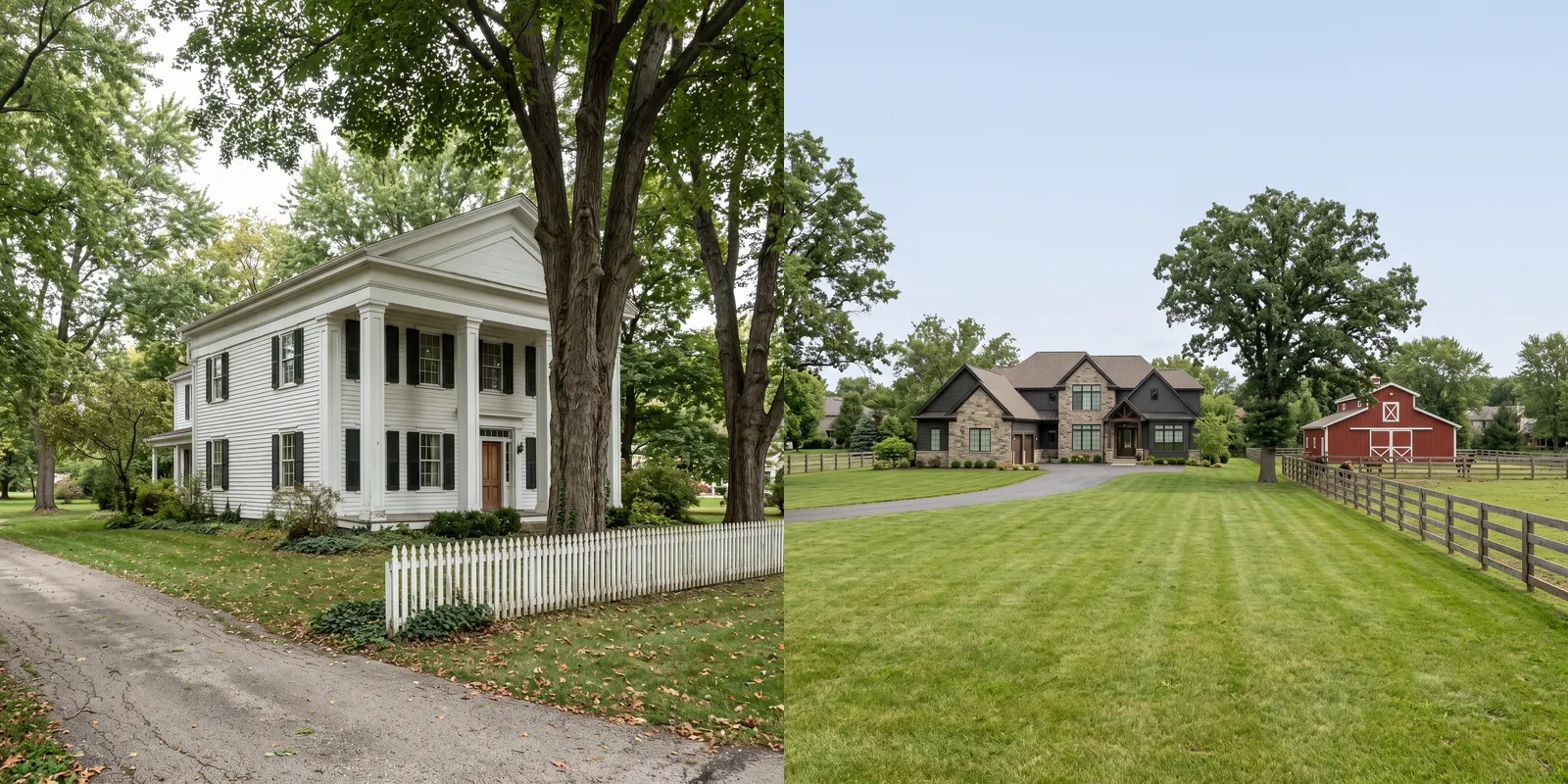
This is the section that decides whether a Wayne house works for you. Start with horses. The village's 2026 code reminders set a two-acre minimum to keep a horse, then one horse per acre: two acres, two horses; five acres, five horses; 3.9 acres, three horses. Hens are allowed on lots of 8,000 square feet or more, up to 12, and roosters are not.
A barn has its own rules. The village's private stable permit checklist says a stable must sit in the rear yard, at least 50 feet from the side and rear lot lines and 50 feet from the house. First-floor area is capped at 1,500 square feet on a two-acre lot, 1,700 on three acres and 1,900 on four, plus up to 225 square feet per extra acre to a maximum of 2,800. Stalls must be at least 10 by 12 feet, paddock fencing can't exceed five feet, and the building must match the house architecturally. The permit needs a survey showing any well, septic field, floodplain or wetland within 100 feet, plus health department sign-off from DuPage or Kane County, depending on the parcel. A commercial stable needs at least 20 acres, according to the village plan.
Now water. The village's comprehensive plan says residents get their water from private wells and handle waste with on-site septic systems, and that the Illinois State Water Survey identifies the area as a prime natural recharge zone. It also warns that soils here can have percolation problems and that shallow aquifers sit close to the surface in places, which makes septic design and maintenance matter more than usual. The plan expects wells and septic to remain the norm for the foreseeable future.
My due diligence list on a Wayne property is the same every time. A water test for bacteria and nitrates at a minimum. A real septic inspection: where the field is, when it was last pumped, and whether it was sized for the current number of bedrooms. The county health department permits for both. And the zoning district, because the difference between W-2 and W-3 is the difference between a horse and no horse.
The Wayne Housing Market in 2026
The steadiest public number for Wayne is Zillow's home value index. For August 2026 it puts the typical Wayne home at $788,280, up 7.2% from $735,079 in August 2025 and up 14.7% from $687,469 in August 2024. For context, the same index for August 2026 has Campton Hills at $695,333, St. Charles at $480,166, Bartlett at $443,276 and West Chicago at $390,277. Wayne is the most expensive of its neighbors, which tracks with lot size.
Redfin's Wayne page tells a noisier story. Over the three months ending August 2026, it reports a median sale price of $949,372, up 18.7% from a year earlier, on just 12 sales. The median home took 77 days to sell, 34 days longer than last year, sold at 95.3% of list price, and 16.7% of homes sold over asking. Price per square foot was $242. Redfin still gives Wayne a Compete Score of 74 out of 100, which it calls very competitive.
Here is how to read those two together. Twelve sales is a tiny sample, and in Wayne one estate on ten acres can move the median by six figures. Redfin's median is the middle of whatever happened to sell; Zillow's index estimates the value of every home, sold or not. My read is that values rose at a normal pace this year and that the summer's sales leaned toward bigger properties, which also take longer to sell and more often need a price adjustment. That is consistent with the 77 days on market and the 95.3% sale-to-list ratio.
What that means in practice: pricing a Wayne home is a comparison with a handful of similar properties, often including unincorporated homes with the same 60184 mailing address. Acreage, the zoning district, whether horses are allowed, barns and arenas, and the condition of the well and septic move value more than finishes do. If you are working out a budget first, my guide to how much house you can afford in 2026 is a good starting point.
Wayne Property Taxes: Two Counties, Two Systems
Property tax in Wayne depends first on the county. Ownwell's DuPage figures for Wayne, updated April 13, 2026, put the median effective rate at 2.29% with a median bill of $12,289. Its Kane figures, from the same update, put the rate at 2.66% with a median bill of $15,506. The school district line on each parcel is a big part of the gap, since U-46 and District 303 levy different rates.
Here is what that looks like on a real purchase. At Zillow's August 2026 typical value of $788,280, a 2.29% rate works out to about $18,050 a year, or $1,504 a month. At 2.66% it is about $20,970 a year, or $1,747 a month. Current bills are often lower because assessments trail the market, but they catch up after a sale. The expectation I most often have to reset is buyers who budget off the seller's current bill instead of the rate.
The two assessors run on different calendars. On the DuPage side, township assessors revalue every property in a general assessment year, and the county lists 2019 and 2023 as examples. For 2026, the DuPage Supervisor of Assessments applied a 1.0611 multiplier to Wayne Township, mailed notices August 27, 2026, and set the appeal deadline for September 28, 2026. On the Kane side, the county assessment office published St. Charles Township's 2026 changes on June 18, 2026, and that appeal window closed July 20, 2026. Kane allows a complaint up to 30 days after a township's publication, so watch the date each summer.
The homestead exemption is $8,000 off the equalized assessed value in both DuPage and Kane, but the process differs. DuPage says the township assessor usually grants it automatically. Kane says you apply with the county assessment office, now through an online portal. The saving is the exemption times your tax rate: DuPage puts the typical saving at about $584 for 2023 taxes, and Kane's exemptions page gives a median county tax rate of 9.00%, which on $8,000 is $720. If you buy on the Kane side, file it.
The village's own share is small by design. The village minutes from October 21, 2025 note that its levy is constrained by the state tax cap. For the rest of what you pay at closing, including the tax proration, see my Illinois closing costs guide. This is general information, not tax advice. Your actual bill depends on your parcel, your exemptions and the assessor.
Wayne Schools: U-46 or District 303, by Address
Two unit school districts serve Wayne, and the address decides which one. The village's own school is Wayne Elementary at 5N443 School Street, off Army Trail Road near the village center. It is part of School District U-46, serves kindergarten through sixth grade and had 388 students on its GreatSchools profile. The village's comprehensive plan appendix listed Ellis Middle School in Elgin and Bartlett High School as the next steps for the U-46 part of Wayne when it was written, and said a significant portion of the village is instead in St. Charles District 303.
District 303 confirms it serves portions of Wayne, along with St. Charles, West Chicago, South Elgin, Campton Hills, Wasco, Elburn and unincorporated Kane County, about 12,000 students in all across more than 57 square miles. Its middle schools are Thompson and Wredling, and its high schools are St. Charles East and St. Charles North. Norton Creek Elementary on Smith Road in West Chicago, which describes itself as sitting on the border of West Chicago and St. Charles, is the District 303 elementary closest to Wayne's south side.
The detail that trips people up is assignment. It depends on the parcel, not the 60184 ZIP code, and feeder patterns change over time, so the plan's older U-46 feeder list may not match today's. Check the address with the district's boundary lookup before you write an offer, and look for the school district line on the seller's tax bill as a second check. Ask me for the boundary if you want it done for a specific house.
I have not quoted school rankings here. For test scores and other measures, the Illinois Report Card is the best place to compare the specific schools a house feeds. Check them at the source, for the actual schools on your address.
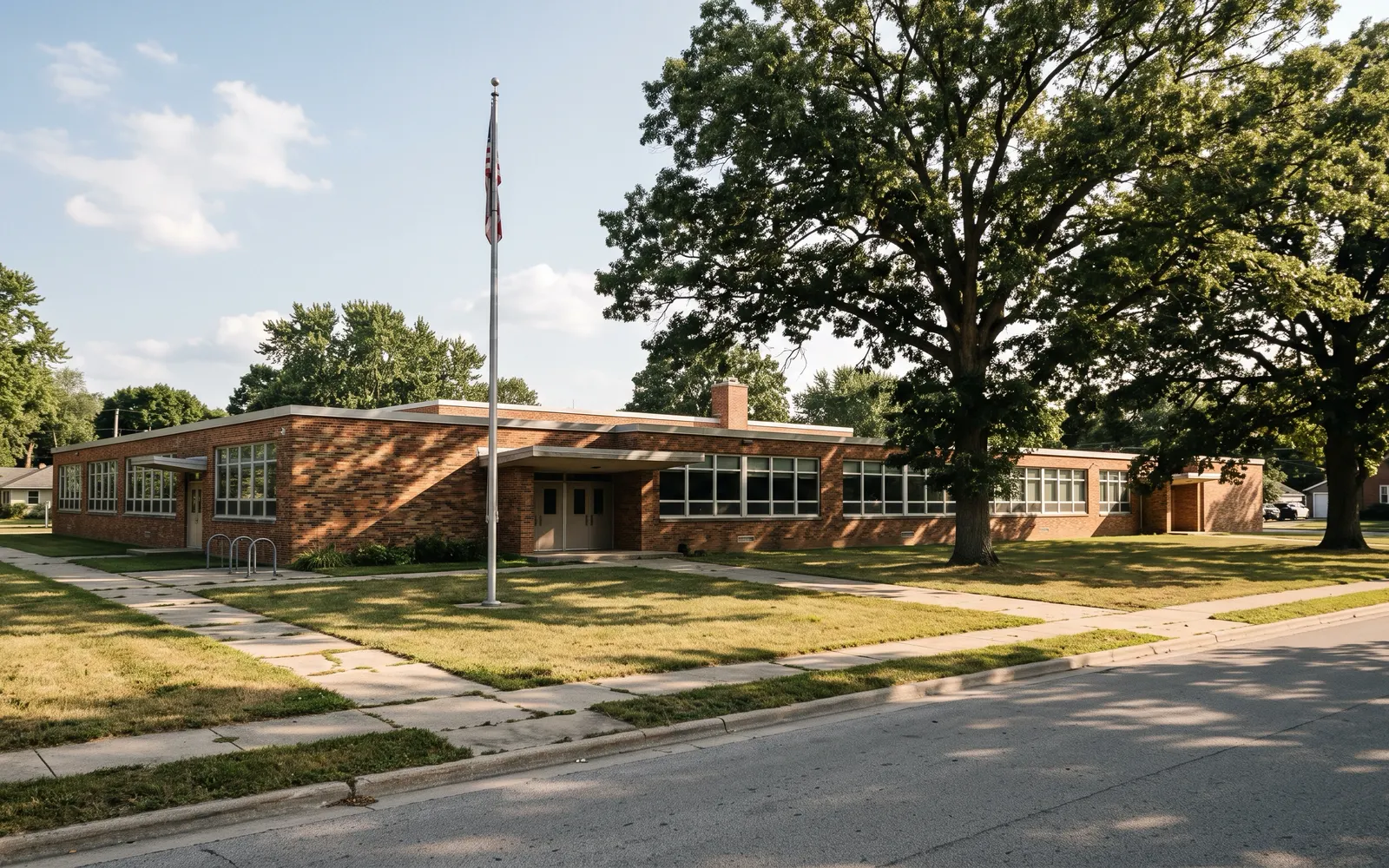
Wayne Elementary School. 5N443 School Street. Grades K-6, School District U-46.
School District U-46 (middle and high). Confirm the current middle and high school for the address; the village plan listed Ellis Middle School and Bartlett High School.
Norton Creek Elementary. 2033 Smith Road, West Chicago. District 303, opened in 2003.
Thompson and Wredling Middle Schools. District 303.
St. Charles East and St. Charles North High Schools. District 303.
Commuting from Wayne: Metra at West Chicago or Bartlett
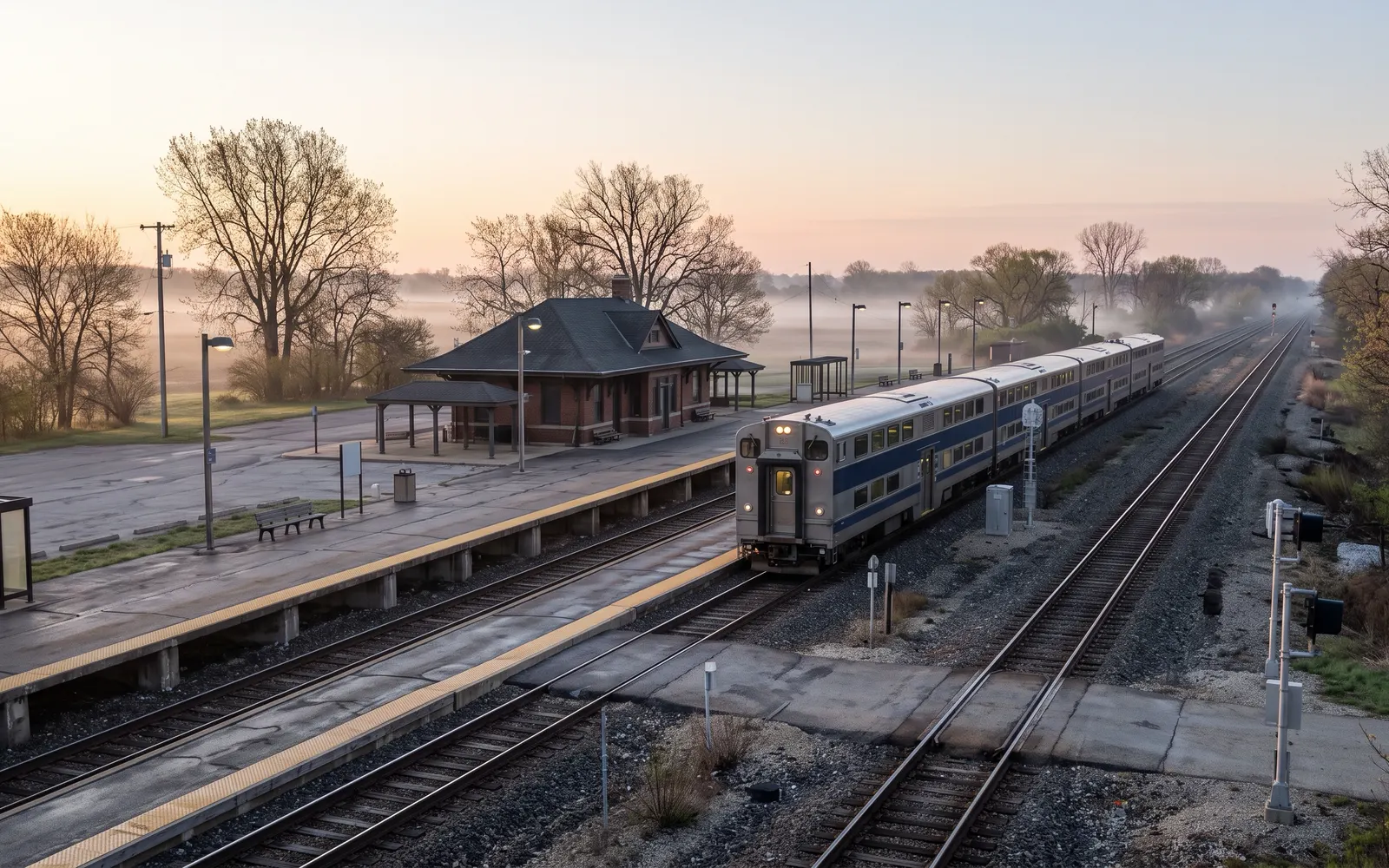
Wayne has tracks but no train stop. The village plan points commuters to two Metra stations just outside town: West Chicago on the Union Pacific West line and Bartlett on the Milwaukee District West line.
From West Chicago, Metra's schedule data for the week of September 28, 2026 shows 26 weekday trains toward Ogilvie Transportation Center and 25 back. The fastest is the 7:08 a.m., which reaches Ogilvie in 52 minutes. The morning expresses at 5:35, 6:05, 6:35, 7:15, 7:45 and 8:15 take about 57 minutes, and the all-stop trains take about 68. On weekends there are 10 trains each way on Saturday and 9 on Sunday. The same counts carry into Metra's schedule from October 26 through the end of the year.
From Bartlett, the same data shows 20 weekday trains toward Union Station and 22 back. The 6:36 and 7:36 a.m. trains are the fastest at 51 minutes, and midday trains take about 67. Saturday has 12 trains each way and Sunday 9. If you live on the north or east side of Wayne, Bartlett can be the closer station; the south side is closer to West Chicago.
Add the drive, parking and the walk at the other end, and a door-to-desk commute to the Loop from Wayne usually runs well over an hour. If a daily train commute is the top priority, weigh the station drive for each house you tour.
Driving from Wayne: Routes 59, 64 and 25
Wayne is designed to keep traffic on its edges. The village's comprehensive plan names Route 25 on the west, Route 59 on the east, Route 64 (North Avenue and Main Street) on the south and Stearns Road on the north as the regional roads, and it wants Army Trail Road, Dunham Road and Powis Road through the village kept as rural, two-lane local routes. It also records that most local roads in Wayne have traditionally been privately owned and maintained, which is still allowed under the subdivision ordinance.
That last point matters when you buy. A private road usually means an association or a road agreement that pays for plowing and resurfacing, so ask for the documents and the budget. The village does resurface some roads itself; its 2025 newsletter listed Pearson, Weber, Billy Burns and Derby for resurfacing that year.
For daily driving, Route 59 is the main north-south road toward I-90 and I-88, and Route 64 runs east into DuPage and west into downtown St. Charles. One enforcement detail commuters notice: the Wayne Police Department runs a red-light camera on southbound Route 59 at Smith Road.
Is Wayne Walkable?
For errands, no. Walk Score counts about four restaurants, bars and coffee shops in all of Wayne and says residents can walk to an average of zero of them in five minutes. There are few sidewalks outside the village center, and the plan's rural road design means roadside ditches and swales rather than curbs.
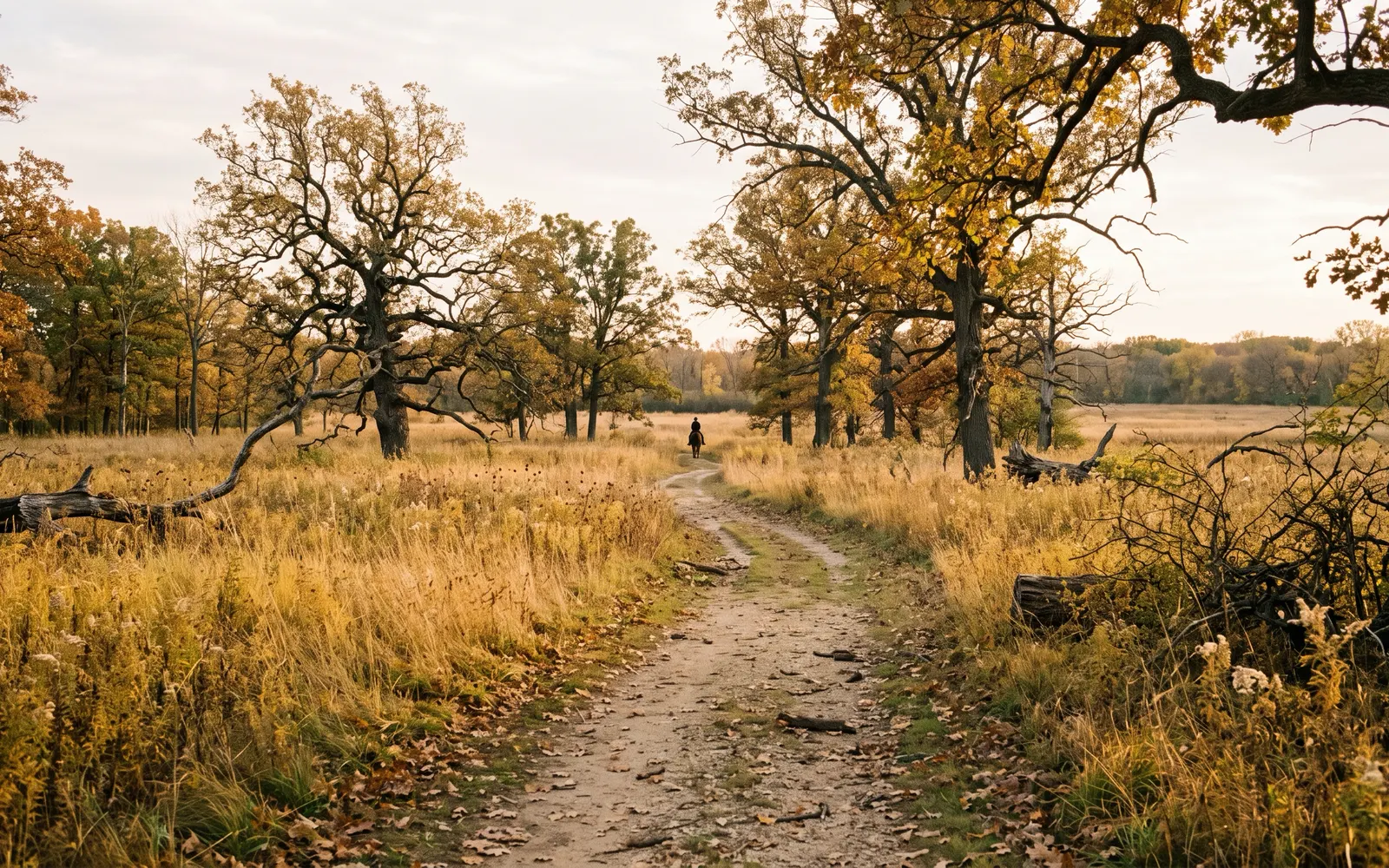
For recreation, it is one of the best places in the western suburbs to be on foot or on a horse. The Illinois Prairie Path's Elgin Branch runs through Pratt's Wayne Woods, which has more than 12 miles of trails for hiking, biking, cross-country skiing and horseback riding. The village plan describes a network of private bridle trails through the village as well. Near the village center you can walk to the post office, Village Hall and the depot.
Shopping, Groceries and Dining Near Wayne
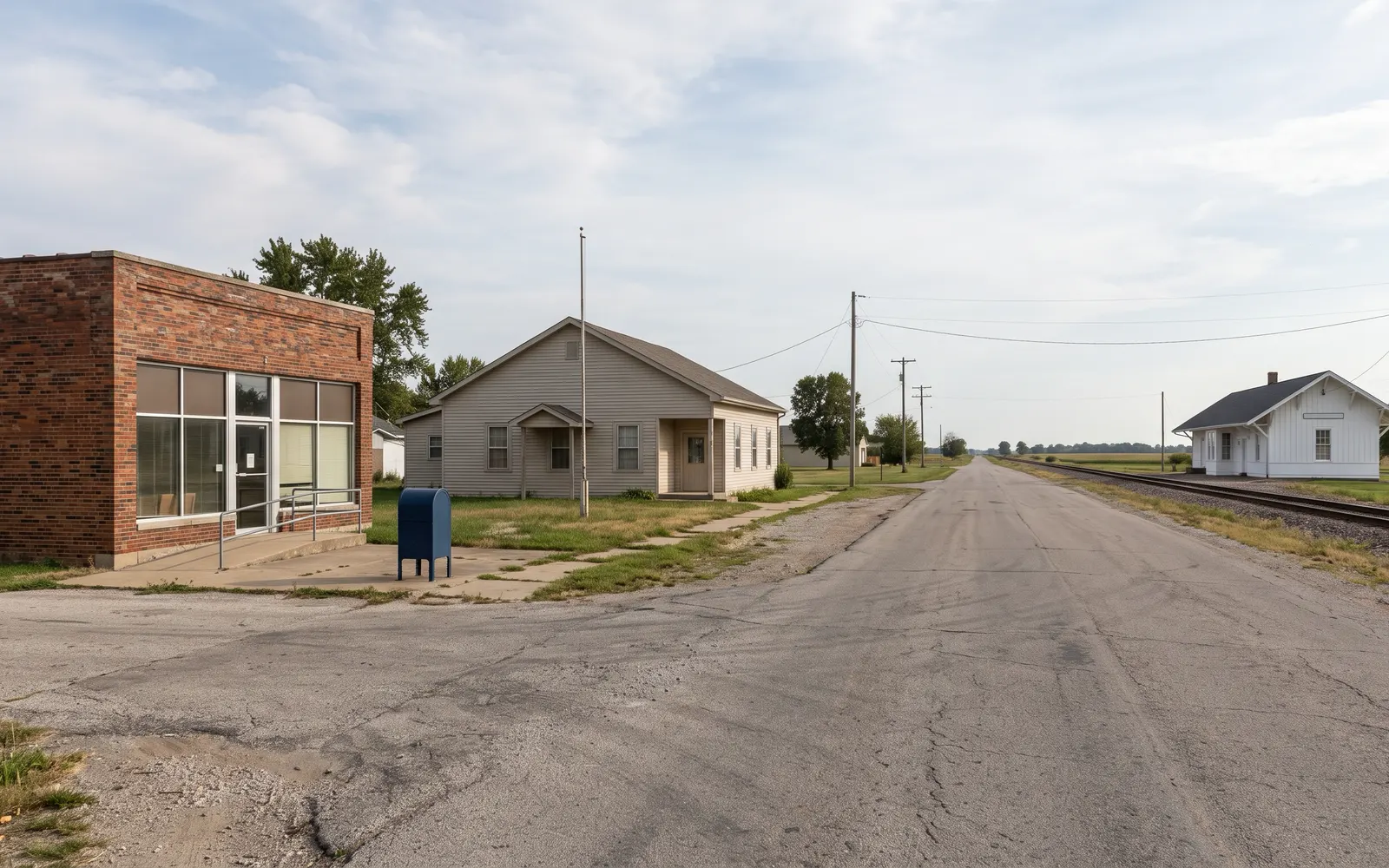
Wayne has almost no commerce, and the village plan wants it that way. The comprehensive plan limits business uses to a small, neighborhood-scale village center along Army Trail Road and Railroad Street, where Village Hall, the post office and a few small service businesses sit. The post office at 5N431 Railroad Street is open weekdays 8:30 a.m. to 4:30 p.m. and Saturday mornings, according to the village's business directory.
Everything else is a drive. Most Wayne errands happen in St. Charles to the southwest, West Chicago to the south, Bartlett to the east and Elgin and South Elgin to the north. Which town you use depends on which side of Wayne you live on. Groceries, pharmacies, hardware and restaurants are all outside the village.
Dining inside Wayne is limited to what Walk Score counts, about four places. The Dunham Woods Riding Club at 33W333 Army Trail Road has a dining room and hosts local events such as the garden club's annual spring luncheon, but it is a private club. For a night out, downtown St. Charles along the Fox River is the usual choice. My St. Charles guide and Bartlett guide cover the options on each side.
Forest Preserves, Trails and Open Land Around Wayne
Open land is Wayne's main amenity, and most of it belongs to the public. The village's 2026 newsletter counts more than 3,500 acres of DuPage County forest preserve with bicycle and equestrian trails around the village. The centerpiece is Pratt's Wayne Woods, which at 3,433 acres is the largest forest preserve in DuPage County. It is mostly wetland, prairie and oak savanna on the outwash plain of the West Chicago Moraine, and the Forest Preserve District says it is home to more than 1,000 species of native plants and animals.
For day-to-day use, the preserve has more than 12 miles of trails, 58 acres of fishing across five lakes and ponds, a picnic shelter for 100, and a model-craft field for model planes and drones with a district permit. The main entrance is on the west side of Powis Road, three-quarters of a mile south of Stearns Road. It is open from an hour after sunrise to an hour after sunset.
The village's parks page also lists James "Pate" Philip State Park at 2054 West Stearns Road, just north in Bartlett, and two village prairies: the Prairie Garden and the Barbara Dunham Dole Prairie. Volunteers from the Wayne Area Conservancy Foundation and the Wayne-DuPage Hunt clear trails with the village Park Commission on the second Saturday of every month, according to the 2026 newsletter.
Wayne's Equestrian Land: Trails, Stables and the Hunt
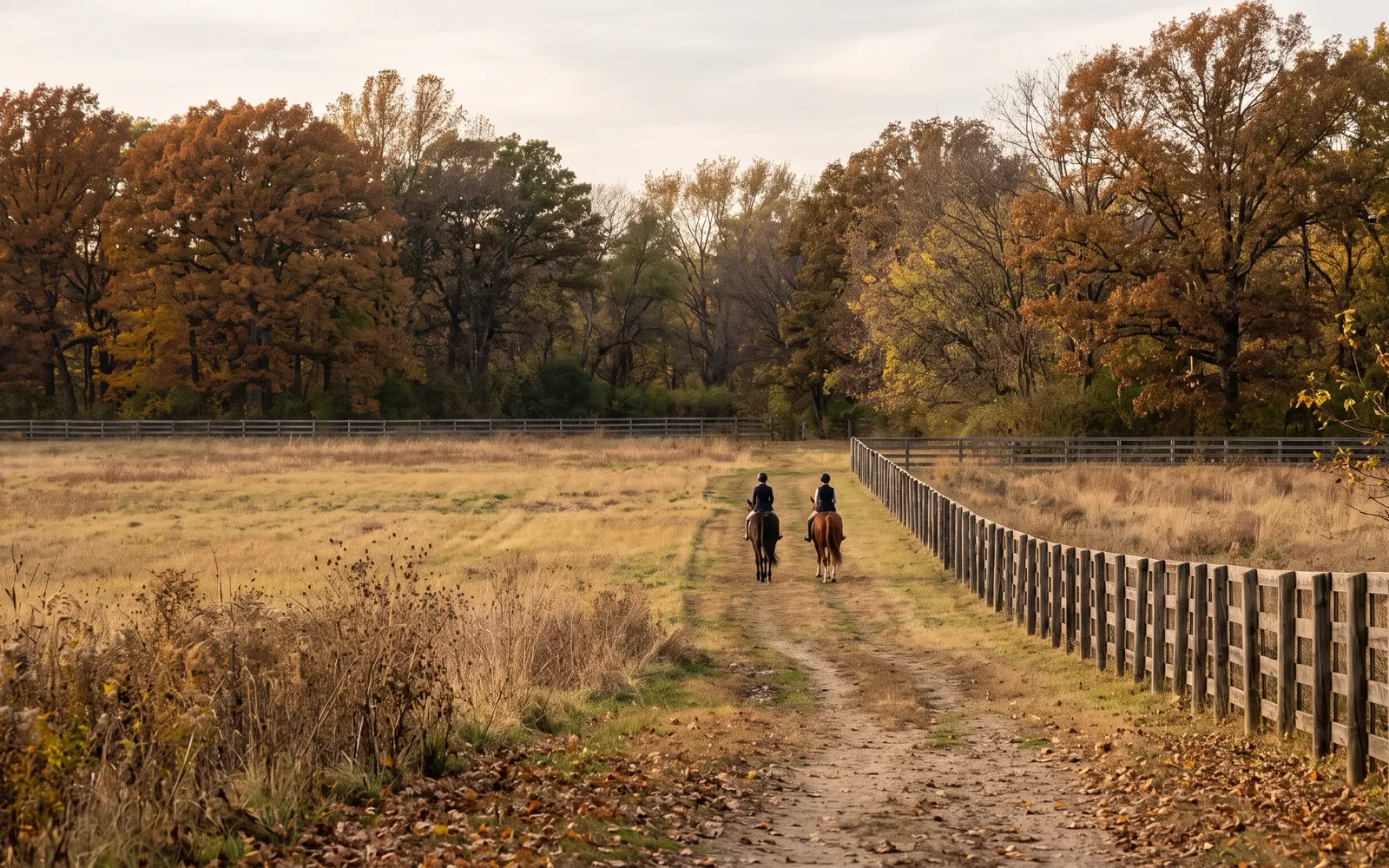
Horses are a land use here, and they shape how the village is zoned, mapped and maintained. The village's comprehensive plan calls its commercial and private equestrian facilities the most distinctive land use in northeastern Illinois. Private stables sit on estate lots throughout the village, and a network of bridle trails runs through it. The plan asks new development to consider easements for trail connections and equestrian road crossings.
The largest commercial facility is the Lamplight Equestrian Center at 6N940 Dunham Road, on the north end of the village, which the plan describes as a venue for lessons and riding competitions. The village adopted an ordinance in 2026 allowing additional show days there, according to the 2026 newsletter. Show weekends bring trailers and extra traffic on Dunham Road, which is worth knowing if you are looking nearby. The Dunham Woods Riding Club operates at the historic Oaklawn Farm corner of Army Trail and Dunham Roads.
The Wayne-DuPage Hunt, formed in a 1940 merger recognized by the Masters of Foxhounds Association, runs a drag hunt, following a laid scent rather than live game. According to the hunt's site, it rides three times a week in season, starting with cubbing in mid-August and the Blessing of the Hounds in late September, over more than 8,000 acres of private land and DuPage and Kane forest preserve land. The Forest Preserve District of DuPage County says the hunt has ridden in the Pratt's Wayne Woods area for more than 100 years, and horse jumps in the preserve are for advanced riders only.
For a buyer, the practical upshot is that riding here is built into the land. If a property backs up to a trail or an easement, read the easement before you close, and expect riders, hounds and trailers on some fall mornings.
Dunham Castle, the Depot and Wayne's Historic Districts
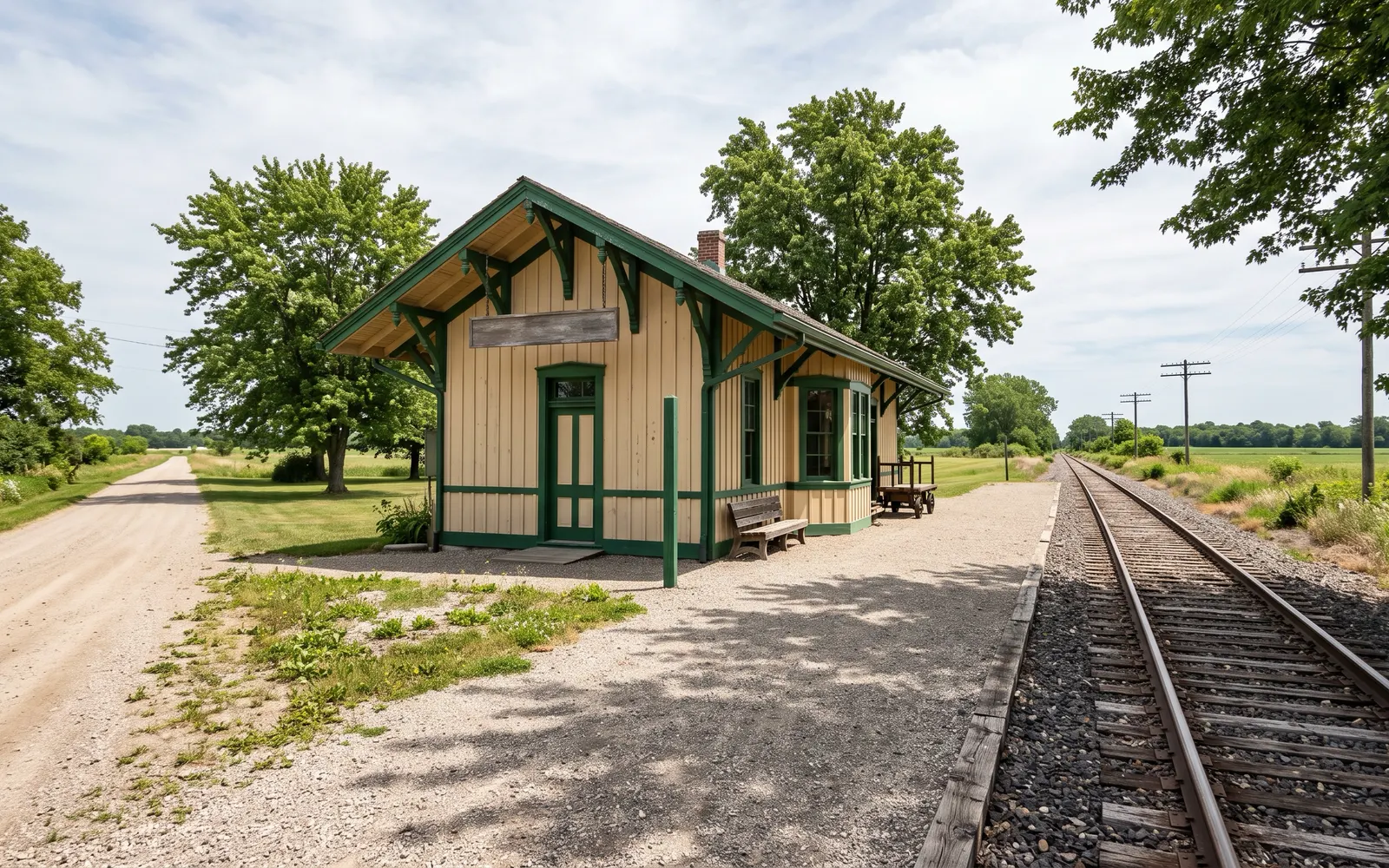
Wayne has three listings on the National Register of Historic Places, which is a lot for a village of 2,300. The Wayne Village Historic District, listed December 29, 1978, is an irregular stretch along Army Trail Road with 53 buildings, from the old Galena and Chicago Union tool house to 19th-century stores and houses. The Oaklawn Farm district, listed July 26, 1979, covers all four corners of Army Trail and Dunham Roads: 56 acres and 11 buildings, including Dunham Castle, the Dunham Woods Riding Club building and the old horse barns. And on January 2, 2026, the village announced that the Wayne depot at 32W305 Army Trail Road had been added. The newsletter says the depot was built in 1884, moved to the castle grounds in 1938 and moved back to its original site by the Wayne Historical Preservation Society in October 2007.
Dunham Castle itself is a private home, not a museum. The castle was converted into apartments after World War II, and the village's history page says it has since returned to single-family use. Admire it from Army Trail Road.
The historic districts come with rules. The village's Historic Sites Commission oversees exterior modifications and landmark designations and publishes a design guideline manual. The commission meets the last Monday of the month. If you are buying in or next to either district and plan to change the outside of the house, build a garage or put up a barn, budget time for that review. The village also protects heritage trees, and removing a tree takes a free permit from Village Hall.
Utilities in Wayne: Wells, Septic, Trash and Fiber
Utilities in Wayne are more hands-on than in most suburbs. According to the village's 2026 newsletter, Wayne is on well and septic, so there is no water or sewer bill, but there is upkeep: pumping the septic, replacing a well pump or pressure tank when it fails, and treating the water if a test calls for it. The same newsletter names ComEd and Nicor as the utilities whose crews residents will see.
There is no village trash contract. The village's waste hauler page lists five licensed haulers (Groot, Flood Brothers, LRS, Waste Management and SBC Waste Solutions), and residents make their own arrangements, sometimes through their homeowners association.
Internet is the utility buyers ask me about most, because fast service has lagged. The 2026 newsletter reports that AT&T is building fiber for Dunham North, Dunham Trails, Behles, Derby and Billy Burns west of the old C&NW tracks and hopes to take orders in 2026. T-Fiber's build for the east end, including Woods of Wayne, Bradford Park, Lake Eleanor and Wayne Meadows, may slip into 2027, and a village-wide Comcast fiber project is waiting on federal broadband program approvals. Before you buy, check what service the specific address can order today.
Hospitals Near Wayne
The closest full-service hospital for most of the village is Northwestern Medicine Delnor Hospital at 300 Randall Road in Geneva, south and west across the Fox River. Homes on the north side are also close to the hospitals in Elgin, and the east side is within reach of the DuPage hospitals along Route 59 and beyond. Fire and ambulance service in Wayne comes from neighboring fire protection districts; the village plan names the St. Charles, Bartlett/Countryside and West Chicago districts, and your parcel's tax bill shows which one covers it.
Wayne Events Through the Year
Wayne's calendar is small, local and old. The village's 2026 newsletter lists the Flag Day Parade and Celebration on June 14, 2026, lining up at the post office at 3:45 p.m. and ending in the courtyard of the Little Home Church by the Wayside, where a Dixieland band plays and the village's Citizen of the Year is announced. The 2025 newsletter called it a 57-year tradition.
The rest of the year has its own rhythm. A community clean-up day each April drew more than 60 volunteers in 2026, and the Park Commission hands out oak saplings at the post office on Arbor Day. On October 3, 2026, a 3K walk at Dunham Forest Preserve, 32W355 Army Trail Road, raises money for the depot restoration, starting with donuts and cider at the depot at 9:30 a.m.; adult entry is $25. The village also holds a tree lighting by the old depot in December. In fall, the Wayne-DuPage Hunt's season opens in late September, and riders and hounds become part of the view.
If you are touring in June, drive the Flag Day route along Army Trail Road. It tells you more about how Wayne works than any listing will.
What's Changing in Wayne
Wayne changes slowly, and most of the current projects are about the village itself rather than new subdivisions. The biggest is a new home for Village Hall and the police. The police department is working out of a temporary address at 31W680 Army Trail Road, a building the village bought. The 2026 newsletter says the village hired Larson & Darby to design an adaptive reuse of that building at 8.75% of construction cost, with a pause after schematic design for a town hall meeting and most work completed by early 2027 if things stay on schedule.
Second, the rules. The village adopted a new zoning map in 2026, and the October 2025 board minutes say the Plan Commission is working on the comprehensive plan and on zoning provisions for shed setbacks and rebuilding nonconforming structures after a fire or other casualty. That last item matters to owners of older homes that don't meet today's lot or setback rules. Ask how the new language applies before you buy one. The same minutes record two building applications for new houses.
I don't label any town or neighborhood as safe or unsafe.
Flood, Drainage and Radon in Wayne
Flood risk in Wayne is low overall but concentrated. Redfin's Wayne page, using First Street's model, rates the village's flood risk as minor, with 34 properties, about 4%, at risk of severe flooding over the next 30 years. The village comprehensive plan says natural drainage courses and open swales carry most stormwater, and it maps floodplain along Norton Creek and wetlands across parts of town. Wetlands and floodplain also limit where a barn, arena or addition can go.
Two checks before you write an offer. Look the address up on the FEMA flood map, because a mapped flood zone can mean required flood insurance on a mortgage. And ask the seller about water in the basement and how the lot drains in a heavy spring rain.
Add a radon test. The village's 2025 newsletter notes that Kane County is in the EPA's Zone 1, the highest radon potential, and that the average Kane County home test is over 4 pCi/L, the level at which action is recommended. I ask for a radon test on every house I sell in either county.
Frequently Asked Questions
Is Wayne, IL in Kane County or DuPage County?+
Both. Census Bureau 2025 estimates put 1,504 of Wayne's 2,278 residents (66%) in DuPage County and 774 (34%) in Kane County. The DuPage side is in Wayne Township and the Kane side in St. Charles Township, with different assessors and appeal dates.
How much does a house cost in Wayne, IL?+
Zillow's home value index put the typical Wayne home at $788,280 in August 2026, up 7.2% in a year. Redfin's median sale price for the three months ending August 2026 was $949,372, but on only 12 sales, so it swings with the mix of properties.
What are property taxes in Wayne, IL?+
Ownwell (April 2026) puts the median effective rate at 2.29% on the DuPage side, with a $12,289 median bill, and 2.66% on the Kane side, with a $15,506 median bill. Rates vary by school and fire district.
Can you keep horses in Wayne, IL?+
Yes, on lots of two acres or more, with one horse per acre, according to the village code reminders. Private stables must meet setback, size and design rules, and commercial stables need at least 20 acres.
Does Wayne have city water and sewer?+
No. The village says Wayne is on well and septic. Test the water and inspect the septic on every purchase.
What school district is Wayne, IL in?+
Part of the village is in School District U-46, whose Wayne Elementary (K-6) is on School Street, and a significant portion is in St. Charles District 303. Assignment depends on the parcel, so confirm each address with the district.
How long is the commute from Wayne to downtown Chicago?+
Wayne has no Metra stop. From West Chicago on the UP-W line, the fastest weekday train reaches Ogilvie in 52 minutes and most morning expresses in about 57. From Bartlett on the MD-W line, the fastest trains reach Union Station in 51 minutes.
What is the minimum lot size in Wayne, IL?+
It depends on the zoning district. The village plan lists four acres in W-1 (most of the village west of Dunham Road), two acres in W-2, one acre in W-3 and W-5, and 40,000 square feet in W-4. Check the 2026 zoning map for any parcel.
Can you tour Dunham Castle?+
No. Dunham Castle is a private home within the Oaklawn Farm National Register district at Army Trail and Dunham Roads. You can see it from the public road.
Eshu Chikoti has extensive access to off-market listings throughout Wayne and the rest of DuPage County — homes that never make it to the public listing sites. That matters right now: in a seller's market like this one, well-priced homes routinely go under contract within days, and buyers relying only on public listings are competing for whatever is left over. Working with someone plugged into off-market inventory means seeing homes before the crowd does.
Eshu Chikoti · 847-691-4282 ·
Get new Wayne listings by email
When a home comes on the market in Wayne, I'll email it to you.
Just your email. Unsubscribe any time by replying.
Thinking About Wayne?
Whether you're buying, selling, or just curious what's on the market, I can walk you through Wayne street by street.