Bartlett, IL
Bartlett, IL is a village of about 40,900 people spread across three counties, most of it in DuPage, with a Metra stop beside its original 1873 depot and a summer 2026 median sale price near $445,000.
Living in Bartlett, IL means a median sale price of about $445,000 this summer, a 51-minute express train to Union Station, and property tax near 2.5% to 2.9% of value. The catch is three counties: Devon Avenue decides your assessor, tax calendar and exemption, so every address needs checking before an offer.
Written by Eshu Chikoti · 847-691-4282 ·
How Bartlett, IL Got Here: From a Woodlot Depot to a Three-County Village
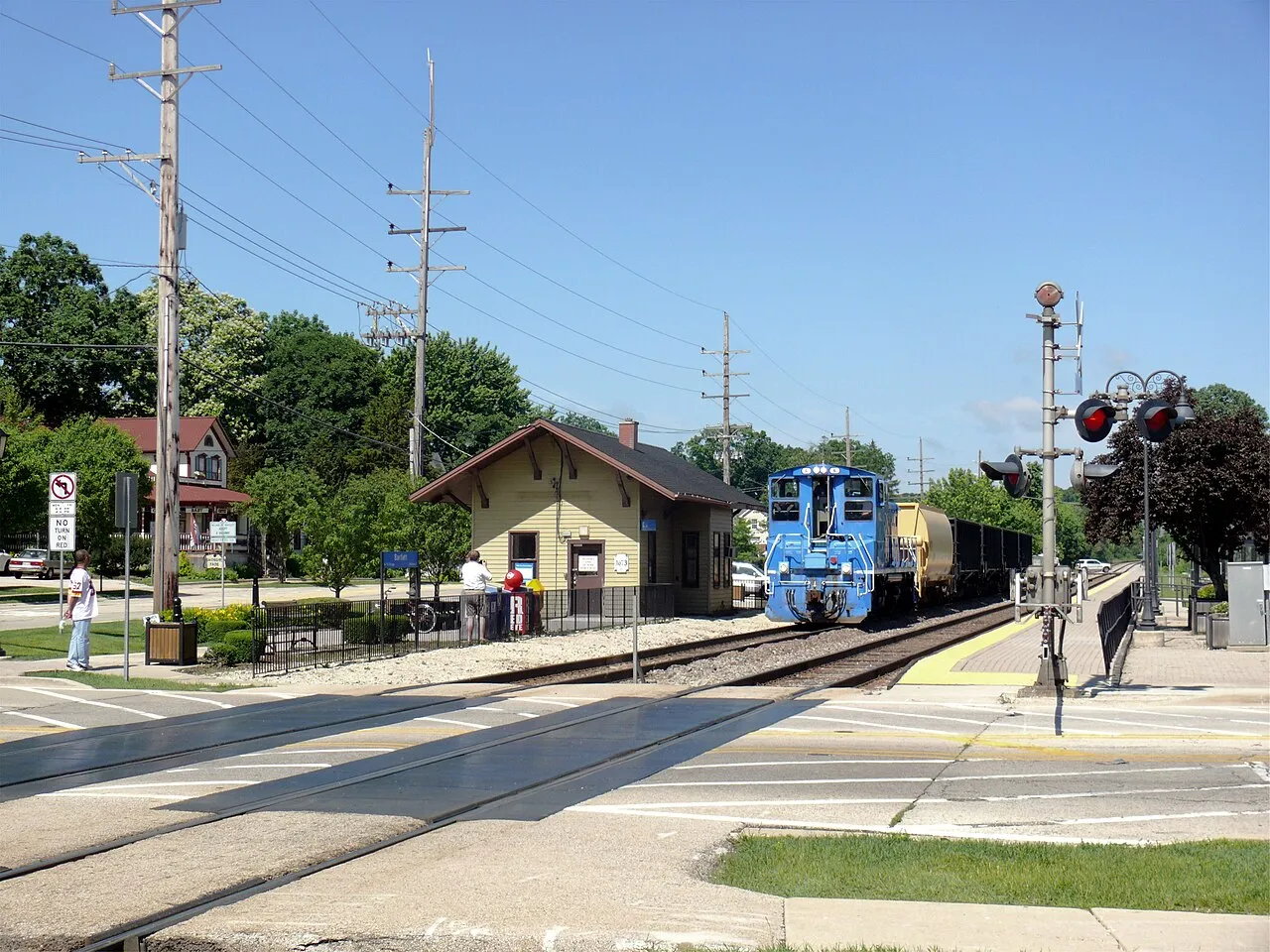
Bartlett is named after a farmer who gave away half his firewood. According to the village's history page, Luther Bartlett and his brother Lyman bought 320 acres of farmland in Wayne Township in 1844 and another 345 acres the next year. In 1873, when the Chicago & Pacific Railroad was building west to Elgin, the railroad let people who donated land for a depot name the stop. Luther donated a 40-acre woodlot, the railroad and the Bartletts split the platted lots, and the Bartletts named the new town after themselves. His brother Edwin founded Ontarioville to the east, which is now part of Hanover Park.
That 1873 depot still stands. It is the Bartlett Depot Museum today, and the Metra station article on Wikipedia calls it the last original depot left on the old Milwaukee Road line. The railroad carried milk from area dairy farms into the city, and the downtown grew up around the tracks with stores, saloons, a school built in the 1880s and houses.
The village made it official in 1891. The history page says the incorporation petition was filed in Springfield on February 11, 1891, the vote held on February 28 was 49 to 0, and George Struckman, a Civil War lieutenant, was elected the first village president on March 24. By 1910 Bartlett had 408 people and 200 telephones. Even then, the page notes, the Fourth of July parade was the social event of the year.
Growth came late. The 1960 census counted 2,291 people, a 220% jump in ten years, and the Wikipedia entry says most of the village's growth happened in the 1980s. The housing data backs that up: more than half of Bartlett's homes were built between 1990 and 2009, which I cover in the homes section below. That late build-out is why Bartlett looks so different from the older rail towns closer to Chicago.
Bartlett at a Glance
Bartlett covers about 15.8 square miles on the western edge of the Chicago suburbs, with Elgin and South Elgin to the west, Streamwood to the north, Hanover Park to the east and Wayne and West Chicago to the south. The village hall is at 228 S. Main Street downtown.
The detail that changes everything for a buyer is the county line. The site lists Bartlett under all three counties, and all three are right. The Census Bureau's Vintage 2025 estimates put 23,799 of the village's 40,855 residents in DuPage County (58%), 16,962 in Cook County (42%) and 94 in Kane County. So DuPage is the main county, Cook holds a large minority, and Kane is a sliver. CMAP's June 2026 community snapshot also treats DuPage as the county holding the largest share of the village.
The village's county page gives the rule of thumb: most homes north of Devon Avenue and east of Route 25 are in Cook County, homes south of Devon Avenue are in DuPage County, and homes in Bartlett Pointe West are in Kane County. Each county runs its own assessor, its own reassessment calendar and its own exemptions, which I break down in the tax section. The Cook side is in Hanover Township, the DuPage side in Wayne Township, and the Kane piece in Elgin Township.
The housing is mostly owner-occupied single-family. The 2020-2024 Census ACS counts 14,481 housing units, 89.2% of occupied homes owned rather than rented, and a median home value of $375,700. CMAP's land use inventory for 2023 puts 34.8% of the village's 10,237 acres in single-family homes and 27.2% in open space, which is more open land than most suburbs this size have.
At a $445,000 summer median, you get a mostly 1990s detached home, often with four bedrooms, three public golf courses, a ski hill, a state park and one unit school district from kindergarten through high school.
The Walk Score is 22, only 2.1% of the homes were built since 2010, and the county line means you have to check which assessor, calendar and exemption apply to each house. Local shopping is thinner than in the neighboring towns, and the Lake Street plan to fix that is still years out.
Bartlett Neighborhoods, Pocket by Pocket
Bartlett has no official neighborhoods, but it splits cleanly along two lines. The first is Devon Avenue, the rough line between the Cook County north side and the DuPage County south side. The second is Route 59, which runs north to south through the village and carries most of the shopping. Downtown and the Metra station sit north of Devon, west of Route 59.
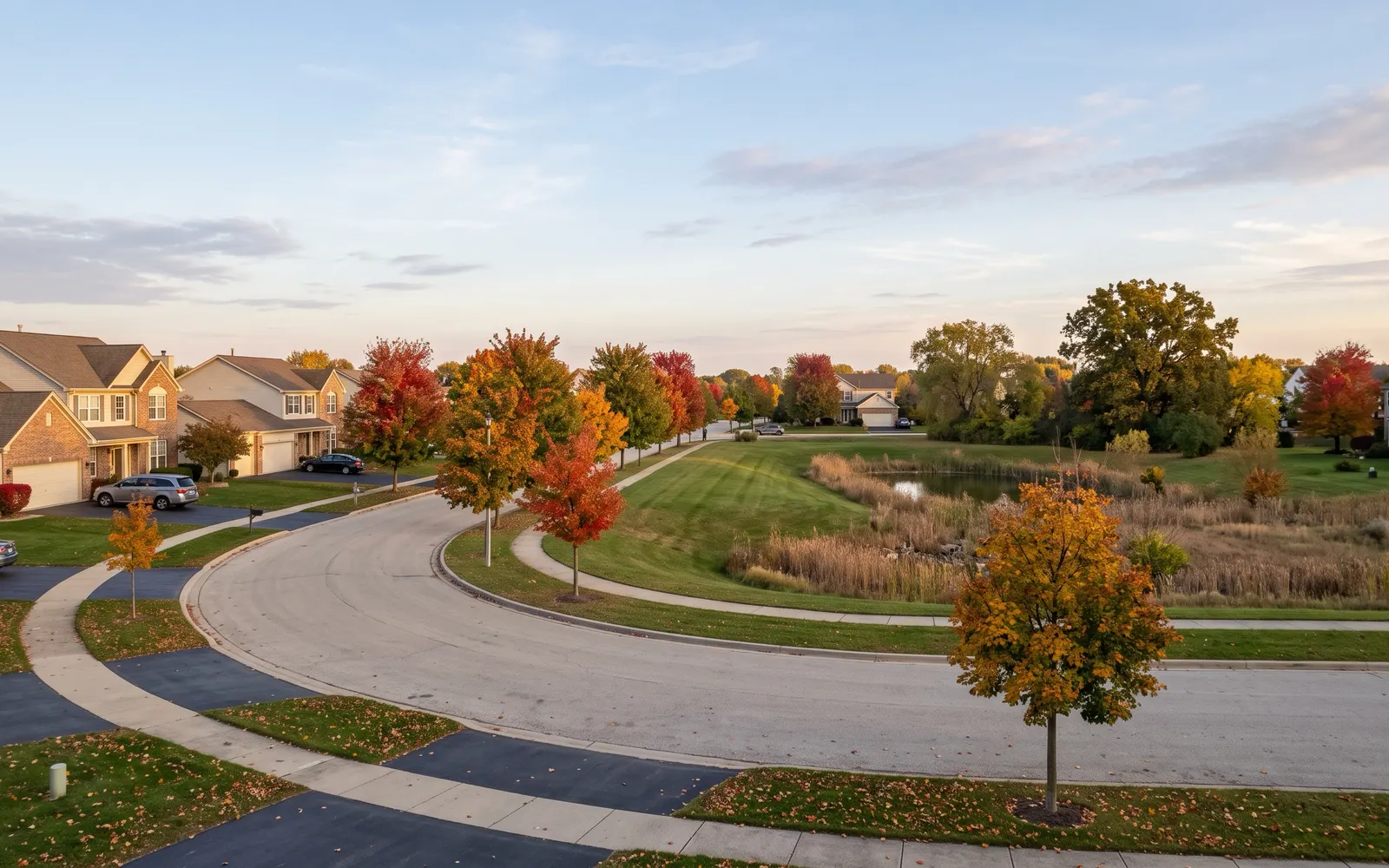
Almost all of Bartlett is subdivision housing, and most of it is recent. CMAP's snapshot puts the median year built at 1992. So the pockets differ less by age than by builder, lot size, association rules and county. The village's own 2026 street resurfacing notice names seven of them (Silvercrest, Fairfax Crossing, Fairfax Commons, Bravo Pointe, Ridings East, Regency Oaks and Bartlett Pointe), which gives a sense of how many named subdivisions there are.
Below are the pockets you will see on listings. Build years and locations come from the village, Redfin and an agent subdivision directory, so treat them as a starting point. If you want to know which county, township and school a specific address falls in, that is a conversation I am happy to have here.
The expectation I most often have to reset with my buyers in Bartlett is that two similar houses a mile apart will carry similar tax bills. One can be in Cook and one in DuPage. They get assessed by different offices, in different years, with different exemptions. I check the county on every house before I talk price with a buyer.
Downtown and the original village. The blocks around the depot, Main Street, Oak Avenue and Railroad Avenue, north of Devon. The oldest housing in Bartlett is here, including the Schnadt subdivision, where the village history says homes went up in 1909. It is the one part of town where you can walk to the train.
Heritage Oaks. West of Main Street and north of Devon Avenue, close to downtown. Single-family homes built from 1981 to 1987, per the agent directory.
Bartlett on the Greens. About 120 single-family homes from the late 1980s and early 1990s, set on the Villa Olivia golf course south of Lake Street.
Four Seasons. A townhome community on Philip Drive south of Lake Street, built from 1988 to 1996, per the agent directory. Association fees there run in the hundreds of dollars a month, so price them in.
Woodland Hills. Single-family homes and townhomes built by Hoffman Homes from 1989 to 2002, west of Route 59.
Westridge and Bartlett Pointe. South of Bartlett Road and east of Route 25. Westridge dates to 1993 to 2000. Bartlett Pointe was started around 2003, and a newer section was built from 2016, which makes it one of the newest pockets in the village.
Bartlett Pointe West. The village's Kane County pocket, on the west edge. Taxes here go through the Kane County assessment office, not Cook or DuPage.
Regency Oaks and Bravo Pointe. Newer single-family pockets: Regency Oaks was built by Kimball Hill Homes from 2004 to 2008 south of Bartlett Road, and Bravo Pointe was built from 2006 to 2018, per the agent directory.
Fairfax, Fairfax Commons and Fairfax Crossing. On the south side near Schick Road, Army Trail Road and County Farm Road. Townhomes, condos and single-family homes built by Lexington Homes and Hoffman Homes from 1989 to the late 1990s.
Tallgrass and Amber Grove. Tallgrass is an early-1990s Town & Country subdivision north of Stearns Road. Amber Grove is a Pulte community of townhomes and single-family homes built from 1991 to 1999.
Other names on listings. Redfin and Walk Score group parts of Bartlett as Spring Lake Estates, Herons Landing, Kenroys Apple Orchard, Lakewood Mill, Whispering Pond, Woodland Heights, Woods of Wayne and Bartlett Estates, and the village also names Silvercrest and Ridings East. Ask for the build year, the county and the association dues on each one; they vary.
What Bartlett Homes Look Like, by Type and Era
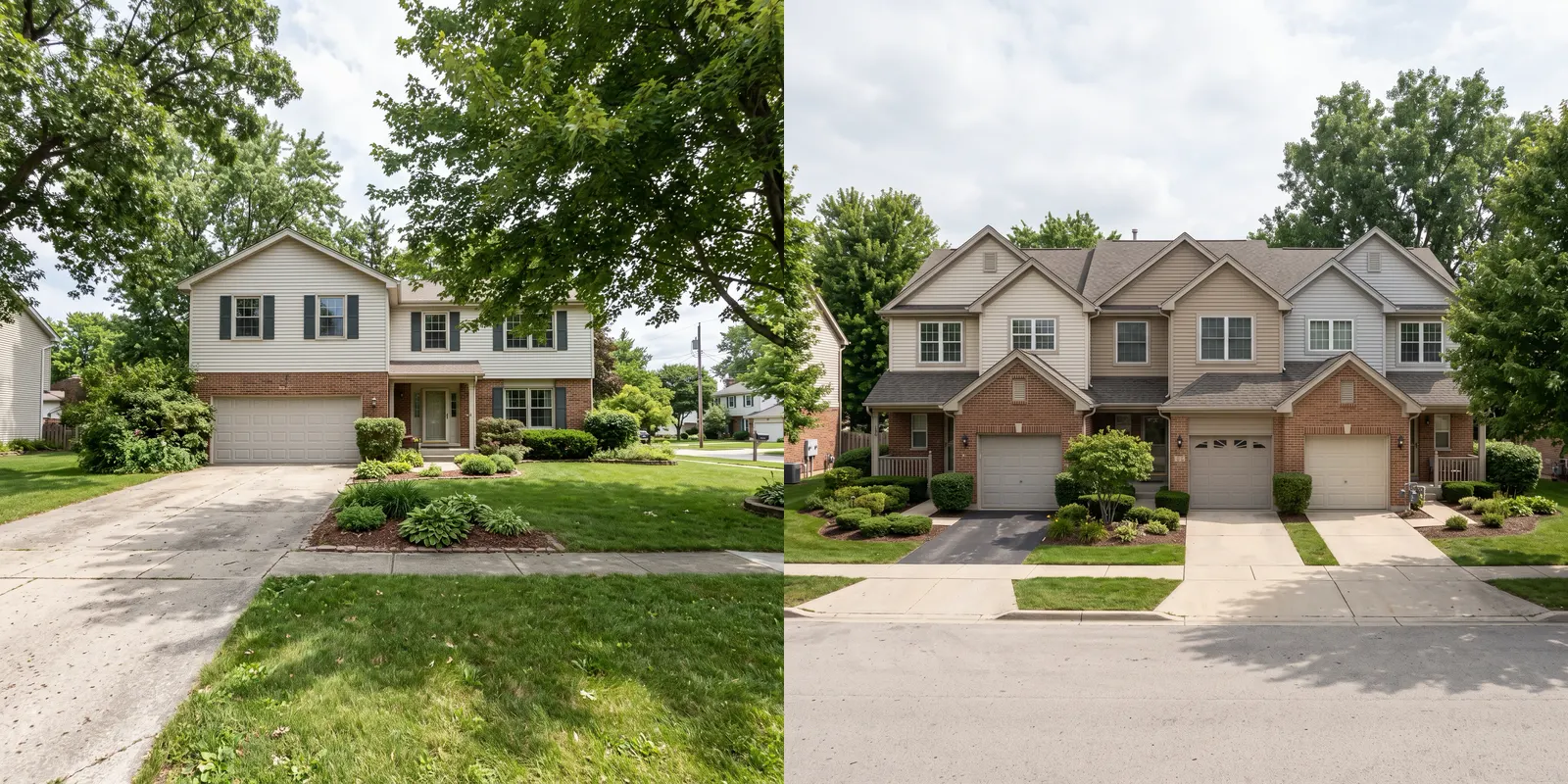
Bartlett is a detached-house town. CMAP's snapshot counts 10,231 detached single-family homes, 70.7% of all units, against 58.4% for DuPage County as a whole. Another 2,236 units (15.4%) are townhomes. Buildings of 20 or more units make up only 4.8%, and 438 units (3.0%) are mobile homes or other types.
The houses also run bigger than the county average. The same data shows 33.9% of Bartlett's homes with four bedrooms and 5.2% with five or more, against 23.9% and 6.7% countywide, and a median of 7.0 rooms against 6.1 for DuPage. Three-bedroom homes are the largest group at 37.8%.
The age profile is the part that matters most on a showing. More than half the housing (54.9%, or 7,953 units) was built between 1990 and 2009, and another 33.9% between 1970 and 1989. Only 305 units, 2.1%, were built in 2010 or later, and just 332 date from before 1940. So a typical Bartlett house is a 1990s colonial or two-story with an attached garage, on a subdivision lot, often with an association that owns a pond or a path.
That era has its own inspection list. A 30-year-old house is due for a roof, a water heater, a furnace and air conditioner, and sometimes windows, and a buyer should know which of those the seller has already replaced. None of those should kill a deal. All of them belong in the price. If you are weighing an older house, my home inspection checklist covers what to ask for.
The Bartlett Housing Market in 2026
Bartlett is selling faster and higher than it did a year ago. Over the three months ending August 2026, Redfin reported a median sale price of $444,706, up 8.5% from the same period last year. Redfin counted 203 homes sold, up from 175, and the median home sold in 43 days, six days faster than a year earlier.
The rest of Redfin's numbers point the same way. Homes sold at 100.9% of list price on average, 51.6% sold above asking (up 4.2 points) and 12.6% of listings took a price cut (down 3.8 points). Price per square foot was $227, up 3.2%. Redfin gives Bartlett a Compete Score of 74 out of 100, which it calls very competitive, and says homes get about four offers on average.
Zillow's home value index agrees on direction but not on size. It put the typical Bartlett home at $443,276 in August 2026, up 4.0% from August 2025 and 7.8% from August 2024. The Redfin median jumped more because it measures only what sold this summer, and more of the bigger detached houses sold. Price per square foot rose 3.2%, close to Zillow's 4.0%. My read is that values rose about 3% to 4% and the mix of what sold shifted toward larger homes.
For context against the neighbors, Zillow's August 2026 index put Hanover Park at $334,620, Streamwood at $334,228, Elgin at $339,753, South Elgin at $376,457, Carol Stream at $385,105, West Chicago at $390,277 and Bloomingdale at $437,885. Bartlett sits at the top of that group, and well below Wayne at $788,280. If you are comparing across these towns, my guide to how much house you can afford is a good place to start the budget.
Bartlett Property Taxes: Three Counties, Three Systems
Property tax in Bartlett depends first on the county. Ownwell's data, all updated April 13, 2026, puts the median effective rate at 2.53% on the DuPage side with a median bill of $8,595, 2.89% on the Cook side with a median bill of $8,446, and 2.80% on the Kane side with a median bill of $11,453. The Kane figure covers very few homes.
Here is what that looks like on a real purchase. At this summer's $444,706 median, a 2.53% rate works out to about $11,250 a year, or $938 a month. At 2.89% it is about $12,850 a year, or $1,071 a month. Current bills are often lower because assessments trail the market, but they catch up after a sale. The mistake I see most is buyers budgeting off the seller's current bill.
The three assessors run on three calendars. Cook reassesses one third of the county each year on a three-year cycle. Hanover Township, which holds Bartlett's Cook side, was reassessed in 2025: notices went out November 6, 2025, the appeal window closed December 22, 2025, and the new values show up on bills in 2026. DuPage township assessors revalue every property in a general assessment year (the county lists 2019 and 2023) and adjust in between. For 2026, the DuPage Supervisor of Assessments applied a 1.0611 multiplier to Wayne Township, mailed notices August 27, 2026, and set the appeal deadline for September 28, 2026. In Kane, the county assessment office had not yet published Elgin Township's 2026 values as of September 24, 2026; the appeal window opens when it does.
The homestead exemption differs too. It takes $10,000 off the equalized assessed value in Cook and $8,000 in DuPage and Kane. The dollar saving is that amount times your local tax rate, so make sure it is on file once you own the house.
Sellers should know one village cost. According to the ATG summary of the village ordinance, Bartlett charges a transfer tax of $3.00 per $1,000, paid by the seller, so a $445,000 sale carries about $1,335 in village stamps. The village requires a final water reading and payment of all sums due before it issues the stamp. My Illinois closing costs guide covers the rest. This is general information, not tax advice. Your bill depends on your parcel, your exemptions and your assessor.
Bartlett Schools: District U-46 and Bartlett High School
Schools are simpler in Bartlett than in some of its neighbors, because one district covers the village. The village's schools page says Bartlett is one of 11 communities served by School District U-46, a unit district that runs preschool through 12th grade. The village describes it as the second-largest district in Illinois, with more than 40,000 students. Being a unit district means one board and one set of boundaries from kindergarten through graduation.
The Wikipedia entry lists the U-46 schools inside the village: Bartlett, Centennial, Sycamore Trails, Prairieview, Nature Ridge and Liberty elementary schools, Eastview Middle School, Bartlett High School and the Independence early learning center. It also notes that some Bartlett addresses attend Kenyon Woods Middle School and South Elgin High School in neighboring South Elgin.
Confirm the district for a specific address with the district office, and read each district's profile on the Illinois Report Card at illinoisreportcard.com.
The detail that trips people up is assignment. Which elementary, middle and high school a house feeds depends on the street, and a Bartlett mailing address does not guarantee Bartlett High School. Check every address with U-46 before you write an offer, and ask me for the boundary if you want it done for a specific house. The Illinois Report Card has each school's own data.
Bartlett Elementary. School District U-46, in the original village near downtown.
Centennial Elementary. School District U-46.
Sycamore Trails Elementary. School District U-46.
Prairieview Elementary. School District U-46.
Nature Ridge Elementary. School District U-46.
Liberty Elementary. School District U-46.
Eastview Middle School. School District U-46. Some Bartlett addresses attend Kenyon Woods Middle School in South Elgin instead.
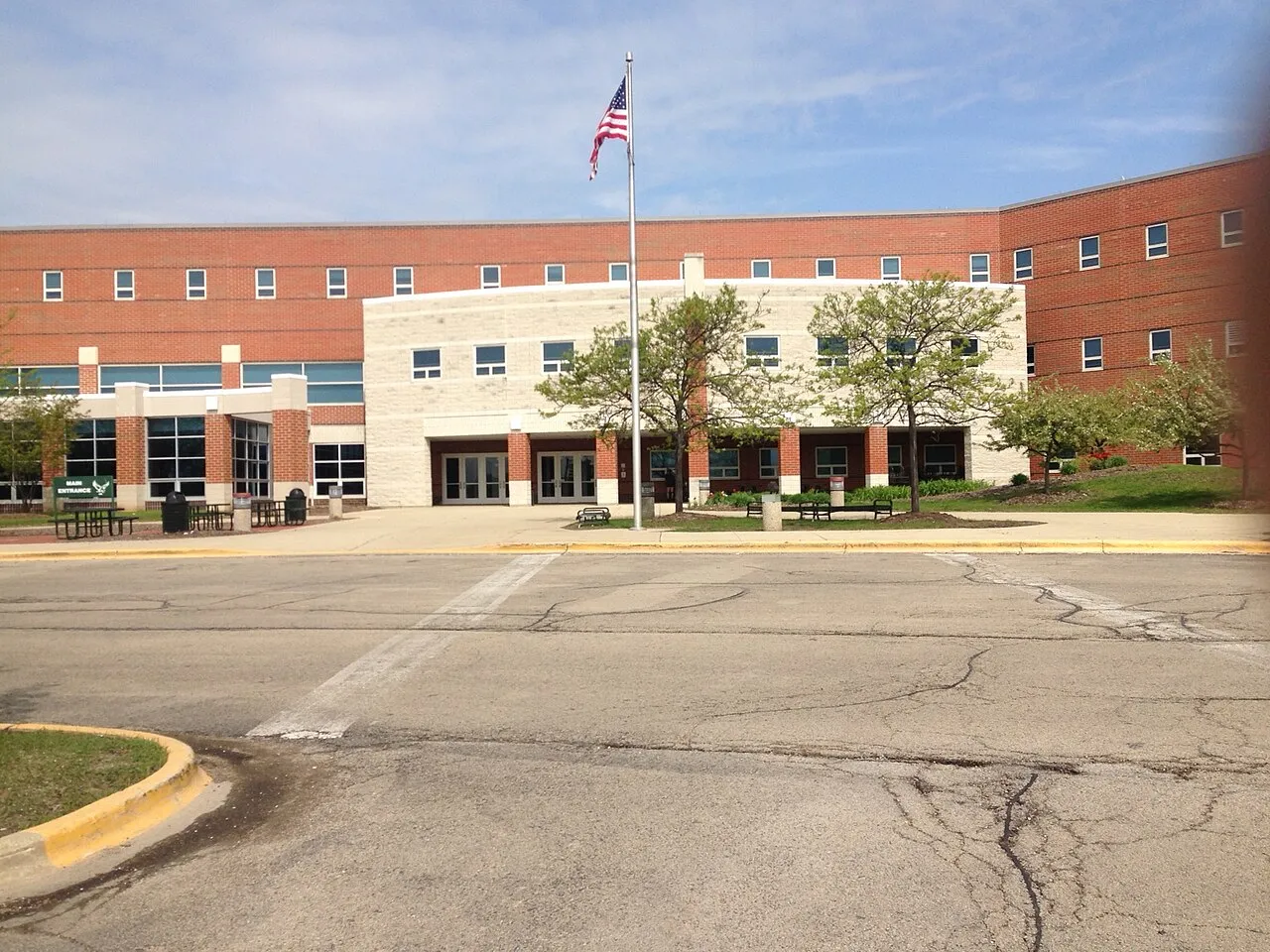
Bartlett High School. 701 W. Schick Road. School District U-46. Some Bartlett addresses attend South Elgin High School instead.
Commuting from Bartlett: Metra to Union Station
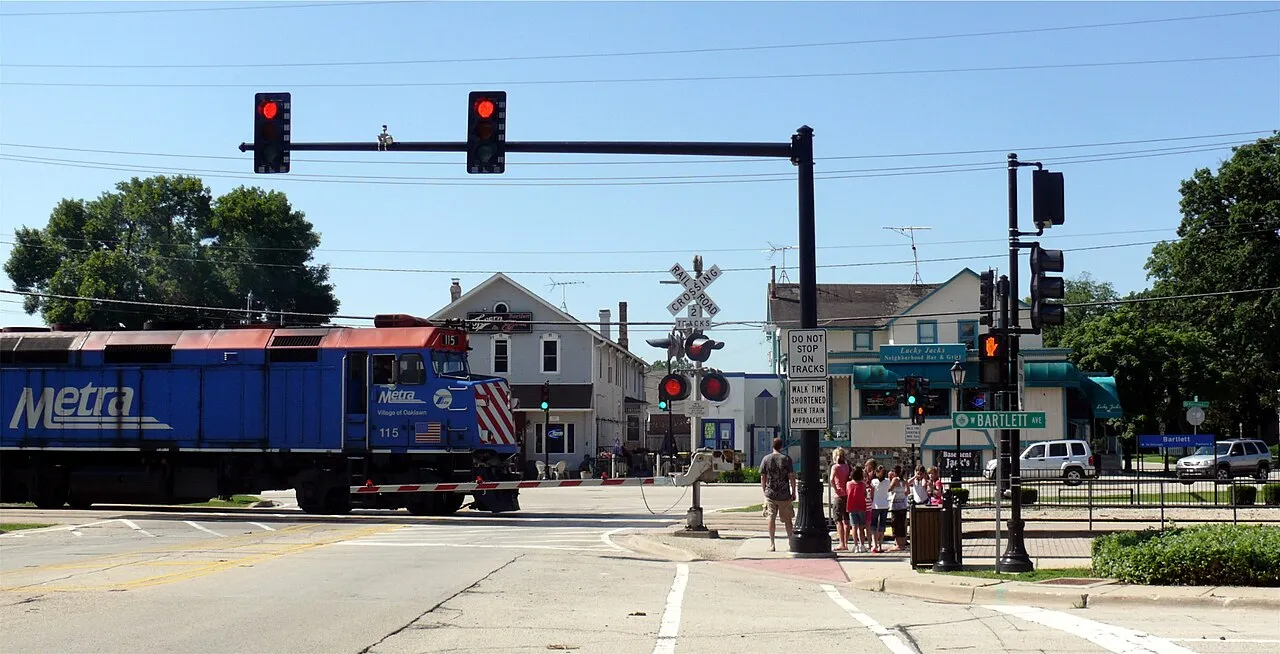
Bartlett has its own Metra station downtown, at Oak Avenue and Railroad Avenue, on the Milwaukee District West line. The station's Wikipedia entry puts it 30.1 miles from Union Station in fare zone 4. Metra rebuilt the station and opened it on December 11, 2007, next to the original depot. One quirk to know: inbound trains stop at the newer platform on the south side and outbound trains stop across from the old depot on the north side, so you walk a little farther one way.
According to Metra's schedule data for fall 2026, 20 trains leave Bartlett for Union Station on weekdays and 22 come back. Saturdays have 12 each way and Sundays 9 each way. The two fastest morning trains, at 6:36 and 7:36 a.m., reach Union Station in 51 minutes. Most midday trains take about 67 minutes. Coming home, the 5:10 p.m. from Union Station is the fastest at 51 minutes.
That hourly pattern is the trade-off with the MD-W line. Midday inbound trains leave Bartlett at 38 minutes past each hour, so a missed train costs an hour. If your office is near Union Station, it works well. If it is near Ogilvie, compare the Union Pacific West line, which I cover in the Carol Stream guide and the West Chicago guide.
The village's transportation page offers daily and quarterly permit parking at the station, a kiss-and-ride drop-off, and free parking in the Metra lot on weekdays after 11 a.m. and all day on weekends and Metra holidays. Pace Route 554 also runs through the village toward Elgin and Schaumburg, per the Wikipedia entry. Still, the 2020-2024 ACS shows only 2.1% of Bartlett workers commuting by transit, 68.6% driving alone and 20.5% working from home, with an average commute of 29.7 minutes. Census job-flow data in the same snapshot shows Chicago as the single largest work destination (14.6% of workers), followed by Schaumburg and Elgin.
Driving from Bartlett: Route 59, Lake Street and IL-390
Bartlett is a driving town, and the numbers show it. CMAP's snapshot estimates that the average Bartlett household drove 19,132 miles in 2023, against 15,938 for DuPage County and 13,828 for the region. Nearly three in four households (74.5%) have two or more vehicles.
Route 59 is the spine. It runs north to south through the village and carries most of the retail. The village's economic development page says the Route 59 corridor connects to I-90 and I-355, the Stearns Road corridor and the IL-390 expressway. Lake Street (Route 20) runs along the north edge, and the Real Deal reported in April 2026 that the village's Lake Street gateway site sees roughly 40,000 drivers a day. Stearns Road, Army Trail Road, Schick Road and Bartlett Road carry the east-west traffic inside the village.
Two road items are on this fall's list. The village's 2026 street resurfacing project started on or after August 17 and is expected to wrap up by November 18, covering Silvercrest, Fairfax Crossing, Fairfax Commons, Bravo Pointe, Ridings East, Regency Oaks and Bartlett Pointe, with temporary parking and driveway restrictions as crews move through. Longer term, the Lake Street gateway plan calls for realigning Oak Avenue into a four-way signalized intersection at Bartlett Road, covered in the development section.
Is Bartlett Walkable?
Mostly not. Walk Score rates Bartlett 22 for walking, which it calls car-dependent, meaning almost all errands need a car. It counts about 64 restaurants, bars and coffee shops in the village, but only 0.4 within a five-minute walk of the average home. Redfin's page gives Bartlett a Bike Score of 49, somewhat bikeable.
That fits the land use. CMAP's 2023 inventory shows only 1.8% of Bartlett's land in commercial use, much of it along Route 59, and 34.8% in single-family homes. Houses sit on subdivision streets, and the stores sit on the arterials.
The exception is downtown. The blocks around the depot and Main Street are the one part of Bartlett built to walk, with the train, the library, shops and restaurants close together. For recreation, the picture is much better. The Wikipedia entry notes the Bartlett Trail, a bike path that crosses the village east to west, and the village has a joint bike and pedestrian plan with Streamwood. With 27.2% of the village's land in open space, a long walk or ride is easy from almost any pocket.
Shopping in Bartlett: Route 59 and Downtown
Bartlett shops in two places. The Wikipedia entry describes a large retail area centered on Route 59 and Stearns Road, and the village's shopping directory lists the Stearns Crossing Shopping Center at 905 S. Route 59 among them. The second is downtown, which the village's downtown page describes as home to village hall, the chamber of commerce, the Arts in Bartlett Center for the Arts, the post office and the Bartlett Depot Museum.
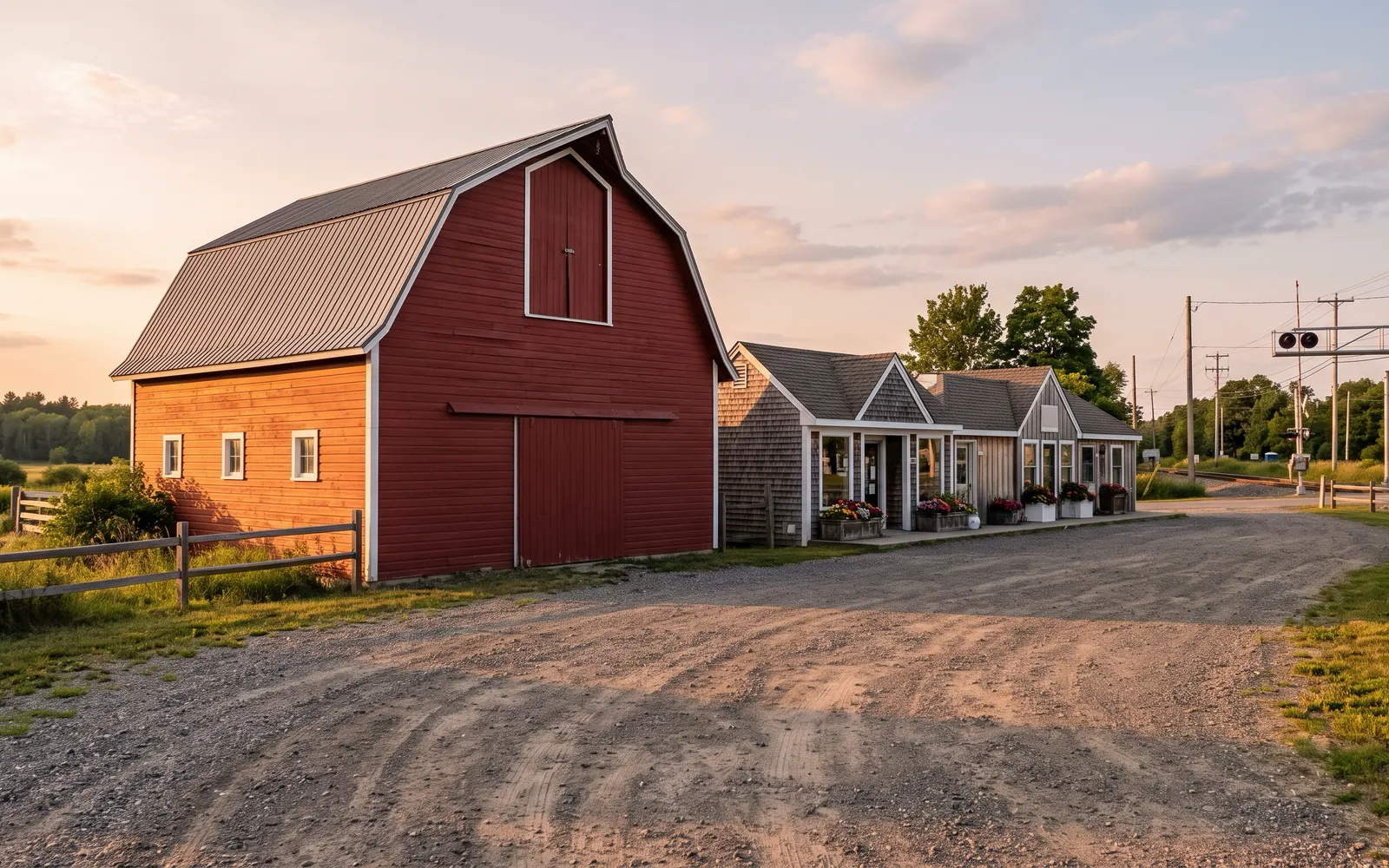
Downtown's long-time anchor is The Shoppes at Banbury Fair on Railroad Avenue, which the village says now has a café and tapas restaurant in its historic barn. Other downtown stores named by the village include Spin Doctor Cyclewerks, Ace Hardware, CVS Pharmacy, Book Lady's Book Attic, Bartlett Coin Shop and a new prototype Aldi.
Here is a number worth knowing if you care about local shopping. CMAP's snapshot, using Illinois Department of Revenue data, shows about $816 million in retail sales in Bartlett in 2025, or $20,152 per resident, against $36,300 for DuPage County overall. In plain terms, a lot of Bartlett's spending leaves town. That is the reason behind the Lake Street gateway plan in the development section, which the village has framed partly as a way to keep that spending local. For a full mall, Woodfield in Schaumburg and the Randall Road corridor to the west both mean a drive.
Groceries and Everyday Errands in Bartlett
The main supermarket inside the village is the Aldi at 200 Devon Avenue, which the village's downtown page calls a new prototype store. The village's shopping directory also lists CVS Pharmacy at 1099 W. Army Trail Road and at 101 Bartlett Plaza, and a run of convenience stores and independent shops along Route 59, Army Trail Road and Lake Street.
For a full-size chain supermarket, most of my buyers here end up driving a few minutes into Streamwood, Hanover Park, South Elgin or Elgin, depending on which side of the village they live on. That is a fair thing to test before you buy. Pick the two houses you like, then drive to the store you would actually use from each one.
Where Bartlett Eats
The village's dining guide lists 64 places to eat and drink, and they cluster in the same two areas as the shopping: downtown and the Route 59 and Army Trail Road corridors. Downtown has 2 Toots Train Whistle Grill at 203 W. Main Street, Bracht's Place at 363 S. Prospect Avenue and d^licious coffee bar at 211 W. Railroad Avenue. For dessert, Cherry On Top Ice Cream Shoppe is at 144 Bartlett Plaza.
The newest draw downtown is MORE Brewing. The village's downtown page says the brewery built a two-story microbrewery and restaurant with a rooftop beer garden, which pulls people downtown from outside the village. Along Route 59 and Army Trail Road you'll find the chain and sports-bar options, including Bannerman's Sports Grill at 858 S. Route 59.
If you are touring homes here, eat downtown between showings. It is the fastest way to find out whether you would use it, and whether being able to walk there is worth paying for.
Parks, Golf and Open Space in Bartlett
Open space is one of the real reasons people pick Bartlett. The village's parks page says the Bartlett Park District owns or leases more than 600 acres of park land, including indoor and outdoor pools, two golf courses, a ski facility, a skate park and many playgrounds. The Bartlett Community Center at 700 S. Bartlett Road holds the LIFECENTER fitness club and the Splash Central indoor aquatic center, and Barracuda Bay Water Park is at 620 W. Stearns Road.
Golf is unusually easy here. The park district runs Apple Orchard Golf Course at 692 W. Stearns Road and Villa Olivia at 1401 W. Lake Street, an 18-hole, par-73 course of 6,510 yards that opened in 1926. The village itself has owned and run Bartlett Hills Golf Club at 800 W. Oneida Avenue since 1978. That is three public courses inside one village.
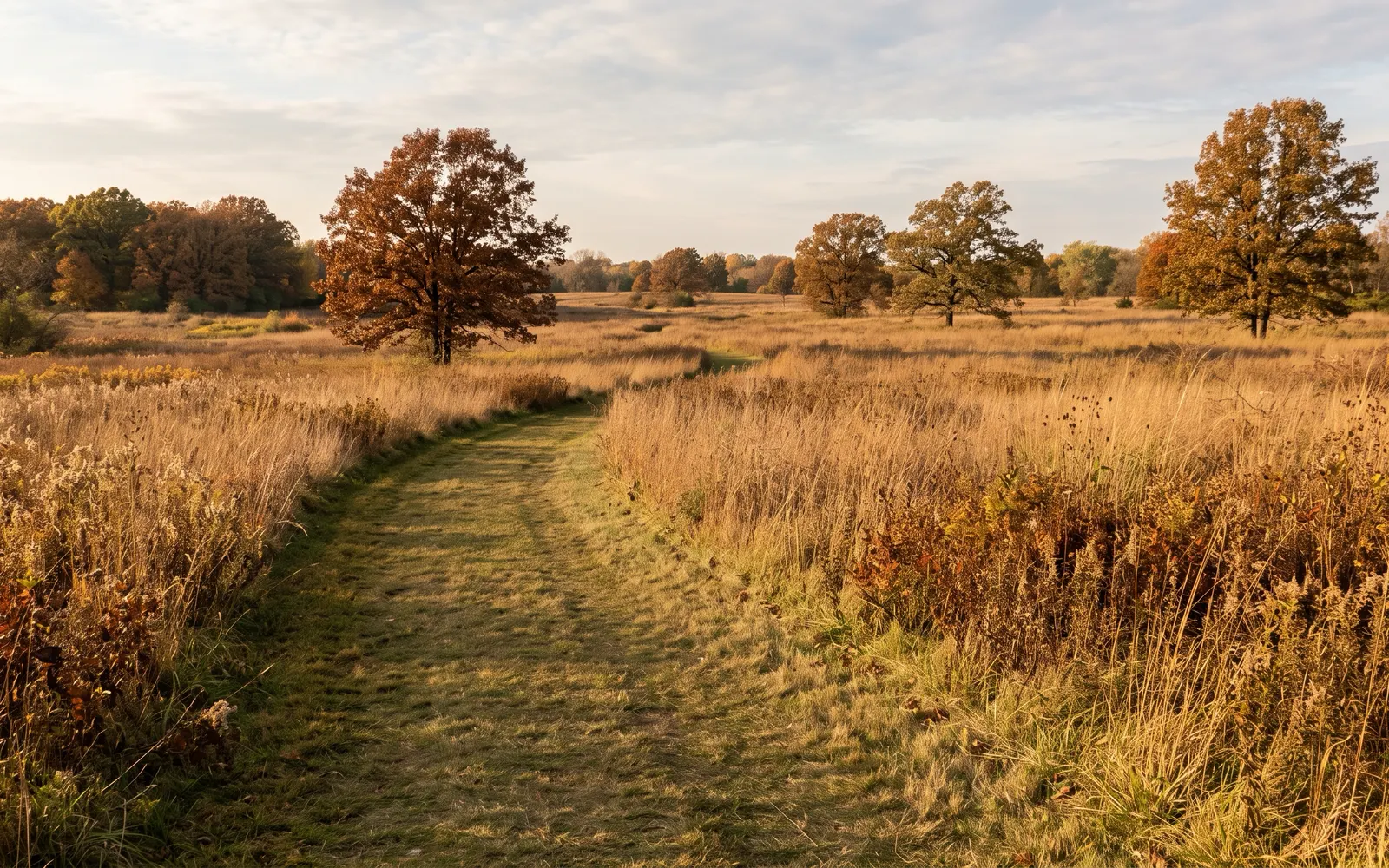
The larger open space is state and county land. The Bartlett Nature Center sits inside James "Pate" Philip State Park at 2054 W. Stearns Road, and the park district's trail page lists three crushed-limestone loops of 0.7 and 1.5 miles. Just south of the village, Pratt's Wayne Woods is the largest forest preserve in DuPage County at 3,433 acres, with 58 acres of fishing lakes, and its main entrance is on Powis Road south of Stearns Road.
Libraries Serving Bartlett
Like taxes, the library depends on where you live. The village's libraries page says two public library districts serve Bartlett: the Bartlett Public Library District at 800 S. Bartlett Road, and the Gail Borden Public Library District, based in Elgin with a Rakow Branch on Bowes Road, which covers part of the village.
The Wikipedia entry says the Bartlett library opened in 1973 and was renovated in 2015 with new study rooms, conference rooms and an art room. It sits next to the park district's community center on Bartlett Road, so one trip covers both. The library is also its own taxing district with its own elected board, separate from the village. Before you close, check which district your address pays into, because that is the card you'll get.
Utilities and Village Services in Bartlett
Bartlett's drinking water is Lake Michigan water. The village's water division page says it buys water through the DuPage Water Commission and runs its own storage towers, reservoirs and pump station. One current item to know: in an August 21, 2026 notice, the village reported elevated lead in routine samples from some homes, notified the affected households and sent a lead notice to every utility customer. It says the source water has no detectable lead, that lead comes mainly from household plumbing such as lead solder and brass fixtures, that homes built before 1986 are more likely to have it, and that only 12 lead service lines remain in the system, all to be removed by the end of 2026. On an older house, ask the inspector to look at the plumbing.
Trash, recycling and yard waste go through the village's contract with Groot. The village's garbage page says pickup is on Tuesdays, the single-family curbside rate is $23.05 a month in 2026, rising 3.5% a year, and the contract runs through December 31, 2029. ComEd delivers electricity.
Sellers have one practical step. The village requires a final water reading and payment of the water bill and anything else owed before it issues the transfer stamp, so schedule the reading early. Fire and ambulance service comes from the Bartlett Fire Protection District, a separate district that has served the village since 1897 and runs three stations in Bartlett.
Hospitals Near Bartlett
Bartlett has no hospital of its own, but two full-service hospitals are a short drive away. Advocate Sherman Hospital is in Elgin to the west, with 281 beds and a long record in heart surgery. St. Alexius Medical Center) is in Hoffman Estates to the northeast and runs a Level II trauma center. Which one is closer depends on which side of the village you live on. For emergencies, the Bartlett Fire Protection District handles ambulance service from its three stations in town.
Skiing, Golf and a Brewery: Things to Do in Bartlett
Bartlett has something few suburbs do: a ski hill. Villa Olivia, run by the park district at 1401 W. Lake Street, turns into a winter sports area with ski and snowboard lessons and snow tubing when the golf season ends. In summer it is the golf course and an event venue.
Downtown carries the rest. The Arts in Bartlett Center for the Arts is at 215 S. Main Street, the Bartlett Depot Museum occupies the 1873 depot, and the village runs a separate History Museum and an online collection. MORE Brewing's rooftop beer garden has become the evening spot downtown.
For bigger nights out, Schaumburg's restaurants and entertainment are a short drive east, and Union Station is one train ride away, though the last inbound trains leave Bartlett in the evening and the last trains home leave Union Station at 10:10 and 11:10 p.m. on weekdays, so check the schedule before you plan a late night downtown.
Bartlett's Fourth of July and Yearly Events Calendar
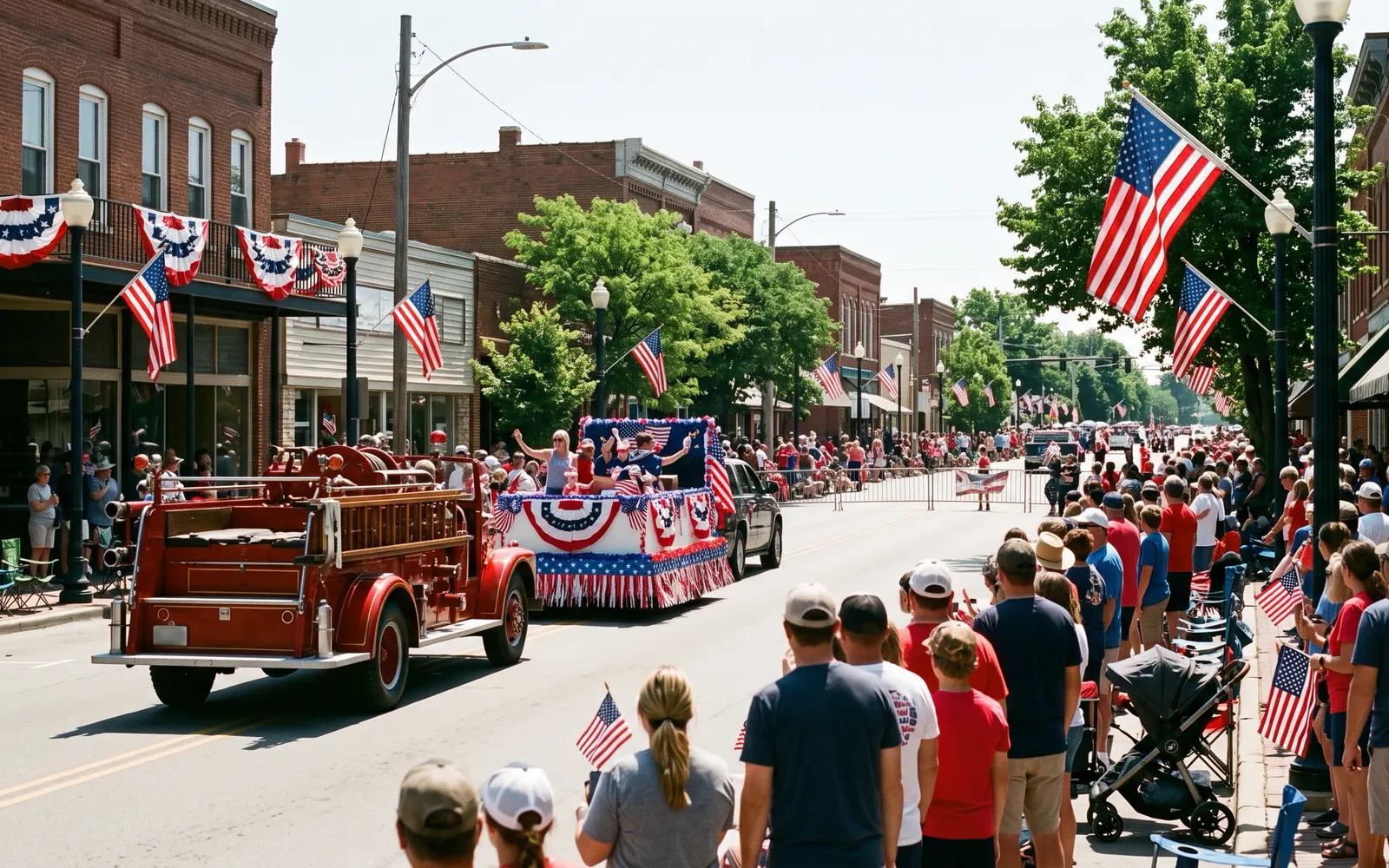
The big one is the Fourth of July. The village history says the parade was the social event of the year as far back as the 1920s, and the village's downtown page still lists the parade, National Night Out and the Merry & Bright holiday festivities as the events that draw thousands downtown. The Bartlett 4th of July Festival ran July 2 to 5, 2026, at Apple Orchard Park.
This year's festival did not go to plan. The July 4 storm covered in the flood section cancelled Bartlett's fireworks, Cardinal News reported, and the festival's own site says flooding of all the fields made the grounds unsafe, so it did not open on Sunday.
The rest of the fall is on the village's community calendar. Oktoberfest runs September 25 (4 to 10:30 p.m.) and September 26 (1 to 10:30 p.m.), 2026. The Halloween Fun Fest 2.0 and parade is October 24 from 10 a.m. to 1 p.m., the Pumpkin Smash is November 7 from 9 to 11 a.m., and the history talk "WWII Bartlett: On the Homefront" is November 22 at 2 p.m. The village also ran a village-wide garage sale on September 10 to 12. If you are touring in July, drive through downtown on parade day. It tells you more about the town than any listing will.
What's Being Built in Bartlett
The biggest plan is at the north edge of town. According to the Real Deal's April 10, 2026 report on the Daily Herald's coverage, the village has started planning a 63-acre mixed-use development on Lake Street as a gateway and regional destination, with entertainment, housing and a hotel in the mix. The village already bought 20 acres for $3 million, and the other 43 acres are held by IDOT. A key piece is realigning Oak Avenue to meet Bartlett Road at a new four-way signalized intersection. Planning firm Houseal Lavigne was to produce concept plans over the following four months. Nothing is approved yet.
That site sits inside the Lake Street TIF district, which the village board approved in September 2024. The village estimates $67.3 million in eligible redevelopment costs, and the district runs until 2047. For current owners on the north side, a new commercial and housing district on Lake Street would change traffic and could change values. It is worth watching.
For buyers, the most concrete new housing is a townhome proposal. The Daily Herald reported on August 21, 2026 that the Hawk Ridge subdivision would add 98 two-story townhomes on 19 acres on the west side of South Bartlett Road, between the Durwood Forest subdivision and the Canadian National tracks. The land is unincorporated DuPage County, so it needs annexation and rezoning. Bridge Street Properties is the applicant and Pulte is the builder. The homes would run 1,883 to 2,508 square feet with three or four bedrooms and two-car garages, and 51% of the site would stay open space, including a park of nearly two acres. The planning and zoning commission was set to hear it on September 3, and the village board makes the final call. Given how little new housing Bartlett has (2.1% built since 2010), this is one of the few new-construction options coming.
On the commercial side, Brewster Creek Business Park is the village's tax engine: more than 75 businesses in 48 buildings totaling over 5.2 million square feet, built on a former gravel quarry through a TIF created in 1999. The village says the large DuPage sites are built out and a few two- to five-acre sites remain.
I don't label any town or neighborhood as safe or unsafe.
Flood Risk in Bartlett After the July 2026 Storm
Flood risk in Bartlett is not a theoretical question this year. On July 4, 2026, storm cells stalled over the area, and Cardinal News reported initial reports of more than six inches of rain in that part of DuPage County under a National Weather Service flash flood warning. The Bartlett Police Department reported flooding throughout the village, and the report listed stalled cars on Flint Trail, Arrowhead, Illini and Mayflower, flooded westbound lanes on Army Trail Road near Fairfax, and water reaching a house on Acorn Trail. In late July the village ran a special storm brush pickup after another widespread storm.
The county paperwork followed. The Kane County assessment office posted on August 24, 2026 that owners whose property was substantially damaged in the July 2 to 4 storms can file a disaster-area application for reassessment. If you own on the Kane side and took damage, that is worth a call. Owners in Cook and DuPage should ask their township assessor what applies.
For long-run risk, Redfin's page for Bartlett currently shows no flood score (it says First Street data is being updated), so the FEMA map is the place to start. Three checks before you write an offer. Look the address up on the FEMA flood map, because a mapped flood zone can mean required flood insurance. Ask the seller directly whether the house took water on July 4, 2026, and what they did about it; the Illinois disclosure form asks about flooding, but a direct question gets a better answer. And have the inspector look at the sump pump, the backup and the grading. After this summer, I ask about all three on every Bartlett showing.
Frequently Asked Questions
Is Bartlett, IL in Cook County, DuPage County or Kane County?+
All three. Census Bureau estimates for 2025 put 23,799 residents (58%) in DuPage County, 16,962 (42%) in Cook County and 94 in Kane County. The village says homes north of Devon Avenue are mostly in Cook, homes south of Devon are in DuPage, and Bartlett Pointe West is in Kane.
How much does a house cost in Bartlett, IL?+
Redfin reported a median sale price of $444,706 for the three months ending August 2026, up 8.5% from a year earlier. Zillow's home value index was $443,276 for August 2026, up 4.0%. Homes sold in a median of 43 days at 100.9% of list price.
What are property taxes in Bartlett, IL?+
Ownwell (April 2026) puts the median effective rate at 2.53% on the DuPage side, 2.89% on the Cook side and 2.80% on the Kane side. Each county has its own assessor, calendar and homestead exemption, and bills usually rise after a sale once the home is reassessed.
What school district is Bartlett, IL in?+
School District U-46, a preschool-through-12 unit district. Schools in the village include six elementary schools, Eastview Middle School and Bartlett High School. Some addresses feed South Elgin schools, so confirm each address with the district.
Does Bartlett have a Metra station?+
Yes. The Bartlett station downtown is on the Milwaukee District West line, 30.1 miles from Union Station. In fall 2026 it has 20 inbound weekday trains; the fastest reach Union Station in 51 minutes and most take about 67.
Is Bartlett walkable?+
Not village-wide. Walk Score rates it 22 (car-dependent), and Redfin gives it a Bike Score of 49. Downtown around the depot is the walkable exception, and the Bartlett Trail crosses the village east to west.
Did Bartlett flood in 2026?+
Yes. A storm on July 4, 2026, dropped more than six inches of rain on the area, flooded streets across Bartlett and cancelled the village's fireworks. Kane County is taking disaster reassessment applications for storm damage. Ask any seller whether the house took water that day.
Is new construction available in Bartlett?+
Very little right now. Only 2.1% of Bartlett's homes were built in 2010 or later. The main proposal is Hawk Ridge, 98 Pulte townhomes on 19 acres on South Bartlett Road, which went to the planning commission in September 2026 and still needs village board approval. How builder contracts, timelines and allowances work is on my new construction homes in Illinois page.
When is the property tax appeal deadline in Bartlett?+
It depends on the county. For the DuPage side (Wayne Township), the 2026 deadline is September 28, 2026. Cook's Hanover Township was reassessed in 2025 and its appeal window closed December 22, 2025. Kane's Elgin Township 2026 values had not been published as of September 24, 2026; the window opens when they are.
Eshu Chikoti has extensive access to off-market listings throughout Bartlett and the rest of DuPage County — homes that never make it to the public listing sites. That matters right now: in a seller's market like this one, well-priced homes routinely go under contract within days, and buyers relying only on public listings are competing for whatever is left over. Working with someone plugged into off-market inventory means seeing homes before the crowd does.
Eshu Chikoti · 847-691-4282 ·
Get new Bartlett listings by email
When a home comes on the market in Bartlett, I'll email it to you.
Just your email. Unsubscribe any time by replying.
Thinking About Bartlett?
Whether you're buying, selling, or just curious what's on the market, I can walk you through Bartlett street by street.