Chemung, IL
Chemung, IL is a small unincorporated hamlet at Route 173 and Oak Grove Road in northwest McHenry County, about a mile west of the Harvard city limits, with a Harvard 60033 mailing address, private wells and septic, and Harvard District 50 schools.
Living in Chemung, IL means owning in unincorporated McHenry County: the county sheriff patrols, the township maintains local roads, homes run on private wells and septic, and there is no city levy on the tax bill. It is a crossroads of about 276 people, 2.6 miles from the Harvard Metra station. Here is how it works.
Written by Eshu Chikoti · 847-691-4282 ·
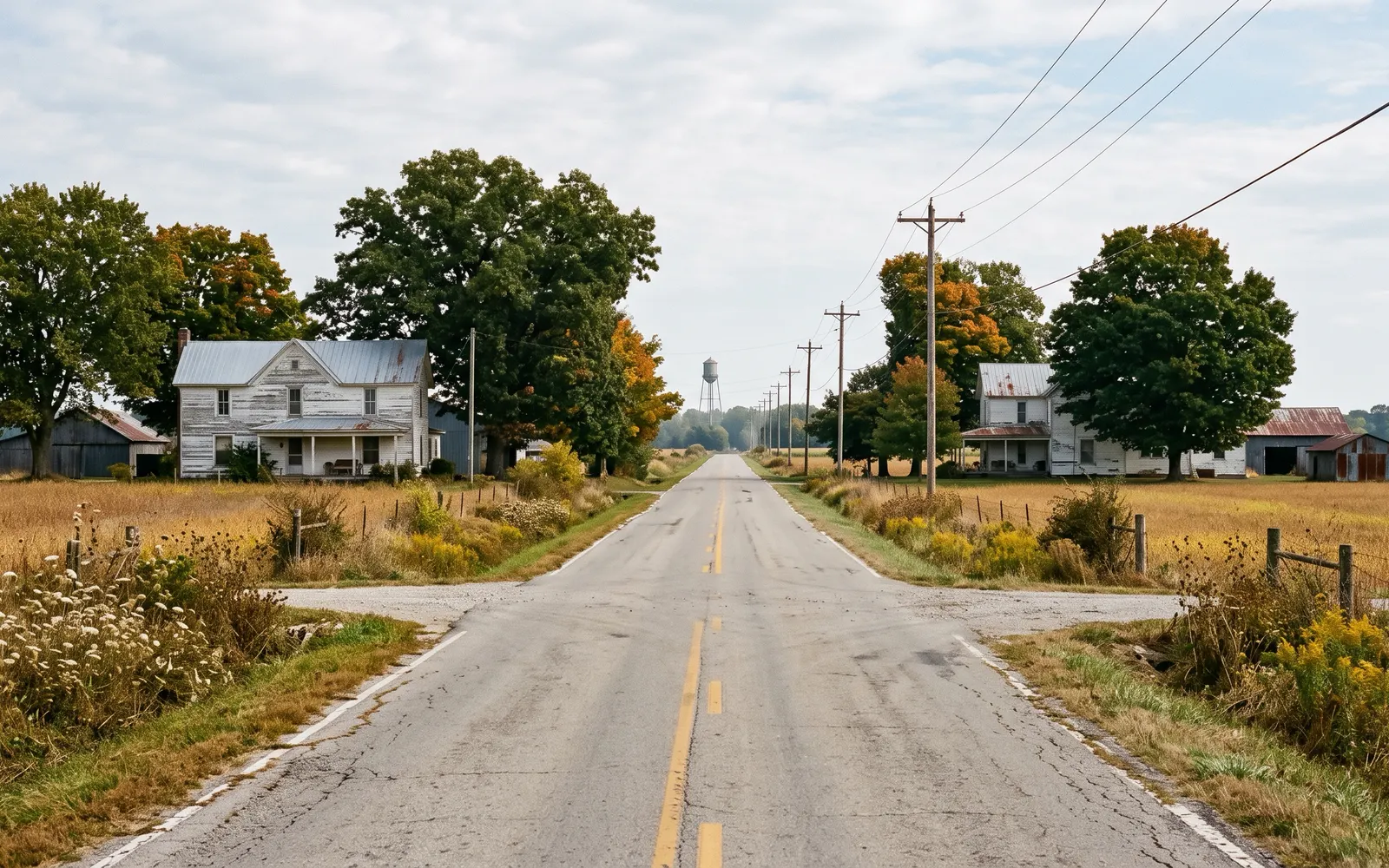
How Chemung, IL Got Here: The Village That Harvard Outgrew
Chemung is older than Harvard. According to the 1885 History of McHenry County chapter on Chemung Township, the village was laid out in 1844, one of the oldest in this part of the county. The first settlers in the township arrived in 1836, the first house in the village was a log house, and the first school was taught in Chemung around 1840. The township did not even have a name until the village became a business center. A Mr. Seward, who came from Chemung County, New York, named the village, and the township was named after it.
The post office opened in 1845 with Seward as postmaster. Wikipedia's Chemung entry says it stayed open until 1943, and gives a second story for the name: the word comes from the Seneca language and means "big horn," after a large horned fossil found in a nearby river. Both stories can be true. The New York county got the Seneca name first, and the Illinois village borrowed it.
The turning point was the railroad. The 1885 history says Chemung had about 400 people, four dry-goods stores, a drug store and a hotel when the railroad reached Harvard in 1856. People moved to the new rail town until scarcely 200 remained. The railroad came through Chemung two years later, but in the book's words the village never grew after that because "Harvard had gotten a start."
What Chemung kept was agriculture. Seward's grist mill was replaced by a stone mill that was still grinding in 1885, and a cheese factory built in 1878 was taking in 6,000 pounds of milk a day, with days as high as 10,000. In 1927 Dean Foods opened a dairy plant on Maxon Road in Chemung, according to Shaw Local's 2022 report. That plant ran for 95 years and closed in July 2022. It is covered in the development section below.
Chemung at a Glance
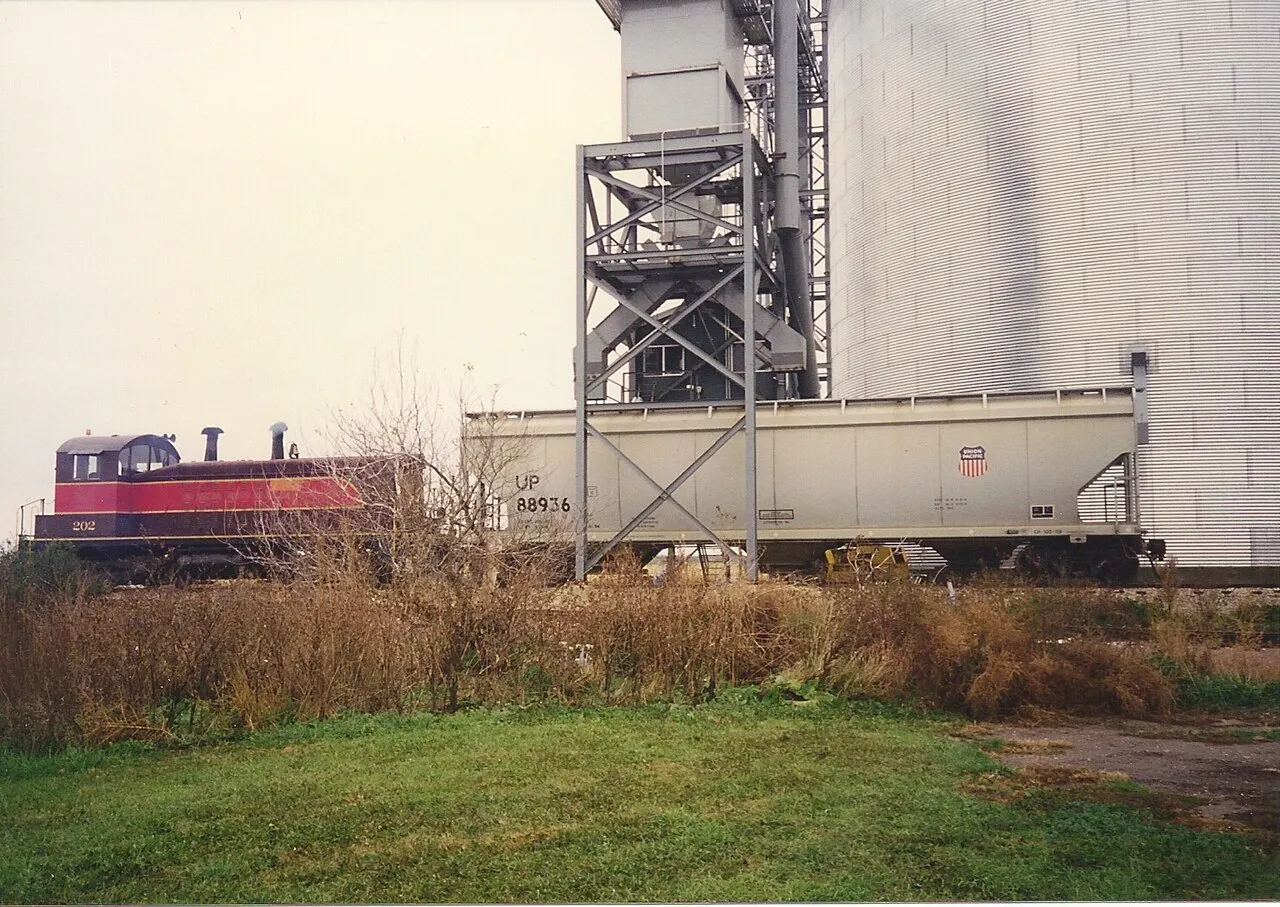
Chemung is not a village or a city. Wikipedia describes it as an unincorporated census-designated place of 0.28 square miles at an elevation of 896 feet, centered on the junction of Illinois Route 173, Oak Grove Road (County Highway A-20) and Island Road, about 3.1 miles west of downtown Harvard. The 2020 Census counted 276 people. Piscasaw Creek runs along the west side, and a Union Pacific freight branch crosses the hamlet from east-northeast to west-southwest.
It sits on a township line. The 1885 county history already noted that the village "lies partly in Dunham," and it still does. Using the Census Bureau's TIGERweb boundary service in September 2026, I found the Chemung-Dunham line running just south of the Route 173 corner. North of it is Chemung Township, the northwestern corner of McHenry County, which covers about 33 square miles and includes most of Harvard plus the unincorporated communities of Chemung, Lawrence and Big Foot Prairie. It had 9,035 people and 3,294 housing units in 2020. South of the line is Dunham Township. Each township has its own assessor and its own road district, so two houses a block apart in Chemung can deal with different township offices.
The address is where buyers get confused. Chemung has no post office of its own anymore, so every home here has a Harvard, IL 60033 mailing address. The Census Bureau's address geocoder, which I ran on several Chemung addresses in September 2026, returns "Harvard, IL 60033" for each one while placing them inside the Chemung CDP and outside the City of Harvard. The same TIGERweb check shows about 0.9 miles of open land along the Route 173 corridor between the east edge of the Chemung CDP and the Harvard city limit. A listing that says "Harvard" can be a city lot on a sidewalk or a house at the Chemung crossroads with a well in the yard.
Census boundaries follow annexations reported to the Census Bureau and can lag behind them. When I see a Harvard address west of town, the first thing I do is pull the parcel on the county's GIS and read the taxing bodies on the tax bill. Mailing address and municipality are two separate facts in McHenry County.
What Buying in Unincorporated Chemung Actually Means
"Unincorporated" sounds technical, but for a homeowner it comes down to who you call. In Chemung, the answer is almost never a city hall. McHenry County keeps an Unincorporated Resident Resource Page for exactly this situation. Its checklist is septic systems, open burning of landscape waste, living with a well, building and zoning permits, the county GIS parcel viewer, the Sheriff's Office and trash pickup. That list is a fair summary of what changes.
Police. The McHenry County Sheriff's Office covers unincorporated areas of the county. Harvard police serve the city. A house at the Chemung crossroads is a sheriff's call even though its mailing address says Harvard.
Fire and ambulance. The Harvard Fire Protection District covers 108.5 square miles, which it calls one of the largest districts in Illinois, and names Chemung and Lawrence among the small communities it serves. It says it is responsible for about 16,000 residents, keeps four firefighters on premises around the clock, employs 49 part-time firefighters, and runs Advanced Life Support ambulances 24 hours a day. The fire district is funded by its own line on the tax bill, so being outside the city does not mean being outside fire coverage.
Roads. Route 173 is a state highway and Oak Grove Road is a county highway. The side roads belong to the township road districts. Chemung Township directs questions about bridges, roads and rights-of-way to its Highway Commissioner, and the part of the hamlet south of the township line falls to Dunham Township's road district. Snow, ditches and culverts on a local road are a township call, not a city one.
Permits and zoning. Additions, decks, fences, sheds and new homes go through McHenry County Planning and Development under the county's zoning code, and anything that touches a well or septic system also needs the county Health Department. More on both in the utilities and land sections below.
Trash and burning. The county page links to a list of licensed waste haulers and to the franchise agreements that exist in some unincorporated areas. Confirm the current hauler for the exact address with the seller or the township before you close. Open burning of landscape waste is regulated by the county, so read the county's summary before you plan a leaf fire.
Library. This is the one that surprises people. The Harvard Diggins Library is a municipal library funded by property taxes inside the Harvard city limits. If your tax bill does not show a "HARVARD CITY LIBRARY" line, you pay an annual household fee for a card: $160 as of July 1, 2026, up from $150, payable in two $80 installments.
The expectation I most often have to reset with buyers out here is that a Harvard address means Harvard services. It doesn't. None of these differences are good or bad on their own. They belong in your budget and your plans before you write an offer.
| Service | Who handles it |
|---|---|
| Police | McHenry County Sheriff's Office |
| Fire and ambulance | Harvard Fire Protection District |
| Roads | State of Illinois (Route 173); McHenry County (Oak Grove Road); Chemung or Dunham Township road districts (side roads) |
| Permits and zoning | McHenry County Planning and Development; County Health Department for wells and septic |
| Trash | Licensed private haulers |
| Library | Harvard Diggins Library card: $160 a year unless the tax bill carries the city library levy |
Chemung Neighborhoods: the Crossroads and the Country Around It
Chemung itself is a handful of streets. The houses sit along Route 173, Oak Grove Road, Island Road, Maxon Road and a couple of short side streets such as Chemung Street and Dana Street, with the former dairy plant on Maxon Road and farmland on every side. Beyond that is open country with scattered homes on larger parcels, most of it still inside Chemung and Dunham townships.
The Census numbers for the hamlet are too thin to lean on. The 2020-2024 American Community Survey for the Chemung CDP estimates 153 housing units with a margin of error of plus or minus 136, which tells you the sample was a few households. I use the CDP for the one figure that is reasonably tight, median home value, and use the 60033 ZIP code area for everything else. I explain why in the market section.
Most people who search "Chemung" are really shopping the rural 60033 area west and north of Harvard: the crossroads itself, the smaller settlement at Lawrence to the northeast, the stretch of U.S. Route 14 up toward Big Foot Prairie and the Wisconsin line, and the farm roads in between. Every one of them is unincorporated, uses a Harvard mailing address and runs on private utilities. Walk Score rates Chemung 17 out of 100, car-dependent.
I have not closed a sale inside Chemung. What I do on every search out here is the same four checks: is the parcel unincorporated or annexed to Harvard, which township is it in, what do the well and septic records show, and how is the land zoned. If you want those answered for a specific address, that is a conversation I am happy to have here.
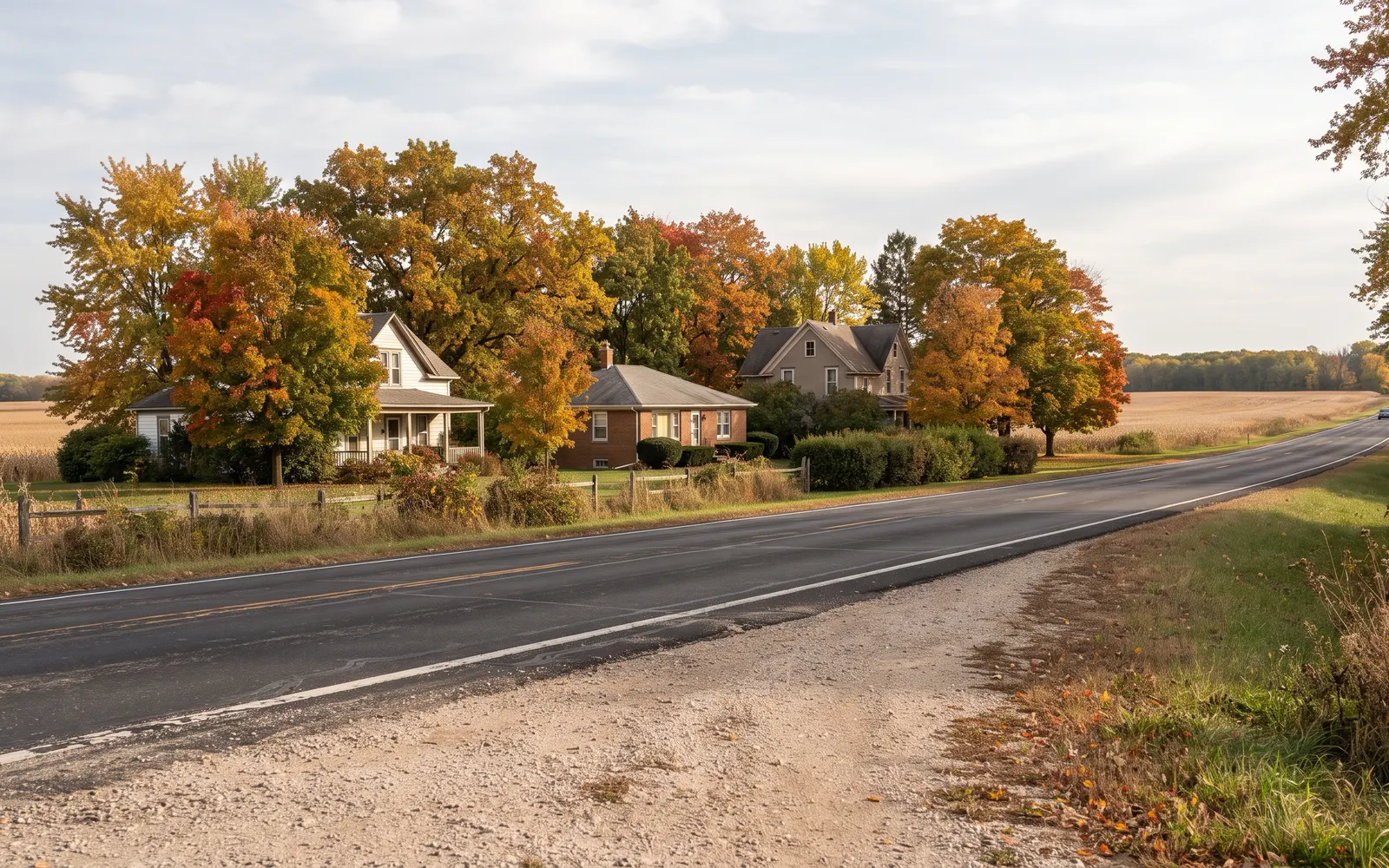
The Chemung crossroads (Chemung CDP). Route 173, Oak Grove Road, Island Road, Maxon Road and the short streets around them. Older single-family houses on modest lots, private well and septic, and the former dairy plant in the middle. Split between Chemung Township to the north and Dunham Township to the south.
Lawrence (Lawrence CDP, Chemung Township). A second unincorporated settlement northeast of Chemung, reached by Oak Grove Road. The 1885 county history lists its own depot, creamery and flour mill. The Census geocoder places a house on Oak Grove Road that sold in August 2026 inside it.
Big Foot Prairie (Big Foot Prairie CDP). On U.S. Route 14 about five miles north of Harvard at the state line, with a 2020 population of 65; the community continues into Walworth County, Wisconsin. The 55-acre Big Foot Woods preserve is nearby (see development).
Rural Chemung and Dunham townships. Farms, horse properties, wooded acreage and older farmhouses on township roads. Zoning decides what can be built; see the land section.
What Chemung Homes Look Like
Chemung's houses are mostly older and modest. The hamlet was laid out in 1844, and the 1885 history describes a working village of shops, a mill and a cheese factory, so the core of the housing stock grew up around that. The CDP-level Census year-built figures are too noisy to quote, so for a sense of age I look at the whole 60033 ZIP. The 2020-2024 ACS for ZIP 60033 counts 4,972 homes, and 981 of them, about 20%, were built in 1939 or earlier. About a third (1,661) went up between 1990 and 2009, mostly inside Harvard.
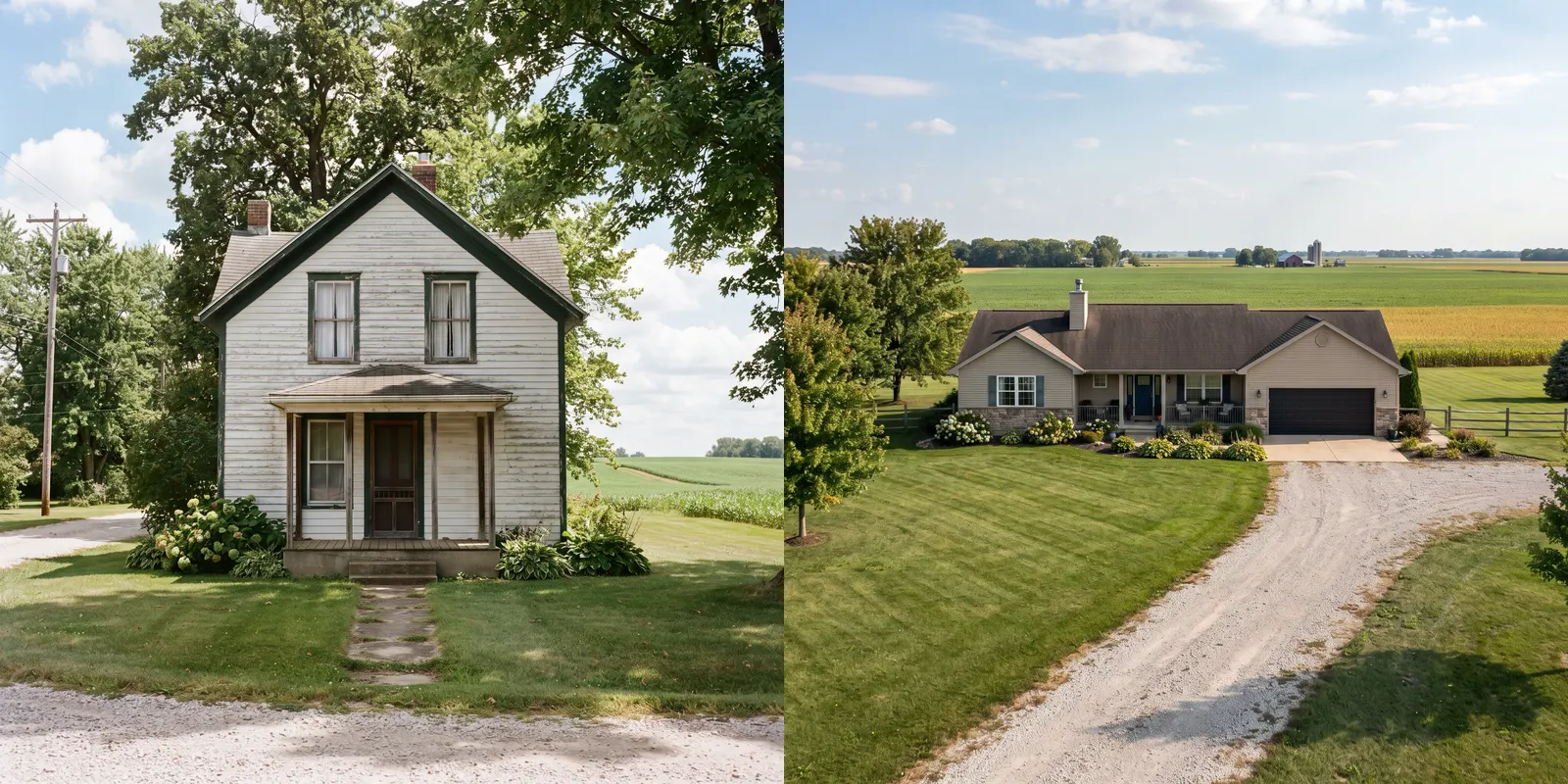
The public listing records I could open for the crossroads fit that picture. One house on Oak Grove Road at the Route 173 corner, sold as an estate in 2015, was listed as a four- or five-bedroom home of about 2,000 square feet with a full unfinished basement, a detached two-car garage, a stone and concrete foundation, aluminum siding, a private well and a private septic system. That is a typical profile here: a farm-town house that has been added onto, on a lot measured in fractions of an acre rather than acres.
Out in the townships, the mix widens. Across the 60033 ZIP, the ACS counts 3,721 single-family detached homes out of 4,972, plus 58 mobile homes, and the rural roads carry everything from original farmhouses to newer houses on multi-acre lots. The August 2026 sale on Oak Grove Road north of Chemung was a two-bedroom, 946-square-foot house, and a September 2026 sale on a farm road in neighboring Alden Township was a 2,678-square-foot home, both in Redfin's recent 60033 sales. The price gap between them was $423,000.
Older rural houses bring older-house questions: the well, the septic, the electrical panel, the foundation and any additions built without permits. None of those should kill a deal. All of them belong in the price. My home inspection checklist is a good place to start if you're weighing one of these.
Wells, Septic, Propane and Natural Gas in Chemung
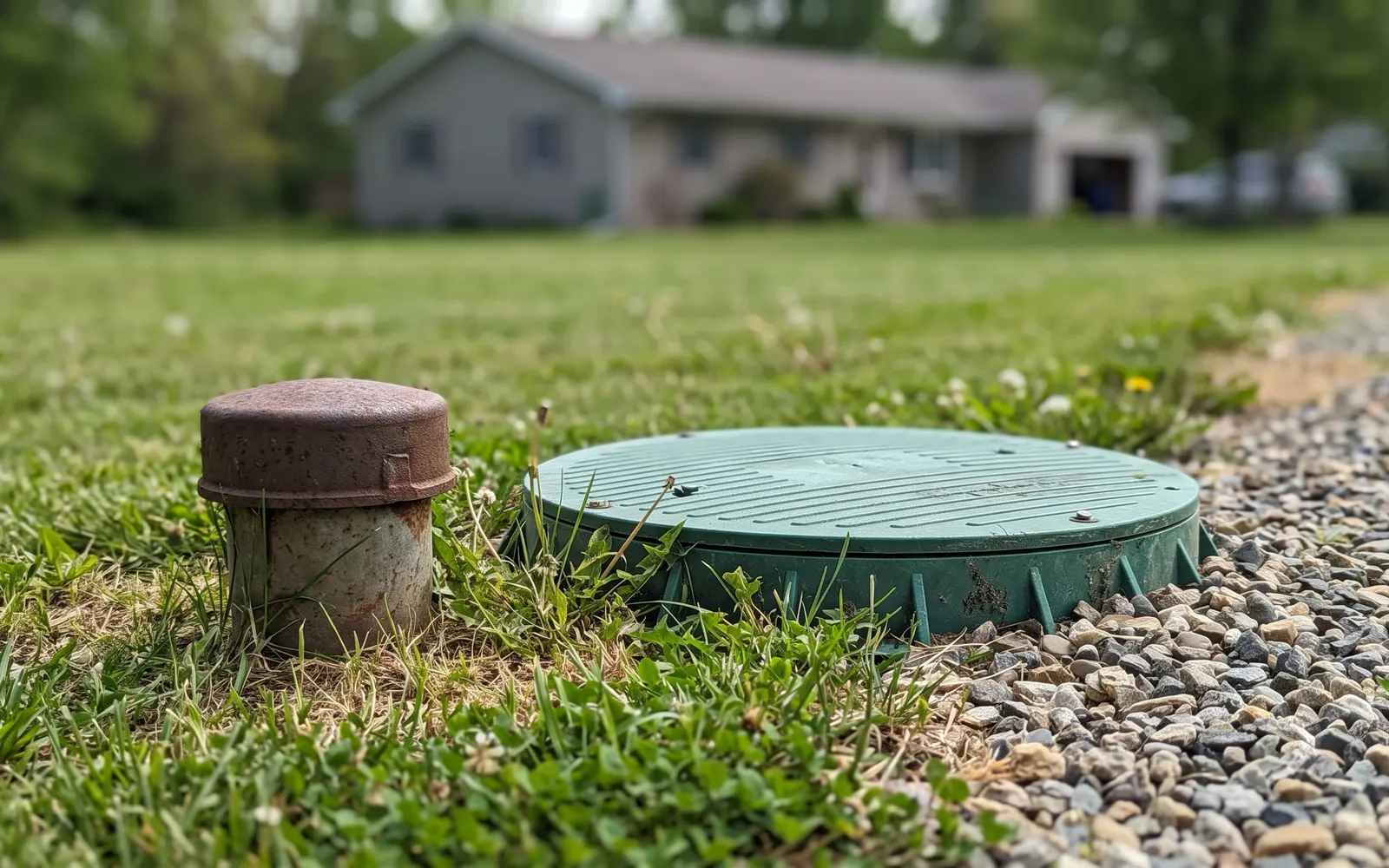
This is the section most Chemung buyers need and no other guide covers. I have not found a public water or sewer system serving the hamlet. The listing records I could open for homes at the crossroads show a private well and a private septic system, and even the former dairy plant ran on its own supply: its sale listing lists three potable wells, a water tower and an on-site wastewater treatment plant.
A well is not a problem by itself. It is a different set of responsibilities. The McHenry County Department of Health notes that the county is 100% dependent on groundwater for drinking water. It recommends testing a private well every year, at minimum for coliform bacteria, E. coli and nitrates, keeping the well at least 50 feet from a septic tank and 75 feet from a conventional septic system's distribution lines, and keeping the well cap at least 8 inches above the ground. Warning signs it lists include a pump that cycles constantly, a drop in pressure, or water with a strange odor or taste.
Septic systems are regulated just as closely. According to the Health Department's septic FAQ, you need a county permit to install, repair, replace or abandon a septic system, and the work must be done by a contractor licensed by the Illinois Department of Public Health. Adding a bedroom means the system has to meet new-construction standards for the new bedroom count. Records for systems permitted before February 1, 2003 are with county Planning and Development; newer ones are with the Health Department. The department also offers a sale-of-property septic evaluation that is typically done for real estate transactions and refinances.
Before you buy in Chemung, I'd ask for a water test, a septic inspection and the county permit records for both, and I'd write those into the inspection period. If you are planning an addition, ask the Health Department for a construction impact review first.
Heating is the other utility question. The dairy plant listing names ComEd for electricity and Nicor for natural gas, and the ACS estimates for the Chemung CDP show utility gas as the heating fuel. Out in the townships it is a different story: across the 60033 ZIP, 640 of 4,697 occupied homes heat with bottled or tank gas, meaning propane, according to the 2020-2024 ACS. If a rural listing heats with propane, ask who owns the tank and what the last year of deliveries cost.
Buying Land or Acreage Around Chemung: County Zoning
Outside the hamlet, the land question comes before the house question. Unincorporated parcels are zoned under the McHenry County Unified Development Ordinance, not Harvard's code. Its bulk table, Table 16.36-1 (archived July 2021 copy), sets these minimum lot areas for a residence: 40 acres in the A-1 Agriculture district, 1 acre in A-2, 5 acres in E-5, 3 in E-3, 2 in E-2, 1 in E-1, half an acre in R-1 and 1 acre in R-2.
That table is why a 10-acre parcel zoned A-1 may not be buildable for a house without a rezoning. It is also why so many country lots around Chemung are exactly one, two, three or five acres. Before you fall in love with a piece of vacant land, check its zoning on the county GIS and ask county Planning and Development what it would take to put a house on it.
Zoning is only half of buildability. The Health Department's septic FAQ says whether a vacant lot is buildable also depends on stormwater, floodplain and setback rules and on the ability to provide a potable water supply and wastewater treatment. For a new septic system, that means a site evaluation with a soil boring report from a certified soil classifier. Recently platted subdivisions have been evaluated already. Older parcels usually have not.
Farmland also changes the tax picture. The Chemung Township assessor values land and buildings at one-third of market value, with the exception of farmland, which Illinois assesses differently. A house on a farm parcel can carry a very different bill than the same house on a residential lot, so read how the land is classified before you compare taxes.
The Chemung Housing Market in 2026
There isn't enough activity in the hamlet to give you a meaningful median, and no major data provider publishes one for Chemung. The closest official figure is the Census estimate: the 2020-2024 ACS puts the median value of owner-occupied homes in the Chemung CDP at $184,500, with a margin of error of plus or minus $12,865. For comparison, the same survey puts McHenry County's median at $308,100 and the 60033 ZIP's at $203,300. Owner-reported values lag the market, so treat these as a floor on how the area compares, not a price.
For current prices I use the 60033 ZIP, which covers Chemung, Harvard and the countryside around them. Redfin reported a median sale price of $309,866 for the three months ending August 2026, up 10.7% from a year earlier. The median home sold in 53 days, up from 49, at 99.4% of list price. 41.3% sold above asking and 14.8% had a price drop. Redfin gives the ZIP a Compete Score of 71 out of 100, which it calls very competitive.
Zillow's ZIP-level home value index tells a calmer version: $278,089 for 60033 in August 2026, up 3.3% from a year earlier and 7.2% over two years. The two numbers do not conflict. Redfin's median is the middle of whatever happened to sell in a three-month window, and in a ZIP this size a few more newer or larger homes can move it a lot. Zillow's index estimates every home, sold or not. My read is that values are rising at a steady single-digit pace.
The range inside 60033 is what matters for a Chemung buyer. In Redfin's list of recent 60033 sales, a two-bedroom, 946-square-foot house on Oak Grove Road north of Chemung closed at $275,000 on August 31, 2026. In September, a three-bedroom on O'Brien Street in town closed at $242,500 and a 2,678-square-foot home on Reese Road out in Alden Township closed at $698,000. A Chemung house is priced on its own lot, its condition and its well and septic, and a smaller pool of buyers is comfortable with all three. If you are weighing timing more broadly, my take on whether 2026 is a good time to buy covers rates and inventory.
Chemung Property Taxes: No City Line on the Bill
Ownwell's data for the Harvard 60033 area, last updated April 13, 2026, puts the median effective property tax rate at 2.38% and the median annual bill at $4,868. Its McHenry County page shows the spread inside the area: 1.81% at the 10th percentile and 2.99% at the 90th, against a county median of 2.42%. Ownwell does not break out Chemung on its own.
Here is why a Chemung house can land toward the low end of that range. An unincorporated parcel pays no City of Harvard levy and no Harvard city library levy; the library's own card page says a property without the "HARVARD CITY LIBRARY" line on its bill is not supporting the library. It still pays the county, the township, Harvard CUSD 50, the fire protection district, the community college and the other districts on its tax code. I could not pull the county clerk's rate tables for the Chemung tax codes (the county site blocks automated access), so I can't give you the exact difference in cents.
One public record gives a sense of it. The house at the Route 173 corner mentioned above carried a 2024 tax bill of $2,827 on an assessed value of $48,201. Illinois assesses at one-third of market value, according to the Chemung Township assessor, so that assessment implies a value of about $144,600, and the bill works out to about 2.0% of it.
What that looks like on a purchase: at Ownwell's 2.38% median, a home at Zillow's August 2026 60033 value of $278,089 would carry about $6,620 a year, roughly $552 a month. At the 10th-percentile rate of 1.81%, the same price is about $5,030 a year. Budget off the rate applied to your price, not the seller's bill, because assessments catch up after a sale. My closing costs guide covers how Illinois tax prorations work at closing, and the Chemung Township assessor explains the appeal process and who to call for each kind of question. This is general information, not tax advice. Your actual bill depends on your parcel, your exemptions, your township assessor and how the land is classified.
Chemung Schools: Harvard Community Unit School District 50
Being unincorporated does not change the school district. The Census Bureau's TIGERweb school district layer places the Chemung crossroads inside Harvard Community Unit School District 50, and the listing records I opened for homes there list District 50 for elementary, middle and high school. The district runs from preschool through Harvard High School.
The schools a Chemung address typically feeds, per the GreatSchools data on one crossroads listing, are Crosby Elementary for kindergarten through third grade, Jefferson Elementary for fourth and fifth, Harvard Junior High for sixth through eighth, and Harvard High School. Redfin's 60033 page lists Crosby with 654 students and Jefferson with 316. Harvard High School is about 3.1 miles east of the crossroads in a straight line, by my measurement from OpenStreetMap.
For current state data, the Illinois Report Card is the primary source.
Assignment is by address, and the rural edges are where it gets tricky. Much of the 60033 area outside Harvard is in District 50, but parts of the countryside fall into neighboring districts. Never assume from the mailing address. Check each specific property with the district before you write an offer, and ask me to pull the boundary if you want it done for a house you are considering.
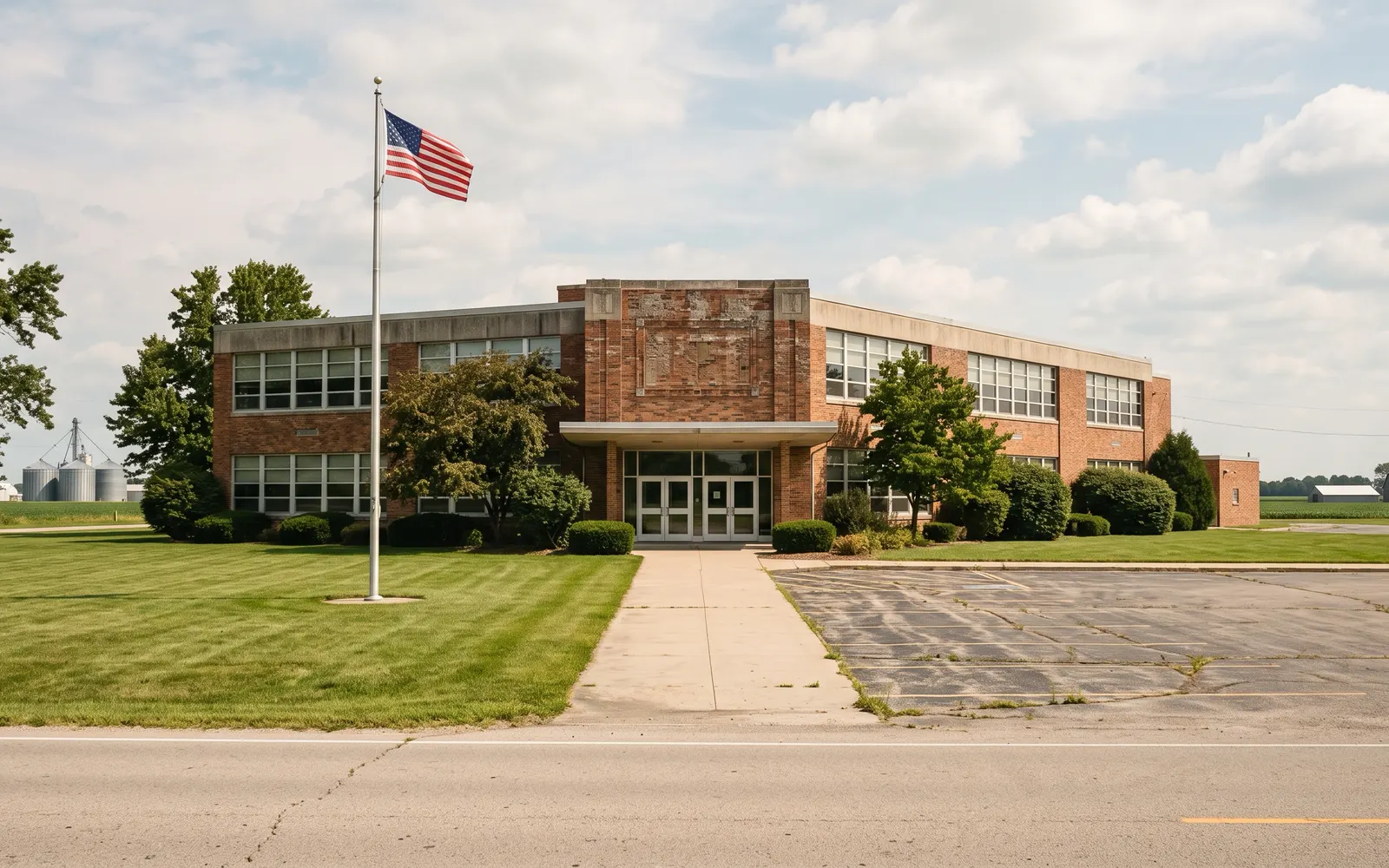
Crosby Elementary School. Grades K-3, Harvard CUSD 50. 654 students per Redfin's GreatSchools data.
Jefferson Elementary School. Grades 4-5, Harvard CUSD 50. 316 students per Redfin's GreatSchools data.
Harvard Junior High School. Grades 6-8, Harvard CUSD 50.
Harvard High School. Grades 9-12, Harvard CUSD 50. About 3.1 miles east of the Chemung crossroads.
Commuting from Chemung: The Harvard Metra Station
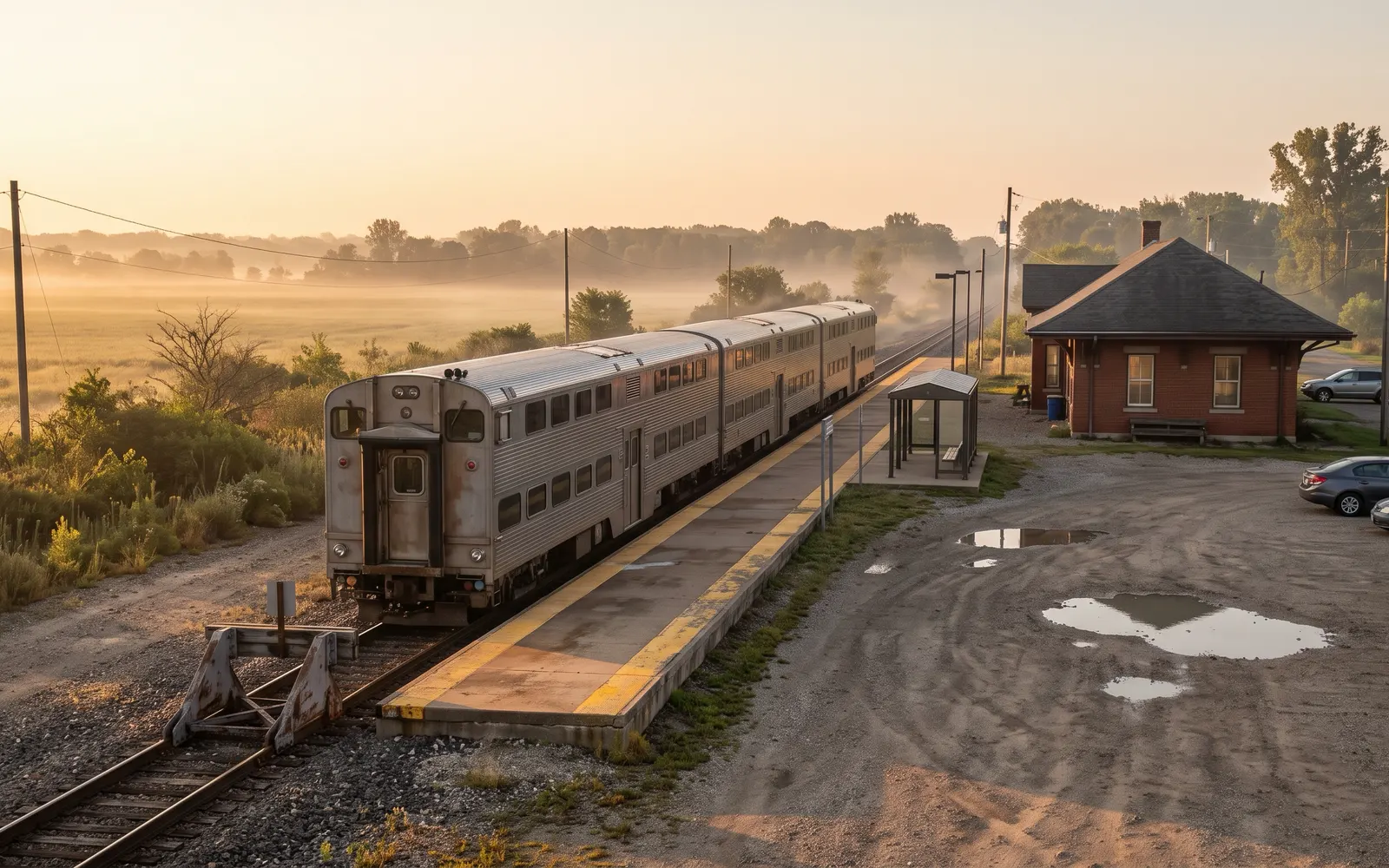
The freight line through Chemung does not carry passengers. The closest station is Harvard, on Metra's Union Pacific Northwest line, about 2.6 miles east of the crossroads in a straight line by my measurement from Metra's own station coordinates. Wikipedia's Harvard entry calls it the most remote point in the Metra system, 63.16 miles from downtown Chicago. That has an upside. Every inbound train starts in Harvard, so you always get a seat.
Using Metra's published schedule data for the week of September 28, 2026, 14 weekday trains leave Harvard for Ogilvie Transportation Center and 13 come back. The four early trains, at 5:30, 6:00, 6:30 and 7:00 a.m., reach Ogilvie in 92 minutes. The 7:50 takes 99, and midday trains take 110. The fastest evening train home leaves Ogilvie at 5:15 p.m. and takes 92 minutes. On Saturdays there are six trains into the city, the first at 11:35 a.m., and on Sundays three, each about 108 minutes.
Put plainly: from Chemung, downtown Chicago is more than three hours round trip on the best trains once you add the drive to the station. Plenty of people do it two or three days a week and use the ride to work. For a five-day commute, be honest with yourself about that number. The same Wikipedia entry notes that Pace Route 808 links Harvard with Woodstock and Crystal Lake.
Driving from Chemung: Route 173, Route 14 and the Tollway
Route 173 is Chemung's main street and its main road out. East, it runs into Harvard. West, Illinois Route 173 crosses into Boone and Winnebago counties toward the Rockford area and meets the Jane Addams Tollway (I-39/90) at an interchange built in 2007. Oak Grove Road, a county highway, runs north from the crossroads toward Lawrence, and Island Road continues south. U.S. Route 14 runs through Harvard toward Woodstock and Crystal Lake to the southeast and into Wisconsin to the north.
Chemung is closer to Wisconsin and the Rockford area than it is to Chicago, and that shapes daily life more than the Metra map suggests. By my straight-line measurements from OpenStreetMap, the Wisconsin line is about five miles north, Belvidere about 14 miles southwest, Woodstock's downtown station about 13 miles southeast, Lake Geneva about 17 miles northeast and Crystal Lake about 22 miles southeast. Those are distances, not drive times; country roads add minutes.
On the township roads around Chemung, remember that the road district, not a city, plows and repairs them. In my experience that makes little difference on an ordinary winter morning, but it is worth knowing whom to call when a culvert washes out.
Is Chemung Walkable?
For errands, no. Walk Score gives Chemung a 17 out of 100 and says almost all errands require a car. A house right on Route 173 scores lower, an 11. There is no store, school or train within walking distance of the crossroads.
For recreation, Chemung has something most rural crossroads don't: a paved trail into town. The McHenry County Conservation District's Stone Mill Trail is a 1.5-mile paved multi-use path from Maxon Road in Chemung along Ramer Road to Lawrence Road near Milky Way Park in Harvard. The district says it was built to connect the two towns and give people a way to walk, bike or rollerblade between them. It shares its name with the stone grist mill the 1885 county history describes in Chemung.
Shopping and Groceries Near Chemung
Everything is in Harvard or beyond. The closest big store is the Walmart Supercenter on McGuire Road in Harvard, about 2.9 miles from the crossroads in a straight line by my measurement from OpenStreetMap. Downtown Harvard along Ayer Street has the local restaurants and shops, the library and the Metra station.
For more choice, Woodstock, Crystal Lake, Belvidere and Lake Geneva are the realistic shopping trips. My Harvard, Woodstock and Marengo guides cover what each town has.
Parks and Open Space Around Chemung
Chemung's best amenity is the conservation land around it. The McHenry County Conservation District lists Beck's Woods Conservation Area at 5940 North Pagles Road in Chemung, a 283-acre site with a half-mile trail. Piscasaw Creek runs through it, and the district describes it as a quiet place for fishing and group camping. The Census geocoder puts that address about a quarter mile from the crossroads.
A short drive east, the district runs Rush Creek Conservation Area on McGuire Road in Harvard, 726 acres with two miles of hiking trail, woodlands, wetlands, sedge meadows, a fishing pond, an almost six-mile horseback loop, a rentable shelter and group campsites. Farther northeast, High Point Conservation Area on Reese Road covers 253 acres and, per the district, includes the highest glaciated point in Illinois at 1,189 feet. The Stone Mill Trail connects Chemung to Harvard's Milky Way Park, about 1.7 miles from the crossroads in a straight line, where the city holds Milk Days.
Because Chemung is outside the city, residents pay nonresident rates for anything the City of Harvard charges residents less for. Check the specific program before you assume.
Library Access from Chemung
The nearest library is the Harvard Diggins Library at 900 East McKinley Street in Harvard, about 3.4 miles from the crossroads in a straight line. It began serving Harvard in 1909 with a bequest from Delos F. Diggins, was the first free-standing public library in McHenry County, and moved into a 19,000-square-foot building in 2001. It is part of the PrairieCat consortium, which the library says opens up more than 130 area libraries to cardholders. It is open Monday through Thursday from 9 a.m. to 8 p.m. and Friday and Saturday from 9 a.m. to 5 p.m.
Chemung households are nonresidents. The card page sets the annual household fee at $160 as of July 1, 2026, payable as $160 at once or two payments of $80. You bring a photo ID and a piece of mail showing your address. If you are unsure whether you're in, check the tax bill for a "HARVARD CITY LIBRARY" line.
Hospitals and Emergency Care Near Chemung
Harvard has its own small hospital, Mercyhealth Hospital and Medical Center–Harvard, listed among Illinois hospitals on Wikipedia. The same list includes Northwestern Medicine's Woodstock Hospital to the southeast. Wikipedia's Harvard entry says the Harvard Fire Protection District is part of the Mercy Health EMS system, which operates out of Mercy Health Javon Bea Hospital in Rockford, a Level I trauma hospital. For an ambulance call from Chemung, the Harvard Fire Protection District responds.
Milk Days and the Calendar Around Chemung
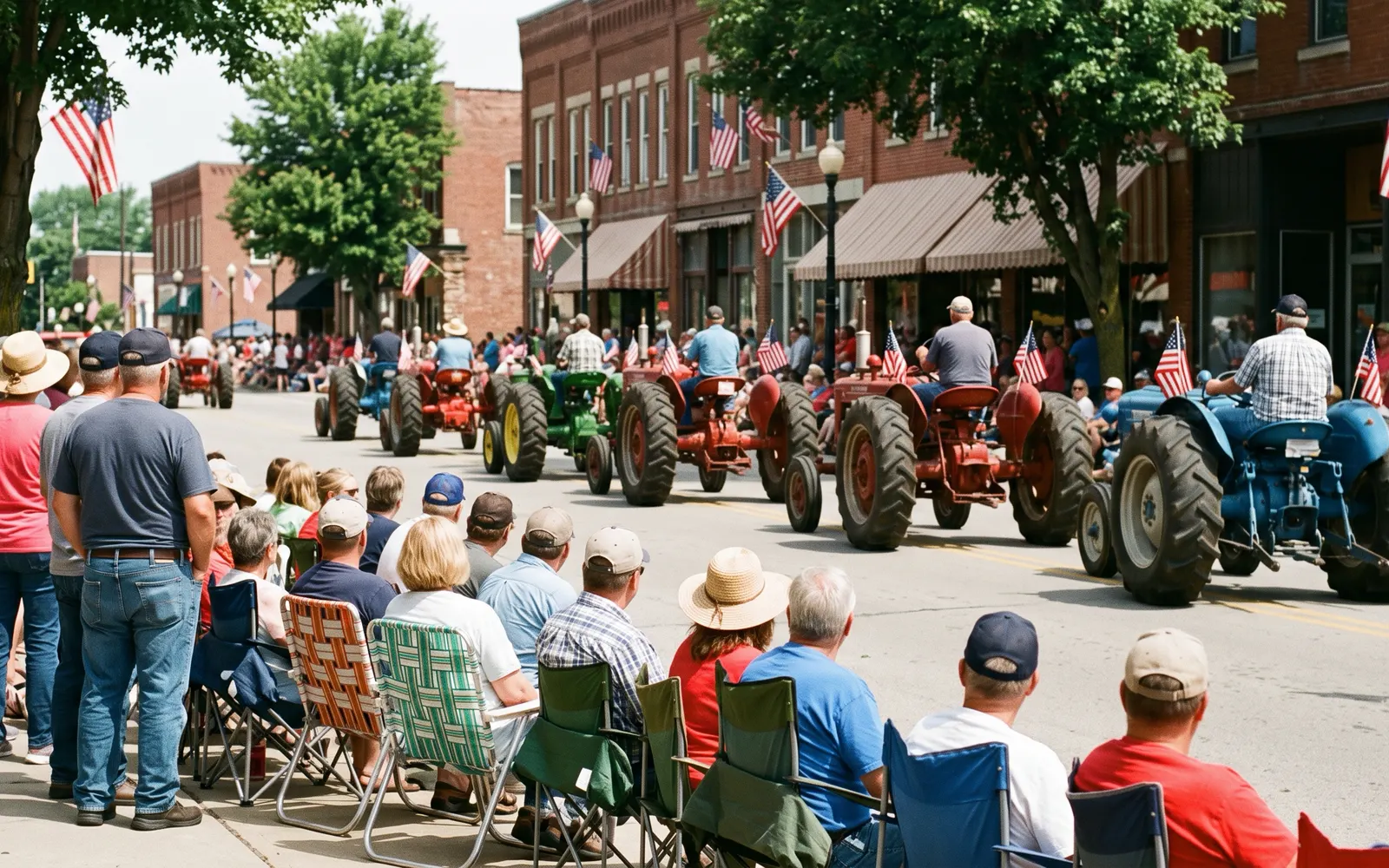
Chemung's big weekend is Harvard's. Harvard Milk Days bills itself as the longest ongoing hometown festival in Illinois. In 2026 it ran June 5 through 7, and the 2027 dates are already set for June 4 through 6. The festival lists a parade of more than two hours, rides, fireworks, a petting zoo, a junior cattle show, races and an antique tractor show. Chemung Township's own site calls it one of the longest-running festivals in the state and notes it is always the first weekend in June.
The link to Chemung is literal. The township history describes an 1878 cheese factory in Chemung taking in thousands of pounds of milk a day, and Dean Foods ran its plant on Maxon Road from 1927 to 2022. If you are touring houses in early June, drive in for the parade. It tells you more about this corner of the county than any listing will.
What's Changing In and Around Chemung
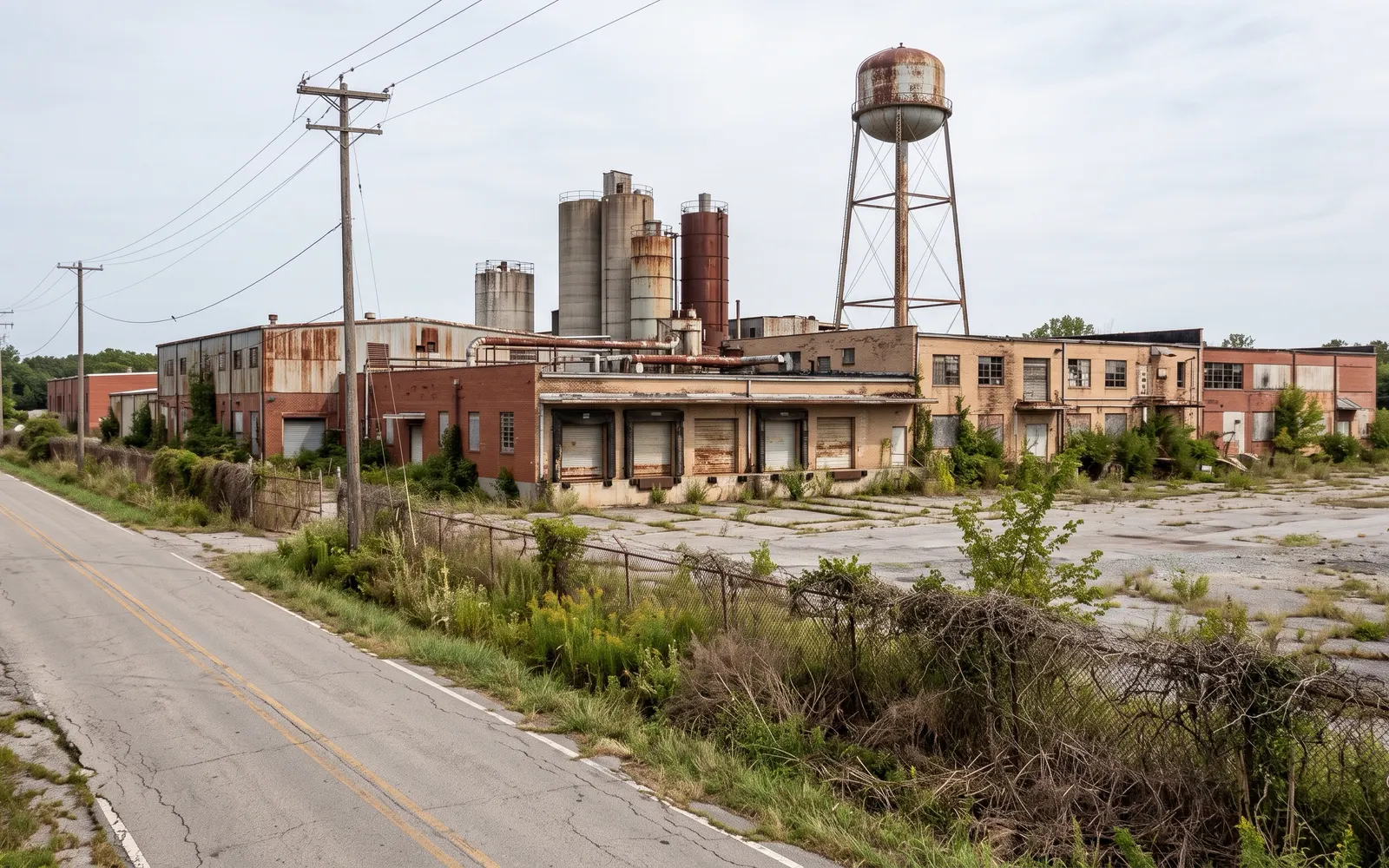
The biggest property in Chemung is empty. The former dairy plant at 6303 Maxon Road opened under Dean Foods in 1927 and closed on July 9, 2022, under NDSM Holdings, a venture of Borden Dairy and Select Milk Producers, according to Shaw Local's June 2022 report. Local economic development officials said then that it could suit other food or beverage production.
It is still marketed for sale. The CBRE listing describes a 180,500-square-foot, two-story manufacturing building on 24.7 acres in an Opportunity Zone, bordering a Union Pacific rail spur, with two 4,000-amp electrical services and 21 docks, pricing on request. A ZoomProspector property report last updated May 28, 2025 adds the plant's three wells, water tower and on-site wastewater plant. I have not seen a buyer announced. For a homeowner at the crossroads, the practical point is that whatever reuses that building will set the traffic, noise and truck pattern on Maxon Road and Route 173.
North of Harvard, the conservation side is growing. On December 23, 2025, the Lake and McHenry County Scanner reported that the Conservation District bought 55 acres in Chemung Township, on the east side of Route 14 north of Yates Road, for $484,000, as the first parcel of its Big Foot Woods Oak Legacy Project. The oaks there are estimated at 300 to 400 years old, and a $369,900 state grant covered most of the price.
Harvard's own problem property is on its north side. According to Shaw Local on September 11, 2026, the city declared the 1.5-million-square-foot former Motorola campus on North Division Street unsafe for occupancy in April 2026, and a $126.7 million foreclosure action was filed on August 20, 2026. It is in the city, not Chemung, but it is the largest building in the area and its future matters to the local tax base.
I don't label any town or neighborhood as safe or unsafe.
Flood Risk and Drainage in Chemung
The crossroads itself sits outside the mapped floodplain. When I queried FEMA's National Flood Hazard Layer in September 2026, the Route 173 and Oak Grove Road corner and the streets east of it came back as Zone X, "area of minimal flood hazard," on McHenry County panel 17111C0025J, effective November 16, 2006. Piscasaw Creek is the exception. The same query shows a Zone A strip, the high-risk 100-year floodplain, along the creek roughly half a mile west of the corner. A mapped Zone A can mean required flood insurance on a mortgage.
At the ZIP level, Redfin, using First Street's model, rates 60033's flood risk as minor, with 238 properties, about 5%, at risk of severe flooding over the next 30 years.
Two checks before you write an offer. Look the address up on the FEMA map, and if the parcel touches the creek or a drainage ditch, ask the county about its floodplain and stormwater rules before you plan an addition or outbuilding. And ask the seller directly about water in the basement and where the sump discharges. On older rural houses, the follow-up question about what they did about it is the one that matters.
Frequently Asked Questions
Is Chemung, IL incorporated?+
No. Chemung is an unincorporated census-designated place in McHenry County, straddling Chemung and Dunham townships about a mile west of the Harvard city limits. It has no village government; the county, the townships and the Harvard Fire Protection District provide the services a city would.
What is the ZIP code for Chemung, IL?+
60033. Chemung's own post office closed in 1943, and homes there use a Harvard, IL 60033 mailing address even though they are outside Harvard's city limits.
What does it mean to live in unincorporated Chemung?+
The McHenry County Sheriff patrols, the township road districts maintain local roads, permits and zoning go through the county, and homes use private wells and septic. There is no city levy on the tax bill, and a Harvard Diggins Library card costs $160 a year.
How much does a house cost in Chemung, IL?+
No provider publishes a Chemung median. The 2020-2024 ACS puts the median home value in the Chemung CDP at $184,500. In the 60033 ZIP, Redfin's median sale price was $309,866 for the three months ending August 2026, and Zillow's August 2026 index was $278,089.
What are property taxes in Chemung, IL?+
Ownwell's April 2026 data puts the 60033 area's median effective rate at 2.38%, ranging from 1.81% to 2.99%. Unincorporated parcels pay no Harvard city or city library levy. At 2.38%, a $278,089 home would carry about $6,620 a year.
Do Chemung homes have city water and sewer?+
Not that I have found. Listing records for homes at the crossroads show a private well and private septic, and the former dairy plant ran its own wells and wastewater plant. McHenry County's Health Department permits and inspects both.
What school district is Chemung, IL in?+
Harvard Community Unit School District 50. Listings at the crossroads show Crosby Elementary, Jefferson Elementary, Harvard Junior High and Harvard High School. Confirm each address with the district, especially on rural parcels.
Is there a Metra station in Chemung?+
No. The Harvard station, about 2.6 miles east, is the end of the UP-NW line. The four early weekday trains reach Ogilvie in 92 minutes, and there were 14 weekday trains to Chicago the week of September 28, 2026.
What happened to the dairy plant in Chemung?+
The plant at 6303 Maxon Road opened under Dean Foods in 1927 and closed on July 9, 2022. The 180,500-square-foot building on 24.7 acres is listed for sale, and no buyer had been announced as of September 2026.
Eshu Chikoti has extensive access to off-market listings throughout Chemung and the rest of McHenry County — homes that never make it to the public listing sites. That matters right now: in a seller's market like this one, well-priced homes routinely go under contract within days, and buyers relying only on public listings are competing for whatever is left over. Working with someone plugged into off-market inventory means seeing homes before the crowd does.
Eshu Chikoti · 847-691-4282 ·
Get new Chemung listings by email
When a home comes on the market in Chemung, I'll email it to you.
Just your email. Unsubscribe any time by replying.
Thinking About Chemung?
Whether you're buying, selling, or just curious what's on the market, I can walk you through Chemung street by street.