Zion, IL
Zion, IL is a Lake Michigan city of about 24,600 people, planned from scratch in 1900 on a grid of Bible-named avenues, with some of Lake County's lowest home prices and one of its highest tax rates.
Living in Zion, IL means a median sale price near $287,000 this summer, Illinois Beach State Park on the city's edge, and an 80-minute express train to Ogilvie. The trade-off is a property tax rate around 3.4% of value and a mostly car-dependent layout. Here is how it breaks down.
Written by Eshu Chikoti · 847-691-4282 ·
How Zion, IL Got Here: A Planned City from 1900
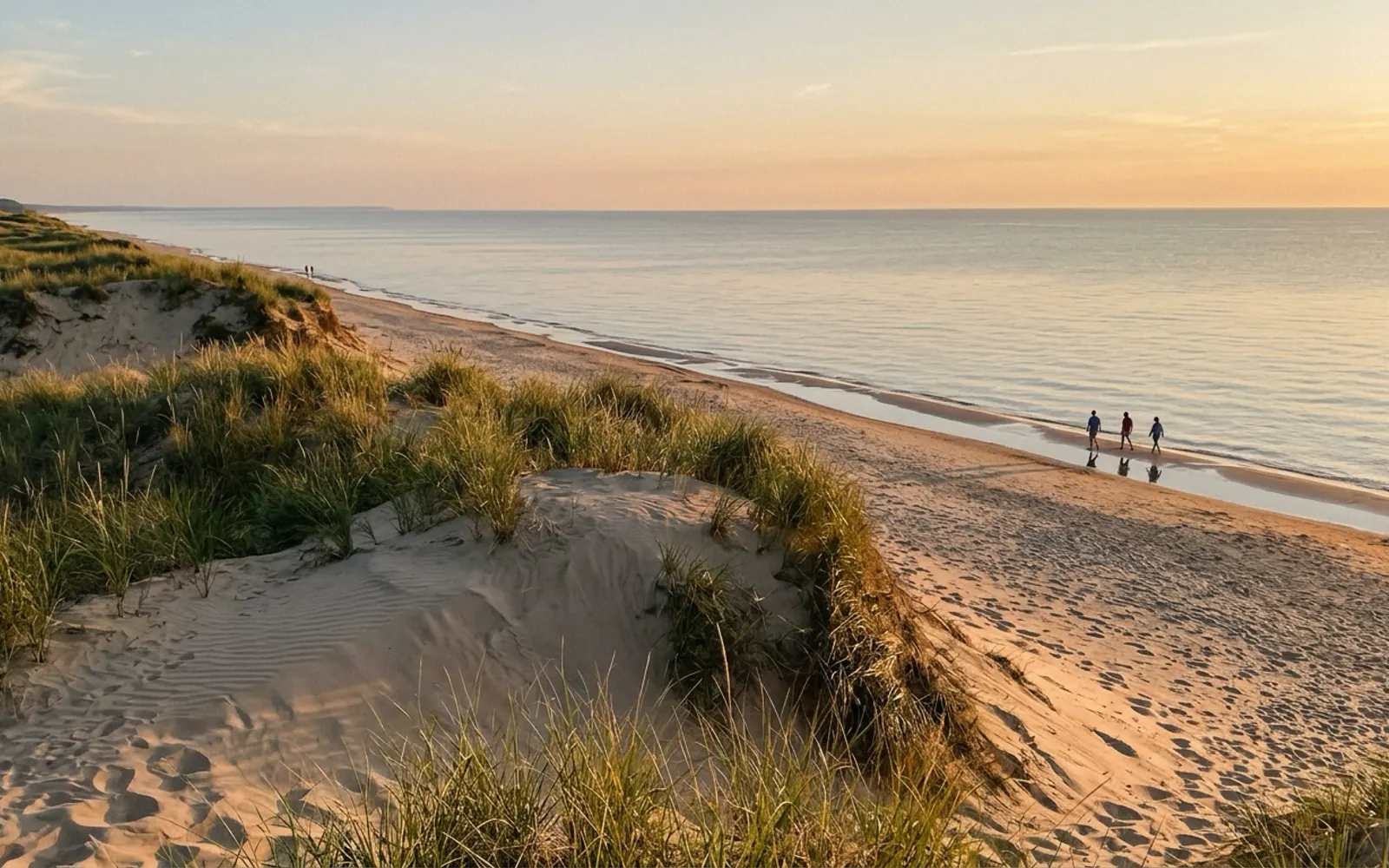
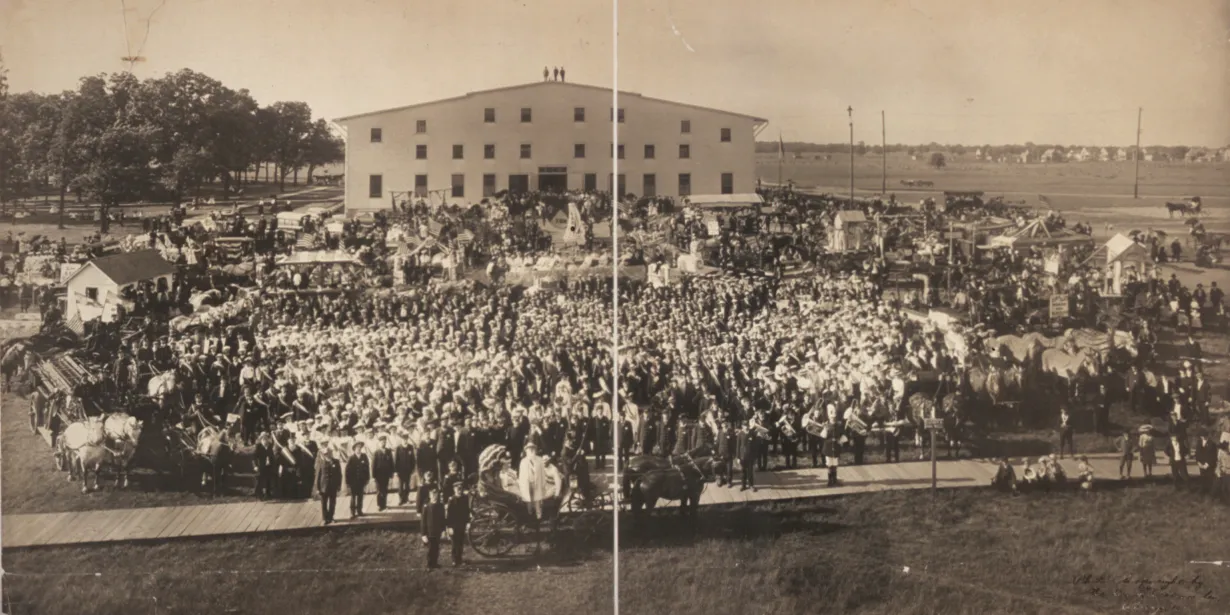
Zion is one of the few towns in Illinois that was drawn on paper before anyone lived in it. The evangelist John Alexander Dowie, who led the Christian Catholic Church in Chicago, secured about 6,600 acres of lakefront farmland and dedicated it as Zion City on July 14, 1900, according to the Zion Historical Society. Lots opened to the public on July 15, 1901, and the first house went up that August.
Dowie did not sell the land outright. He leased it for 1,100 years, with restrictions written into the leases, and he owned most of the businesses in town. The rules were strict: no alcohol, no tobacco, no pork, no theaters. The city was meant to be run by the church, and for its first years it was.
The part of that plan you still see every day is the street grid. Numbered streets run east to west. The avenues running north to south carry names Dowie took from the Bible: Ezekiel, Elisha, Gilead, Enoch, Gideon, Jethro, Gabriel and dozens more. Every Zion address you look at in a listing is a small piece of that 1900 plan, and once you learn the pattern, finding a house is easier here than in most Lake County towns.
The theocracy did not last. Dowie had a stroke in September 1905, was deposed in 1906 and died in March 1907. His successor, Wilbur Glenn Voliva, ran the church and much of the city for decades and is remembered mostly for promoting a flat-earth doctrine. The original tabernacle burned in 1937, and over the following years Zion became an ordinary city with ordinary government.
The next chapter that shaped Zion was industrial. Commonwealth Edison built a two-unit nuclear plant on the lakefront that ran from 1973 until 1997. That plant, and its closure, explain more about Zion's tax bills today than anything else, which is why it gets its own sections further down.
Zion at a Glance
Zion covers about 9.9 square miles in the northeast corner of Lake County, roughly 42 miles north of the Loop and a few minutes south of the Wisconsin line. Lake Michigan and Illinois Beach State Park form the east edge. Winthrop Harbor is to the north, Beach Park to the west and south, and Waukegan beyond that.
The 2020-2024 Census ACS puts the population at 24,600 and counts 9,374 housing units. Of the 8,813 occupied homes, about 57.8% are owner-occupied and the rest are rented. About 64% of all units are detached single-family houses.
Here is a detail that catches out-of-area buyers. The 60099 ZIP code covers Zion and much of Beach Park, so a listing that says "Zion, IL" may sit in the Village of Beach Park. Redfin, for example, files subdivisions like Heatherstone and Sheridan Road Park under Beach Park. The municipality decides which police department, which village services and which tax code you get, so I always check the parcel before running numbers on a house.
Zion runs a commission form of government: a mayor and four commissioners, each commissioner overseeing a group of city departments. Billy McKinney, a former NBA player, has been mayor since 2019. City Hall is at 2828 Sheridan Road.
You get a state park, a beach and a marina within a few minutes, a planned grid that is easy to live in, and a Metra station that goes straight to the Loop.
The costs are real, and I would rather you hear them from me. The tax rate is among the highest in the county, so the monthly payment is closer to pricier towns than the list price suggests. Confirm the district for a specific address with the district office, and read each district's profile on the Illinois Report Card at illinoisreportcard.com. The train ride is 80 to 90 minutes. And the nearest general hospital is in financial trouble.
Zion Neighborhoods, Pocket by Pocket
Zion has no official neighborhoods, but the housing splits cleanly by age, and age tracks location. The oldest homes sit in the original 1900 plat in the middle and east of the city, on the Bible-named avenues around Shiloh Boulevard and Sheridan Road. Moving west and south, the lots get bigger and the houses get newer, ending in the 1990s and 2000s subdivisions near the Beach Park line.
The second split is the lake. Streets closest to Illinois Beach State Park and the lakefront feel different from the blocks along the Route 173 commercial strip.
Below are the names you will see on listings. Some are official subdivisions, some are informal, and as I noted above, a few of them are actually in Beach Park even though the address says Zion. If you want to know which municipality and which school a specific address falls in, and what that pocket has sold for lately, that is a conversation I am happy to have here.
The question I hear most from Zion buyers is not about finishes. It is whether the tax bill on a specific house will jump after the sale. That depends on the parcel far more than on the neighborhood name, which is why I check it house by house.
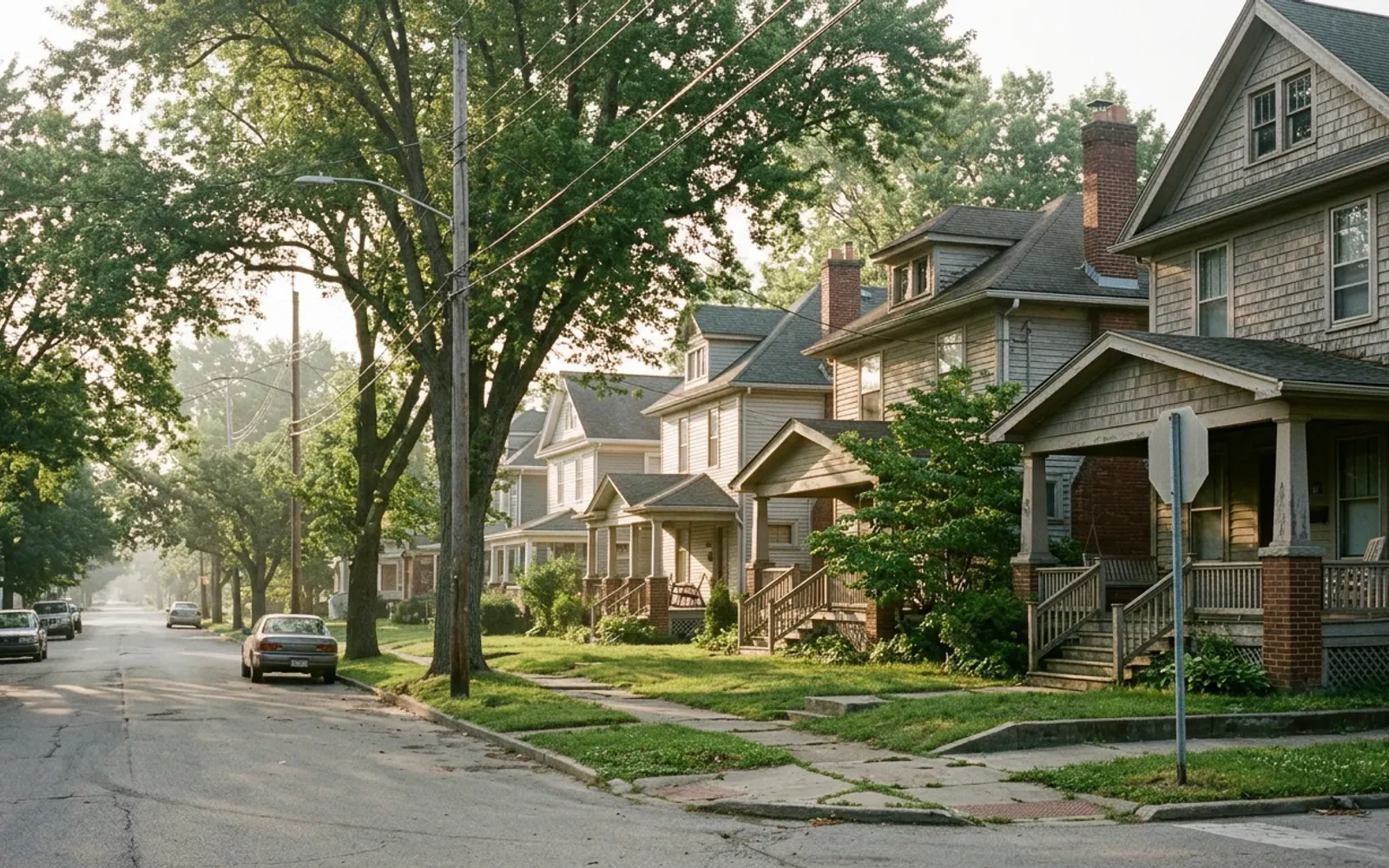
The historic core. The original 1900 plat around Shiloh Boulevard, Sheridan Road and the Bible-named avenues. Early-1900s cottages, foursquares and bungalows on narrow lots, close to Shiloh Park and the Metra station.
Beulah Park. East side, near the lakefront and the state park. Beulah Park Elementary on Gilboa Avenue takes its name from the area.
Shore Acres and Dunes Manor. Names you will see for blocks toward the lake and the dunes. Ask for the build year on each house; the mix varies.
Sheridan Road Park. Along the Sheridan Road corridor. Redfin files this area under Beach Park, so confirm the municipality on every listing.
Heatherstone and Cambridge at Heatherstone. Newer subdivisions on the west side, with larger homes and bigger lots than the historic core. Redfin also files these under Beach Park.
Bridlewood, Covenant Cove, Clear Creek Estates and Schoenbrunn Estates. Smaller named subdivisions you will see on listings. Ask for the build year, the municipality and the school assignment on each one.
What Zion Homes Look Like, by Era
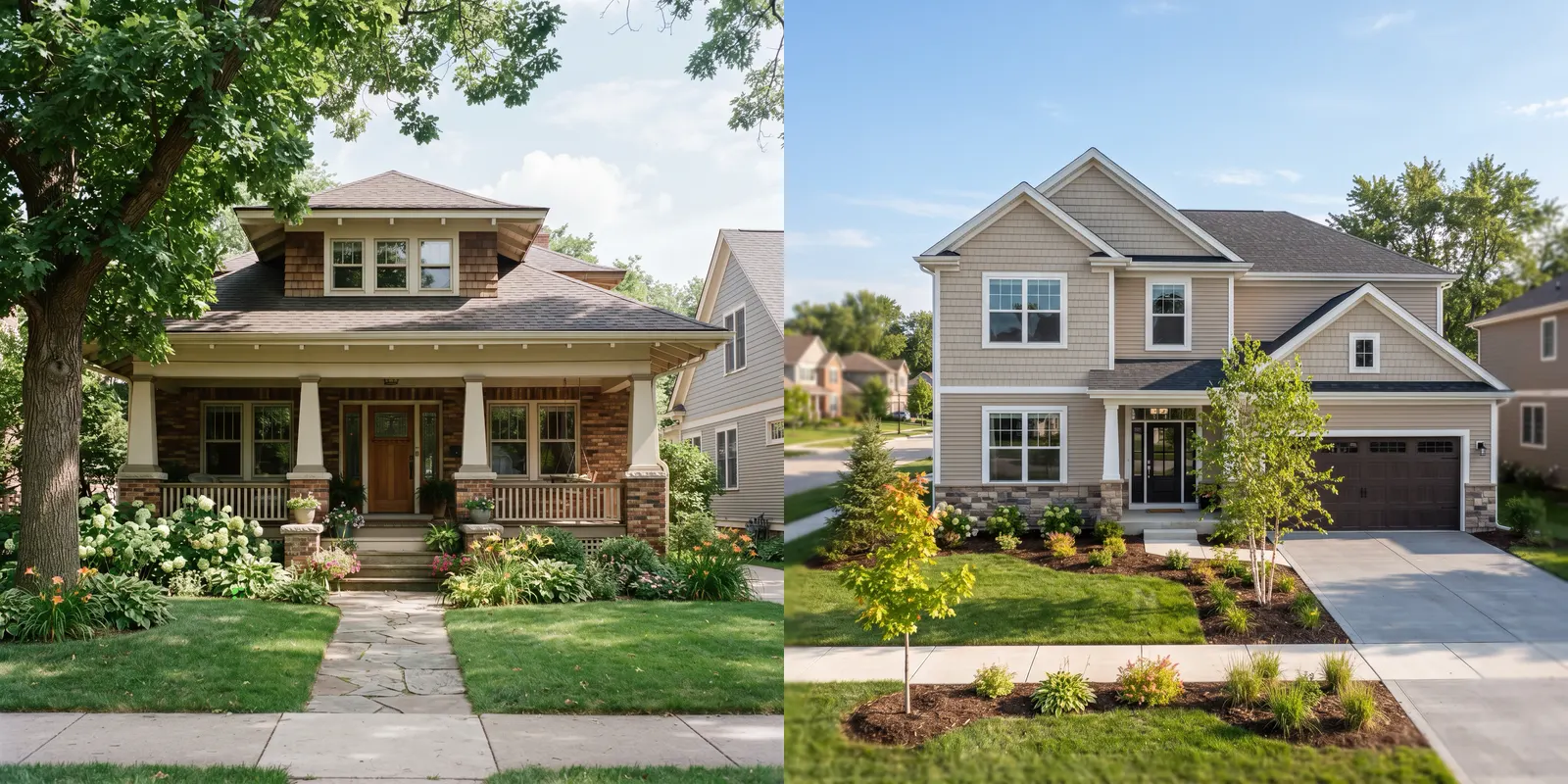
Zion has three layers of housing, and knowing which one you are touring changes what you should inspect. The first layer is the original city from the 1900s through the 1920s: small cottages, foursquares and early bungalows on the narrow lots Dowie's planners laid out. Many have been updated more than once. Some have not been touched in decades.
The second layer is postwar. Ranches, split-levels and bi-levels from the 1950s through the 1970s fill much of the city. The Census ACS puts the median year built for Zion's housing at 1971, which tells you this middle layer is the bulk of what you will see.
The third layer is the 1990s and 2000s subdivisions on the west side, with larger two-story homes, attached garages and more yard. Across all three, Zion is a starter and move-up market. Three- and four-bedroom houses under $400,000 are the norm, and luxury product is rare.
Rentals are a bigger part of the picture here than in most Lake County towns. About 42% of occupied homes are renter-occupied, and the ACS median gross rent is $1,186, well under county levels. If you are weighing whether to rent or buy here, my rent vs buy breakdown for Lake County works through the math.
On the oldest houses, the surprises I see are the same ones you find in any hundred-year-old home: older wiring, old plumbing lines, foundations that have settled and basements that have taken on water. None of that should scare you off. All of it belongs in the price, and my home inspection checklist is a good place to start.
The Zion Housing Market in 2026
Zion is one of the least expensive places to buy in Lake County, and prices are still rising. In the three months ending August 2026, Redfin reported a median sale price of $287,260, up 6.4% from a year earlier. Median price per square foot was $186, up 1.4%. Homes sold at 101.4% of list price on average, and Redfin gives Zion a Compete Score of 66 out of 100, which it calls somewhat competitive.
Zillow's home value index agrees on direction. For August 2026 it puts the typical Zion home at $254,581, up 6.9% from August 2025 and up about 12.8% from August 2024. The two numbers differ because Redfin's median is the middle of what happened to sell this summer, while Zillow estimates the value of every home in the city, sold or not. When both move the same way, I trust the trend.
The market is a little slower than a year ago. Redfin shows homes taking a median of 57 days to sell, up from 51, and 62 sales in August 2026 compared with 76 in August 2025. A well-priced house still sells, and Redfin notes that the hottest listings go for about 3% over asking in around 41 days. An overpriced one sits.
For a sense of range, Redfin's list of Zion sales closed between September 11 and 21, 2026 ran from $180,000 for a three-bedroom to $380,000 for a four-bedroom. That spread is mostly age, size and condition. For the bigger picture across the county, see my Lake County market report for Q3 2026.
If you are coming to Zion as a first purchase, the price point puts it within reach of the state's assistance programs. My guide to Illinois first-time buyer programs covers what is available in 2026.
Zion Property Taxes and Why They Run High
Property tax is the number that decides whether a Zion house is actually cheap. Ownwell's data, updated April 2026, puts Zion's median effective rate at 3.41%, against 2.61% for Lake County and 2.33% for Illinois. The median bill is $6,359, with the middle half of bills between $4,890 and $8,018. The dollar amounts are lower than the county median of $8,402 because the homes cost less. The rate is what stands out.
Here is what that looks like on a purchase. At 3.41%, a house bought at this summer's $287,260 median would eventually carry about $9,800 a year in tax, roughly $815 a month on top of the mortgage. The current bill on that house may be lower, because assessments lag the market, but the assessor tends to catch up after a sale. The expectation I most often have to reset is a buyer who budgets off the seller's current bill.
The reason for the high rate is the nuclear plant. According to the Nuclear Decommissioning Collaborative, the plant paid about $20 million a year in local property taxes while it ran, more than half of the local tax base, and about $500,000 a year after it closed. The schools, park district and city still had costs, so the burden shifted onto homes and businesses. WITF reported in 2019 that some residents' bills had quadrupled since the closure.
There is some relief. Illinois' 2021 clean energy law included payments to Zion meant to make up for the lost plant taxes, which Patch reported could reach $2.25 million a year. Whether that shows up on a given bill depends on how each taxing body uses it, so I would not count on it in a budget.
If you already own in Zion and think your assessment is high, my Lake County property tax appeal guide walks through the process and the deadlines. This is general information, not tax advice. Your actual bill depends on your parcel, your exemptions and the assessor.
Zion Schools: District 6 and Zion-Benton High School
Most of Zion is served by Zion Elementary School District 6 for pre-kindergarten through eighth grade and Zion-Benton Township High School District 126 for high school. According to GreatSchools, District 6 enrolls about 2,106 students across eight schools. The district is organized by grade level, so a student moves between buildings, for example from an early childhood school to Elmwood or West for grades 3 to 5 and then to a middle school.
District 126 enrolls about 2,481 students and also serves Beach Park and Winthrop Harbor. Its main campus, Zion-Benton Township High School, has about 2,114 students. New Tech High at Zion-Benton East, the district's smaller project-based school, has about 419 students.
Confirm the district for a specific address with the district office, and read each district's profile on the Illinois Report Card at illinoisreportcard.com.
Assignment depends on the address. Some homes with Zion mailing addresses sit in neighboring districts, especially near the Beach Park and Winthrop Harbor lines. Check each address with the district directly before you write an offer, and ask me for the boundary if you want it done for a specific house.
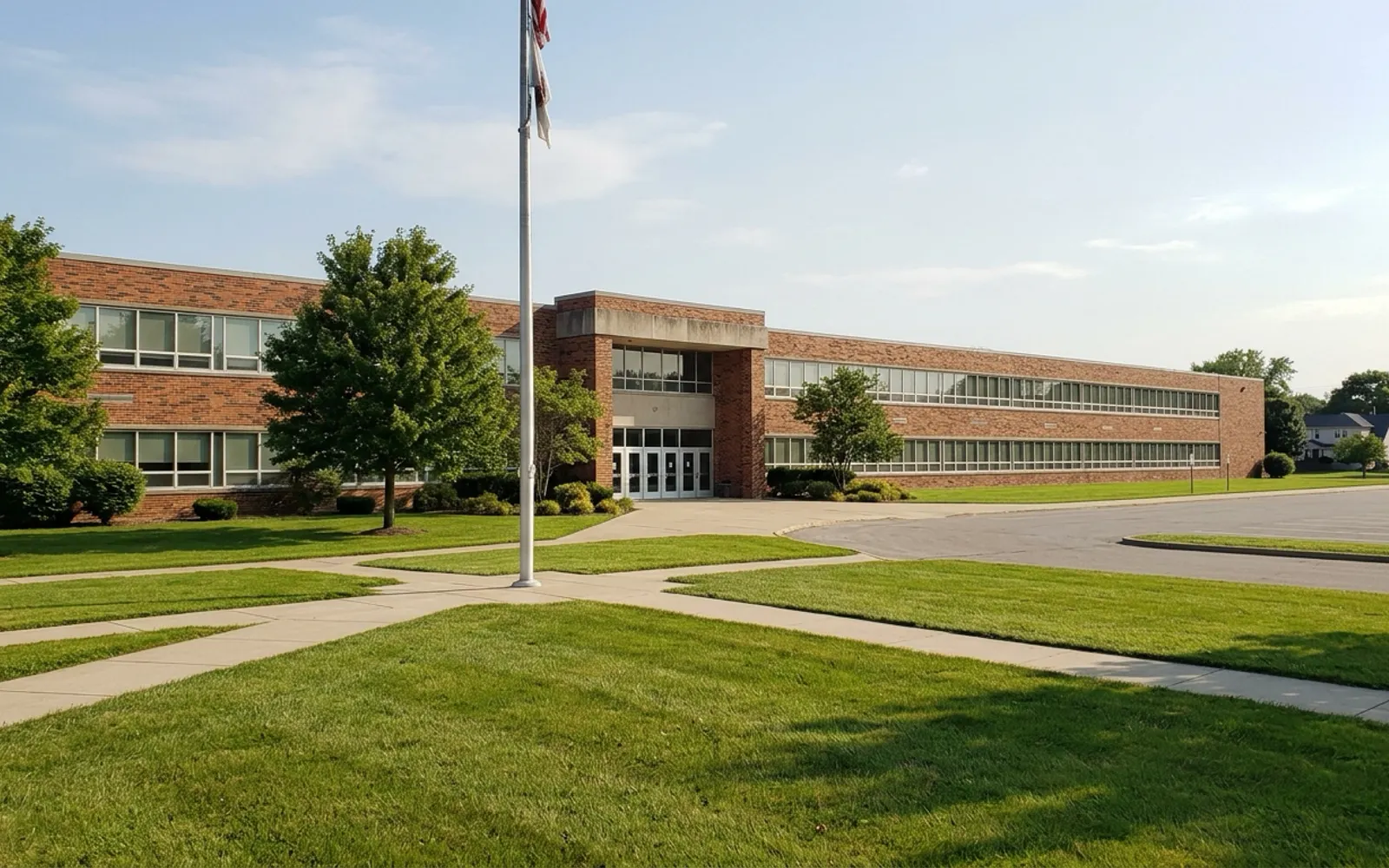
Beulah Park Elementary School. 1910 Gilboa Ave. Pre-K and early grades, District 6.
East Elementary School. 2913 Elim Ave. Pre-K and early grades, District 6.
Lakeview School. 2200 Bethesda Blvd. Pre-K and early grades, District 6.
Elmwood Elementary School. 3025 Ezra Ave. Grades 3–5, District 6.
West Elementary School. 2412 Jethro Ave. Grades 3–5, District 6.
Shiloh Park Elementary and Middle School. 2635 Gabriel Ave. District 6.
Zion Central Middle School. 1716 27th St. District 6.
Zion-Benton Township High School and New Tech High at Zion-Benton East. District 126.
Commuting from Zion: Metra to Chicago
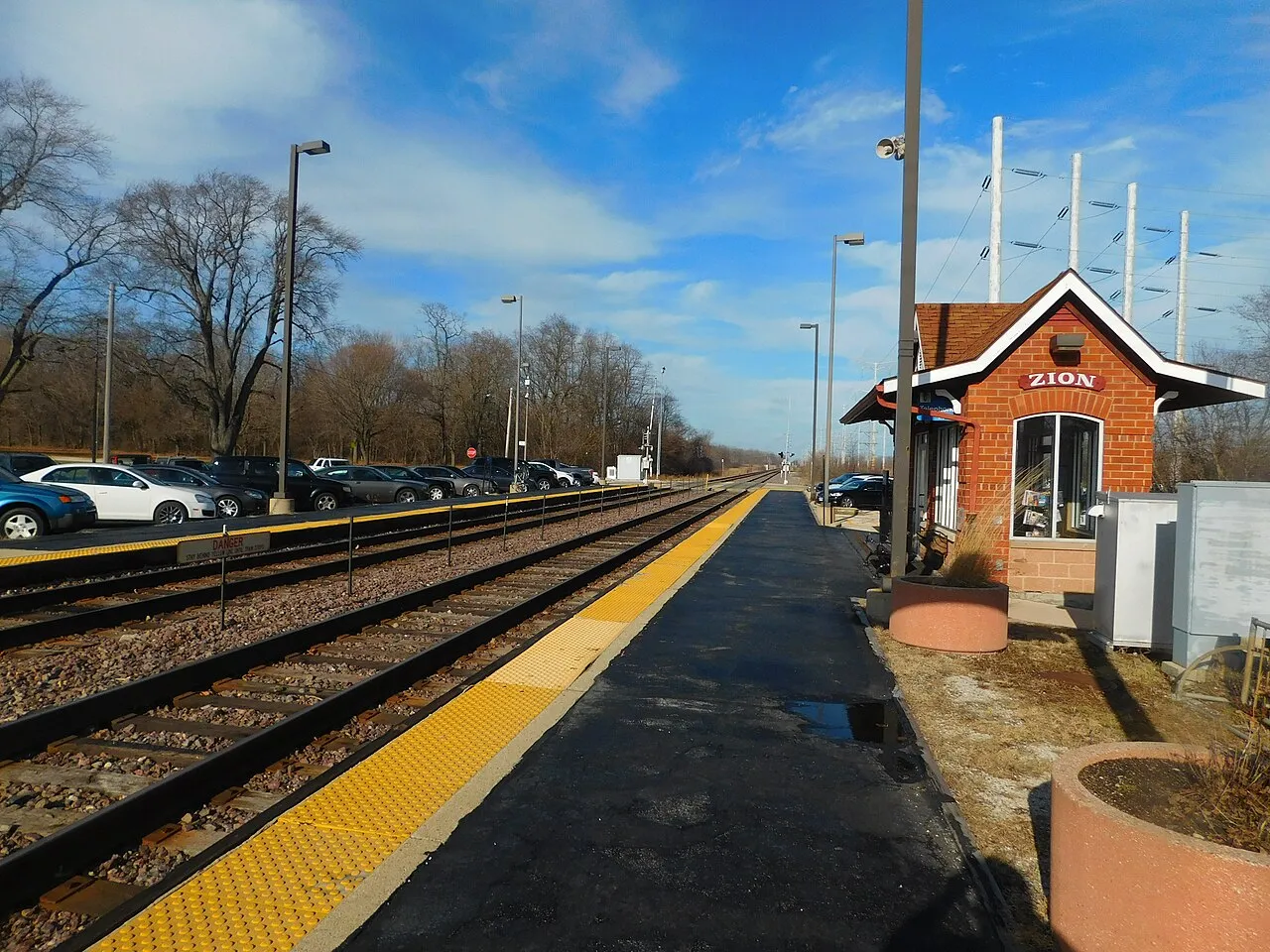
Zion has its own station on Metra's Union Pacific North line, a one-seat ride to Ogilvie Transportation Center in the Loop. It is in fare zone 4, and the trains that stop here start two stops north in Kenosha, Wisconsin. Based on Metra's current UP-N schedule for September 2026, 10 trains leave Zion for Chicago on weekdays and 9 come back. On Saturdays and Sundays it is 8 each way.
The ride time depends on the train. The five morning expresses that leave Zion between about 6:20 and 8:20 a.m. reach Ogilvie in 80 minutes. The first train, just before 5 a.m., and the midday and evening trains make more stops and take about 90. Weekend trains take about 90 minutes. Evening expresses back from the city run about 77 minutes.
That is one of the longer rides in the Metra system. If you are in the Loop five days a week, ride it once at rush hour before you commit.
Pace buses serve Zion for local trips, and the station works in the other direction too. Kenosha is one stop past Winthrop Harbor, which makes Zion practical for anyone working in southeastern Wisconsin.
Driving from Zion: Highways and Getting Around
Sheridan Road is Zion's main north-south road, running from Waukegan and North Chicago in the south to Winthrop Harbor and the Wisconsin line in the north. Route 173 runs east-west across the city and out to an interchange with I-94, the Tri-State Tollway, on the far west side. Lewis Avenue and Green Bay Road are the other north-south routes most people use.
From I-94, Gurnee is a short hop south, Milwaukee is north, and downtown Chicago is at the far end of the Edens. The drive into the city is long and the traffic on I-94 is unpredictable, so most downtown commuters I talk to take the train and use the car for everything else.
Inside the city, the planned grid makes getting around simple. Numbered streets go east-west, Bible-named avenues go north-south, and the major boulevards were designed to point toward the old city center. After a week you stop needing the map.
Is Zion Walkable?
Mostly not. Walk Score rates Zion 40 for walking, which it calls car-dependent, and 46 for biking. It counts about 42 restaurants, bars and coffee shops in the city, but the average resident can walk to fewer than one of them in five minutes. Most errands take a car.
The exception is the historic core. The original grid has sidewalks, short blocks and the Metra station, Shiloh Park and City Hall within walking range. The west-side subdivisions were built for driving.
Where Zion does well is recreation. The Robert McClory Bike Path, a regional trail on an old rail corridor, runs north to south through the area, and Illinois Beach State Park's own trails start at the city's edge. A long ride or walk along the lake is easy from almost anywhere in town.
Shopping In and Around Zion
Everyday shopping in Zion runs along Sheridan Road, Route 173 and Lewis Avenue: strip centers, discount stores, auto parts, pharmacies and local shops. It covers the weekly basics. It is not a shopping destination, and nobody who lives here will tell you it is.
For bigger trips, Gurnee is the answer. Gurnee Mills, one of the largest outlet malls in the Midwest, and the Grand Avenue strip of national retailers are a short drive south and west. Kenosha, just over the state line, has its own big-box corridor and outlets. My Gurnee guide covers that side of the county.
Groceries and Everyday Errands in Zion
Groceries in Zion are covered mostly by ALDI and Jewel-Osco, along Sheridan Road and Lewis Avenue. For a wider selection, including warehouse and big-box grocery, most people drive a few minutes into Waukegan or Gurnee, where more chain grocers and big-box stores are within reach. Pharmacies, banks and quick errands cluster along Route 173 and Sheridan Road.
Where Zion Eats
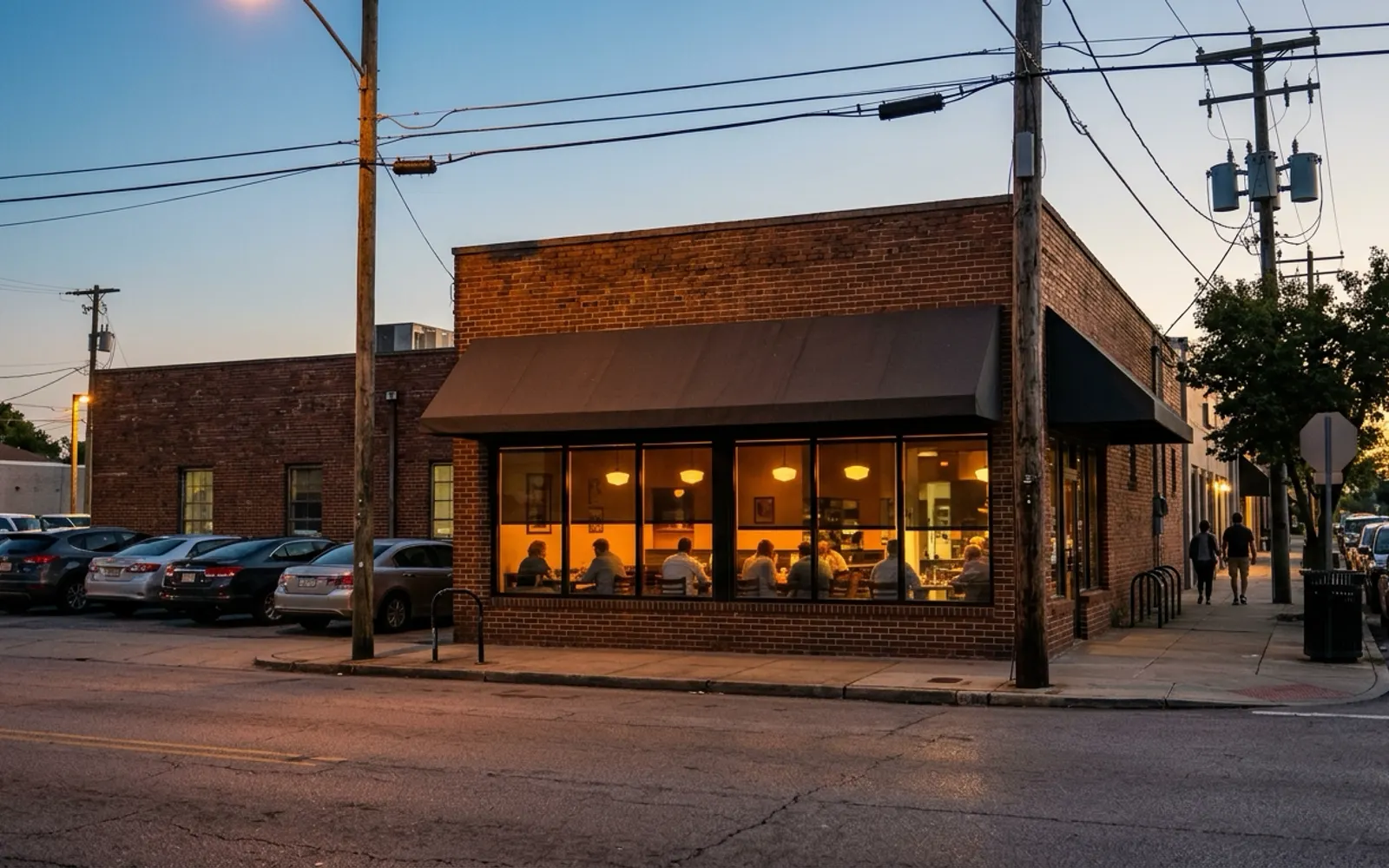
Zion's restaurants are casual and mostly local: diners, pizza, taquerias, sandwich shops and a few long-running spots along Sheridan Road and the 27th Street corridor. It is a practical food scene rather than a destination one. For more variety, Waukegan's downtown, Gurnee and Kenosha's lakefront are all within about 15 to 25 minutes.
One history note that surprises people: Dowie's founding rules banned alcohol outright, so Zion started life as a dry city. Ask any longtime local and you will hear how slowly the bar and restaurant scene grew from there.
Illinois Beach State Park and Zion's Parks
Zion's biggest amenity is the one it does not have to maintain. Illinois Beach State Park covers about 4,160 acres with more than six miles of Lake Michigan shoreline, split into a south unit next to Zion and a north unit in Winthrop Harbor. It holds dunes, wetlands, prairie and black oak savanna along the Dead River, on a beach-ridge landscape thousands of years old. The south area was named a National Natural Landmark in 1980, and in 2015 the wider shoreline was listed as a wetland of international importance under the Ramsar Convention. Swimming, hiking, camping, birding and fishing are all a few minutes from most Zion homes.
In town, the Zion Park District, in operation since 1946, runs the local parks and programs. Shiloh Park is the flagship. Port Shiloh Pool at 1501 Shiloh Boulevard is the outdoor pool, with a summer season and daily and season passes. The district also runs Hermon Park Center, the Leisure Center and a fitness studio at its Sports Arena.
Golf is unusually easy here for a city this size. The park district operates two courses, Shiloh Park Golf Course and Shepherd's Crook Golf Course. North Point Marina, one of the largest marinas on the Great Lakes, is just north in Winthrop Harbor; my Winthrop Harbor guide covers it.

Illinois Beach State Park, south unit. Beach, dunes, trails, campground and nature center on Zion's lakefront.
Shiloh Park. The park district's flagship park, with shelters, sports fields and courts.
Port Shiloh Pool. 1501 Shiloh Blvd. Outdoor pool, summer season.
Shiloh Park Golf Course and Shepherd's Crook Golf Course. Both run by the Zion Park District.
North Point Marina. Just north in Winthrop Harbor, one of the largest marinas on the Great Lakes.
The Zion-Benton Public Library
The Zion-Benton Public Library District, at 2400 Gabriel Avenue in the historic core, serves Zion along with Beach Park and Winthrop Harbor. It runs youth and adult programs, study space and the local history materials you will want if you get curious about Dowie's city. It is also one of the best starting points for the archival photos of early Zion City.
Utilities and City Services in Zion
The City of Zion runs water through its Public Works department and posts an annual water quality report; the 2025 report went up in June 2026. ComEd delivers electricity, and the city takes part in an electrical aggregation program, which lets residents buy power from an alternative supplier while ComEd still handles delivery. Nicor Gas provides natural gas. Garbage and recycling are collected under a city contract, and yard waste follows a city policy posted on the same site.
Two small costs newcomers miss: Zion requires a city vehicle sticker, and overnight street parking needs a request through the city. Both are listed on the city website.
Hospitals Near Zion
Zion has an unusual hospital for a city its size. City of Hope's Chicago-area cancer hospital is in Zion, on the campus that began as American International Hospital and became the first location of Cancer Treatment Centers of America in 1988. City of Hope acquired the organization in 2022. It is a specialty cancer center, not a general emergency hospital.
For emergency and general care, the closest hospital is Vista Medical Center East on Sheridan Road in Waukegan. You should know its situation before you rely on it. In September 2026 the Lake and McHenry County Scanner reported that employees' paychecks had bounced, along with unpaid utility bills, delinquent property taxes and foreclosure proceedings. Other options include Advocate Condell Medical Center in Libertyville, Northwestern Medicine Lake Forest Hospital and the hospitals in Kenosha. If a particular hospital matters to you, check its current status and your insurance network.
Shiloh House and Things to Do in Zion
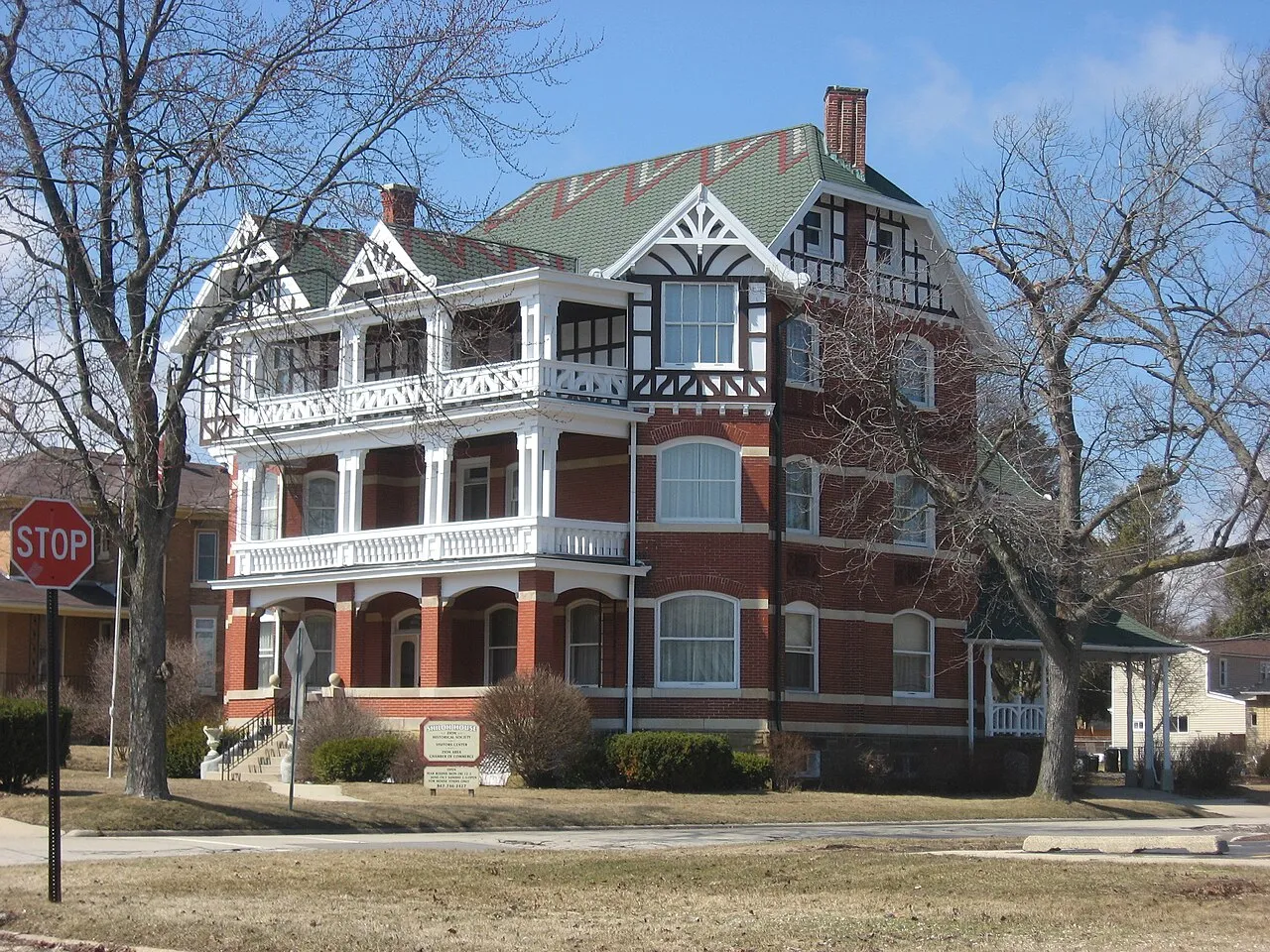
The one stop every visitor should make is Shiloh House, the Swiss chalet-style mansion Dowie moved into in July 1902. It is listed on the National Register of Historic Places and serves as the home of the Zion Historical Society, which runs tours and keeps the story of the founding. If you want to understand why the street signs read the way they do, start here.
Beyond that, most entertainment in Zion is outdoors. The beach and trails at Illinois Beach State Park, the golf courses and the marina just north fill most summer weekends. Six Flags Great America and the restaurant corridor in Gurnee are about 20 minutes away, and Kenosha's lakefront and museums are just across the state line.
Nostalgia Days and Zion's Yearly Traditions
Zion's best-known event is Nostalgia Days, a long-running classic car, truck and motorcycle show that fills the downtown streets in summer, with food vendors and live music alongside. Jubilee Days, a summer concert series in the park and a winter holiday lights display round out the city's calendar. Dates change year to year, so check the city and park district calendars.
The Zion Park District keeps a steady run of smaller events through the year. This fall its calendar includes a Halloween Trail of Treats in Shiloh Park, along with seasonal sports leagues and programs. If you are touring houses on a weekend when one of these is running, go. It tells you more about the town than a listing will.

What's Next for Zion: The Nuclear Site and the Lakefront
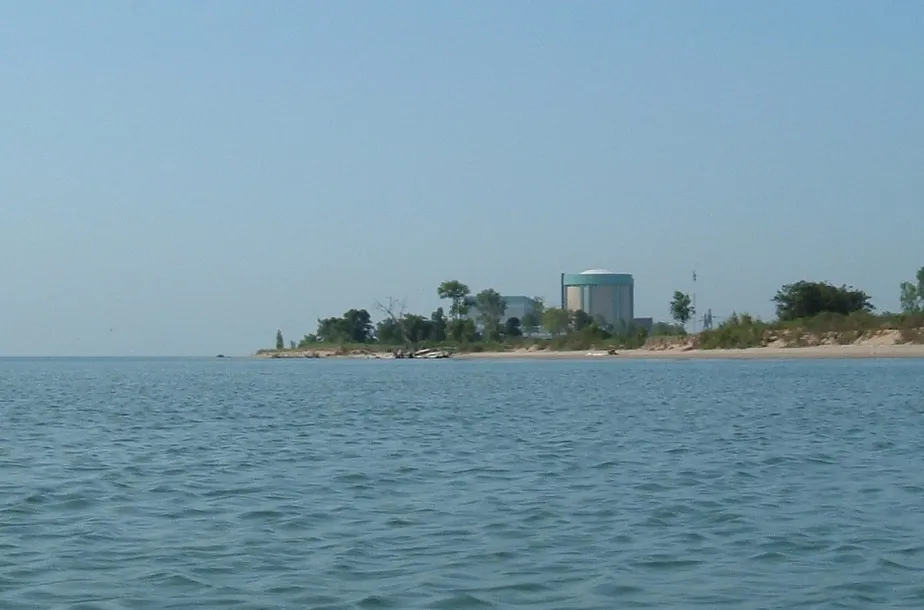
The biggest open question in Zion is the lakefront land where the power plant stood. The plant's two reactors ran from 1973 until 1997, and Commonwealth Edison certified the permanent shutdown in 1998. In 2010 the licenses went to ZionSolutions, a subsidiary of EnergySolutions, which took the plant apart in what World Nuclear News described as a roughly $1 billion project, the largest commercial nuclear plant dismantling ever done in the U.S.
Most guides online still say that about 200 acres of the site are off-limits. That is out of date. In November 2023 the Nuclear Regulatory Commission released most of the roughly 330-acre site for unrestricted use. According to NEI Magazine, only the spent fuel storage pad, about five acres, stays under NRC license, and Constellation Energy is free to use the rest of the site for any purpose. The pad holds about 1,019 metric tons of spent fuel in dry casks, which will stay until the federal government opens a permanent storage site.
What gets built on the rest has not been decided, and I have not seen an approved plan. The site has state enterprise zone status for redevelopment incentives, and NEI Magazine reported in 2023 that Illinois had awarded the community a grant of potentially more than $300 million tied to the closure and the fuel still stored there. For a homeowner, any taxable development on that land is the thing most likely to ease Zion's tax rate over time, which is why I watch it.
Elsewhere, the city's projects are practical. Zion applied for a 2026 Lake County Community Development Block Grant to replace sidewalks and add accessible ramps around the city, according to city council minutes from December 2025.
I don't label any town or neighborhood as safe or unsafe.
Flood Risk in Zion
Flooding is not a citywide problem in Zion, but it is a house-by-house one. Redfin, using First Street's model, rates Zion's overall flood risk as minor, with about 4% of properties at severe risk over the next 30 years. The low ground near the lakefront, the Dead River wetlands and the smaller creeks is where that risk concentrates.
Two checks before you write an offer. Look the address up on the FEMA flood map, because a mapped flood zone can mean required flood insurance on a mortgage. And ask the seller directly about water in the basement. With Zion's older houses, the answer is often "once," and the follow-up question about what they did about it is the one that matters.
Frequently Asked Questions
How much does a house cost in Zion, IL?+
Redfin reported a median sale price of $287,260 for the three months ending August 2026, up 6.4% from a year earlier. Zillow's home value index was $254,581 for August 2026, up 6.9%. Prices vary with age, size and condition.
Why are property taxes so high in Zion, IL?+
The nuclear power plant used to pay about $20 million a year in local property taxes, more than half of the local tax base. After it closed, that burden shifted to homes and businesses. Ownwell puts Zion's median effective rate at 3.41% (April 2026), against 2.61% for Lake County.
What school district is Zion, IL in?+
Most of Zion is in Zion Elementary School District 6 for pre-K through eighth grade and Zion-Benton Township High School District 126 for high school. Some addresses near the Beach Park and Winthrop Harbor lines fall in other districts, so confirm each address.
How long is the Metra commute from Zion to Chicago?+
On the Union Pacific North line, morning express trains reach Ogilvie Transportation Center in about 80 minutes and other trains in about 90. There are 10 weekday trains to Chicago and 8 on weekends.
Is Zion walkable?+
Not citywide. The Walk Score is 40, which is car-dependent. The historic core near Shiloh Boulevard is the most walkable part of town, and the Robert McClory Bike Path and state park trails are good for recreation.
What neighborhoods are in Zion, IL?+
Commonly named areas include the historic core, Beulah Park, Shore Acres, Dunes Manor, Sheridan Road Park, Heatherstone, Cambridge at Heatherstone, Bridlewood, Covenant Cove, Clear Creek Estates and Schoenbrunn Estates. Some areas with Zion addresses are in the Village of Beach Park.
What happened to the Zion nuclear power plant?+
It ran from 1973 to 1997 and was dismantled starting in 2010. In November 2023 the NRC released most of the roughly 330-acre site for unrestricted use. Only a five-acre spent fuel storage pad remains under NRC license, and no redevelopment plan had been approved as of September 2026.
Why do Zion's streets have Bible names?+
Founder John Alexander Dowie planned Zion City as a church-run community in 1900 and named its north-south avenues after people and places in the Bible. The numbered streets run east-west, and the grid is still intact.
Eshu Chikoti has extensive access to off-market listings throughout Zion and the surrounding North Shore — homes that never make it to the public listing sites. That matters right now: in a seller's market like this one, well-priced homes routinely go under contract within days, and buyers relying only on public listings are competing for whatever is left over. Working with someone plugged into off-market inventory means seeing homes before the crowd does.
Eshu Chikoti · 847-691-4282 ·
Towns Neighboring Zion
Most buyers looking at Zion end up touring a couple of the towns next door before they decide. Each of these has a full guide of its own — same depth on schools, commute, taxes, and what the housing stock actually looks like.
Get new Zion listings by email
When a home comes on the market in Zion, I'll email it to you.
Just your email. Unsubscribe any time by replying.
Thinking About Zion?
Whether you're buying, selling, or just curious what's on the market, I can walk you through Zion street by street.