North Aurora, IL
North Aurora, IL is a Kane County village of about 18,700 people on both banks of the Fox River, between Aurora and Batavia, where most of the houses were built after 1990.
Living in North Aurora, IL means newer subdivisions on both sides of the Fox River, West Aurora District 129 schools for most addresses, and a median sale price near $472,000 this summer. The trade-offs are property tax around 2.5% of value, no Metra station inside the village and a Walk Score of 21. Here is how it breaks down.
Written by Eshu Chikoti · 847-691-4282 ·
How North Aurora, IL Got Here: A Short History
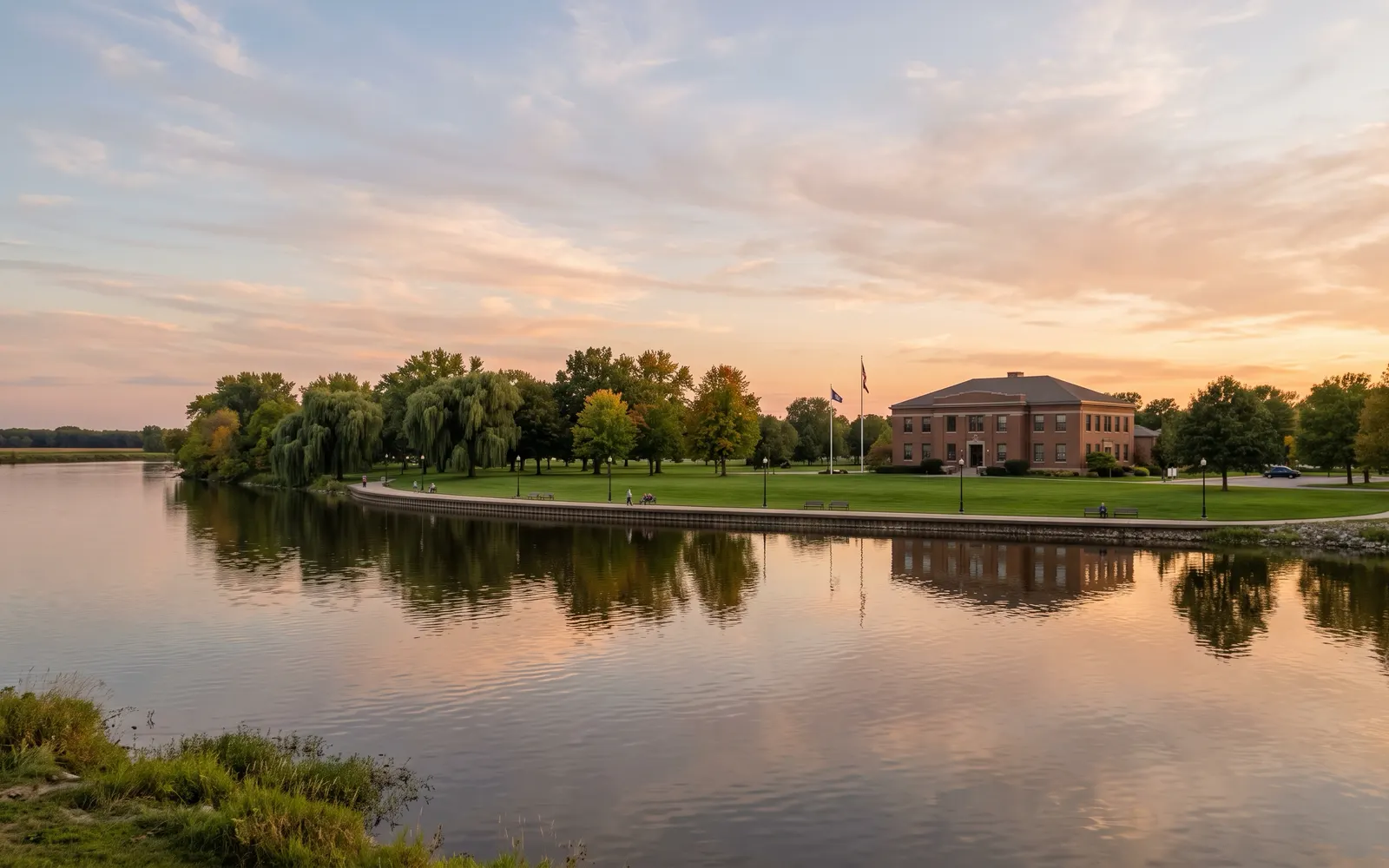
North Aurora started as a mill. In 1834 John Peter Schneider built a mill and a dam on the Fox River here, and for decades the settlement was known as Schneider's Mill or Schneider's Crossing. The name North Aurora came from nothing more romantic than its position on the map, just north of Aurora. According to the village's Wikipedia entry, the 1880 federal census was the first to use it, and the village incorporated in 1905.
For most of the next century North Aurora stayed small. The census counted 352 people in 1910 and 921 in 1950. The village had its own school district until the early 1960s, when it was absorbed into Aurora's West Side district, which is why most North Aurora addresses are still in West Aurora District 129 today.
The real growth came late. North Aurora had 5,940 residents in 1990, 10,585 in 2000 and 16,760 in 2010, and the 2020 census counted 18,261. That is the single most useful fact about the housing here. Most of the homes you will tour were built in one 20-year burst, largely west of the river, and the older village along Route 31 and State Street is a small share of the whole.
The river is still the center of civic life. Village Hall sits at 25 East State Street, next to North Aurora Riverfront Park, and the park is where the village holds its biggest events every year.
North Aurora at a Glance
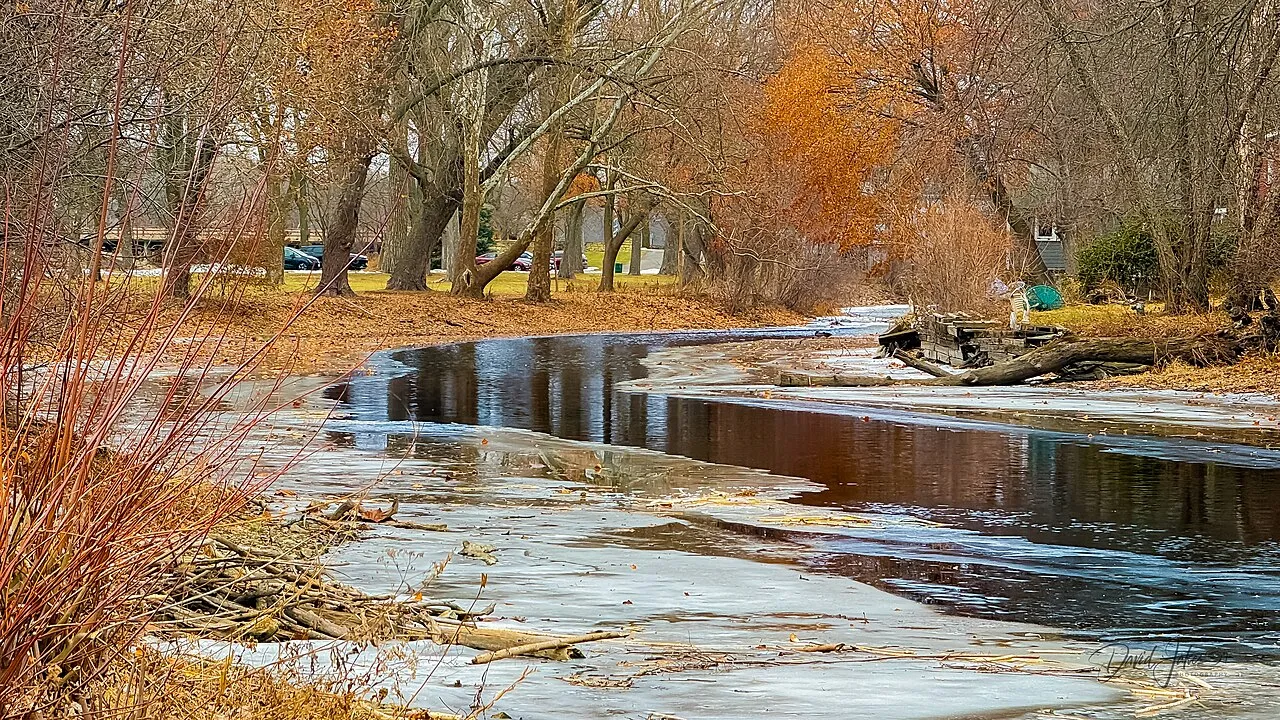
North Aurora sits in southeastern Kane County, bordered by Aurora to the south and east and by Batavia to the north. Interstate 88 runs along its southern edge, and downtown Chicago is about 38 miles east. The whole village is in Kane County, but it spreads across four townships (Aurora, Batavia, Blackberry and Sugar Grove), which matters when you start comparing tax bills.
The 2020-2024 Census ACS puts the population at 18,696 across about 7.6 square miles of land. There are 7,232 housing units, and 72.3% of occupied homes are owner-occupied. About 63% of the housing is single-family detached and another 14% is townhomes and other attached single-family homes, with the rest in small and mid-sized apartment and condo buildings.
The village is easiest to understand as three strips running north to south. The Fox River and Route 31 (Lincolnway) form the old core in the east. Randall Road is the big commercial spine in the middle. Orchard Road and the land west of it are the newest part of town, with the I-88 interchange, the Towne Center and the largest subdivisions. The village's own garbage schedule uses exactly that split: west of Randall, between Randall and the river, and east of the river.
The one thing North Aurora does not have is a traditional downtown. The village's comprehensive plan lists a downtown or community focal point as a top resident priority and points to the Route 31 and Route 56 area near the river as the natural spot for it.
You get mostly post-1990 construction, property tax at the Kane County average rather than above it, and a summer median well below Naperville's or Geneva's.
North Aurora Neighborhoods, Pocket by Pocket
North Aurora has no official neighborhoods, but it splits cleanly into three areas, and the subdivision names on listings tell you which one you are in. The oldest homes are near the river. The middle band between Route 31 and Randall Road is mostly 1970s through 1990s subdivisions. West of Randall, and especially west of Orchard Road, is where the 2000s building boom happened and where new lots are still being platted.
The village's own planning documents describe that same pattern. Its comprehensive plan calls the center of the village its oldest neighborhoods, marks Autumn Ridge and Moose Lake Estates as incomplete subdivisions that should fill in first, and labels much of the land west of Orchard Road as estate residential, meaning large lots and some farmland that may be annexed and subdivided later. Some of the land on the edges, like the Deer Oaks subdivision off Deerpath Road, is still unincorporated Kane County, which means different zoning, often a well and septic system, and no village services.
That last point is the one I would check first on any house with a Kane County grid address such as "3S" or "4S" in the street number. Ask whether the home is on village water and sewer or on a private well and septic, and whether it is inside the village limits. It changes the inspection, the utility bills and sometimes the lender's requirements.
Boundaries below are informal and drawn from village documents, so treat them as a starting point. If you want to know which pocket a specific address falls in and what that pocket has sold for lately, that is a conversation I am happy to have here.
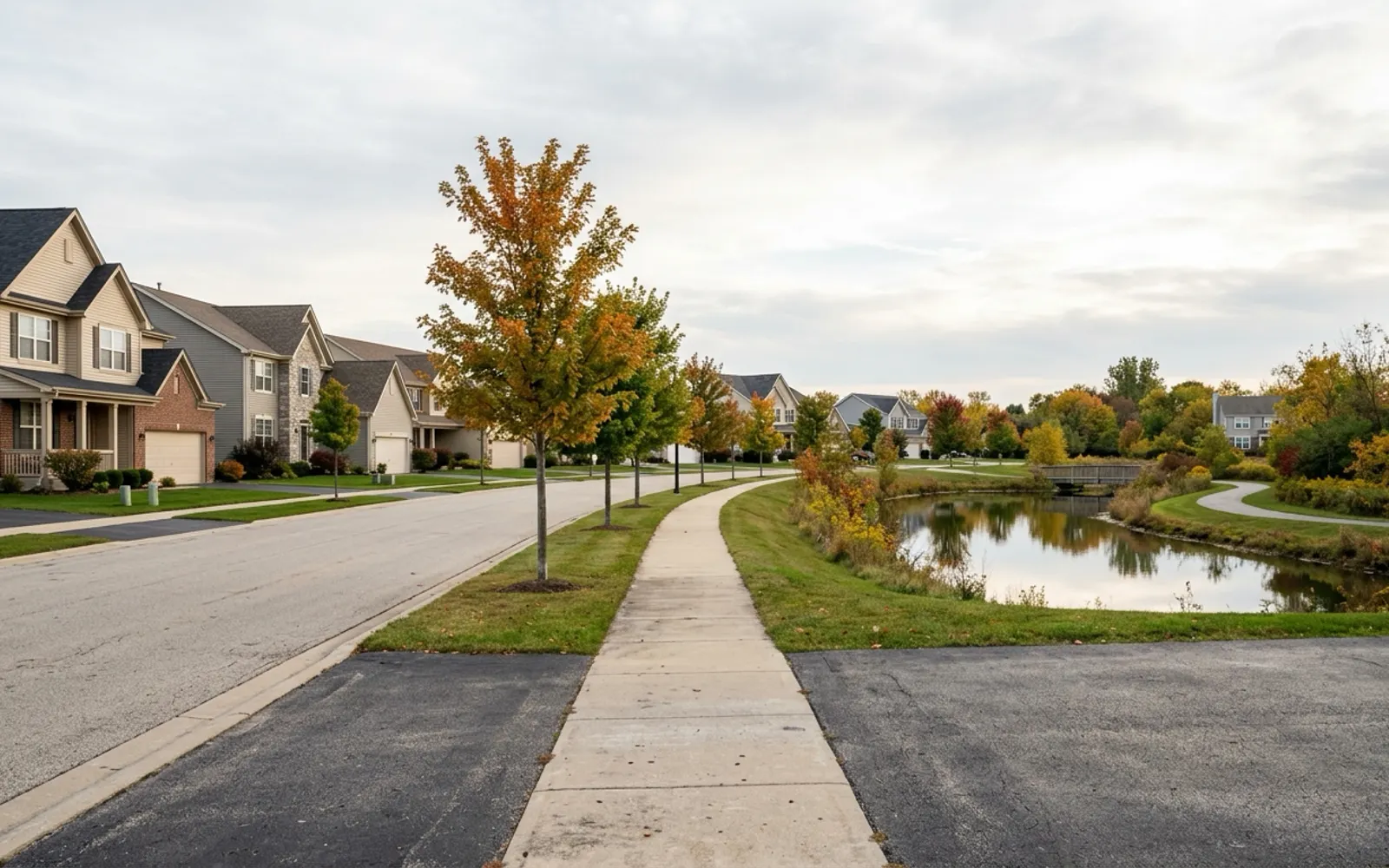
The river village. Along Route 31 (Lincolnway) and State Street on both banks of the Fox. The oldest homes in town, a few small infill projects like a five-unit townhome plan on Riverview Street that went to the plan commission in December 2025, and the closest walk to Riverfront Park and the Fox River Trail.
East of the river. The pocket between the Fox River and the Aurora line, around Butterfield Road and the village's Public Works campus. Village trash pickup treats it as its own zone.
Between Route 31 and Randall Road. The middle band, where names like Timber Oaks, Pine Creek and Victoria show up on the village map. Much of the 1970s to 1990s housing sits here; ask for the build year on each listing.
Waterford Oaks and the Oak Street corridor. Near Randall Road north of Oak Street, around Jewel Middle School on Waterford Road. The proposed Randall Oaks apartments would border it.
Tanner Trails, Mirador and Remington Landing. West of Randall toward Tanner and Deerpath roads. 2000s-era subdivisions with neighborhood parks named for each.
Willow Lake and the Orchard Road area. West-side subdivisions near Willow Lake Park and the Orchard Road commercial corridor, closest to I-88 and the Towne Center.
Moose Lake Estates. The one larger-lot estate subdivision east of the estate area, still adding homes in phases; the village reported phase III underway in its 2024 year in review.
Autumn Ridge. A newer subdivision where the village reported ground broken in 2024, one of the two incomplete subdivisions the village wants built out first.
Unincorporated edges. Pockets like Deer Oaks off Deerpath Road that sit under Kane County zoning. Ask about well, septic and annexation on each one.
What North Aurora Homes Look Like, by Era
The age of the housing is the story here. According to the 2020-2024 Census ACS, 2,642 of the village's 7,232 homes, about 36.5%, were built between 2000 and 2009, and another 1,295 in the 1990s. Counting everything since 1990, about two-thirds of North Aurora's housing is less than 36 years old. Only about 4% was built before 1940.
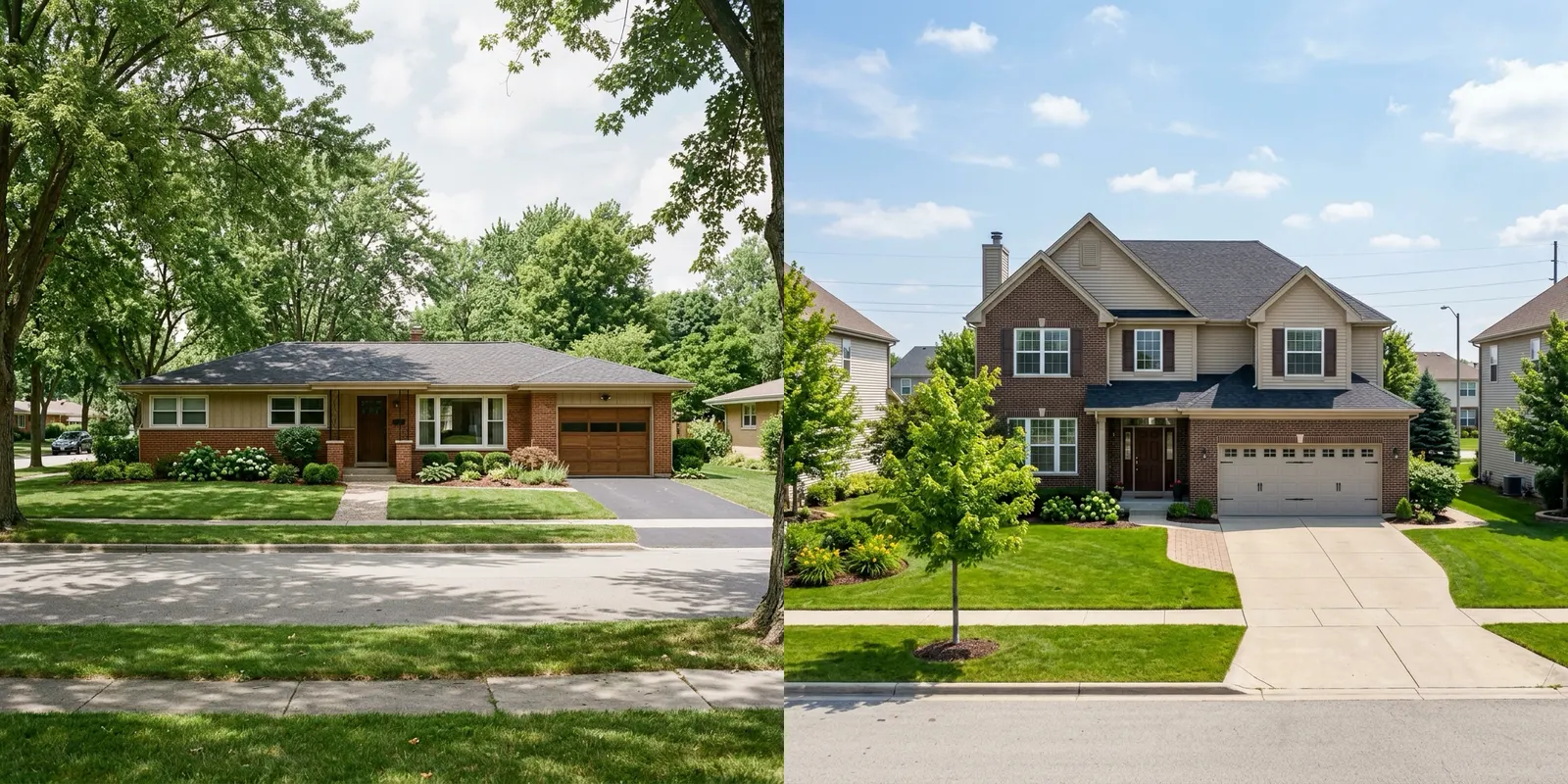
In practice that means three kinds of house. Near the river you find older frame homes, small ranches and a few pre-war houses on irregular lots. In the middle band the 1960s and 1970s streets have ranches, raised ranches and split-levels, which the ACS counts at about 1,400 homes from those two decades combined. West of Randall the 1990s and 2000s subdivisions are mostly two-story homes with attached garages and a good share of townhomes. Redfin's list of closings from mid-September 2026 shows the range well, from a three-bedroom townhome at $295,000 to a four-bedroom single-family home near 3,900 square feet at $665,000.
The ACS puts the median value of owner-occupied homes at $342,100 and median gross rent at $1,504. Both lag the market because they are five-year survey averages, so use them to compare towns, not to price a house.
A 2003 two-story is a different inspection than a 1955 ranch. On the newer homes the items I would look at are the age of the roof, furnace and water heater, which often all come due at once around the 20-year mark, and the grading and sump pump in the basement. My home inspection checklist walks through what to ask for.
The North Aurora Housing Market in 2026
North Aurora is a fast, competitive market this year. In the three months ending August 2026, Redfin reported a median sale price of $472,188, up 32.1% from a year earlier. The median home sold in 44 days, down from 53 the year before, at 101.6% of list price. Redfin gives North Aurora a Compete Score of 74 out of 100, which it calls very competitive, and says homes get about five offers on average.
That 32% jump needs context before anyone budgets off it. Zillow's home value index for North Aurora was $406,864 in August 2026, up 5.3% from $386,299 a year earlier. Both numbers can be right. Redfin's median is the middle of whatever sold in a three-month window, and this summer Redfin counted 91 sales against 60 a year earlier. My read is that more of the larger and newer homes landed in that window. Zillow's index estimates the value of every home in the village, sold or not. Redfin's price per square foot, $225, was up 11.9%, which sits between the two. Put together, values are rising at a healthy pace and the summer mix tilted toward bigger houses.
What that means in practice: a well-priced three-bedroom still draws several offers and sells above asking, while larger new-construction homes can take longer. One of the September closings on Redfin's list had been on the market 172 days. Getting the list price right on day one matters more than any single upgrade.
The median tells you about the village and very little about a specific house, because a 1970s split-level and a 2000s four-bedroom on the west side sit in different price bands. If you are weighing whether now is the moment, my post on whether it is a good time to buy in 2026 covers the rate and inventory side.
North Aurora Property Taxes and the Real Cost of Owning
Property tax is the biggest carrying cost after the mortgage, and in North Aurora it runs at the Kane County average. Ownwell's data, updated April 2026, puts the median effective rate at 2.49%, the same as Kane County overall and above the Illinois median of 2.33%. The median annual bill is $7,298, and the middle half of bills in the 60542 ZIP code run from about $5,334 to $9,155.
Here is what that looks like on a real purchase. At 2.49%, a house bought at this summer's $472,188 median would eventually carry about $11,760 a year in tax, roughly $980 a month on top of the mortgage. The current bill on the same house may be lower, because Ownwell's median is based on a median home value of about $298,000 and assessments trail the market. The expectation I most often have to reset is buyers who budget off the seller's current bill.
The rate also varies inside the village. North Aurora spans four townships and is served by three school districts, three park districts, the North Aurora Fire Protection District, the Messenger Public Library and the Fox Metro Water Reclamation District, according to the village's list of local taxing bodies. Each combination is its own tax code, so two houses a mile apart can carry different bills at the same price. Ask for the last two actual bills and the parcel's tax code on anything you are serious about.
For the upfront side of the purchase, my Illinois closing costs guide covers what else to budget at the closing table. This is general information, not tax advice. Your actual bill depends on your parcel, your exemptions and the Kane County assessor.
North Aurora Schools: District 129 and the Edges
Most of North Aurora is served by West Aurora School District 129, the district that absorbed the village's own schools in the early 1960s. Four District 129 schools have North Aurora addresses: Fearn, Goodwin and Schneider elementary schools and Jewel Middle School. High school is West Aurora High School in Aurora.
Confirm the district for a specific address with the district office, and read each district's profile on the Illinois Report Card at illinoisreportcard.com.
The detail that trips people up is the edges. The village lists three school districts among its taxing bodies: District 129, Batavia School District 101 and Kaneland Community Unit School District 302. A few dozen homes in the far northeast corner of the village attend Batavia schools, and some western and unincorporated addresses may fall in Kaneland. Don't assume from the town name or the ZIP code. Check the exact address with the district before you write an offer, and ask me for the boundary if you want it done for a specific house.
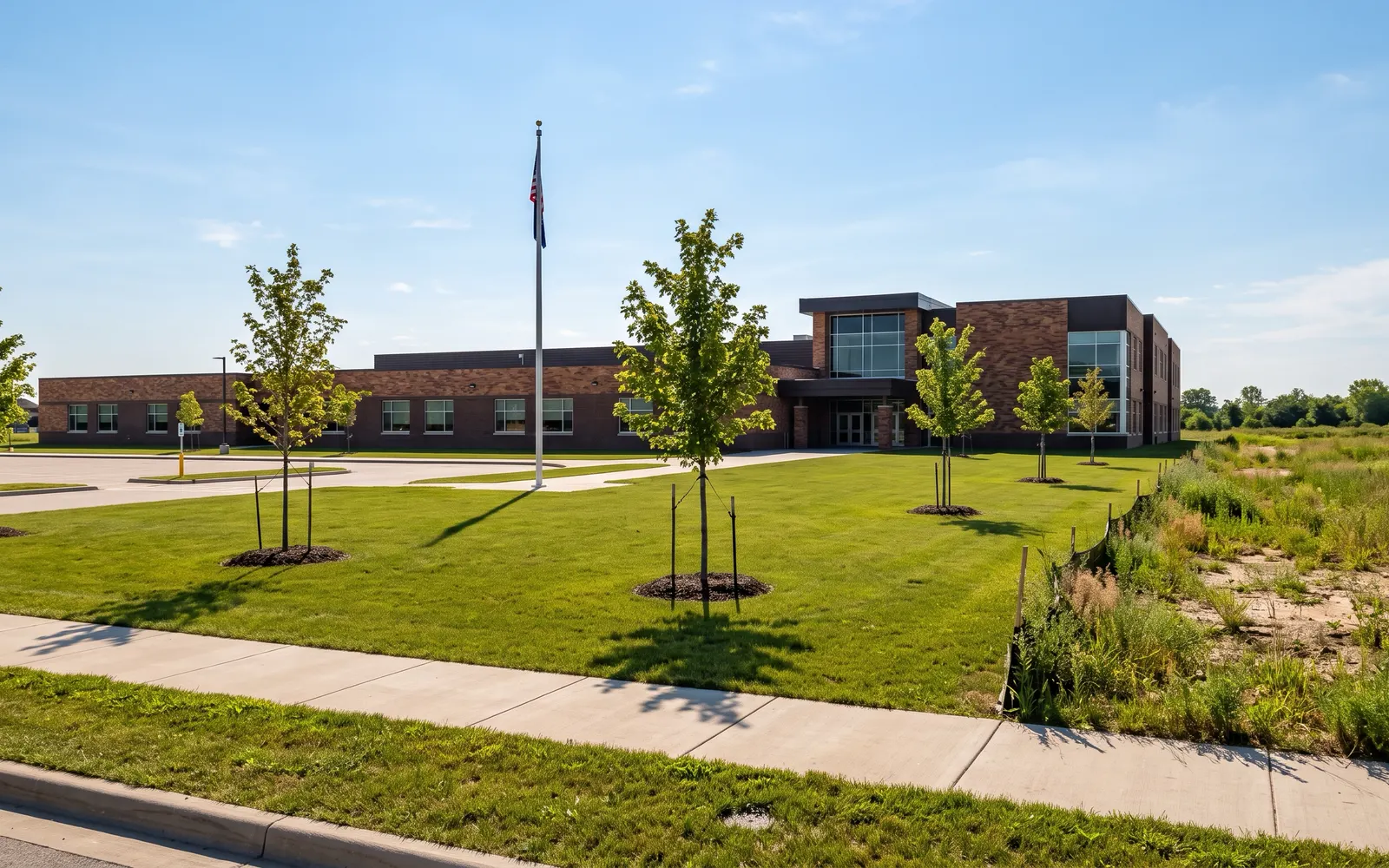
Fearn Elementary School. 1600 Hawksley Lane. District 129.
Goodwin Elementary School. 18 Poplar Place. District 129.
Schneider Elementary School. 304 Banbury Road. District 129.
Jewel Middle School. 1501 Waterford Road. District 129.
West Aurora High School. In Aurora. District 129.
Batavia District 101 and Kaneland District 302. Serve parts of the edges. Confirm by address.
Commuting from North Aurora: Metra Options Next Door
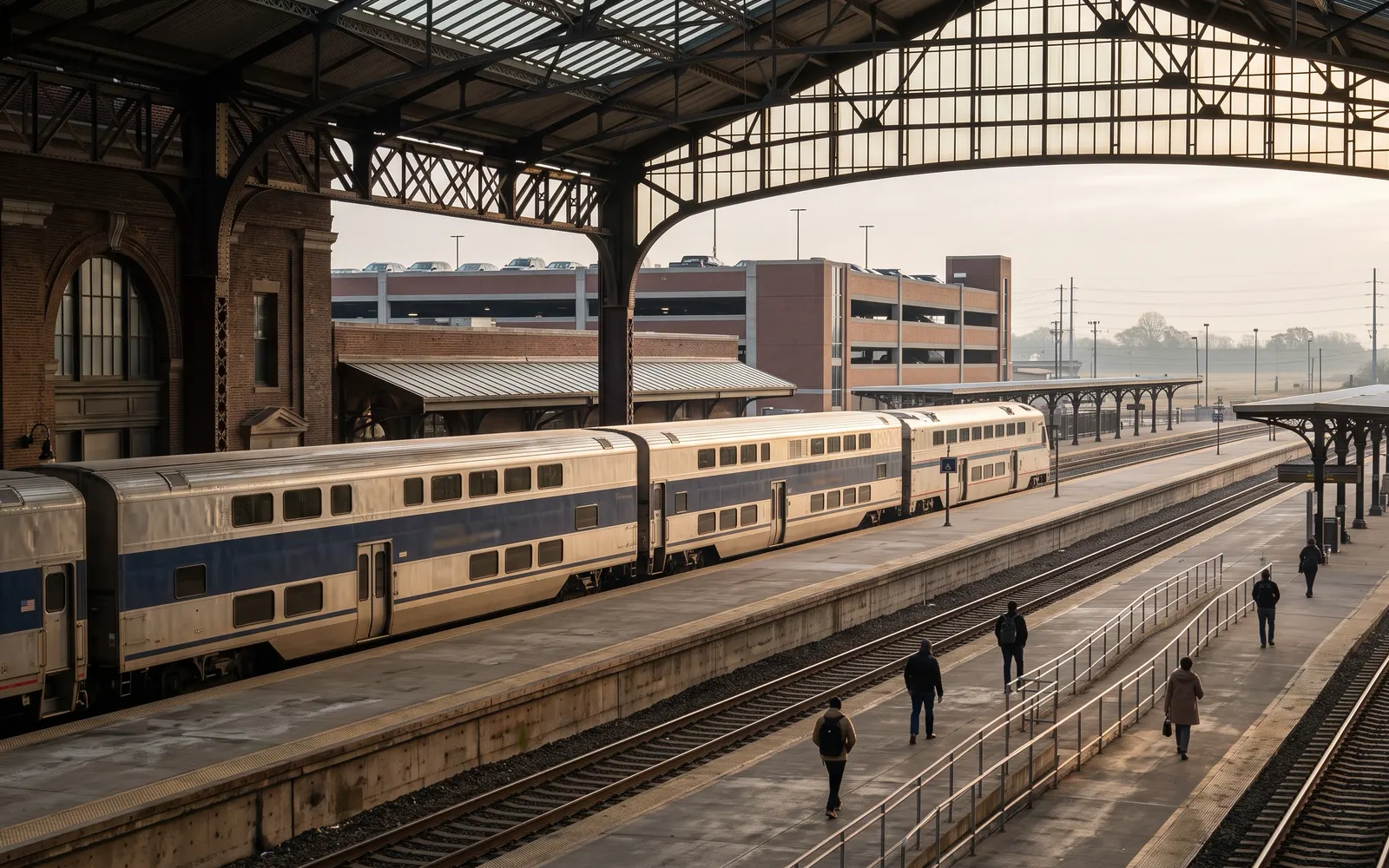
North Aurora has no Metra station. The BNSF freight tracks run through the village, but commuter trains stop in the towns on either side, so every North Aurora commuter drives to a station first. The three realistic choices are on two different lines.
South to Aurora, the BNSF line runs to Union Station and has the most service. Using Metra's published schedule data for fall 2026, there are 32 weekday trains toward Chicago from the Aurora Transportation Center at 233 N. Broadway. The fastest rush-hour trains take about 54 minutes, most take 58 and midday trains about 75. Farther east on the same line, the Route 59 station cuts the ride to as little as 45 minutes on the fastest morning expresses, at the cost of a longer drive.
North to Geneva, the Union Pacific West line runs to Ogilvie Transportation Center. The same schedule data shows 28 weekday trains from Geneva toward Chicago, with the fastest morning train at about 60 minutes and most rush-hour trains at 65 to 74.
Which one works depends on where in the village you live and where you work downtown. East-side and south-side addresses are closest to the Aurora station. If you commute every day, check permit parking at the station as well as the train times, and time the drive at 6:45 a.m. before you choose a house. Pace runs several bus routes connecting North Aurora to Aurora.
Driving from North Aurora: I-88, Randall Road and Route 31
For most North Aurora residents the car is the commute. Interstate 88, the Reagan Tollway, runs along the south edge of the village with interchanges at exits 114 and 117, and it leads east to the I-294 and I-290 junction near Hillside, about 23 miles away, and on toward the city. That makes the I-88 office corridor in Naperville, Lisle and Downers Grove the natural reverse commute.
North and south, Randall Road is the main arterial on the west side, and Route 31 (Lincolnway) runs along the river through the old village toward Batavia, Geneva and St. Charles. Orchard Road links the west-side subdivisions to the I-88 interchange and the Towne Center.
Two road items to know about this year. The village is finishing the Orchard Gateway Boulevard intersection improvements and resurfacing between Hansen Boulevard and Randall Road; its August 10, 2026 construction update reported the surface asphalt was next. And the proposed Randall Oaks development north of Oak Street has drawn resident concern about a new full access point on Randall Road between the Oak and Comiskey signals, which the plan commission asked to keep studying.
Is North Aurora Walkable?
Mostly not. Walk Score rates North Aurora 21 for walking and 42 for biking, which is car-dependent, and the 60542 ZIP code as a whole scores 25. Walk Score counts about 38 restaurants, bars and coffee shops in the village, and the average address can reach fewer than one of them in a five-minute walk. Nearly every errand means a drive to Randall Road, Orchard Road or Route 31.
The exception is recreation. The Fox River Trail runs along the river through the village and is the main north-south trail through the whole Fox Valley, so the homes closest to the river can walk or bike to Riverfront Park, north toward Batavia and Geneva, or south into Aurora. The village's comprehensive plan also calls for a new east-west trail along the ComEd utility corridor to connect the west-side subdivisions, which would change the picture for those neighborhoods if it is built.
If walking to a park or the trail matters to you, it narrows the search to the river village and the few streets closest to the Fox River Trail. If it doesn't, the west side gives you more house for the money.
Shopping in North Aurora: Randall, Orchard and Route 31
North Aurora's shopping is spread along three corridors. The Towne Center at 1720 Orchard Gateway Boulevard, near the I-88 interchange, is the largest center in the village; the comprehensive plan describes it as a Target-anchored center. Randall Road has strip centers, restaurants and services, including the Randall Crossing development near Comiskey Avenue. Route 31 along the river is older and smaller, and the village has two tax increment financing districts on Lincoln Highway, including a roughly 198-acre Route 31 district, aimed at filling it in and improving storefronts.
North Aurora is also a car-buying destination. The North Aurora Auto Mall on the west side and dealers like Gerald Subaru of North Aurora and Riverfront Ram Truck Center are here, and that cluster is part of the village's sales-tax base.
For bigger trips, Randall Road continues north into Batavia and Geneva with more big-box retail, and Aurora's Fox Valley Mall is a short drive southeast. New businesses keep arriving on a small scale. The village's plan commission noted a Pickleball Kingdom and Little Pops Pizzeria opening in early 2026, and the Back Nine golf simulator heading to Clock Tower Plaza.
Groceries and Everyday Errands in North Aurora
The big grocery name in North Aurora is Woodman's Market, in the Willard's Corner development near Hansen Boulevard on the west side. It is one of the village's Platinum sponsors for North Aurora Days, and its site is one of the commercial areas the comprehensive plan expects to grow north toward Oak Street. The rest of the everyday errands, from pharmacies to banks and dry cleaners, cluster along Randall Road and in the Towne Center, and Randall continues into Batavia and Aurora with more grocery choices a few minutes away.
Where North Aurora Eats
North Aurora's restaurants are mostly local and spread out rather than clustered on one street. The long-running names you will hear are Harners Bakery and Restaurant on West State Street near the river, the Oberweis store on Ice Cream Drive, Brother Chimp Brewing on Orchard Road and the Turf Room at Randall Crossing, all of which appear on the village's own restaurant list. That list was compiled in 2020, so check hours before you go.
Newer places keep opening. In its 2024 year in review, the village welcomed Café del Sol and Fortunato Fish & Oyster among others, and in 2026 the plan commission noted Little Pops NY Pizzeria opening, Tacos La Canasta moving into a former restaurant space, and a Scooter's Coffee opening in the Gas N Wash. The village has also run food truck events under the name Cuisine at the Crossroads at Riverfront Park.
For a bigger dining night, downtown Geneva and downtown Batavia along the river are both close, and downtown Aurora is a short drive south.
Parks, Trails and the Fox River in North Aurora
The Fox River is North Aurora's main outdoor asset. North Aurora Riverfront Park at 25 East State Street, next to Village Hall, and North Island Park across the water are where the village gathers, and the Fox River Trail runs through both on its way from Aurora to Batavia, Geneva and beyond.
Most neighborhood parks belong to the Fox Valley Park District, one of the largest park districts in Illinois, which covers North Aurora along with Aurora, Montgomery and part of Sugar Grove. Its parks in the village, per the village's comprehensive plan map, include Fearn, Goodwin, Schneider, Willow Lake, Moose Lake, Tanner Trails, Remington Landing, Pinecreek, Schwickert, Chesterfield and Wing Foot parks, plus the Red Oak Nature Center on the river. A few northern addresses fall in the Batavia Park District and some southwest ones in the Sugar Grove Park District, which the tax bill will show.
Forest preserve land wraps the west and south sides. Kane County's Lake Run Forest Preserve, West Aurora Forest Preserve and Dick Young Forest Preserve are all in or next to the planning area, so most west-side houses are a short drive from a real hike.
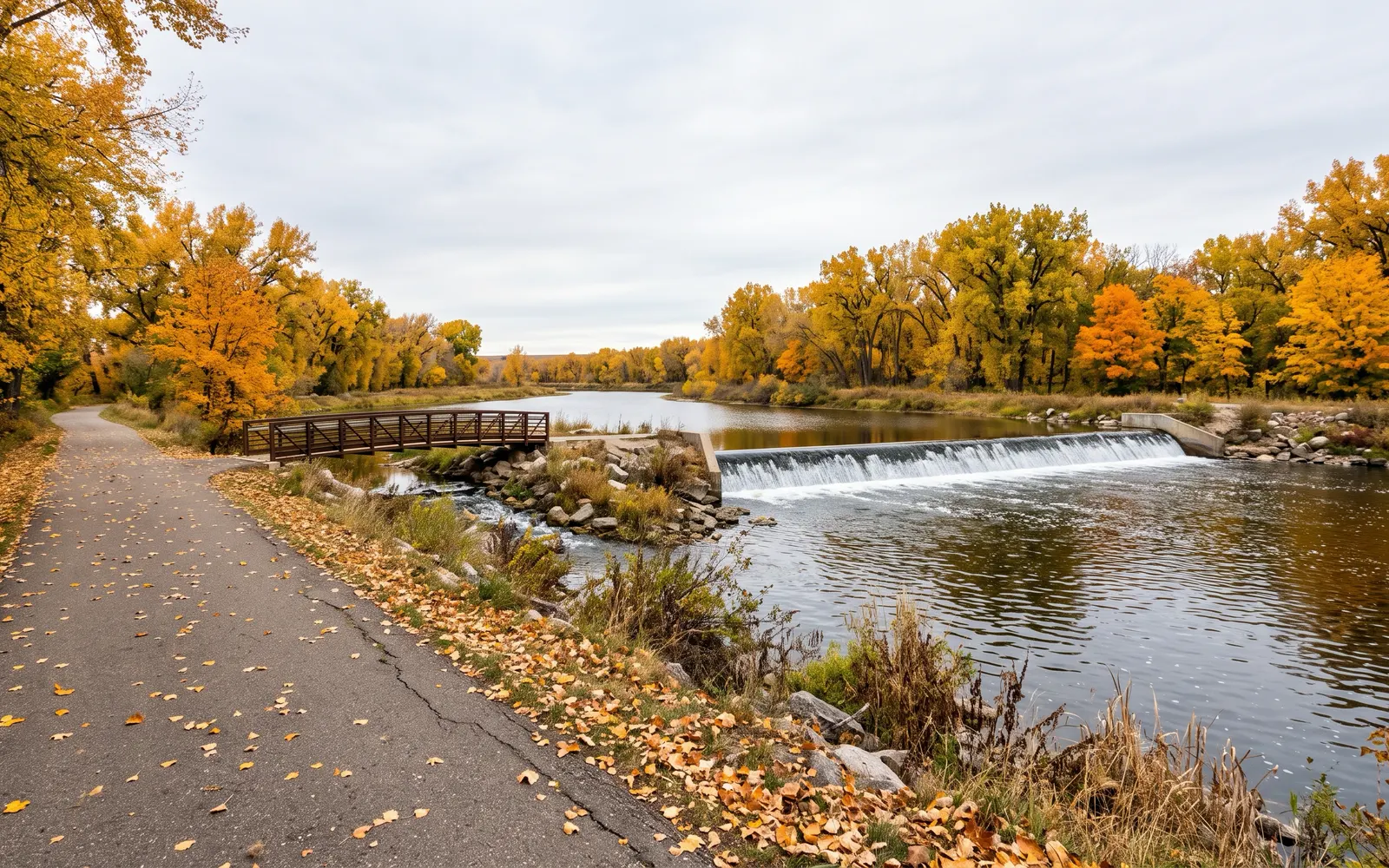
North Aurora Riverfront Park. 25 East State Street, next to Village Hall. Home of North Aurora Days, Oktoberfest and the fireworks.
Fox River Trail. Runs along the river through the village, north to Batavia and Geneva and south into Aurora.
Red Oak Nature Center. Fox Valley Park District nature center on the river, shown on the village's parks map.
Willow Lake Park. West-side park that hosts the North Aurora Days fishing derby.
Lake Run, West Aurora and Dick Young forest preserves. Kane County preserves along the west and south edges of the planning area.
The Messenger Public Library of North Aurora
North Aurora has its own library district, the Messenger Public Library of North Aurora, near the Route 31 and State Street core. The village's comprehensive plan treats the library, Village Hall and the riverfront together as the civic center of the village, and it calls for helping the library carry out its long-term improvement plan and add parking. The library is a regular partner at village events, running community games and crafts at North Aurora Days. Because it is a separate taxing district, its levy shows up as its own line on your property tax bill.
Utilities in North Aurora: Water, Sewer and Trash
The Village of North Aurora runs its own water system from wells and village water treatment plants. According to the village's water billing page, bills go out every two months, and the rate is $25 for the first 3,000 gallons plus $8.03 per thousand gallons after that, effective June 1, 2026, up from $5.95. A village sewer maintenance fee of $0.15 per thousand gallons is added, and sewage treatment is billed separately by the Fox Metro Water Reclamation District.
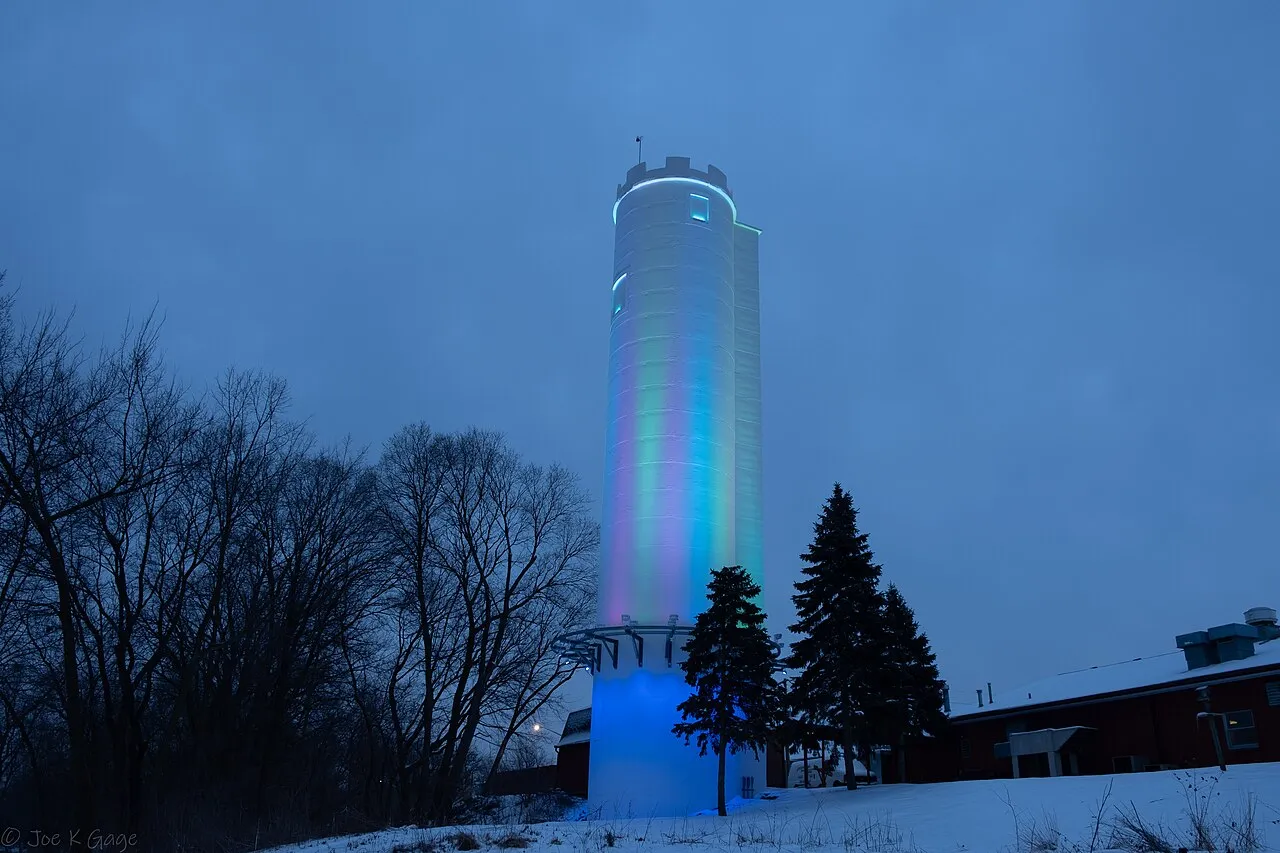
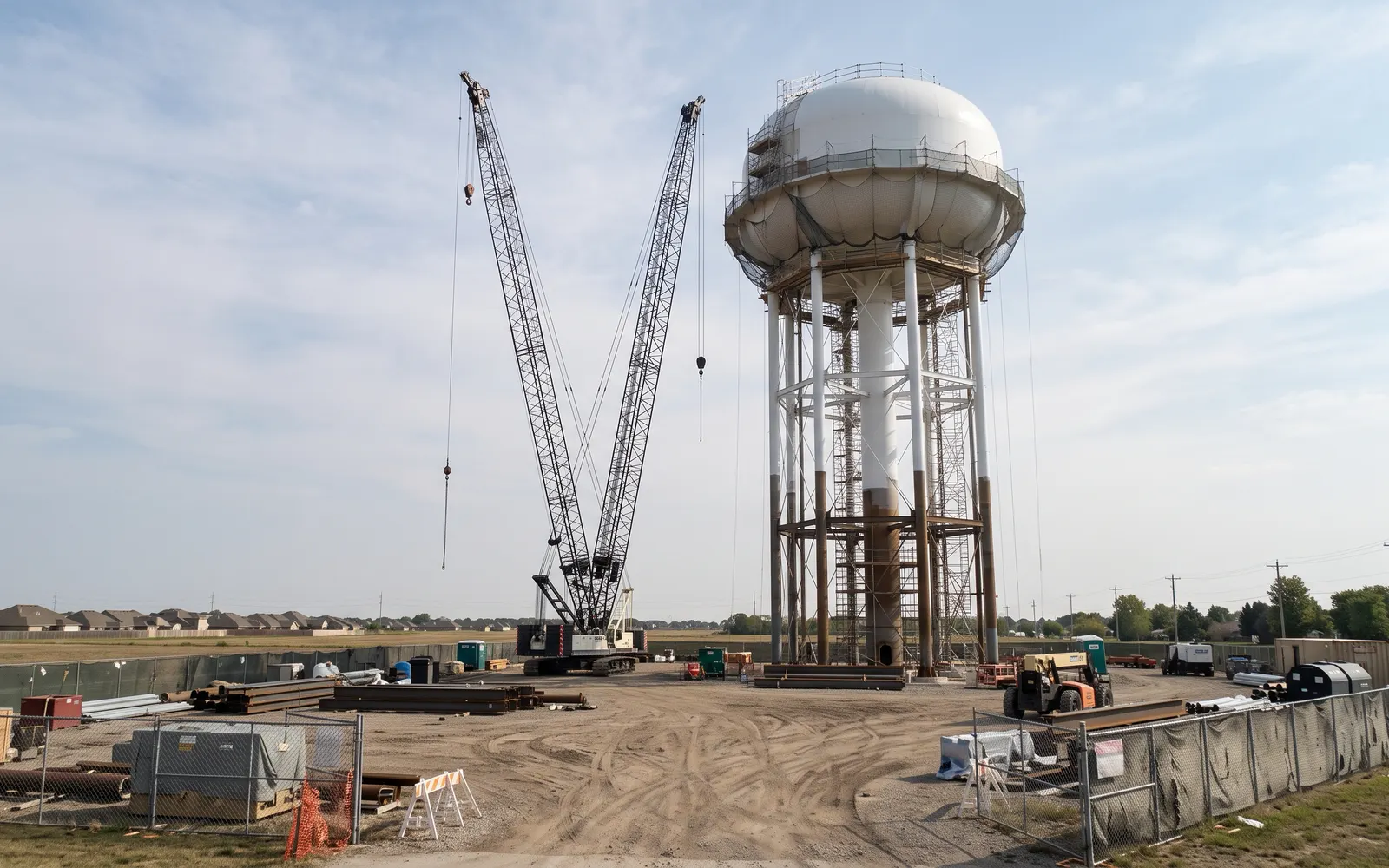
Water costs are going up for a reason. A water works master plan finished in spring 2026 identified about $97 million in maintenance and improvements over 25 years, with about $46 million prioritized for the next 10, including treatment plant work, water main and lead service line replacement, and a $5 million connection with Batavia. A new 1.25 million gallon water tower off Princeton Drive began construction in spring 2025 and is expected to be in service by late 2026. The village also runs a lead service line replacement program, so on an older home, ask whether the service line has been inventoried.
Trash is contracted to Groot, with pickup Monday west of Randall, Tuesday between Randall and the river, and Wednesday east of the river. The village's rates from June 1, 2026 are $20.27 a month for a 95-gallon toter, with scheduled increases each June through 2030. Electricity and natural gas come from the regional utilities, ComEd and Nicor Gas.
Hospitals Near North Aurora
North Aurora has no hospital of its own, but three are within a short drive. Ascension Mercy Medical Center is on Aurora's West Side, Rush Copley Medical Center is on Aurora's East Side, and Northwestern Medicine Delnor Hospital is in Geneva to the north. Which one is closest depends on your side of the village. The North Aurora Fire Protection District serves the village from two stations, the original at State and Monroe streets and a second on Tanner Road that opened in 2007.
Entertainment Near North Aurora
North Aurora's own entertainment is mostly outdoors and seasonal, built around the river and the village's event calendar. For a night out, the options are just past the village line. Downtown Aurora has the Paramount Theatre and the riverfront, a few minutes south. Downtown Geneva and Downtown Batavia sit on the Fox River to the north with their own restaurants and shops. In the village itself, newer indoor options like Pickleball Kingdom and the Back Nine golf simulator have been added in 2026, and Slick City opened in 2024 according to the village. If you are also looking south, my guide to Aurora covers the city next door.
North Aurora Days and the Village's Yearly Traditions
The big one is North Aurora Days, two free days at Riverfront Park in August. In 2026 it ran Friday and Saturday, August 7 and 8, with bands both nights, a petting zoo, a mechanical bull and inflatables, games and crafts with the Messenger Public Library, and fireworks around 9:40 p.m. on Saturday, according to the village's event post. Around town the same weekend there was a community garage sale, a softball tournament at Fearn Park, a fishing derby at Willow Lake Park and a touch-a-truck at Jewel Middle School.
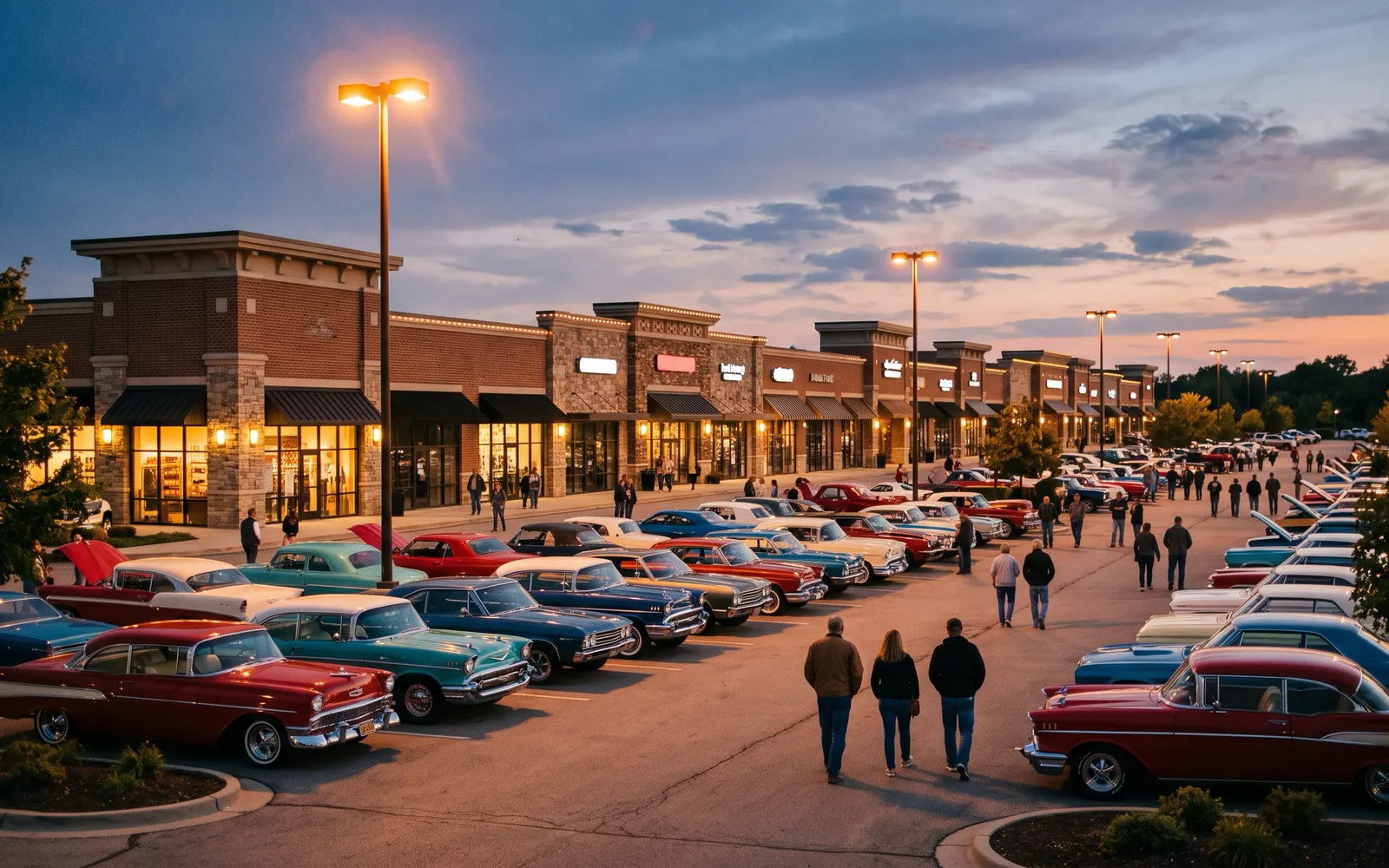
The rest of the calendar is busy for a village this size. Oktoberfest takes over Riverfront Park on Saturday, October 3, 2026, from noon to 10 p.m., free to attend with a beer tent for those 21 and over, per the village's Oktoberfest page. Cruise Night brought classic cars to the Towne Center on September 4, and the year also includes Dog Days of Summer, a Spring Bunny Chase, Boo Bash, the Creativity at the Crossroads craft fair and Making Spirits Bright, a holiday light vehicle parade.
This year had one change worth knowing. The July fireworks were rained out by the early July storms, so the village held an Independence Day Celebration 2.0 at Riverfront Park on August 29, 2026, with fireworks at about 9:30 p.m.

What's Being Built in North Aurora
The biggest proposal in town is Randall Oaks by Shodeen, on about the last unincorporated piece of land off Randall Road north of Oak Street, vacant since 2006. The plan presented to the plan commission on June 2, 2026 calls for 260 apartments (studios, one- and two-bedrooms of 700 to 1,200 square feet) in five three-story buildings plus a mixed-use building, and about 32,000 square feet of commercial space on Randall. The commission recommended approval but limited the buildings to three stories and did not back the code exceptions Shodeen asked for. At the June 15 Committee of the Whole, the village board sent it back for changes, with trustees asking for less density, restaurant-ready space and a better buffer next to Waterford Oaks. I had not seen a final vote as of mid-September 2026.
On the single-family side, Silverthorne Development has asked to rezone and plat the Silverleaf subdivision on about 42.9 acres at 3S652 Deerpath Road, between Mirador and Tanner Trails. The plan commission heard it in December 2025, and the developer was reworking the concept after board feedback in February 2026. Silverthorne's nearby Acres on Deerpath was rezoned to estate lots in 2025. Closer to the river, a five-unit townhome project on Riverview Street went to hearing in December 2025.
Public projects are moving too. The village's new Public Works facility at 312 Butterfield Road is open, the new water tower is due in late 2026, and in July 2026 the board considered buying 10 N. Lincolnway, part of the long push to give the Route 31 and State Street area more of a town center.
I don't label any town or neighborhood as safe or unsafe.
Flood Risk in North Aurora
Flooding in North Aurora is mostly a house-by-house question. Redfin, using First Street's model, rates the village's overall flood risk as minor, with about 4% of properties at risk of severe flooding over the next 30 years. The Fox River's mapped floodway and floodplain, and the low areas along the creeks and detention ponds in the newer subdivisions, are where that risk concentrates.
This summer showed what a heavy storm can do. The village reported upwards of 9 inches of rain from July 2 to July 4, 2026, enough to close Village Hall for repairs and trigger a special pickup for storm-damaged items. The village's comprehensive plan lists minimizing localized flooding through detention and stormwater work as a goal.
Two checks before you write an offer. Look the address up on the FEMA flood map, because a mapped flood zone can mean required flood insurance on a mortgage. And ask the seller directly whether the basement took water in July 2026, and what they did about it. After a storm like that one, it is the most useful question you can ask.
Frequently Asked Questions
How much does a house cost in North Aurora, IL?+
Redfin reported a median sale price of $472,188 for the three months ending August 2026, and Zillow's home value index was $406,864 for August 2026. September closings on Redfin ranged from about $295,000 for a townhome to $665,000 for a large single-family home.
What are property taxes in North Aurora, IL?+
The median effective rate is about 2.49%, with a median bill of about $7,298 (Ownwell, April 2026). Rates vary by tax code across four townships and several school and park districts, and a home's bill usually rises after a sale once it is reassessed.
What school district is North Aurora, IL in?+
Most of the village is West Aurora School District 129, including Fearn, Goodwin and Schneider elementary schools, Jewel Middle School and West Aurora High School. A few northeast homes attend Batavia District 101, and some edge addresses may be in Kaneland 302, so confirm each address.
Does North Aurora have a Metra station?+
No. Commuters drive to the Aurora or Route 59 stations on the BNSF line to Union Station, where rush-hour trains take about 45 to 58 minutes, or to Geneva on the UP-W line to Ogilvie, about 60 minutes on the fastest train.
Is North Aurora walkable?+
Not village-wide. The Walk Score is 21 and most errands need a car, but the Fox River Trail runs through the village for walking and biking.
What neighborhoods are in North Aurora, IL?+
Commonly named subdivisions include Tanner Trails, Mirador, Remington Landing, Willow Lake, Waterford Oaks, Timber Oaks, Pine Creek, Victoria, Moose Lake Estates and Autumn Ridge, plus the older streets near the river on Route 31 and State Street.
What is being built in North Aurora?+
Shodeen's Randall Oaks plan for 260 apartments and retail off Randall Road was sent back for changes in June 2026. Silverleaf, a single-family subdivision on Deerpath Road, is being reworked, and the village is finishing a new 1.25 million gallon water tower.
Did North Aurora flood in July 2026?+
The village reported upwards of 9 inches of rain from July 2 to July 4, 2026, which closed Village Hall for repairs. Redfin/First Street rates overall flood risk as minor, so ask each seller about basement water and check the FEMA map.
Eshu Chikoti has extensive access to off-market listings throughout North Aurora and the rest of Kane County — homes that never make it to the public listing sites. That matters right now: in a seller's market like this one, well-priced homes routinely go under contract within days, and buyers relying only on public listings are competing for whatever is left over. Working with someone plugged into off-market inventory means seeing homes before the crowd does.
Eshu Chikoti · 847-691-4282 ·
Get new North Aurora listings by email
When a home comes on the market in North Aurora, I'll email it to you.
Just your email. Unsubscribe any time by replying.
Thinking About North Aurora?
Whether you're buying, selling, or just curious what's on the market, I can walk you through North Aurora street by street.