Aurora, IL
Aurora, IL is the second-largest city in Illinois, about 181,000 people on both banks of the Fox River, with land in Kane, DuPage, Will and Kendall counties, two Metra stations and four main school districts.
Living in Aurora, IL means a median sale price near $361,000 this summer, a Metra express from Route 59 that reaches Union Station in 45 to 49 minutes, and a choice of four school districts depending on the street. The trade-off is a property tax rate that ranges from 2.4% to over 3%. Here is how it breaks down, pocket by pocket.
Written by Eshu Chikoti · 847-691-4282 ·
How Aurora, IL Got Here: A Short History
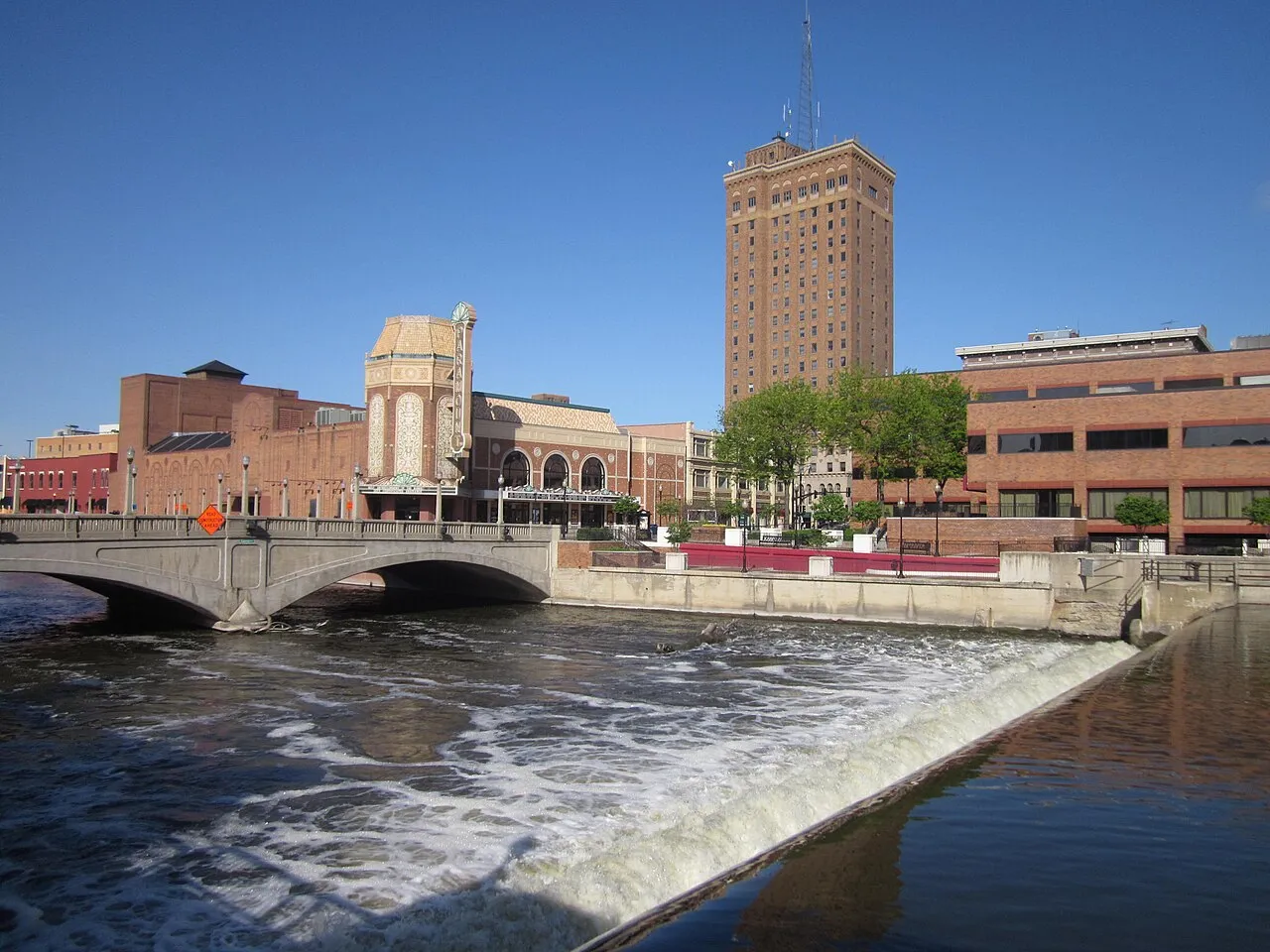
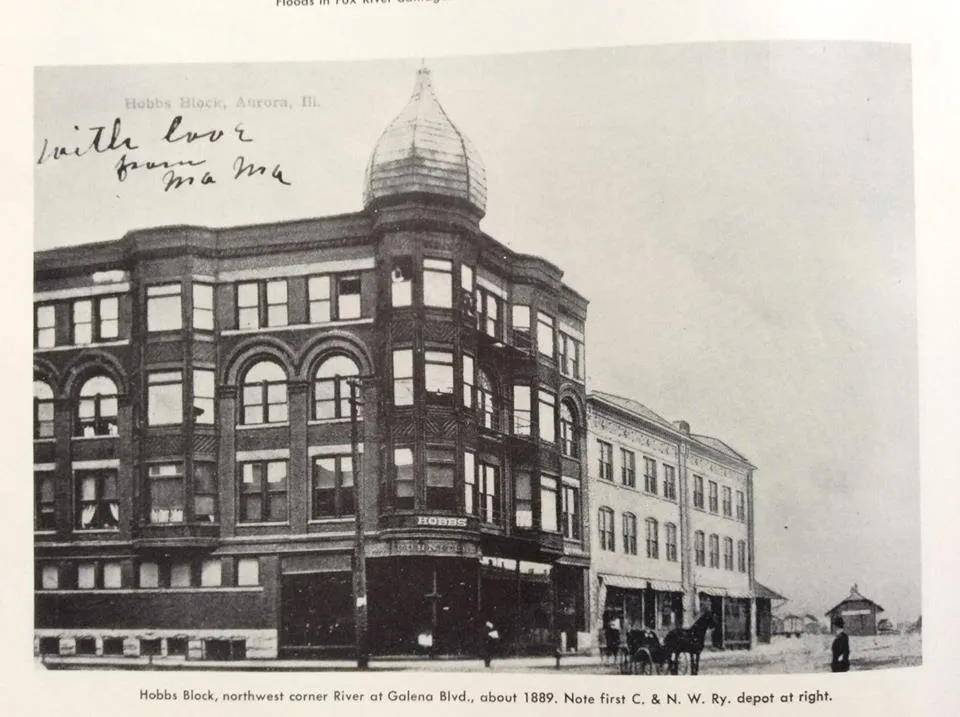
Aurora started as two towns facing each other across the Fox River. The McCarty brothers settled here in 1834 and built mills on the river. East Aurora incorporated in 1845, and West Aurora was organized in 1854. The two merged in 1857.
The merger left a question nobody could settle: which side would get the public buildings. The answer was neither. City hall and the other civic buildings went on Stolp Island, in the middle of the river, and that island is still the center of downtown today. If you have ever wondered why Aurora's downtown feels split in three, with the east bank, the island and the west bank each a little different, that compromise is the reason.
In 1881 Aurora was one of the first cities in the United States to light its streets entirely with electricity. The city adopted the nickname "City of Lights" in 1908 and still uses it. The railroads did the rest. The Chicago, Burlington and Quincy built its shops here, and the rail line that made Aurora an industrial town in the 1800s is the same corridor Metra's BNSF trains use now.
Schools have deep roots here too. East Aurora's district, now District 131, became the first free school system in Illinois under a special act of the legislature in 1851, and East Aurora High School formed what is described as the first high school orchestra in the country in 1878. The Paramount Theatre opened on Stolp Island in 1931. And yes, the 1992 film *Wayne's World* was set in Aurora, which is still the first thing some out-of-state buyers mention when I tell them where a house is.
Aurora at a Glance
Aurora is big. The 2024 Census ACS puts the population at 180,791 on 45.1 square miles of land, with 65,480 housing units. That makes it the second most populous city in Illinois after Chicago, and it is the reason a single "Aurora" price or tax number tells you so little about a specific house.
The city started in Kane County, and that is where the original east and west sides and downtown sit, so I list the guide under Kane. But Aurora also reaches into DuPage County on the east, around Fox Valley Mall and the Route 59 station, and into Will and Kendall counties on the southeast, where most of the newer subdivisions are. Each county has its own assessor, its own board of review and its own tax calendar. Before you run numbers on any listing, confirm which county the parcel is in. The listing's city line will say Aurora either way.
The layout is easiest to read from the river. The Fox River runs north to south through the middle of the older city. Locals use three names: the West Side (west of the river), the East Side (east of the river out to about the DuPage line), and the Far East Side or Fox Valley (the DuPage, Will and Kendall pieces). Nearly every neighborhood description you will hear uses those three words.
Aurora is also an employment center in its own right. Hospitals, the two older school districts, the city and manufacturers such as Caterpillar have been among the largest employers, and the office and industrial parks along I-88 and Route 59 add more.
At a $360,761 summer median, it is well below Naperville next door, and the Fox Valley side shares District 204 and the Route 59 station with south Naperville.
Aurora asks you to check the county, the school district, the park district and sometimes the library district on every address, and the rate can move from 2.40% to 3.06% across a single city. It is also mostly car-dependent outside downtown and the near-river blocks.
Aurora Neighborhoods, Pocket by Pocket
Nobody who lives in Aurora thinks of it as one market, and neither should a buyer. The price, the age of the house, the school district and the tax rate all change as you move from the river out to the edges. The three big sides are the starting point. Inside each one, Walk Score divides the city into 16 named areas, and their walkability ranges from 62 in Near West Galena down to 12 in Big Woods Marmion. That spread is the difference between walking to a coffee shop and driving to everything.
**The West Side.** West of the Fox River is the oldest housing stock in the city outside downtown. Near West Galena (Walk Score 62) and Pigeon Hill (49) sit close to the river and downtown, with Victorian and early 1900s houses on narrow lots, many of them two-flats or houses that were converted at some point. The Tanner Historic District, designated in 1998, is on this side. Farther west, along Edgelawn Drive and Randall Road (Edgelawn Randall, 34), the housing gets newer and the lots get wider, and at the far west edge, around Blackberry Farm (Blackberry Countryside, 21), you are into later subdivisions that feel closer to Sugar Grove than to downtown. Most West Side addresses feed West Aurora School District 129.
**The East Side.** East of the river, out toward Farnsworth Avenue and the DuPage line, is the other half of the original city. The Near Eastside Historic District, designated in 1981, has some of the most detailed older homes in Aurora. Around it are blocks of early and mid-century bungalows, cottages and small ranches, then postwar subdivisions as you head east and south (Southeast Aurora, 52; South Farnsworth, 31). Phillips Park and its free zoo are on this side. Most East Side addresses feed East Aurora School District 131.
**The Far East Side and Fox Valley.** Across the DuPage line, around Fox Valley Mall, Route 59 and the Route 59 Metra station, is the part of Aurora many people from outside the area assume is Naperville. The Fox Valley area (45), the Far East area (30) and Eola Yards (22) were mostly built from the 1970s through the 1990s, with townhome and condo communities mixed in among single-family subdivisions. These addresses generally feed Indian Prairie School District 204, the same district as much of south Naperville.
**The Southeast: Will and Kendall.** South of Route 34 and out toward Route 30, Aurora crosses into Will and Kendall counties. This is where most of the city's newest construction is, in subdivisions built from the late 1990s to today (the Far Southeast area has a Walk Score of 18, and the South East Villages area 34). Depending on the street, schools are District 204 or Oswego District 308. This year I have walked a new-construction purchase in this part of Aurora from contract through the pre-drywall inspection, and the questions that mattered most were not about finishes. They were which county and school district the lot sat in and what the tax bill would be once the house was assessed as finished.
Below are the areas you will see named on maps and in local listing talk. Boundaries are informal and agents draw them slightly differently, so treat them as a starting point. If you want to know which pocket a specific address falls in, and what that pocket has sold for lately, that is a conversation I am happy to have here.
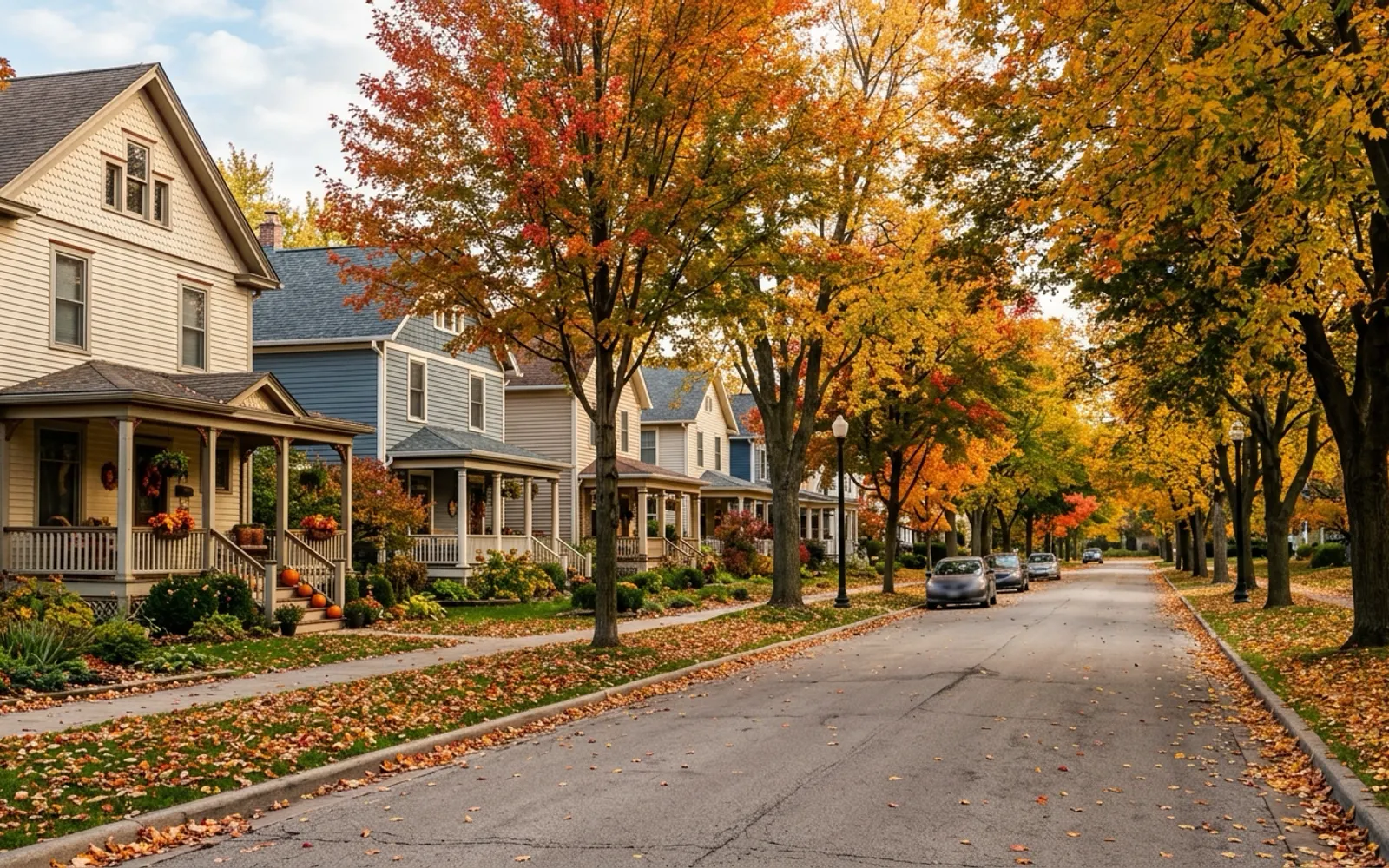
Near West Galena. West Side, along Galena Boulevard west of downtown. Older homes on small lots. Walk Score 62, the highest in Aurora.
Pigeon Hill. West Side, near the river. Older housing stock close to downtown. Walk Score 49.
Tanner Historic District. West Side. A designated historic district (1998); exterior changes can need city review.
Edgelawn Randall. West Side, along Edgelawn Drive toward Randall Road. Newer subdivisions and shopping on Randall. Walk Score 34.
Blackberry Countryside. Far west, around Blackberry Farm. Later subdivisions near the Sugar Grove edge. Walk Score 21.
Near Eastside Historic District. East Side, close to downtown. Designated in 1981; some of the most detailed older homes in the city.
Southeast Aurora and South Farnsworth. East Side, south and east of downtown. Early and mid-century blocks and postwar subdivisions. Walk Scores 52 and 31.
Fox Valley. DuPage County, around Fox Valley Mall and Route 59. 1970s to 1990s subdivisions, townhomes and condos. Walk Score 45.
Far East and Eola Yards. DuPage County, out toward Eola Road and the Naperville line. Walk Scores 30 and 22.
Big Woods Marmion. The north end, near Marmion Academy and Butterfield Road. Walk Score 12, the lowest in the city.
Far Southeast and South East Villages. Will and Kendall counties, south of Route 34. The newest subdivisions, District 204 or 308. Walk Scores 18 and 34.
North River, Bardwell, Light of the Community and Waubonsee. Other areas Walk Score names (Walk Scores 42, 55, 55 and 33). Ask for the build year and school assignment on each listing; they vary block by block.
What Aurora Homes Look Like, by Era
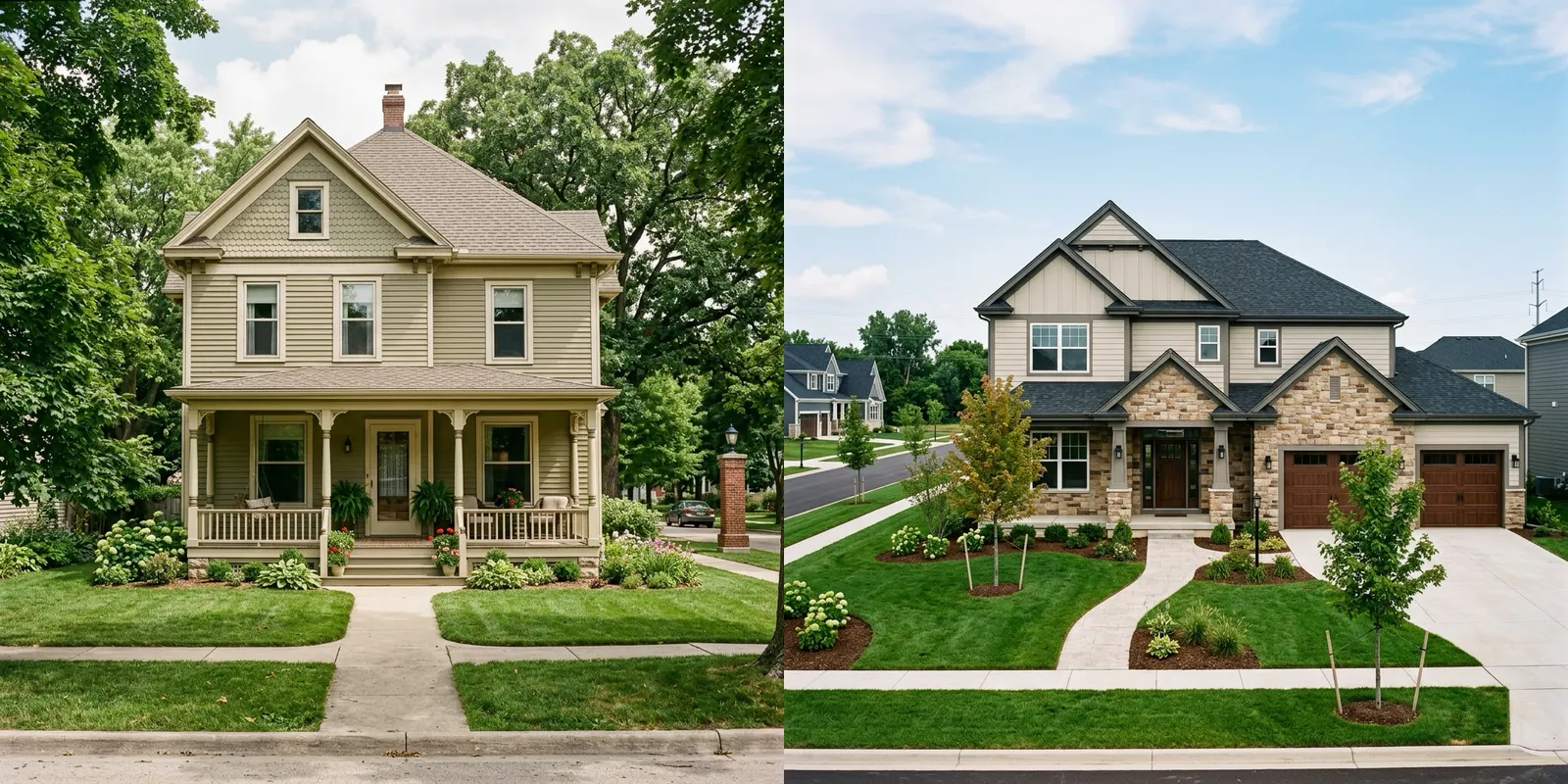
Aurora has almost every era of Chicago-area housing inside one city limit, and that range is the most useful thing to understand before you tour. Near the river on both sides are 1800s and early 1900s houses: Victorians, foursquares, workers' cottages and a good number of two-flats. Some are beautifully kept. Some have been cut into apartments and back again. In the historic districts, exterior work can need city review, so ask before you plan a porch or window change.
Moving out from downtown you get the bungalows and brick ranches of the 1920s through the 1950s, then split-levels and raised ranches from the 1960s and 1970s. The Fox Valley side is mostly 1970s to 1990s two-story homes and a lot of townhomes. The Will and Kendall southeast is late 1990s through today, including communities where national builders are still selling. The result is that $250,000 and $700,000 can both buy a single-family house in Aurora; they just buy it in different places.
The 2024 Census ACS puts the median value of owner-occupied homes at $289,100. That figure lags the market and averages very different housing, so read it as a floor for the city as a whole, not a price for any one pocket.
I have walked buyers through enough older Aurora houses to know which surprises to expect: original or undersized electrical service, old galvanized supply lines, and basements near the river or the creeks that have seen water at least once. On the newer side, the surprises are different: special service area charges, HOA budgets and first-year tax bills that jump once the finished house is assessed. None of those should kill a deal. All of them belong in the price. My home inspection checklist is a good place to start either way.
The Aurora Housing Market in 2026
Aurora is a steady market right now, not a frenzy. In the three months ending August 2026, Redfin reported a median sale price of $360,761, up 3.1% from a year earlier, and a median price per square foot of $225, up 5.1%. The median home took 50 days to sell, up from 48 a year earlier. Homes sold at 100.3% of list price on average, 44.2% sold above asking, and 22.1% had a price cut. Redfin counted 509 sales in August alone, down 4.7% from last August.
Redfin gives Aurora a Compete Score of 68 out of 100, which it calls somewhat competitive, and says homes receive about three offers on average. Hot homes, in Redfin's words, sell for about 2% over list and go pending in around 35 days. That is a different market from the multiple-offer weekends some buyers expect from the western suburbs.
Zillow's home value index agrees on the direction. Its August 2026 value for Aurora is $324,261, up 3.2% from $314,345 a year earlier. The two numbers differ because they measure different things. Redfin's median is the middle of whatever happened to sell in the last three months, which this summer included a lot of newer, larger homes on the southeast side. Zillow estimates the value of every home in the city, sold or not, including the smaller older houses near downtown. When both move up about 3%, I read that as a market that is rising slowly and evenly.
The city median only goes so far here. The gap between a two-flat near the river and a new four-bedroom in the southeast is several hundred thousand dollars. Pricing a house in Aurora means pricing it against its own side of town, its own school district and its own county. If you are weighing whether now is the time, my take on whether 2026 is a good time to buy covers the rate and inventory side.
Aurora Property Taxes Across Four Counties
In most towns I can give you one property tax rate. In Aurora I have to give you four, because the county line under the house changes the math. Here is what Ownwell's data, updated April 13, 2026, shows as the median effective rate for the Aurora portion of each county:
The Kane County part of Aurora has a median effective rate of 2.40% and a median bill of $4,508. The DuPage County part is 2.51%, with a median bill of $6,965. The Kendall County part is 2.82%, with a median bill of $10,142. The Will County part is the highest at 3.06%, with a median bill of $8,930. The bills differ partly because the rates differ and partly because the houses do: the Kane side has more older, lower-valued homes, and the Kendall and Will sides have more new ones.
Here is what that means on a real purchase. At this summer's $360,761 Redfin median, a 2.40% rate works out to about $8,660 a year, or roughly $720 a month on top of the mortgage. The same price at 3.06% is about $11,040 a year, or roughly $920 a month. That is about $2,380 a year between two houses at the same price in the same city. On new construction, the first bill is often based on the unimproved lot, and the real bill arrives a year or two later. The expectation I most often have to reset is buyers who budget off that first bill.
Each county also has its own township assessors and board of review, so appeal rules and deadlines differ. If you already own and think your assessment is high, start with your township assessor and the county board of review for your county. My closing costs guide covers how tax prorations work at closing in Illinois, which trips up a lot of first-time buyers. This is general information, not tax advice. Your actual bill depends on your parcel, your exemptions and the assessor.
Aurora Schools: Four Districts, One City
Schools are where Aurora is most different from a typical suburb, because the city is split among several public school districts and the assignment follows the street, not the city name. The four you will see most often are West Aurora 129, East Aurora 131, Indian Prairie 204 and Oswego 308.
**West Aurora School District 129** covers most of the West Side. Its high school is West Aurora High School at 1201 W. New York Street, which had 3,641 students in 2024-25. Its rivalry with East Aurora is described as the second oldest in Illinois.
**East Aurora School District 131** covers most of the East Side. According to its district profile, it runs 12 elementary schools, three middle schools (Cowherd, Simmons and Waldo), a magnet academy for grades 3 to 8, and East Aurora High School, whose current building opened in 1957.
**Indian Prairie School District 204** covers the Fox Valley side and much of the southeast. Two of its three high schools have Aurora addresses. The third, Neuqua Valley, is in Naperville.
**Oswego Community Unit School District 308** covers parts of the Kendall and Will county southeast.
Aurora is also home to the Illinois Mathematics and Science Academy, a state-funded residential public school for grades 10 to 12 with statewide admission, plus Aurora University and a Waubonsee Community College campus. Addresses at the edges of the city can fall in neighboring districts too. Check every address with the district directly before you write an offer, and ask me for the boundary if you want it done for a specific house.
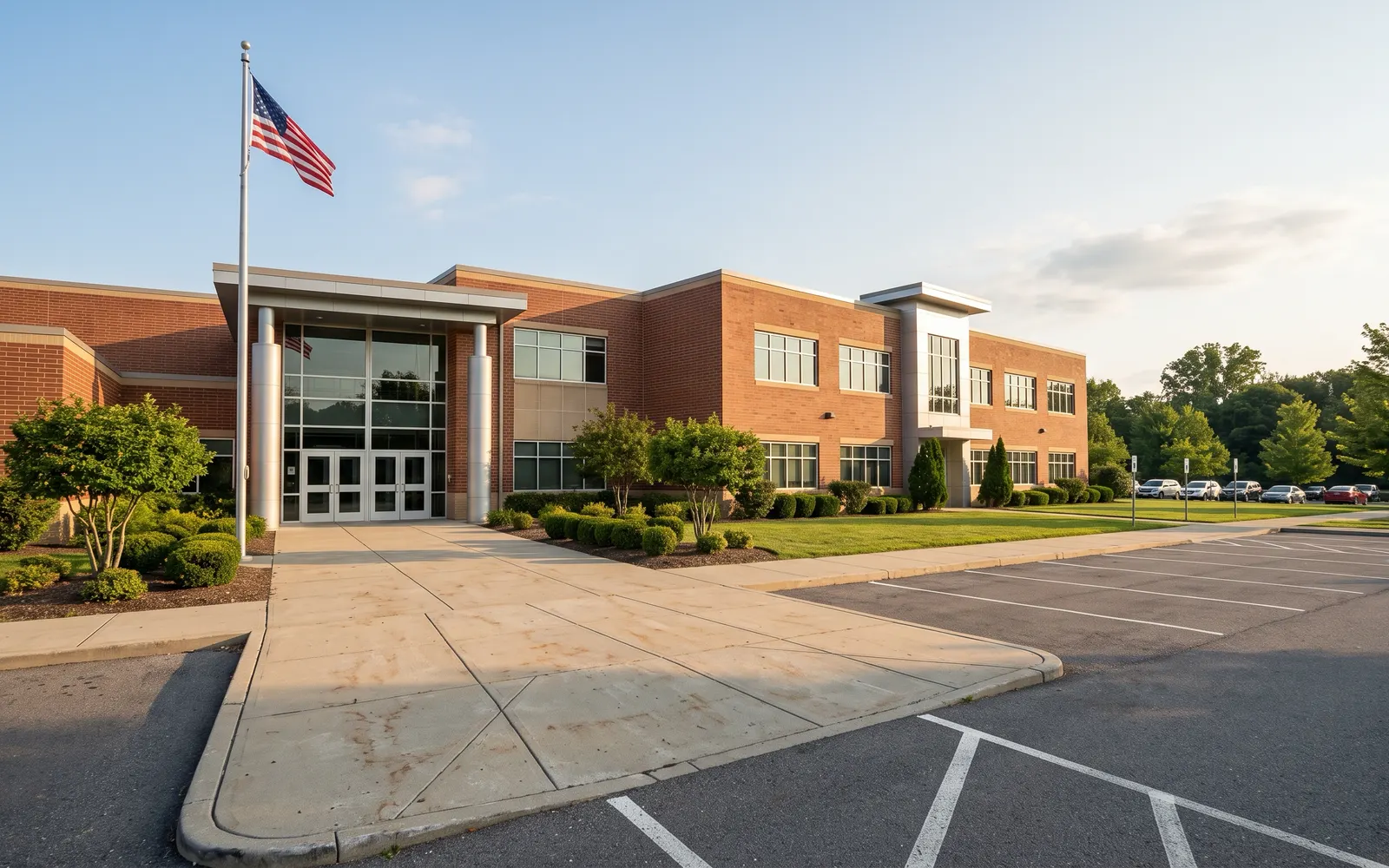
West Aurora High School. 1201 W. New York St. District 129. 3,641 students (2024-25).
East Aurora High School. District 131. Current building opened in 1957.
Metea Valley High School. 1801 N. Eola Rd. District 204.
Waubonsie Valley High School. 2590 Ogden Ave. District 204.
Wolfs Crossing Elementary. District 308.
Illinois Mathematics and Science Academy. State-funded residential public school, grades 10 to 12, statewide admission.
Commuting from Aurora: Two Metra Stations on the BNSF
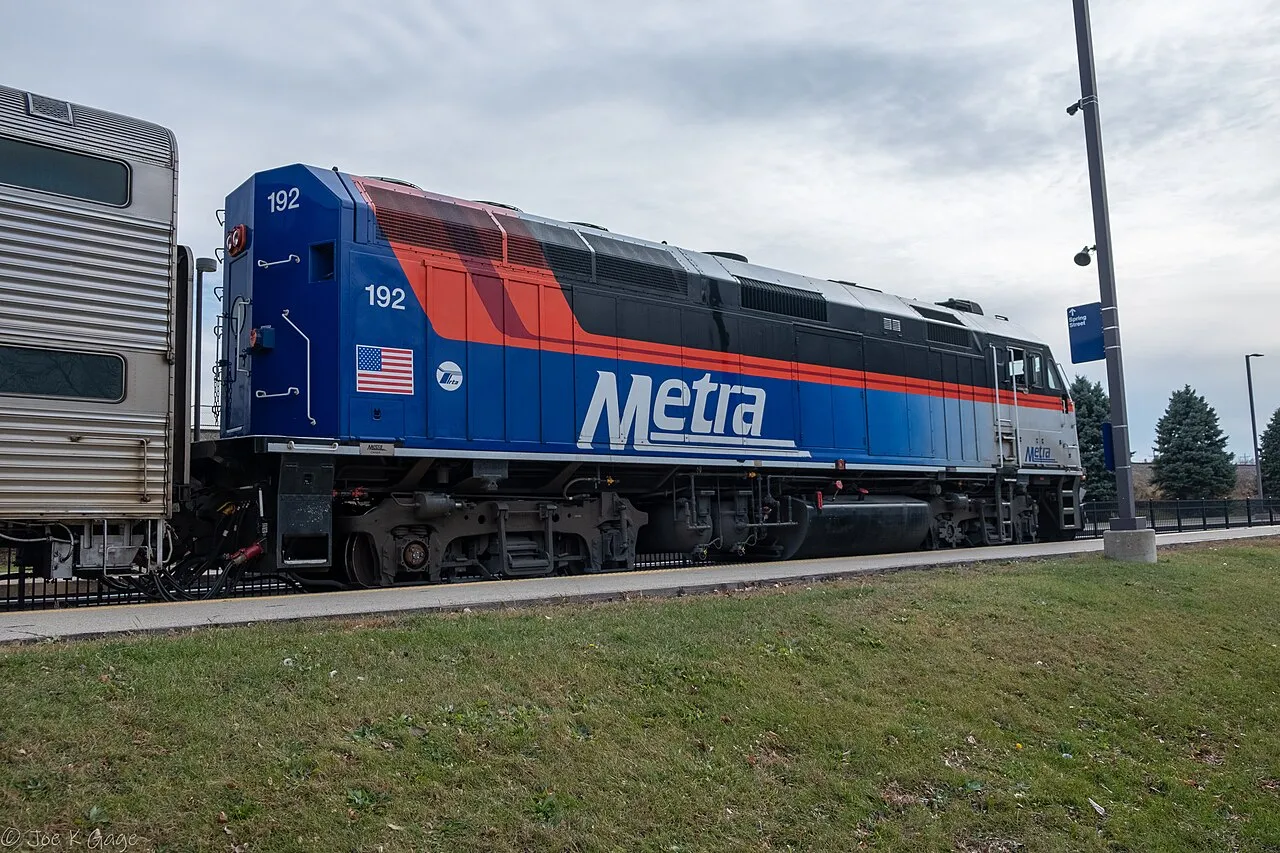
Aurora is the end of the line on Metra's BNSF, and it has two stations, which work very differently. The Aurora Transportation Center) at 233 N. Broadway, just north of downtown, is 37.1 miles from Union Station and averaged 1,280 weekday boardings as of October 2025. The Route 59 station, at 1090 N. Route 59 on the Aurora and Naperville border, is the busiest station on Metra outside downtown Chicago, with about 3,260 weekday boardings.
The timetable matters more than the distance. Using Metra's published schedule data for service from September 28, 2026, there are 32 weekday trains a day toward Chicago from both stations, and 20 on Saturdays and on Sundays. From Route 59, the fastest morning expresses reach Union Station in 45 minutes, most rush-hour expresses take 49, and midday trains take about 68. From the Aurora station, the fastest rush-hour trains take 54 minutes, most take 58, and midday trains about 75.
That nine or ten minute gap each way, and the extra express options, is why so many Aurora commuters drive east to Route 59 instead of boarding downtown. If a daily train to the Loop is central to your plans, the Fox Valley side puts you closest to Route 59, and it is worth pricing parking there as part of the commute. Pace buses serve both stations for part of the day.
Driving from Aurora: I-88, Route 59 and Beyond
Most of Aurora's daily driving runs on a few roads. The Reagan Memorial Tollway (I-88) crosses the north end of the city and is the fast way east to Naperville, Lisle, Oak Brook and the rest of the I-88 office corridor. Route 59 runs north and south along the Fox Valley side. Route 34, called Ogden Avenue on the east side, runs diagonally toward Naperville and Oswego. Farnsworth Avenue, Orchard Road and Randall Road are the main north-south roads inside the city, and Galena Boulevard and New York Street cross the river downtown.
For O'Hare, the usual route is I-88 east to I-294 north; outside rush hour it is roughly an hour from most of Aurora. Midway is a similar drive via I-55 from the southeast side. Aurora Municipal Airport, technically in Sugar Grove just west of the city, handles general aviation and cargo, not airline service.
One thing I tell buyers on the West Side: crossing the river at rush hour takes longer than the map suggests, because only a handful of bridges carry most of the traffic. If your work is east on I-88, drive the route at the time you would actually leave before you decide.
Is Aurora Walkable?
Mostly not, with a few real exceptions. Walk Score rates the city 40 for walking, 21 for transit and 52 for biking, which it calls car-dependent, minimal transit and bikeable. That is typical for a city this spread out.
The exceptions are near the river. Near West Galena scores 62, Bardwell and Light of the Community each score 55, and Southeast Aurora scores 52. Pigeon Hill is 49. At the other end, the newer and more spread-out areas score far lower: Blackberry Countryside is 21, the Far Southeast is 18 and Big Woods Marmion is 12. If walking to a restaurant, the library or the Paramount matters to you, that narrows your search to a small part of the city.
The better story in Aurora is biking. The Fox River Trail runs along the river through downtown and connects north toward Batavia and Geneva and south toward Montgomery and Oswego, and the Fox Valley Park District maintains paths through many of the subdivisions. The Bike Score of 52 undersells how easy a long weekend ride is from much of the city.
Shopping in Aurora: Fox Valley, the Outlets and Downtown
Aurora has two regional shopping draws. Fox Valley Mall, on Route 59 between Route 34 and New York Street, opened on July 30, 1975. Its current anchors are JCPenney and Macy's. Two former anchor sites were demolished and redeveloped with apartments, and the old Sears building came down starting in late 2020 as part of the mall's redevelopment plan. It still works for everyday errands, and the Route 59 corridor around it is lined with big-box stores.
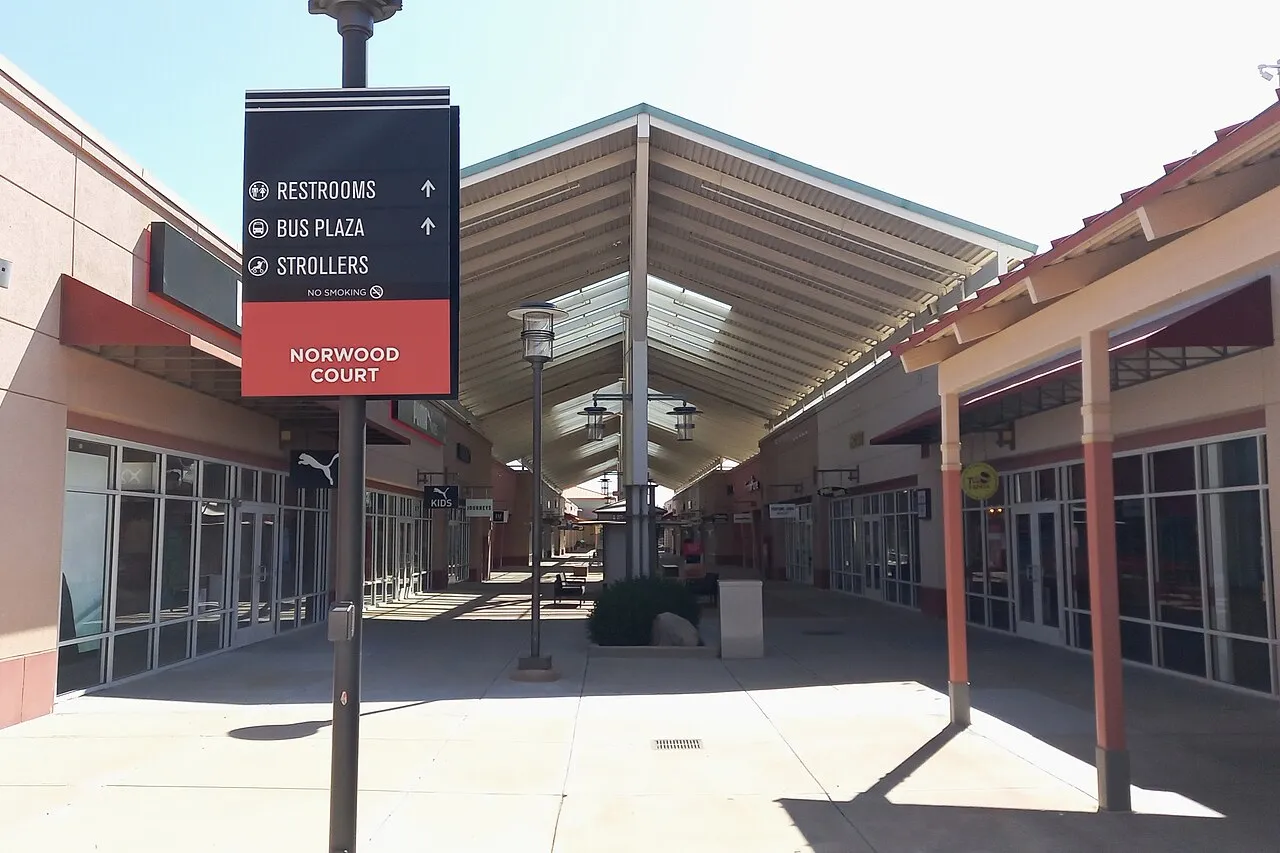
Chicago Premium Outlets, near Farnsworth Avenue and I-88 on the north end of the city, is the other draw and pulls shoppers from across the western suburbs. Since June 2026 it has a new neighbor in the relocated Hollywood Casino, covered below.
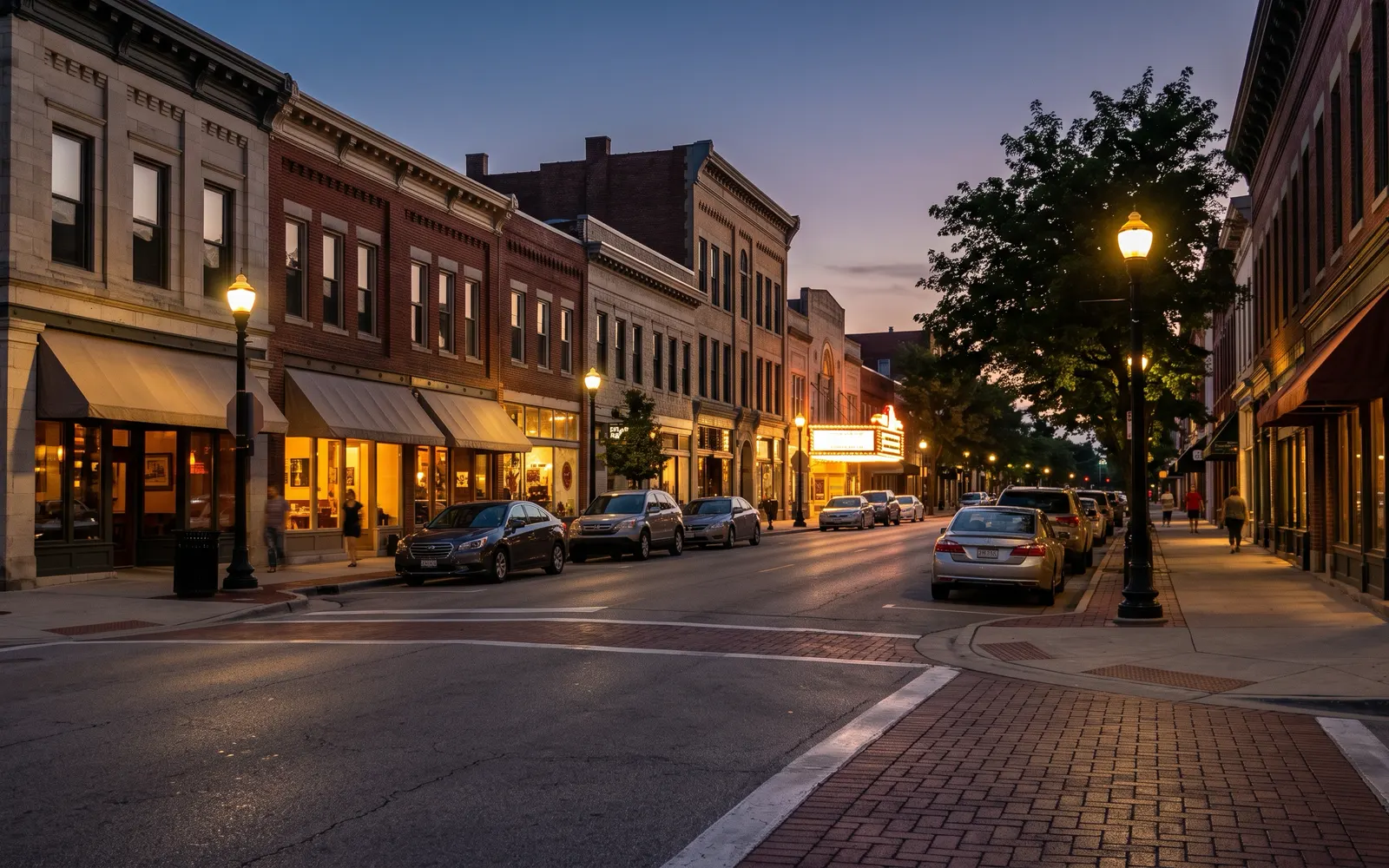
Downtown is smaller and more local: restaurants, bars, a few independent shops and the theater district around the Paramount. It is busiest on show nights. For a walkable shopping street with more retail, most Aurora residents drive to downtown Naperville, Geneva or St. Charles, each 15 to 25 minutes away depending on the side of town.
Groceries and Everyday Errands in Aurora
Groceries are easy on every side of the city, and which store you use depends mostly on which corridor you live near. The big Chicago-area chains cluster on Route 59, Ogden Avenue, Orchard Road and Randall Road, with discount grocers and warehouse clubs on the same strips. The East Side and downtown also have independent and specialty grocers.
Pharmacies, banks and dry cleaners follow the same corridors. From most of the Fox Valley side and the southeast, weekly errands are a five to ten minute drive. On the older West and East sides, some of them are a short walk.
Where Aurora Eats
Aurora's food scene splits the same way its neighborhoods do. Downtown and the blocks around Stolp Island have restaurants and bars that fill up before and after Paramount shows. The East Side has a long run of small, independent restaurants and bakeries along its older commercial streets. The Route 59 and Fox Valley corridor is mostly chain dining and strip-center restaurants near the mall and the Naperville line.
Downtown's dining is tied closely to the theater schedule, so a Tuesday in January and a Saturday in December are very different nights. If you are touring houses near downtown, eat there on a show night once. It tells you more about the neighborhood than a weekday afternoon will.
Parks, Trails and Recreation in Aurora
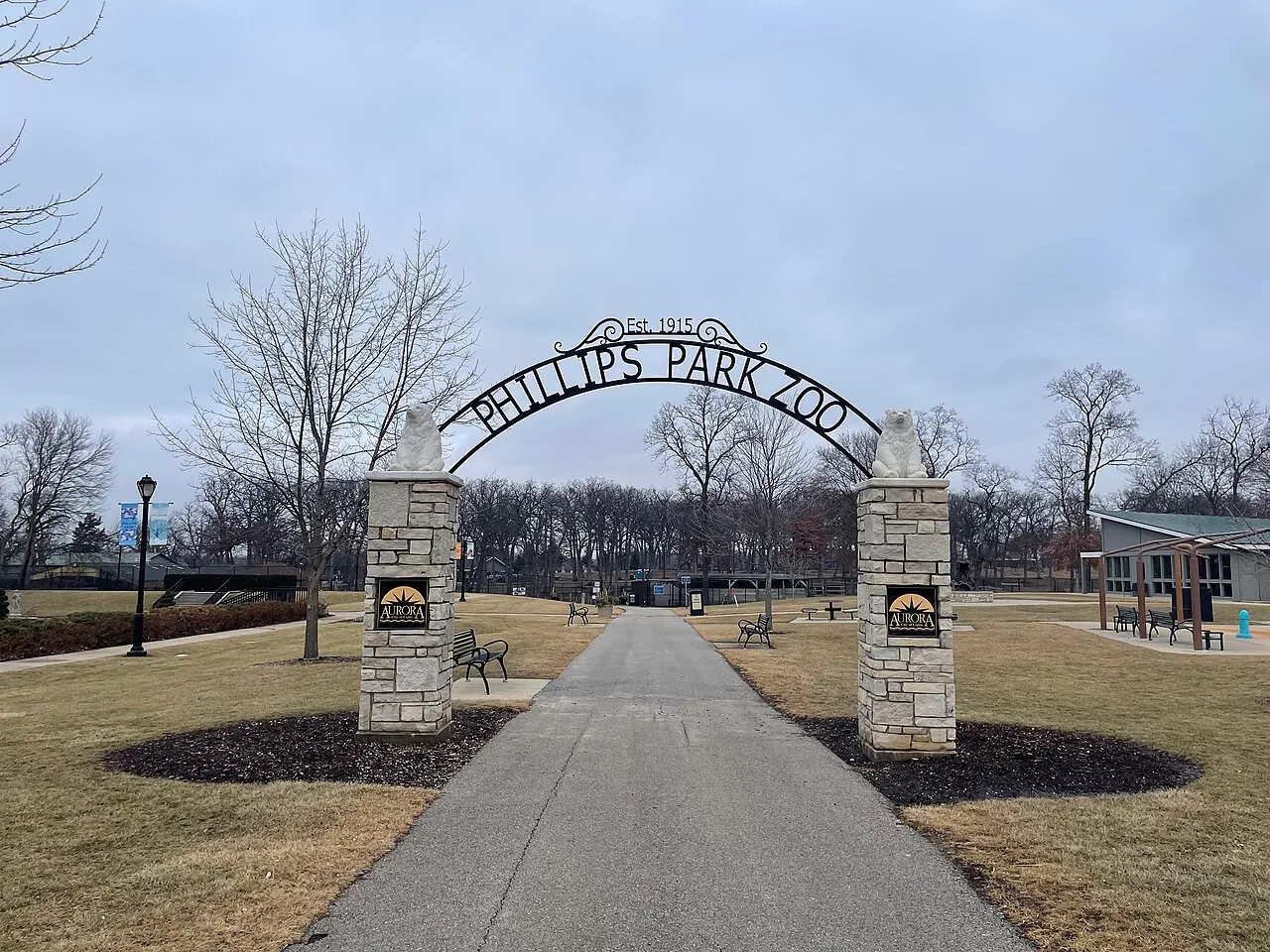
Phillips Park) on the East Side is the city's signature park, at more than 325 acres. It began with a 60-acre purchase in 1899 paid for by a bequest from former mayor Travis Phillips. It has the Phillips Park Zoo, open daily since 1915 with no admission fee, sunken gardens first designed in the 1930s, a golf course that reopened in 2001 after a redesign, an aquatic center, and a visitor center that displays mastodon bones found on the site during a 1934 dig.
Most of the rest of Aurora's parks belong to the Fox Valley Park District, founded in 1947 to protect land along the Fox River. It is the second-largest park district in Illinois, covering about 65 square miles across Aurora, North Aurora, Montgomery and part of Sugar Grove, and it won a national gold medal for parks and recreation in 2009. Its best-known site is Blackberry Farm, a living-history park on the far West Side. Some southeast and DuPage-side addresses may be in a different park district, so check the tax bill for the park district line before you assume which programs and pools you can use at resident rates.
The Fox River Trail runs along both banks through downtown and is the backbone for walking and biking. Forest preserves in Kane and DuPage counties sit along the edges of the city, and most Aurora addresses are within a short drive of one.
The Aurora Public Library
The Aurora Public Library system is built around the Santori Public Library, the main branch downtown, which opened in June 2015. The system also has two more branches, an express center and a bookmobile, so most of the city is within a short drive of a location. Addresses on the edges of Aurora, particularly in DuPage, Will and Kendall, sometimes fall in a different library district. Like the park district, the tax bill shows which one you pay for.
Utilities in Aurora
The City of Aurora provides water to most of the city. ComEd delivers electricity and Nicor Gas provides natural gas. Trash and recycling are handled through the city for most single-family homes. Sewer treatment is handled by a regional sanitary district rather than the city itself.
Two things to check on a specific house. First, some homes on the unincorporated fringe, and some older subdivisions annexed later, have had private wells or septic systems; the listing and the seller disclosures should say. Second, many newer southeast subdivisions carry special service area or HOA charges for things like stormwater ponds and common areas, which show up on the tax bill or the HOA budget rather than on a utility bill.
Hospitals in Aurora
Aurora has two hospitals inside the city, one on each side of the river. Rush Copley Medical Center is on the East Side and has long been one of the city's largest employers. Ascension Mercy Medical Center is on the West Side. From the Fox Valley side, Edward Hospital in Naperville is also a short drive, and Northwestern Medicine Delnor in Geneva serves the far north and west.
The Paramount and Aurora's Theater District
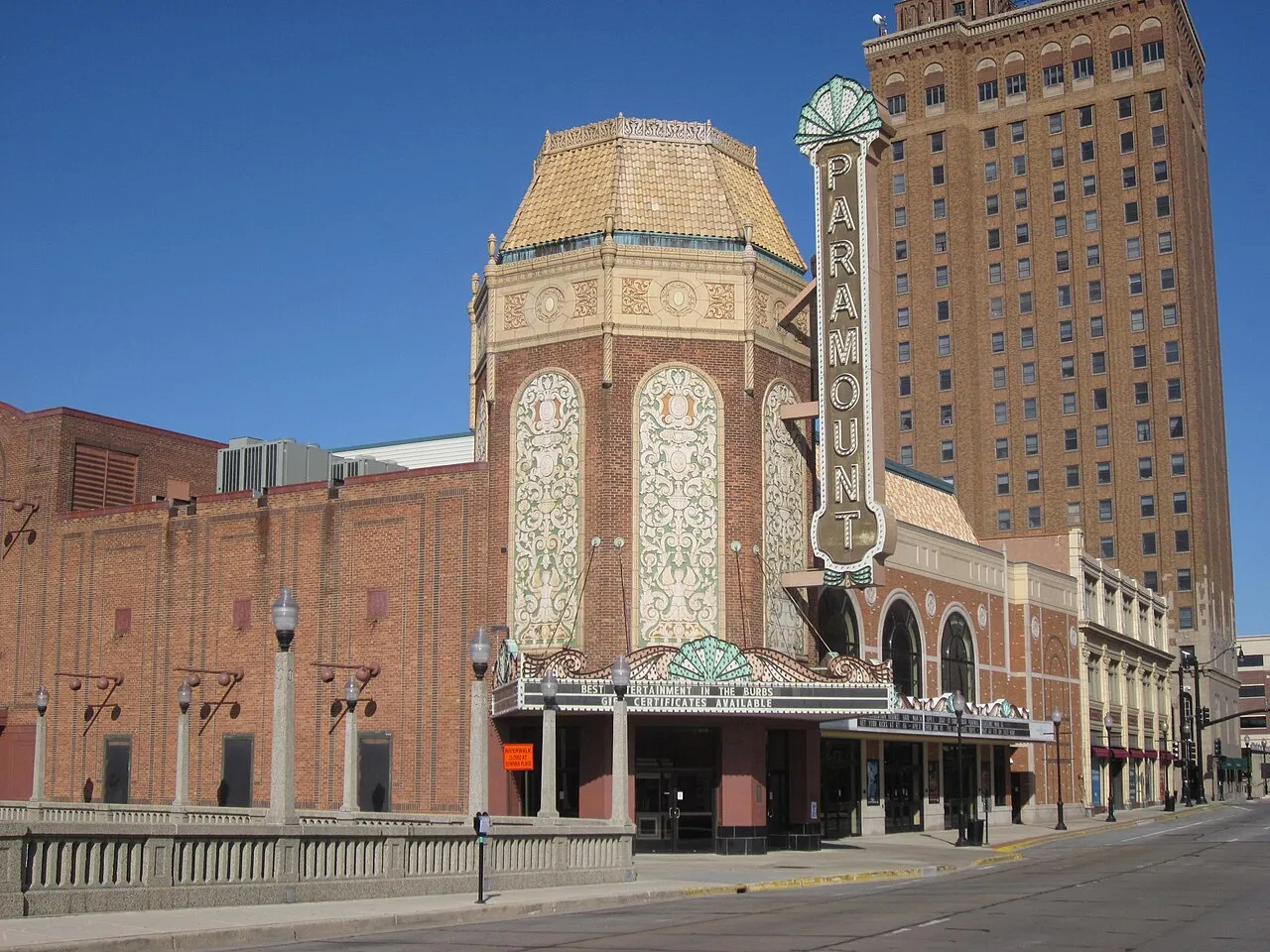
The Paramount Theatre) at 23 E. Galena Boulevard is the reason a lot of people from the rest of the suburbs know downtown Aurora at all. It opened in September 1931, was designed by Rapp and Rapp in an Art Deco style, and was the first air-conditioned building built outside Chicago. It seats 1,843 today and has been on the National Register of Historic Places since 1986. Its Broadway series draws subscribers from across the region, and show nights shape downtown's rhythm.
Beyond the Paramount, Aurora has the Aurora Regional Fire Museum, the Grand Army of the Republic Hall and the Schingoethe Museum of Native American Culture at Aurora University. RiverEdge Park on the north end of downtown hosts outdoor summer concerts along the river. The relocated Hollywood Casino, on the north end of the city, adds a hotel, restaurants and live entertainment.
Aurora's Yearly Traditions
Aurora's event calendar centers on the river and downtown. Summer brings outdoor concerts at RiverEdge Park and on the downtown streets, the city's Fourth of July celebration, and festivals that close blocks around Stolp Island. Phillips Park hosts seasonal events of its own, and the Fox Valley Park District runs programs at Blackberry Farm through the warmer months. The Paramount's holiday show season makes December one of the busiest months downtown.
Dates move every year, so check the city's and the park district's event calendars for the current schedule rather than relying on last year's. If you are touring houses near downtown in summer, go to one outdoor concert at RiverEdge. It tells you more about how the downtown blocks feel on a busy night than any listing will.
What's Being Built in Aurora
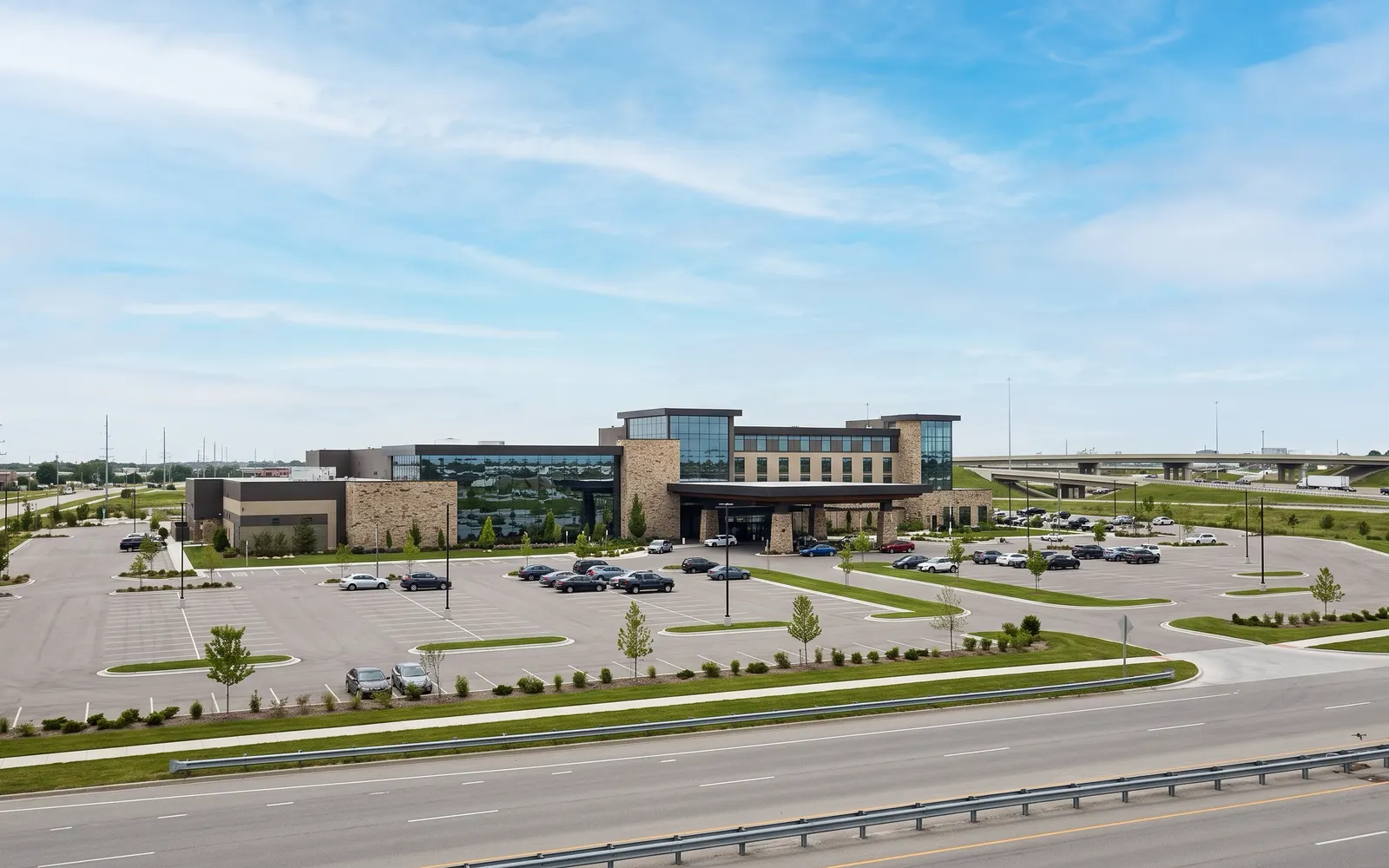
The biggest change in Aurora this year already happened. Hollywood Casino left its downtown riverboat and moved to a new land-based building on the north end of the city. The riverboat closed June 10, 2026, and the new casino opened June 24, 2026, on an 18-acre site bounded by Farnsworth Avenue, Corporate Boulevard, Bilter Road and Church Road, north of I-88 and near Chicago Premium Outlets. The project was budgeted at about $360 million and includes more than 900 slot machines, 50 table games and 200 hotel rooms. The city council approved it on January 23, 2024, along with a 23-year tax increment financing district.
That move has two effects for buyers. Around Farnsworth and I-88, the north end now has a hotel and entertainment hub next to the outlets. Downtown lost a major draw on the river, and what replaces the old casino property is the question I would watch most closely if I were buying near Stolp Island. I have not seen an approved plan for that site yet.
Fox Valley Mall is the other long-running project. Two former anchor stores were torn down and replaced with apartments, and the former Sears came down starting in late 2020 under the mall's redevelopment plan. On the southeast side, national and regional builders are still selling new homes in Will and Kendall county subdivisions, which is why so much of Aurora's recent sales volume is new construction. For a buyer, more rentals near Fox Valley mean more people trying Aurora before they buy. For sellers of older starter homes, it means a little more competition for the same first-time buyers. If you are one of them, the Illinois first-time buyer programs are worth reading before you shop.
I don't label any town or neighborhood as safe or unsafe.
Flood Risk in Aurora
Flooding is not a city-wide problem in Aurora, but it is a house-by-house one. On Redfin's Aurora page, First Street's model rates the city's overall flood risk as minor, with 973 properties, about 5% of the total, at risk of severe flooding over the next 30 years. That risk concentrates along the Fox River and the creeks that drain into it, and in some low spots in older neighborhoods.
Two checks before you write an offer. Look the address up on the FEMA flood map, because a mapped flood zone can mean required flood insurance on a mortgage. And ask the seller directly about water in the basement. In my experience with older houses near the river, the answer is often "once," and the follow-up question about what they did about it is the one that matters. On new construction, ask where the subdivision's stormwater ponds drain and who maintains them.
Frequently Asked Questions
How much does a house cost in Aurora, IL?+
Redfin reported a median sale price of $360,761 for the three months ending August 2026, up 3.1%, and Zillow's home value index was $324,261 for August 2026, up 3.2%. Prices vary widely by side of town, from older homes near the river to new construction in the southeast.
What county is Aurora, IL in?+
Mainly Kane County, where downtown and the original city are. Aurora also extends into DuPage, Will and Kendall counties, and the county changes the assessor and the tax rate.
What are property taxes in Aurora, IL?+
Ownwell's April 2026 data puts the median effective rate at 2.40% in the Kane County part, 2.51% in DuPage, 2.82% in Kendall and 3.06% in Will. A new home's bill usually rises once the finished house is assessed.
What school district is Aurora, IL in?+
Four main ones: West Aurora 129 on the West Side, East Aurora 131 on the East Side, Indian Prairie 204 on the Fox Valley side and much of the southeast, and Oswego 308 in parts of Kendall and Will. Assignment follows the street, so confirm each address with the district.
How long is the commute from Aurora to downtown Chicago?+
On Metra's BNSF line, expresses from the Route 59 station reach Union Station in 45 to 49 minutes and from the downtown Aurora station in 54 to 58. There are 32 weekday trains toward Chicago.
What neighborhoods are in Aurora, IL?+
Locals split the city into the West Side, the East Side and the Far East Side or Fox Valley, plus the newer Will and Kendall southeast. Named areas include Near West Galena, Pigeon Hill, the Tanner and Near Eastside historic districts, Edgelawn Randall, Fox Valley, Eola Yards and the Far Southeast.
Is Aurora walkable?+
Not city-wide. The Walk Score is 40, but areas near the river such as Near West Galena score 62. The Fox River Trail makes biking easier than the score suggests.
What happened to the casino in downtown Aurora?+
Hollywood Casino closed its downtown riverboat on June 10, 2026, and opened a new land-based casino with a 200-room hotel near Farnsworth Avenue and I-88 on June 24, 2026.
Eshu Chikoti has extensive access to off-market listings throughout Aurora and the rest of Kane County — homes that never make it to the public listing sites. That matters right now: in a seller's market like this one, well-priced homes routinely go under contract within days, and buyers relying only on public listings are competing for whatever is left over. Working with someone plugged into off-market inventory means seeing homes before the crowd does.
Eshu Chikoti · 847-691-4282 ·
Get new Aurora listings by email
When a home comes on the market in Aurora, I'll email it to you.
Just your email. Unsubscribe any time by replying.
Thinking About Aurora?
Whether you're buying, selling, or just curious what's on the market, I can walk you through Aurora street by street.