Naperville, IL
Naperville, IL is a city of about 153,000 people in DuPage County, with its south end in Will County. It has a downtown Riverwalk, two Metra stations on the BNSF line and two school districts that split the city.
Living in Naperville, IL means a 43-minute express train to Union Station and a typical home value near $625,000 this summer. The trade-offs are a car-dependent layout outside downtown and a tax rate that jumps south of 87th Street. Here is how it breaks down, pocket by pocket.
Written by Eshu Chikoti · 847-691-4282 ·
How Naperville, IL Got Here: A Short History
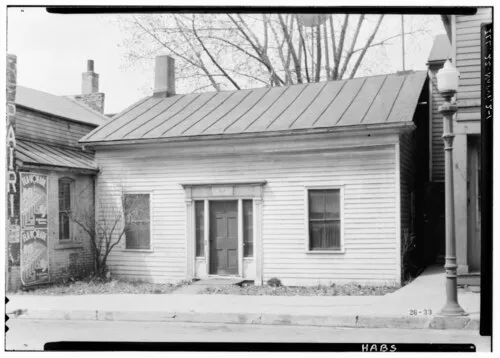
Naperville is one of the oldest towns in the western suburbs. Captain Joseph Naper and his family settled along the DuPage River in 1831, and the settlement took his name. According to Naperville's Wikipedia entry, Naperville was the DuPage County seat from 1839 to 1868, incorporated as a village in 1857 and as a city in 1890. The county seat moved to Wheaton after 1868, and that loss is one reason the old downtown stayed a small commercial core for so long instead of filling with county buildings.
North Central College arrived in 1870, and it still anchors the blocks just south and east of downtown. The railroad came through as well, and the line that carries Metra's BNSF trains today is the same corridor. In 1946 a Burlington passenger train was struck from behind near the Naperville station, killing 45 people and injuring about 127. It remains one of the worst rail accidents in Illinois history, and older residents still bring it up.
For most of the 20th century Naperville was a small town. The census counted 7,013 residents in 1950 and 12,933 in 1960. Then the East-West Tollway (now I-88) and the research campuses along it changed everything. The population reached 42,330 in 1980, 85,351 in 1990 and 128,358 in 2000. That growth curve is written into the housing stock: most of the city was built in those three decades, and you can almost date a subdivision by how far it sits from downtown.
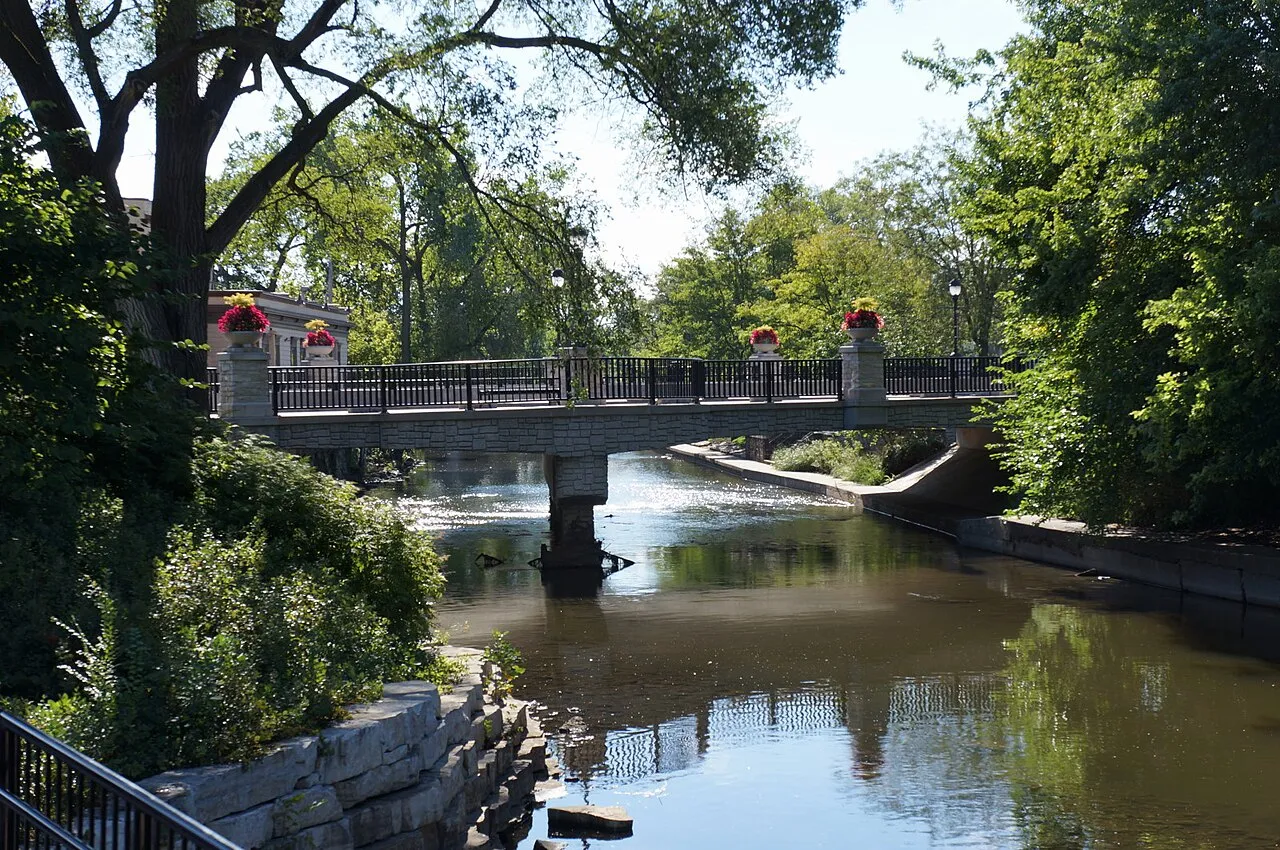
The Riverwalk, which people now treat as the center of town, is newer than most visitors assume. Construction began in 1981 as a project for the city's 150th anniversary, and it now runs about 1.75 miles along the river. Naper Settlement, the outdoor history museum near downtown, opened in 1969, and the Moser Tower with its Millennium Carillon was completed in 2000.
Naperville at a Glance
Naperville covers about 39.7 square miles roughly 30 miles west of the Loop. Most of the city is in DuPage County, but the south end crosses into Will County. According to the city's township page, 87th Street is the line: DuPage residents north of it are in Naperville or Lisle Township, and the Will County side is split between Wheatland Township west of Washington Street and DuPage Township east of it. Small corners of the city also fall in Winfield and Milton Townships.
That county line matters more than any other boundary in town. Will County has a different assessor, a different tax calendar and, on average, a higher effective tax rate. Two similar houses a couple of miles apart, one north of 87th and one south of it, can carry very different bills. I cover the numbers in the tax section below.
The 2024 Census ACS puts the population at 153,337, which makes Naperville the fourth-largest city in Illinois. About 75.9% of occupied homes are owner-occupied. Single-family detached houses are 62.3% of all housing units, attached homes such as townhouses are another 13.5%, and buildings with five or more units make up about 20%. That is a much broader mix than most of the suburbs around it, which is why Naperville has a real townhouse and condo market alongside the detached-house market.
Naperville is also a jobs center. The I-88 corridor along the north edge of town has held major corporate and research campuses for decades, and Edward Hospital is the city's largest employer. That daytime business base is part of why the city's retail and restaurant scene is so much bigger than a typical commuter suburb's.
The street grid is easy to learn. Washington Street runs north and south through downtown, Ogden Avenue (Route 34) cuts diagonally across the north side, and Route 59 is the commercial spine on the west edge. Locals describe most places by "north of Ogden," "off 59," or "south of 75th," and 87th Street is the line to remember when you look at taxes.
The county line changes the tax bill, the district line changes the school, and a Naperville mailing address does not guarantee either one.
Naperville Neighborhoods, Pocket by Pocket
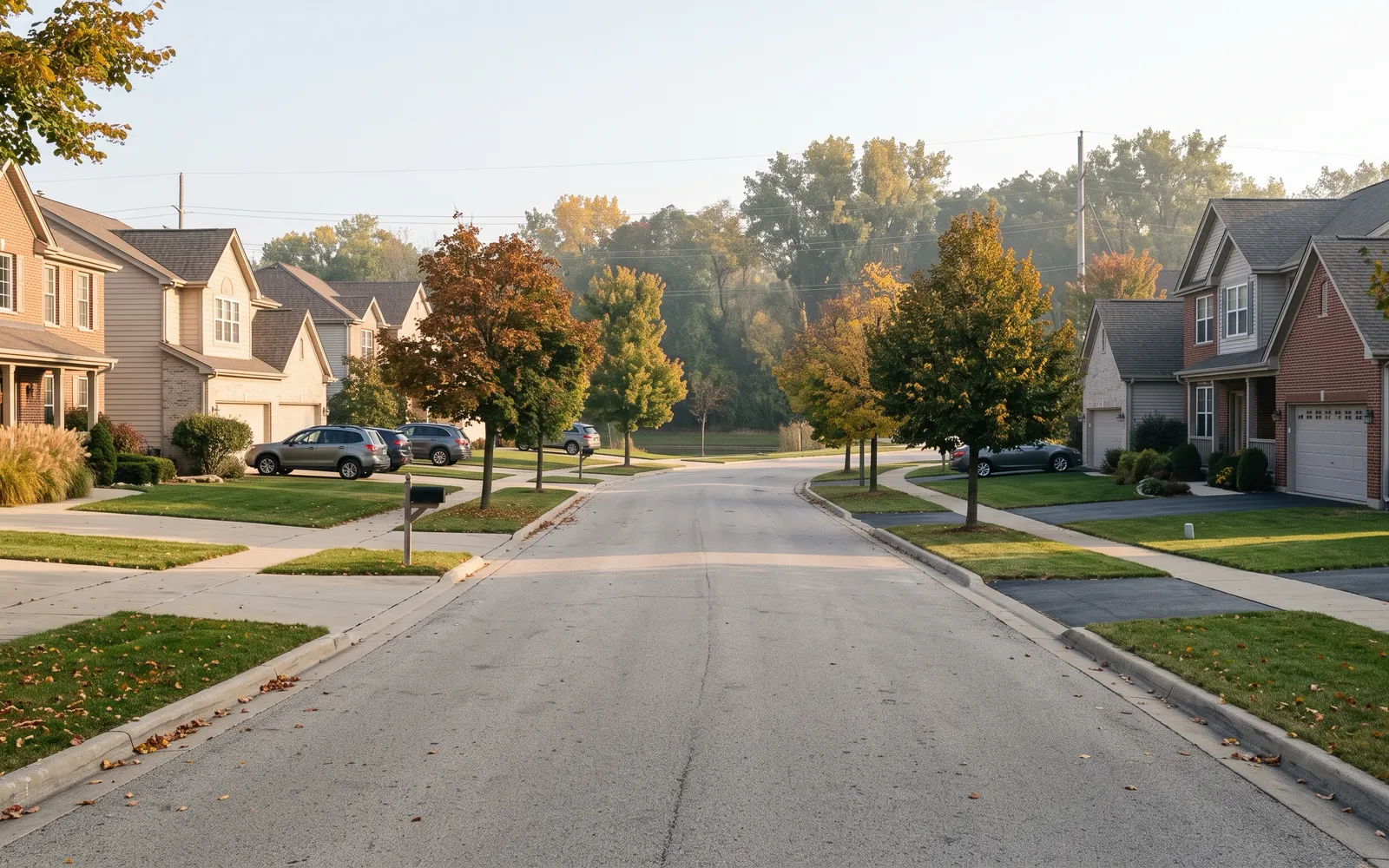
Naperville is too big to shop as one market. I think of it in three rings. The first is downtown and the older blocks around it, where the houses are the oldest in the city and the walk to the Riverwalk and the train is real. The second ring is the 1960s through 1980s subdivisions on the north and east sides, mostly in District 203. The third is the big south and southwest expansion of the late 1980s through the 2000s along Route 59, 75th Street and 95th Street, most of it in District 204 and a lot of it south of the county line.
The second thing to know is walkability. Walk Score rates the city 34 overall, but its named neighborhoods run from 52 in Wood Lake and 50 in East Highlands down to 12 in Knoch Knolls and 11 in Clow Creek. That spread is the difference between walking to dinner and driving to everything.
Below are the pockets you will see named on listings. The school assignment is the part I always confirm by address, because the 203/204 line does not follow subdivision names.
I don't have a closed sale of my own in Naperville yet. Confirm the district for a specific address with the district office, and read each district's profile on the Illinois Report Card at illinoisreportcard.com. If you want to know which pocket a specific address falls in and what that pocket has sold for lately, that is a conversation I am happy to have here.
Downtown and the Historic District. The blocks around Central Park, Jackson Avenue and the Riverwalk, with the city's oldest houses, Victorian and early 1900s homes mixed with newer infill. District 203, Naperville Central. The walk to the Metra station is realistic from much of this area.
East Highlands. A few blocks from downtown, with mid-century houses and custom rebuilds on the same streets. Walk Score 50, the second highest of any named Naperville neighborhood.
West Highlands. Walk Score 46.
Hobson West. About a mile south of downtown, with its own pool and tennis club. District 203.
Maplebrook. Central Naperville, tree-lined, with schools within walking distance for much of the neighborhood. District 203. Walk Score 37.
Cress Creek. North side, on Ogden Avenue between Mill Road and River Road, built around the Cress Creek Country Club golf course with both townhouses and single-family homes. District 203, Naperville North. Walk Score 36.
Brookdale. Walk Score 35.
Steeple Chase. South of Ogden and east of Naper Boulevard, single-family homes from the late 1990s to the mid-2000s.
Country Lakes. The northwest side off North Aurora Road and Route 59, including the Enclave at Country Lakes townhouses from the 2000s. Walk Score 20.
White Eagle. South of 83rd Street and west of Route 59, a gated neighborhood built from the late 1980s to the mid-1990s around the White Eagle golf club, with large single-family homes. District 204. Walk Score 20.
Ashbury. On 95th Street east of Book Road, built in the early to mid-1990s on more than 500 acres, with its own aquatic center, tennis courts and ball fields. District 204.
Tall Grass. On 95th Street west of Route 59, single-family homes and townhouses by Tower Homes, with a clubhouse and pool. District 204. Walk Score 22.
Wood Lake. North of 95th Street and east of Route 59, single-family homes and townhouses from the mid to late 1990s. Walk Score 52, the highest of any named Naperville neighborhood, thanks to the shopping along 95th and Route 59.
Still Water. South Naperville next to Springbrook Prairie, with larger homes. District 204. Walk Score 31.
Knoch Knolls and Woods of Rivermist. Along the DuPage River on the south side, with wooded lots near Knoch Knolls Park. Woods of Rivermist, off Knoch Knolls Road, is custom homes from the mid to late 1990s. Walk Score 12.
Kinloch. East of Plainfield-Naperville Road and south of 95th Street, single-family homes from the mid to late 2010s, one of the newer resale options on the south side.
What Naperville Homes Look Like, by Era
The housing stock follows the growth curve. According to the 2024 Census ACS, about 49% of Naperville's housing units were built between 1980 and 1999, another 16% in the 2000s and about 12% since 2010. Only about 5% predate 1960. So when you tour Naperville, you are mostly touring 1980s and 1990s two-story houses: four bedrooms, a two- or three-car garage, a family room off the kitchen and, very often, a finished or partly finished basement.
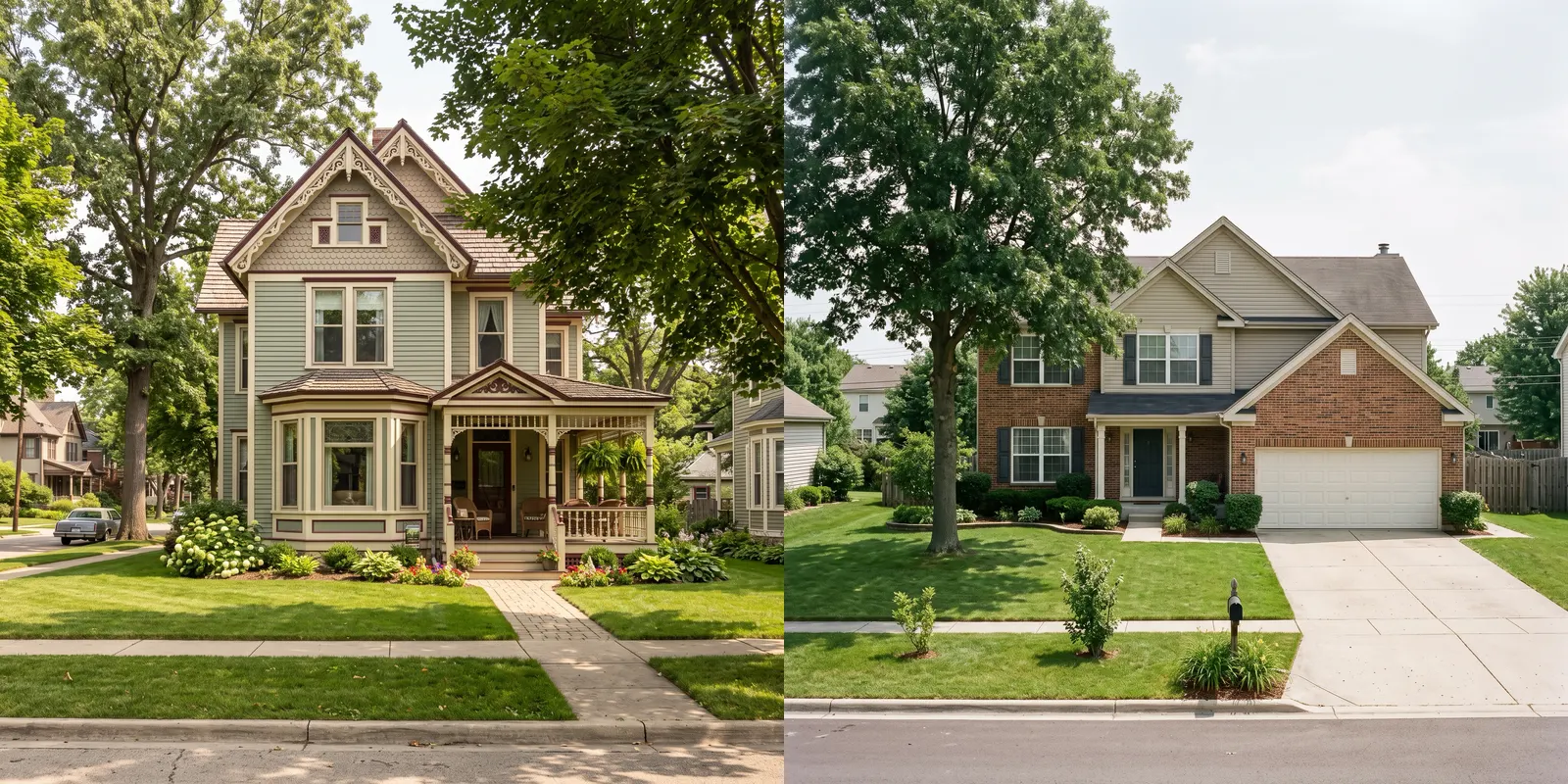
The older pockets are different. Downtown and the Historic District have Victorian, Queen Anne and early 1900s houses, plus a lot of infill where an older house was replaced with a large new one. The 1960s and 1970s areas on the north and east sides have ranches, split-levels and early colonials on larger, more mature lots. The newest resale homes are in the south and southwest subdivisions from the late 1990s and 2000s, and brand-new construction now mostly means townhouses on redevelopment sites or subdivisions at the edges of town.
The ACS puts the median home value at $579,200 and the median gross rent at $1,913. Rentals are a real part of this market. About a quarter of occupied homes are rented, and there is a large supply of apartments and townhouses along Route 59 and near I-88.
The age of the stock tells you what the inspection will find. A 1990s Naperville house is now at the point where the original roof, furnace, water heater and windows are at or past the end of their lives. None of that should scare you off a good house, but it all belongs in the price. My home inspection checklist is a good place to start if you are weighing one.
The Naperville Housing Market in 2026
Naperville is a steady market that still favors sellers on well-priced homes. Zillow's home value index put the typical Naperville home at $625,494 in August 2026, up 4.4% from $599,035 a year earlier. Movoto's August 2026 report shows a median sold price of $650,000, 577 homes sold compared with 461 a year earlier, and a typical 25 days to sell compared with 21 a year before.
Redfin's figures, as compiled by Naperville.com in August 2026, tell a similar story for the spring. For April through June 2026, Redfin reported a median sale price of $619,663, up 0.8% from a year earlier, with homes taking a median of 44 days to sell and 45% of them selling above list price. Redfin also put supply at 2.9 months, which is still a seller's market by the usual six-month rule.
Why the numbers differ: Zillow's index estimates the value of all homes in the city, whether or not they sold. Movoto's figure is the middle of what closed in one month, and Redfin's is the middle of what closed over three spring months. In a city this size the mix of what sells moves the median around. A month with more south-side detached houses closing pushes it up, and a month with more townhouses and condos pulls it down. My read is that values rose modestly over the past year, and homes are taking a little longer to sell than they did in 2025.
What that means in practice: a well-prepared house in a strong pocket still draws competition and often sells above list. A house priced on last spring's hopes sits, and a price cut in Naperville is visible to every buyer watching the neighborhood. The spread between a downtown-area house, a north side townhouse and a White Eagle executive home is several hundred thousand dollars, so the citywide median tells you about the city and very little about a specific house. If you are deciding whether now is the moment, my take on buying in 2026 walks through the rate and price picture.
Naperville Property Taxes: DuPage vs Will County
Property tax is where the county line shows up in your monthly payment. On the DuPage side, Ownwell's 2026 data puts the median effective rate at 2.05% and the median bill at $9,065. On the Will County side, Ownwell puts the median effective rate at 2.35% and the median bill at $12,734. The Will County bills are higher partly because the homes there are newer and larger, and partly because the rate itself is higher.
By ZIP code, the DuPage medians run from $7,227 in 60563 to $9,936 in 60540. On the Will side, 60564 shows a median bill of $12,541 at a 2.37% rate and 60565 shows $13,211 at 2.31%. ZIP codes cross the county line here, so a 60564 or 60565 address can be on either side of it. Check the parcel, not the ZIP.
Here is a worked example. Take a house bought at Movoto's $650,000 August median. At the DuPage median rate of 2.05%, it would eventually carry about $13,300 a year in tax, roughly $1,110 a month. At the Will County median rate of 2.35%, the same price would carry about $15,300 a year, roughly $1,270 a month. That is about $2,000 a year for the same purchase price, every year you own it. Current bills on a house may be lower than this because assessments trail the market, but they catch up. The expectation I most often have to reset is a buyer budgeting off the seller's current bill.
Each combination of township, school district, park district and library district is its own tax code with its own rate, so two houses on the same side of 87th Street can still differ. If you already own and think your assessment is high, DuPage and Will each have their own board of review and deadlines. My property tax appeal guide is written for Lake County, but the process of pulling comparable assessments works the same way. This is general information, not tax advice. Your actual bill depends on your parcel, your exemptions and the assessor.
Naperville Schools: District 203 and District 204
Naperville has two main unit districts, each running kindergarten through 12th grade. Naperville Community Unit School District 203 serves central and northern Naperville plus parts of Lisle and Bolingbrook. According to the district and its Wikipedia summary, it runs 14 elementary schools, five junior highs (Jefferson, Kennedy, Lincoln, Madison and Washington) and two high schools, Naperville Central and Naperville North.
Indian Prairie School District 204 serves southern and western Naperville along with parts of Aurora, Bolingbrook and Plainfield. According to the district and its Wikipedia summary, it runs 21 elementary schools, seven middle schools (Crone, Fischer, Granger, Gregory, Hill, Scullen and Still) and three high schools: Neuqua Valley, Metea Valley and Waubonsie Valley. Metea Valley and Waubonsie Valley carry Aurora addresses, so a Naperville house can feed a high school in Aurora.
Neuqua Valley, at 2360 95th Street, is also the largest of the five at about 3,018 students.
The detail that trips people up is assignment. The 203/204 line doesn't follow the county line, ZIP codes or subdivision names. Some newer homes with a Naperville mailing address are in neither district: Pulte's Naperville Polo Club, for example, lists Plainfield District 202 schools. Check every address with the district directly before you write an offer, and ask me for the boundary if you want it done for a specific house.
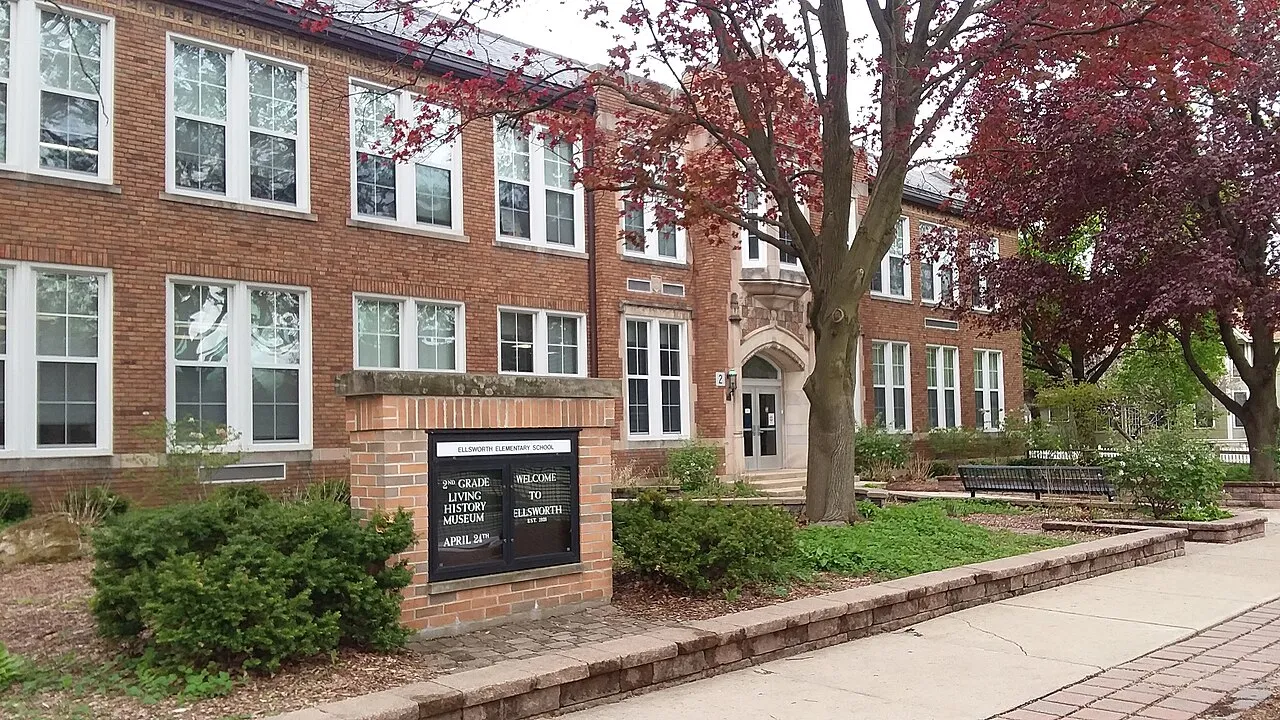
Naperville Central High School. 440 Aurora Ave. District 203.
Naperville North High School. 899 N Mill St. District 203.
Neuqua Valley High School. 2360 95th St. District 204.
Metea Valley High School. 1801 N Eola Rd, Aurora. District 204.
Waubonsie Valley High School. 2590 Ogden Ave, Aurora. District 204.
Commuting from Naperville: Metra BNSF to Chicago
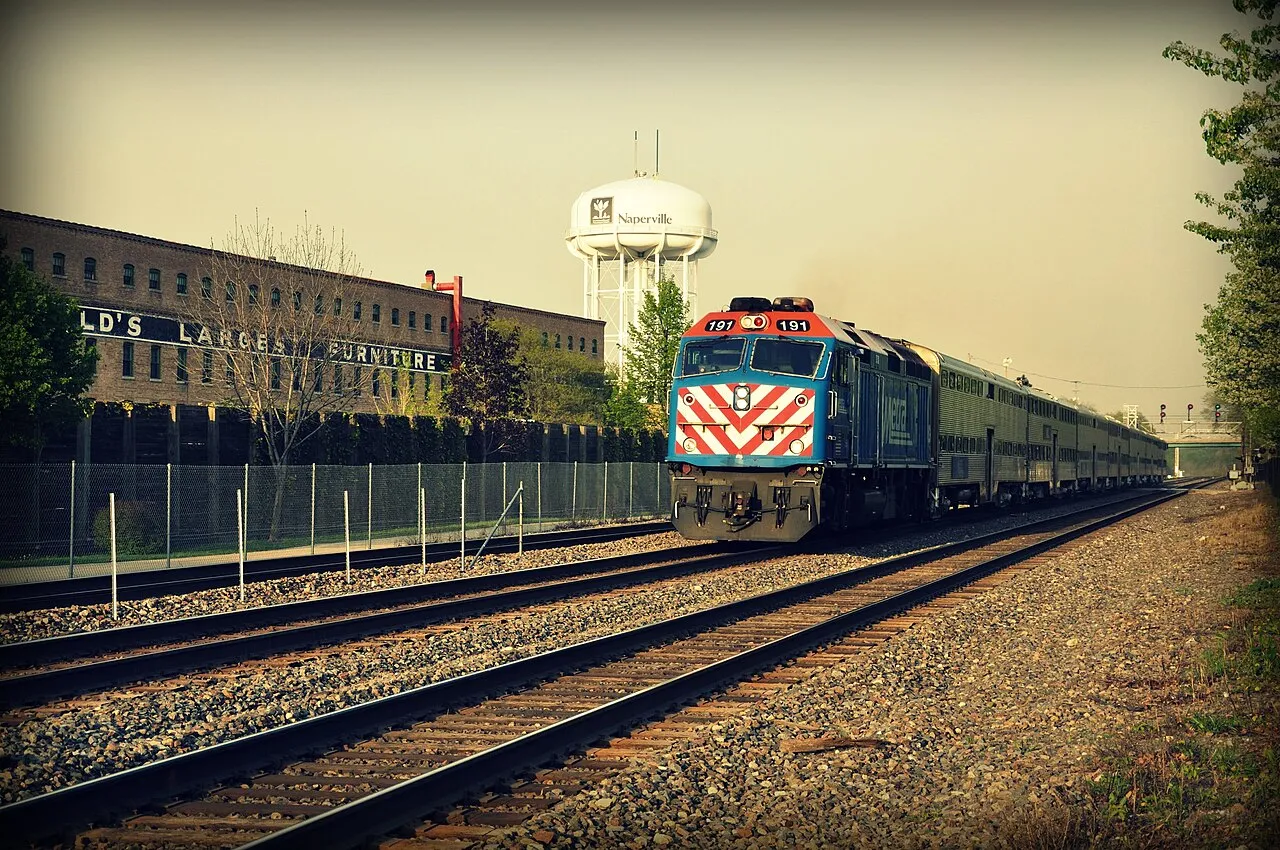
Naperville has two stations on Metra's BNSF line, a one-seat ride to Union Station. The Naperville station is on the north edge of downtown along 4th Avenue, and the Route 59 station sits at the far west edge of the city on the Aurora border. According to Metra's published schedule data for service starting September 28, 2026, 32 weekday trains leave Naperville for Chicago and 38 come back. On Saturdays and Sundays there are 20 trains each way.
The time depends on which train you catch. The two fastest morning expresses from Naperville reach Union Station in 39 minutes (the 7:02 a.m. arrives at 7:41). Most rush-hour expresses take 43 minutes, the midday trains take about 64, and the trains that stop everywhere take about 71. From the Route 59 station the same trains take about six minutes longer, with the fastest at 45 minutes.
That spread is why the walk to the station shows up in Naperville prices. A downtown house a few blocks from the Naperville station gives you the 43-minute express without a parking permit. From the south side you are driving to a station either way, and Route 59 is often the easier one to reach. Pace buses cover some routes to both stations.
Driving from Naperville: I-88, I-355 and I-55
I-88, the Reagan Memorial Tollway, runs along the north edge of Naperville and connects to I-355 and I-294 on the way into Chicago. I-355 runs just east of the city and ties I-88 to I-55, which passes to the south. Route 59 is the main north-south road on the west side, and Ogden Avenue (Route 34) runs diagonally across the north side toward Lisle and Downers Grove.
Which highway you use depends on where in Naperville you live. From the north side, I-88 is minutes away. From the far south side it is often faster to take Route 59 or Plainfield-Naperville Road toward I-55. O'Hare and Midway are each roughly 30 miles away, and the drive time depends heavily on the hour and the tollway traffic. The I-88 corridor jobs in Naperville, Lisle, Downers Grove and Oak Brook are a reverse or short commute for most of the city.
Is Naperville Walkable?
Mostly not, with one strong exception. Walk Score gives the city an average of 34 and calls it car-dependent. That is normal for a city built mostly in the 1980s and 1990s, where subdivisions were designed around cul-de-sacs and collector roads.
The exception is downtown. The Riverwalk, the Metra station, the library, Centennial Beach and the restaurant district are all within a small area, and the blocks around them are where walking is a daily option. Walk Score does not score downtown on its own, but the neighborhoods closest to it, East Highlands (50) and West Highlands (46), rank near the top. Out in the subdivisions, Wood Lake (52) and Lakewood Crossing (46) score well because they sit next to shopping on 95th Street and Route 59. Knoch Knolls (12) and Clow Creek (11) are at the bottom.
For recreation the picture is better. The park district counts about 75 miles of trails, and the Riverwalk, Springbrook Prairie and the DuPage River Trail make a long walk or bike ride easy from most of the city.
Downtown Naperville and Route 59 Shopping
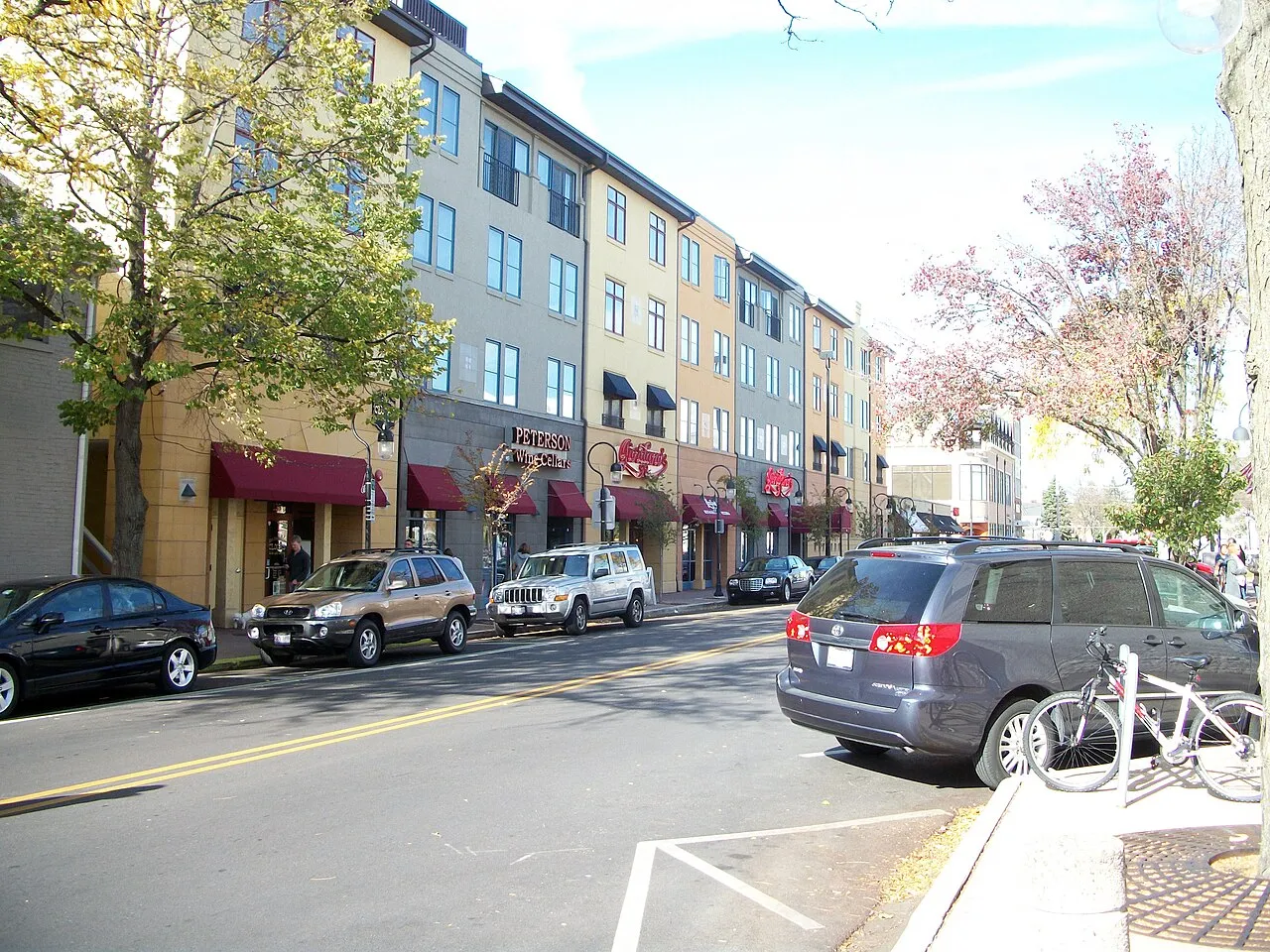
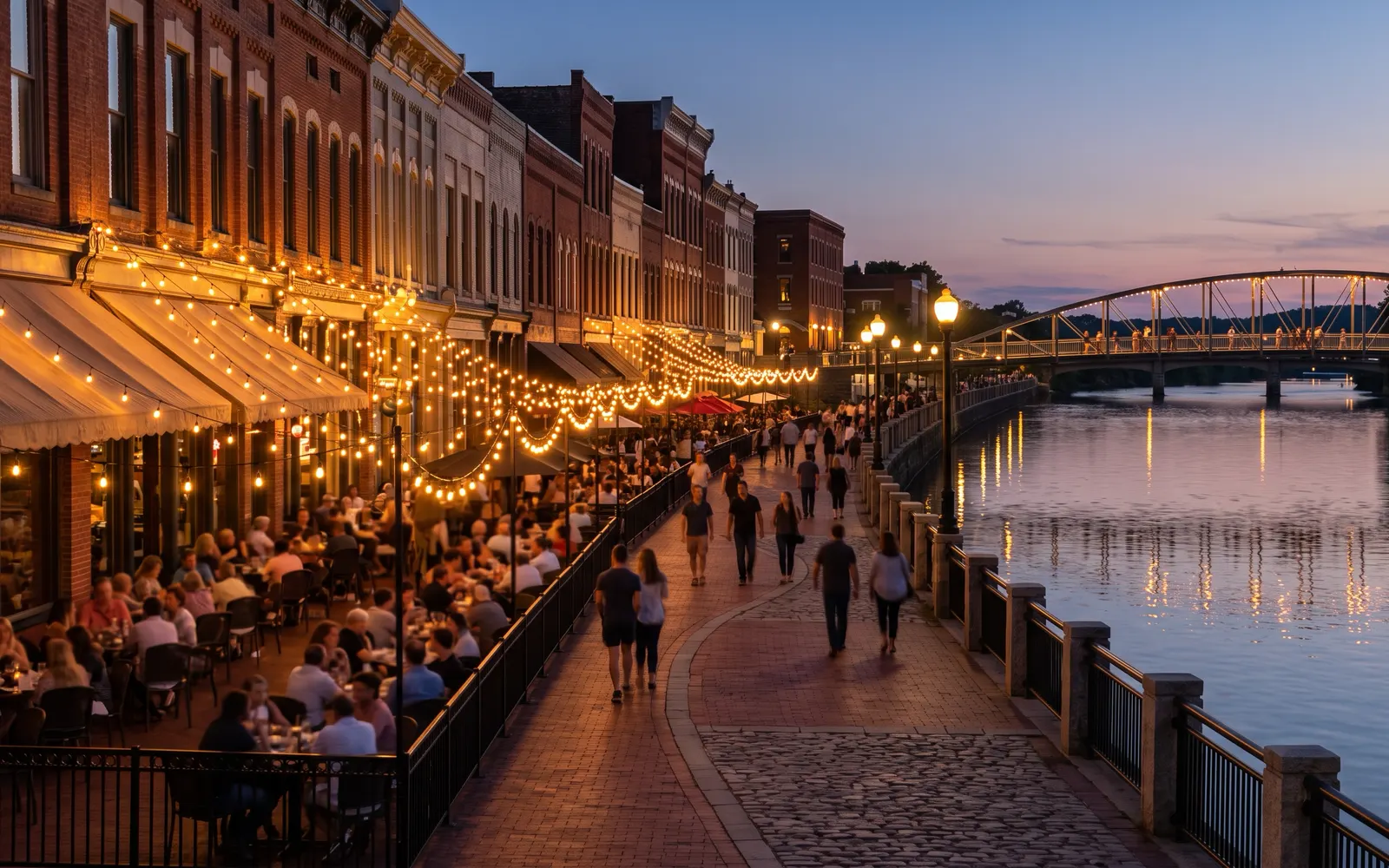
Downtown Naperville is the shopping district people drive in from other suburbs to visit. The blocks along Jackson Avenue, Main Street, Washington Street and the Riverwalk hold national retailers, local boutiques, restaurants and bars, and the Water Street area on the south bank of the river added newer restaurants and a hotel. On a summer weekend it's the busiest place in the western suburbs.
The big-box and everyday shopping lives on the edges. Route 59 on the west side is lined with shopping centers from Ogden Avenue down past 95th Street, and Fox Valley Mall sits just across the line in Aurora. Ogden Avenue on the north side and 75th Street on the east side carry more of the daily errands. Most of the city is within ten minutes of a major shopping corridor.
Groceries and Everyday Errands in Naperville
Groceries are easy in a city this size. Jewel-Osco and Mariano's both have multiple Naperville stores, and Whole Foods, Trader Joe's and Costco are on or near the Route 59 corridor. There is also a wide range of international grocers along Route 59, Ogden Avenue and 75th Street. Pharmacies, banks and dry cleaners cluster in the same shopping centers, so most weekly errands are a short drive from any neighborhood.
From June through October, the Naperville Farmers Market runs Saturday mornings from 7 a.m. to noon at the 5th Avenue Station lot at 200 E. 5th Avenue, next to the Metra station.
Where Naperville Eats
Naperville has one of the deepest restaurant scenes in the suburbs. Walk Score counts about 477 restaurants, bars and coffee shops in the city. The densest cluster is downtown, where you can walk from a Riverwalk patio to a steakhouse, a brewpub or a coffee shop in a few minutes. Route 59 and 75th Street have the second tier, with a lot of the city's strongest international restaurants in strip centers that are easy to miss from the road.
The practical point for a buyer: if eating out downtown is part of how you want to live, the distance from the house to Jackson Avenue matters more than any other number on the listing. From the south side it's a 15- to 20-minute drive and a parking garage.
Parks, Centennial Beach and Golf in Naperville
The Naperville Park District says it runs 140 parks on more than 2,400 acres, with 78 playgrounds and about 75 miles of trails. The one everybody knows is Centennial Beach, a spring-fed former quarry next to the Riverwalk that has been a public swimming spot since 1931 and is open from Memorial Day weekend through Labor Day. Paddleboat Quarry rents boats nearby.
On the south side, Knoch Knolls Park covers 263 acres along the DuPage River, with a 5.5-mile trail, a nature center that opened in 2014, an 18-hole disc golf course and canoe and kayak access. The park district also runs two public golf courses: Springbrook, an 18-hole course renovated in 2021 and 2022, and Naperbrook, a links-style course with a driving range and practice facility.
Beyond the park district, the DuPage County Forest Preserve District runs Springbrook Prairie on the city's east side. According to Naperville.com, it covers 1,832 acres and is one of three regionally significant grassland bird habitats in Illinois. McDowell Grove Forest Preserve borders the north side along the West Branch of the DuPage River.
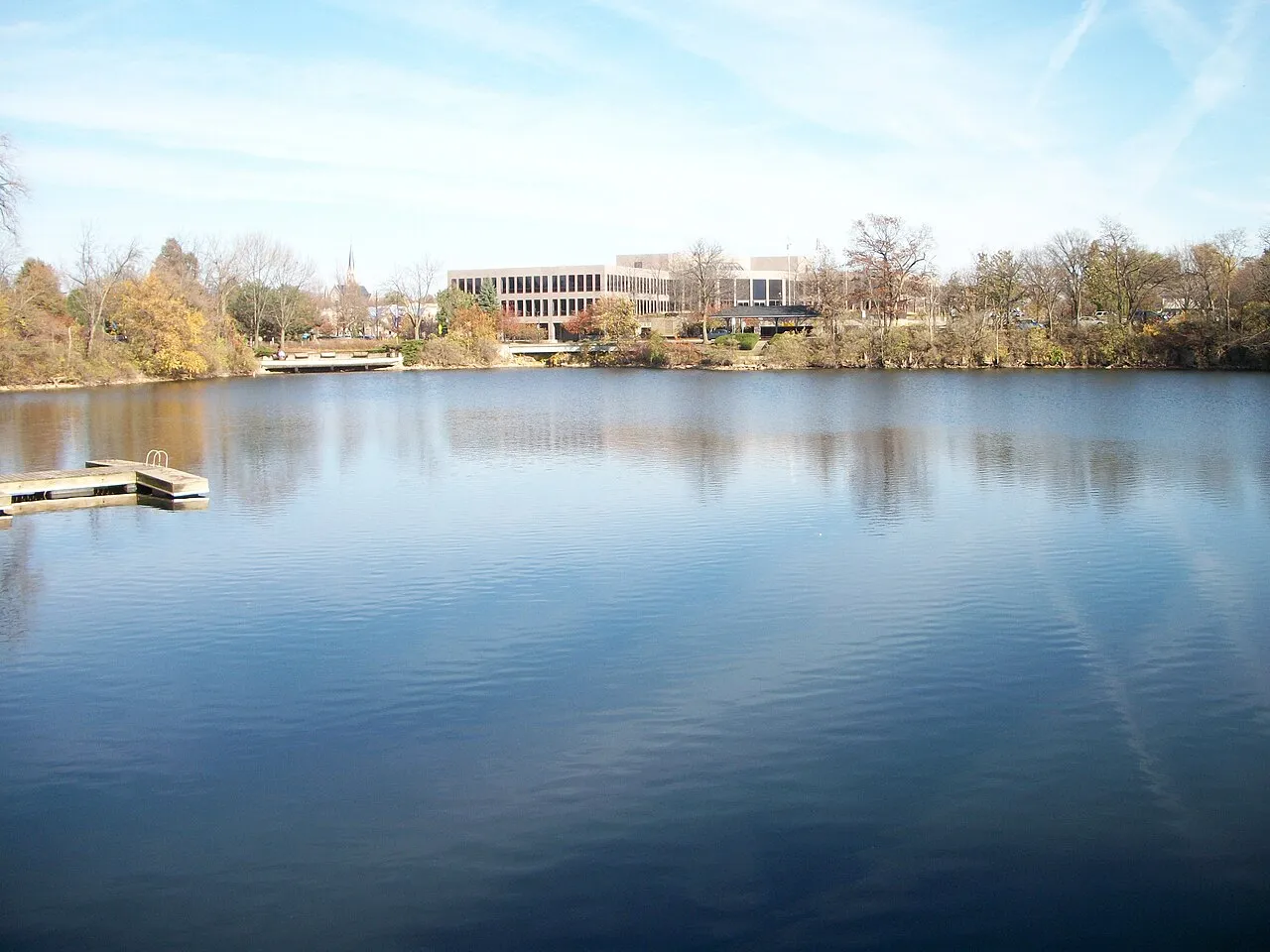
The Naperville Public Library
The Naperville Public Library has three branches: Nichols Library downtown on Jefferson Avenue, the 95th Street Library on the south side and the Naper Boulevard Library on the east side. Each runs its own youth and adult programs, and the popular ones fill quickly, so register early. For a buyer, the practical note is that the south-side and east-side branches mean you are never far from one, wherever you land in the city.
Utilities in Naperville: A City-Owned Electric Utility
Naperville is one of the few large Illinois cities that owns its electric utility. The Naperville Electric Utility marked 125 years of public ownership in 2024, and most homes in the city get their power from it rather than from ComEd. That also means the ComEd-area electricity aggregation offers you may see in other suburbs don't apply here.
The city also provides water and wastewater service. Drinking water is Lake Michigan water bought through the DuPage Water Commission from the City of Chicago, according to the city's water utility. Nicor Gas provides natural gas, and residential garbage collection is contracted to Groot. If a house is in unincorporated land with a Naperville mailing address, the utilities can be different, so ask.
Hospitals in Naperville
Edward Hospital, part of Endeavor Health, is on South Washington Street just south of downtown and is the city's largest employer. It is a full-service hospital with an emergency department, and Endeavor runs outpatient and immediate care locations around the city. Most of Naperville is within 15 minutes of it. For the far west side, hospitals in Aurora are also close.
Naper Settlement, the Carillon and Culture in Naperville
Naper Settlement, the outdoor history museum near downtown, has historic buildings moved from around the area and runs events through the year. The Moser Tower, home of the Millennium Carillon, stands on the Riverwalk and holds summer recitals. North Central College brings concerts, theater and lectures to its campus a few blocks from downtown, and the DuPage Children's Museum is on Washington Street.
For a bigger night out, the Paramount Theatre in downtown Aurora is a short drive west, and the Metra puts downtown Chicago's theaters and stadiums within about 45 minutes. If you are also looking west, my guide to Aurora covers the city next door.
Last Fling and Naperville's Yearly Traditions
The big one is the Naperville Jaycees' Last Fling, the Labor Day weekend festival downtown. In 2026 it ran Friday, September 4, through Monday, September 7, with live music, a carnival along Jackson Avenue and the Riverwalk area, and a Labor Day parade through downtown on Monday morning.
The rest of the year has a steady rhythm: the Saturday farmers market at 5th Avenue Station from June to October, carillon recitals and Riverwalk events through the summer, and Centennial Beach until Labor Day. If you are touring houses in late summer, spend an hour downtown during Last Fling. It tells you more about how the city uses its downtown than any listing will.
What's Being Built in Naperville
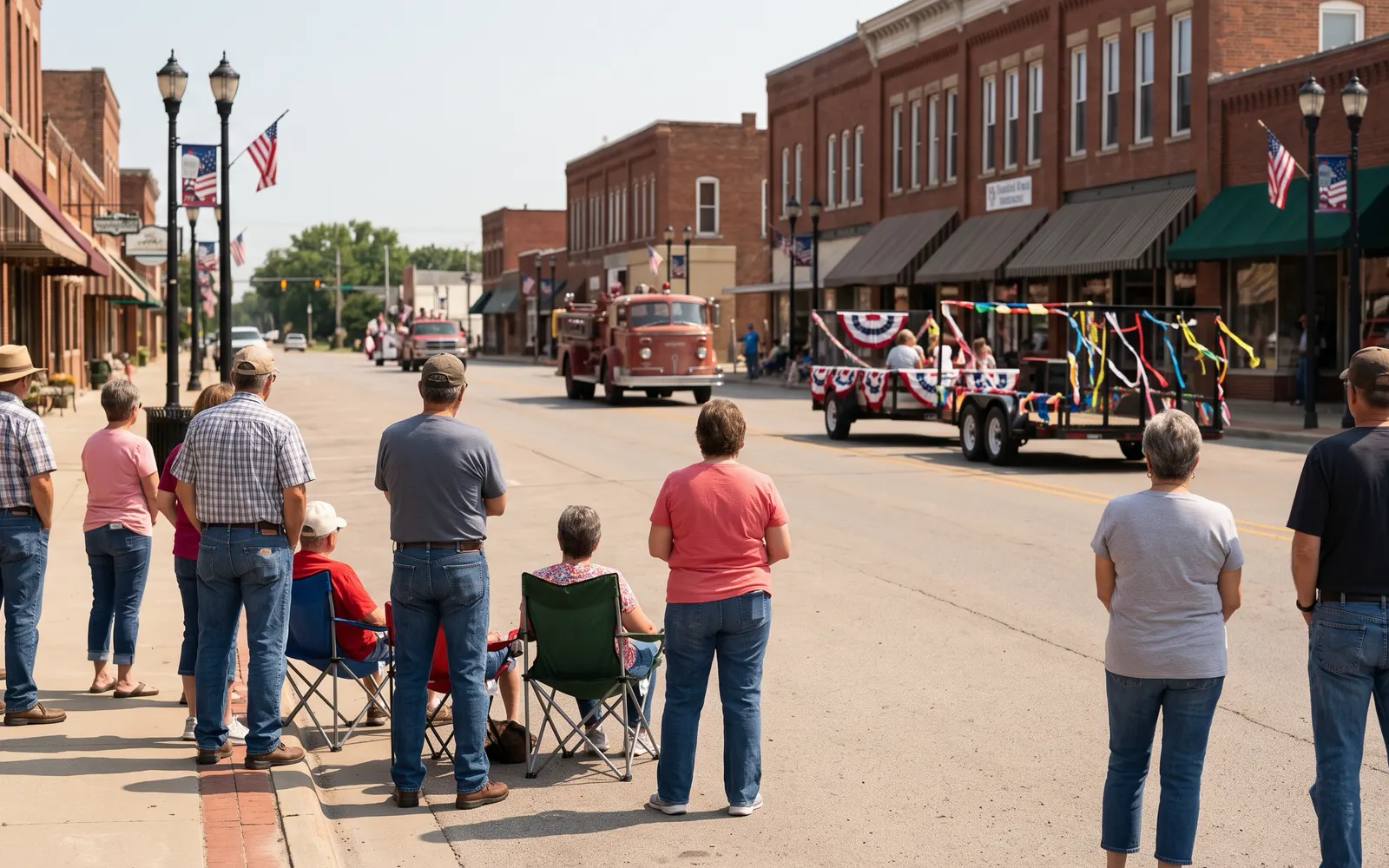
Naperville is mostly built out, so new housing now comes from redevelopment and from the edges. Three projects are worth knowing.
On the north side, M/I Homes is building Northwoods of Naperville, 64 townhomes on the former 12-acre DeVry University site at 1151 E. Warrenville Road off I-88. The council approved the final plat, the office building was demolished, and M/I Homes now lists the townhomes from $699,990 in District 203.
On the south end, the City Council approved The Atlas on April 7, 2026, a five-story, 236-unit apartment building at 2939 Audrey Avenue near Route 59 and 75th Street. According to Naperville.com, it will have 77 studios, 133 one-bedrooms and 26 two-bedrooms at market rents from about $1,725 to $2,465 a month, and no construction start date had been announced. For buyers, more rentals mean more people trying Naperville before they buy. For owners of entry-level condos and townhouses, it means a little more competition for the same first-time buyers.
Downtown, the biggest open question is 5th Avenue. The city owns or leases about 13 acres around the Metra station, and plans to redevelop them stalled around 2020. The Urban Land Institute completed a review for the city in 2025, and the city's project page shows no developer or timeline yet. Anyone buying near the station should keep an eye on it.
At the southwest edge, Pulte's Naperville Polo Club lists single-family homes from $475,990 with Naperville addresses in 60564. Pulte lists Plainfield District 202 schools for it, which is exactly the kind of detail to confirm before you assume a Naperville address means District 203 or 204.
I don't label any town or neighborhood as safe or unsafe.
Flood Risk in Naperville
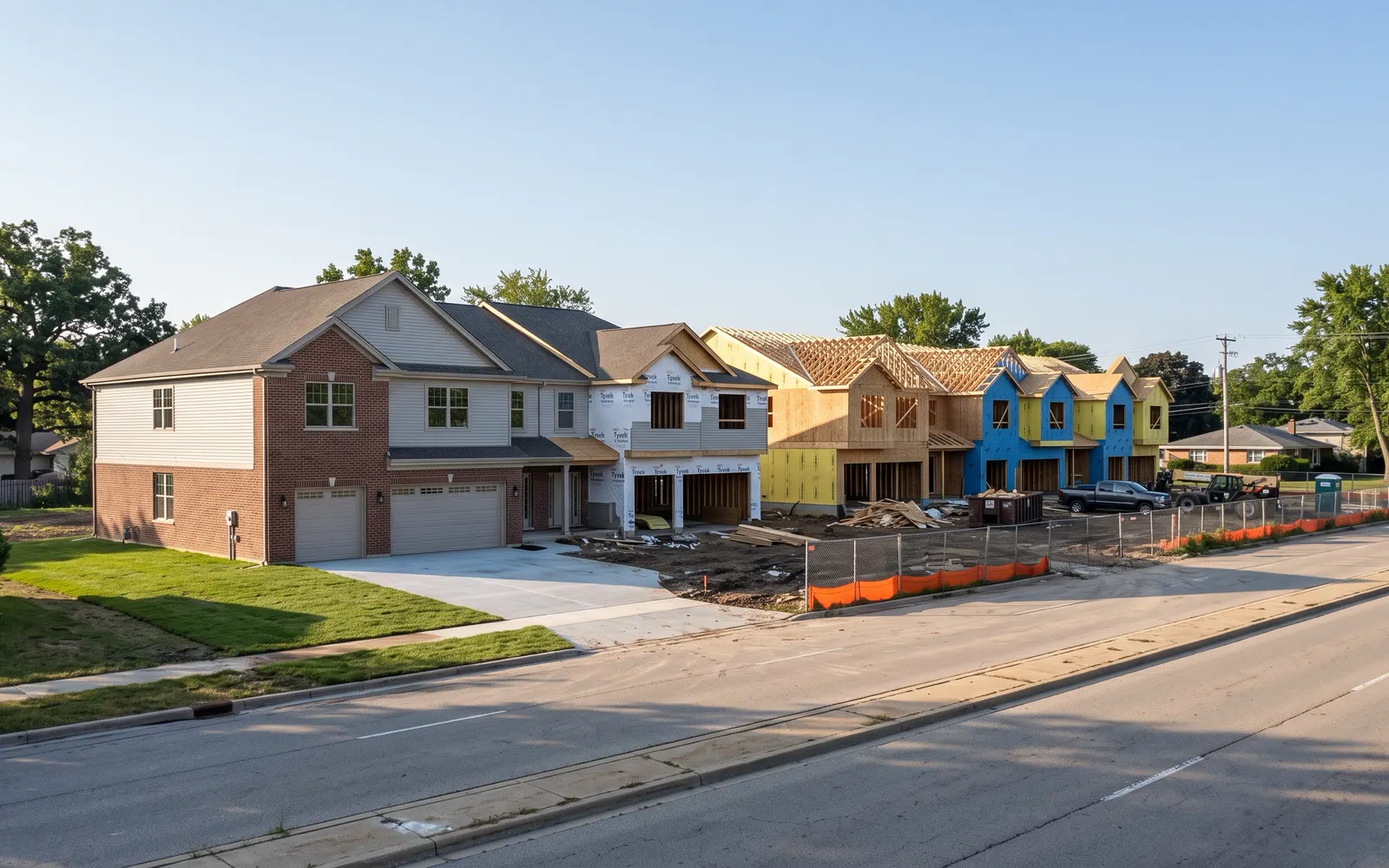
Flooding is not a citywide problem in Naperville, but it is a street-by-street one. First Street rates the city's overall flood risk as minor and counts 2,283 properties, about 5.3% of the total, at risk of flooding over the next 30 years. The West Branch of the DuPage River runs right through downtown and the south side, and the low ground along it and along smaller creeks is where that risk concentrates. The city also publishes a flood warning booklet and rainfall monitoring on its open data site.
Two checks before you write an offer. Look the address up on the FEMA flood map, because a mapped flood zone can mean required flood insurance on a mortgage. And ask the seller directly about water in the basement. With the number of finished basements in 1980s and 1990s Naperville houses, a single sump pump failure can be an expensive event, so ask about the sump, the backup and any past claims.
Frequently Asked Questions
How much does a house cost in Naperville, IL?+
Zillow's home value index put the typical Naperville home at $625,494 in August 2026, up 4.4% in a year. Movoto reported an August 2026 median sold price of $650,000. Prices range widely, from townhouses and condos well below the median to executive homes well above it.
What are property taxes in Naperville, IL?+
Ownwell's 2026 data puts the median effective rate at about 2.05% on the DuPage County side (median bill $9,065) and 2.35% on the Will County side (median bill $12,734). The county line is 87th Street, and a home's bill usually rises after a sale once it is reassessed.
Is Naperville in DuPage County or Will County?+
Both. Most of Naperville is in DuPage County, and the south end below 87th Street is in Will County. ZIP codes 60564 and 60565 cross the line, so check the parcel's county, not the ZIP.
What school district is Naperville, IL in?+
Most of the city is in Naperville District 203 (central and north) or Indian Prairie District 204 (south and west). Some newer homes with Naperville addresses are in Plainfield District 202. Confirm every address with the district before you make an offer.
How long is the commute from Naperville to downtown Chicago?+
On Metra's BNSF line, the fastest morning expresses from the Naperville station reach Union Station in 39 minutes and most rush-hour expresses in 43. Midday trains take about 64 minutes. There are 32 weekday trains toward Chicago.
Is Naperville walkable?+
Not citywide. Walk Score gives Naperville an average of 34, but downtown and nearby neighborhoods such as East Highlands (50) are walkable, and Wood Lake (52) scores well from nearby shopping.
What neighborhoods are in Naperville, IL?+
Commonly named pockets include the downtown Historic District, East Highlands, West Highlands, Hobson West, Maplebrook, Cress Creek, Brookdale, Steeple Chase, Country Lakes, White Eagle, Ashbury, Tall Grass, Wood Lake, Still Water, Knoch Knolls and Kinloch.
Who provides electricity in Naperville?+
The City of Naperville owns its electric utility, which marked 125 years of public ownership in 2024, so most homes in the city are not ComEd customers. The city also provides Lake Michigan water through the DuPage Water Commission.
Eshu Chikoti has extensive access to off-market listings throughout Naperville and the rest of DuPage County — homes that never make it to the public listing sites. That matters right now: in a seller's market like this one, well-priced homes routinely go under contract within days, and buyers relying only on public listings are competing for whatever is left over. Working with someone plugged into off-market inventory means seeing homes before the crowd does.
Eshu Chikoti · 847-691-4282 ·
Get new Naperville listings by email
When a home comes on the market in Naperville, I'll email it to you.
Just your email. Unsubscribe any time by replying.
Thinking About Naperville?
Whether you're buying, selling, or just curious what's on the market, I can walk you through Naperville street by street.