Hanover Park, IL
Hanover Park, IL is a 1958 village of about 36,600 people split almost evenly between Cook and DuPage counties, with its own Metra station on the Milwaukee District West line and a summer 2026 median sale price near $345,000.
Living in Hanover Park, IL means a median sale price of about $345,000 this summer, a 48-minute express train from the village's own Metra station to Union Station, and property tax near 2.6% to 2.75% of value. The catch is two counties, two tax systems and four elementary districts, so every address needs checking.
Written by Eshu Chikoti · 847-691-4282 ·
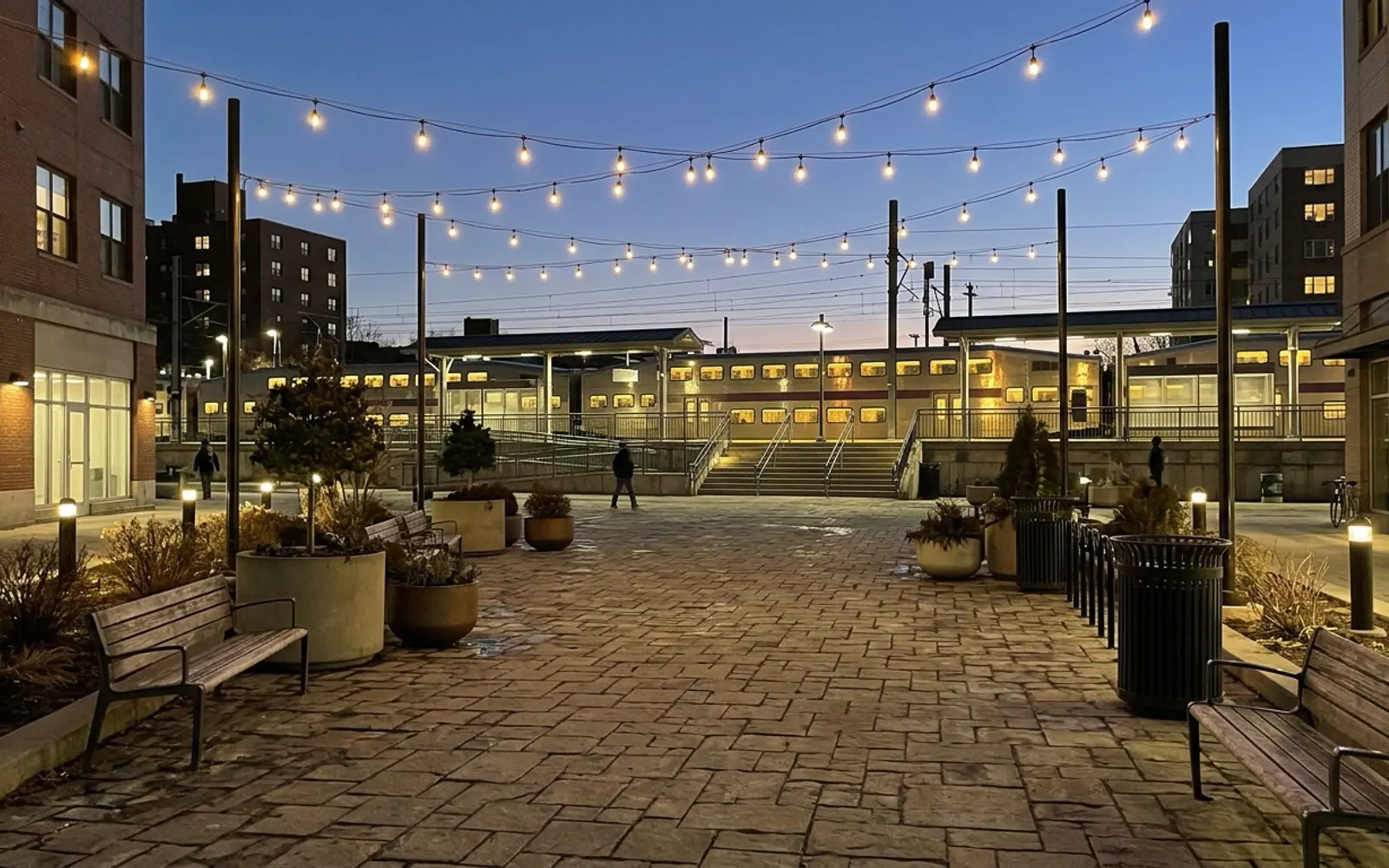
How Hanover Park, IL Got Here: From Ontarioville to a Two-County Village
Hanover Park started as a rail stop. According to the village's Wikipedia entry, the Chicago & Pacific Railroad laid track through the area in 1872 on land donated by Edwin Bartlett, who gave more than seven acres for a depot. There were already two stations named Bartlett on the line, so in 1873 Edwin renamed his "Ontario," after a legend that the site sat on an old trail between Lake Ontario and Green Bay. The settlement around it became Ontarioville, and a post office opened the same year.
The village itself is much younger. The village timeline says Hanover Park incorporated on August 14, 1958, to avoid being absorbed by neighboring towns, with Gordon Jensen as the first village president. The first census in 1959 counted 330 residents. The local history of Schaumburg Township notes that people started moving into the first subdivision in 1960, followed by Hanover Highlands and Hanover Gardens.
The growth after that was fast. The village's About page says the original village sat entirely in Cook County, and 750 acres of DuPage County farmland were annexed in 1969. The population went from about 12,000 in 1970 to 28,850 in 1980. The rest of unincorporated Ontarioville was annexed in 1982, which is why the historic depot area is now the village's official center.
Two later dates matter for anyone buying today. The Elgin O'Hare Expressway opened in November 1993, and the local history site says a new Metra station opened in 1995. Both shaped where people could commute from, and both still define the south and west edges of town.
Hanover Park at a Glance
Hanover Park covers about 6.5 square miles, 6.42 of it land, about 30 miles northwest of the Loop. Streamwood sits to the north, Schaumburg and Roselle to the east, Bloomingdale and Carol Stream to the south and southeast, and Bartlett wraps the west side. The village hall is at 2121 W. Lake Street.
The detail most buyers miss is the county line. I list Hanover Park under DuPage County on this site, but the Census Bureau's Vintage 2025 population estimates put 19,406 of the village's 36,568 residents in Cook County and 17,162 in DuPage. That is 53% Cook and 47% DuPage, so the Cook side holds slightly more of the village. CMAP's June 2026 community snapshot agrees and compares the village to Cook County for that reason. Some online directories say the village is "mostly in DuPage." By population, it isn't.
The village also spans four townships: Hanover and Schaumburg on the Cook side, and Bloomingdale and Wayne on the DuPage side. The Census estimates put roughly 9,900 residents in Hanover Township, 9,500 in Schaumburg Township, 10,400 in Wayne Township and 6,800 in Bloomingdale Township.
Housing is mostly owner-occupied. CMAP's snapshot, built on the 2020-2024 Census ACS, counts 11,566 housing units, 77.5% of occupied homes owned rather than rented, and a median home value of $274,200.
At a $345,000 summer median, it is one of the lower-cost ways into this part of the northwest and west suburbs, with a larger supply of townhomes than almost anywhere around it.
The new townhomes are approved but not built, the Village Center is still filling in, and the county line means you have to check which assessor, calendar and exemption apply. The school map takes work, too.
Hanover Park Neighborhoods, Pocket by Pocket
Hanover Park has no official neighborhoods, but it splits cleanly along two lines. The first is the county line, which cuts across the village between the Cook and DuPage halves. The second is Lake Street, which runs diagonally through the village with the Metra tracks and the Village Center alongside it.
Most of the housing is subdivision housing from one era. CMAP's snapshot counts 62.3% of homes built between 1970 and 1989, with a median year built of 1976. So the pockets differ less by age than by lot, layout, school district and whether a house is detached or attached.
Below are the subdivision names you will see on listings. Boundaries are informal and build dates come from the village timeline, local history pages and agent directories, so treat them as a starting point. If you want to know which county, township and school district a specific address falls in, that is a conversation I am happy to have here.
The expectation I most often have to reset with my buyers here is that two houses a few blocks apart are "the same." In Hanover Park they can sit in different counties, pay tax on different calendars and feed different high schools. I check all three before an offer goes in.
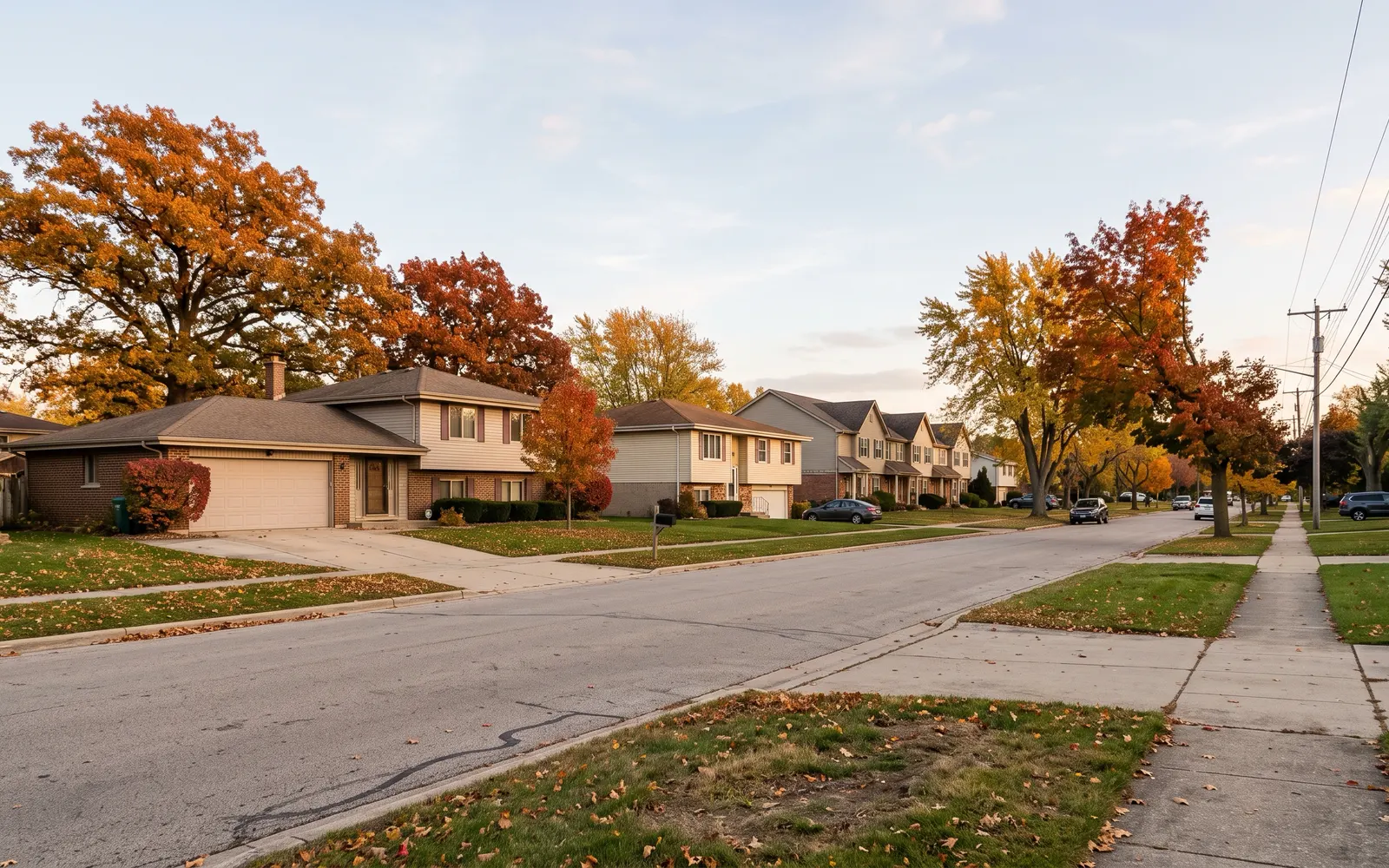
Ontarioville and the Village Center. South of Lake Street around County Farm Road and Ontarioville Road, next to the Metra station. The historic core of the village and the focus of its transit-oriented plan. Older homes, the Elm Center infill houses and most of the new construction proposals are here.
Hanover Highlands. One of the first subdivisions after the 1958 incorporation, per local history accounts. District 54 runs Hanover Highlands Elementary, so check whether a given house feeds it.
Greenbrook. On the DuPage side, east of County Farm Road and north of Greenbrook Boulevard. The village timeline dates the start to the mid-1960s; agent directories list homes built from 1970 to 1991, with both townhomes and single-family houses. Keeneyville District 20 serves much of it.
Woodlake Trails and Olde Salem. Built in the early 1970s, according to the village timeline. Mostly single-family subdivision streets.
Savannah. A townhome community built from 2003 to 2007 by Cambridge Homes, south of Lake Street and west of Gary Avenue in DuPage County. One of the newest pockets in the village.
Other named subdivisions. Church Street Station, Hartford Square, Rainbow Pointe, Sierra Blanca, Tanglewood, The Glens and The Groves appear in agent subdivision directories, and Redfin groups parts of the village as Tri Village and Tomahawk Hills. Ask for the build year, county and school assignment on each one; they vary.
What Hanover Park Homes Look Like, by Type and Era
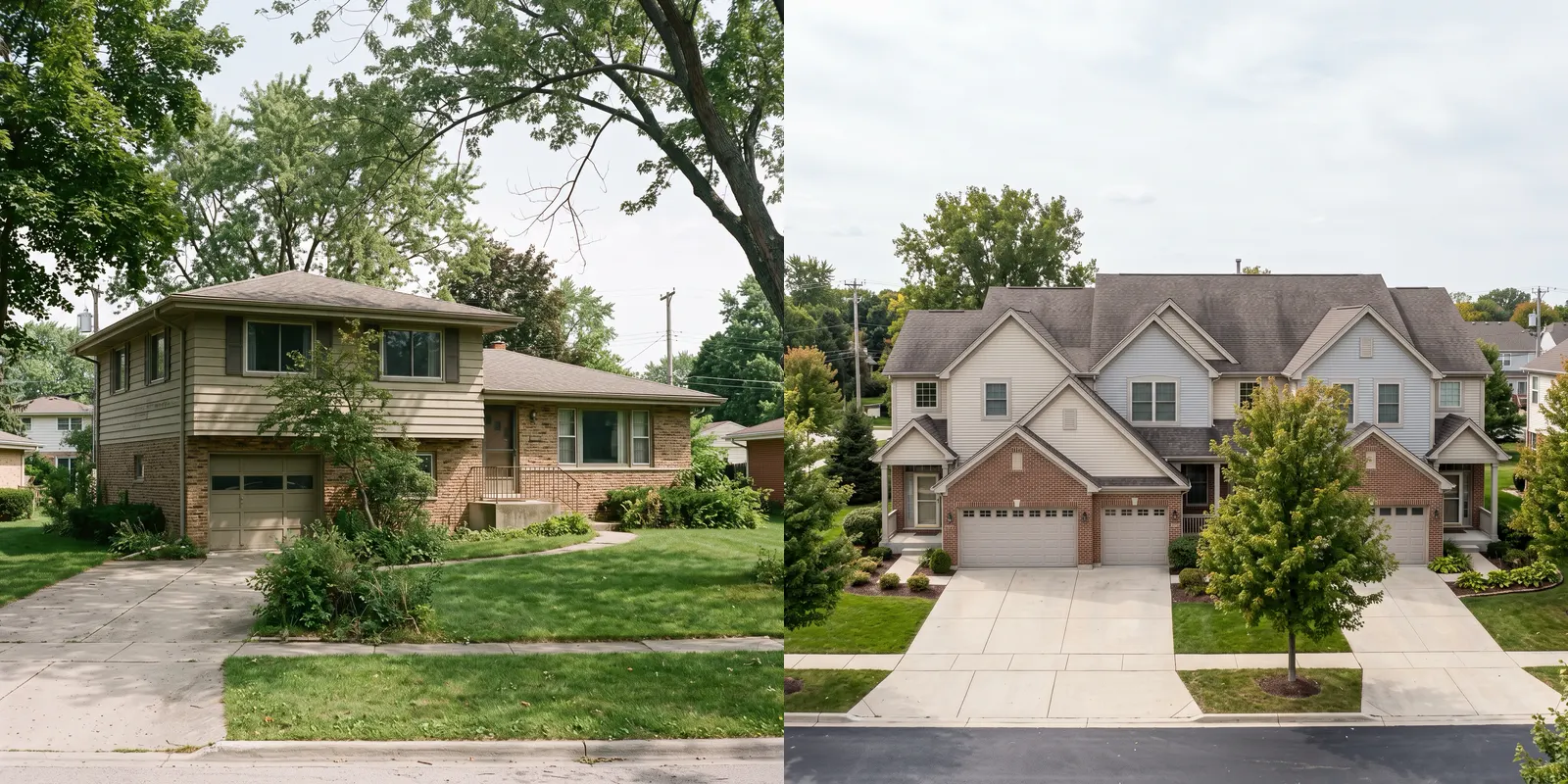
Hanover Park has more townhomes than most suburbs its size, and that shapes the whole market. CMAP's snapshot counts 5,917 detached single-family homes (51.2% of units) and 3,614 attached single-family homes (31.2%). Only about 12.5% of units are in buildings of five or more. In Cook County as a whole, attached homes are 5.5% of the stock. Here they are nearly a third.
The detached houses are mostly 1960s and 1970s ranches, split-levels, raised ranches and two-story colonials on subdivision lots. More than half of all units (51.0%) have three bedrooms, and 17.7% have four. Newer product is thin. Only 140 units were built in 2010 or later, which is 1.2% of the stock, so a buyer who wants new construction here is mostly waiting on the projects in the development section below.
For a buyer, that mix means two separate markets under one town name. A three-bedroom townhome and a three-bedroom detached house on the next street compete for different buyers, carry different association costs and appraise off different comparable sales. I price them separately and I tell sellers to do the same.
The 1970s houses have their own checklist. Aluminum branch wiring shows up in some houses from that era, original windows and furnaces are common, and basements and crawl spaces need a close look given the July 2026 storm covered in the flood section. None of those should kill a deal. All of them belong in the price. My home inspection checklist covers what to ask for.
The Hanover Park Housing Market in 2026
Hanover Park is one of the more affordable ways into this part of the suburbs, and it moves steadily. In the three months ending August 2026, Redfin reported a median sale price of $344,772, up 4.8% from a year earlier. Redfin counted 110 sales in that report, up from 98 a year before, with a median of 46 days on market. Homes sold at 100.7% of list price on average, and 58.0% sold above asking.
The other numbers show a market cooling slightly from last year's pace, not a turn. The share of homes selling over asking fell 14.4 points year over year. Days on market went up by three. Price per square foot, at $238, was up 6.7%. Redfin gives Hanover Park a Compete Score of 72 out of 100, which it calls very competitive, and says the average home gets about four offers.
Zillow's home value index tells the same story from a different angle. It put the typical Hanover Park home at $334,620 in August 2026, up 4.6% from August 2025 and 9.1% from August 2024. The Redfin median runs higher because it measures only what sold this summer, and the summer mix tilts toward detached houses. Zillow's index estimates every home, including the townhomes and condos that make up a large share of the village.
For context against the neighbors, Zillow's August 2026 index put Streamwood at $334,228, Schaumburg at $360,740, Roselle at $383,521, Carol Stream at $385,105 and Bartlett at $443,276. Hanover Park sits at the low end of that group, which is exactly why it draws first-time buyers comparing across the area. If that is you, my overview of Illinois first-time buyer programs is a good place to start.
Hanover Park Property Taxes: Two Counties, Two Systems
Property tax in Hanover Park depends first on which county your house is in. Ownwell's DuPage County data, updated April 13, 2026, puts the median effective rate at 2.61% and the median bill at $6,451. Ownwell's Cook County data, updated the same day, puts it at 2.75% and $6,594. The bills look similar. The systems behind them are not.
Cook County reassesses one-third of the county each year. Hanover and Schaumburg townships were part of the 2025 north suburban reassessment, and the Cook County Assessor said values certified in 2025 would show up on second-installment bills issued in 2026. DuPage runs its own assessment offices by township (Bloomingdale and Wayne here), on its own calendar. The homestead exemption also differs: up to $10,000 of equalized assessed value in Cook and up to $8,000 in DuPage.
Here is what that looks like on a real purchase. At this summer's $344,772 median, a 2.61% rate works out to about $9,000 a year, or $750 a month. At 2.75% it is about $9,480 a year, or $790 a month. Current bills are often lower because assessments trail the market, but they catch up after a sale. The mistake I see most is buyers budgeting off the seller's current bill.
Sellers should know one more village cost. According to the ATG summary of the village ordinance, Hanover Park charges a transfer tax of $1.50 per $500 of value, paid by the seller, so a $345,000 sale carries about $1,035 in village stamps. The village FAQ says to request the stamp at least three business days before closing and to clear the final water bill and anything else owed to the village first. My Illinois closing costs guide covers the rest. This is general information, not tax advice. Your bill depends on your parcel, your exemptions and your assessor.
Hanover Park Schools: Four Elementary Districts and Where They Lead
No part of Hanover Park takes more checking than schools. According to the village's Wikipedia entry, four districts run kindergarten through eighth grade inside the village: Elgin Area School District U-46, Schaumburg Community Consolidated District 54, Community Consolidated School District 93 and Keeneyville School District 20. Six different public high schools serve village addresses.
Roughly, the districts line up like this. U-46 is a unit district, so its students go on to U-46 high schools, which for Hanover Park addresses are Streamwood High School and Bartlett High School. District 54 addresses on the Cook side feed Township High School District 211, which runs Schaumburg High School and Hoffman Estates High School. District 93 addresses on the DuPage side feed Glenbard North High School in Carol Stream. District 20, headquartered in Hanover Park, runs Greenbrook Elementary and Spring Wood Middle School here, and agent directories show its addresses feeding Lake Park High School in Roselle.
Those are patterns, not guarantees. Assignment is by street, and the lines don't follow the county line neatly. Check every address with the district before you write an offer, and ask me for the boundary if you want it done for a specific house. I don't rank schools on this page. The Illinois Report Card has each school's own data.
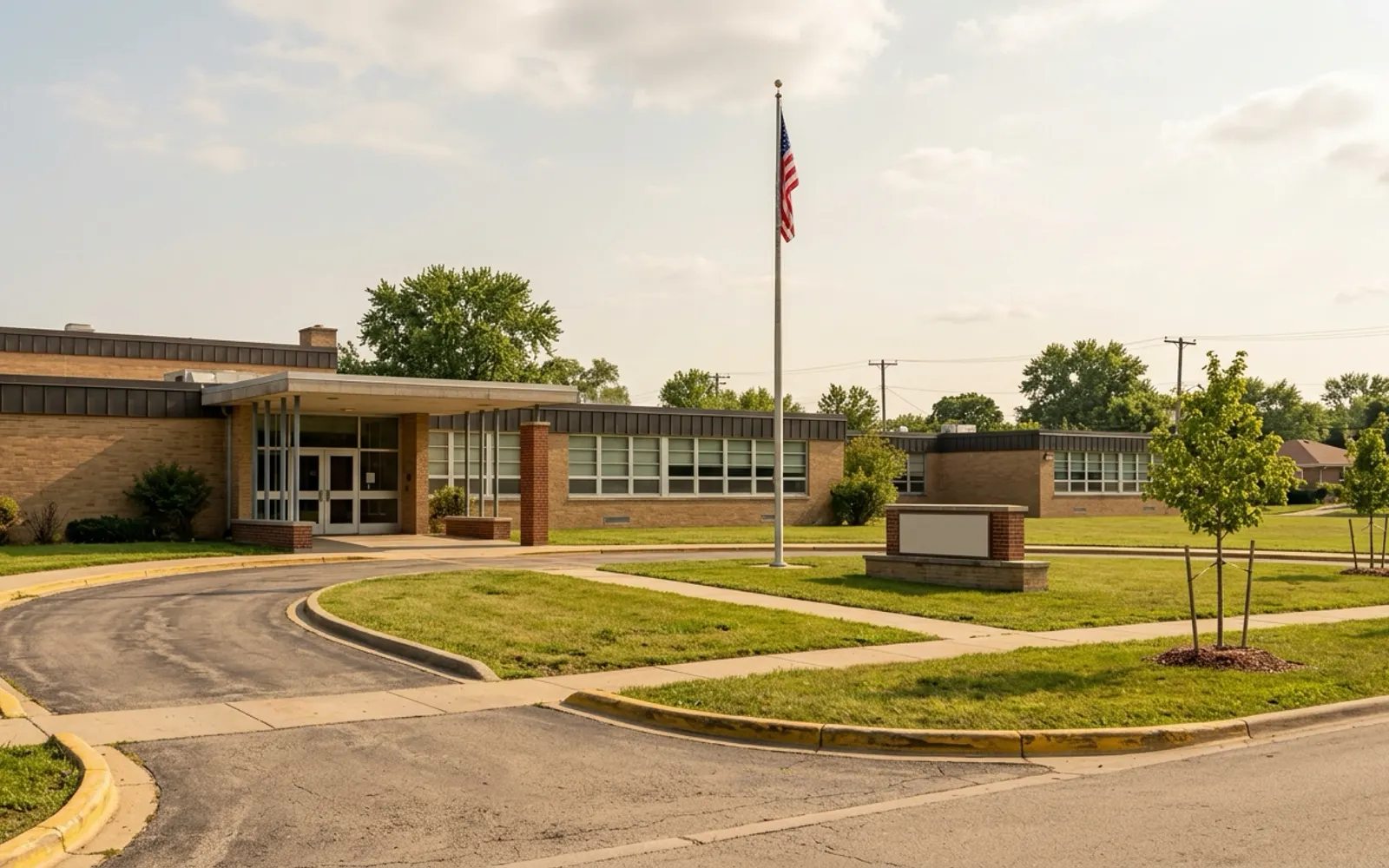
Ontarioville Elementary. 2100 Elm St. School District U-46.
Laurel Hill Elementary. 1750 Laurel Ave. School District U-46.
Parkwood Elementary. 2150 Laurel Ave. School District U-46.
Horizon Elementary. Hanover Park. School District U-46, PreK-6.
Anne Fox Elementary. 1035 Parkview Dr. District 54; feeds Jane Addams Junior High.
Hanover Highlands Elementary. District 54.
Elsie C. Johnson Elementary. Hanover Park. District 93.
Greenbrook Elementary and Spring Wood Middle School. Hanover Park. Keeneyville District 20.
High schools serving village addresses. Streamwood and Bartlett (U-46), Schaumburg and Hoffman Estates (District 211), Glenbard North (District 87) and Lake Park (District 108).
Commuting from Hanover Park: Metra to Union Station
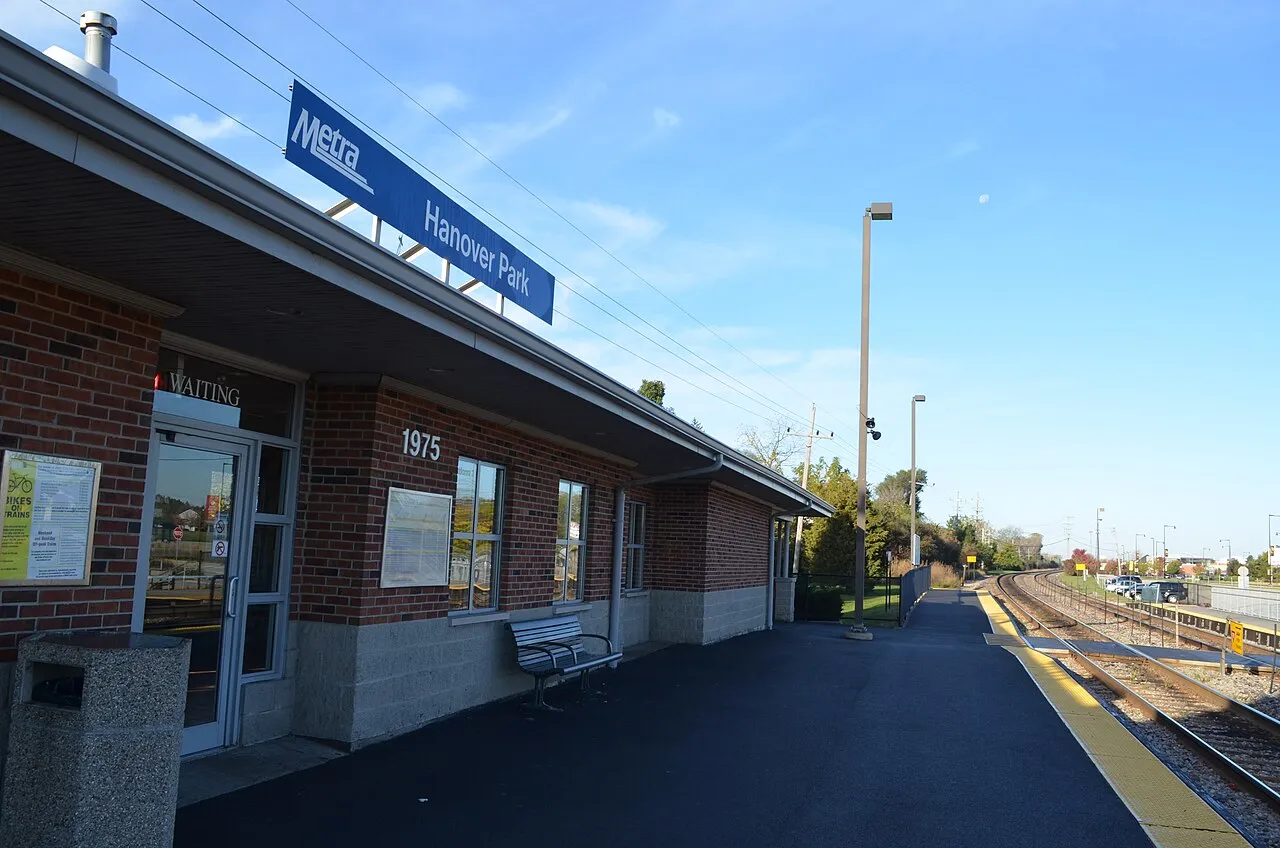
Hanover Park has its own station, which many of its neighbors don't. The Hanover Park station at 1975 W. Lake Street is on the Milwaukee District West line, 28.4 miles from Union Station, in fare zone 4. Parking is on both sides of the tracks, with the largest lot on Lake Street and the second on Ontarioville Road.
According to Metra's schedule data for the week of September 28, 2026, 20 trains leave Hanover Park for Union Station on weekdays and 22 come back. Saturdays have 12 each way and Sundays 9 each way. The two fastest morning trains, at 6:39 and 7:39 a.m., reach Union Station in 48 minutes. Most other trains take about 64 minutes, and a few take 68.
That hourly off-peak pattern is the trade-off with the MD-W line. Midday trains leave at 41 minutes past each hour, so a missed train costs an hour. If your office is near Union Station, that is fine. If it is near Ogilvie, compare the Union Pacific West line from Wheaton, which I cover in the Carol Stream guide.
Pace Route 554 also runs through the village toward Elgin and Schaumburg, per the Wikipedia entry. The 2020-2024 ACS shows 2.3% of Hanover Park workers commuting by transit and 69.3% driving alone, with an average commute of 29.1 minutes. Most people here drive to suburban jobs. The station matters most to the people who work downtown, and to buyers deciding between Hanover Park and a town without one.
Driving from Hanover Park: IL-390, Lake Street and O'Hare
The main road in and out is Lake Street (US-20), which runs diagonally through the village. IL-390, the Elgin-O'Hare Tollway, starts at an interchange with Lake Street inside Hanover Park and runs east toward I-290 and I-355. The remaining piece from IL-83 in Bensenville to the western edge of O'Hare has been under construction and was expected to open in 2026, which would make Hanover Park's toll access to the airport even more direct.
The village's residents page puts O'Hare 17 miles east. Irving Park Road (IL-19) and Barrington Road carry most of the north-south and east-west local traffic, and Army Trail Road and County Farm Road serve the DuPage side. Woodfield and the Schaumburg job centers are a short drive east.
The road work to know about this fall is local. The village's August 14, 2026 eNews described a new multi-use path along Lake Street, with daily lane closures from Church Street near the Metra station to Turnberry Drive, and a second path along County Farm Road resuming after utility work. Both are short-term disruptions that end with a walking and biking connection the village has not had.
Is Hanover Park Walkable?
Mostly not. Walk Score rates Hanover Park 46 for walking, which it calls car-dependent, and 57 for biking, which it calls bikeable. It counts about 92 restaurants, bars and coffee shops in the village but only 0.6 within a five-minute walk of the average home.
That fits the layout. CMAP's land use inventory for 2023 shows 41.8% of the village's 4,176 acres in single-family residential use and only 4.5% commercial, most of it strung along Lake Street, Irving Park Road and Barrington Road. The ACS shows 70.7% of households with two or more vehicles.
The exception is the Village Center. The streets around Ontarioville Road and the Metra station are the one part of town built to walk, and the new Lake Street and County Farm Road paths will extend that reach. For recreation, Mallard Lake's trails connect to the North Central DuPage Regional Trail and Bartlett's trail system, so a long walk or ride is easy from the DuPage side.
Shopping in and Around Hanover Park
Hanover Park shops along its arterials. Lake Street, Irving Park Road and Barrington Road carry the strip centers, and the village timeline notes that Hanover Square Shopping Center got a new facade in 2015. The village's development map, last updated September 9, 2026, shows Greenbrook Plaza at 1166 Lake Street getting the village's first cannabis dispensary, and a new retail building coming at the northwest corner of Lake Street and Gary Avenue next to a new Thorntons.
Retail here punches above the village's size. CMAP's snapshot, using Illinois Department of Revenue data, shows about $1.03 billion in total retail sales in 2025, or $27,942 per resident, above both Cook County ($23,200) and the region ($25,300). A good share of that is the wholesale and industrial business along the village's business parks, which is also part of the tax base.
For a full mall, Woodfield in Schaumburg is the regional draw a short drive east, and the Randall Road corridor in the Fox Valley is a longer drive west. Most weekly errands, though, stay on Lake Street or Irving Park Road.
Groceries and Everyday Errands in Hanover Park
Groceries are easy on the DuPage side, where Jewel-Osco has a store at 750 Army Trail Road. There are also Jewel-Osco stores in nearby Streamwood and Wood Dale. Pharmacies sit on the main roads: Walgreens at 7350 Barrington Road and CVS at 1855 W. Irving Park Road, per the same directory listings.
Beyond the chains, Lake Street and Irving Park Road have a long list of independent grocers, bakeries and butchers. I leave it to you to explore them; a Saturday drive down Lake Street tells you more than a list would. For household errands, the big-box stores along Barrington Road and in neighboring Streamwood and Schaumburg are within ten minutes of most of the village.
Where Hanover Park Eats: New Openings in 2026
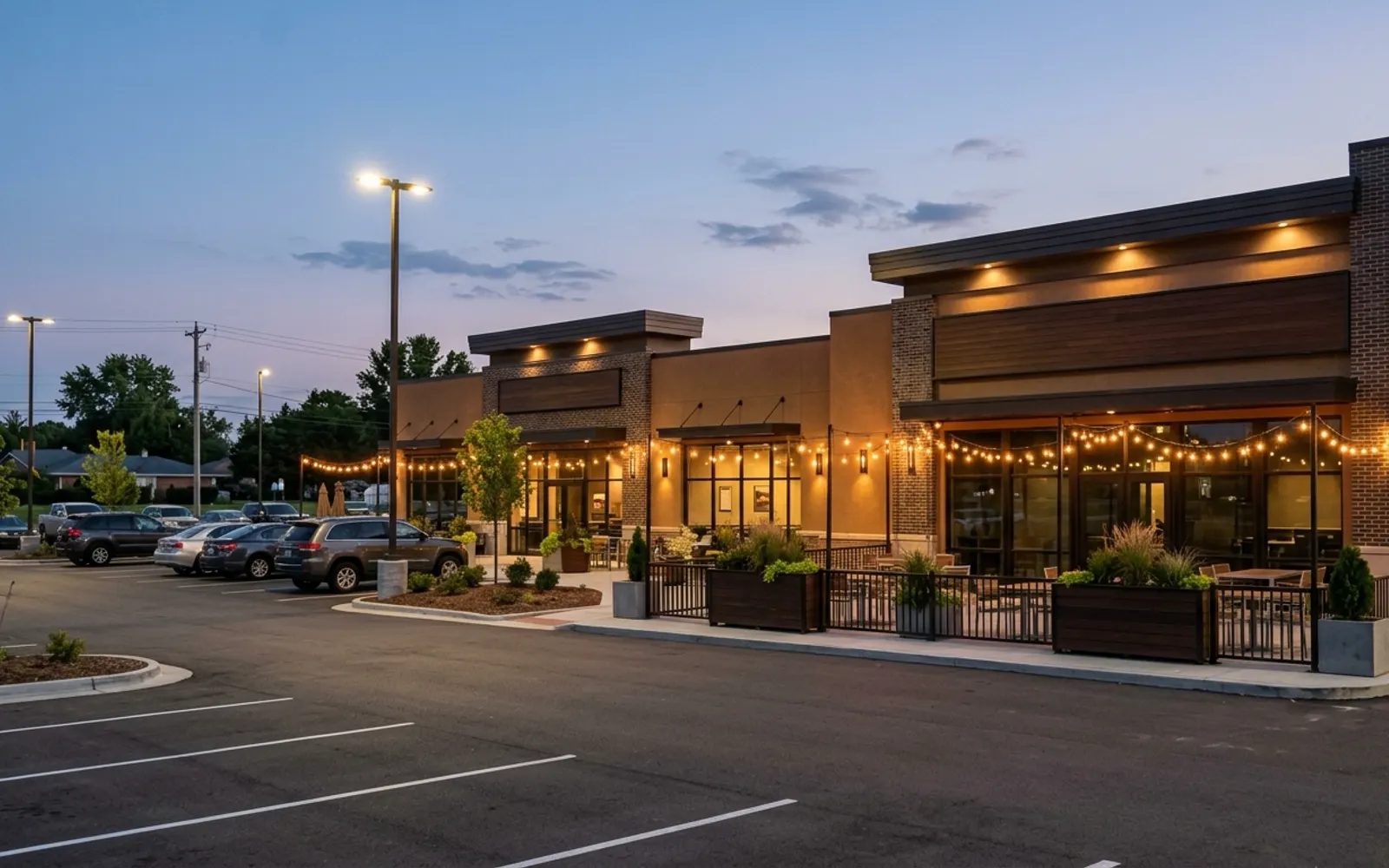
The restaurant scene is the part of Hanover Park that has changed most in the last two years. The village's development map lists a run of recent openings: Raki Restaurant at 5678 Arlington Drive East, Back Street BBQ & Sushi at 1555 Irving Park Road, Crave Cafe at 1053 Lake Street for smoothies and teas, Chicago Pros Restaurant at 7310 Barrington Road for burgers and sandwiches, and a Chipotle at 1720 Lake Street. Two of the older shopping centers on that list also got new facades, signs and landscaping.
The village leans into it. Its 2026 event schedule included a Restaurant Week from March 20 to 30, with deals at participating restaurants across town. If you are touring homes here, eat on Lake Street or Irving Park Road between showings. It's the fastest way to learn which part of town you'd actually use.
Parks, Mallard Lake and Recreation in Hanover Park
Three park districts serve the village. The village's park district page says most of Hanover Park is in the Hanover Park Park District, with parts in the Bartlett and Schaumburg park districts. Which one you're in decides where you register for programs and which pools you use, so it is one more thing to check by address.
The Hanover Park Park District, founded in 1964, runs 21 parks, the Community Center at 1919 Walnut Avenue, Seafari Springs Aquatic Center with its water slides, Ahlstrand Fieldhouse, and the Longmeadow and Hollywood activity centers. It reports about 1,422 programs a year. The renovated Community Park next to the Community Center hosts the summer movie nights.
The biggest open space is county land. Mallard Lake Forest Preserve covers 948 acres on the DuPage side, with an 85-acre lake that is the Forest Preserve District of DuPage County's largest recreational lake. It has about four miles of trails, including a 2.5-mile loop with a boardwalk, fishing piers, and permits for canoes and kayaks. The trails connect to the 1,166-acre Hawk Hollow preserve, the North Central DuPage Regional Trail and Bartlett's paths. The main entrance is on the north side of Schick Road, half a mile west of Gary Avenue.

Libraries Serving Hanover Park
Like schools and parks, the library depends on where you live. Two districts split the village. The Poplar Creek Public Library District, based in Streamwood, runs the Sonya Crawshaw Branch in Hanover Park, which was fully renovated and expanded in 2013. The Schaumburg Township District Library serves the part of Hanover Park in Schaumburg Township and runs its own Hanover Park branch.
Both branches are active. The village's August 2026 eNews listed programs from an AI basics class to craft nights and film screenings at the two libraries in a single week. Before you close, check which district your address pays into, because that is the card you'll get.
Utilities and Village Services in Hanover Park
Water in Hanover Park is Lake Michigan water. According to the village's water treatment page, Hanover Park is a member of the Northwest Suburban Municipal Joint Action Water Agency, which buys treated Lake Michigan water wholesale from the City of Chicago, and the village uses about 2.7 million gallons a day. That arrangement may change over the long run. The Daily Herald reported on August 24, 2026 that the agency and the DuPage Water Commission are planning their own lake intake and treatment plant, a project estimated at up to $6 billion over 15 years.
Trash and recycling go through the village's contract with Groot, per the village's residents page. The village runs free fall brush pickup; the 2026 dates were October 5 and 19, by area. ComEd delivers electricity and Nicor Gas provides natural gas.
One practical note for sellers: the village requires a final water reading and payment of anything owed to the village before it issues the transfer stamp, so schedule the reading early.
Hospitals Near Hanover Park
Hanover Park has no hospital of its own, but two full-service hospitals are a short drive away. St. Alexius Medical Center) is in Hoffman Estates to the northeast, and Northwestern Medicine Central DuPage Hospital, a 390-bed hospital, is in Winfield to the south. Which one is closer depends on which side of the county line you're on. The Hanover Park Fire Department is holding an open house at Fire Station 15 on October 3, 2026.
Summer Nights in the Hanover Park Village Center
The Village Center is where Hanover Park goes out. The village's August 14, 2026 eNews described the Summer Soiree on August 15 in Ontarioville Park: live music from 6 to 10 p.m., a laser light show, food trucks, craft beer and wine, and free parking in the Metra lot. Movies in the Park ran on summer Fridays at Community Park, including a COPS Day event on July 17.
For bigger nights out, the neighbors fill in. Schaumburg's restaurants and entertainment along the Golf Road and Woodfield corridor are a short drive east, and downtown Chicago is a single train ride from the village's own station, though the last trains back leave Union Station in the evening, so check the schedule before you plan a late night.
Hanover Park's Yearly Events Calendar
The village's 2026 event schedule runs all year. Spring had a Community Resource Fair on March 14 at the park district's Walnut Avenue building, the Restaurant Week in late March, a Doggie Eggstravaganza at Ontarioville Park on March 28, the DuPage River Sweep in April and an Arbor Day celebration. Summer brought the Memorial Day observance at Veterans Memorial Plaza on May 25, a Juneteenth celebration at the Hanover Park Sports Complex, 1200 Sycamore, on June 20, and the movie nights and Summer Soiree.
Fall and winter are still ahead as of this writing. The fire department open house is October 3. The Veterans Day observance is November 11 at 7 p.m., and the tree lighting ceremony is December 4 from 5:30 to 7:30 p.m. A second DuPage River Sweep, cleaning the riverbank between Arlington Drive and Lake Street, and a S'mores and More movie night at the Sports Complex are both on September 26.

What's Being Built in Hanover Park
More new housing is planned in Hanover Park right now than the village has seen in decades. The village's development map, updated September 9, 2026, lists the projects. The biggest is Hanover Park Reserve, a 199-unit apartment building with studios, one- and two-bedrooms, a pool and a gym, planned for the south commuter lot next to the Metra station. The map lists it as recommended for approval. At the northwest corner of Lake Street and Barrington Road, the board has approved a 169-unit apartment complex with 53 studios, 41 one-bedrooms and 75 two-bedrooms.
For buyers, the more interesting projects are for sale. The board approved 80 townhomes of about 2,000 square feet each at the northwest corner of Lake and Church streets, 1830 Lake Street, with two-car garages, two pocket parks and walking paths; the subdivision was still under review. It also approved 30 three-bedroom townhomes at 2140-2170 Devon Avenue, near the station, with about an acre of open space. The Elm Center subdivision north of Lake Street added ten new single-family houses, the first new ones in the village in many years. The Verandah, an age-restricted senior community with townhomes, condominiums, assisted living and memory care, has finished nine of its twelve townhome buildings.
All of this sits inside the village's long-running Village Center plan. The Village Center page traces it from the 2012 transit-oriented development plan with the RTA to utility burial and streetscape work in 2020, the plaza's June 23, 2021 ribbon cutting and new zoning in August 2022. The August 2026 eNews said Phase II, a new gathering space across from the existing plaza with a fireplace and a light-up swing, was starting construction. On the commercial side, a 200,000-square-foot industrial building at Lake and Gary is fully leased. For current owners, new townhomes near the station set a new price point for the Village Center. For buyers, they're the only real new-construction option here.
I don't label any town or neighborhood as safe or unsafe.
Flood Risk in Hanover Park After the July 2026 Storm
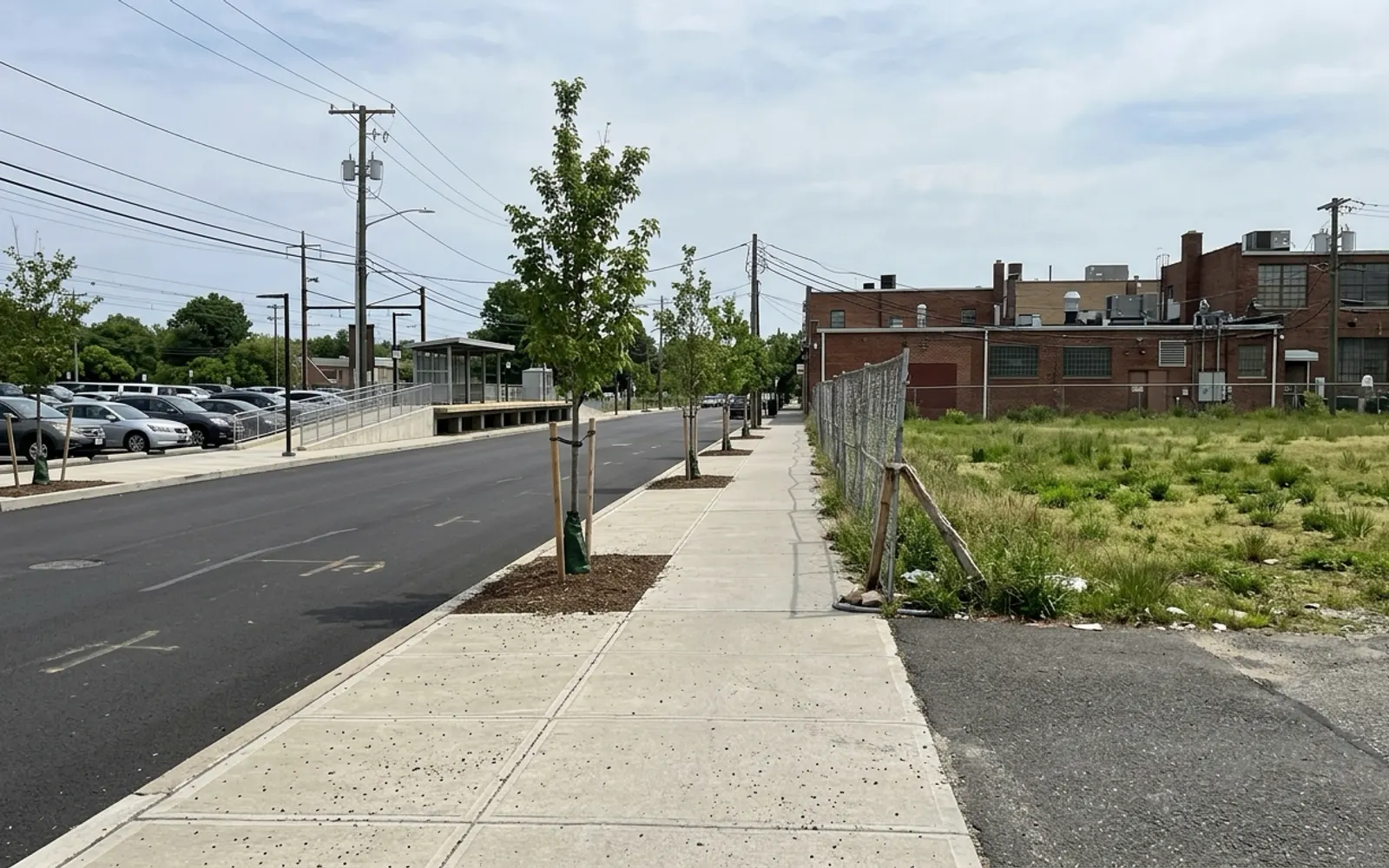
Flood risk in Hanover Park is not only a map question this year. On July 4, 2026, storm cells stalled over the area, and Cardinal News reported initial reports of more than six inches of rain in that part of DuPage County, with severe flooding in Hanover Park, Bartlett, Streamwood and Elgin. The village surveyed storm damage, ran a curbside pickup of flood-damaged items, and in its August eNews pointed residents to low-interest SBA disaster loans, which covered Cook, DuPage and Kane counties.
The long-run models rate the village lower. Redfin, using First Street's data, rates Hanover Park's flood risk as minor, with 297 properties, about 7% of the total, likely to be severely affected by flooding over the next 30 years. The risk concentrates near the West Branch of the DuPage River and the low ground around Mallard Lake and the village's detention areas.
Three checks before you write an offer. Look the address up on the FEMA flood map, because a mapped flood zone can mean required flood insurance. Ask the seller directly whether the house took water on July 4, 2026, and what they did about it; the Illinois disclosure form asks about flooding, but a direct question gets a better answer. And have the inspector look at the sump pump, the backup and the grading. After this summer, I ask about all three on every Hanover Park showing.
Frequently Asked Questions
Is Hanover Park, IL in Cook County or DuPage County?+
Both. Census Bureau estimates for 2025 put 19,406 residents (53%) in Cook County and 17,162 (47%) in DuPage. The village spans Hanover and Schaumburg townships in Cook and Bloomingdale and Wayne townships in DuPage, so check the county for every address.
How much does a house cost in Hanover Park, IL?+
Redfin reported a median sale price of $344,772 for the three months ending August 2026, up 4.8% from a year earlier. Zillow's home value index was $334,620 for August 2026. Townhomes and detached houses trade as separate markets.
What are property taxes in Hanover Park, IL?+
Ownwell (April 2026) puts the median effective rate at 2.61% on the DuPage side and 2.75% on the Cook side, with median bills of $6,451 and $6,594. Cook and DuPage use different assessors, calendars and exemptions, and bills usually rise after a sale.
What school district is Hanover Park, IL in?+
Four elementary districts serve the village: U-46, District 54, District 93 and Keeneyville District 20. They feed six public high schools, including Streamwood, Bartlett, Schaumburg, Hoffman Estates, Glenbard North and Lake Park. Assignment is by street, so confirm each address with the district.
Does Hanover Park have a Metra station?+
Yes. The Hanover Park station at 1975 W. Lake Street is on the Milwaukee District West line. In fall 2026 it has 20 inbound weekday trains, with the fastest reaching Union Station in 48 minutes and most taking about 64.
How far is Hanover Park from O'Hare?+
The village puts O'Hare about 17 miles east. IL-390, the Elgin-O'Hare Tollway, starts at Lake Street in Hanover Park, and its final section to the western edge of O'Hare was expected to open in 2026.
Is Hanover Park walkable?+
Not village-wide. Walk Score rates it 46 (car-dependent) and 57 for biking. The Village Center around the Metra station is the walkable exception, and new multi-use paths along Lake Street and County Farm Road were under construction in 2026.
Is new construction available in Hanover Park?+
Very little is built yet. The village has approved 80 townhomes at 1830 Lake Street and 30 on Devon Avenue, and ten new single-family houses were completed in the Elm Center subdivision. Only 1.2% of the village's homes were built in 2010 or later.
Did Hanover Park flood in 2026?+
Yes. A storm on July 4, 2026, dropped more than six inches of rain on the area and flooded homes in Hanover Park and nearby towns, and SBA disaster loans were made available. Ask any seller whether the house took water that day.
Eshu Chikoti has extensive access to off-market listings throughout Hanover Park and the rest of DuPage County — homes that never make it to the public listing sites. That matters right now: in a seller's market like this one, well-priced homes routinely go under contract within days, and buyers relying only on public listings are competing for whatever is left over. Working with someone plugged into off-market inventory means seeing homes before the crowd does.
Eshu Chikoti · 847-691-4282 ·
Get new Hanover Park listings by email
When a home comes on the market in Hanover Park, I'll email it to you.
Just your email. Unsubscribe any time by replying.
Thinking About Hanover Park?
Whether you're buying, selling, or just curious what's on the market, I can walk you through Hanover Park street by street.