Campton Hills, IL
Campton Hills, IL is a village of about 10,900 people spread across 17 square miles of rolling Kane County countryside west of St. Charles, with large lots, private wells, preserved farms and no village property tax levy.
Living in Campton Hills, IL means a home on a big lot, usually with a private well and septic, a typical value near $695,000 this August, and property tax around 2% to 2.4% of value. Most homes are in St. Charles District 303. The trade-off is that almost every errand is a drive. Here is how it breaks down.
Written by Eshu Chikoti · 847-691-4282 ·
How Campton Hills, IL Got Here: A Short History
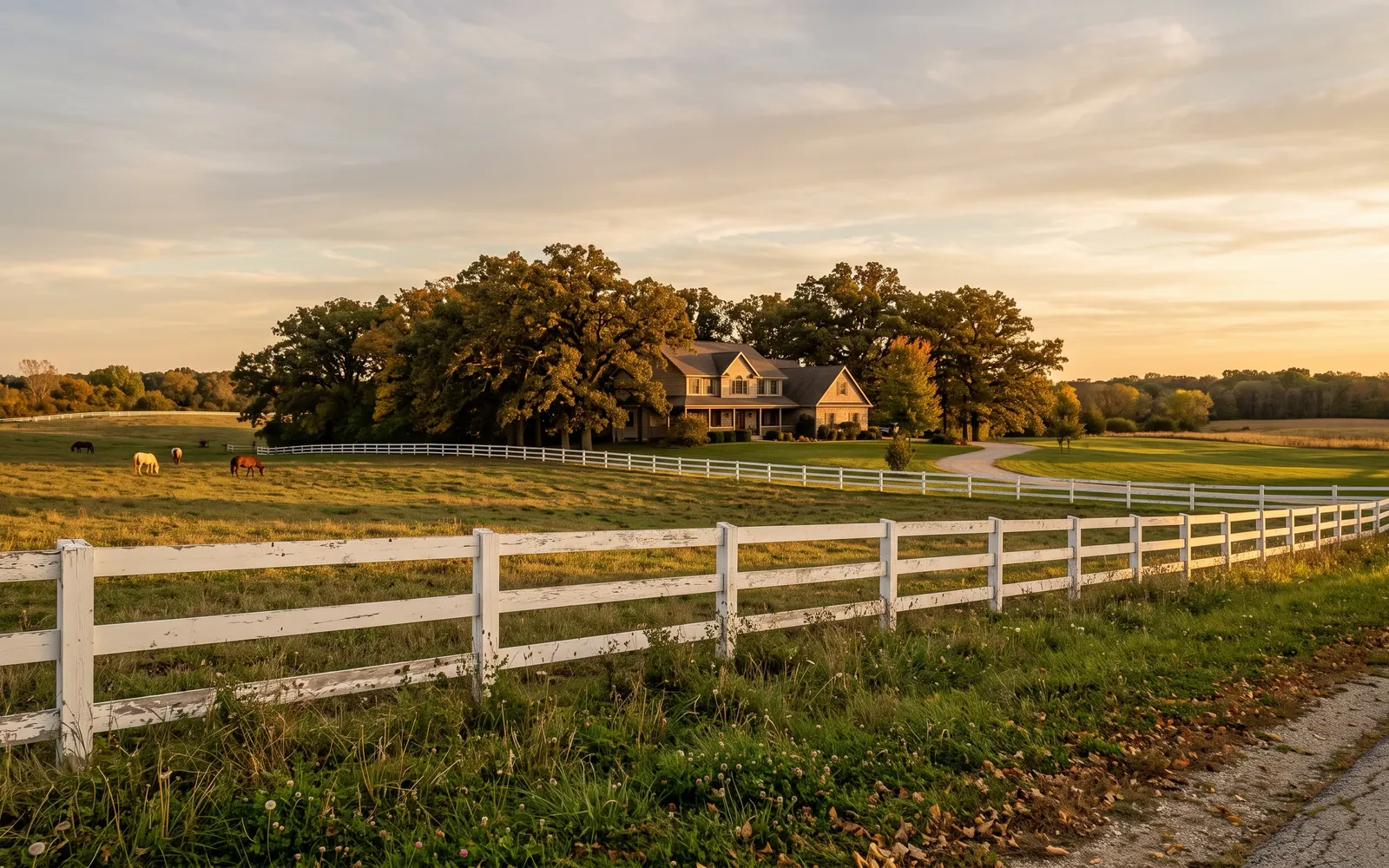
The farms around Campton Hills are old. The village is not. According to the village's 2025 Comprehensive Plan, John Beatty staked the first claim in Campton Township in 1835 and built its first log cabin near a spring and creek. John Whitney, Charles Babcock and James Hackett arrived the same year, with more settlers in 1836 and 1837. Beatty earned money "breaking" prairie for his neighbors at $3.50 an acre, because the sod was so thick it took a team and a heavy plow to turn it. By the 1860s dairy farming was established across the township. Wikipedia's Campton Township entry adds a detail most people don't expect: the Ingalls household of *Little House* fame farmed the tallgrass prairie here in the 1840s, when Charles Ingalls was a boy.
The crossroads that became the center of today's village is Wasco. Wikipedia says the post office dates to 1836, first on King's Mill Road and on Route 64 since 1890, and the Campton Town Hall was built in 1873. The Chicago Great Western Railway later ran through Wasco. The comprehensive plan notes that the Chicago and North Western, which took over the line, abandoned the track through Wasco in 1981, and the old roadbed is now the Great Western Trail. Campton Township bought the former Wasco depot in 1999 and uses it for its offices and community events.
The village itself came out of a fight over growth. By the 1990s, the plan explains, neighboring towns were annexing farmland west of the Fox River for subdivisions, and Randall Road was turning into a strip of big-box stores. Residents of Wasco and the township had no legal standing to stop annexations by other towns. So they incorporated. Voters approved the new village in an April 17, 2007 referendum with 55% of the vote, and Campton Hills incorporated on May 14, 2007, taking in about 20.3 square miles of Campton and Plato townships. Some edge areas disconnected in the first year.
That origin still drives decisions today. In the fall of 2024, the plan records, St. Charles considered annexing 970 acres around the unincorporated La Fox community for a Pulte proposal of more than 2,000 homes. Opposition was loud, Campton Hills among it, and within two weeks of the September 4, 2024 hearing St. Charles dropped it. A year later Campton Hills annexed much of that same ground itself, for a smaller plan covered in the development section below.
Campton Hills at a Glance
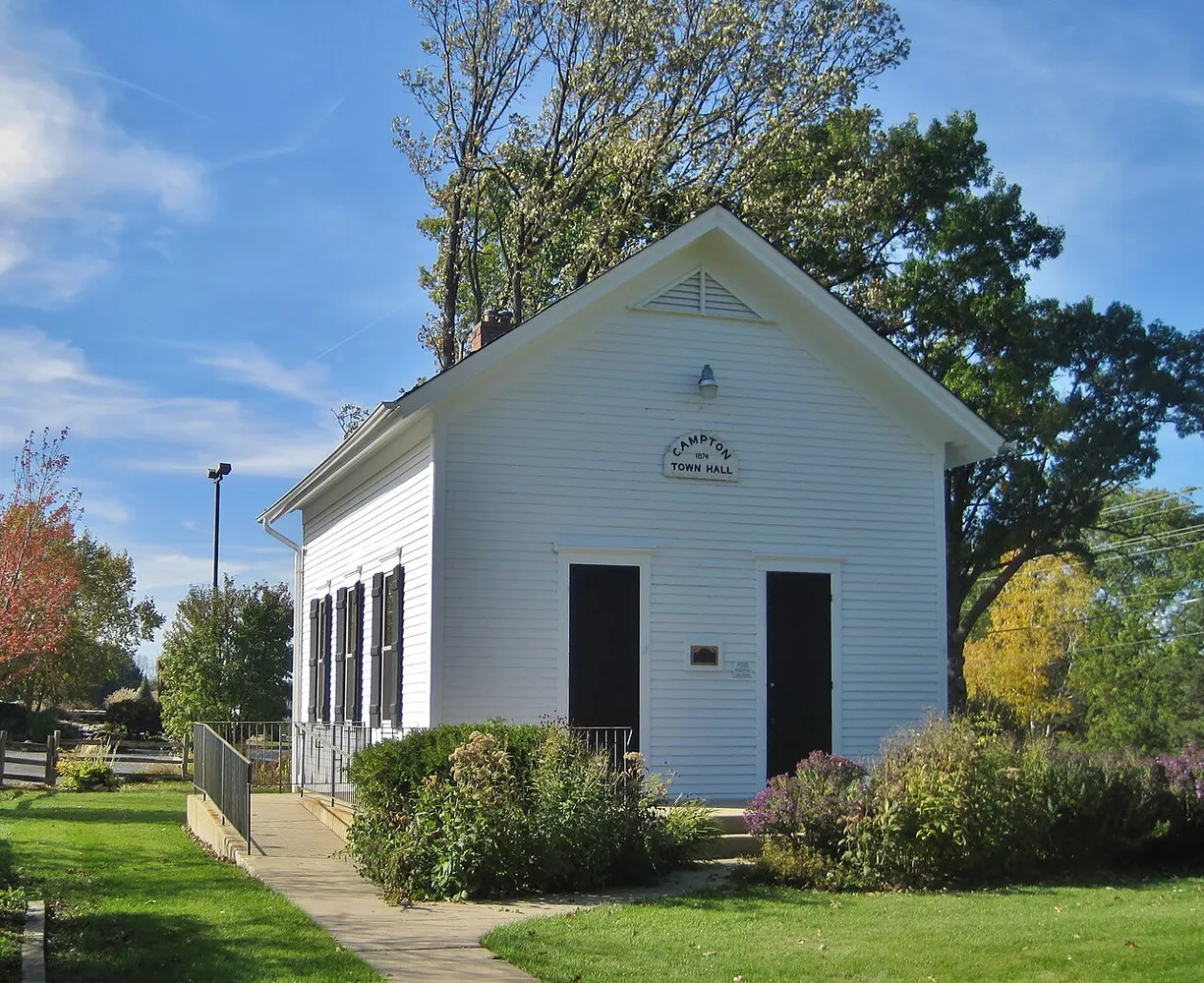
Campton Hills sits in central Kane County, roughly 40 miles west of downtown Chicago. The village is bordered by St. Charles to the east, Lily Lake to the west, Elburn to the south and Elgin to the north, and it covers 16.97 square miles. The whole village is in Kane County. It spreads across three townships, Campton, Plato and Blackberry, with most of it in Campton Township.
The 2020 Census counted 10,885 residents and 3,641 housing units. The newer 2020-2024 American Community Survey puts the population at 10,877 and housing units at 3,777, plus or minus 231. Only 5.4% of residents moved in the year before the survey, which matches what I see: homes here change hands slowly.
The first thing to understand about a Campton Hills address is that it rarely says "Campton Hills." The village has no post office of its own under that name. Most homes carry a St. Charles 60175 mailing address, homes around the old hamlet use Wasco 60183, and edges of the village can carry Elburn or Elgin addresses. Kane County also uses a grid system for rural addresses, so a listing like "40W270 LaFox Road, St. Charles" may be in the village, in the City of St. Charles, or in unincorporated Kane County. Those three answers mean different zoning, different permits and sometimes different school districts. On every listing out here, the first thing I check is which municipality the parcel is actually in.
The second thing is that the village runs lean on purpose. The Village of Campton Hills states that it does not levy a property tax. It runs its own police department and building and zoning office out of the village hall at 40W270 LaFox Road. The comprehensive plan notes that most roads are maintained by the Campton Township Highway District under an agreement with the village, five different fire protection districts serve different parts of town, and trash and recycling come through the Campton Township Solid Waste District. You deal with more agencies here than in a typical suburb, and I walk every buyer through which ones apply to their parcel.
Campton Hills Neighborhoods, Subdivisions to Acreage
Campton Hills is not one market. It is a patchwork of 1960s to 2000s subdivisions on one-acre-plus lots, a small historic core at Wasco, some newer and denser pockets near Wasco, and open farm and horse country, mostly in the northwest. The village's own comprehensive plan puts agricultural land, including parcels over five acres with a single home, at nearly 30% of the village, about 2,972 acres. Public and protected open space is another 23%, about 2,296 acres.
So the useful split is not east side and west side. It is what kind of property you want: a house in a subdivision with neighbors and sometimes shared water, a house on acreage along a country road, or a farm or horse property. Those three sell to different buyers, carry different inspection risks and sometimes need different financing, so I treat them as separate searches even when they share a ZIP code.
The second split is where the utilities come from. A few areas are served by the Wasco Sanitary District for water and sewer. Most of the village is on private wells and septic. That single fact changes your inspection list, your maintenance budget and what you can build later, and it is covered in its own section below.
Below are the areas and subdivision names you will see on listings. Boundaries are informal and some names come from a single source, so treat them as a starting point. If you want to know which subdivision a specific address is in, what utilities it has and which school it feeds, that is a conversation I am happy to have here.
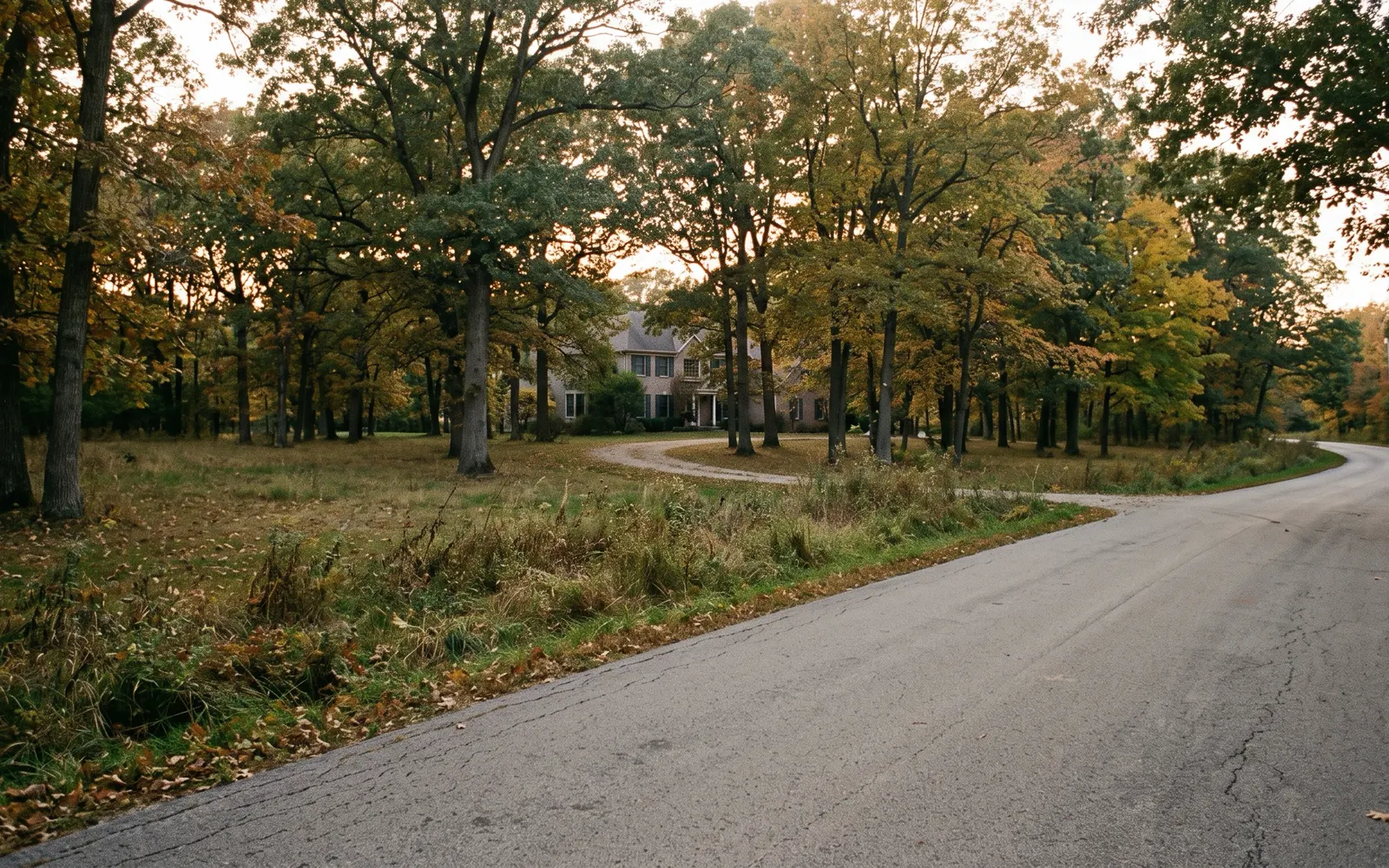
Wasco. The old hamlet at Route 64 and Old LaFox Road, and the closest thing Campton Hills has to a downtown. The post office, the 1873 Town Hall, an old church, the former depot and a small business district with restaurants and shops. Mid-century homes on smaller lots, and the one part of the village where you can walk to anything.
Norton Lakes and the newer Wasco pockets. The comprehensive plan names Norton Lakes as a recent development near Wasco with new, large homes on smaller lots than the rest of the village. Closer to the Great Western Trail and the Wasco shops.
Fox Mill. A planned development whose wastewater system, the plan says, was designed to protect Mill Creek, with underground storm sewers and a commercial piece built as part of the same planned unit development. Confirm the utility setup and any association rules on each listing.
Fox Creek, Abbey Glen and Woodland Hills. Named in the plan among the few areas with underground stormwater systems. Established subdivisions on large lots.
Country-road acreage. Houses on a few acres along the township roads. The plan singles out Beith Road, Campton Hills Road, Crawford Road, Garfield Road and Town Hall Road as the roads with the most rural character. Expect a private well, septic, a long driveway and more ground to keep up.
Farm and horse country. Mostly the northwest quadrant, where larger parcels, hobby farms, stables and bridle trails are common. These trade on land, barns, fencing and zoning more than on bedroom count.
The Route 38 and La Fox edge. The south side near Route 38 and the La Fox Metra station, where the 962-acre Shodeen annexation sits. The closest part of the village to a train, and the part most likely to change in the next decade. Some parcels here are in Geneva District 304.
Other names you will see on listings. Walk Score lists Brookhaven, Bur Hill, Kadell Heights, LaFox Woods, Pine Acres, Prairie Highlands, Rainbow Hills, Sunset Views, Tangle Vine and Waterford under Campton Hills. Ask for the build year, the water source and the school assignment on each one; they vary.
What Campton Hills Homes Look Like
The housing stock in Campton Hills is almost all single-family, and most of it is large. The comprehensive plan describes homes that are generally large, well built and fairly new, on relatively large lots spread across the village, with the number of apartments, duplexes and townhouses "very small." The same plan cites the state's affordable housing count: of 3,498 year-round homes, 83, or 2.4%, qualify as affordable under the state's definition, which puts Campton Hills on Illinois's list of towns required to adopt an affordable housing plan.
What you see on a drive through town follows the build eras. The older subdivisions have ranches, split-levels and two-story colonials from the decades when this was still unincorporated Kane County, usually on an acre or more. The 1990s and 2000s brought bigger custom and semi-custom homes, often with three- and four-car garages and walkout basements where the ground rolls. Out on the country roads you find farmhouses, horse properties with barns and paddocks, and newer custom homes on acreage. Near Wasco, the newer pockets put big homes on smaller lots.
The 2020-2024 ACS puts the median value of owner-occupied homes at $547,500, plus or minus $24,045. That is a multi-year survey of what owners say their homes are worth, so it trails the market. The current figure is in the market section below.
What I tell every buyer looking at an older Campton Hills house is the same list: the age of the roof and mechanicals, the condition of the well pump and pressure tank, the septic system, and any barns or outbuildings. On a house with an acre of lawn, the grading and drainage around the foundation matter too, because stormwater here mostly runs to roadside ditches rather than storm sewers. My home inspection checklist covers the house. The well and septic get their own inspection, covered next.
Wells, Septic and Zoning in Campton Hills
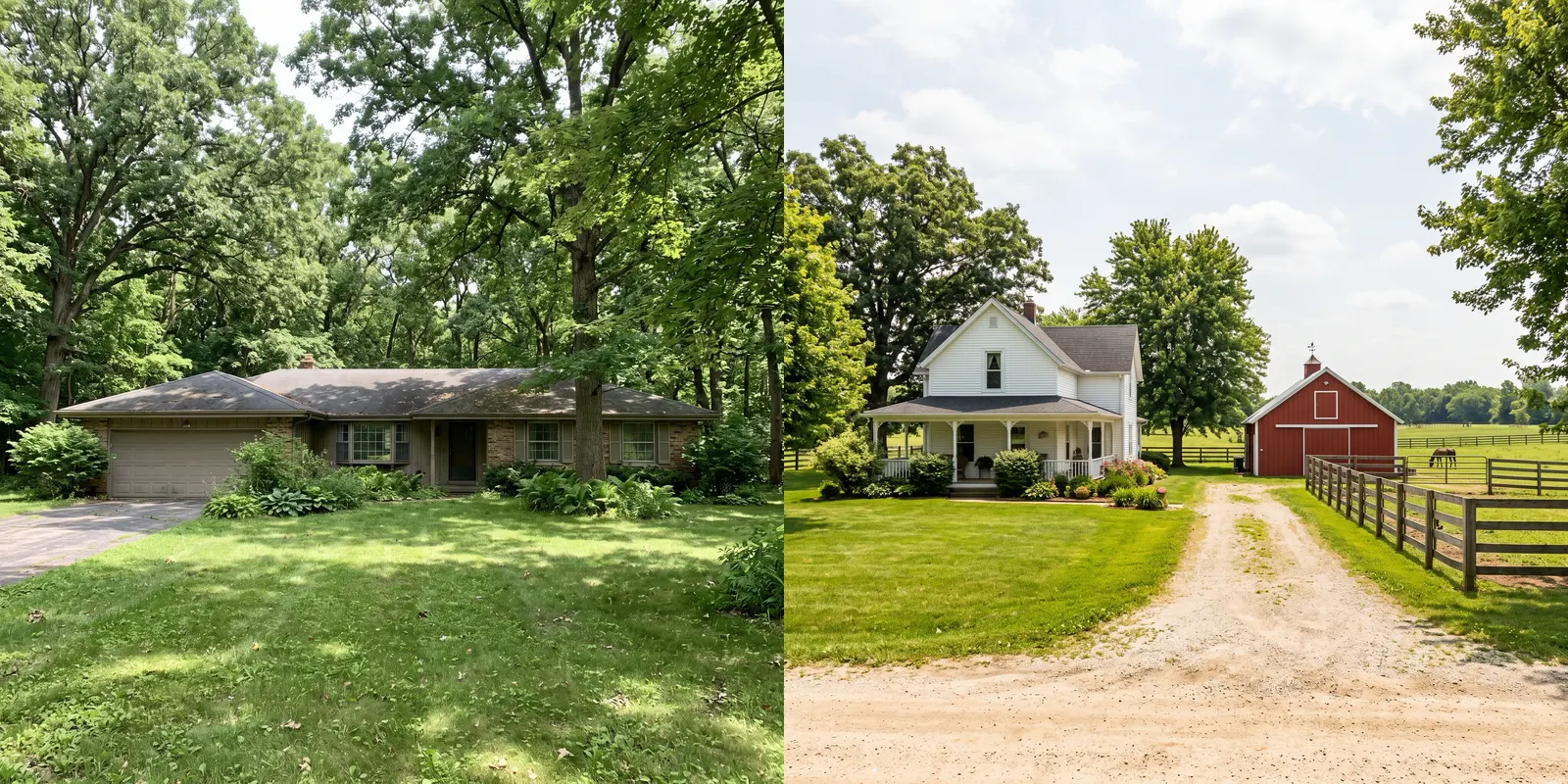
This is the section most Campton Hills guides skip, and it is the one that matters most. According to the village's comprehensive plan, residents rely entirely on groundwater, and Campton Township has one of the highest densities of private wells of any township in Illinois. The majority of homes are on their own private well. The Wasco Sanitary District provides water and sewer inside its service area, and most homes outside it use a private septic system.
The wells draw from four layers: the shallow glacial sands and gravels, the thin Silurian dolomite and Maquoketa shale, the Galena-Platteville dolomite, and the deep St. Peter sandstone. The plan quotes the Illinois State Water Survey on anecdotal reports of deep wells open to two aquifers causing nearby shallow wells to go dry, while noting it is unclear how much that is actually happening. The Water Survey and Kane County monitor groundwater levels in the township. The practical takeaway for a buyer is simple. Ask how deep the well is, which aquifer it draws from, how old the pump is, and whether the sellers have ever had a pressure or supply problem.
My due diligence list on a Campton Hills well-and-septic house is the same every time. A water test for bacteria and nitrates at a minimum. A real septic inspection, including where the field is, when it was last pumped and whether it was sized for the current number of bedrooms. And a look at the Kane County Health Department records for the permits on both. A failed septic field is one of the most expensive surprises in this kind of real estate, and it is one you can price in before you write the offer.
Zoning is the other check. Campton Hills adopted a new zoning ordinance in 2024, amended through August 2026, and the 2025 plan sets the target density for new neighborhoods at about 0.75 homes per acre, matching most existing subdivisions. The plan's own example: a five-acre parcel with one acre of protected wetland or similar ground has four developable acres, so three homes. The village also created a Farmland Preservation zoning district for land where at least 75% is under an agricultural conservation easement. If you are buying land hoping to split it, or buying next to open ground hoping it stays open, read the zoning and the future land use map first. Parcels just outside the village fall under Kane County zoning instead, which has its own rules for farm-zoned land.
The Campton Hills Housing Market in 2026
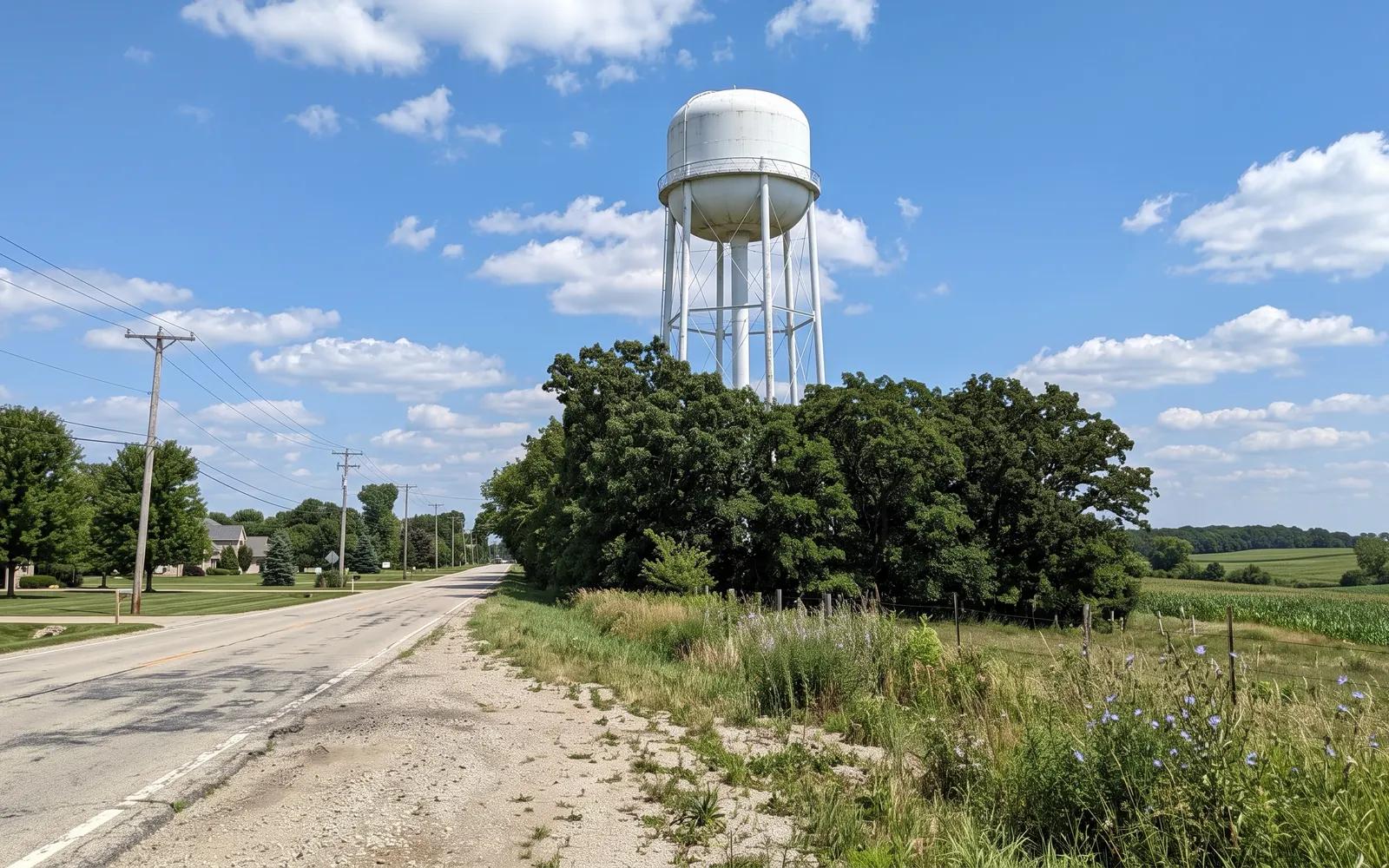
The best current public number for Campton Hills is Zillow's home value index. For August 2026 it puts the typical Campton Hills home at $695,333, up 6.5% from $652,933 in August 2025 and up about 10.4% from $629,576 in August 2024. For context, the same index for August 2026 has neighboring Lily Lake at $579,853 and Elburn at $465,648. Campton Hills is the most expensive of the three, which tracks with lot sizes and the size of the houses.
Demand here has been strong. In its hottest neighborhoods of 2025 report, Redfin ranked Campton Hills third in the country. For the 60175 ZIP code, it reported a median sale price of $615,000, up 2.9% from a year earlier, a median of 54 days on market, down 37 days, home sales up 38%, and 36% of homes selling above list price. Those are 2025 figures and the ZIP includes part of the City of St. Charles, but they explain why well-priced Campton Hills homes this year have not sat.
Here is the honest limitation. Campton Hills has only a few thousand homes and a very wide range, from modest older ranches to large estates on acreage, so a monthly or quarterly median sale price can swing by six figures on the mix of what happened to sell. That is why I lean on Zillow's index, which estimates the value of all homes rather than only the few that sold. Redfin's Campton Hills city page blocked automated access for this update, so I have not quoted a 2026 sale-price median.
What that means in practice: every Campton Hills valuation is really a comparison with a handful of similar sales, often including unincorporated homes with the same St. Charles address. Acreage, the water and septic setup, outbuildings and how private the lot is move value more than finishes do. If you are trying to work out a budget first, my guide to how much house you can afford in 2026 is a good starting point.
Campton Hills Property Taxes and the Real Cost of Owning
Start with the unusual part. The Village of Campton Hills does not levy a property tax at all. It runs on state income and sales tax distributions and on municipal taxes on electricity, natural gas and telecommunications. Your property tax bill still carries every other taxing body: the school district, which is the largest line, plus the county, township, road district, fire protection district, forest preserve, community college and any park or library district that covers your parcel.
The published averages need care here. Ownwell's Campton Hills page, updated April 13, 2026, puts the median effective rate at 2.03% and the median bill at $6,578, but its median home value of $259,853 and its 90th-percentile bill of $6,925 do not match a village where the Census median home value is over $500,000. I read that as a small or unrepresentative sample and don't rely on the dollar figures. Ownwell's figures for the St. Charles 60175 ZIP code, which covers most Campton Hills homes along with the west side of St. Charles, are more useful: a 2.37% effective rate, a median bill of $10,146, and bills of $15,134 at the 75th percentile and $18,841 at the 90th. Kane County's median effective rate is 2.49%.
Here is what that looks like on a real purchase. At Zillow's August 2026 typical value of $695,333, an effective rate between 2.03% and 2.37% works out to roughly $14,100 to $16,500 a year in tax, about $1,175 to $1,375 a month on top of the mortgage. The seller's current bill may be lower, because assessments trail the market, but the township assessor catches up. The expectation I most often have to reset is buyers who budget off the seller's bill instead of the rate.
Two things move the rate from house to house. The school district is the big one: a parcel in D303, D301, Kaneland D302 or Geneva D304 carries a different school rate. The fire protection district is the second, and with five of them serving the village, neighbors on different sides of a road can land in different ones. Each combination is its own tax code. The Kane County Treasurer's site lets you print the actual bill for any parcel, and I pull it on every house I show. For the rest of what you pay at closing, including the tax proration, see my Illinois closing costs guide. This is general information, not tax advice. Your actual bill depends on your parcel, your exemptions and the assessor.
Campton Hills Schools: Four Districts, One Address Check
Most of Campton Hills is served by St. Charles Community Unit School District 303, a single unit district from preschool through 12th grade. The district's own site lists eleven elementary schools (Anderson, Bell-Graham, Corron, Davis, Ferson Creek, Fox Ridge, Munhall, Norton Creek, Richmond, Wasco and Wild Rose), two middle schools (Thompson and Wredling) and two high schools (St. Charles East and St. Charles North). Wasco Elementary sits in the old hamlet; Wikipedia dates the original school to 1906.
The rest of the village is split. According to Wikipedia's village entry, Central Community Unit School District 301 serves the north part of the village and Kaneland CUSD 302, based in Maple Park, serves the southwest. And the land south of Route 38 that the village annexed in 2025 is in Geneva Community Unit School District 304, according to the Daily Herald. That is up to four districts in one village.
The detail that trips people up is assignment. Which elementary, middle and high school a house feeds depends on the parcel, not on the mailing address, and a St. Charles address does not guarantee District 303. Check the address with the district's attendance boundary lookup before you write an offer, and look for the school district line on the seller's tax bill as a second check. Ask me for the boundary if you want it done for a specific house.
I have not quoted school rankings here.
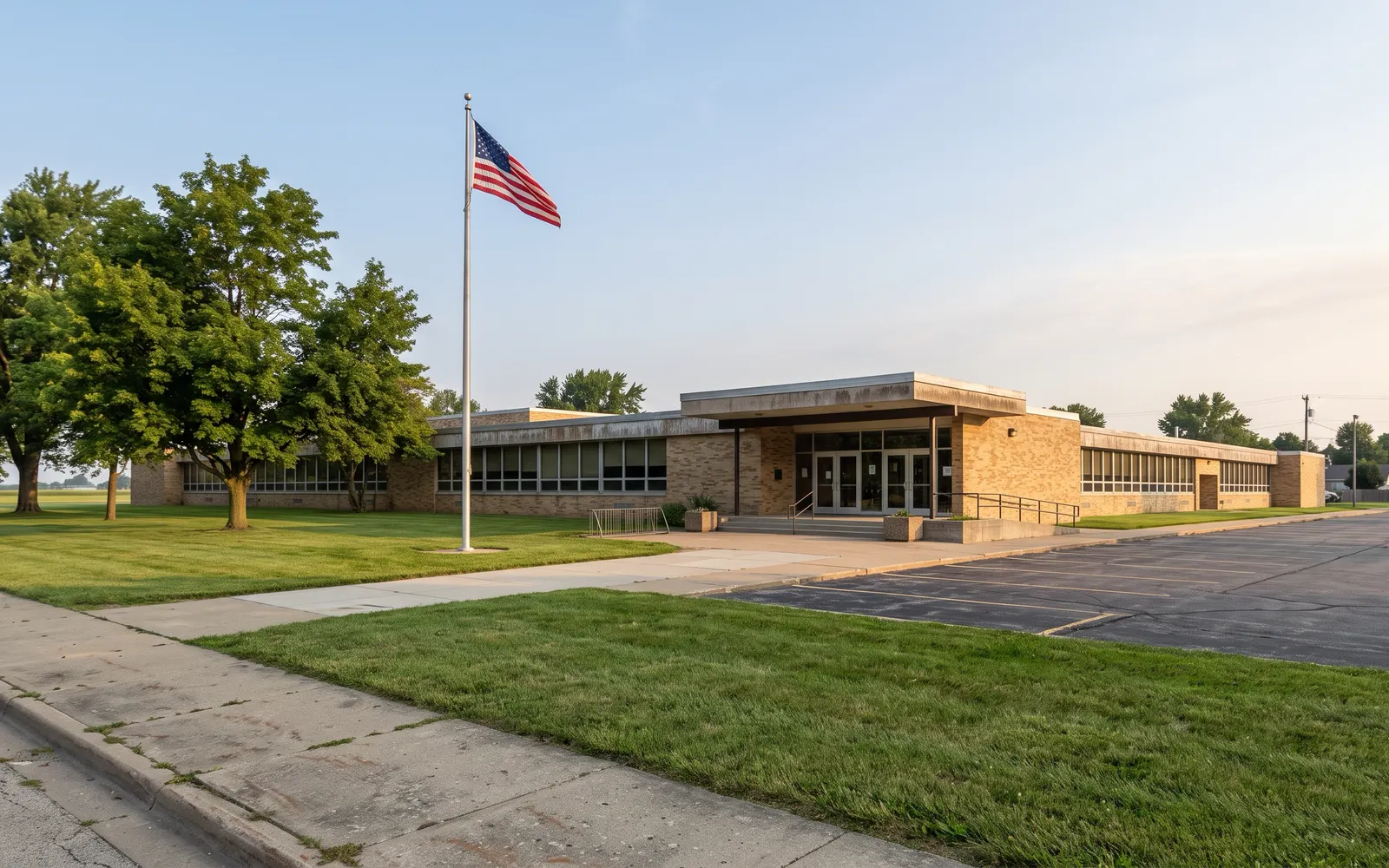
St. Charles CUSD 303. Most of the village. Eleven elementary schools including Wasco Elementary in the hamlet, Thompson and Wredling middle schools, St. Charles East and St. Charles North high schools.
Central CUSD 301. The north part of the village. Confirm the building assignment with the district.
Kaneland CUSD 302. The southwest part of the village. Kaneland High School and Harter Middle School, with four elementary schools; district office in Maple Park.
Geneva CUSD 304. The Shodeen annexation area between Route 38 and Keslinger Road.
Commuting from Campton Hills: Metra at La Fox
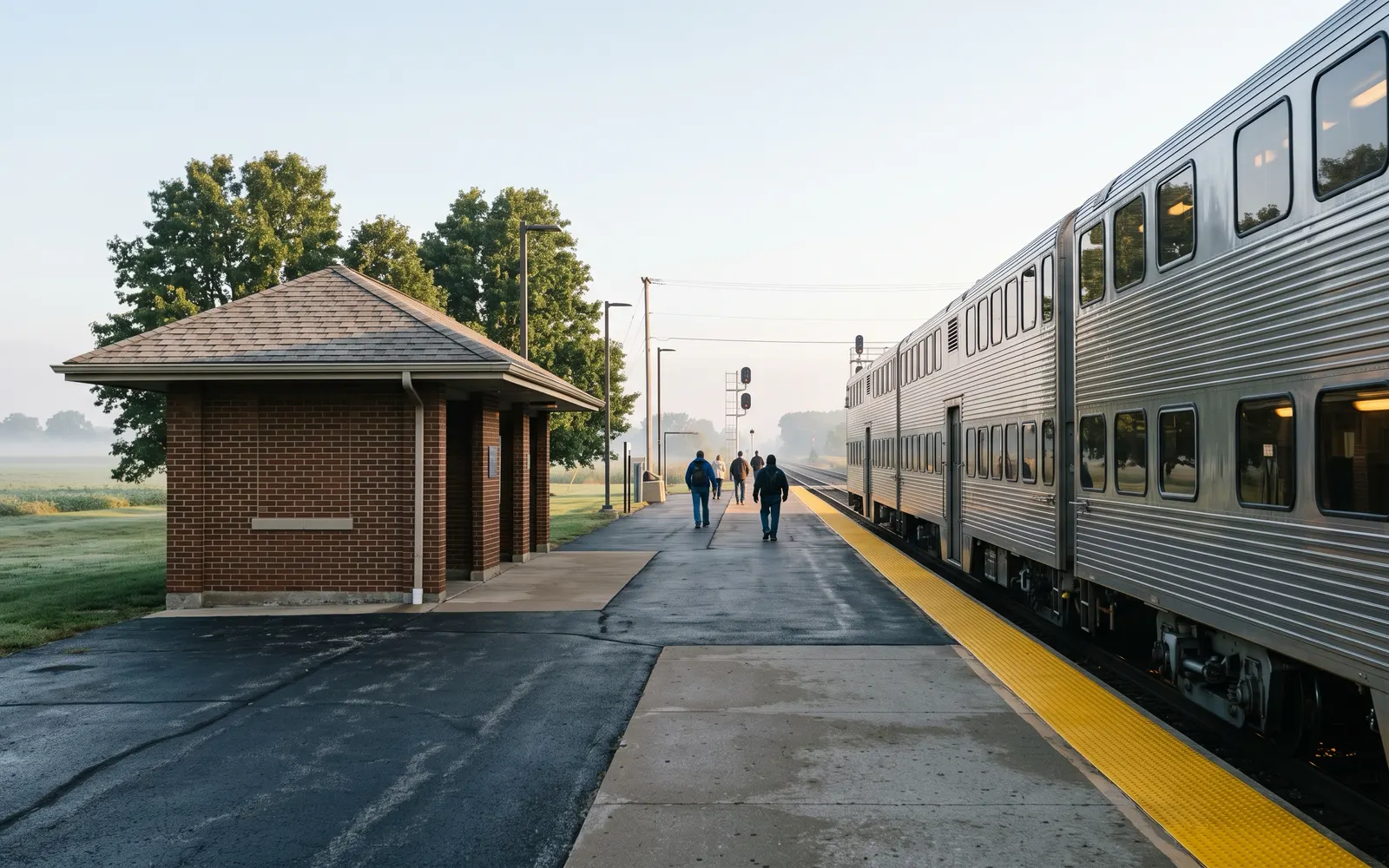
The closest train is the La Fox station at 40W999 Keslinger Road, just south of the village on Metra's Union Pacific West line. It opened in 2006, sits 41.1 miles from Ogilvie Transportation Center in the West Loop, and had roughly 300 parking spaces at last count. It is in fare zone 4.
On Metra's UP-W timetable generated September 21, 2026, 25 weekday trains leave La Fox for Chicago, the first at 4:19 a.m. The 5:19, 5:49 and 6:19 a.m. trains reach Ogilvie in about 73 minutes. The all-stop trains, including the midday ones, take about 84 minutes. If a daily train commute is central to your search, the south side of the village near Route 38 has a real advantage over the north.
Some commuters drive a bit farther for more choices. Geneva, a few miles southeast, is on the same line with more trains, and Elburn, the end of the line, is just south. Homes on the north edge are closer to Elgin's stations on the Milwaukee District West line. Add the drive, parking and the walk at the other end, and a door-to-desk commute to the Loop from most of Campton Hills runs about an hour and a half.
Most residents don't do that every day. The 2020-2024 ACS puts the mean travel time to work at 34.1 minutes, which tells you most working residents commute to jobs in the suburbs or work from home, and use the train for the days they go downtown.
Driving from Campton Hills: Routes 64, 38 and 47
Campton Hills is a driving town, and its roads are its map. According to the comprehensive plan, Illinois Route 64 runs east to west through Wasco toward St. Charles and Sycamore, Route 38 runs along the south side through Geneva and Elburn, Route 47 is the north-south route on the west edge, and Randall Road is the big north-south corridor just east of the village in St. Charles. I-90 is to the north and I-88 to the south, both reached by Randall Road or Route 47.
Most roads inside the village are two-lane and maintained by the Campton Township Highway District. LaFox Road, Corron Road, Empire Road and Silver Glen Road are county highways. The village has formally said that widening Route 64 to four lanes west of Burlington Road conflicts with its plans, so don't expect the state road through Wasco to get much bigger soon.
One project on the calendar: the village announced that road work on Campton Hills Road and Town Hall Road started September 8, 2026. If you are touring this fall, expect delays on those two roads. For flights, O'Hare is about an hour's drive east in normal traffic, and Chicago Rockford International is an option to the northwest.
Is Campton Hills Walkable?
No, and that is by design. Walk Score counts about 11 restaurants, bars and coffee shops in all of Campton Hills, and says residents can walk to an average of 0.1 of them in five minutes. Most subdivisions have no sidewalks, and the plan notes stormwater mostly runs off in roadside ditches.
The exception is Wasco, where a handful of homes are close enough to walk to the post office, the restaurants and the trail. For recreation, walking and cycling are a big part of life here. The Great Western Trail crosses the village east to west on the old railroad bed, and cyclists use the quiet country roads heavily.
Shopping in Wasco and Nearby
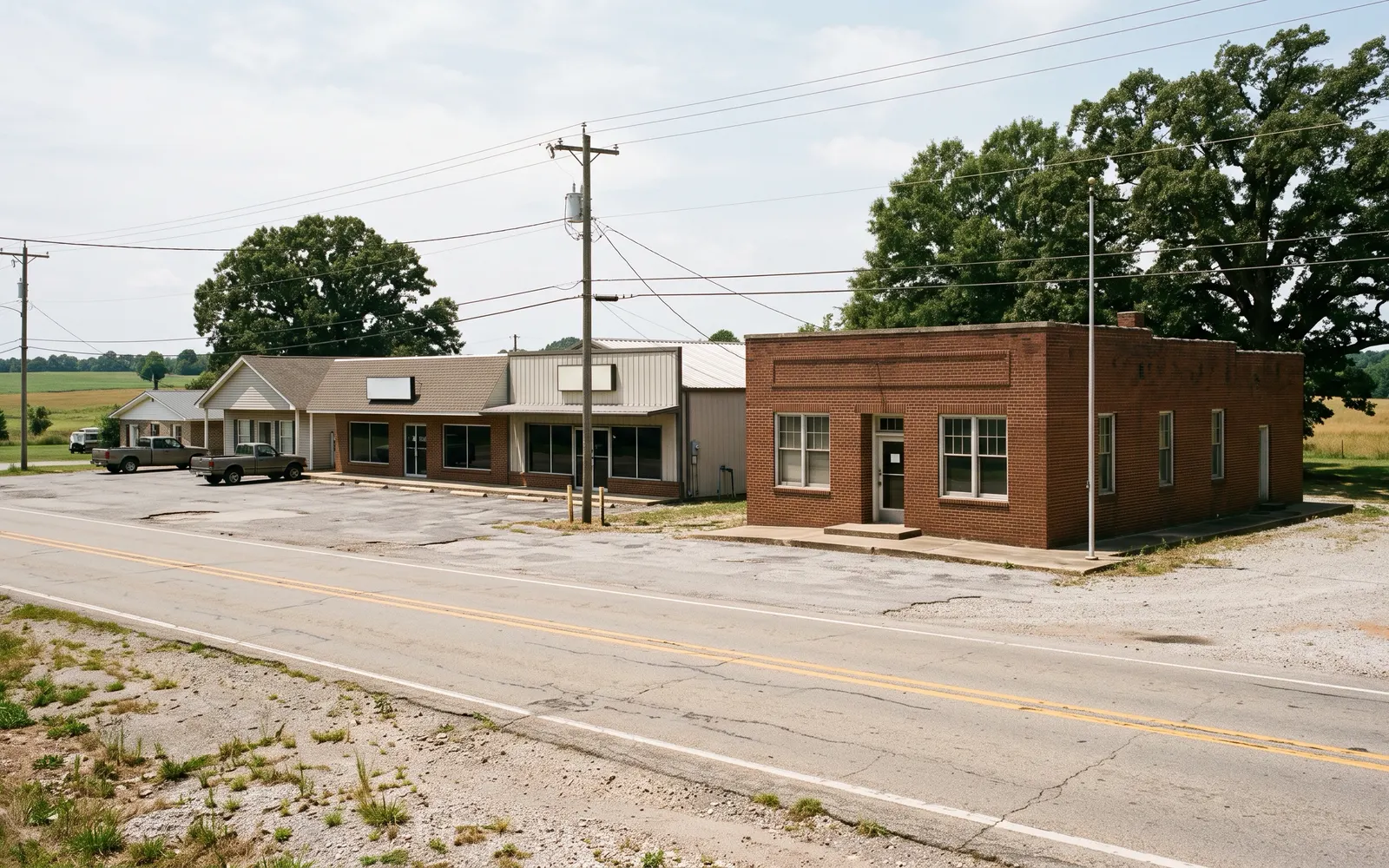
Campton Hills has a small commercial core and wants to keep it that way. The comprehensive plan describes a business district centered at Route 64 and Old LaFox Road, still called Wasco by everyone, with restaurants, specialty shops and service businesses in a mix of historic buildings and newer one- and two-story buildings designed to look like turn-of-the-century storefronts. There is also commercial space built as part of the Fox Mill development and a small amount of light industry in the Wasco business district.
For everything else, you drive east. Randall Road in St. Charles and Geneva, a few minutes from most of the village, has the big-box stores, chain restaurants and grocery stores. Downtown St. Charles and downtown Geneva, each about 15 minutes away, have the independent shops and restaurants along the Fox River. Elgin to the north covers the rest.
Groceries and Everyday Errands in Campton Hills
There is no full-size grocery store inside the village. Weekly shopping for most Campton Hills homes means Randall Road in St. Charles or Geneva, usually a 10- to 15-minute drive, where the grocery stores, pharmacies, banks and dry cleaners cluster. Homes on the south side also use Elburn along Route 47 and Route 38, and homes on the north side use the Randall Road stores in Elgin. In season, the St. Charles outdoor farmers market runs on Friday mornings downtown, and farm stands appear along the country roads in summer. The village's plan encourages more of them on the main roads.
Where Campton Hills Eats
Dining in Campton Hills centers on Wasco and Route 64. The Squire Ale House on Route 64, which the village's comprehensive plan pictures after its remodel, is the name most people know, and the Wasco business district has a few more restaurants and a coffee spot around the old crossroads. For a bigger choice, the chain restaurants on Randall Road are ten minutes east, and downtown St. Charles and Geneva have the riverfront restaurants and patios that Campton Hills residents use for a night out.
Open Space, Trails and Horses in Campton Hills
Open land is the main amenity here, and there is a lot of it. The comprehensive plan counts about 2,000 acres of public open space inside the village, mostly owned by Campton Township or the Forest Preserve District of Kane County, plus about 900 acres of forest preserve land next to or near the village and about 860 acres of private land under conservation easements. Open space is 23% of the village, about 233 acres per 1,000 residents, against a regional average of 28.
Much of that land came through the Campton Township Open Space program, which bought Corron Farm, a preserved farm of more than 200 acres with prairie and oak savanna. Mongerson Farm, around 70 acres, and much of Garfield Farm are protected by easements. The Great Western Trail, on the old Chicago Great Western rail bed, runs east to west through Wasco and, according to the plan, connects St. Charles with Sycamore and links to Kane County's Mid-County Trail and the Fox River Trail.
Horses are part of the landscape. Bridle trails run through parts of the village, stables and hobby farms are common in the northwest, and the plan explicitly supports equestrian uses in new conservation developments. If you want to keep a horse at home, zoning and lot size decide whether you can, so check the parcel's zoning district before you fall for the barn.
Garfield Farm and Campton Hills History You Can Visit
The best-known attraction in Campton Hills is the Garfield Farm and Inn Museum, a 375-acre farmstead on Garfield Road between Campton Hills Drive and Route 38. Timothy Garfield bought the land in 1841 and ran a tavern and inn for teamsters hauling between Chicago and the Rock River Valley. The brick inn dates to 1846, the hay barn to 1842 and the horse barn to 1849. It was listed on the National Register of Historic Places in 1978, and a granddaughter donated it for a museum in 1977.
According to the museum, it is open for drop-in tours from 1 to 4 p.m. on Sundays and Wednesdays from June through September, and by appointment the rest of the year, with seasonal prairie walks, barn dances and other events. The village's plan lists more than a dozen other historic places in the planning area, including the La Fox Historic District, Corron Farm and the Campton Town Hall.
Utilities in Campton Hills: Wells, Septic and Who Sends the Bill
Utilities in Campton Hills depend on the parcel. Most homes have a private well and a septic system, so there is no water or sewer bill, but there is maintenance: pumping the septic every few years, replacing a well pump or pressure tank when it fails, and water treatment if the test calls for it. Inside its service area, the Wasco Sanitary District provides water and sewer. ComEd delivers electricity and Nicor Gas provides natural gas; the village collects municipal taxes on both. Some rural properties are not on a gas main and run on propane, so ask. Trash and recycling come through the Campton Township Solid Waste District, according to the village plan. If you are coming from the City of St. Charles, note that its municipal electric utility does not serve Campton Hills.
Hospitals Near Campton Hills
The closest full-service hospital for most of the village is Northwestern Medicine Delnor Hospital at 300 South Randall Road in Geneva, roughly 10 to 15 minutes from most Campton Hills homes. Homes on the north side are also close to Advocate Sherman Hospital on Randall Road in Elgin. Immediate care clinics and outpatient offices cluster along Randall Road in St. Charles and Geneva. Fire and ambulance service comes from whichever of the five fire protection districts covers your parcel.
Campton Hills Events Through the Year
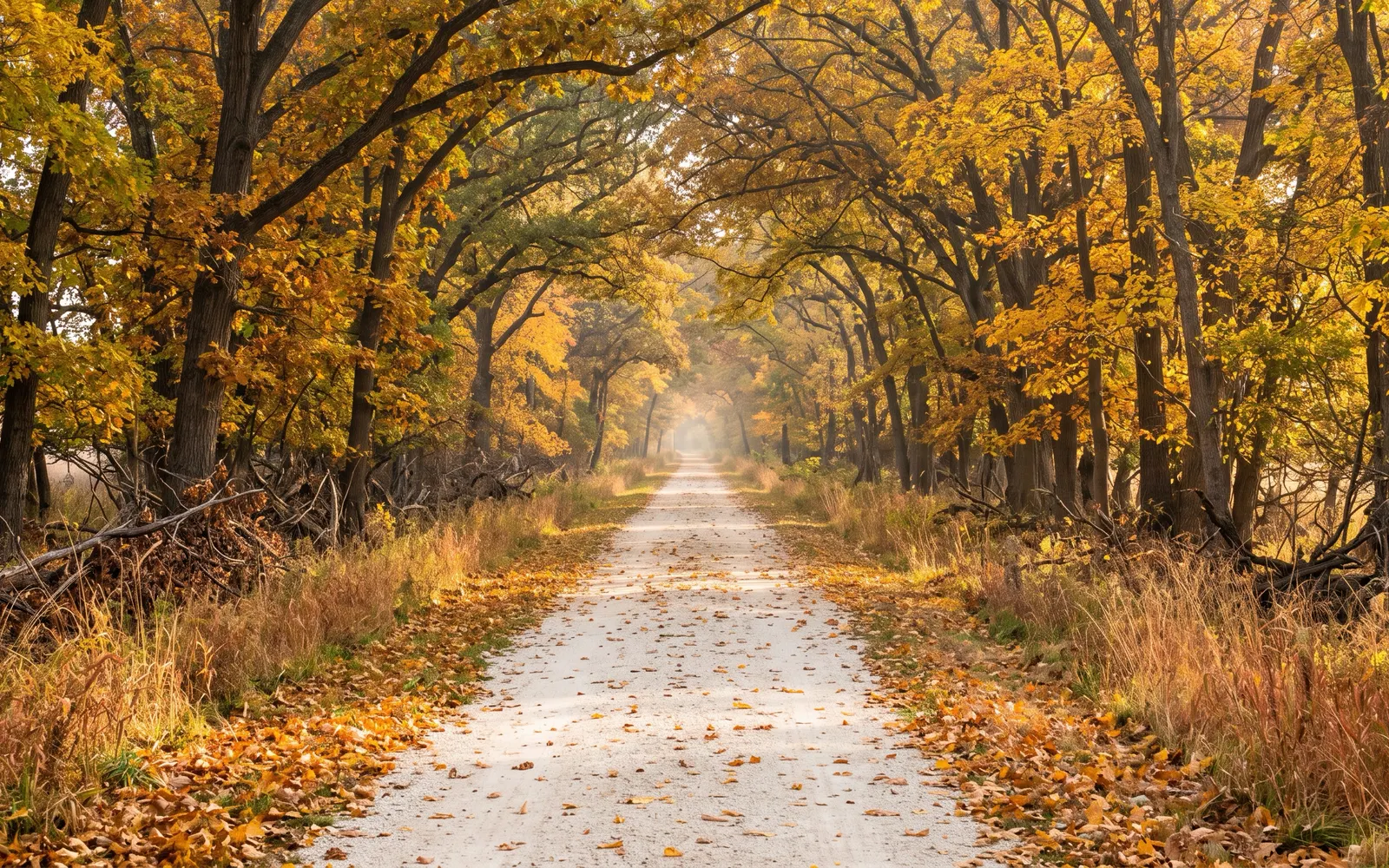
Campton Hills is quiet on the calendar compared with a town with a downtown square, and most of its events are small and local. This fall the village announced Boo After Dark, a Halloween event with haunted hayrides; check the village site for the date and location. Garfield Farm runs seasonal programs, from prairie walks to barn dances, and local churches hold their own fall festivals. For bigger events, residents head to the Fox River towns: the St. Charles and Geneva festivals, farmers markets and summer concerts are all 15 minutes away. If you are touring houses in the fall, drive Town Hall Road and Garfield Road at peak color. It tells you more about living here than any listing will.
What's Being Built in Campton Hills
One project will change the south side of Campton Hills more than anything since incorporation. In 2024, St. Charles considered annexing about 970 acres around La Fox for a Pulte plan of more than 2,000 homes and dropped it after strong opposition. In 2025, Campton Hills took up a smaller plan on the same general area. According to the Daily Herald, Geneva-based Shodeen Group proposed 900 homes, 700 of them single-family, on 962 acres, with 440 acres set aside as open space that the public can buy under a three-year option at about $28,067 an acre, and $6,800 per home in impact fees to Geneva District 304.
The village approved it. Ordinance 25-28, adopted September 4, 2025, annexed parcels north of Keslinger Road and south of Route 38, between Harley Road and Brundige Road. The village has since posted a preliminary planned unit development ordinance for Shodeen (late 2025), a joint review board agenda (March 2026) and a redevelopment agreement ordinance (July 2026). The agreement document is a scanned file I could not read in full, and I have not seen a final plat, builder pricing or a construction start date. When those exist, I will add them here.
For buyers, this matters in two ways. The area near Route 38 and the La Fox station will look very different in ten years, with more homes, more traffic and, the village hopes, a mixed-use center near La Fox. And for everyone else in the village, the annexation keeps that land under Campton Hills's density rules instead of a neighboring town's. The village also approved several smaller annexation agreements in 2026, including parcels on Brown Road and west of Harley Road.
I don't label any town or neighborhood as safe or unsafe.
Flood and Drainage in Campton Hills
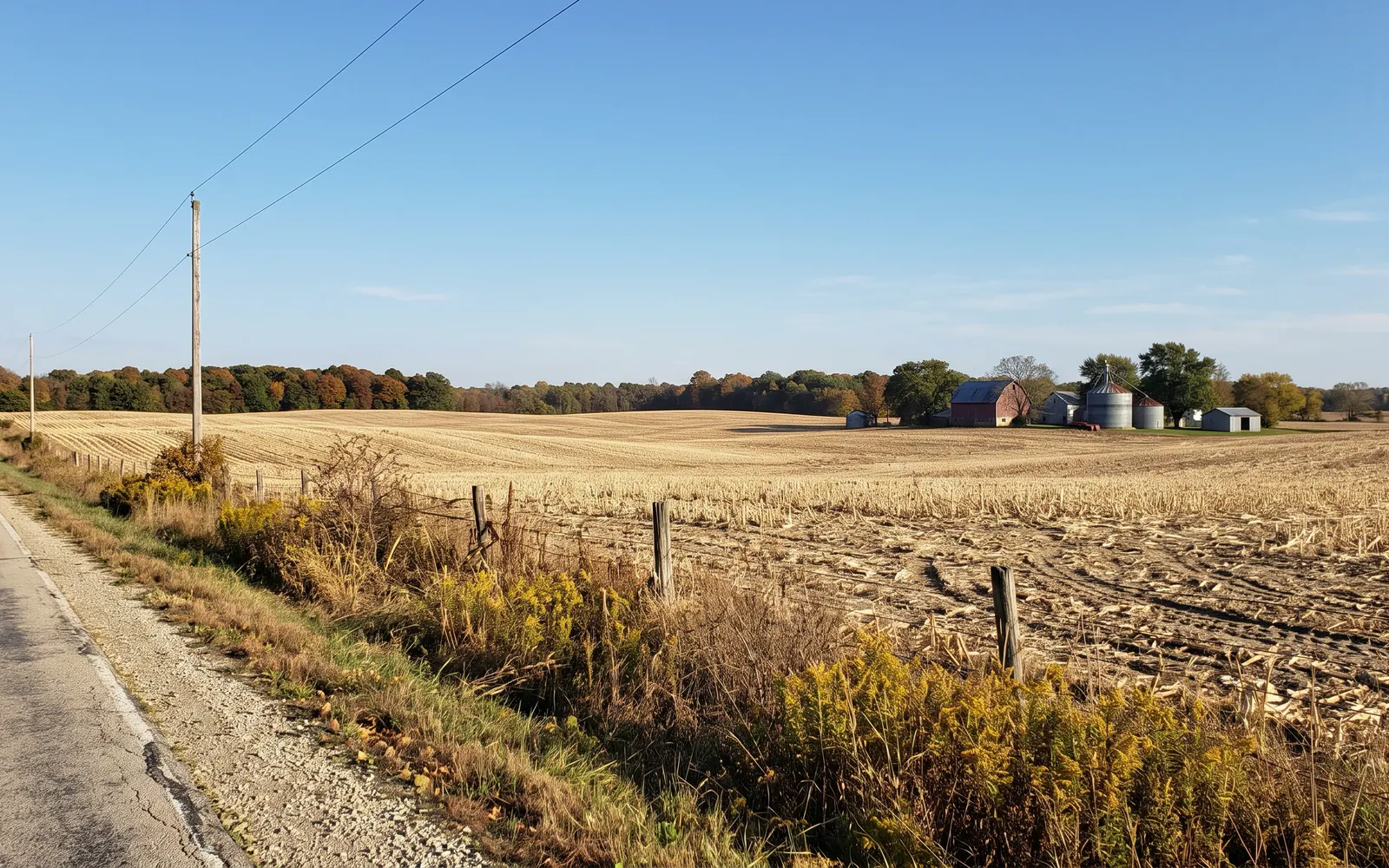
The village's comprehensive plan calls flooding a localized nuisance rather than a significant problem for most of the community. Stormwater mostly runs off through roadside ditches, and only a few areas, among them Fox Mill, Fox Creek, Abbey Glen, Woodland Hills and Wasco, have underground storm sewers. The higher-quality wetlands sit along the creeks and in their floodplains, and the village runs a stormwater reimbursement fund for drainage projects.
Two checks before you write an offer. Look the address up on the FEMA flood map, because a mapped flood zone can mean required flood insurance on a mortgage, and wetlands or floodplain on a lot also limit where you can build a barn, pool or addition. And ask the seller directly about water in the basement and about how the yard drains in a heavy spring rain. On a rolling acre with a walkout basement, the grading is often the whole answer.
Frequently Asked Questions
How much does a house cost in Campton Hills, IL?+
Zillow's home value index put the typical Campton Hills home at $695,333 in August 2026, up 6.5% in a year. The 2020-2024 Census estimate of median home value is $547,500. Prices range from older ranches to large estates on acreage.
What are property taxes in Campton Hills, IL?+
The village does not levy a property tax, but school, county, township, fire and other districts do. Ownwell puts the effective rate at about 2.03% for Campton Hills and 2.37% for the 60175 ZIP code, with a 60175 median bill of $10,146 (April 2026). Rates vary by school and fire district.
What school district is Campton Hills, IL in?+
Mostly St. Charles Community Unit School District 303. Central CUSD 301 serves the north part of the village, Kaneland CUSD 302 the southwest, and the 2025 annexation south of Route 38 is in Geneva CUSD 304. Confirm every address with the district.
Does Campton Hills have city water and sewer?+
Mostly no. The majority of homes use a private well and septic system. The Wasco Sanitary District provides water and sewer within its service area.
How long is the commute from Campton Hills to downtown Chicago?+
From the La Fox Metra station just south of the village, the fastest morning trains reach Ogilvie in about 73 minutes and all-stop trains in about 84. There are 25 weekday trains toward Chicago.
Is Campton Hills in St. Charles?+
No. It is a separate village, incorporated in 2007, but most homes use a St. Charles 60175 mailing address. Others use Wasco, Elburn or Elgin addresses. Check the parcel's municipality, not the mailing address.
What neighborhoods are in Campton Hills, IL?+
Areas and subdivisions include Wasco, Norton Lakes, Fox Mill, Fox Creek, Abbey Glen, Woodland Hills, LaFox Woods, Brookhaven and Waterford, plus country-road acreage and farm and horse properties, mostly in the northwest.
What is being built in Campton Hills?+
The village annexed 962 acres south of Route 38 on September 4, 2025, for Shodeen Group's plan of 900 homes, 700 of them single-family, with 440 acres of open space. A redevelopment agreement followed in July 2026; no construction start date has been published.
Eshu Chikoti has extensive access to off-market listings throughout Campton Hills and the rest of Kane County — homes that never make it to the public listing sites. That matters right now: in a seller's market like this one, well-priced homes routinely go under contract within days, and buyers relying only on public listings are competing for whatever is left over. Working with someone plugged into off-market inventory means seeing homes before the crowd does.
Eshu Chikoti · 847-691-4282 ·
Get new Campton Hills listings by email
When a home comes on the market in Campton Hills, I'll email it to you.
Just your email. Unsubscribe any time by replying.
Thinking About Campton Hills?
Whether you're buying, selling, or just curious what's on the market, I can walk you through Campton Hills street by street.