Bull Valley, IL
Bull Valley, IL is a McHenry County village of about 1,100 people spread across roughly nine square miles of wooded hills, horse pasture and protected wetland, with no village water or sewer and some of the county's largest residential lots.
Living in Bull Valley, IL means estate lots that start at three acres, private wells and septic, horses allowed under written acreage rules, and a typical home value near $657,000. The trade-offs are property tax near 2.6% of value, a drive for every errand, and Metra stations roughly four to five miles from the village hall.
Written by Eshu Chikoti · 847-691-4282 ·
How Bull Valley, IL Got Here: A Short History
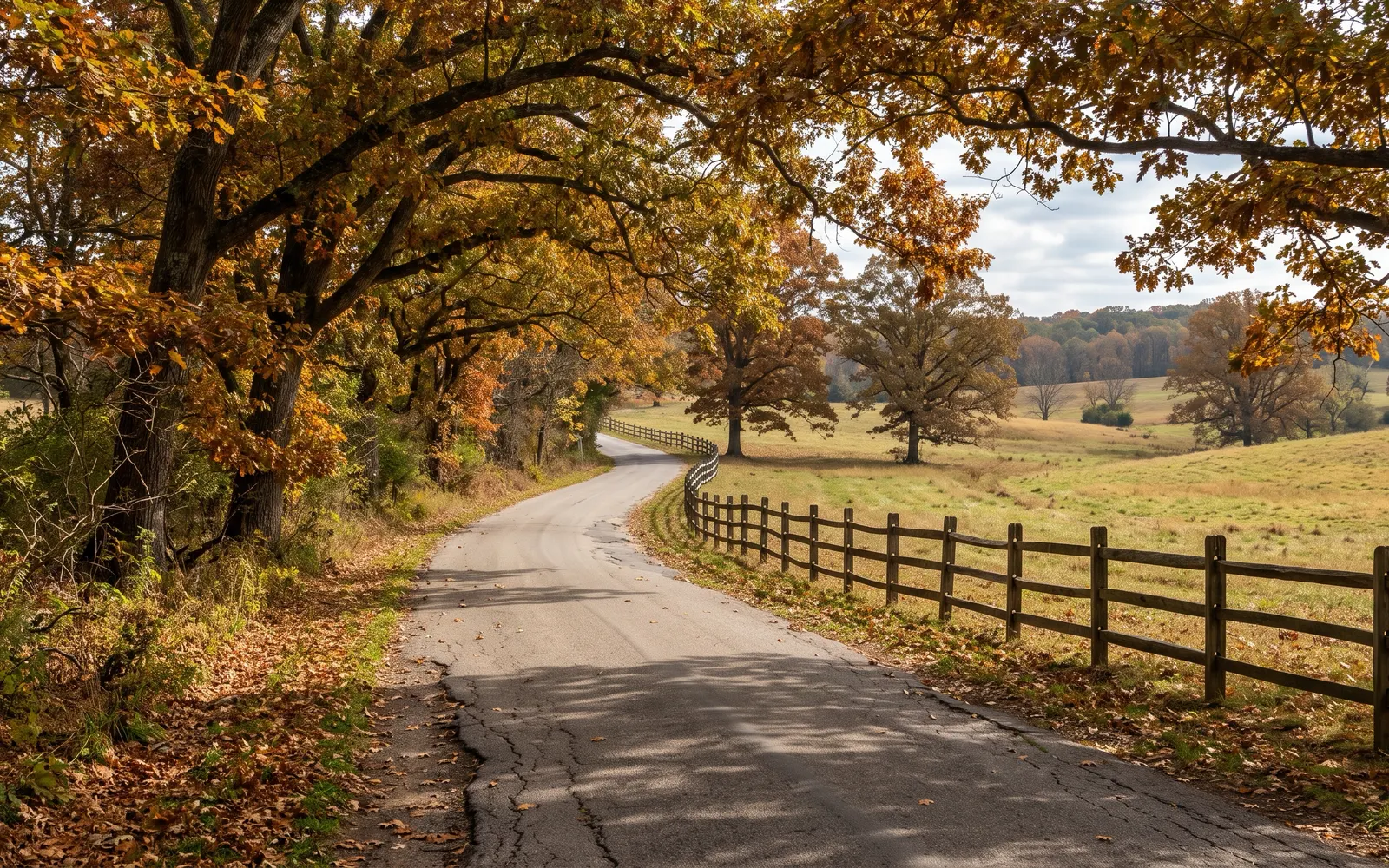
Bull Valley exists because its landowners organized to keep it rural, decades before it was a village. According to the village's own history, a group of neighbors formed the Countryside Improvement Association in 1942. In 1955, owners of about 3,000 acres, roughly half the Bull Valley area at the time, voluntarily put their land into 3-acre zoning, the lowest-density residential class McHenry County then offered. The village calls that single decision the one that set the character of the community.
In 1960 residents paid, by subscription, for a land use study. The resulting Eastern McHenry County Plan Association recommended on July 25, 1961 that a large part of the area be zoned for estate use on tracts of at least five acres. When the county formed its own planning commission in 1963, the association handed over its work. Residents kept fighting rezonings at county hearings until, in 1977, they reorganized as the Bull Valley Association and campaigned to incorporate. Wikipedia dates the referendum to July 23, 1977.
The village's odd outline comes from that vote. State law required at least 200 voters across two square miles for a new village, so the boundary had to reach out to scattered households. That is why a Bull Valley map looks like a jigsaw piece, and why a house on one side of a road can be in the village while its neighbor across the road is not.
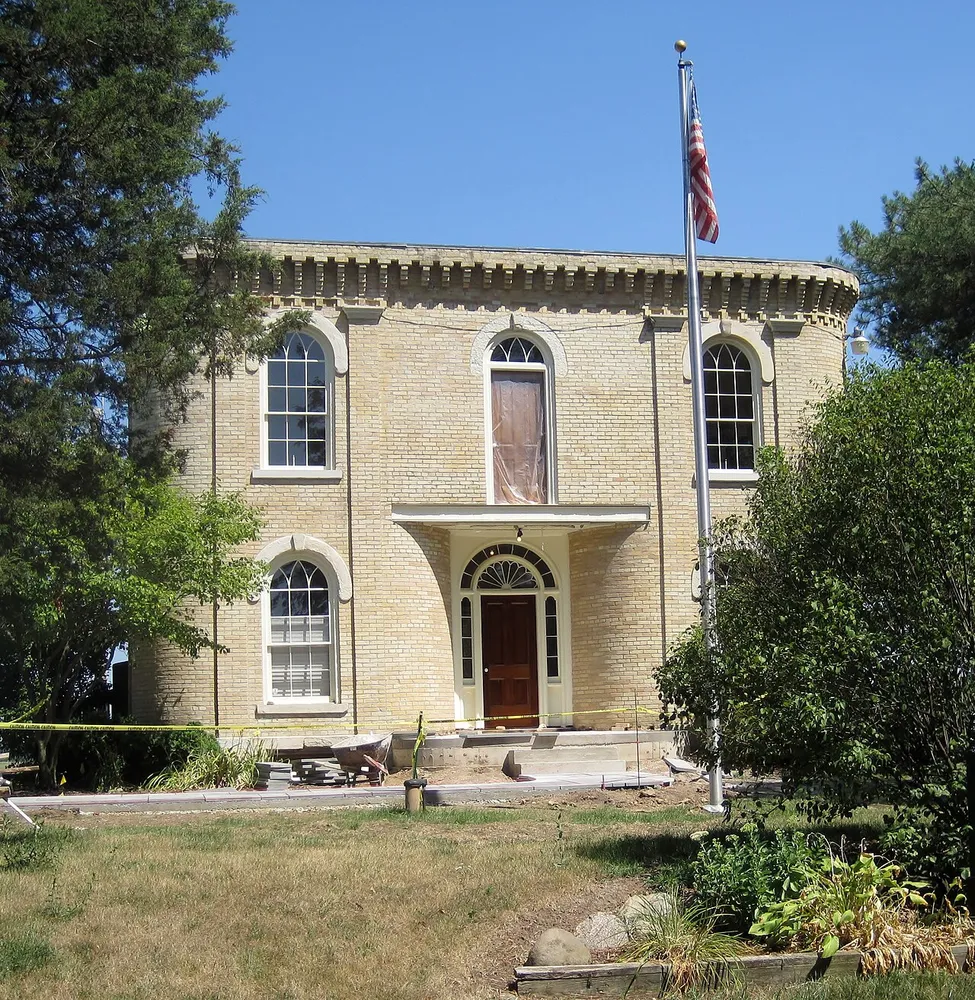
The land is older than any of that. The George Stickney House, now the village hall, dates to the 1860s, and the 1849 Terwilliger House a short drive away is on the National Register of Historic Places. I cover both further down.
Bull Valley at a Glance
Bull Valley sits in the middle of eastern McHenry County, between Woodstock to the west, McHenry to the northeast and Crystal Lake to the south. The village's annexation guide puts it at about nine square miles and 4,679 acres, with roughly 450 homes, which works out to about one home for every 10 acres. It spans four townships (McHenry, Dorr, Nunda and Greenwood) and has boundary agreements with the cities of Woodstock and McHenry.
The 2020 Census counted 1,128 residents. The newer 2020-2024 Census ACS estimate is 1,269, with a margin of error of plus or minus 286, which tells you how hard a village this small is to survey. Of the 485 occupied homes the ACS counts, 470, or 96.9%, are owner-occupied, and 507 of 519 housing units are detached single-family homes.
The government is small too. The village board page lists three full-time and eight part-time employees. Village hall is in the Stickney House at 1904 S. Cherry Valley Road, the board meets the fourth Monday of each month at 10 a.m., and the Planning and Zoning Commission meets the first Thursday evening of each month. For a buyer, that small staff means the clerk's office is where zoning, permit and annexation questions get answered, often by the same person.
One thing to know before you search: Bull Valley has no ZIP code of its own. City-Data lists four for the village (60012, 60050, 60097 and 60098), so addresses carry Crystal Lake, McHenry, Wonder Lake or Woodstock mailing names, and plenty of properties with those mailing names are not in the village at all. Check the parcel against the village boundary before you assume which rules apply.
The zoning that protects the land also limits what you can do with it, from the number of horses to the size of the barn to renting the place out.
Bull Valley Areas: How the Village Divides
Bull Valley doesn't have neighborhoods in the suburban sense. There is no downtown, no grid and only a handful of platted subdivisions. The useful way to split the village is the way its own plan does, plus two practical lines that change your tax bill and your schools.
The village's zoning code divides estate land into two areas defined in its Comprehensive Land Use and Preservation Plan. According to the April 2026 zoning ordinance, Area One is the pre-1992 village and the unannexed pockets around it: the most topographically varied land, with rolling hills, kettles, seeps and glacial ridges under heavy woods. Area Two is land annexed from 1992 on, which the code describes as still clearly residential and low-density but a step closer to suburban. Design standards differ between the two, and Area One carries the stricter expectation of rural architecture and natural landscaping.
The second line is the township and ZIP code. Ownwell's April 2026 data shows Bull Valley parcels under the 60050, 60097 and 60098 ZIP codes, with a median effective rate of 2.70% in 60050 and 2.62% in 60098. The third line is the school district, which I cover in its own section below, because it splits the village three ways.
Then there are the properties that only sound like Bull Valley. Ponds of Bull Valley, for example, is a subdivision inside the City of Woodstock, as my Woodstock guide explains, and Bull Valley Road runs well past the village into McHenry. The question I ask first on any listing with "Bull Valley" in the description is simple: is the parcel inside the village limits? If you want that checked for a specific address, along with what similar land has sold for, that is a conversation I am happy to have here.
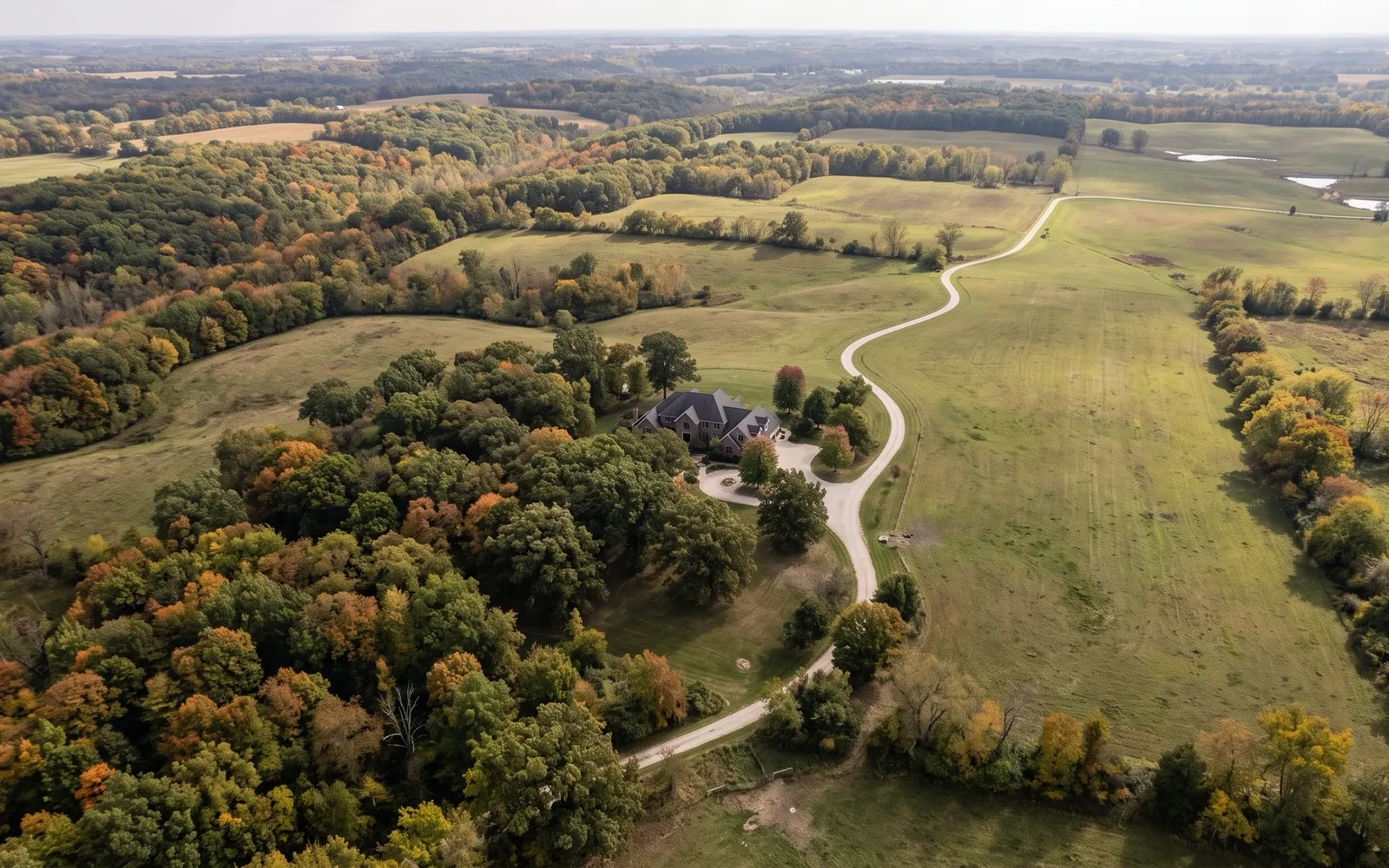
Area One, the original village. The pre-1992 village and adjacent unannexed pockets. The most rolling, wooded land, with kettles, seeps and glacial ridges, and the strictest design expectations under the village plan.
Area Two, annexed since 1992. Estate land added to the village from 1992 on. Still low-density and naturally landscaped, but closer to the suburban end of the village's character scale.
The Boone Creek watershed. More than half of the village's land area drains to Boone Creek, according to the village. Parcels here can fall inside a Class III groundwater protection overlay with extra limits on grading, drainage and septic design.
The Route 120 corridor. The one stretch the village has zoned for limited retail, restaurants and a farm market. It is where the few commercial uses the village allows are meant to go.
"Bull Valley" in name only. Subdivisions such as Ponds of Bull Valley in Woodstock, and addresses on Bull Valley Road in McHenry, are outside the village. Different zoning, different taxes, often city water and sewer.
What Bull Valley Homes Look Like, by Era
Bull Valley's housing is almost entirely single-family homes on acreage, and most of it was built in the 1970s and 1980s. The 2020-2024 Census ACS counts 519 housing units: 214 of them, about 41%, built between 1970 and 1989, and a median year built of 1983. Another 112, about 22%, went up in 2000 or later, and 46 date to 1939 or earlier, which in Bull Valley usually means an old farmhouse.
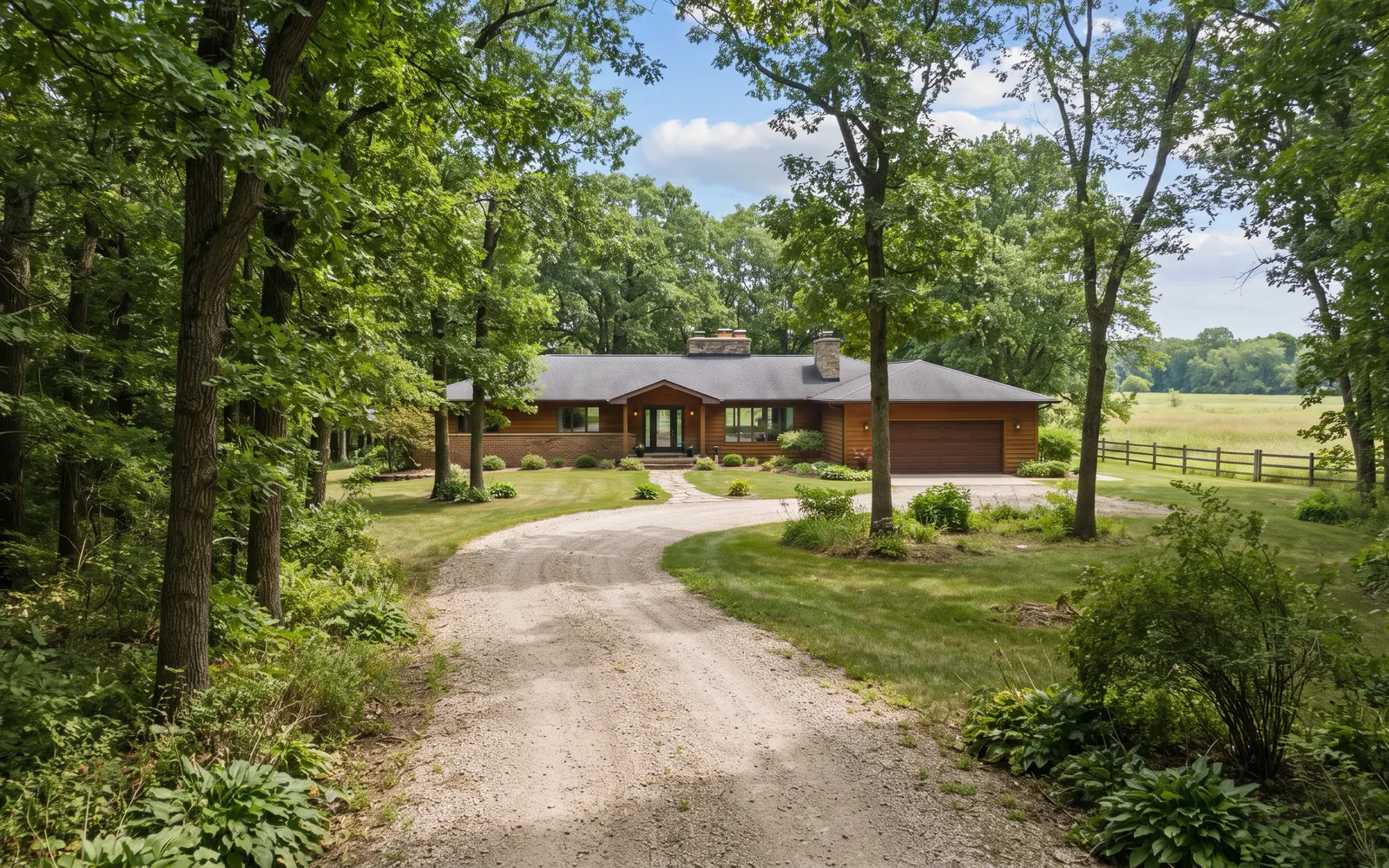
In practice that gives you three kinds of houses. The older farmhouses and a few 19th-century brick homes sit on the historic roads. The 1970s and 1980s homes are the core of the market: sprawling ranches, contemporaries and two-story colonials set far back on wooded or rolling lots, often with a barn or outbuilding added over the years. The newer custom homes, from the 2000s on, tend to be larger and sit on land annexed after 1992.
Values run high for McHenry County. The ACS puts the median owner-estimated home value at $477,900 (plus or minus $31,072). Of the 470 owner-occupied homes it counts, 273, about 58%, are valued between $400,000 and $749,999, and 89, about 19%, at $750,000 or more. Those are owner estimates, not sale prices, but they show a market that sits well above the towns around it.
The expectation I most often have to reset on 1970s and 1980s acreage homes is that the house is the whole purchase. It isn't. The well, the septic field, the driveway, the roof on the barn and the condition of the land all carry their own costs, and a 40-year-old house on five acres often has two or three of them coming due at once. None of that should scare you off a good property. All of it belongs in the price. My home inspection checklist is a good starting point, and I add well and septic items on every Bull Valley offer.
Bull Valley Zoning: Lot Sizes, Setbacks and What You Can Build
Buying in Bull Valley is closer to buying land than buying a house in a subdivision, and the village's zoning code is specific. The 2025 bulk table sorts estate land into three bands: E-5 for lots of 3 to 4.99 acres, E-10 for 5 to 9.99 acres and Estate 10+ for 10 acres or more. The agricultural districts use the same bands and add Ag-40 for 40 acres or more. Lots under three acres exist, mostly from annexations and older plats, and follow their own reduced-setback rule.
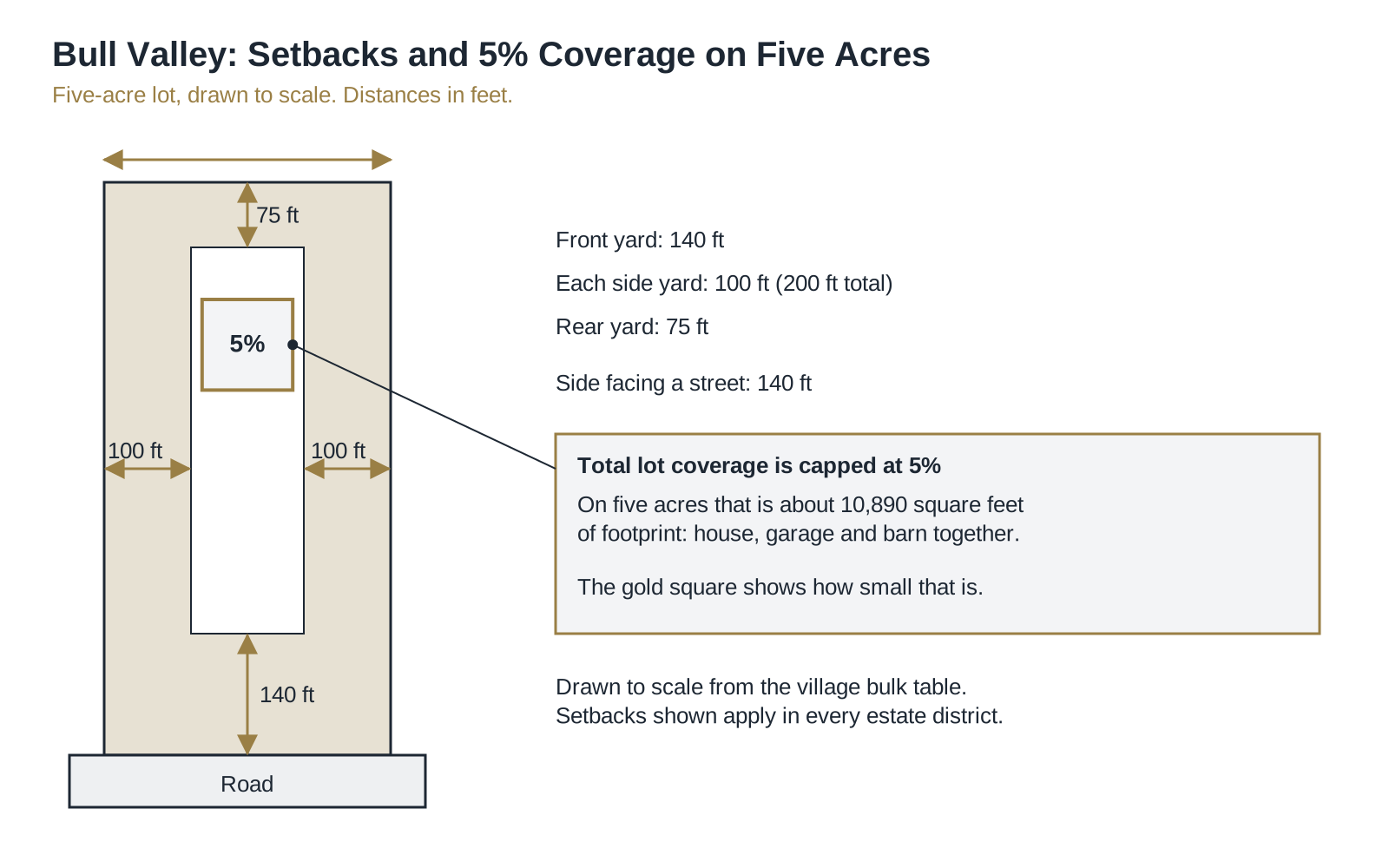
The setbacks are large by any suburban standard. In every estate and agricultural district the bulk table requires a lot at least 330 feet wide, a 140-foot front yard, a 75-foot rear yard, at least 100 feet on each side (200 feet total) and 140 feet on a side that faces a street. A new house must have at least 1,800 square feet on one story or 2,200 square feet on two. Principal buildings top out at 30 feet and three stories, accessory buildings at 20 feet and two stories.
Coverage is where buyers with big plans get surprised. The table caps total lot coverage at 5% and floor area ratio at 0.05, counting the house and every accessory building together. On a five-acre lot, 5% is about 10,890 square feet of building footprint, house, garage and barn included. On a three-acre lot it is about 6,534. The number of accessory structures is capped too: two on an E-5 lot, three on E-10, four on Estate 10+ and five on Ag-40.
Two more rules matter if you are thinking about income. The village allows one accessory apartment on estate or agricultural property of five acres or more, but the owner must live in one of the two units, it can't be sold separately, and it must share the main house's well and septic. Short-term rentals are allowed only in a Bull Valley resident owner's primary residence and require a special use approval, so a Bull Valley house bought purely as a vacation rental doesn't fit the code.
Finally, the land itself is protected. A Natural Resource overlay covers wetlands, floodplain, woodlands, prime farmland and scenic land, and the code bars any residential structure in a wetland or on floodplain land. The bulk table adds a 100-foot buffer of deep-rooted native vegetation around mapped ADID wetlands, and the design standards ask for landscaping plans with 90% native plantings and prohibit extensive grading to force a design onto a site. Read the zoning map and a survey together before you fall for a building site.
Horse Property in Bull Valley: The 2026 Rules
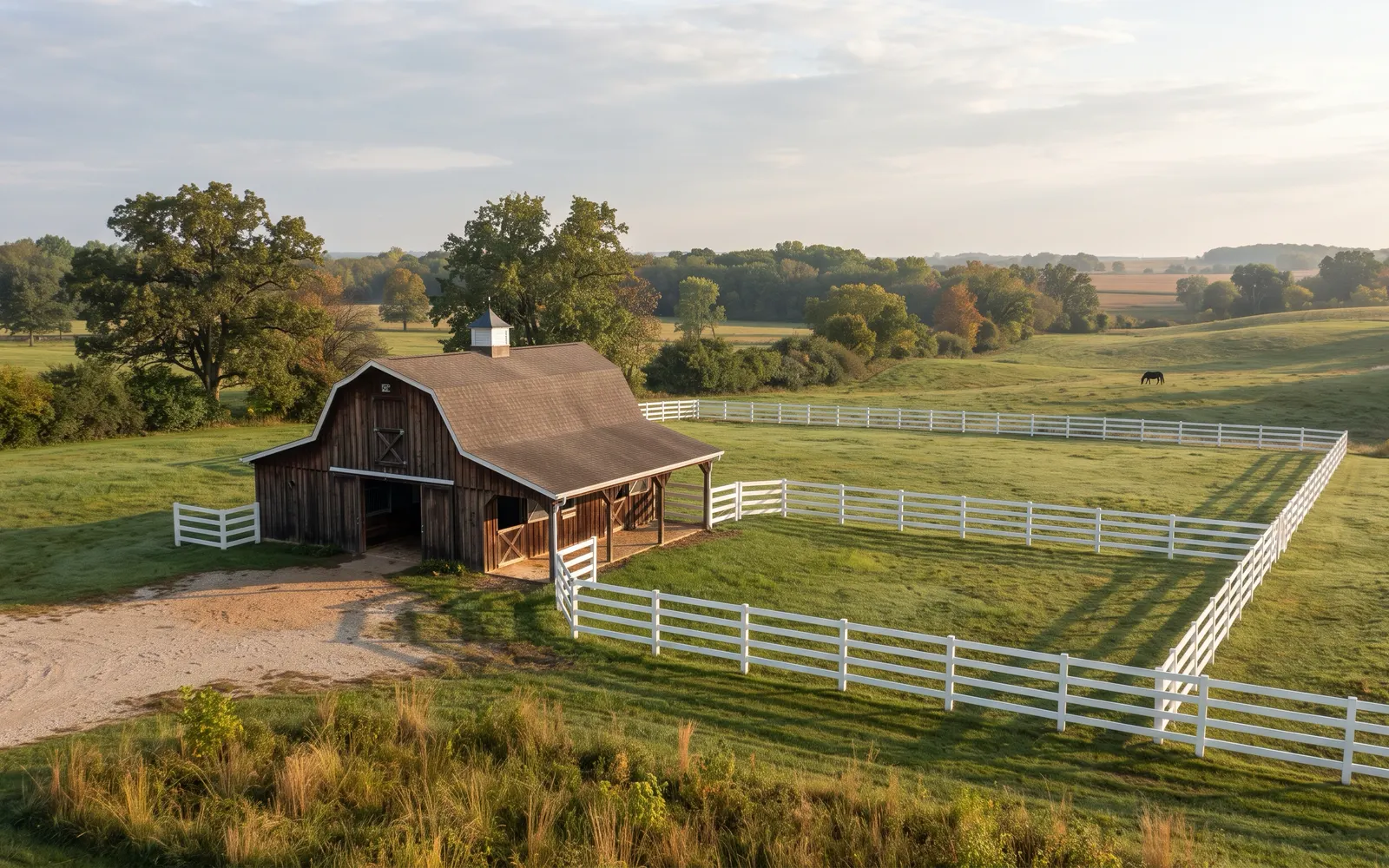
Horses are a normal part of Bull Valley, and in April 2026 the village wrote down exactly how many you can keep. Under the amended Section 5 of the zoning code, dated April 16, 2026, an E-5 estate lot (3 to 4.99 acres) with a house may keep two horses, and an E-10 lot (5 to 9.99 acres) may keep up to four. The agricultural bands follow the same pattern, and on 10 acres or more the code allows stock animals such as cattle, horses, goats and sheep (no pigs) in quantities the land can support.
The count depends on usable acreage, not total acreage. The code requires one acre of available land for up to two horses, split between a half acre of fenced pasture or paddock and a half acre for the barn, hay and equipment storage and a commercial dumpster with weekly manure service. Each additional horse on an E-10 lot needs another half acre. Available land excludes the house, lawns and landscaping, pavement, septic fields, wooded areas, steep slopes and mapped natural areas. On a wooded five-acre lot with a big lawn, the usable number can be smaller than it looks on the listing.
Two practical rules come with it. Animals can't arrive before their shelter and fencing are built, and that shelter has to follow the house, not precede it. And the barn counts toward the accessory building cap and the 5% coverage limit from the zoning section above, so a large indoor arena may simply not fit on a smaller lot.
The riding is the reason people put up with the paperwork. The village says the Bull Valley Riding Club maintains more than 60 miles of private horseback trails across the village with the permission of the landowners involved, and the village encourages developers to include equestrian trail easements. Membership and trail rules go through the club, which the village clerk can refer you to. Boone Creek Conservation Area also has a 1.3-mile local horseback trail link, and the village says the Thompson Road Preserve will carry almost six miles of trail easements for equestrian and other public use.
Wells, Septic and Utilities in Bull Valley
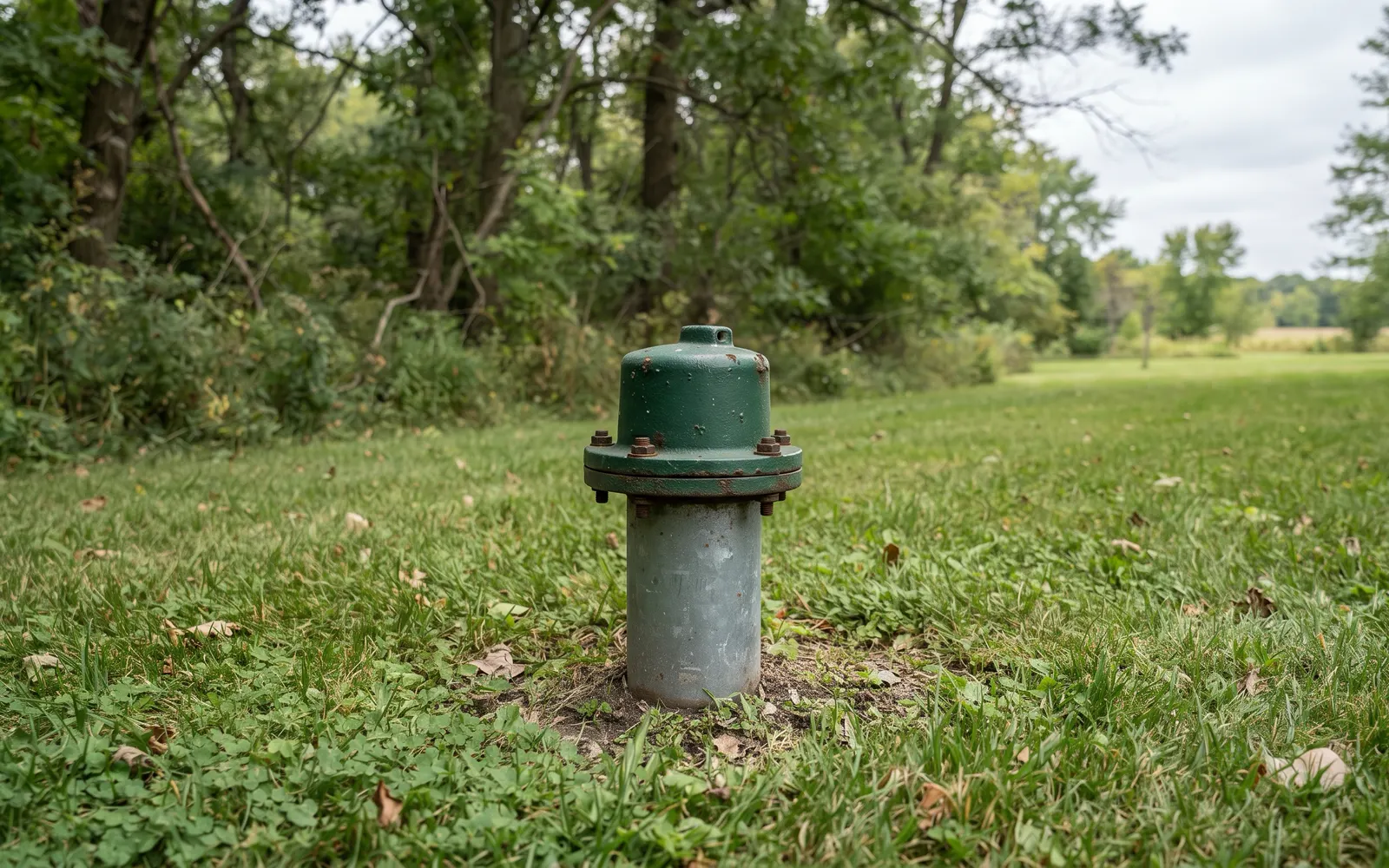
There is no village water system and no village sewer. The village's annexation guide says every structure in the village is on a private well and septic system, and the village has no plan for a municipal water supply or treatment plant. It also flags a wrinkle: properties west of Cold Springs Road now fall in Woodstock's facility planning area for sewage, which the village says could expose them to city sewer and water if Woodstock annexes them.
Water is taken seriously here because of where it comes from. The village says more than half its land sits in the Boone Creek watershed, which recharges the aquifers the area drinks from, and the zoning code overlays Class III special resource groundwater protection districts on the Boone Creek, Parker and Gladstone fen watersheds. Those overlays limit grading, drainage and septic design on the parcels they touch. On problem soils, a home can be built only after the McHenry County Health Department approves the sewage system.
On every Bull Valley contract I write in time for a well flow and water-quality test, a septic inspection that locates and probes the field, and a survey showing easements and wetlands. A failed septic field on a sloped, wooded lot with a protected wetland nearby is a very different repair than the same failure on flat farmland. Ask the seller for the well and septic permits and any pumping records up front.
The rest is simple. Nicor Gas and ComEd are the gas and electric providers listed on the village's new-resident page, and the village contracts residential garbage and recycling with Groot. According to the village FAQ, recycling is unlimited in a 65-gallon cart, yard waste is a separate April-to-November subscription, and one large item a week is picked up at no extra charge. Library and fire districts depend on the parcel; the village's own sample tax bill shows a Dorr Township parcel in the Woodstock Fire and Rescue District. Read your tax bill to see which districts you pay.
The Bull Valley Housing Market in 2026
Bull Valley values kept rising through 2026. Zillow's home value index put the typical Bull Valley home at $657,247 in August 2026, up 6.7% from $615,903 a year earlier and 20.4% above August 2023. Over six years the climb is steeper: from $408,983 in August 2020, the index is up about 61%. The index estimates the value of all homes in the village, sold or not, and tracks the middle of the market rather than the largest estates.
For context, Zillow's August 2026 index was $384,661 for Crystal Lake and $335,290 for Woodstock. The typical Bull Valley home is valued at about 1.7 times the Crystal Lake figure and nearly twice Woodstock's, and nearly all of that gap is land.
The number that matters more here is how few homes trade. Redfin's public data tracker, in the release updated June 2, 2026, logged 11 closed sales in Bull Valley in the 12 months from February 2025 through January 2026, and never more than three in a month. At that volume a median sale price means very little. The monthly medians in that stretch jumped from $533,333 to $1,000,000 and back, and days on market ran from 8 to 260 depending on the property. I don't quote a Bull Valley median to clients for exactly that reason. I pull the handful of comparable sales for the specific property instead.
What those comparable sales usually show is that land and condition drive price. Two houses of similar size can be far apart because one sits on usable, rolling pasture and the other on a parcel that is mostly wetland and woods. Marketing time runs long for one-of-a-kind properties, which is why pricing right on day one matters more here than in a subdivision. For the broader view, my post on whether 2026 is a good time to buy covers rates and timing.
Bull Valley Property Taxes and the Real Cost of Owning
Property tax is the biggest carrying cost in Bull Valley after the mortgage. Ownwell's data, updated April 13, 2026, puts the median effective rate at 2.63% and the median annual bill at $13,315, against a McHenry County median of 2.42% and $7,056. The Bull Valley median bill is nearly double the county's because the homes are worth more, not because the rate is dramatically higher.
Here is what that looks like on a purchase. At 2.63%, a home bought at Zillow's August 2026 typical value of $657,247 would carry about $17,286 a year in tax once it is assessed at that price, roughly $1,440 a month on top of the mortgage. The seller's current bill may be lower because assessments trail the market. The expectation I most often have to reset is buyers who budget off the seller's bill instead of the rate.
Most of that bill does not go to the village. The village's draft 2026-27 budget shows its own property tax lines at about $500,000 in total (roads $275,792, police $156,418, insurance $56,143 and audit $12,000). The village's annexation guide says the largest share of any Bull Valley bill always goes to the school district, followed by the county. Which school, park, library and fire districts you pay depends on the parcel, and Ownwell's figures show the ZIP-level medians ranging from $12,125 in 60097 to $13,729 in 60098.
This is general information, not tax advice. Your actual bill depends on your parcel, its tax code, your exemptions and the McHenry County assessor. If you want the math run on a specific property, including what the bill is likely to be after the sale, send me the address.
Bull Valley Schools: Three Districts, Decided by Parcel
Bull Valley has no school of its own, and the village is split among three public school systems. Which one a house feeds depends entirely on the parcel, so this is the single most important thing to confirm before you write an offer.
Part of the village is in Woodstock Community Unit School District 200, which covers 110 square miles, serves more than 6,100 students and runs an early childhood center, six elementary schools, two middle schools, two high schools and the Clay Academy.
Another part is in Crystal Lake. Wikipedia lists Bull Valley among the areas served by Crystal Lake Community Consolidated School District 47 for pre-K through eighth grade, and Community High School District 155 for high school.
A third part feeds McHenry. McHenry Community High School District 156 lists Bull Valley among its communities. The elementary district on that side depends on the address.
Don't assume from the mailing address. A Woodstock mailing address does not mean District 200, and a Crystal Lake one does not mean District 47. Check the parcel with the district, or ask me to pull the boundary for a specific house.
Woodstock District 200. Pre-K through 12 in one district. Woodstock High School and Woodstock North High School.
Crystal Lake District 47 and District 155. District 47 for pre-K through 8th grade, then District 155 high schools, including Prairie Ridge, Crystal Lake South and Crystal Lake Central.
McHenry District 156. McHenry High School, with a separate elementary district that depends on the address.
Commuting from Bull Valley: Three Metra Stations
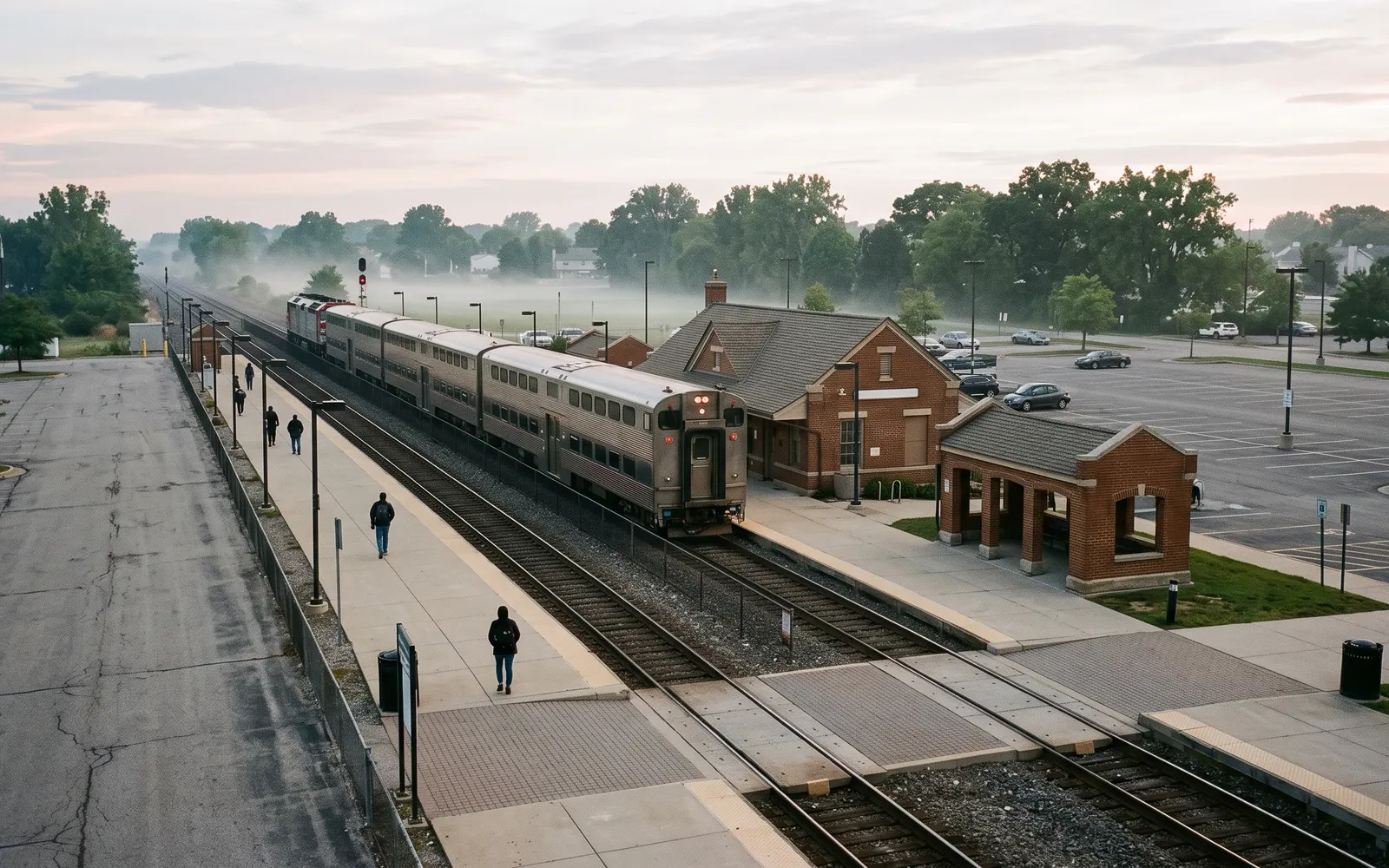
Bull Valley has no train station, but it sits between three on Metra's Union Pacific Northwest line, and choosing among them is part of choosing a house. Measured in a straight line from the Stickney House, the Crystal Lake station is about 4.3 miles away, McHenry about 4.9 and Woodstock about 5.0. Every one of them is a drive.
Crystal Lake is the one most commuters use. According to Metra's schedule data for the week of September 28, 2026, 27 inbound and 25 outbound trains serve Crystal Lake on weekdays. The fastest morning trains, leaving at 5:55, 6:25, 6:55 and 7:25 a.m., reach Ogilvie in 67 minutes. The locals take 87 to 88. On Saturdays there are 9 trains each way, and on Sundays 3 inbound and 5 outbound.
Woodstock has fewer trains and a longer ride: 14 inbound and 13 outbound on weekdays, with the fastest morning trains (5:43, 6:13, 6:43 and 7:13 a.m.) taking 79 minutes. The McHenry branch runs 3 trains each way on weekdays, leaving at 5:24, 6:24 and 7:24 a.m. and taking 82 minutes, with no weekend service.
The straight-line distance from the Stickney House to Ogilvie is about 46.5 miles. A daily five-day Loop commute from Bull Valley is possible, and some of my buyers do it, but most treat the train as a two- or three-day option.
Driving in Bull Valley: Country Roads and Truck Permits
Illinois Route 120 crosses the village, and the village says it is bounded by four state highways, which is why its own roads get used as shortcuts between Woodstock, McHenry and Crystal Lake. Inside the village the main roads are Bull Valley, Country Club, Crystal Springs, Cherry Valley, Valley Hill, Queen Anne, Thompson, Cold Springs and Mason Hill. The village describes them as unlit, narrow, winding and hilly, shared with wildlife, riders and walkers, and it enforces speed limits to match.
The roads are also the village's biggest cost. The public works page says Bull Valley maintains about 30 miles of road and spends roughly $250,000 to $300,000 a year, about a third of its budget, on its 20% share of federally funded resurfacing. Queen Anne Road is approved for that funding in 2026 and North Thompson Road in 2028. Valley Hill Road, three miles long, needs an estimated $1.6 to $1.8 million that federal grants won't cover, about six years of the village's average resurfacing budget. If a house you like is on Valley Hill or a subdivision road, drive it in spring.
One rule catches people who are building or moving: any vehicle registered over 16,000 pounds needs a village road permit, issued through Oxcart, to use Bull Valley streets. That includes many moving trucks, concrete trucks and hay deliveries. Build that into a construction or barn schedule.
Is Bull Valley Walkable?
No, and that is the point. Walk Score doesn't publish a score for Bull Valley, the village has no town center, and apart from a farm store there is no retail inside its limits. The village describes its roads as narrow, winding and unlit, shared with riders, walkers and wildlife. Every errand is a drive.
What Bull Valley does have is space to walk on your own land and on protected land nearby. Boone Creek Conservation Area, Boger Bog, the Still Farm savanna and the Thompson Road Preserve all have trails, covered in the parks section below. The roads themselves are narrow and unlit, so walking or riding a bike on them at dusk takes care.
Shopping, Groceries and Dining Near Bull Valley
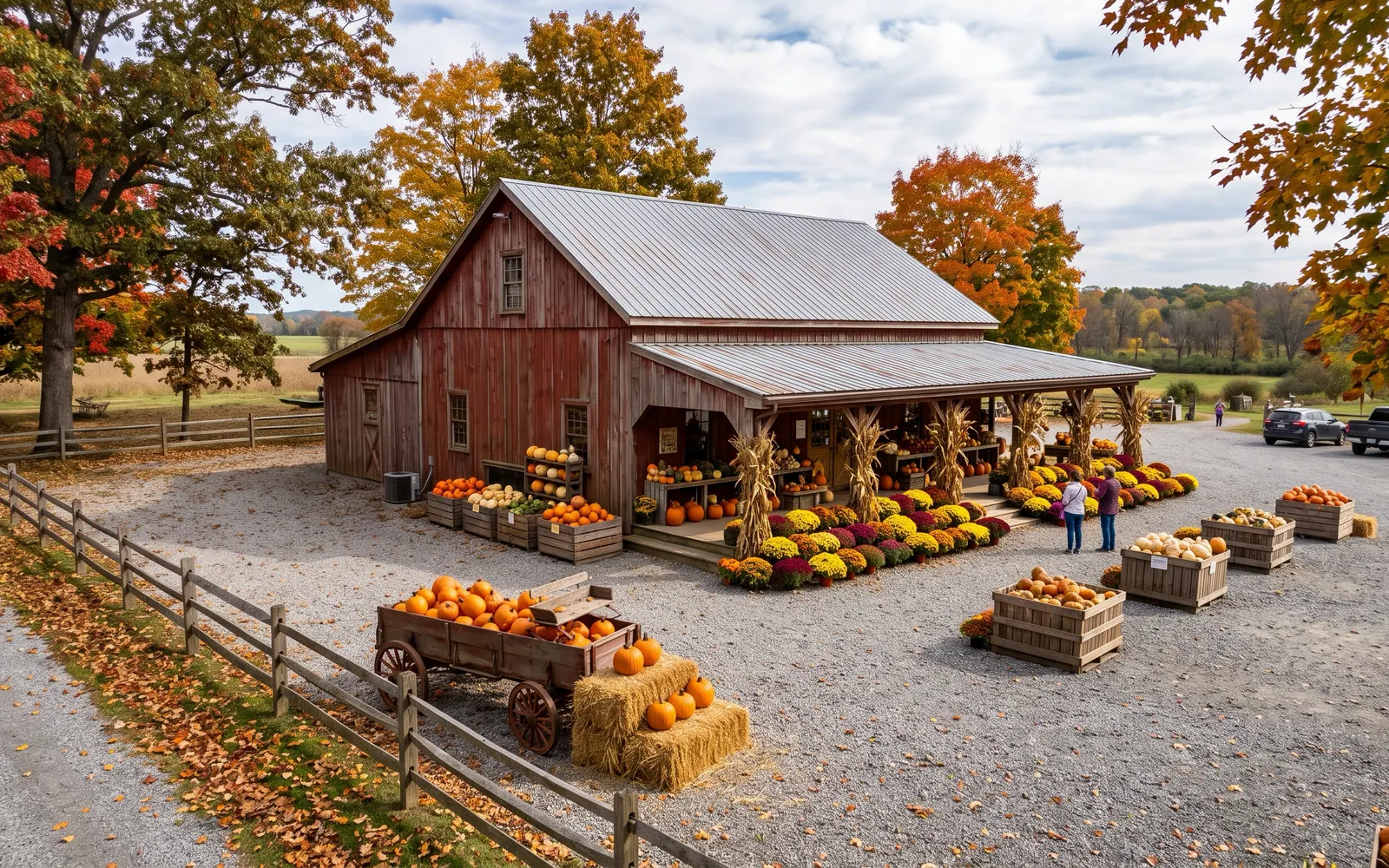
Bull Valley keeps commerce out on purpose. The village's annexation guide says commercial and urban development is "amply provided" by the surrounding cities, and the one store inside the village, the Bull Valley Farm Store, opened in the fall of 2022 as the village's first retail business. Bull Valley Farm is a 76-acre farm that sells its own beef, pork and poultry along with eggs, ice cream, yogurt and other local products, and its country store is open 10 a.m. to 6 p.m. Monday through Saturday and 10 a.m. to 4 p.m. on Sunday.
That may change a little over time. The zoning code sets aside a Select, Limited Retail district along Route 120 for restaurants and coffee shops, specialty retail and farm markets, and a separate district for licensed cannabis businesses. Village trustee Mark Newton, in a 2025 candidate questionnaire, also floated small retail on village-owned land near Queen Anne and Bull Valley Roads. Nothing like that was underway as of September 2026.
For everything else, you drive to a neighbor. The Woodstock Square, with its restaurants and the Opera House, is covered in my Woodstock guide. Crystal Lake has the biggest mix of grocery stores and retail, which my Crystal Lake guide walks through, and McHenry's riverfront and its own grocery options are in my McHenry guide. Inside the village, the Woodstock Country Club's dining room and grill serve members and their guests.
Conservation Land, Trails and Golf in Bull Valley
For a village of about 1,100 people, Bull Valley has an unusual amount of protected land, and it is the main reason buyers look here. The biggest piece is Boone Creek Conservation Area, run by the McHenry County Conservation District: 646 acres and 1.98 miles of trail, entered at 916 Cold Springs Road, open sunrise to sunset. It protects the headwaters of Boone Creek, and the district describes a 2-mile hiking trail, a 1.3-mile horseback link, an observation deck and viewing scopes. The village notes that from the 1960s to the 1990s part of the site was a private hunt club before the district bought it between 1999 and 2009.
Boger Bog Conservation Area, at 2100 Cherry Valley Road, is smaller: 38 acres with a one-mile nature trail, a 300-foot boardwalk over a fen, an accessible picnic shelter and restrooms.
The village runs its own parks too. The parks department keeps a seven-acre off-leash dog park at Country Club and Bull Valley roads, open year-round by permit, with Woodstock residents paying the same resident rate. North of it, a ten-acre oak savanna has been under restoration since 2014, with mowed walking paths and about twenty old oaks. The newest addition is the Thompson Road Preserve: a 324-acre farm on Thompson Road bought in March 2021 through The Land Conservancy of McHenry County, with about 274 acres being restored to wetland, woodland and prairie. The village says the whole property will become part of its park system. The Land Conservancy held an open house there on October 11, 2025, with trails open and guided hikes.
Private land adds more. The village lists two Land Conservancy easement preserves, Boloria Meadows and Wolf Oak Woods, and says residents have placed ten private properties into permanent Illinois Nature Preserves. There are also two golf courses inside the village: Boone Creek Golf Course on Mason Hill Road and the Woodstock Country Club, founded in 1916 with a course by Thomas Bendelow, the designer of Medinah No. 3, and described by the village as the oldest country club in McHenry County.
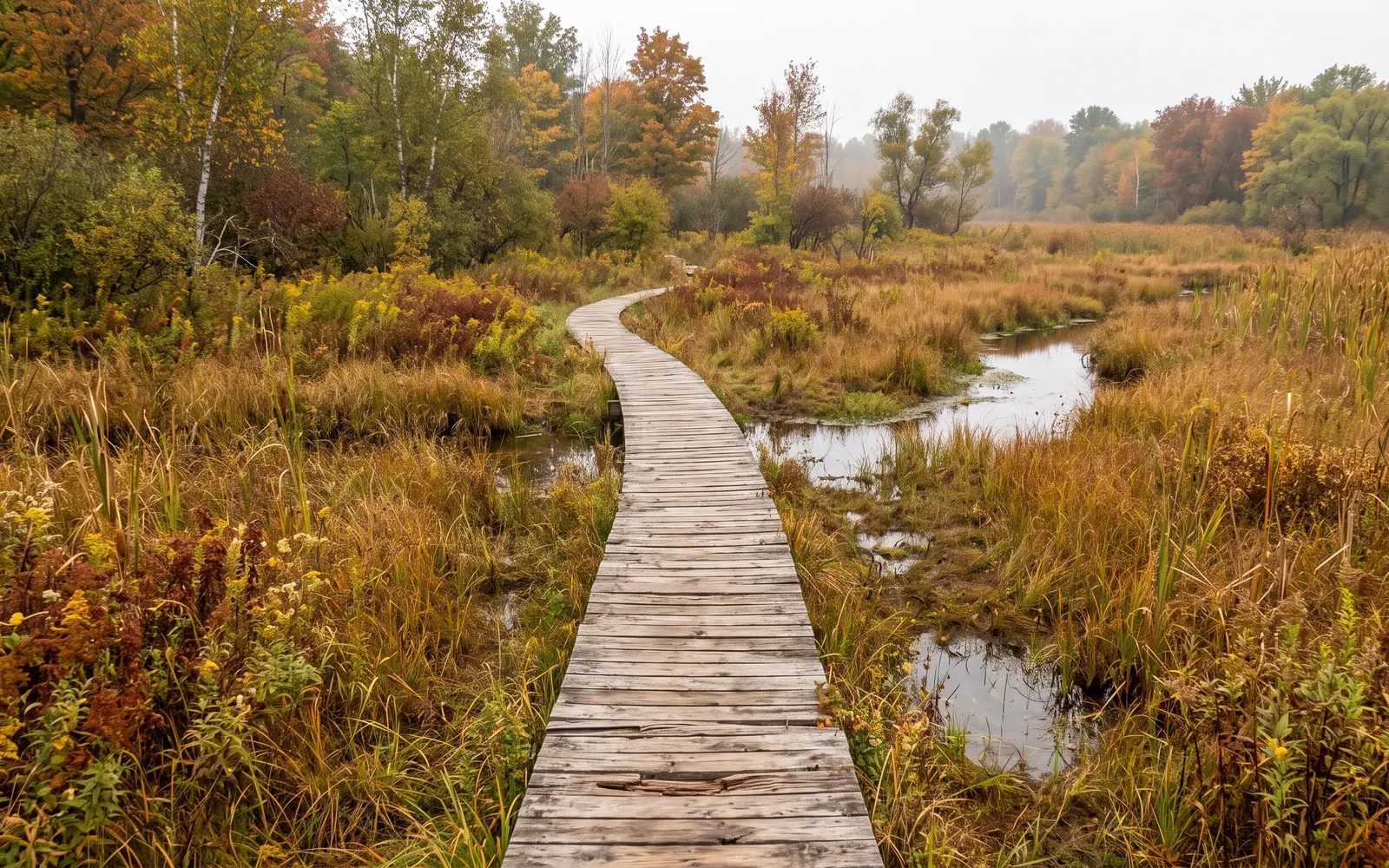
Boone Creek Conservation Area. 646 acres, 1.98 miles of trail including a horseback link, 916 Cold Springs Road. McHenry County Conservation District.
Boger Bog Conservation Area. 38 acres, one-mile trail with a 300-foot boardwalk, picnic shelter and restrooms, 2100 Cherry Valley Road.
Still Farm Dog Park and Savanna. A seven-acre permit dog park at Country Club and Bull Valley roads, and a ten-acre oak savanna restoration with walking paths.
Thompson Road Preserve. 324 acres on Thompson Road, protected in 2021, being restored to wetland, woodland and prairie with trails for walking and riding.
Boloria Meadows and Wolf Oak Woods. Land Conservancy easement preserves with nature trails through prairie, sedge meadow and oak woodland.
Boone Creek Golf Course and Woodstock Country Club. Two golf courses inside the village, on Mason Hill Road and Country Club Road.
The Stickney House and Bull Valley's Historic Landmarks
The Stickney House is the building most people know Bull Valley by. Wikipedia dates it to 1865, when George and Sylvia Stickney built it on an isolated site, and it has been on the National Register of Historic Places since 1979. Its best-known feature is that the interior was built without square corners, a choice Wikipedia ties to the Stickneys' interest in séances. The owners of the adjoining farm donated it to the village in 1985, according to the village, and it has housed the village hall and police department ever since.
The village is working to turn it into more than an office. Its Living with the Land project grew out of two 2022 graduate studios at the School of the Art Institute of Chicago, which studied the house, the farmstead and the stretch of Cherry Valley Road between Mason Hill and Crystal Springs roads. The plan calls for finishing the restoration and adding space for small events, managed tours and walking and riding trails. The Bull Valley Garden Club plants and maintains the gardens around the house and is adding a memorial brick patio.
The second landmark is the Terwilliger House, a Greek Revival brick house from 1849 with a square cupola and a columned porch on three sides. Samuel Terwilliger, one of the earliest settlers of Nunda Township, built it, and it was listed on the National Register on May 14, 1979. Admire it from the road.
For a buyer, these landmarks are a sign of how the village thinks. A place that spends years restoring its village hall and writes 90% native plantings into its design standards is going to review your building plans with the same care.
Hospitals Near Bull Valley
Two Northwestern Medicine hospitals sit just outside the village. Northwestern Medicine McHenry Hospital, at 4201 West Medical Center Drive in McHenry, and Northwestern Medicine Woodstock Hospital, at 3701 Doty Road in Woodstock, both have emergency departments. Which one is closer depends on which side of the village you live on.
Oktoberfest, Daffodils and Bull Valley's Yearly Traditions
Bull Valley's calendar is small and volunteer-run. The main public event is the village's Oktoberfest and car show, a Living with the Land fundraiser. In 2026 it runs Saturday, October 3, from noon to 4 p.m., with $5 general admission, an Oktoberfest band and a DJ, craft beer, and food from local vendors.
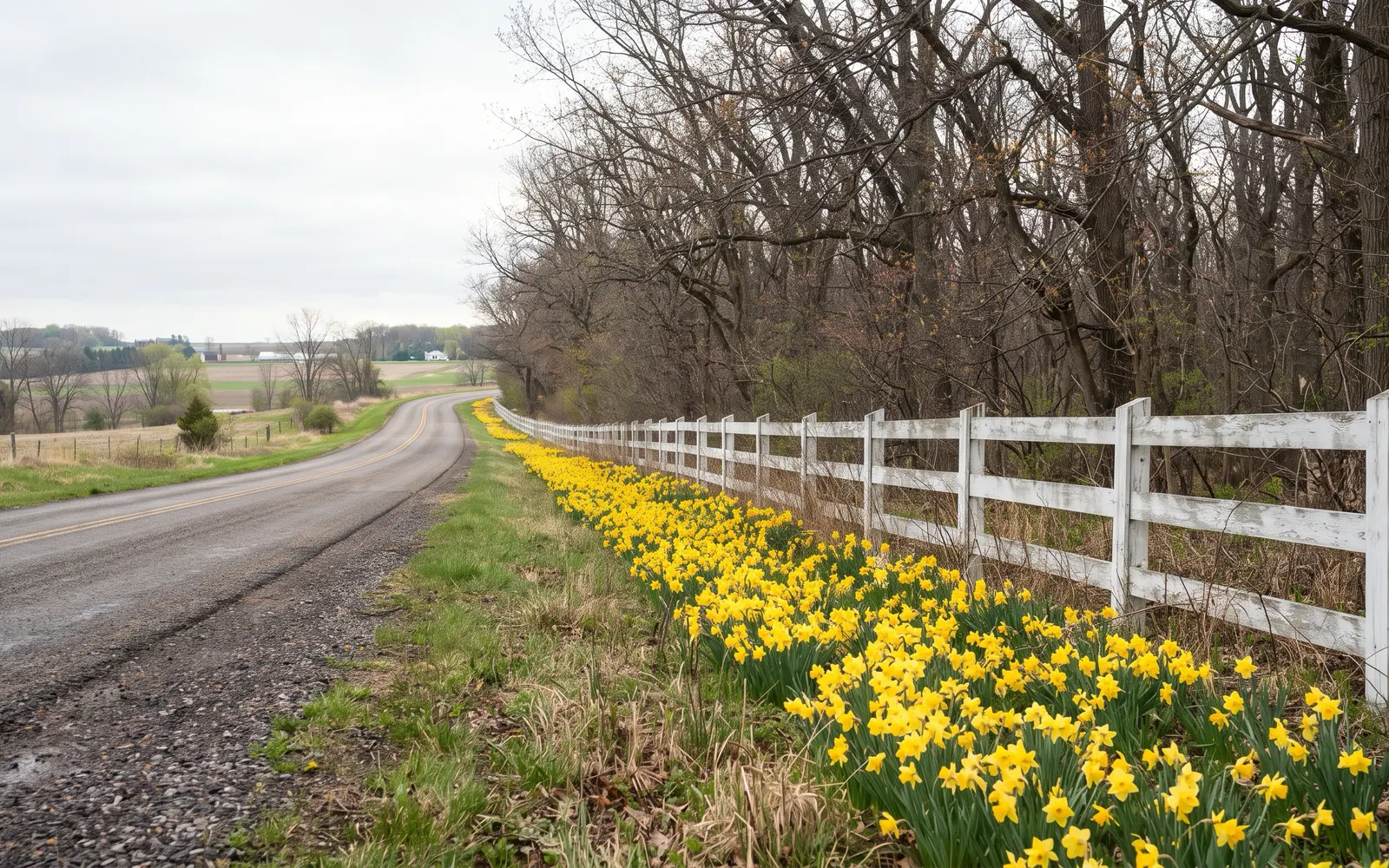
The quieter tradition is the daffodils. The village says the Bull Valley Association, the Garden Club and residents have planted daffodils along the roadsides for about 25 years, which turns the village yellow each spring, and that recent roadside plantings add monarch butterfly habitat under the Mayor's Monarch Pledge. The Land Conservancy's open houses at the Thompson Road Preserve and volunteer workdays at the Still Farm savanna fill in the rest of the year.
If you want to see how the village works, go to a meeting. The board meets the fourth Monday of each month at 10 a.m., and the Planning and Zoning Commission the first Thursday at 6:30 p.m. Call the clerk to confirm the date first, as the village asks.
What's Changing in and Around Bull Valley
Very little gets built inside Bull Valley, by design. The village's annexation guide describes a basic philosophy of five-acre residential zoning, with three-acre sites considered only in planned developments that set aside open space. It also says the village has used its review power over land within a mile and a half of its boundary to shape more than 30 development proposals, some redesigned and some effectively stopped. Within that ring, a village objection forces the county board to a three-quarters vote to approve a rezoning.
The pressure is at the edges. In McHenry, the city council approved the Preserves of Boone Creek on July 21, 2026, by a 5-2 vote, according to Shaw Local: nearly 600 single-family homes on 304 acres at Bull Valley and Curran roads, with smaller homes expected around $300,000. It is outside the village, but it fronts Bull Valley Road, so buyers looking on the McHenry side of Bull Valley should know it is coming.
Inside the village, the changes to watch are small. Queen Anne Road resurfacing is funded for 2026 and North Thompson Road for 2028. The Thompson Road Preserve restoration continues, with a public parking area planned on Thompson Road, and the Stickney House restoration is moving through the Living with the Land plan. The April 2026 zoning amendment that set horse limits by lot size is the most recent rule change a buyer needs to read.
I don't label any town or neighborhood as safe or unsafe.
Wetlands, Floodplain and Drainage in Bull Valley
Flooding in Bull Valley is a lot-by-lot question tied to wetlands, fens and creek valleys rather than a river. The zoning code bars any residential structure in a wetland or on floodplain land, requires a 100-foot native-vegetation buffer around mapped ADID wetlands, and requires compliance with the McHenry County Stormwater Ordinance for site work. The village's permit FAQ says grading, berms, ponds and retaining walls need a village permit and may also need a county stormwater permit, and that any project in or near a wetland or body of water may too.
Two checks before you write an offer. Look the parcel up on the FEMA flood map, because a mapped flood zone can mean required flood insurance on a mortgage. And walk the low ground with the seller's disclosure in hand. In my experience with acreage, the question that matters is not whether the basement ever took water but where the water goes in a heavy spring rain.
Frequently Asked Questions
What is the minimum lot size in Bull Valley, IL?+
The 2025 bulk table sets estate bands of 3 to 4.99 acres (E-5), 5 to 9.99 acres (E-10) and 10 acres or more, with a minimum lot width of 330 feet. The village's stated policy is five-acre zoning, with three-acre sites mainly in planned developments. Some older lots are smaller.
Can you have horses in Bull Valley, IL?+
Yes. Since April 16, 2026, E-5 lots may keep two horses and E-10 lots up to four, with one usable acre for two horses and half an acre for each additional horse, a weekly manure dumpster, and shelter built after the house. Lawns, woods and septic fields don't count as usable acreage.
Does Bull Valley have city water and sewer?+
No. Every home is on a private well and septic system, and the village has no plan for municipal water or sewer. Test the well and inspect the septic on every purchase.
How much does a house cost in Bull Valley, IL?+
Zillow's index put the typical Bull Valley home at $657,247 in August 2026, up 6.7% in a year. Only about 11 homes sold from February 2025 through January 2026 (Redfin), so prices vary widely with land and condition.
What are property taxes in Bull Valley, IL?+
The median effective rate is about 2.63%, with a median bill of $13,315 (Ownwell, updated April 13, 2026). A home at $657,247 would carry about $17,286 a year once reassessed. Rates vary by ZIP code and tax code.
What school district is Bull Valley, IL in?+
It depends on the parcel. Parts of the village are in Woodstock District 200, parts in Crystal Lake District 47 with District 155 high schools, and parts in McHenry High School District 156. Confirm every address with the district.
How long is the commute from Bull Valley to Chicago?+
The fastest Metra trains from Crystal Lake, about 4.3 miles from the Stickney House, reach Ogilvie in 67 minutes. From Woodstock the fastest take 79 minutes, and the McHenry branch 82.
What is the Stickney House in Bull Valley?+
It is an 1865 house built without square interior corners, listed on the National Register of Historic Places since 1979, and home to the village hall and police department since 1985.
Eshu Chikoti has extensive access to off-market listings throughout Bull Valley and the rest of McHenry County — homes that never make it to the public listing sites. That matters right now: in a seller's market like this one, well-priced homes routinely go under contract within days, and buyers relying only on public listings are competing for whatever is left over. Working with someone plugged into off-market inventory means seeing homes before the crowd does.
Eshu Chikoti · 847-691-4282 ·
Get new Bull Valley listings by email
When a home comes on the market in Bull Valley, I'll email it to you.
Just your email. Unsubscribe any time by replying.
Thinking About Bull Valley?
Whether you're buying, selling, or just curious what's on the market, I can walk you through Bull Valley street by street.