Big Rock, IL
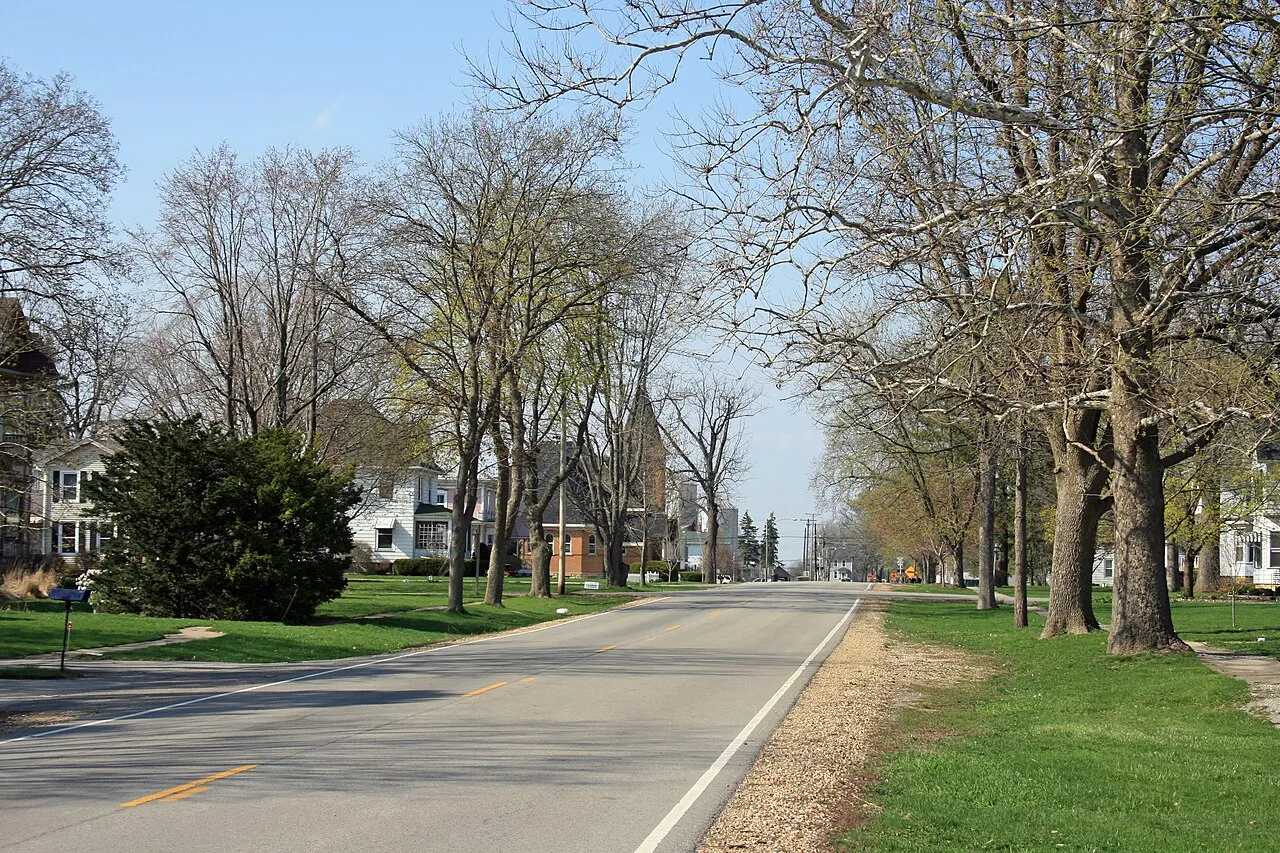
Big Rock, IL is a village of about 1,100 people in southwest Kane County, a small grid of streets along U.S. Route 30 surrounded by farm fields, Big Rock Creek and one of the county's largest forest preserves.
Living in Big Rock, IL means a country address about 50 miles west of the Loop, a typical home value near $423,000 this August, and property tax around 2.2% of value. Schools are Hinckley-Big Rock CUSD 429. The trade-off is distance: the nearest Metra station is a drive away. Here is how it breaks down.
Written by Eshu Chikoti · 847-691-4282 ·
How Big Rock, IL Got Here: A Short History
Big Rock is one of the oldest farm settlements in Kane County and one of its newest villages. According to the Big Rock Township history, the first settler, Santy Cook, was living in a tent about a mile south of the present village by 1834 or 1835. More settlers followed in 1836 and 1837, drawn by a mix of prairie, timber and reliable water along Big Rock Creek. The first school, built of rough logs, opened in 1841.
The reason anyone settled here at all was the road. The old Chicago and Galena stage road ran east to west through the middle of the township, which put this stretch of prairie on the main route between Chicago and the lead mines of northwest Illinois. That same corridor is U.S. Route 30 today, and it is still the spine of the village. When a local gives you directions, they almost always start from Route 30.
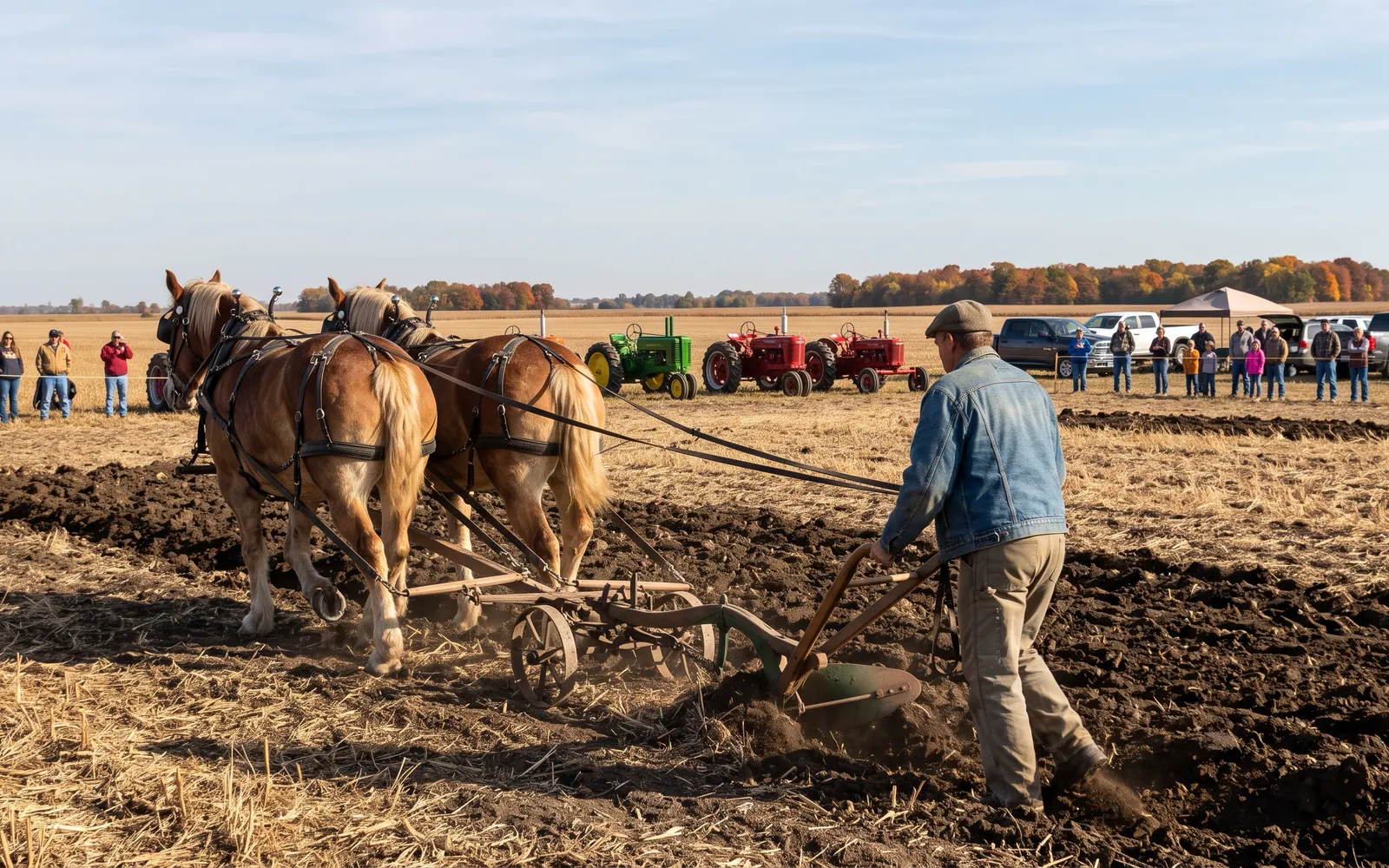
Big Rock Township itself was organized in 1849. For most of the next 150 years the village was an unincorporated farm town with a post office, a grain elevator, churches and a few businesses, and the township handled most local government. In 1895 a farmer named William Thomas and his neighbors held a plowing contest on his land north of the village. It became the Big Rock Plowing Match, which the township history says once drew as many as 5,000 people and turned into an annual holiday for the region. It still runs every September.
The modern village is recent. Big Rock incorporated on July 26, 2001, mainly to keep control of its own land as neighboring towns, especially Sugar Grove, grew west. That history explains a lot about the place today. Big Rock became a village so that it could stay rural, and its zoning and its board decisions since then have mostly followed that choice.
Big Rock at a Glance
Big Rock sits in the southwest corner of Kane County, about 50 miles due west of Chicago, between Sugar Grove to the east and Hinckley to the west. The village itself is small. The 2020 Census counted 1,104 residents and 430 housing units on 4.32 square miles, all of it land. The whole village is in Kane County. The school district and the rural roads around it do cross into DeKalb County on the Hinckley side, which is worth knowing when you run numbers on a parcel near the county line.
The more important distinction is village versus township. The village is 4.3 square miles. Big Rock Township is 35.15 square miles with 1,768 people in the 2020 Census, and it contains the village plus a small piece of Sugar Grove. Most of the township is farmland. A "Big Rock, IL 60511" mailing address can mean a house on a village street or a farmstead several miles out that has never been inside the village limits. Zoning, permits and some services differ between the two, so the first question I ask on any Big Rock listing is whether it is in the village or in unincorporated Kane County.
The newer Census estimates are less precise here than in a bigger town. The 2020-2024 American Community Survey puts the population at 1,548 and the housing units at 635, but the margin of error on the housing count alone is plus or minus 317. In a place this small, a survey sample of a few dozen homes swings the result. I use the 2020 Census count as the solid number and treat the ACS as a rough guide.
Day to day, Big Rock looks east. Sugar Grove is the nearest town with full grocery stores and the nearest I-88 interchange, and Aurora, a few miles past it, has the hospitals, the Metra station and most of the shopping. Hinckley, just west, shares the school district.
Everything from groceries to the hospital is a drive.
Big Rock Areas, Village Streets to Open Acreage
Big Rock has no named subdivisions the way a Lake County suburb does, and it is not one market. What you are really choosing between is a lot on a village street, a few acres on a country road, or a working farm or estate parcel. Those three sell to different buyers, get financed differently and carry different inspection risks, so I treat them as separate searches even when they share a ZIP code.
Distance matters in a different way here too. There is no walk-to-the-train pocket. The practical split is how far a house sits from Route 30 and from the paved routes east to Sugar Grove and I-88. A farmstead on a gravel road can be a beautiful place to live and still add ten minutes to every errand, every school run and every winter morning when the plows come through.
The areas below are the way I break down a Big Rock search. Boundaries are informal, so treat them as a starting point. If you want to know which one a specific address falls in, and whether it is inside the village limits, that is a conversation I am happy to have here.
Whatever the size of the parcel, out here the land, the outbuildings, the well, the septic and the zoning are as much a part of the price as the house.
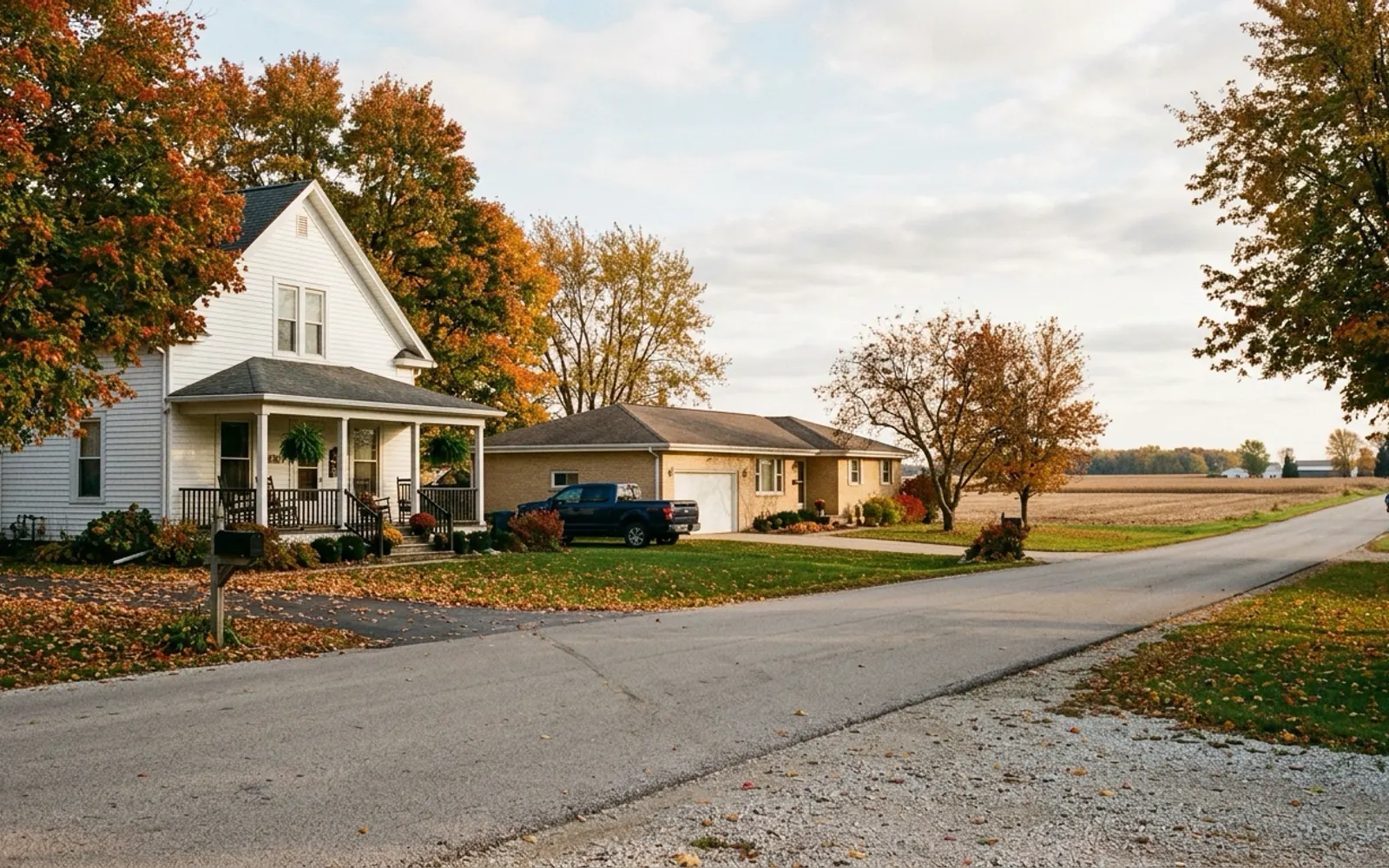
The village core. The grid of streets on both sides of U.S. Route 30, around the village hall and park district building on Madison Street. Older houses on standard in-town lots, the only part of Big Rock where you can walk to the park, the café and the post office.
Village edges. The newer and larger lots inside the village limits away from Route 30. More space than the core, still under village zoning and village review for permits.
Country-road acreage. Houses on one to ten or so acres along the township roads outside the village. Expect private well and septic, longer driveways and more ground to maintain.
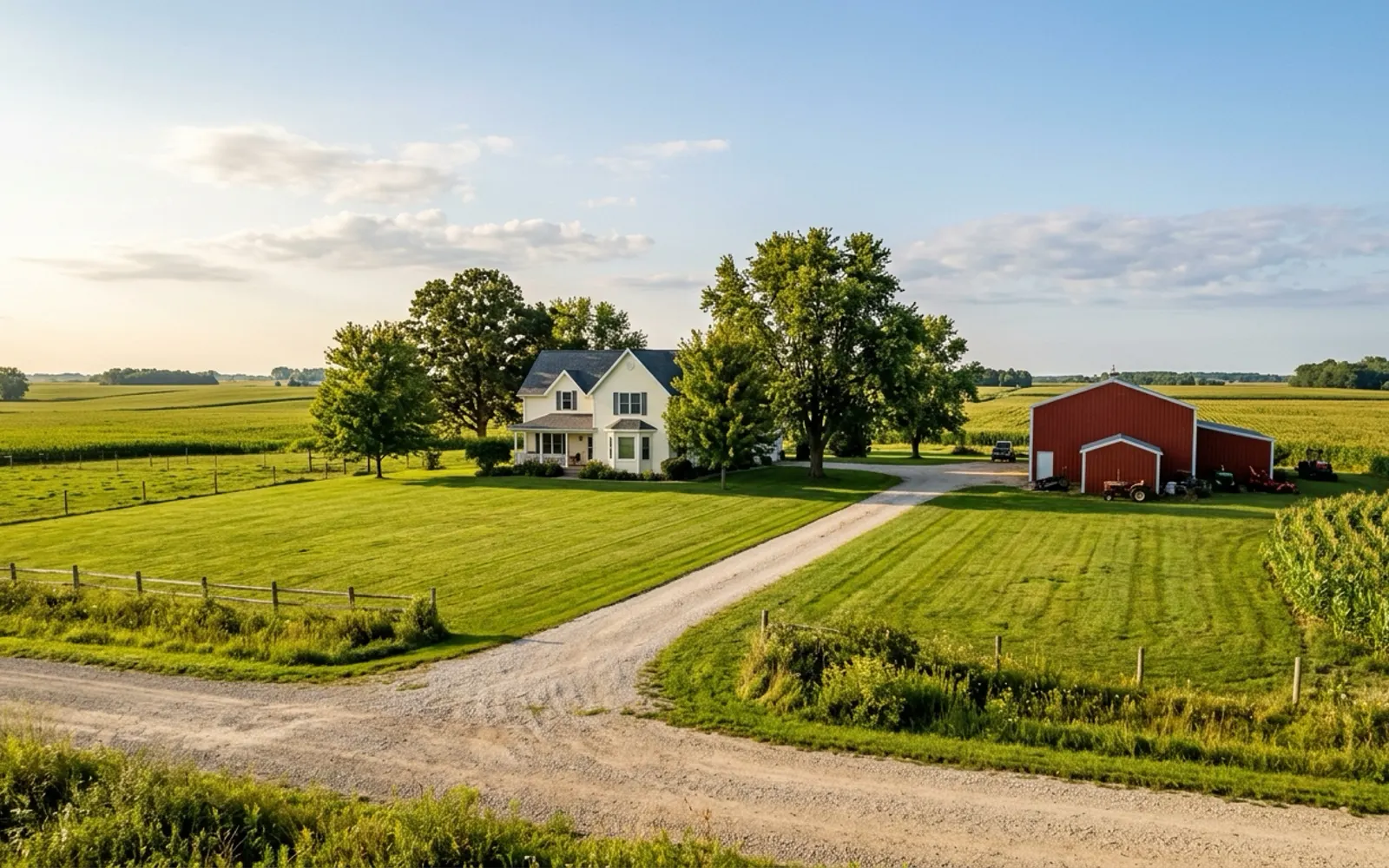
Farms and estate parcels. Working farmland and large estates. These trade on land value, farm income, buildings and zoning more than on bedroom count.
The Sugar Grove edge. The east side of the township, where a small piece of Sugar Grove sits inside Big Rock Township. Closer to Route 47, I-88 and groceries; confirm which town and which school district each parcel is in.
The Hinckley side. West toward Hinckley and the DeKalb County line. Same school district, but a parcel across the line is in a different county with a different assessor and tax rate.
What Big Rock Homes Look Like
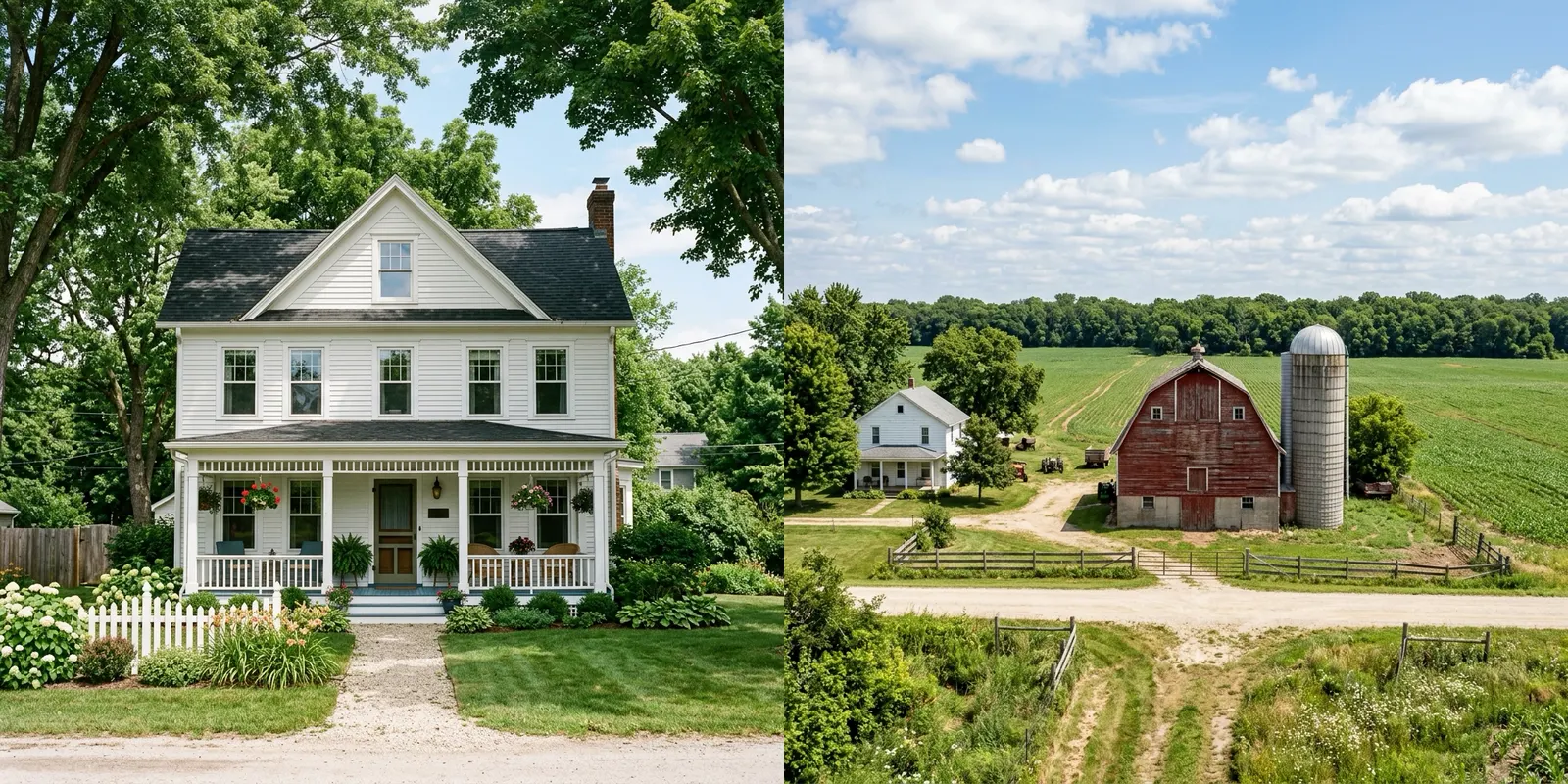
The housing in Big Rock follows the way the town grew. In the village core you will see older farmhouse-style homes and cottages from the years when this was a farm-service town, mixed with ranches, split-levels and two-stories built in the decades after. Farther out, the township is mostly farmsteads: a house, often older, with barns, sheds, silos or a machine shed around it, plus a scattering of newer custom homes on acreage.
There is very little production-builder construction in Big Rock and no condo or townhouse market to speak of. Rentals are scarce. The ACS 2020-2024 estimates show only 1.5% of residents moved in the prior year, which lines up with what I see: homes here change hands rarely, and when a good one comes up it does not sit.
The 2020-2024 ACS puts the median value of owner-occupied homes at $337,900, plus or minus $19,234, a little higher than the Chicago metro median of $323,000 in the same survey. That figure is a multi-year survey of what owners say their homes are worth, so it trails the market. The current number is in the market section below.
At the top of the range, Big Rock has a small number of large estates. The largest have main houses past 10,000 square feet, collector garages and separate guest houses on acreage. Properties like that are rare, but they are part of why the price range in a town of 1,100 people runs from modest village homes into the millions.
What I tell every buyer looking at an older Big Rock house is the same list: the age of the roof and the mechanicals, the condition of any outbuildings, and a real inspection of the well and the septic. My home inspection checklist covers the house. The well and septic are covered in the next section, because out here they are their own inspection.
Buying Land in Big Rock: Zoning, Wells and Septic
If you are buying acreage in Big Rock, the zoning is the first thing to check, before the house and before the price. Parcels outside the village fall under Kane County zoning, and much of the township is zoned for farming. Under Kane County's F-District Farming zoning, a December 2024 county staff report describes a 40-acre minimum for building a single-family house. In plain terms, if you buy 15 acres of farm-zoned ground planning to build, you may not be able to without a rezoning, and rezoning is a public process with no guaranteed outcome.
The same report explains the county's planning categories. Land planned as Rural Residential allows roughly one-acre minimum lots and about two acres per home overall, while Countryside Estate Residential aims for no more than one home per four acres. Knowing which category a parcel sits in tells you whether splitting off a lot later is realistic. Inside the village, the Village of Big Rock publishes its own 2026 zoning map and zoning ordinance, and building permits go through a village review first and then Kane County.
The second check is water and waste. Outside the village core, expect a private well and a septic system on almost every property, and confirm the setup on each listing even inside the village. A well should get a water test for bacteria and nitrates at minimum, and a septic system should get a real inspection, not just a visual check. Ask the seller for the pumping records and the location of the field. A failed septic field on a country property is one of the most expensive surprises in rural real estate.
The village has also put real money into its drainage. According to Applied Technologies, Big Rock replaced a 1950s drain-tile and combined sewer system with separated storm sewers in 2011 and 2012, a $1.13 million project funded through Illinois EPA grants and loans, along with smaller storm sewer and flood-route projects.
The third check is financing. A house on a few acres is usually a normal residential mortgage. A larger farm or a property with commercial uses can need a commercial or agricultural lender, and in my experience land deals can bring extra requirements, such as a survey or an environmental review, before a lender will close. Build that time into your contract dates.
The Big Rock Housing Market in 2026
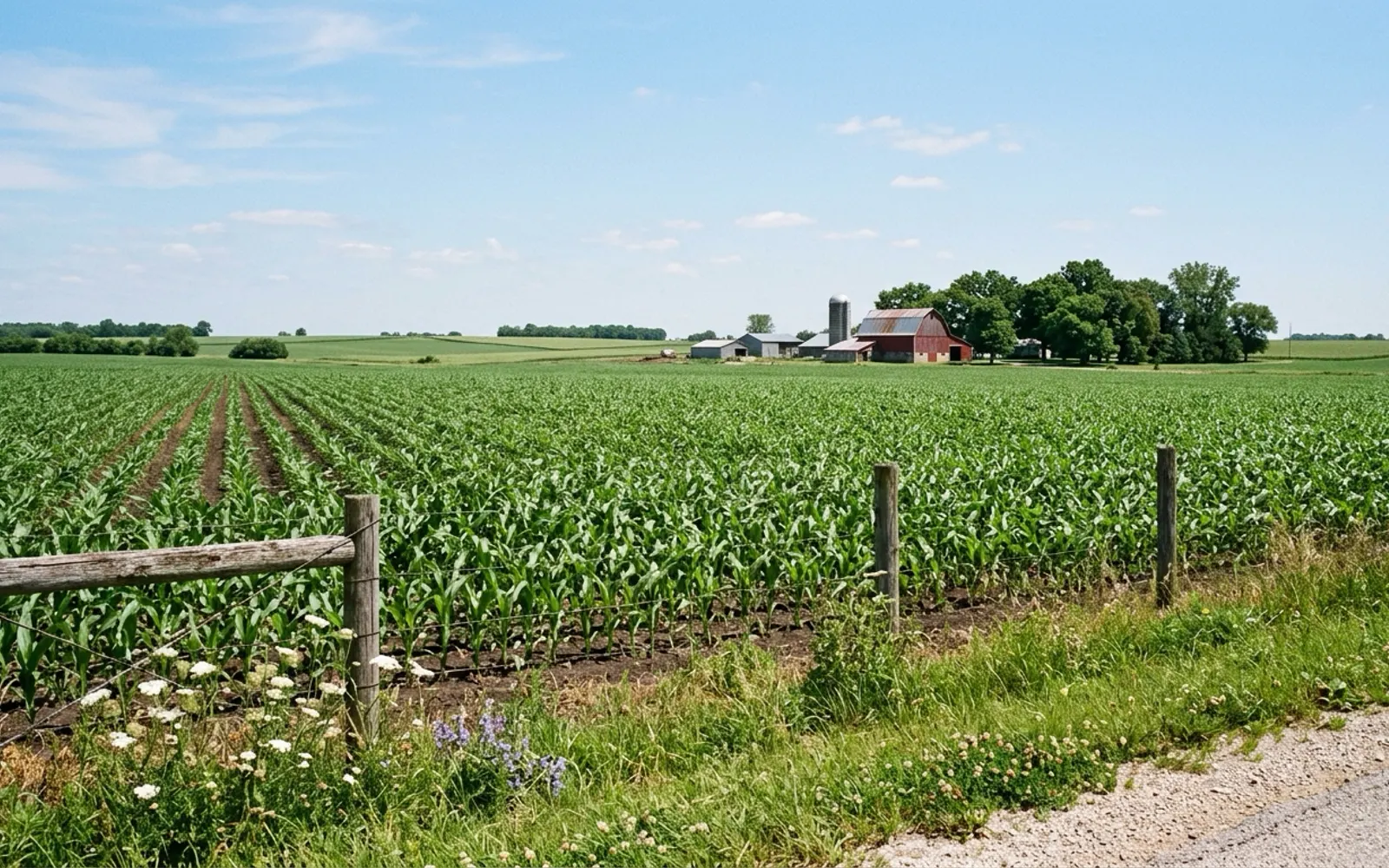
The best public number for Big Rock is Zillow's home value index. For August 2026 it puts the typical Big Rock home at $423,389, up 5.3% from $402,075 in August 2025 and up about 9.9% from $385,327 in August 2024. That is steady appreciation, in line with the towns around it.
For context, the same Zillow index for August 2026 has Sugar Grove at $460,176 and Elburn at $465,648, both in Kane County, and Hinckley, across the DeKalb County line, at $348,962. Big Rock sits between them. Buyers often come to Big Rock from Sugar Grove because they want more land for the money, and that gap is the reason.
Here is the honest limitation. Big Rock is too small for monthly sale-price medians to mean much. With a few hundred homes in the village, a single estate sale or a single fixer can move the "median sale price" for a quarter by six figures. That is why I lean on Zillow's index, which estimates the value of all homes rather than just the few that sold, and why I would never price a Big Rock house off a town-wide median. Redfin's Big Rock page blocked automated access for this update, so I have not quoted its figures.
What that means in practice: every Big Rock valuation is really a comparison with a handful of similar sales, often including homes in Sugar Grove, Hinckley and the rural parts of neighboring townships. Acreage, outbuildings, the condition of the well and septic, and whether a parcel can be split all move value more than finishes do. If you are thinking about selling, my guide to selling a house fast covers the pricing logic, which applies here even though the examples are in Lake County.
The top end also trades differently. Large estates and farms sometimes sell by auction instead of a normal listing. If you are bidding at one, read my explainer on the buyer's premium in a real estate auction first, because the premium is added on top of the winning bid.
Big Rock Property Taxes and the Real Cost of Owning
Property tax in Big Rock is lower than in much of Kane County, which is part of the appeal. Ownwell's data, last updated in April 2026, puts the median effective rate at 2.21% and the median annual bill at $6,243. Kane County's median effective rate in the same data is 2.49%, and the Illinois median is 2.33%. Across the 60511 ZIP code, Ownwell shows bills running from about $3,977 at the 10th percentile to $10,768 at the 90th.
Here is what that looks like on a real purchase. At 2.21%, a home bought at Zillow's August 2026 typical value of $423,389 would eventually carry about $9,360 a year in tax, roughly $780 a month on top of the mortgage. Current bills may be lower, because assessments trail the market, but the township assessor catches up. The expectation I most often have to reset is buyers who budget off the seller's current bill, especially on a house that has not sold in decades.
Farmland adds a wrinkle. Illinois assesses farmland on its agricultural productivity rather than its market value, so the tax on the farm acres can look very low. The house and the homesite around it are assessed separately, at market value. When you buy a farmstead, look at how the bill breaks down, and ask what happens if you stop farming the ground or change how it is used.
Most of the area sits in Big Rock Township. Each combination of township, school district, fire district and park district is its own tax code with its own rate, so a parcel on the Sugar Grove side, one in the village and one across the DeKalb County line can carry different bills at the same price. For a line-by-line picture of what you will pay at closing, my Illinois closing costs guide covers the tax proration too. This is general information, not tax advice. Your actual bill depends on your parcel, your exemptions and the assessor.
Big Rock Schools: Hinckley-Big Rock CUSD 429
Most of Big Rock is served by Hinckley-Big Rock Community Unit School District 429, a small pre-K-through-12 district shared with the village of Hinckley. It runs three schools, all on or near U.S. Route 30, and the district office is at 700 East Lincoln Highway in Hinckley. One of the three buildings is in Big Rock; the other two are in Hinckley, which is in DeKalb County.
Hinckley-Big Rock Middle School in Big Rock serves grades 5 through 8 with about 212 students. Hinckley-Big Rock Elementary serves pre-K through grade 4 with about 296 students. Hinckley-Big Rock High School serves grades 9 through 12 with about 211 students, and it offers AP courses.
A district this size is a different experience from a big suburban high school, with smaller classes and a narrower course list. Whether that is a plus depends on what you want, and the best way to judge it is to visit and ask the district for its current course catalog and activity offerings. The Illinois Report Card has the state's official test and graduation data.
The detail that trips people up is the boundary. Big Rock sits next to Kaneland CUSD 302 and the Sugar Grove area, and a 60511 address does not guarantee District 429. Parcels on the edges of the township can fall in a neighboring district. Check the specific address with the district before you write an offer, and ask me for the boundary if you want it done for a specific house.
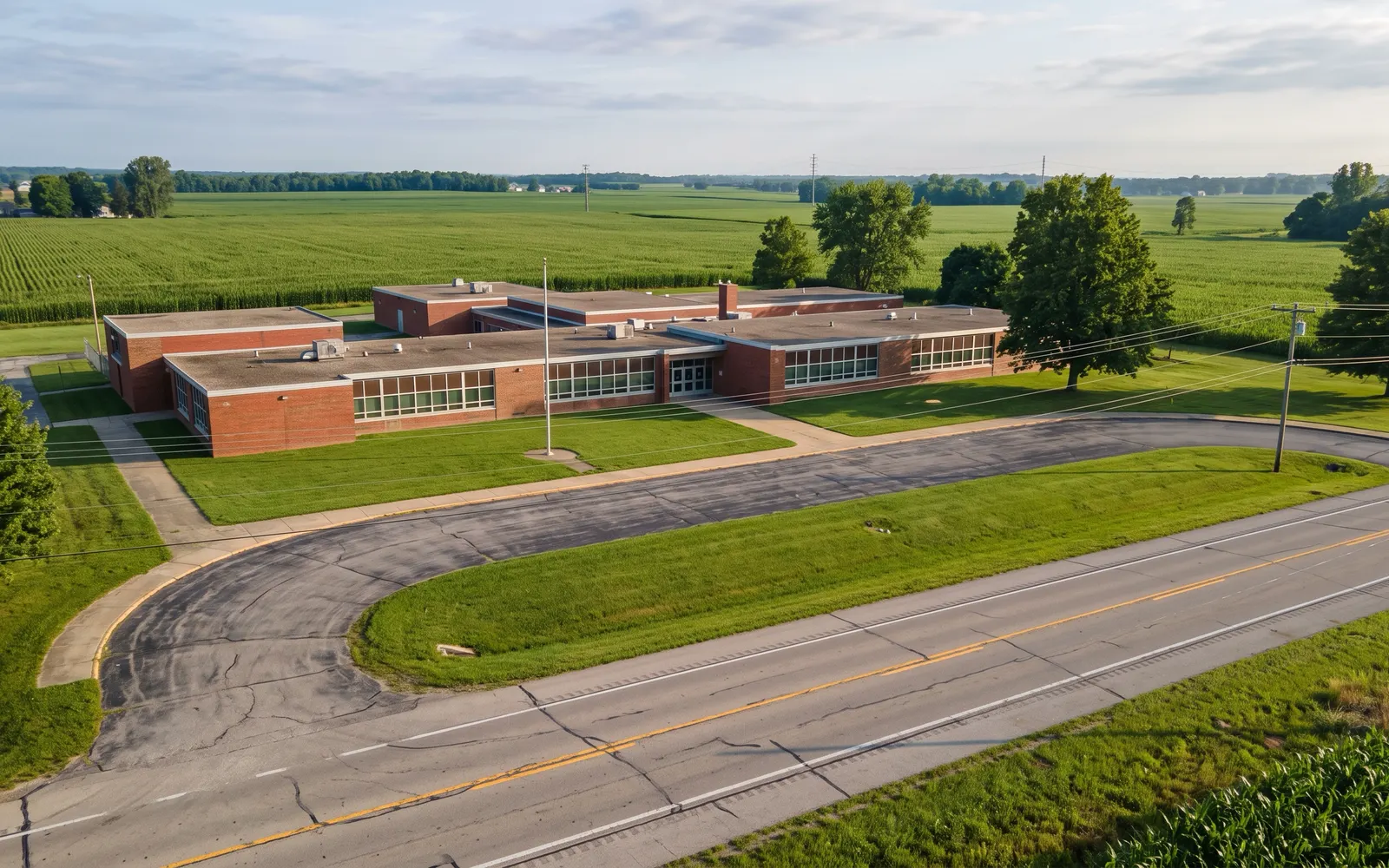
Hinckley-Big Rock Elementary School. 600 W. Lincoln Ave., Hinckley. Pre-K to grade 4, CUSD 429.
Hinckley-Big Rock Middle School. 47W984 U.S. Route 30, Big Rock. Grades 5 to 8, CUSD 429.
Hinckley-Big Rock High School. 700 E. Lincoln Ave., Hinckley. Grades 9 to 12, CUSD 429.
Commuting from Big Rock: Metra from Aurora or Elburn
Big Rock has no train station, so a Chicago commute starts with a drive. There are two realistic options, and which one suits you depends on where downtown you need to be.
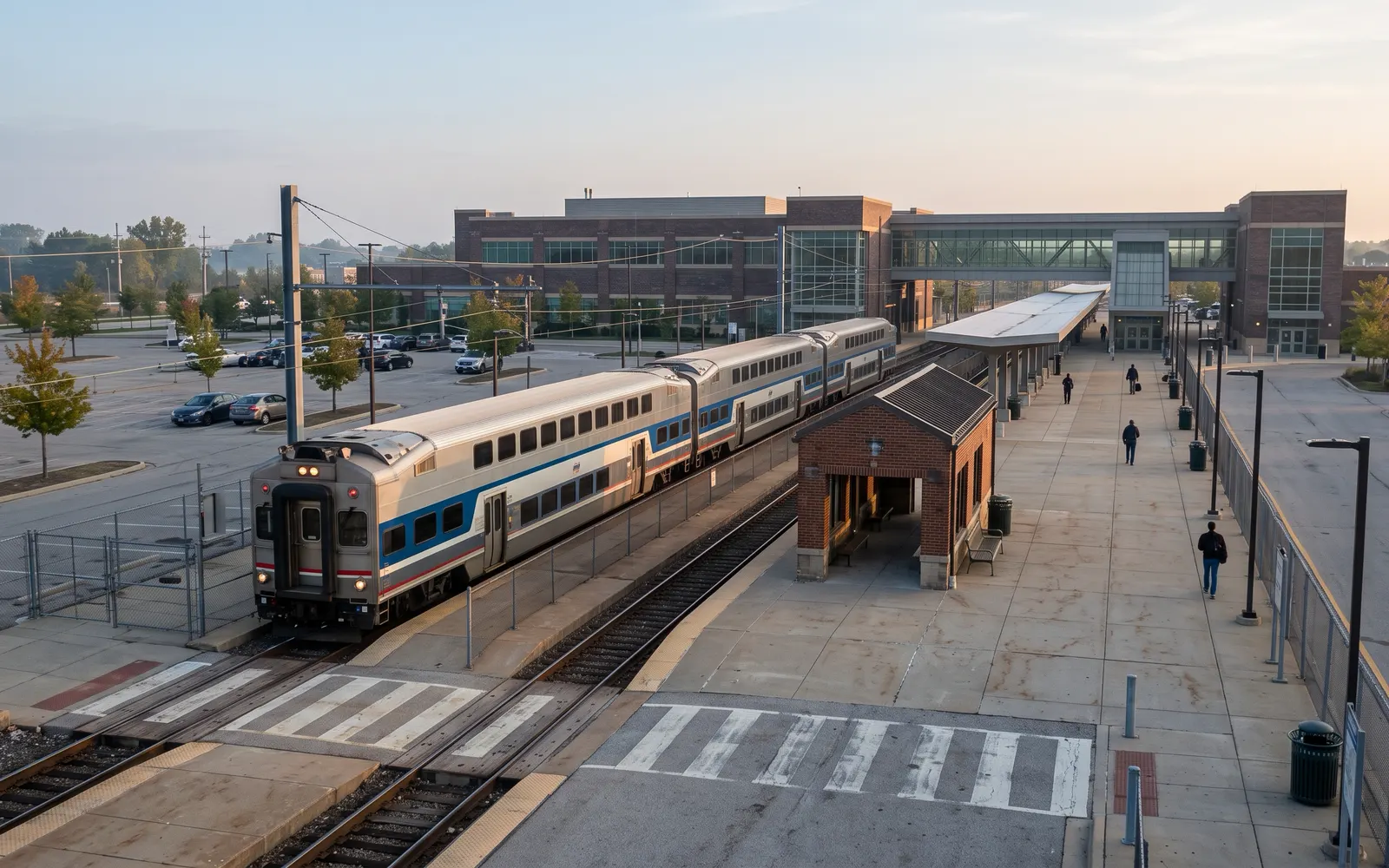
The first is the BNSF line from the Aurora Transportation Center, about 14 miles east by road. According to Metra's BNSF schedule generated September 21, 2026, the rush-hour express trains from Aurora reach Union Station in about 58 minutes. The 6:02 a.m., for example, arrives at 7:00. Local trains take about 72 to 83 minutes. Aurora is the start of the line, so you get a seat.
The second is the Union Pacific West line from Elburn, about 12 miles northeast by road. On Metra's UP-W schedule generated the same day, morning trains from Elburn reach Ogilvie in about 72 to 88 minutes. The 6:48 a.m. arrives at 8:00. Elburn is also a terminal, and Ogilvie suits anyone working in the West Loop or near the north end of downtown.
Door to door, a Big Rock commute to the Loop is realistically an hour and a half or more each way. Most people I work with who buy here either commute a few days a week, work closer in the western suburbs, or work from home. If you are weighing Big Rock against a house near a station, run the real door-to-door time for your own schedule before you fall for the land.
Driving from Big Rock: Route 30, Route 47 and I-88
U.S. Route 30 runs east to west straight through Big Rock and connects it to Sugar Grove and Hinckley, each within about five miles. East of the village, Route 30 meets IL-47 in Sugar Grove, and Route 47 runs north to I-88, the Reagan Memorial Tollway. From there it is a straight run east toward Naperville, Oak Brook and the city, or west toward DeKalb.
O'Hare is roughly 50 miles away, about an hour or more by car depending on traffic, and Midway is a similar drive. For private and charter flights, the Aurora Municipal Airport is in Sugar Grove, just a few miles east of the village. Rural roads are the other half of the driving picture. The township roads are mostly two-lane, some are gravel, and in winter the order the plows reach your road matters. Ask the neighbors.
Is Big Rock Walkable?
Only in the village core. Walk Score did not publish a score for Big Rock when I checked in September 2026, and in a village this size a score would say more about the lack of stores than about the streets. Inside the core you can walk to the park district's park and trail, the café, the post office and village hall. For groceries, a pharmacy or almost anything else, you drive.
Where Big Rock does well is recreation on foot. The park district's community park has a half-mile walking trail, and the Big Rock Forest Preserve has miles of limestone and mowed-grass trails, including a 1.25-mile trail from Siegler Lake north to the campground. For long rides, the quiet township roads are popular with cyclists; the Plowing Match weekend even draws organized tandem rides.
Shopping Near Big Rock
Big Rock has almost no retail of its own, and that is by design. The village's zoning and its reason for incorporating both lean toward keeping it rural. For shopping, you head east. Sugar Grove covers everyday errands along Route 47, and Aurora, about 15 to 20 minutes away, has the big-box stores and the regional shopping along Route 59 and near I-88. Geneva, St. Charles and Batavia along the Fox River offer walkable downtowns with local shops and restaurants when you want an afternoon out, and Naperville's downtown is a bit farther east.
Groceries and Everyday Errands in Big Rock
There is no full grocery store in Big Rock. The nearest ones are in Sugar Grove, where Jewel-Osco has a store on Route 47, and in Aurora, which has every major chain. Hinckley, to the west, covers some basics. In summer, roadside farm stands around the township sell sweet corn and produce straight from the fields, which is one of the quieter perks of living here. Most people I know in Big Rock do one big weekly shop and keep a well-stocked pantry, especially for winter.
Where Big Rock Eats
The local spot is Big Rock Cafe at 103 E. Galena Boulevard on Route 30, a breakfast-and-lunch place that draws people from well beyond the village. Beyond that, dining means a short drive: Sugar Grove and Hinckley have casual restaurants and taverns, and Aurora, Geneva and Naperville have the full range. During the Plowing Match weekend in September, the food tents are the busiest dining room in town.
Big Rock Forest Preserve and Outdoor Recreation
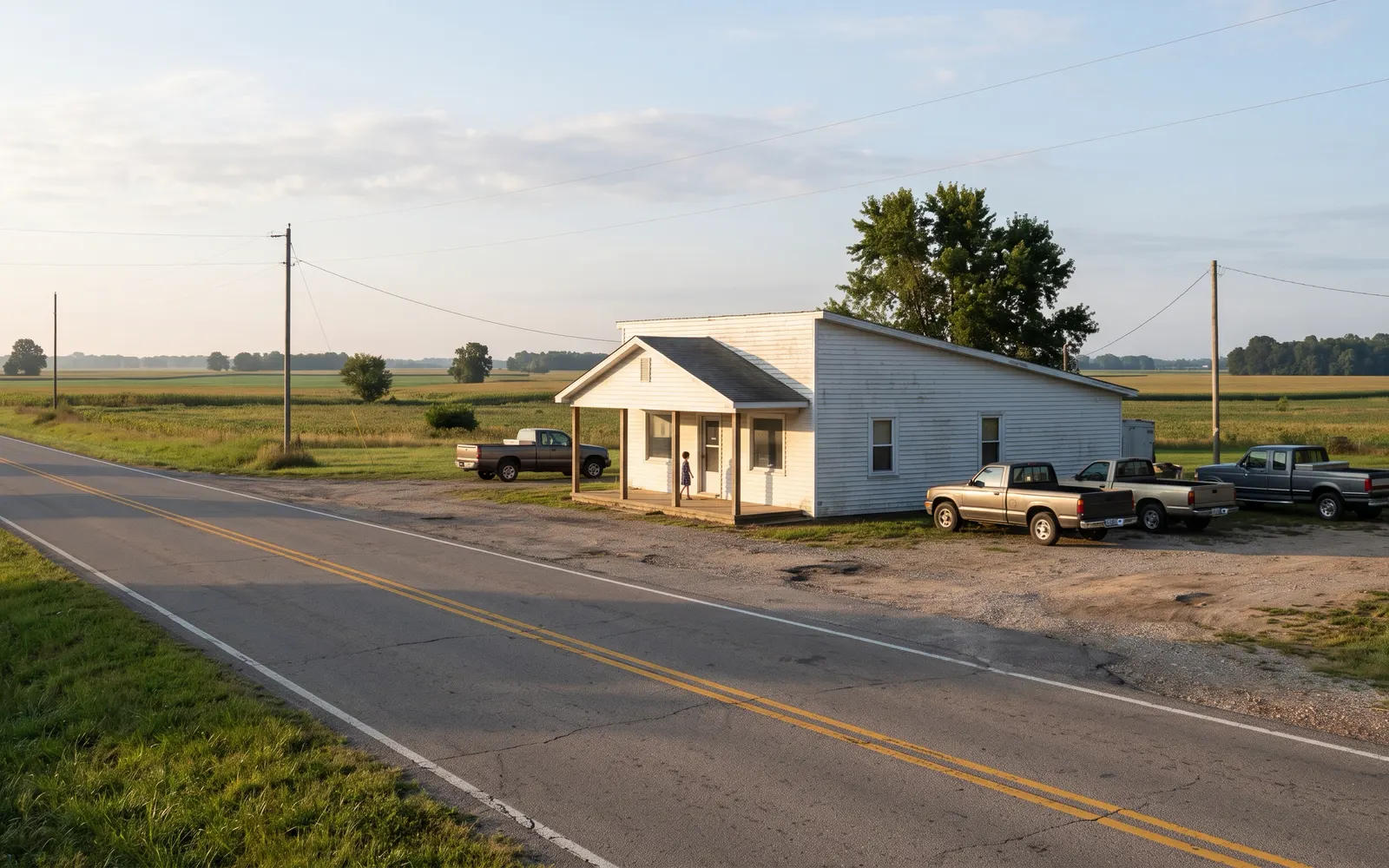
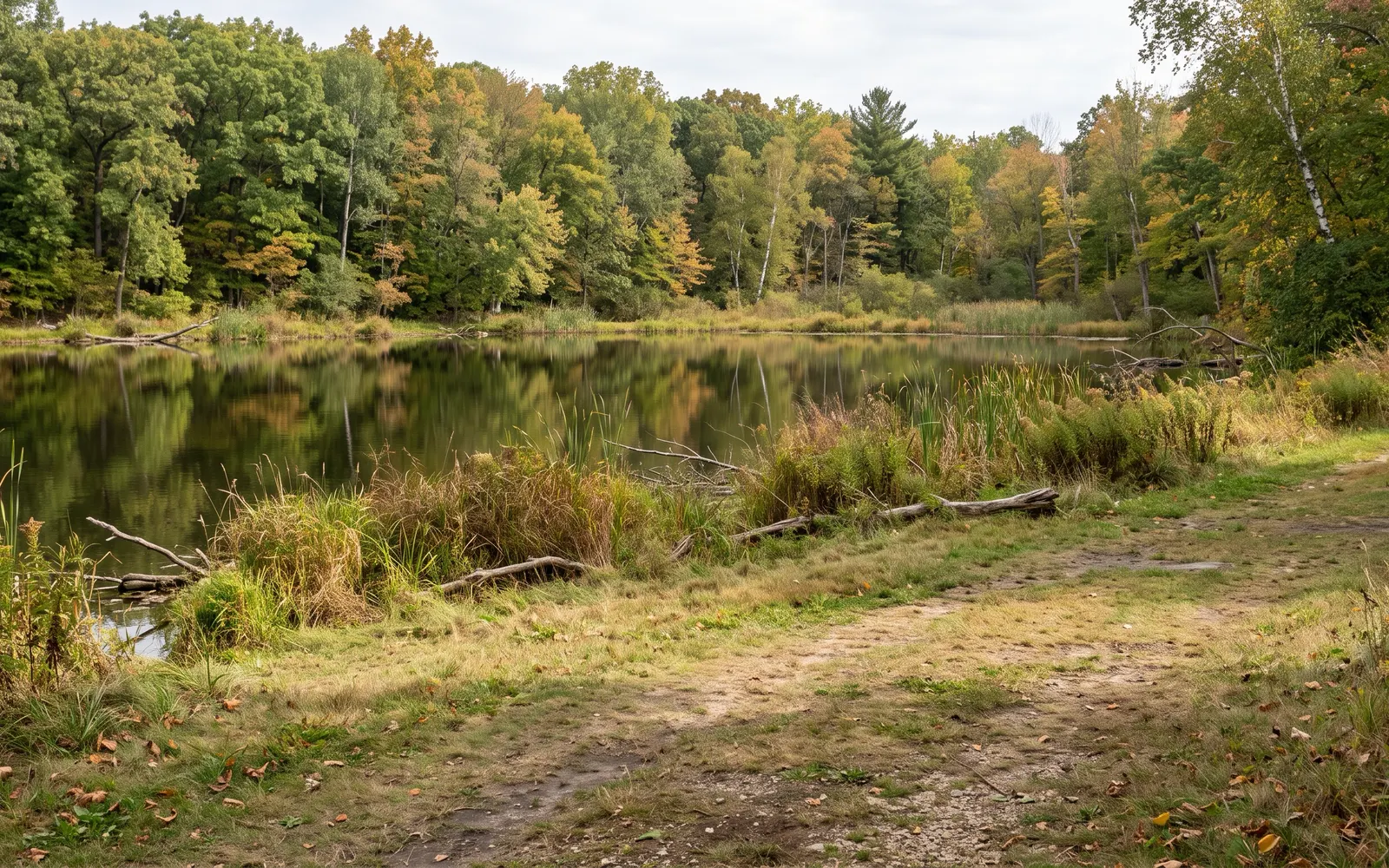
The outdoors is the main amenity in Big Rock, and the anchor is the Big Rock Forest Preserve at 46W072 Jericho Road. The Forest Preserve District of Kane County began it with 294 acres in 1992 and grew it through 2010 to roughly 840 acres. It has Siegler Lake, a 32-acre former limestone quarry stocked for fishing, limestone and mowed-grass trails, designated equestrian trails, picnic shelters and restrooms. It is open daily from sunrise to sunset. Swimming is not allowed.
The preserve also runs the Big Rock Campground at 46W499 Granart Road, open May 1 through the third Sunday in October, with 109 sites: 96 improved sites with electric and water, 9 tent-only sites and 4 equestrian sites. Kane County residents pay less than nonresidents. Big Rock Creek winds through the area and is used for fishing and paddling.
In the village, the Big Rock Park District, created in 1994 when it separated from the Sugar Grove Park District, runs the community park at 7S405 Madison Street with a half-mile walking trail, a playground, picnic areas and a dog park, plus youth sports programs.
Utilities and Services in Big Rock
Utilities in Big Rock depend on where the house is, and that is the question to ask first. ComEd delivers electricity across the area. Natural gas reaches much of the village, but many rural properties run on propane, so ask whether a house has gas service or a tank, and whether the tank is owned or leased. Water and waste on most country properties are a private well and septic system, covered in the land section above.
Internet is the other big variable. Service can change from one road to the next in rural Kane County, so check what is actually available at the address before you buy, not just what the provider's website says for the ZIP code. Fire protection and ambulance service come from the Big Rock Fire Protection District. Village business runs through the village hall at 7S405 Madison Street, which keeps limited office hours on Tuesdays and Thursdays, and the village holds an Electronic Recycle Day on October 10, 2026.
Hospitals Near Big Rock
There is no hospital in Big Rock. The closest full-service hospitals are in Aurora, including Rush Copley Medical Center, roughly a 20-minute drive east. Northwestern Medicine Valley West Hospital in Sandwich is a similar distance to the southwest, and Northwestern Medicine Delnor in Geneva is a longer drive north. The Big Rock Fire Protection District provides paramedic service locally, which matters more in a rural area where the drive to an emergency room is longer.
Entertainment Within Reach of Big Rock
Big Rock itself is quiet, and most entertainment is 20 to 30 minutes away. Aurora has the Paramount Theatre, one of the busiest Broadway-style theaters outside downtown Chicago, plus a casino and the riverfront downtown. Waubonsee Community College's main campus is in Sugar Grove. Summer brings county fairs and festivals across the Fox Valley, and the Fox River towns of Geneva, St. Charles and Batavia each run their own events. Closer to home, the draw is the land: the forest preserve, the creek and a night sky that is noticeably darker than it is 20 miles east.
The Big Rock Plowing Match and Yearly Traditions
The big one is the Big Rock Plowing Match, held every year on the third weekend of September at Plowman's Park on Hinckley Road. It dates to 1895 and still centers on plowing competitions, with a horse show, a tractor trot 5K run and walk, a pedal tractor pull, mud volleyball, craft vendors and food. For a town of about 1,100 people it draws a crowd from across northern Illinois.
Weather is part of the story. For the 2026 event, the Plowing Match's own site posted that all Sunday events were cancelled because of flooding at Plowman's Park, a reminder that Big Rock Creek and the low ground around it still shape life here. The rest of the year is quieter: village board meetings twice a month most of the year, park district programs and seasonal events at the village park. If you are touring houses in September, go to the Plowing Match. It tells you more about the town than any listing will.
What's Being Built in Big Rock
Very little, and that is the story. When I checked the village's development page in September 2026, it listed permit forms, a fee schedule, the 2026 zoning map and the zoning ordinance, and no active subdivision or major project. The village incorporated in 2001 largely to control its own growth, and so far it has used that control to stay small.
Outside the village, Kane County's farmland rules do the same work. With a 40-acre minimum to build a house on land zoned for farming, the township cannot fill in with new homes lot by lot. For a buyer, that is the main argument for Big Rock: the open land around you is likely to stay open. For a seller, it means little new competition and a steady supply of buyers priced out of land closer in.
The growth is happening east of Big Rock. Sugar Grove and the Route 47 corridor near I-88 have seen far more building, and that is where most new construction in this part of Kane County sits. If you want a new build with the Big Rock setting, the realistic paths are a custom home on a buildable parcel, which takes the zoning checks covered above, or a newer house in Sugar Grove. My Sugar Grove guide covers that side.
I don't label any town or neighborhood as safe or unsafe.
Flood Risk in Big Rock
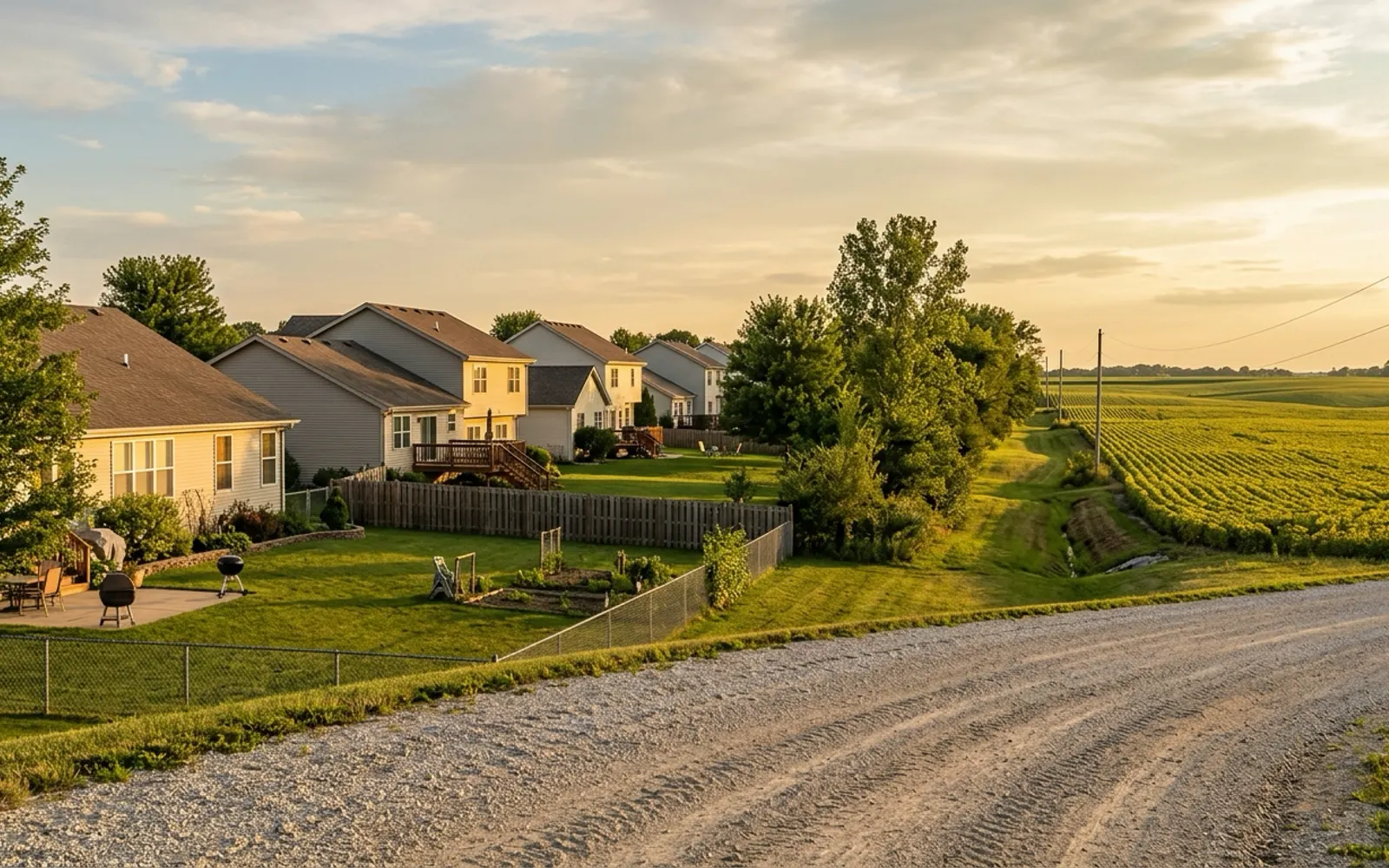
Flooding in Big Rock is a parcel-by-parcel question tied to one feature: Big Rock Creek and the low ground along it. The creek is a big part of the area's beauty, and it is also why the 2026 Plowing Match lost its Sunday to flooding at Plowman's Park. Farm fields drained with old tile, low spots near the creek and roadside ditches are where water collects after a heavy rain.
Three checks before you write an offer. Look the address up on the FEMA Flood Map Service Center, because a mapped flood zone can mean required flood insurance on a mortgage. Walk the property after a rain if you can, and look at where water sits. And ask the seller directly about water in the basement, in the outbuildings and over the driveway. On a rural property the follow-up question matters most: what did they do about it, and did it work?
Frequently Asked Questions
How much does a house cost in Big Rock, IL?+
Zillow's home value index put the typical Big Rock home at $423,389 in August 2026, up 5.3% from a year earlier. Prices range widely, from village homes to farms and estates in the millions, and there are too few sales for a reliable monthly median.
What are property taxes in Big Rock, IL?+
The median effective rate is about 2.21%, with a median bill of about $6,243 (Ownwell, updated April 2026), below Kane County's 2.49%. Farmland is assessed on productivity, and a home's bill usually rises after a sale once it is reassessed.
What school district is Big Rock, IL in?+
Most of Big Rock is in Hinckley-Big Rock CUSD 429. The middle school is in Big Rock and the elementary and high school are in Hinckley. Parcels at the edges of the township can fall in Kaneland CUSD 302 or another district, so confirm each address.
How long is the commute from Big Rock to downtown Chicago?+
Big Rock has no Metra station. From Aurora, about 14 miles east, BNSF express trains reach Union Station in about 58 minutes; from Elburn, UP-W trains reach Ogilvie in about 72 to 88 minutes. Door to door, plan on an hour and a half or more.
Can I build a house on farmland in Big Rock?+
It depends on the zoning. A December 2024 Kane County staff report describes a 40-acre minimum to build a single-family house on land zoned F-District Farming. Smaller parcels may need a rezoning. Village parcels follow Big Rock's own zoning map.
Do Big Rock homes have city water and sewer?+
Most country properties outside the village core have a private well and septic system. Confirm the setup on every listing, and test the well and inspect the septic before closing.
What county is Big Rock, IL in?+
The village is entirely in Kane County, inside Big Rock Township. The school district and nearby rural roads cross into DeKalb County on the Hinckley side.
When is the Big Rock Plowing Match?+
It is held every year on the third weekend of September at Plowman's Park on Hinckley Road, and it has run since 1895.
Eshu Chikoti has extensive access to off-market listings throughout Big Rock and the rest of Kane County — homes that never make it to the public listing sites. That matters right now: in a seller's market like this one, well-priced homes routinely go under contract within days, and buyers relying only on public listings are competing for whatever is left over. Working with someone plugged into off-market inventory means seeing homes before the crowd does.
Eshu Chikoti · 847-691-4282 ·
Get new Big Rock listings by email
When a home comes on the market in Big Rock, I'll email it to you.
Just your email. Unsubscribe any time by replying.
Thinking About Big Rock?
Whether you're buying, selling, or just curious what's on the market, I can walk you through Big Rock street by street.