Arlington Heights, IL
Arlington Heights, IL is a Cook County village of about 76,000 people on Metra's Union Pacific Northwest line, with two train stations, a downtown built around the depot and a summer 2026 median sale price near $497,000.
Living in Arlington Heights, IL means a median sale price near $497,000 this summer, a 36-minute express train from the downtown station, and property tax near 2.52% of value. Most homes were built between the 1940s and the 1980s, and the Bears' 326-acre Arlington Park site is still undecided. Here it is, pocket by pocket.
Written by Eshu Chikoti · 847-691-4282 ·
How Arlington Heights, IL Got Here: From Dunton to the Depot
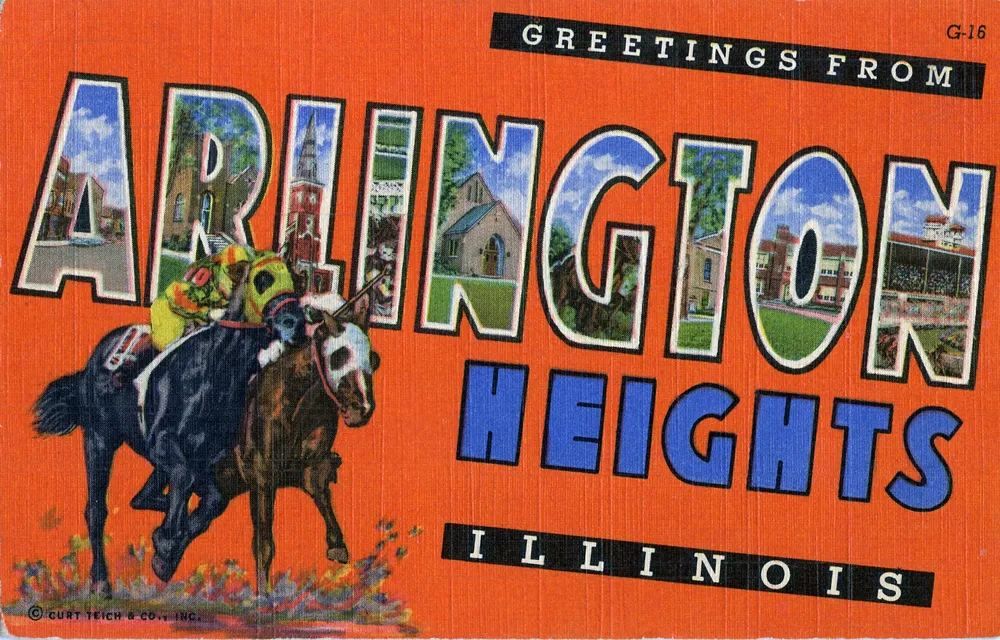
Arlington Heights started as a railroad town. According to the village's Wikipedia entry, the settlement was first called West Wheeling, then Dunton, after Asa Dunton registered land claims in 1837. His son William Dunton talked the Illinois & Wisconsin Railroad into building through, and in 1853 he sold the company 16 acres for $350. The first Dunton train station went up in 1854. The Arlington Heights Memorial Library's history timeline dates that land sale to August 28, 1853.
The name changed to Arlington Heights in 1874, and the village incorporated in 1887. For its first decades it was a farm town that shipped produce to Chicago by rail. John Klehm started a nursery here in 1856, and in 1878 Civil War veteran Charles Sigwalt and his brother John founded the Sigwalt Sewing Machine Company. The village's own history page makes the same point I would: businesses and homes grew up around the depot, and that is why the downtown still sits on the tracks.
Growth came in two waves. The racetrack came first. Arlington Park opened on October 13, 1927, per Wikipedia's Arlington Park entry, and the village's population more than doubled in the 1920s, from 2,250 in 1920 to 4,997 in 1930. The second wave was the postwar suburbs. The census counted 8,768 people in 1950, 27,878 in 1960 and 65,058 in 1970. After that the village filled in and leveled off: 75,460 in 1990, 75,101 in 2010 and 77,676 in 2020.
One piece of the village's history is national. In 1977 the U.S. Supreme Court decided Village of Arlington Heights v. Metropolitan Housing Development Corp., which began when the village declined to rezone land owned by the Clerics of St. Viator for a federally subsidized multifamily development. The Court ruled 5-3 on January 11, 1977, that a zoning decision violates the Equal Protection Clause only with proof of discriminatory purpose, and sent the Fair Housing Act claim back to the lower courts. According to that case summary, the parties later settled.
The racetrack chapter is the one still being written. Arlington Park ran its last race on September 25, 2021, the Chicago Bears bought the 326-acre site in 2023, and as of September 2026 its future is open. The development section below covers where it stands.
Arlington Heights at a Glance
Arlington Heights covers about 16.6 square miles, roughly 25 miles northwest of downtown Chicago, per the Wikipedia entry. Palatine and Long Grove are to the north, Prospect Heights and Mount Prospect to the east, Rolling Meadows, Elk Grove Village, Mount Prospect and Des Plaines to the south, and Wheeling and Buffalo Grove to the west, as Wikipedia lists them.
For a buyer, the county question is simple. The Census Bureau's Vintage 2025 population estimates put all 76,216 residents in Cook County. By township, that is about 61,630 in Wheeling Township, 13,500 in Elk Grove Township and 1,090 in Palatine Township. Some online sources say a small piece of the village reaches into Lake County, but the Census Bureau's geography files place the village entirely in Cook. Every Arlington Heights house carries a Cook County tax bill, and which township it sits in decides which township assessor's office and which reassessment release applies to it.
The housing is mostly owner-occupied. The 2024 American Community Survey, shown on Census Reporter, counts 32,515 housing units, with 75.0% of occupied homes owned and 25.0% rented. The median owner-occupied home value in that survey is $441,400 and the median gross rent is $1,813.
Arlington Heights is also a place people work. CMAP's June 2026 community snapshot counts 37,930 private-sector jobs in the village in 2025, down 11,714, or 23.6%, from 2015. CMAP does not break out the reason. What I can say is that the village's largest single employer on the 2017 list in Wikipedia was the racetrack, and the track closed in 2021. Northwest Community Healthcare and Township High School District 214 are still among the largest employers, and Pace, the suburban bus agency, has its headquarters here.
At a $497,000 summer median, it costs more than Palatine, Rolling Meadows or Wheeling and a little more than Mount Prospect and Buffalo Grove, with one county and one tax calendar to learn.
Only 2.4% of homes were built since 2010, and most new units are apartments. Ownwell's median bill is $8,400, and a buyer at today's median should budget closer to $12,500. Arlington Park is still open, and a school district map with five K-8 districts takes work.
Arlington Heights Neighborhoods, Pocket by Pocket
Arlington Heights has no official neighborhoods. What it has is a downtown on the train, two ZIP codes that behave differently, a racetrack corridor on the west side and a long run of postwar subdivisions in between. Listings carry subdivision names, and I check each one against the MLS subdivision field rather than trusting a map I found online.
The first split is by ZIP code, and it matters for taxes as much as for location. Ownwell's April 2026 data puts the median tax bill in 60004, the north side, at $8,795 on a 2.53% effective rate, and in 60005, the south side, at $7,414 on 2.49%. Walk Score rates 60005 at 56 and 60004 at 42, mostly because the south side includes downtown and more commercial streets.
The second split is by era. Downtown and the blocks around it hold the oldest houses and the newest condo buildings. The rings outside that are mostly 1950s and 1960s houses, the decades when the population tripled. The far north and the edges near the racetrack and the tollway filled in later, in the 1970s and 1980s, with more townhomes and apartment complexes mixed in.
The expectation I most often have to reset with buyers in Arlington Heights is that the village name tells them which schools a house feeds. It doesn't. Five different elementary districts reach into the village, and two streets a block apart can land in different ones. If you want to know which district, park district and tax pocket a specific address falls in, that is a conversation I am happy to have here.
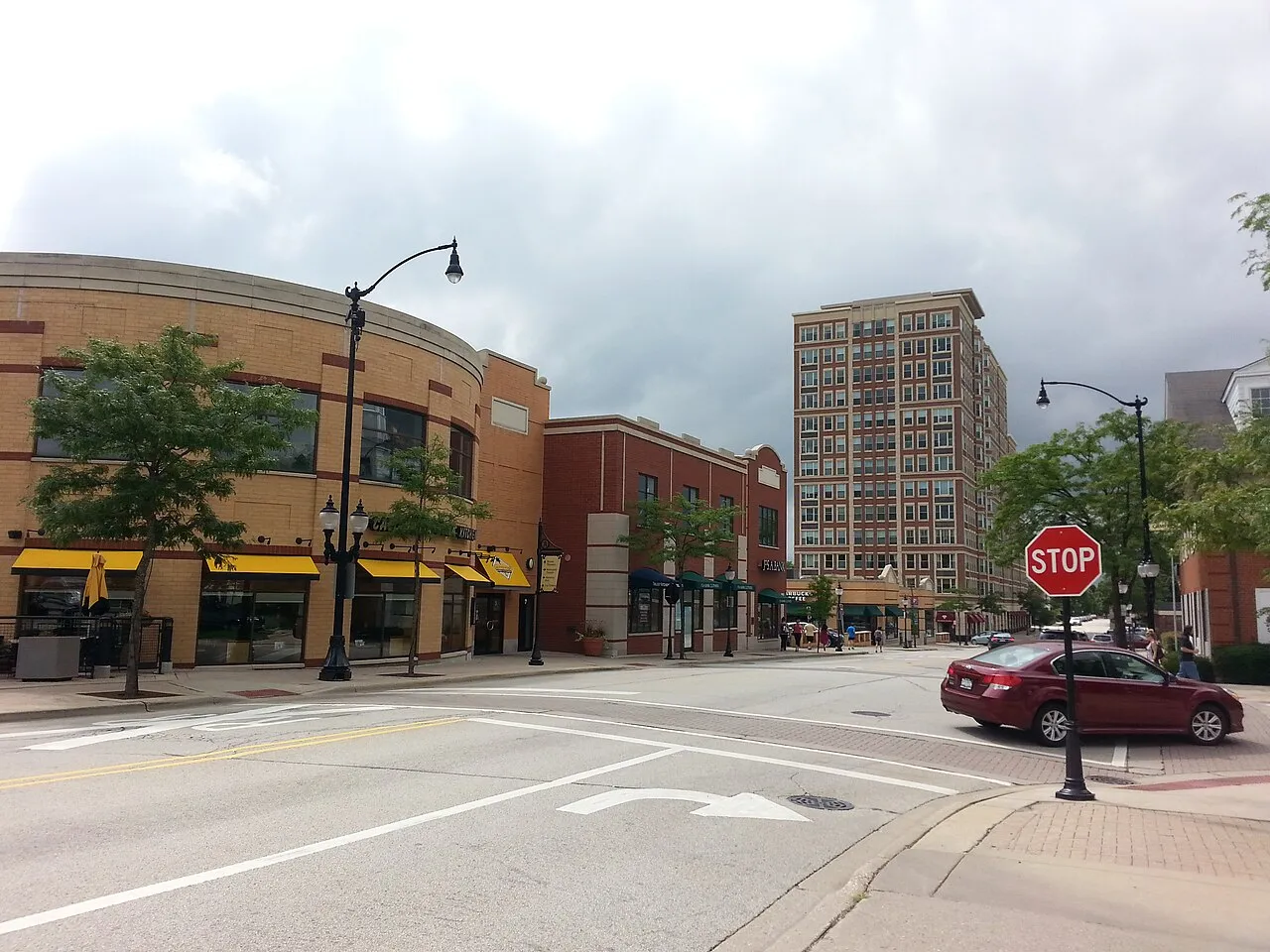
Downtown. The blocks around the Metra station at 45 W. Northwest Highway, Campbell Street and the Metropolis theatre. Redfin tracks it as the Arlington Heights Central Business District: in the three months ending August 2026 its median sale price was $451,032, up 22.2%, with 23 sales in August and homes selling in about 49 days. The mix is mid-rise condos, a few townhomes and older houses on the side streets.
North side (60004). Everything north of the tracks to the Palatine and Buffalo Grove borders, including Lake Arlington and the Rand and Dundee Road corridors. It is the larger of the two ZIP codes and the more car-dependent (Walk Score 42), with higher median tax bills than the south side.
South side (60005). South of the tracks to Golf Road and the I-90 edge, including Northwest Community Hospital on Central Road and the Algonquin Road corridor. Walk Score rates it 56, and Ownwell puts its median bill at $7,414.
Arlington Park corridor. The west side along Euclid Avenue and Wilke Road, around the Arlington Park Metra station and the Bears' 326-acre site at 3200 W. Euclid Ave. The village's project list shows Arlington Downs here, with 214 existing apartments approved for more than 500 more units and a 116-room hotel.
Greenbrier and the Wilke Road area. A south-side pocket named for its elementary school. The village's stormwater page lists the Greenbrier and Roanoke Drive-Wilke Road area for larger storm pipes and more storage, which is worth knowing before you buy there.
Golf Road and International Plaza. The south edge along Golf Road, part of the village's TIF IV area, where the village signed a memorandum of understanding on November 20, 2023, for seven buildings with 266 market-rate apartments plus commercial lots.
What Arlington Heights Homes Look Like, by Type and Era
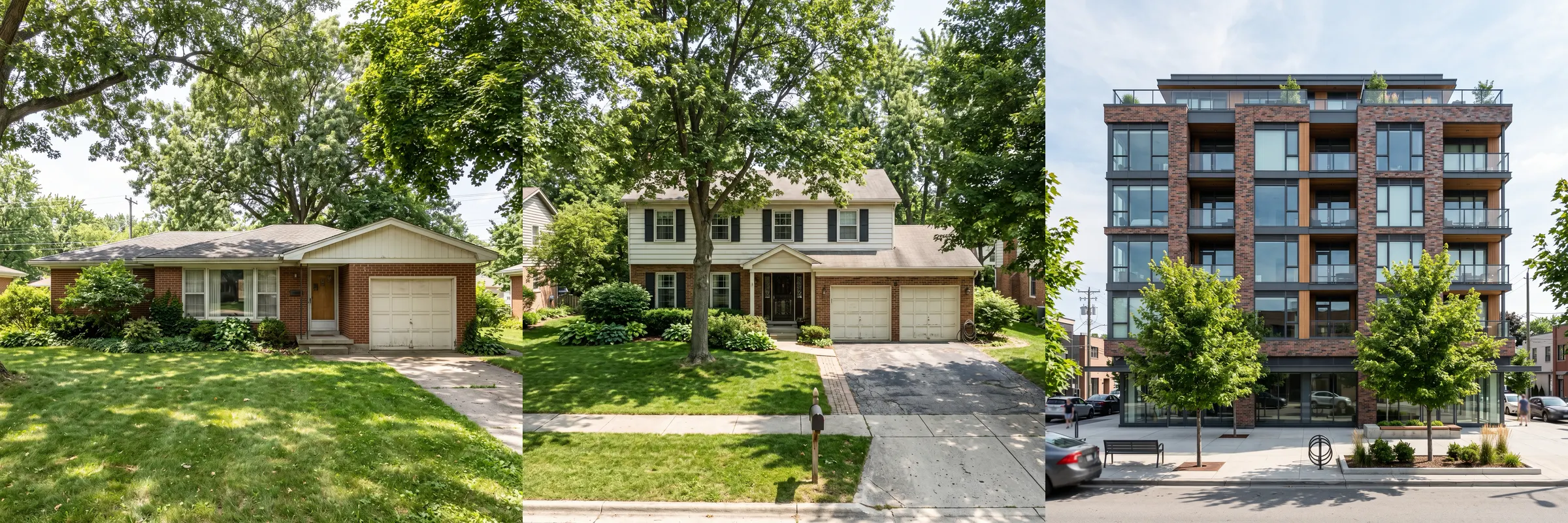
Arlington Heights is mostly a detached-house town with a real condo market on top. CMAP's snapshot, built on the 2020-2024 ACS, counts 17,642 detached single-family homes, 53.5% of all units, and 2,206 attached single-family homes such as townhouses, another 6.7%. Buildings of 20 or more units hold 7,350 homes, or 22.3%, which is the downtown towers and the larger complexes. Buildings of five to 19 units add 12.3%, and two- to four-unit buildings add 5.2%.
The age profile is older than most of the northwest suburbs. CMAP puts the median year built at 1974. About 36.3% of units were built from 1940 to 1969 and 40.5% from 1970 to 1989. Only 4.9% predate 1940, and only 808 units, 2.4%, were built in 2010 or later. The bedroom mix leans larger than Cook County as a whole: 30.0% of units have three bedrooms, 21.7% have four and 5.3% have five or more, against 18.2% with one bedroom or none.
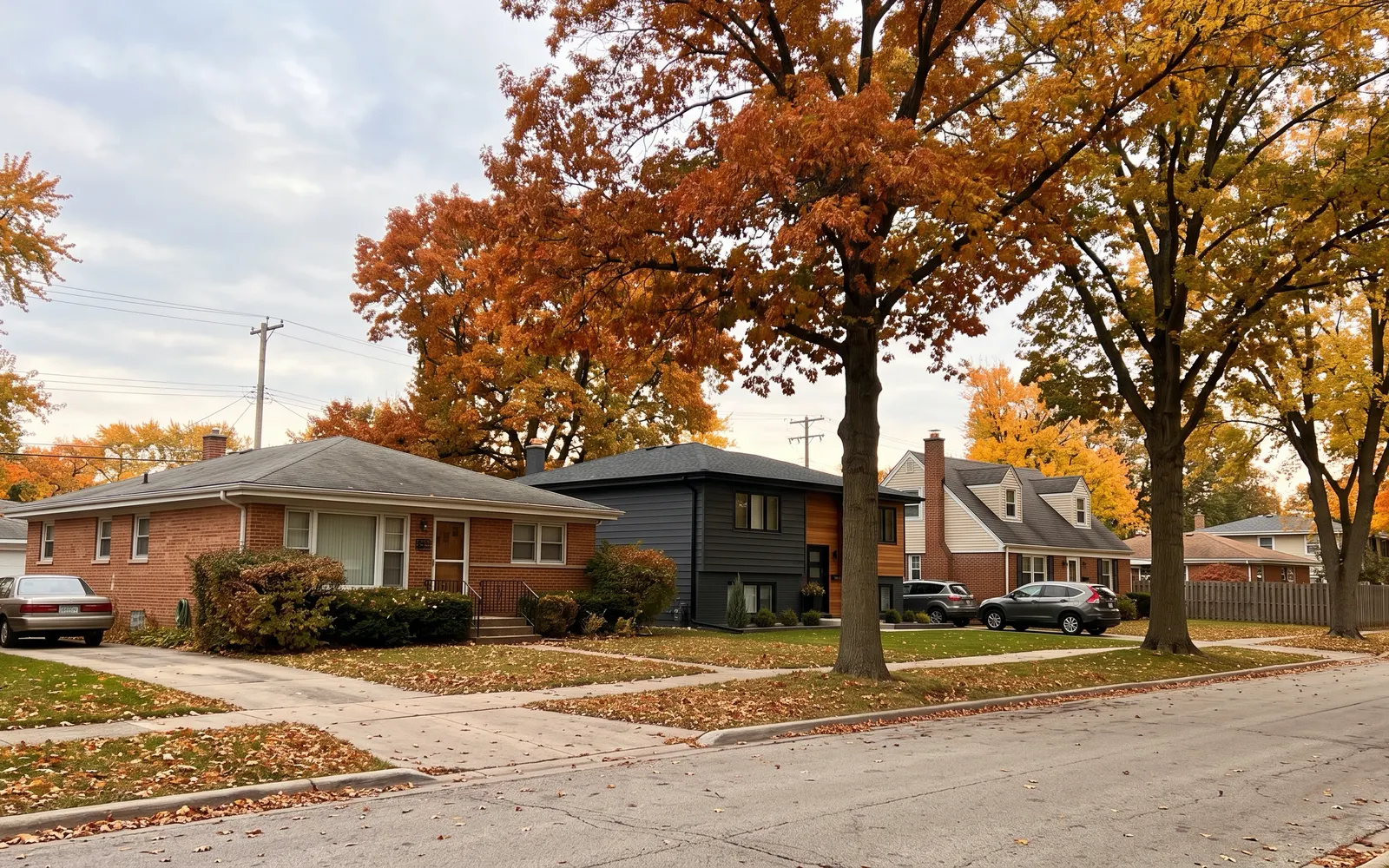
In practice the detached houses run from brick ranches, split-levels and Cape Cods in the postwar rings to two-story colonials in the 1970s and 1980s pockets, plus a steady stream of teardowns and rebuilds on the older lots. The condos are a separate market. Redfin's Arlington Heights city guide, last updated August 31, 2026, puts the median single-family sale at $614,640, the median townhouse at $419,478 and the median condo or co-op at $220,933.
Those three numbers are the most important thing on this page if you are shopping here. A $497,000 village median is a blend of $220,000 condos and $615,000 houses, and neither buyer should anchor on it. The older houses also have their own inspection list: original sewer laterals, older electrical panels, basements that have seen water, and in some houses lead water service lines. The village publishes a water service material map you can check by address. My home inspection checklist covers what to ask for.
The Arlington Heights Housing Market in 2026
Arlington Heights is one of the busier markets in the northwest suburbs, and it is competitive. In the three months ending August 2026, Redfin reported a median sale price of $497,171, up 4.7% from a year earlier. Its report shows 334 homes sold in August, up from 317 a year before. Homes sold in about 42 days, against 43 a year earlier, at a median of 101.2% of list price.
Redfin gives Arlington Heights a Compete Score of 77 out of 100, which it calls very competitive, and says the average home gets three offers. The typical home sells for about 1% over list and goes pending in about 42 days. Redfin's "hot homes" sell for about 4% over list and go pending in about 29 days. The median sale price per square foot was $283, up 11.0%.
Zillow's home value index tells a stronger story on price. It put the typical Arlington Heights home at $495,520 in August 2026, up 8.9% from August 2025 and 14.5% from August 2024. Here the two sources agree on level and disagree on speed. Redfin's median is the middle of whatever sold this summer, and a summer with more condo sales pulls that median down even when values rise. Zillow's index estimates every home, and Redfin's own price per square foot, up 11.0%, lines up with Zillow's pace. My read is that values rose close to 9% to 11% and the summer's sales mix hid part of it.
For context against the neighbors, Zillow's August 2026 index put Wheeling at $318,836, Prospect Heights at $333,406, Rolling Meadows at $339,504, Des Plaines at $358,473, Palatine at $393,104, Buffalo Grove at $447,960, Mount Prospect at $453,639 and Northbrook at $715,308. Arlington Heights sits above every neighbor on that list except Northbrook, and a condo near the train can still cost less than a house almost anywhere around it. If you are buying your first home here, my overview of Illinois first-time buyer programs is a good place to start.
Arlington Heights Property Taxes: Cook County's Three-Year Cycle
Property tax is the number that moves the monthly payment most, and in Arlington Heights it is a Cook County bill. Ownwell's Cook County data for Arlington Heights, updated April 13, 2026, puts the median effective rate at 2.52% and the median annual bill at $8,400. The Cook County median on the same page is 2.14%. By ZIP code, Ownwell shows 60004 at 2.53% with a median bill of $8,795, and 60005 at 2.49% with a median bill of $7,414.
Cook reassesses one-third of the county each year, so each area is revalued every three years, per the assessor's reassessment schedule. All three of the village's townships, Wheeling, Elk Grove and Palatine, are in the north suburbs group, which was reassessed in 2025. The Cook County Assessor's Wheeling Township release of August 18, 2025, said the new values affect second-installment bills issued in 2026. It put the township's 2024 median single-family sale at $457,000 against the assessor's median estimate of $429,000. Between reassessments, a house's assessed value usually stays put even if the market moves.
The bills come in two pieces. The first installment for tax year 2025 was due April 1, 2026, and the second is due October 1, 2026, per the Cook County Treasurer. That second bill carries the new 2025 values. Cook County announced on August 18, 2026, that the bills would be mailed September 1, about two months late because of the county's tax system overhaul. If you close this fall, ask your attorney how the proration handles that bill.
Here is what the rate looks like on a real purchase. At this summer's $497,171 median, 2.52% works out to about $12,530 a year, or $1,044 a month. At the $614,640 single-family median, it is about $15,490 a year. Current bills are often lower than that because assessments trail the market, and the mistake I see most is buyers budgeting off the seller's current bill. The Cook County homeowner exemption takes $10,000 off the equalized assessed value of an owner-occupied home, and new owners have to apply for it once.
The Arlington Park site has its own tax story, and it touches every other bill in the village. In December 2024 the village board voted 8-0 on a deal that set the Bears' annual tax on the 326-acre site at $3.6 million, down from $8.9 million, on a value of about $125 million assessed at 10% as unimproved land, according to a January 2025 summary by a property tax law firm. When one large parcel pays less, the difference is spread across the other taxpayers in the same districts.
Sellers get one break here. According to the ATG summary of village requirements, Arlington Heights has no village transfer tax and no pre-sale inspection, and a title company's November 2024 list agrees: the only requirement is a paid final water bill. The Illinois Department of Revenue lists the county transfer tax at 25 cents per $500, or about $249 on a $497,000 sale. My Illinois closing costs guide covers the rest. This is general information, not tax advice. Your bill depends on your parcel, your exemptions and the assessor.
Arlington Heights Schools: District 25, District 214 and the Edges
More school districts reach into Arlington Heights than into most suburbs its size, so the address matters more than the town name. The Wikipedia entry for the village lists five elementary districts serving parts of it: Arlington Heights School District 25, Wheeling Community Consolidated School District 21, Prospect Heights School District 23, and Community Consolidated School Districts 15 and 59.
Arlington Heights School District 25 is the village's own K-8 district. Wikipedia lists seven elementary schools (Dryden, Greenbrier, Ivy Hill, Olive-Mary Stitt, Patton, Westgate and Windsor) and two middle schools (South and Thomas), and says it serves more than 5,550 students in nine schools.
High school is mostly Township High School District 214, which is headquartered in Arlington Heights and which Wikipedia calls the second-largest high school district in Illinois by enrollment. John Hersey High School, opened in 1968, is the District 214 high school inside the village. Depending on the street, Arlington Heights addresses can also feed Buffalo Grove, Prospect, Rolling Meadows or Wheeling high schools, and some north-side addresses go to Palatine High School in District 211. The village's two historic high schools, Arlington High (1922 to 1984) and Forest View (closed 1986), are both gone; Forest View's building is now the district's administrative center.
Check every address with the districts before you write an offer, and ask me for the boundary if you want it done for a specific house. I don't rank schools on this page. The Illinois Report Card has each school's own data. For college, Arlington Heights is in Harper College's district, Community College District 512, with the campus next door in Palatine.
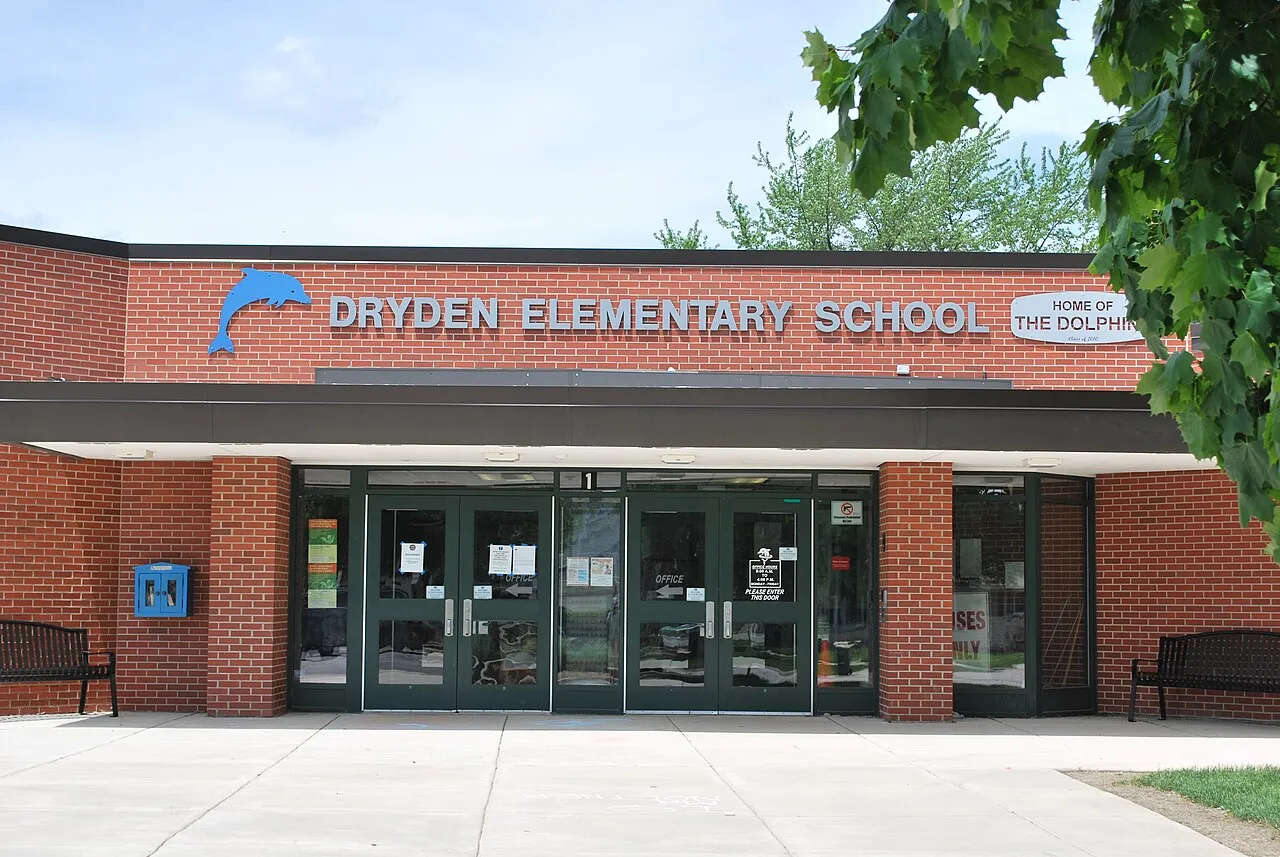
District 25 elementary schools. Dryden, Greenbrier, Ivy Hill, Olive-Mary Stitt, Patton, Westgate and Windsor, per Wikipedia's district list.
District 25 middle schools. South Middle School and Thomas Middle School.
Other K-8 districts. Wheeling District 21, Prospect Heights District 23, Palatine District 15 and District 59 each serve part of the village; check the address on each district's boundary locator.
District 214 high schools serving village addresses. John Hersey (in the village), Buffalo Grove, Prospect, Rolling Meadows and Wheeling high schools, by street.
District 211. Palatine High School serves some north-side addresses.
Private schools named by Wikipedia. St. Viator High School, Christian Liberty Academy (in the former Arlington High School), Our Lady of the Wayside School, St. James School, St. Peter Lutheran School and the Chicago Futabakai Japanese School.
Commuting from Arlington Heights: Two Metra Stations on the UP-NW
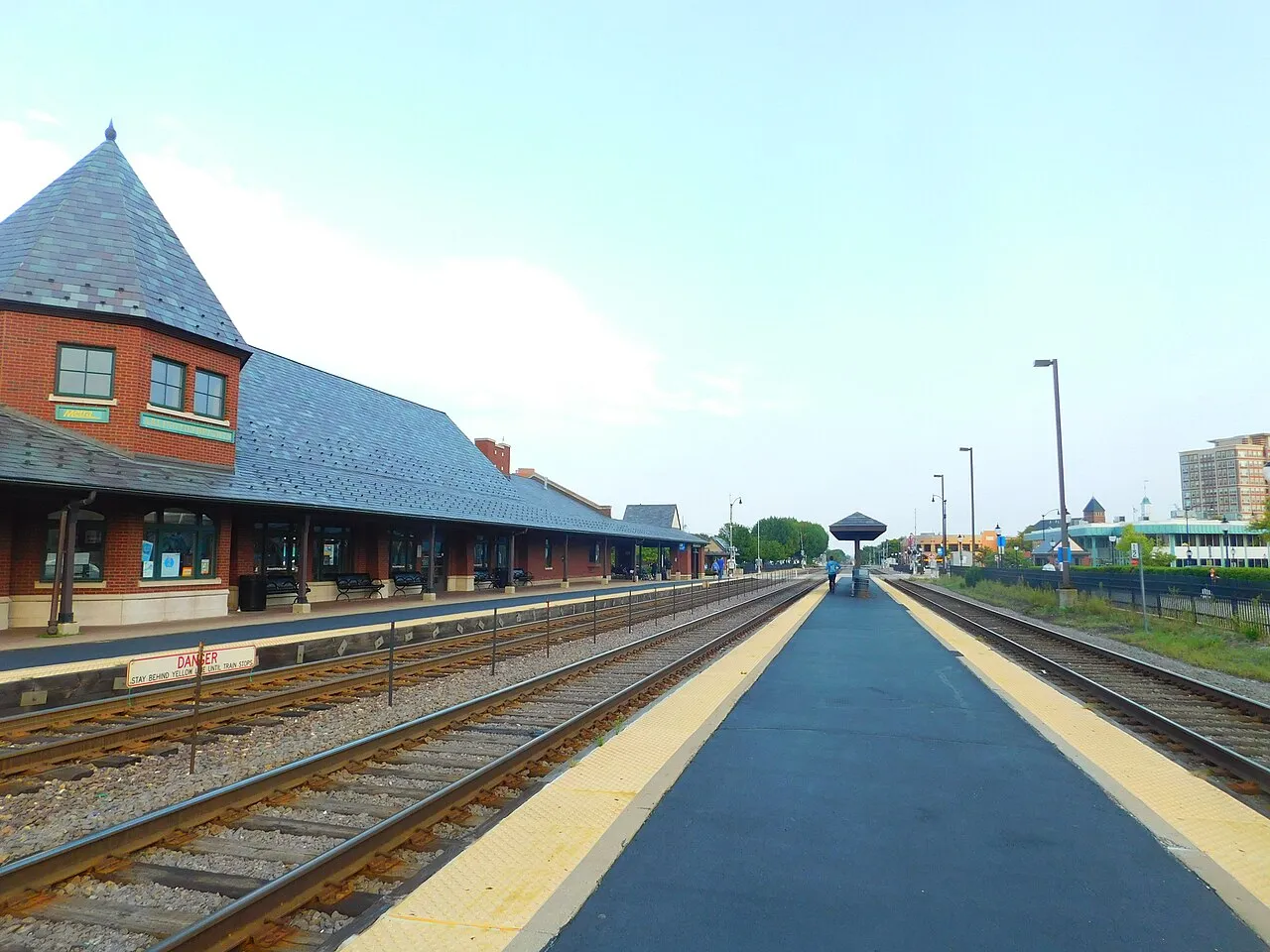
Arlington Heights is one of the few suburbs with two Metra stations, both on the Union Pacific Northwest line into Ogilvie Transportation Center, and both in fare zone 3. The downtown Arlington Heights station is at 45 W. Northwest Highway, 22.9 miles from Ogilvie; the station dates to 1854 and was rebuilt in 2000. The Arlington Park station is at 2121 W. Northwest Highway at Wilke Road, 24.4 miles out. It opened in 1975 to serve the racetrack.
According to Metra's schedule data for the week of September 28, 2026, the downtown station has 31 weekday trains to Chicago and 31 back. The fastest, the 6:49 a.m., reaches Ogilvie in 36 minutes. Express trains at 6:06, 6:36, 7:06, 7:36 and 8:06 a.m. take 40 minutes, and the median trip is 51 minutes. Saturdays have 17 trains each way. Sundays have 10 inbound and 11 outbound.
Arlington Park runs almost the same schedule a few minutes farther out: 31 weekday trains each way, a fastest trip of 40 minutes on the 6:45 a.m., a string of 44-minute expresses at 6:02, 6:32, 7:02, 7:32 and 8:02 a.m., and a median of 54 minutes. Saturdays have 16 inbound and 17 outbound, and Sundays 9 and 11.
That gives most of the village a real choice. Downtown has the faster trains and a walkable station, and houses within walking distance of it price that in. Arlington Park serves the west side and has its own large lot. Buyers on the far north side sometimes find Palatine's station just as convenient.
Most people still drive. CMAP's snapshot shows 62.0% of workers driving alone and 25.1% working from home, with 4.3% on transit, 6.3% carpooling and an average commute of 27.7 minutes. Pace buses cover the rest, and Pace's headquarters is in the village.
Driving from Arlington Heights: I-90, Route 53 and Northwest Highway
Arlington Heights sits between two expressways. Per the Wikipedia entry, I-90, the Jane Addams Tollway, runs along the south side, and Illinois Route 53, the northern extension of I-290, runs along the west side. The village's own Arlington Park page pitches that west-side location for its easy access to O'Hare, I-90 and Route 53, and the same access helps every house on that side of town.
Inside the village, U.S. 14 (Northwest Highway) runs through the center next to the tracks. U.S. 12 (Rand Road), Illinois 58 (Golf Road), Illinois 62 (Algonquin Road) and Illinois 68 (Dundee Road) carry the rest of the through traffic. Arlington Heights Road is the main north-south street and runs straight through downtown.
The practical advice is the same one I give in every town with a busy arterial grid. If you are choosing between two houses and one sits on the far side of Rand Road or Route 53 from your daily route, drive it at rush hour before you decide. Ten extra minutes each way on 250 workdays is more than 80 hours a year.
Is Arlington Heights Walkable?
Downtown is. Most of the village isn't. Walk Score rates Arlington Heights 48 for walking, which it calls car-dependent, and 59 for biking. It publishes ZIP codes rather than neighborhoods: 60005, which includes downtown and more of the commercial streets, scores 56, and 60004, the larger north side, scores 42.
The land use explains it. CMAP's 2023 land use inventory puts 42.8% of the village's 10,651 acres in single-family residential use, 6.0% in multifamily, 11.2% in commercial use and 7.1% in open space. Most of the commercial land runs along the arterials rather than through the neighborhoods, so a walk to the store is a walk to Rand, Golf or Arlington Heights Road.
The exception is the core around the train. The village describes downtown as a transit-oriented, pedestrian-friendly district, and it is the one part of Arlington Heights where you can live without driving for most errands. If walkability is on your list, your search is really a downtown search, and the condo market there is covered above.
Shopping in Arlington Heights: Downtown and the Arterials
Arlington Heights is not a mall town. Its shopping is spread along the arterials and concentrated downtown. CMAP's snapshot, using Illinois Department of Revenue data, shows about $1.95 billion in retail sales in the village in 2025, or $25,699 per resident, against $23,200 for Cook County. That is a real retail base, but it is a neighborhood base rather than a regional one.
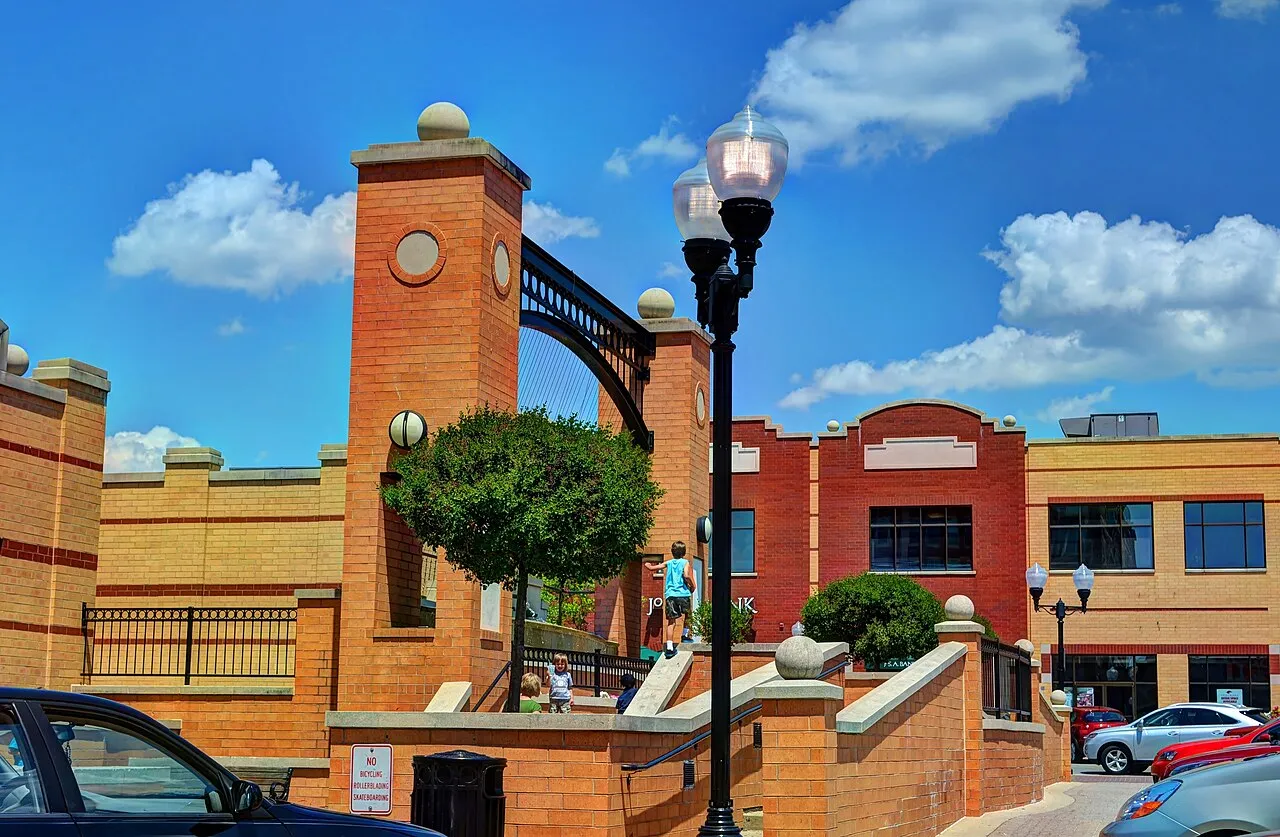
Downtown holds the independent shops, salons and service businesses on the streets around the station, with the Metropolis theatre and a cluster of restaurants in the same blocks. Rand Road and Dundee Road on the north side and Golf and Algonquin Roads on the south side carry the big boxes and strip centers. For regional shopping, Woodfield in Schaumburg is a short drive south on Route 53, and Deer Park Town Center is north on Rand Road.
One store draws from well beyond the village. Wikipedia notes that Arlington Heights has the only Mitsuwa Marketplace in the Midwest.
The tax side matters here too. CMAP puts the village's 2024 equalized assessed value at about $3.78 billion, of which $2.86 billion, about 76%, is residential. Homes carry most of the tax base, which is one more reason the Arlington Park parcel gets so much attention.
Groceries and Everyday Errands in Arlington Heights
Groceries are easy to keep local, and the village is big enough that the store you use will depend on which side you live on. Downtown has a Mariano's Fresh Market on Douglas Avenue, which the village's project list uses as a landmark for a proposed apartment building next door. Mitsuwa Marketplace is on the south side of the village. The strips along Rand, Dundee, Golf and Algonquin Roads cover the warehouse clubs, pharmacies and independent grocers.
The seasonal option is the village farmers market, which in 2026 runs Saturdays from May 9 through October 17 downtown. If you are touring houses on a Saturday morning in season, stop by. It shows you downtown at its busiest.
My advice on errands is the same as on commuting. Map the grocery store, the pharmacy and the gas station you will actually use from each house you are serious about. In a village of 16.6 square miles split by Route 53 and the tracks, the difference between two houses can be ten minutes each way.
Where Arlington Heights Eats
Downtown Arlington Heights is the dining center of the village, and the village runs it like one. Its 2026 events calendar lists Arlington Alfresco from May 1 through September 28, the season when downtown restaurants spread onto outdoor seating. Walk Score counts about 245 restaurants, bars and coffee shops in the village as a whole, with the densest group in the blocks around the station.
Outside downtown, restaurants follow the arterials: Rand Road, Arlington Heights Road, Golf Road and Algonquin Road carry the strip-center independents and the national chains. I don't try to list them here, because the list turns over every year. The best advice I give buyers is to eat near each house you are serious about. It is the fastest way to learn which part of Arlington Heights you would actually use.
The one food weekend on the calendar is Harmony Fest and the Taste of Arlington Heights, which the village lists for October 2 and 3, 2026.
Parks, Lake Arlington and Recreation in Arlington Heights
The Arlington Heights Park District, established in 1925, owns 456.53 acres and leases another 258.56 acres across 58 parks, per Wikipedia. It runs two golf courses, Arlington Lakes Golf Club and Nickol Knoll Golf Club, six aquatic facilities including the indoor pool at Arlington Ridge Center, Heritage Tennis Club, Forest View Racquet and Fitness Club, the Melas Park softball complex and the Arlington Heights Historical Museum. Park district boundaries don't always match the village line, so check which district an address pays into.
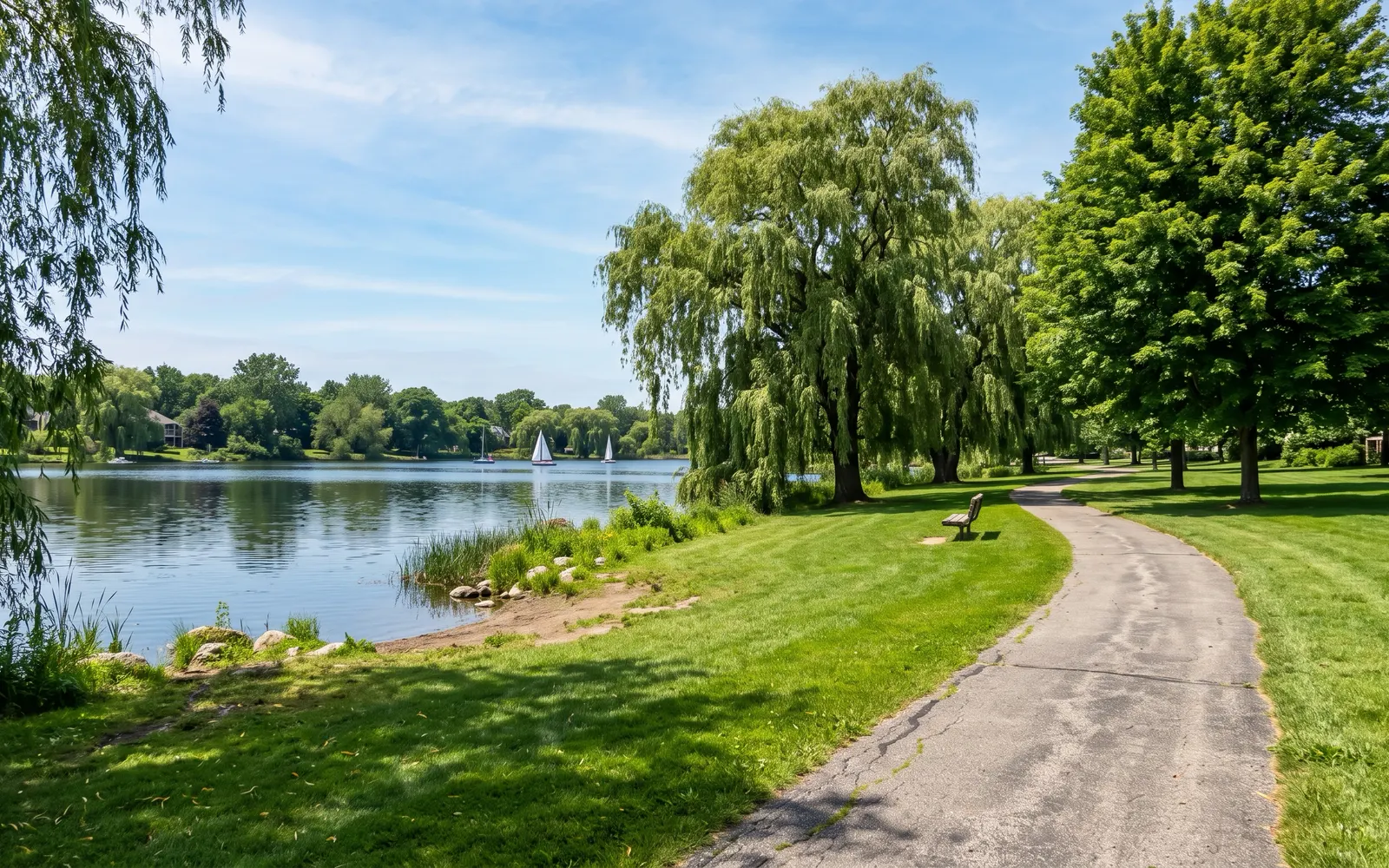
The signature park is Lake Arlington on the north side. The village's Wikipedia entry describes it as a man-made, 50-acre detention lake inside a 93-acre park with woods, tall-grass areas and 11 acres of wetland, circled by a 1.8-mile path. On a summer evening it is the busiest walking loop in the village.
Recreation Park, near downtown, is the other anchor. It hosts Frontier Days every summer, and the village's project list shows the park district's multi-phase plan there for new tennis courts, an accessible playground, a skate park, walking paths and parking, with later phases for the ball diamonds and pool. That list dates the plan to 2024 and marks it as proposed, so treat the timing as open.
The Arlington Heights Memorial Library
The Arlington Heights Memorial Library is at 500 N. Dunton Ave., a short walk from the downtown station. Its own timeline traces it to an 1887 reading circle; voters approved a public library on March 29, 1926, and it opened that April 17 in a rented room above a bank. The current building opened in June 1968 at 40,000 square feet, and a two-story addition completed in 1994 brought it to 132,000 square feet.
The library runs a Makerplace at 112 N. Belmont Ave., opened September 19, 2021, with 8,000 square feet of fabrication, 3D printing, sewing and a teaching kitchen, and it went fine-free on January 2, 2020. It also keeps the Genealogy & Local History collection, which is the best place to start if you want the history of a specific block or house. Its timeline notes an 11th Library Journal Five-Star rating in 2022.
Utilities and Village Services in Arlington Heights
Arlington Heights drinks Lake Michigan water. According to the village's water quality page, the village switched from deep wells to lake water in 1985. The City of Evanston treats and filters it, and the Northwest Water Commission carries it from the Evanston plant to its four member communities, Arlington Heights among them. The same page links the village's map of known lead service lines, which is worth checking for any older house.
Trash, recycling and yard waste go through the village's contract with Groot. The village is split into four collection quadrants, with refuse, recycling and landscape waste picked up on the same day, and carts come in 35-, 65- and 95-gallon sizes. The village's utilities page lists ComEd for electricity and Nicor Gas for natural gas; water service and billing are through the village.
One practical note for sellers: the village has no transfer stamp, but the title company will still need the final water bill paid, so schedule the final reading early.
Northwest Community Hospital and Health Care in Arlington Heights
Arlington Heights has its own full-service hospital. Northwest Community Hospital, at 800 W. Central Road on the south side, has 489 beds and a Level II trauma center. It was founded on December 2, 1959, and joined NorthShore University HealthSystem in January 2021; the combined system now operates as Endeavor Health. Wikipedia's 2017 employer list put Northwest Community Healthcare second in the village, with about 3,600 employees.
For a buyer, that means a Level II trauma center inside the village limits and a large medical-office corridor around Central Road.
The Metropolis and Nights Out in Arlington Heights
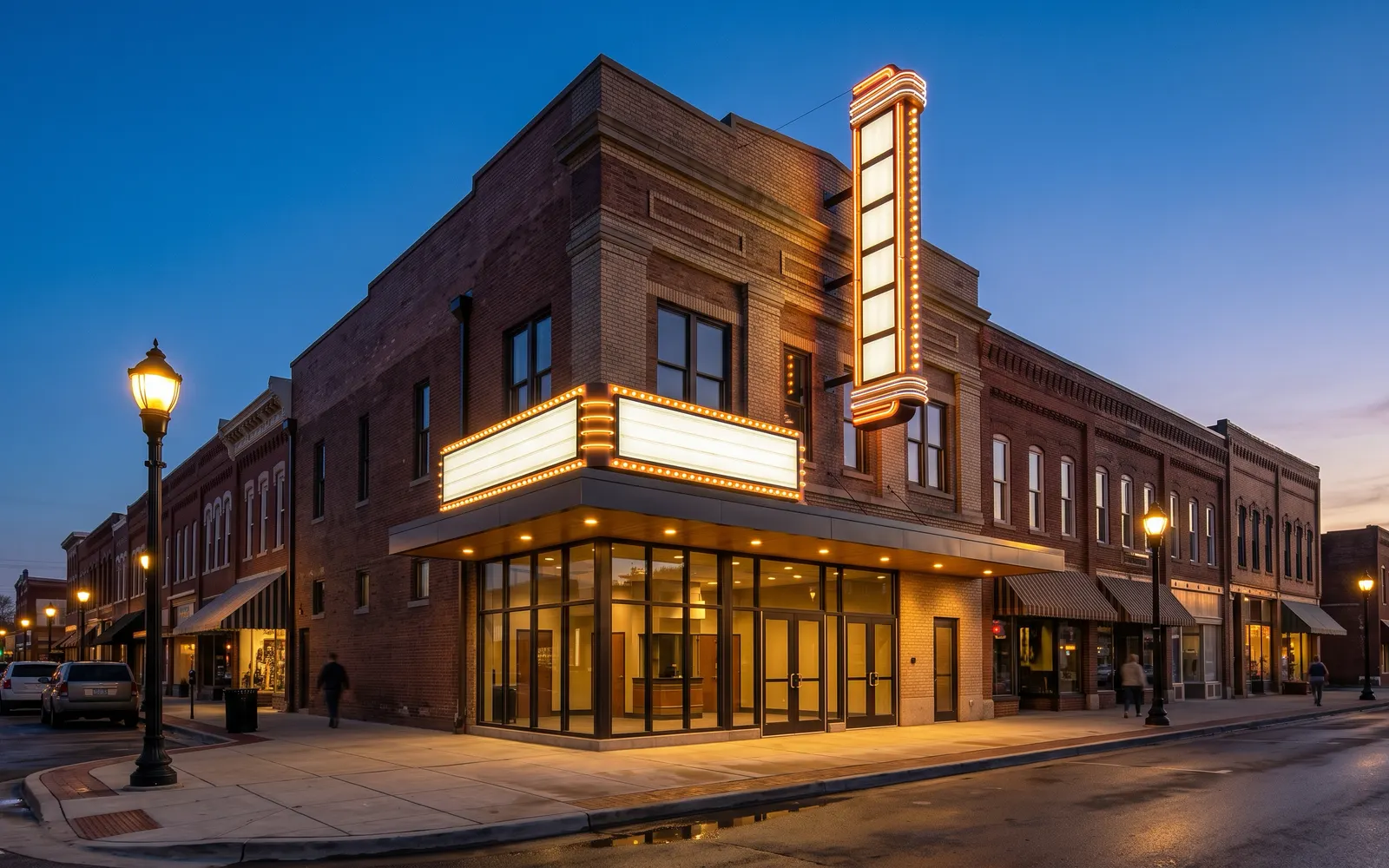
Downtown Arlington Heights has a real theater. The Metropolis Performing Arts Centre opened in 1999 and has a 350-seat theatre, a ballroom and classrooms for music and theatre, per the village's Wikipedia entry. The same entry notes the music venue Hey Nonny, which opened in 2018. Between the two, the restaurants around them and the train to Ogilvie, downtown works as a night out without a car.
The village has a music history too. From 1964 to 1970 a teen club called The Cellar booked The Who, The Byrds, Buffalo Springfield, Cream and The Spencer Davis Group. The park district's golf courses, bowling and the Sounds of Summer concerts fill in the rest of the calendar, and Chicago is one train away, though the last trains back leave Ogilvie in the evening, so check the schedule first.
Frontier Days and the Arlington Heights Calendar
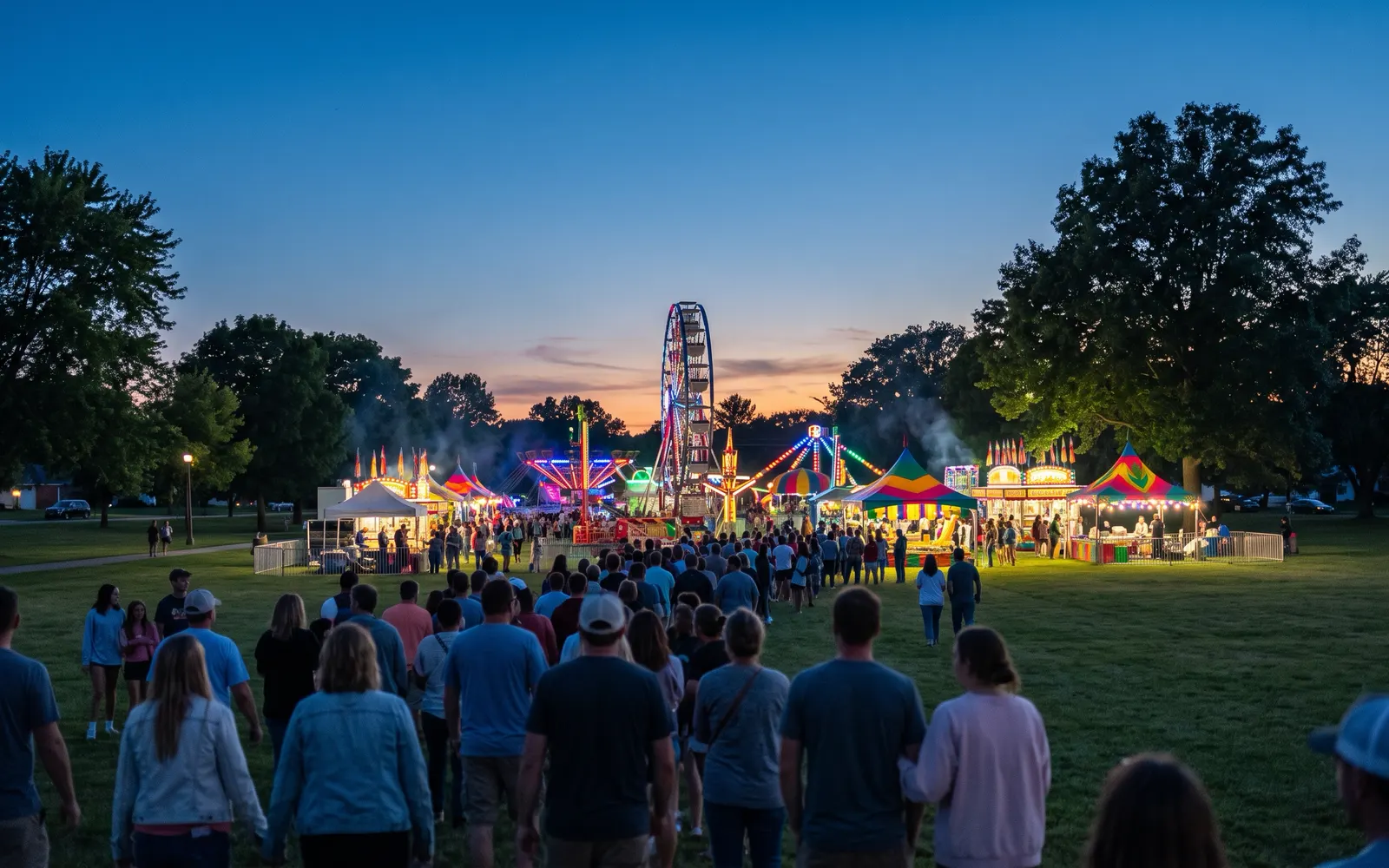
The big one is Frontier Days. The festival's own site says the 2026 edition was the 50th, run July 1 to 5 at Recreation Park, volunteer-run and free to enter, with a carnival, bands, food, a July 4 parade and, this year, a drone show. If you are touring houses over the Fourth of July, stop by. It shows you more about the town than a listing will.
The rest of the year has a steady rhythm, and the village's 2026 events calendar lays it out: the Saturday farmers market from May 9 to October 17, Arlington Alfresco downtown from May 1 to September 28, the Memorial Day parade on May 25, Sounds of Summer concerts on Thursdays from June 4 to August 27, Heritage Fest on September 19, Harmony Fest and the Taste of Arlington Heights on October 2 and 3, Autumn Harvest on October 10 and the tree lighting on November 27.
Arlington Park, the Bears and What's Being Built in Arlington Heights
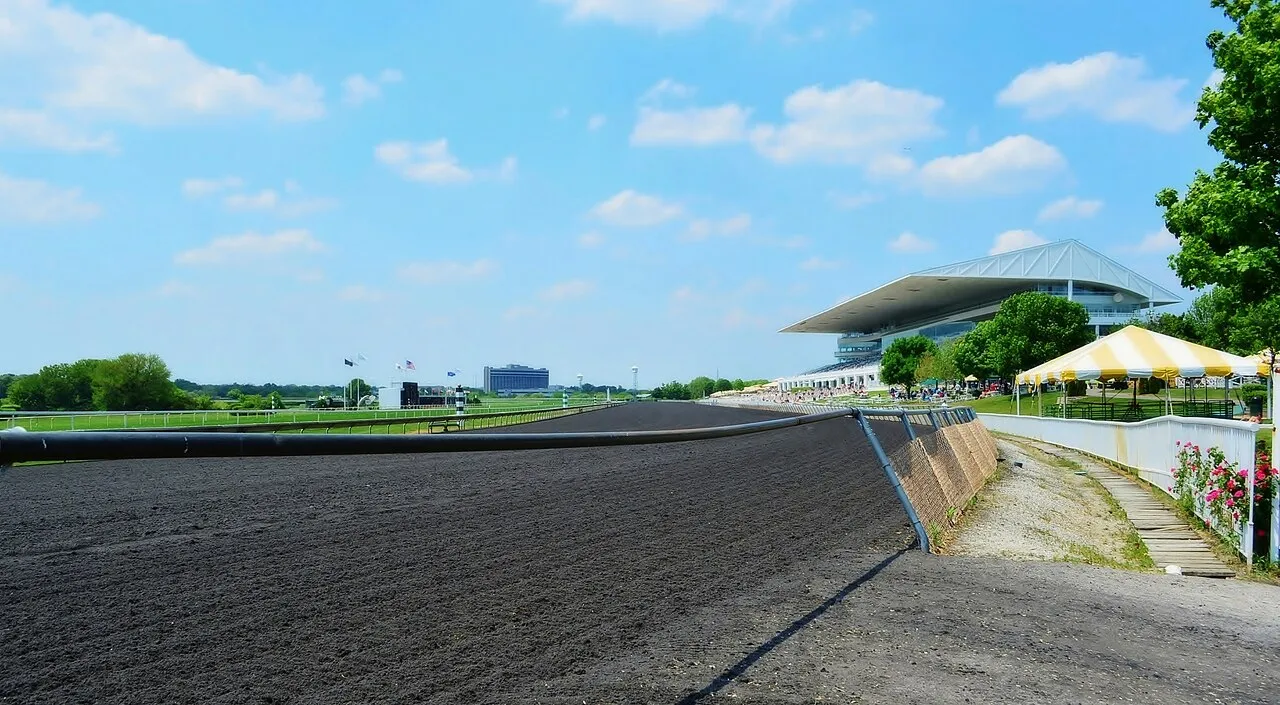
The biggest question in Arlington Heights is a 326-acre field. Here is what is decided and what isn't, as of late September 2026. The Bears signed a $197.2 million purchase agreement for Arlington Park on September 29, 2021, four days after its last race, and closed on February 15, 2023, per Wikipedia's Arlington Park entry. The grandstand came down in September 2023, and Wikipedia says the track was fully demolished by August 2025. The land is at 3200 W. Euclid Ave., next to the Arlington Park Metra station.
In 2026 the plan ran into Springfield and then into Indiana. The village's Arlington Park page records the steps. A megaprojects bill that would have let the site negotiate long-term property tax terms cleared a House committee on February 26, 2026, and passed the Illinois House in April. On March 3 the village said it had not received a traffic study from the Bears; the team had paused that study in fall 2025 and called property tax certainty a prerequisite. On June 1 the village said Springfield had not passed any legislation for the site that session. On June 5 the Bears' board voted to advance a stadium project in Hammond, Indiana, and the village's mayor issued a statement saying the village accepts that direction and still sees the site as a highly viable redevelopment property.
That is where it stood in August. The Chicago Sun-Times reported on August 13, 2026 that the team's focus remained on Hammond, where it was testing two possible sites, that communication with Illinois lawmakers had been minimal, and that the team would not rule out staying in Illinois. ABC7 reported on August 14 that no decision date had been set. So what is decided: the Bears own the land, the buildings are gone, and the tax deal of $3.6 million a year stands until construction starts. What isn't: whether anything is built there, what, and when.
For a buyer, I'd treat Arlington Park as an unknown, not a promise or a threat. A stadium would bring traffic and activity to the west side; a different project would bring something else; nothing at all is also possible for years. If you are buying near Euclid Avenue or Wilke Road, price the house on what is there today.
The rest of the pipeline is smaller and more certain. The village's development list shows Arlington Gateway, an eight-story building with about 300 apartments and 25,000 square feet of ground-floor retail at Algonquin and Arlington Heights Roads, as construction complete in 2026. A five-story, 60-unit apartment building at 5 N. Douglas Ave. was under staff review in 2026. The Mylo apartments at 116-120 W. Eastman St., a six-story building with 136 units, are listed as approved, with a 2024 status date, and I could not confirm a construction start. Arlington Downs on Euclid Avenue lists 214 apartments built and more than 500 more units and a 116-room hotel approved. With only 2.4% of the village's homes built since 2010, nearly all new housing here is apartments and condos near the train or the tollway.
I don't label any town or neighborhood as safe or unsafe.
Flood Risk and Drainage in Arlington Heights
Flooding in Arlington Heights is mostly a street-and-basement question rather than a river question, and it is a house-by-house one. Redfin, using First Street's model, rates the village's overall flood risk as minor, with 7% of properties at risk of severe flooding over the next 30 years.
The village is open about where the problems are. Its stormwater page says three flood studies from 2013 to 2016 identified 17 storm water projects. The ones it names include expanding the Cypress Street detention basin, relief sewers at Campbell Street, Sigwalt Street and Vail Avenue near downtown, where parts of the system are combined sewers, and larger storm pipes and storage in the Greenbrier and Roanoke Drive-Wilke Road area. The village also runs a sewer backup rebate program.
Three checks before you write an offer. Look the address up on the FEMA flood map, because a mapped flood zone can mean required flood insurance. Ask the seller directly whether the basement has ever taken water; the Illinois disclosure form asks, but a direct question gets a better answer. And have the inspector look at the sump pump, the backup, the grading and, on an older house, a camera scope of the sewer line to the street.
Frequently Asked Questions
Is Arlington Heights, IL in Cook County or Lake County?+
Cook County. Census Bureau estimates for 2025 put all 76,216 residents in Cook County, in Wheeling, Elk Grove and Palatine townships, and the Census Bureau's geography places the whole village in Cook. Every home in Arlington Heights carries a Cook County tax bill.
How much does a house cost in Arlington Heights, IL?+
Redfin reported a median sale price of $497,171 for the three months ending August 2026, up 4.7% from a year earlier. Its city guide puts the median single-family sale at $614,640, townhouses at $419,478 and condos at $220,933. Zillow's home value index was $495,520 for August 2026, up 8.9%.
What are property taxes in Arlington Heights, IL?+
Ownwell (April 2026) puts the median effective rate at 2.52% with a median bill of $8,400. Cook County reassesses every three years; the village's townships were revalued in 2025, and bills usually rise after a sale once the assessor catches up. The village has no transfer tax.
What school district is Arlington Heights, IL in?+
Several. District 25 is the village's own K-8 district, and Districts 21, 23, 15 and 59 serve other parts. High school is mostly District 214 (John Hersey, Buffalo Grove, Prospect, Rolling Meadows or Wheeling by street), with some north-side addresses in District 211. Confirm each address with the district.
How many Metra stations does Arlington Heights have?+
Two, both on the Union Pacific Northwest line to Ogilvie. In fall 2026 the downtown station has 31 weekday trains each way, with the fastest reaching Chicago in 36 minutes and a median of 51. Arlington Park has 31 each way, a 40-minute fastest trip and a 54-minute median.
Are the Bears still building a stadium in Arlington Heights?+
Undecided as of September 2026. The Bears own the 326-acre Arlington Park site, but after Illinois passed no megaprojects law in the spring session, the team's board voted on June 5, 2026, to advance a stadium in Hammond, Indiana. In August the team said it had not ruled out Illinois and set no decision date.
Is Arlington Heights walkable?+
Downtown is; most of the village is not. Walk Score rates Arlington Heights 48 (car-dependent) and 59 for biking. ZIP 60005, which includes downtown, scores 56, and 60004 scores 42.
Does Arlington Heights have a transfer tax?+
No village transfer tax, per the ATG summary and a November 2024 title company list. Sellers need a paid final water bill, and Cook County's transfer tax of 25 cents per $500 still applies.
Is new construction available in Arlington Heights?+
Mostly apartments. Only 2.4% of the village's homes were built in 2010 or later. Arlington Gateway's roughly 300 apartments are complete, and 5 N. Douglas (60 units) and the Mylo building on Eastman Street (136 units) are in the pipeline. New single-family homes are mostly teardown rebuilds.
Eshu Chikoti has extensive access to off-market listings throughout Arlington Heights and the rest of Cook County — homes that never make it to the public listing sites. That matters right now: in a seller's market like this one, well-priced homes routinely go under contract within days, and buyers relying only on public listings are competing for whatever is left over. Working with someone plugged into off-market inventory means seeing homes before the crowd does.
Eshu Chikoti · 847-691-4282 ·
Get new Arlington Heights listings by email
When a home comes on the market in Arlington Heights, I'll email it to you.
Just your email. Unsubscribe any time by replying.
Thinking About Arlington Heights?
Whether you're buying, selling, or just curious what's on the market, I can walk you through Arlington Heights street by street.