Wilmette, IL
Wilmette, IL is a Cook County lakefront village of about 27,500 people with a Metra stop, the Purple Line terminal, three public beaches, and home prices that climbed again in 2026.
Living in Wilmette, IL means a 33-minute express Metra ride to Ogilvie, the Purple Line terminal at Linden Avenue, New Trier High School, and a median sale price near $1.21 million this summer. The trade-offs are price, property tax near 2.2% of value, and a fresh Cook County reassessment.
Written by Eshu Chikoti · 847-691-4282 ·
How Wilmette, IL Got Here: A Short History
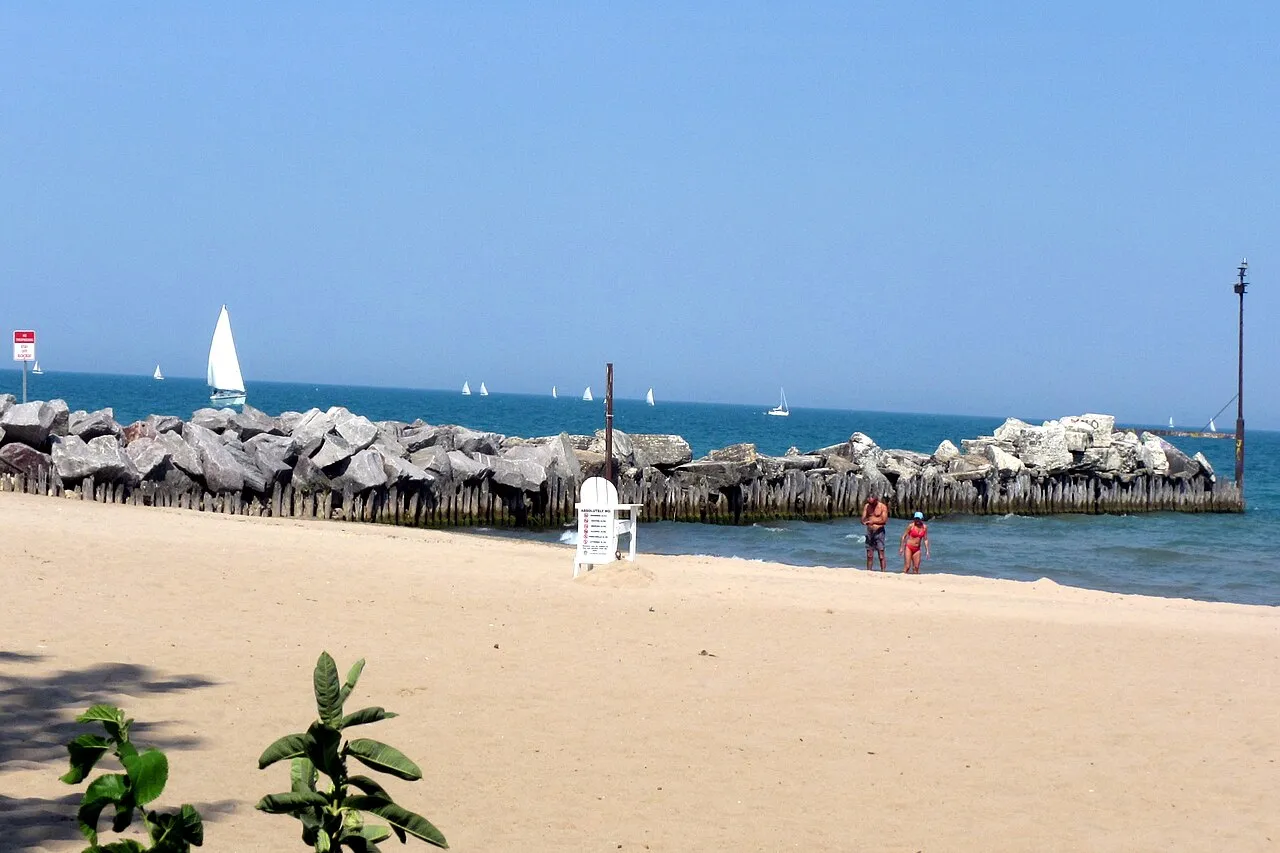
The village takes its name from Archange Chevallier Ouilmette. On July 29, 1829, under the Second Treaty of Prairie du Chien, the federal government granted her 1,280 acres of land in what is now Wilmette and Evanston, according to the Wilmette history on Wikipedia. The family moved to Council Bluffs, Iowa, in 1838, and the land was sold off and subdivided over the following decades.
Wilmette incorporated on September 19, 1872. The men who laid out the first streets were mostly real estate dealers. Local historian and former Village President John Jacoby makes the point in the village's own history series: the first village boards were made up largely of subdividers and builders who sold lots to Chicagoans looking for a way out of the city. The village stayed independent by a hair. An 1894 referendum on joining Evanston lost 168 to 165.
West of Ridge Road was a separate village called Gross Point, a farming town that gave New Trier Township its name through the settlers' hometown of Trier. Gross Point went bankrupt and dissolved in 1919, and Wilmette annexed it in two pieces, in 1924 and 1926. Its old village hall at 609 Ridge Road is now the Wilmette History Museum.
Two decisions from the 1920s still shape the housing stock. In 1924 the village permitted its first apartment building, the Linden Crest at Fifth Street and Linden Avenue. The backlash led to a "No Flats" campaign in the next election, and very few apartment buildings went up for about four decades. Then, after World War II, the farmland west of Ridge Road filled in with ranches and bi-levels. The population went from 18,162 in 1950 to 28,268 in 1960. The Edens Expressway opened in 1951 and Edens Plaza followed in 1956.
Wilmette at a Glance
Wilmette sits on Lake Michigan directly north of Evanston, about 14 miles from the Loop, and is the first of the North Shore villages you reach heading up Sheridan Road. It is entirely in Cook County, which matters if you are cross-shopping Lake County towns: Cook runs a different assessor, a different reassessment calendar and a different tax bill schedule. I cover that in the tax section below.
The 2020-2024 Census ACS puts the population at 27,503 on 5.4 square miles of land, with 10,679 housing units. Of the occupied homes, 87.9% are owner-occupied, and 76.3% of all units are detached single-family houses. The rest is a mix of townhouses and a real apartment and condo stock, most of it in larger buildings.
The layout is easier to learn than it looks. Ridge Road is the line everyone uses. East of Ridge is the older village, with a street grid, alleys and the downtown around the Metra station. West of Ridge is the old Gross Point territory, mostly built after 1945, running out to the Edens Expressway and a little beyond. Sheridan Road and Green Bay Road run north and south on the east side, and Lake Avenue and Wilmette Avenue carry most of the east-west traffic.
No other village here gives you a 33-minute express to Ogilvie and an L terminal in the same town.
The Cook County reassessment cycle means your bill can jump in a reassessment year.
Wilmette Neighborhoods, Pocket by Pocket
Wilmette has no official neighborhood map, but the market splits cleanly at Ridge Road. East of Ridge you get prewar houses on a grid with alleys, the historic districts, both rail stations and the lakefront. West of Ridge you get the postwar subdivisions, bigger blocks with no alleys, and quicker access to the Edens. The price gap is real. Redfin's Gross Point neighborhood, its name for the west side, had a median sale price of $901,065 over the three months ending August 2026, down 3.2% from a year earlier across 72 sales. The village as a whole was at $1,209,200 over the same window.
The second split is the infrastructure underneath. East of Ridge the sewers are mostly combined, and the village uses inlet restrictors that hold water in the street to protect basements. West of Ridge the storm and sanitary sewers are separate, and that side got the village's $64.1 million flood-storage project. I explain both in the flood section, because they change what a basement inspection should look for.
The pockets below are the names you will see on listings and hear from locals. Boundaries are informal. If you want to know which pocket a specific address sits in, which schools it feeds and what that pocket has actually sold for lately, that is a conversation I am happy to have here.
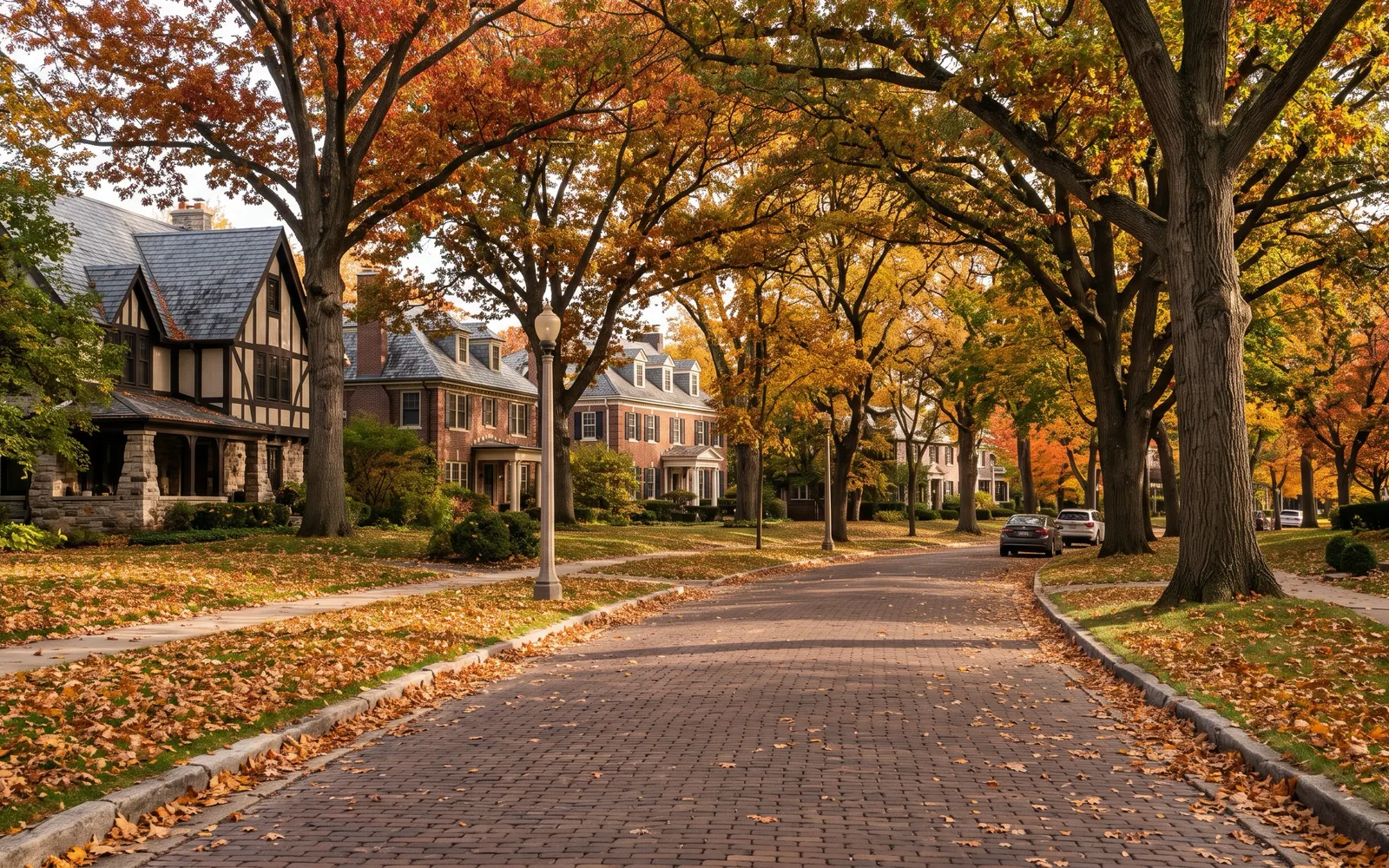
Ouilmette North Historic District. 46 blocks on the east side bounded roughly by Chestnut Avenue, Sheridan Road, Lake Avenue and 13th Street, listed on the National Register in 2005. Mostly pre-1940 houses on the grid, walkable to the lake and to downtown.
Village Center. The downtown around the Metra station at Green Bay Road, Central Avenue and Wilmette Avenue. This is where Wilmette's newer condos and apartments are, including the 100-unit Optima Verdana (opened 2023) and the approved 128-unit Optima Lumina next door.
Linden Square. The small district around Fourth Street and Linden Avenue at the Purple Line terminal. The village's business staff describe it as an arts district, and it is the closest pocket to the Baha'i House of Worship and the lake.
Sheridan Road lakefront and Plaza del Lago. Houses along Sheridan Road and the lakefront streets, plus the high-rise apartment and townhome cluster built between 1962 and 1968 around Plaza del Lago. The most direct lake access in the village, and the widest range of price points on one road.
Kenilworth Gardens. Six east-west streets between Ridge Road and Hunter Road (Beechwood, Kenilworth, Chestnut, Thornwood, Greenwood and Elmwood), per the village history series. Mostly 50-foot lots, no alleys, houses from the 1920s, the 1930s and the postwar years. Not the same thing as the neighboring village of Kenilworth.
Indian Hill Estates. A subdivision started in 1926 with long winding roads named after Native American tribes and homes on deep setbacks, with early houses in European revival styles.
Gross Point and the west-side subdivisions. The postwar tracts west of Ridge and especially west of Hunter Road, built in the 1950s building boom with names like Sprucewood Village. Mostly ranches, bi-levels and split-levels, and the most common way into a Wilmette address below the village median.
Oak Circle Historic District. A small National Register district at 318 to 351 Oak Circle, listed in 2001.
The Avoca-district pocket. Part of west Wilmette is served by Avoca School District 37 instead of District 39 for grades K-8, including the area around Marie Murphy School on Illinois Road. Confirm by address; it changes the elementary and middle school but not the high school.
What Wilmette Homes Look Like, by Era
Wilmette is older than most suburbs I work in, and the numbers show it. In the 2020-2024 ACS, 3,050 of the village's 10,679 housing units, 28.6%, were built in 1939 or earlier. Another 4,103, or 38.4%, went up in the 1950s and 1960s. Only 546 units, about 5%, date from 2010 or later. So two out of three homes here are either prewar or from the postwar boom, and the housing styles follow that split.
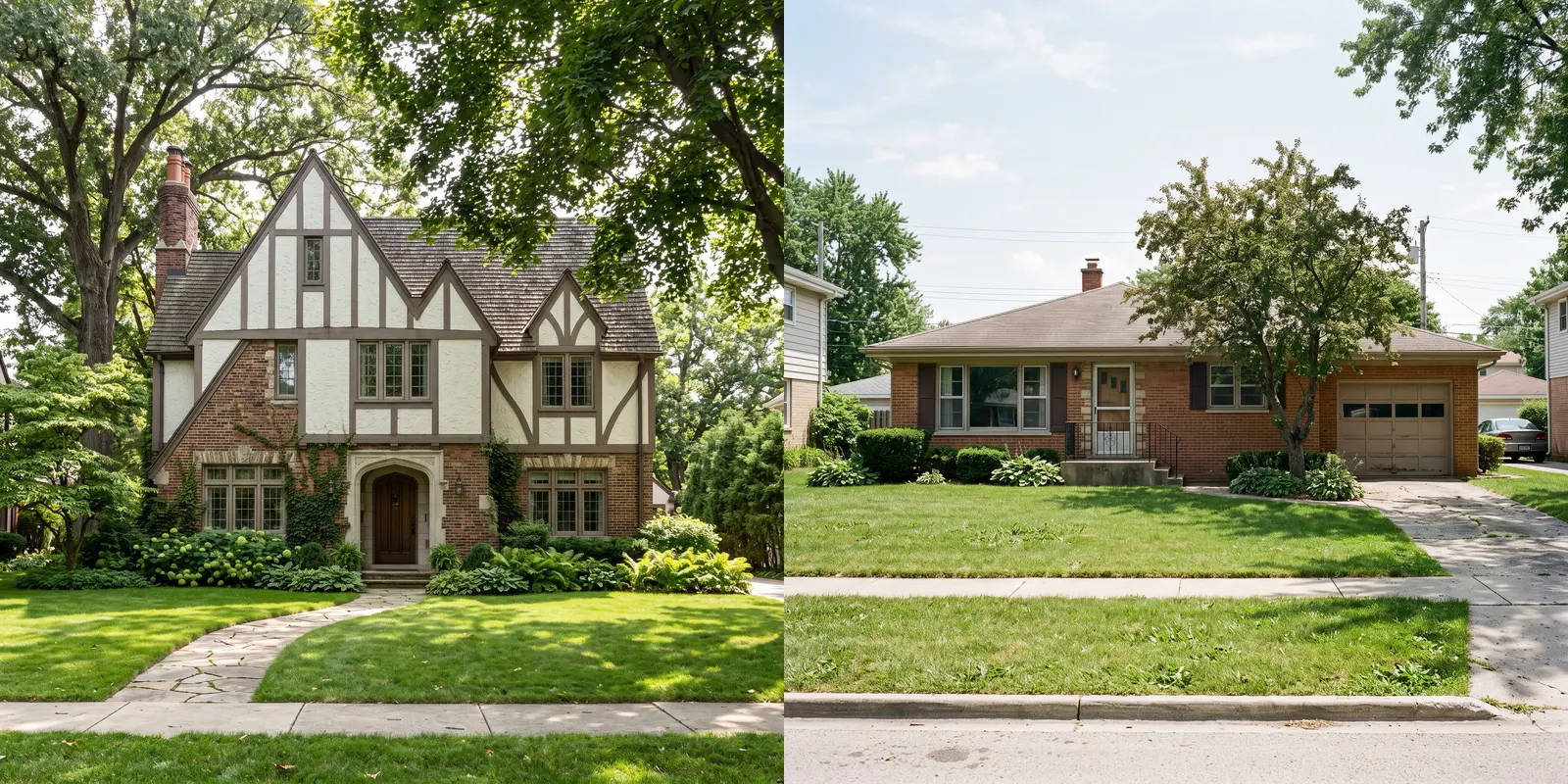
East of Ridge, the prewar houses run from Victorians and foursquares to Tudor, Colonial and Spanish revival homes of the 1920s. Wilmette also has two Frank Lloyd Wright houses, including the Frank J. Baker House at 507 Lake Avenue, and Prairie School work by Wright's contemporaries such as John S. Van Bergen. West of Ridge, the 1950s tracts are ranches, bi-levels and split-levels, often expanded with a second story or a rear addition decades later.
New construction mostly means teardowns. The village posts every single-family demolition permit on its development updates page. From October 25, 2025 through April 30, 2026 it listed 14 of them, spread across both sides of Ridge. That is a steady trickle, not a wave, and it means most blocks still have their original houses next to one or two new builds.
The ACS puts the median owner-occupied home value at $810,600 and the median gross rent at $1,978. Rentals are a small slice: about 1,524 units sit in buildings of 20 or more units, most of them along Sheridan Road and near downtown.
The things I would check first in an older Wilmette house are the ones any prewar North Shore house carries: knob-and-tube or undersized electrical service, galvanized or clay sewer lines, and basement water history. The sewer lateral is the owner's responsibility up to the main under village code, so a camera inspection is money well spent. My home inspection checklist covers the rest.
The Wilmette Housing Market in 2026
Wilmette is a competitive market right now. Over the three months ending August 2026, Redfin reported a median sale price of $1,209,200, up 13.0% from a year earlier. Homes sold in a median of 30 days, down from 34. The sale-to-list ratio was 105.9%, and 65.1% of homes sold over asking. Redfin counted 126 sales against 127 a year earlier, so the volume was flat while the price moved.
Redfin gives Wilmette a Compete Score of 78 out of 100, which it calls very competitive, and says homes get about four offers on average. The price per square foot was $466, up 15.8%. Only 10.9% of listings took a price cut.
This year the two main data sources agree, which is not always the case. Zillow's home value index for Wilmette was $1,014,121 in August 2026, up 13.4% from $894,307 in August 2025 and up about 21% over two years. Zillow's index estimates the value of every home, sold or not, so it runs below Redfin's median of what actually sold. When the index of all homes and the median of sold homes both rise about 13%, that is a real move in values, not a shift in the mix.
The village number hides a wide spread. The west side's Gross Point neighborhood had a median of $901,065 over the same three months and was actually down 3.2%, while lakefront and east-side houses pulled the village median up. The expectation I most often have to reset for buyers coming from Lake County is that an offer at asking is not an aggressive offer here. At 105.9% of list on average, it is often the low bid. If you are weighing whether to jump in this year, my take on whether it is a good time to buy in 2026 walks through the rate side.
Wilmette Property Taxes and the Cook County Calendar
Wilmette's tax rate is a little below the Illinois average, but the prices are high enough that the bills are large. Ownwell's data, updated April 13, 2026, puts the median effective rate at 2.18% and the median annual bill at $13,388. Across the 60091 ZIP code, bills run from $4,989 at the 10th percentile to $28,747 at the 90th. Ownwell has the Cook County median rate at 2.14% and the Illinois median at 2.33%.
Here is what that looks like on a real purchase. At 2.18%, a house bought at this summer's $1,209,200 median would eventually carry about $26,400 a year in tax, roughly $2,200 a month on top of the mortgage. Ownwell's median bill is much lower because its median home value, $626,025, reflects the whole stock, including condos, and because assessments trail sale prices. Budget off the rate, not the seller's current bill.
The Cook County mechanics are different from Lake County's. Under the Cook County Assessor's formula, a home's assessed value is 10% of its estimated market value. A state equalizer is applied to get the equalized assessed value, exemptions come off, and the local tax rate is applied to what is left. The first-installment bill is always 55% of the prior year's total; the second installment carries the new assessment and levies.
Timing matters here. Wilmette is in New Trier Township, with a portion of the village in Northfield Township, and both are in the Assessor's north-suburban group. Cook reassesses on a triennial cycle. The Assessor released New Trier's 2025 reassessment on April 23, 2025: total assessed value in the township grew 39% since the last reassessment in 2022, and the Assessor noted that 2024 single-family sales had a median of $1,314,000 against its median estimate of $1,186,000. That puts the next north-suburban reassessment in 2028.
Those 2025 values land on the second-installment bills issued in 2026, and those bills were late. WTTW reported on August 18, 2026 that the second installment of 2025 taxes arrived about two months behind schedule and is due October 1, 2026. If you are buying or selling this fall, make sure the closing prorations use the actual bill rather than an estimate from last year. My Illinois closing costs guide explains how the proration works.
This is general information, not tax advice. Your actual bill depends on your parcel, your exemptions and the assessor.
Wilmette Schools: District 39 and New Trier
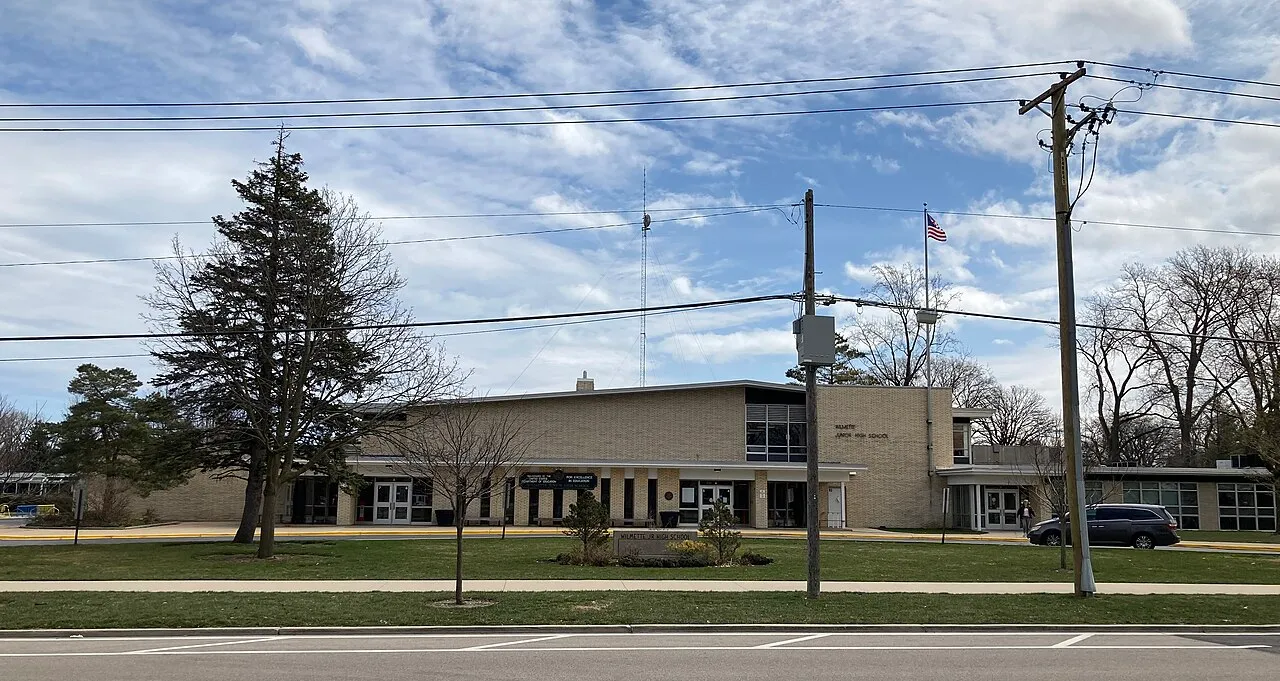
Most of Wilmette is served by Wilmette Public Schools District 39 for kindergarten through eighth grade: four elementary schools (Central, Harper, McKenzie and Romona) for grades K-4, Highcrest Middle School for grades 5 and 6, and Wilmette Junior High School for grades 7 and 8.
High school is New Trier Township High School District 203. New Trier runs two campuses: first-year students attend the Northfield campus, and grades 10 through 12 attend the main campus at 385 Winnetka Avenue in Winnetka.
The detail that trips people up is the west side. Avoca School District 37 serves portions of Wilmette along with parts of Glenview, Northfield and Winnetka, and its graduates also go on to New Trier. Its Marie Murphy School at 2921 Illinois Road in Wilmette covers grades 6 through 8, and Avoca West in Glenview covers the elementary grades. So two houses a few blocks apart in west Wilmette can feed different K-8 districts and the same high school.
Wilmette also has private options, including Loyola Academy and Regina Dominican High School. Whatever you are considering, check the specific address with the district before you write an offer. I will pull the boundary for any house you send me.
Central Elementary School. 910 Central Avenue. Grades K-4, District 39.
Harper Elementary School. 1101 Dartmouth Street. Grades K-4, District 39.
McKenzie Elementary School. 649 Prairie Avenue. Grades K-4, District 39.
Romona Elementary School. 600 Romona Road. Grades K-4, District 39.
Highcrest Middle School. 569 Hunter Road. Grades 5-6, District 39.
Wilmette Junior High School. 620 Locust Road. Grades 7-8, District 39.
Marie Murphy School. 2921 Illinois Road. Grades 6-8, Avoca District 37 (serves part of west Wilmette).
New Trier Township High School. 385 Winnetka Avenue, Winnetka (grades 10-12), with the first-year campus in Northfield. District 203.
Commuting from Wilmette: Metra and the Purple Line
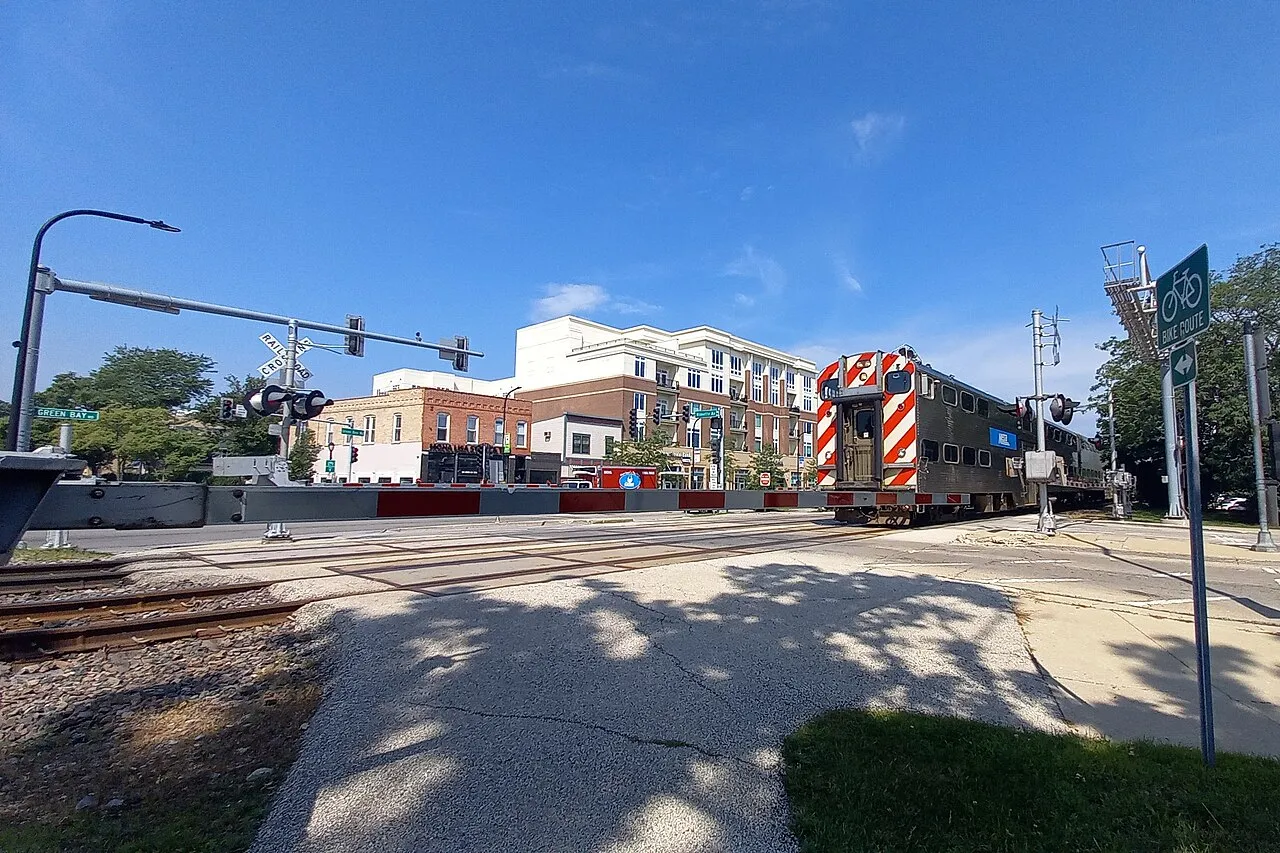
Wilmette is one of the few suburbs with two rail options, and that is the biggest practical difference between it and the villages farther north. The Wilmette Metra station, on Green Bay Road between Central and Lake avenues, is on the Union Pacific North line into Ogilvie Transportation Center. From Metra's current published schedule data, 35 weekday trains run inbound from Wilmette and 36 outbound, with 15 each way on Saturdays and 15 each way on Sundays.
The ride is short. The morning expresses (the 7:07, 7:37, 8:07, 8:37 and 9:07 departures) reach Ogilvie in 33 minutes, and the other inbound trains take 36. Coming home, the rush-hour trains take 29 minutes and the rest 32. Two more UP-N stations sit just outside the village line, Kenilworth to the north and Central Street in Evanston to the south, which helps if you live near either edge.
The second option is the CTA. Linden, at 349 Linden Avenue, is the northern terminal of the Purple Line and the only CTA rail station in Wilmette. During weekday rush hours the Purple Line runs express from Howard into the Loop; at other times it runs as a shuttle to Howard, where you change to the Red Line. The CTA lists park-and-ride parking at Linden at $4 for 24 hours or $80 a month, and Pace routes 421, 422 and 423 connect there.
In practice, Metra is the fast option for the Loop, and the L is the flexible one: late evenings, the North Side, Evanston and Northwestern. Among the New Trier Township villages, Wilmette is the only one with an L station, and for a hybrid schedule that second option is worth more than it looks on a map.
Driving from Wilmette: The Edens and Sheridan Road
The Edens Expressway (I-94), which opened in 1951, runs along the west side of Wilmette with an interchange at Lake Avenue. It is the direct route into the city, merging into the Kennedy, and the way most west-siders reach O'Hare and the Tri-State. From the east side, Sheridan Road and Green Bay Road carry traffic north to Kenilworth and Winnetka and south into Evanston.
Inside the village, the main east-west roads are Lake Avenue and Wilmette Avenue, with Old Glenview Road and Glenview Road on the west side. The village's 2026 capital program is mostly maintenance: a $3.72 million road program, $1.63 million in alley reconstruction and brick street work on Forest Avenue and 14th Street. None of it is the kind of multi-year corridor closure that changes a commute.
Is Wilmette Walkable?
More than most North Shore suburbs. Walk Score rates Wilmette 58, somewhat walkable, with a Bike Score of 56 and a Transit Score of 35. Walk Score does not publish separate scores for Wilmette neighborhoods, so the village number is an average of two very different sides.
On the east side, the grid, the alleys and the two downtowns (Village Center and Linden Square) mean you can walk to a train, a coffee shop, the library and the beach from a lot of addresses. West of Ridge, the blocks are longer and the shopping is in centers like Edens Plaza, so daily life is mostly by car.
For bikes, the Green Bay Trail runs north from Wilmette through the North Shore villages, and a portion of it is maintained by the Park District. The village also lists a Glenview/Wilmette/Ridge bicycle project on its current capital program.
Shopping in Wilmette: Three Districts, Three Speeds
Wilmette has 396 storefronts, and in August 2025 only 24 were empty, a 6.06% vacancy rate, according to the village's economic development memo. The shopping splits into three very different places.
Village Center, the downtown around the Metra station, is the everyday district: restaurants, services, the Wilmette Theatre and independent shops. The village says a storefront that empties downtown is usually leased again within one to two months.
Plaza del Lago on Sheridan Road, built in the 1920s as the Spanish Court and one of the oldest shopping centers in the country, has been through a full renovation by its owner, WS Development. As of the village's May 2026 update, it had 21 signed leases, with 12 new storefronts open (among them Veronica Beard, James Perse, Jenni Kayne and rag & bone) and 9 more coming, including Hermès and Oscar de la Renta. Jewel-Osco, CVS, Starbucks and Convito Café & Market stayed.
Edens Plaza, on Lake Avenue by the expressway, is the big-box stop. Wayfair opened its first full-line store there on May 23, 2024, with 150,000 square feet. The village's Edens Plaza page says Club Studio fitness and Walter E. Smithe Furniture are due in 2027. For a full mall, Westfield Old Orchard in Skokie is the closest.
Groceries and Errands in Wilmette
The main full-service grocery inside the village is the Jewel-Osco at Plaza del Lago, which the village confirms is staying through the renovation, along with Convito Café & Market in the same center. From April through October, the Wilmette French Market runs Saturdays from 8 a.m. to 1 p.m. just east of the Metra station, and in 2026 it runs April 18 through October 31.
The gap is on the west side. The former Treasure Island grocery at Ridge Road and Lake Avenue is still vacant, and the village's October 2025 memo says grocers have looked at it but cited parking, traffic and the upgrades it needs. That site is part of the Ridge Road zoning study in the development section. In the meantime, most west-side errands run to Edens Plaza or across the village line into Glenview and Skokie.
Where Wilmette Eats
Most of the restaurants are in Village Center and along Ridge Road. The village's own business memos track the openings, and the 2025 list shows the direction: Egg Harbor Café and Small Cheval downtown, Gratitude Bakeshop and Coffee on Ridge, Buttermilk Café in the old Baker's Square on Skokie Boulevard, and Just Salad at Edens Plaza. Wayfair's store at Edens Plaza has its own restaurant, The Porch.
At Plaza del Lago, The Henry, a neighborhood restaurant, had passed its final village inspections as of the May 2026 update, joining Convito, which has been part of the center for years. I don't rank restaurants here, because the list changes faster than this page will. The Saturday French Market is the other food anchor from spring through fall.

Wilmette Beaches, Parks and the Lakefront
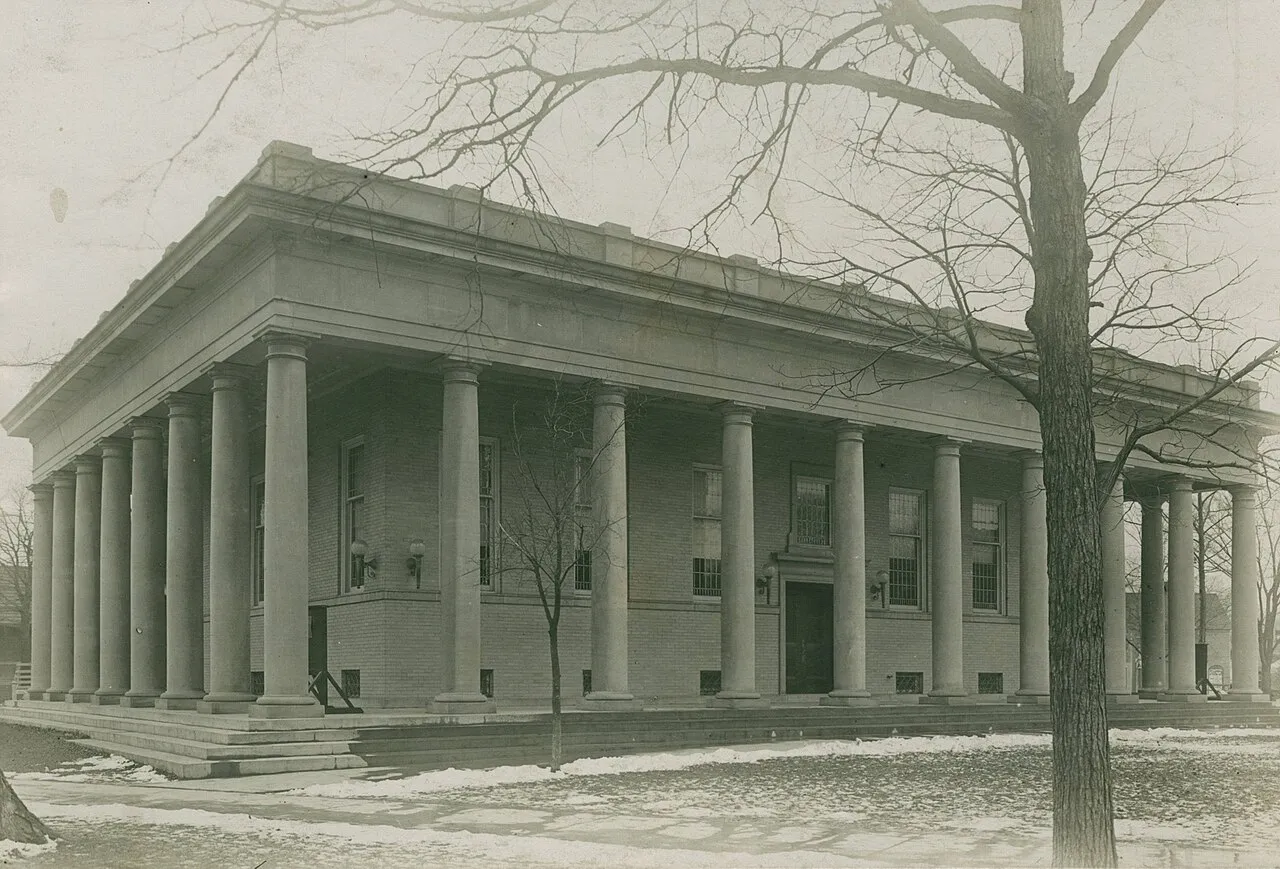
The lakefront is the reason a lot of buyers look here first. The Wilmette Park District, created by a 174-to-37 vote in 1908, oversees more than 300 acres of parks and open land. The centerpiece is 60-acre Gillson Park at 800 Gillson Park Drive, with the main swimming beach, a sailing beach, a dog beach, picnic areas, the Lakeview Center and Wilmette Harbor. The village has three public beaches in all.
Away from the lake, Centennial Park has the outdoor pools and indoor ice rinks. The Wilmette Golf Club is a public course run by the Park District on land voters approved buying from Northwestern University in 1972. Keay Nature Center, the Community Playfield and Mallinckrodt Park fill out the list, along with platform tennis, pickleball and a 10,000-square-foot gymnastics center at the Community Recreation Center.
Beach access requires a park district pass or daily fee in season, so check the Park District's current rates before you plan around it.
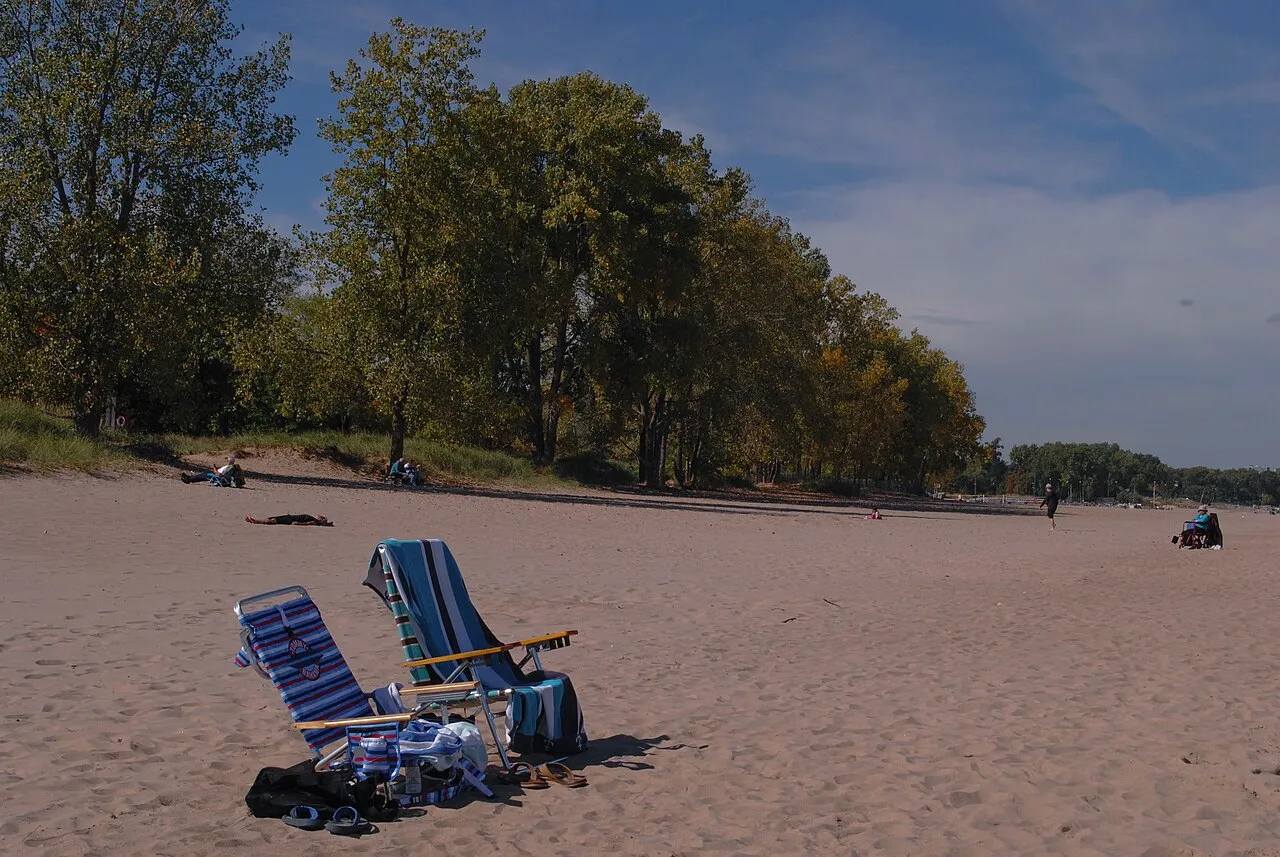
Gillson Park and Beach. 800 Gillson Park Drive. 60 acres with the main swimming beach, sailing beach, dog beach, picnic areas, the Lakeview Center and Wilmette Harbor.
Langdon Park beach. A smaller public beach on the east side, per the Park District.
Elmwood Dunes Preserve. Nearly an acre of restored lakefront bluff and dune with 80 feet of frontage and more than 50 native plant species, reopened November 1, 2015, per the village.
Centennial Park. Outdoor pools, tennis and the indoor Centennial ice rinks.
Wilmette Golf Club. A public course run by the Park District, on the former Northwestern University course bought in 1972.
Keay Nature Center. A small nature site off Hibbard Road, dedicated in 1981.
The Wilmette Public Library
The Wilmette Public Library at 1242 Wilmette Avenue sits a short walk from the Metra station and also serves neighboring Kenilworth. It is open Monday through Thursday from 9 a.m. to 9 p.m., Friday 9 to 6, Saturday 9 to 5 and Sunday noon to 5, and its calendar runs author talks, classes and programs most days of the week.
Utilities in Wilmette: Lake Water and a Stormwater Fee
Wilmette makes its own drinking water. The Carbon P. Dubbs Water Treatment Plant, first built in 1933 and expanded several times since, draws from Lake Michigan and supplies nearly 150,000 people in Wilmette, Glenview, Golf, Kenilworth and parts of Prospect Heights and unincorporated Maine Township.
ComEd delivers electricity. The village's municipal aggregation agreement with MC Squared Energy Services runs from September 2025 through September 2031 and prices supply at the ComEd rate, with the village receiving a civic contribution for a home environmental incentive program. Nicor Gas provides natural gas.
The line item buyers miss is the stormwater utility fee, which pays down the west-side flood project. In 2026 the single-family rates are $215 a year for under 3,000 square feet of impervious surface, $265 for 3,000 to 4,300, and $345 above that, billed quarterly with water. Every single-family property pays it, east or west of Ridge.
Hospitals Near Wilmette
The closest full-service hospital is Evanston Hospital, part of Endeavor Health, at 2650 Ridge Avenue in Evanston, just south of the village line. Glenbrook Hospital in Glenview and Highland Park Hospital are in the same system and within a short drive for specialty care.
Landmarks and Nights Out in Wilmette
The landmark everyone knows is the Baha'i House of Worship at 100 Linden Avenue, across from the Purple Line terminal. Designed by architect Louis Bourgeois, it was under construction from 1920 until its dedication on May 2, 1953, and it was added to the National Register of Historic Places in 1978. Its visitor center is open daily from 10 a.m. to 6 p.m., admission is free, and the gardens along Sheridan Road are open to visitors.
Architecture fans have more to see on foot: two Frank Lloyd Wright houses, the Ouilmette North and Oak Circle historic districts, the 1939 Art Deco St. Joseph church building on Ridge Road, and the old Chicago and North Western depot on Wilmette Avenue, on the National Register since 1975. The Wilmette History Museum in the old Gross Point Village Hall runs an annual historic housewalk.
For a night out, the Wilmette Theatre on Central Avenue is a two-screen house that shows new releases and classic films and hosts live events. Ravinia Festival in Highland Park is a straight shot north on the UP-N line.

Wilmette's Yearly Traditions and 2026 Dates
The village posts its big events on its community events page, and the 2026 calendar gives a good feel for the year. It opens with Winterfest downtown on February 7. The Memorial Day Parade on May 25 starts at Lake Avenue and Ridge Road and heads east toward Village Hall. The Historic Housewalk ran May 17.
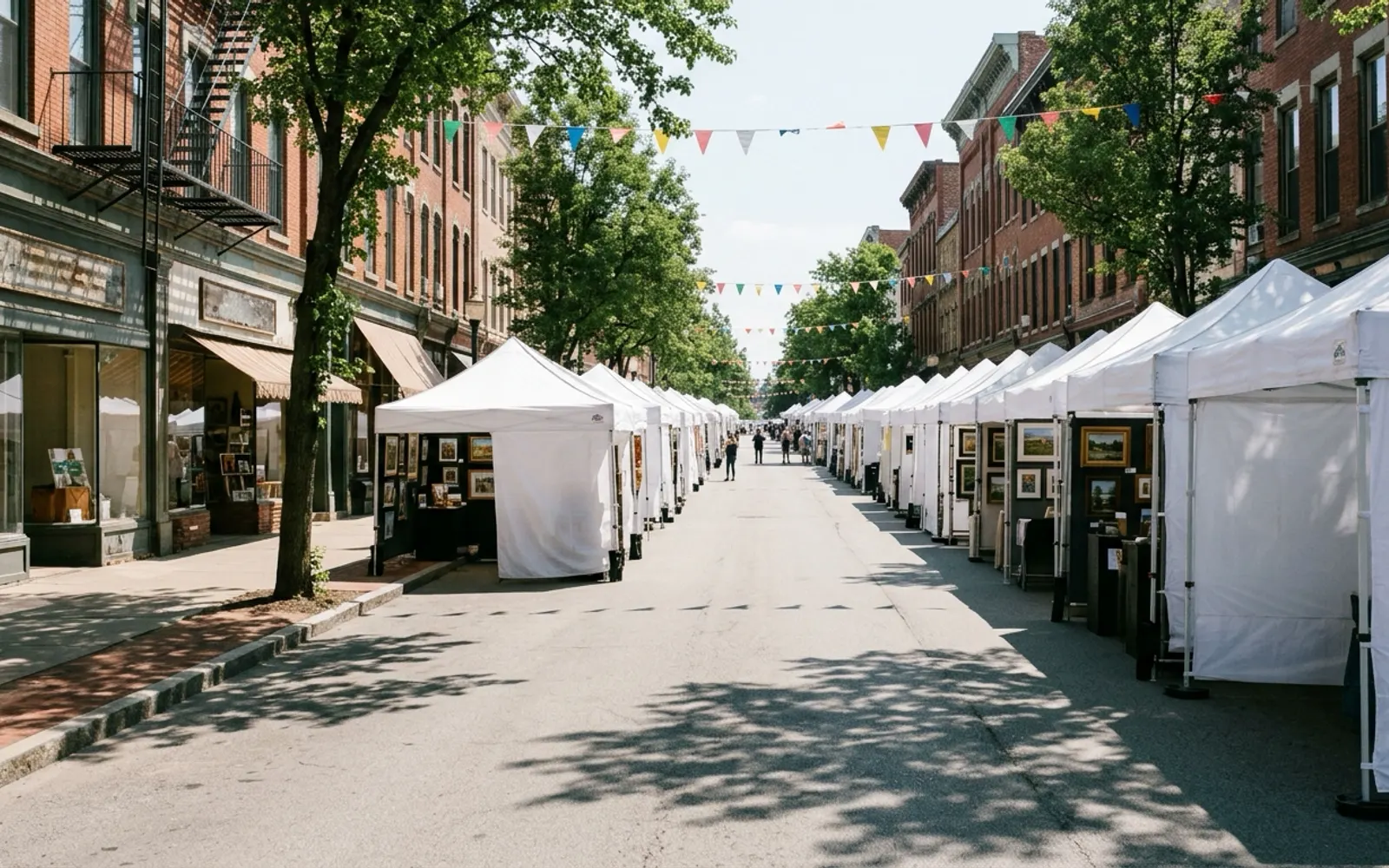
Summer is the busy stretch. The Park District's summer music series runs at different parks from June through September. The Wilmette Art Fair filled downtown on August 1 and 2, and the Wilmette Block Party took over downtown on August 29 from noon to 10 p.m. The Wilmette History Museum's Auto Historica vintage car show was September 27.
The fall still has a few dates left this year: the Fire Department Open House on October 3 at Fire Station 26 (1304 Lake Avenue), the police department's Trunk or Treat on October 15 in the Poplar Avenue lot, and Holiday Happenings on December 5. If you are touring houses in August, go to the Block Party. It shows you the downtown at its busiest.
What's Being Built in Wilmette
Wilmette changes slowly, and most of what is moving now is on land that was already commercial. The biggest residential project is Optima Lumina at 721-739 Green Bay Road, the former Imperial Motors site across from the Metra station. According to the village's project page, the Village Board approved the 128-condominium planned development 6 to 1 on October 22, 2024, and took up the final plan on April 8, 2025. Optima describes a six-story building with one- to three-bedroom homes and about 5,900 square feet of retail, next to its 100-unit Optima Verdana rental building that opened in 2023. A sales gallery is open at 711 Green Bay Road.
The largest public project is the new police station at 710 Ridge Road. The village's construction page puts it at 53,000 square feet and $41.5 million, with a groundbreaking on June 9, 2026 and opening planned for late fall 2027. The village says it is being built without a property tax increase. The department is working out of a temporary station at 3220 Big Tree Lane until then.
On the commercial side, Plaza del Lago's re-tenanting and Edens Plaza's backfill are covered in the shopping section. The one to watch for home values nearby is the 2026 Ridge Road Zoning Project, which is studying zoning changes around Ridge and Lake, including the vacant Treasure Island building. The village is clear that no changes have been adopted. It is also writing a village-wide Housing Plan through its Housing Commission, following the Comprehensive Plan adopted in June 2024.
Smaller items from the village's October 2025 memo: a proposed 3-story, 6-unit condominium building on the old NorShore Meats site at 421 Ridge Road, and the vacant southwest corner of Central Avenue and Green Bay Road listed for sale, which the village flagged as a mixed-use opportunity alongside its own lot at 1225 Central.
I don't label any town or neighborhood as safe or unsafe.
Flood Risk in Wilmette: Lakefront, East Side, West Side
Redfin, using First Street's model, rates Wilmette's overall flood risk as minor, with 239 properties, about 8%, at risk of severe flooding over the next 30 years. The risk in Wilmette is mostly about rain and sewers rather than the lake, and it looks different on each side of Ridge Road.
West of Ridge had a long history of street and basement flooding. The village's answer was the Neighborhood Storage Project, the largest capital project in its history: $64.1 million, 13.8 million gallons of underground storage under Community Playfield, Hibbard Park and Thornwood Park, and 5 miles of new storm sewer, finished at the end of 2022. It is built for storms larger than a 10-year event. For a west-side house, the question to ask is whether any water history predates 2022 or came after it.
East of Ridge the sewers are mostly combined. According to the village's flooding page, inlet restrictors there deliberately hold rainwater in the street during heavy storms so it doesn't back up into basements. Standing water on an east-side street after a big rain is often the system working. Sewer backups can still happen on either side, which is why a sewer lateral camera inspection belongs on every older house.
Two checks before any offer: look the parcel up on the FEMA flood maps the village links from its FEMA page, and ask the seller directly about water in the basement and what was done about it. For lakefront and bluff properties along Sheridan Road, add a question about shoreline and bluff condition.
Frequently Asked Questions
How much does a house cost in Wilmette, IL?+
Redfin reported a median sale price of $1,209,200 for the three months ending August 2026, up 13.0%, and Zillow's home value index was $1,014,121 for August 2026, up 13.4%. The west-side Gross Point area had a lower median of $901,065.
What are property taxes in Wilmette, IL?+
The median effective rate is about 2.18%, with a median bill of about $13,388 (Ownwell, April 2026). Cook County assesses homes at 10% of market value and reassessed New Trier Township in 2025, with the next reassessment due in 2028.
What school district is Wilmette, IL in?+
Most of Wilmette is in District 39 for kindergarten through eighth grade and New Trier Township High School District 203 for high school. Part of west Wilmette is in Avoca District 37 for K-8 and still attends New Trier, so confirm each address.
How long is the commute from Wilmette to downtown Chicago?+
On Metra's Union Pacific North line, morning expresses reach Ogilvie in 33 minutes and other trains in 36, with 35 inbound trains on weekdays. The CTA Purple Line from Linden runs express to the Loop during weekday rush hours.
Does the L go to Wilmette?+
Yes. The CTA Purple Line ends at Linden station, 349 Linden Avenue, the only CTA rail station in Wilmette. Outside weekday rush hours it runs as a shuttle to Howard, where you transfer to the Red Line.
Is Wilmette walkable?+
More than most North Shore suburbs. The village Walk Score is 58, and the east side, with its grid and two downtowns, is where most of that walkability is. West of Ridge Road is mostly car-dependent.
What neighborhoods are in Wilmette, IL?+
Commonly named areas include the Ouilmette North Historic District, Village Center, Linden Square, the Sheridan Road lakefront around Plaza del Lago, Kenilworth Gardens, Indian Hill Estates and the west-side Gross Point subdivisions. Locals usually describe them by their side of Ridge Road.
Does Wilmette flood?+
Redfin and First Street rate the overall risk as minor, with about 8% of properties at severe 30-year risk. The west side's $64.1 million Neighborhood Storage Project, finished in 2022, added 13.8 million gallons of stormwater storage. Check the FEMA map and basement history on every house.
Eshu Chikoti has extensive access to off-market listings throughout Wilmette and the rest of Cook County — homes that never make it to the public listing sites. That matters right now: in a seller's market like this one, well-priced homes routinely go under contract within days, and buyers relying only on public listings are competing for whatever is left over. Working with someone plugged into off-market inventory means seeing homes before the crowd does.
Eshu Chikoti · 847-691-4282 ·
Get new Wilmette listings by email
When a home comes on the market in Wilmette, I'll email it to you.
Just your email. Unsubscribe any time by replying.
Thinking About Wilmette?
Whether you're buying, selling, or just curious what's on the market, I can walk you through Wilmette street by street.