Geneva, IL
Geneva, IL is the Kane County seat, a Fox River city of about 21,000 people with two historic districts, a Metra stop downtown and its own city-owned electric utility.
Living in Geneva, IL means a walkable riverfront downtown, a direct Metra line to Ogilvie in about 60 to 76 minutes, and a median sale price near $520,000 this summer. The trade-off is property tax around 2.6% of value and a car-dependent west side. Here is how it breaks down, pocket by pocket.
Written by Eshu Chikoti · 847-691-4282 ·
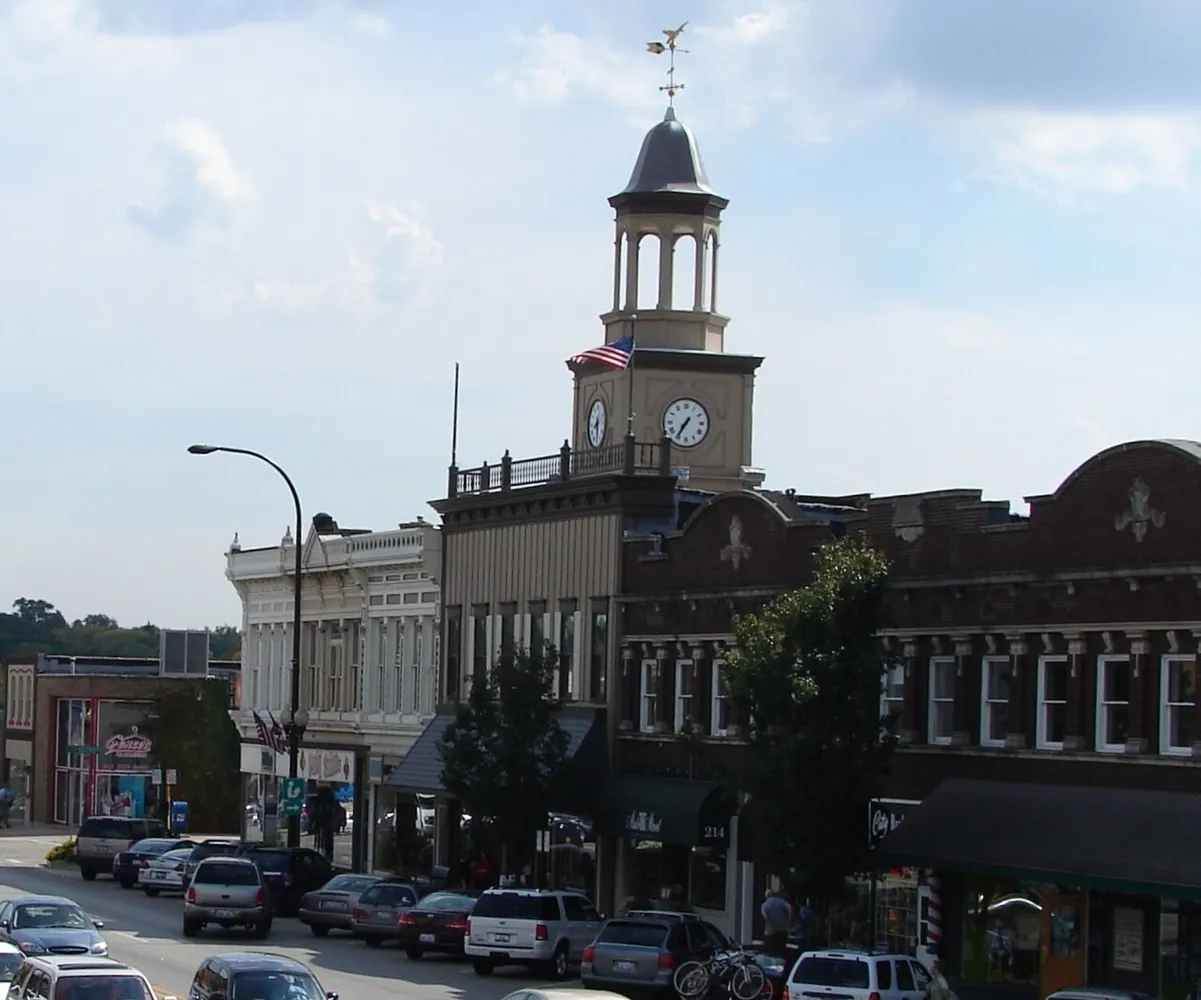
How Geneva, IL Got Here: A Short History
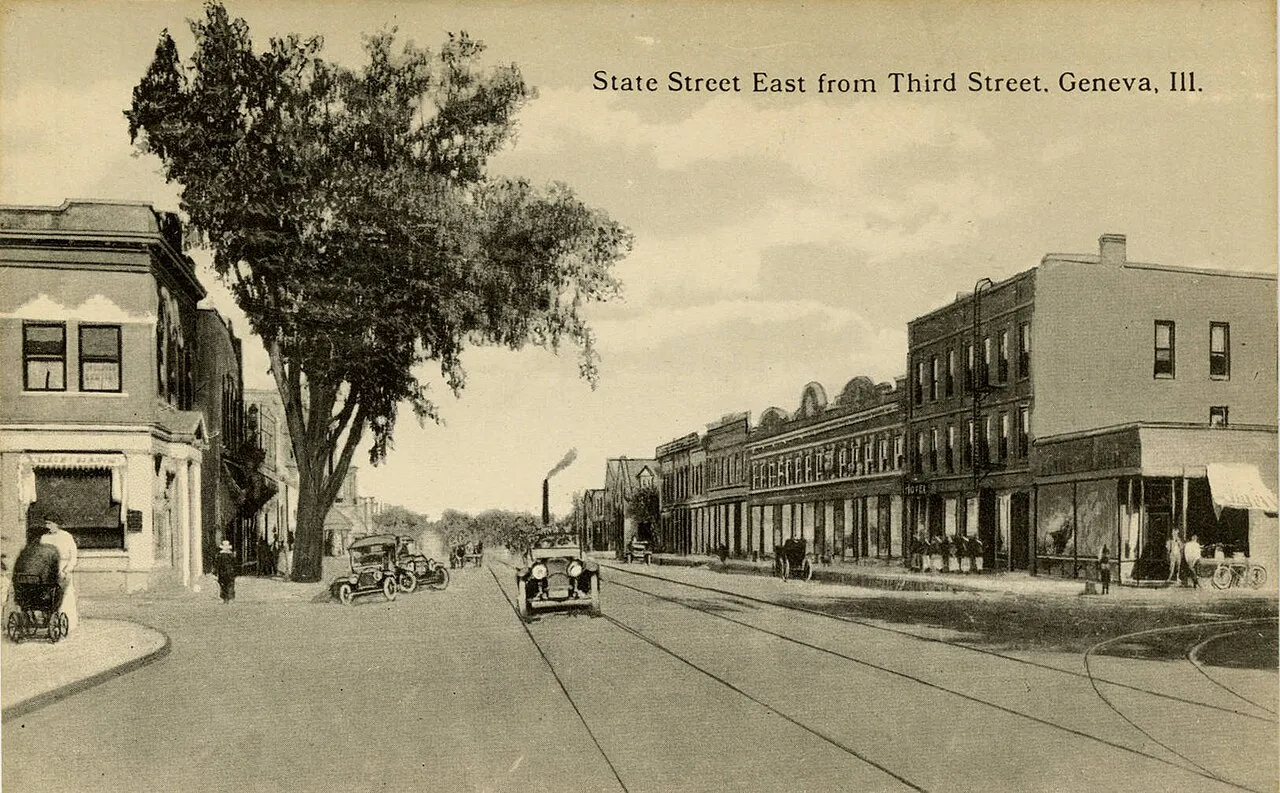
The first settler on this stretch of the Fox River was Daniel Shaw Haight, who sold his claim in 1835 to James and Charity Herrington. The crossing went by several names in those first years, including LaFox, Big Spring and Herrington's Ford. When the town was platted a year later it took the name Geneva, probably after Geneva, New York.
Geneva became the seat of Kane County in 1836, and it still is. That single decision shaped the town more than anything else. The courthouse, the county offices and the steady weekday traffic they bring are the reason the downtown has stayed busy through a century of changes that emptied out other river-town main streets. Geneva incorporated as a village in 1867 and as a city in 1887, which is why you will see "City of Geneva" on every permit and tax bill, not "village."
The railroad arrived in 1853, and the river powered mills, creameries and foundries. By 1900 about half of the town's population was Swedish immigrants, and the major employers included Appleton Manufacturing, Howell Foundry, Bennet Milling Co. and Pope Glucose Co. That heritage is still visible every June at Swedish Days and every December when Santa Lucia opens the Christmas Walk.
The other name you will hear constantly is Fabyan. Colonel George Fabyan built the Riverbank estate on the south side of town in the early 1900s, had Frank Lloyd Wright remodel the villa in 1907, founded Riverbank Laboratories in 1918, and bought a 19th-century Dutch windmill in 1914 and moved it onto the property. The county forest preserve bought 235 acres of the estate after the Fabyans died, and that land is now one of the best-known parks in the Fox Valley.
Geneva protected its old core early. The Central Geneva Historic District went onto the National Register in 1979 and the North Geneva Historic District followed the same year, and both boundaries were enlarged in 2017. For a buyer, that history is not trivia. It is the reason certain houses need a city review before you change the exterior.
Geneva at a Glance
Geneva sits in the middle of the Tri-Cities, with St. Charles to the north and Batavia to the south, about 35 miles west of the Loop along the Metra line. The city covers about 10.1 square miles, and the 2020-2024 Census ACS puts the population at 21,258. Of the 8,374 occupied homes, 85.1% are owner-occupied, and 72.8% of all housing units are single-family detached houses.
The whole city is in Kane County, so there is no second assessor or second tax calendar to track. What you do need to track is the line between the city and unincorporated land. A lot of homes with a Geneva mailing address, including the large Mill Creek community on the west side, sit in unincorporated Kane County and outside the city limits. That changes who plows your street, who supplies your electricity and what shows up on your tax bill. I explain the details in the neighborhoods and taxes sections below.
The layout is easy to learn. The Fox River runs north to south through the east side of town. State Street (Route 38) runs east to west and is the downtown commercial spine. Route 31 follows the west bank of the river, and the Union Pacific West Metra tracks cross the city east to west just south of downtown. Randall Road is the big north-south retail and hospital corridor on the west side, and Kirk Road does a similar job on the east side. Almost every local description of a house uses one of those as the reference point.
Most of the city lies in Geneva Township. The western edge, including much of the Mill Creek area, is in Blackberry Township, which matters for the assessor you deal with and for the tax code on the parcel.
Geneva Neighborhoods, Pocket by Pocket
Geneva has no official neighborhoods, but it splits cleanly into three markets. The first is the historic core on both sides of downtown, with older houses on smaller lots and the only real walkability in town. The second is the ring of 1970s to 1990s subdivisions between downtown and Randall Road. The third is west of Randall, where most of the housing dates from the late 1990s onward and where the city line and the unincorporated county start to interleave.
The price spread across those three is wide. Agent market reports put the historic district roughly in the $700,000 to $1.4 million range, the larger lots south of the tracks known locally as the Gold Coast at $1 million and up, and Mill Creek anywhere from about $300,000 for a townhouse to $1.5 million for a custom house on the golf course. The city-wide median of about $520,000 sits in the middle of all of that and describes very few actual houses.
The single most important question I ask on any Geneva-address listing is whether it is inside the city limits. It is not a formality. Inside the city, you buy electricity from Geneva's municipal utility and the city handles streets and services. In unincorporated pockets like Mill Creek, the county and a special service area handle much of that, and the tax bill carries an extra line for it. Neither is better. They are just different, and buyers should know which one they are getting.
Below are the pockets you will see named in listings. Boundaries are informal and agents draw them a little differently, so treat them as a starting point. If you want to know which pocket a specific address falls in, and what that pocket has sold for lately, that is a conversation I am happy to have here.
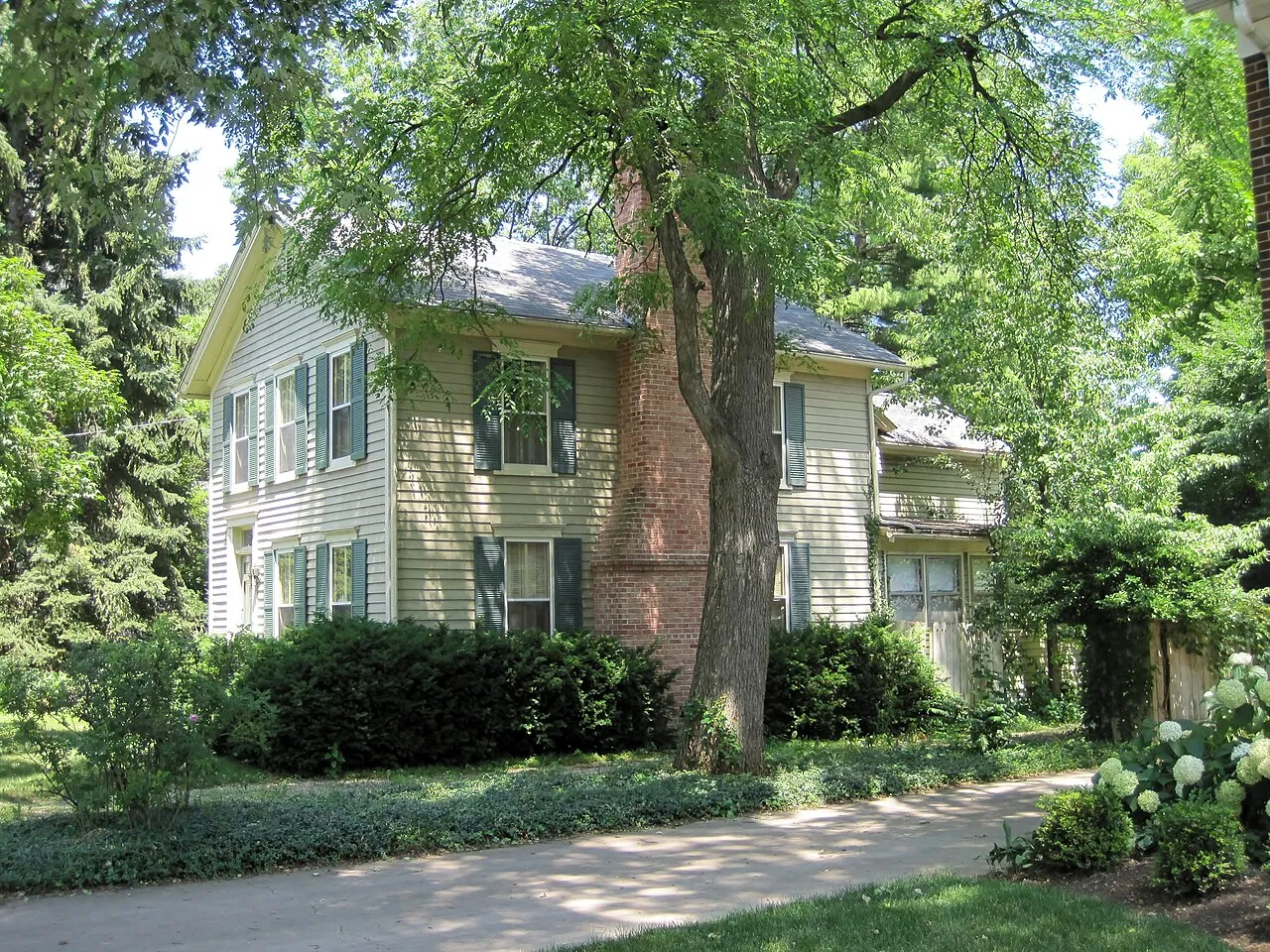
Central Geneva Historic District. South half of the original town, roughly bounded by the Fox River, South Street, 6th Street and West State Street. 67 acres, mostly houses from 1840 to 1900 in Greek Revival, Italianate and Classical Revival styles, plus the courthouse and the commercial blocks on State Street.
North Geneva Historic District. Roughly between the railroad, the river, Stevens Street and West State Street. 72 acres and 161 buildings from about 1848 to 1916, including Prairie School houses. Lots are about a quarter acre or less.
South of the tracks (the "Gold Coast"). Larger lots, often a half acre to an acre, close to the river and Fabyan Forest Preserve. The top of the Geneva market.
North of State Street near downtown. Smaller houses on smaller lots, one of the more common ways into a walkable Geneva address.
Geneva East. Homes along Route 38 east of the river, closer to Kirk Road and the east-side industrial and business parks.
Pepper Valley. Single-family homes from the early 1970s, off Northampton south of Williamsburg Avenue.
Williamsburg and Williamsburg South. Single-family homes built from about 1987 to 1996, with sidewalks, streetlights and small parks.
Randall Square, Sunset Meadows and Sterling Manor. Late 1980s to late 1990s single-family homes, with townhomes in Sterling Manor, mostly off Fargo Boulevard and Western Avenue.
Eagle Brook. Custom homes from the late 1990s and early 2000s around the Eagle Brook golf course at Randall Road and Fargo Boulevard, many on 0.4 to 0.5 acre lots backing to the course or forest preserve.
Fisher Farms, Harvest Ridge and Westhaven. Early 2000s single-family homes, townhomes and duplexes west of Randall along Williamsburg and Keslinger. Fisher Farms was built by Kimball Hill Homes on the former Fisher family farm.
Mill Creek. A large planned community off Fabyan Parkway west of Randall, built from the early 2000s into the 2010s, with townhouses, maintenance-free homes, single-family homes and custom houses around the Mill Creek golf course. Unincorporated Kane County, served by a county special service area.
Prairie Grove and Prairie Ridge. Newer townhome communities along Peck Road on the far west side, covered in the development section.
What Geneva Homes Look Like, by Era
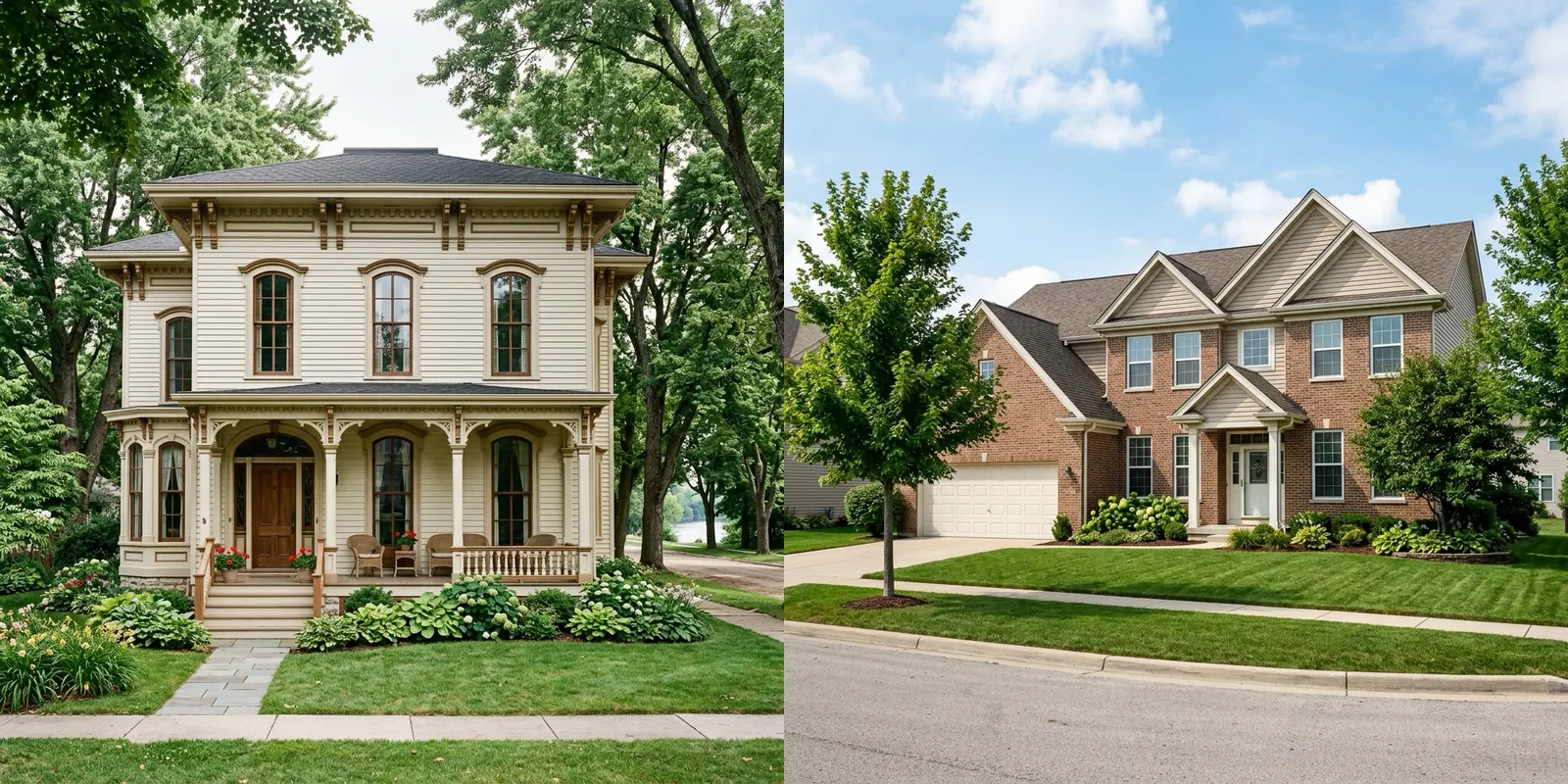
Geneva's housing is younger than its downtown suggests. The Census ACS puts the median year built at 1987. About 10.1% of homes date to before 1940, and 8.8% to the 1950s. The biggest slices are the 1990s (21.2%), the 1980s (18.1%) and the 2000s (16.8%), and 5.5% were built from 2010 to 2019. That matches what you see driving west from the river: 19th-century houses downtown, 1970s ranches and split-levels in the middle, and 1990s and 2000s two-stories past Randall.
The ACS also shows 11.6% of housing units as single-family attached, which is mostly the townhome communities on the west side. That is a real option in Geneva, and it is often the lowest-priced way into District 304. The median value in the ACS is $441,400 and median gross rent is $1,768, both five-year averages that trail this year's market.
The historic houses deserve their own warning. Inside the two historic districts, exterior changes go through Geneva's Historic Preservation Commission. That protects the streetscape that makes these houses valuable. It also means a new porch, windows or an addition takes longer and may cost more than the same project a mile west. If you are buying an 1880s house with a renovation plan, find out what the city will approve before you close, not after.
The inspection pattern follows the era. In the older houses I expect to talk about knob-and-tube remnants, stone or brick foundations and basements that take water in a heavy spring. In the 1970s and 1980s homes it is original windows, aging roofs and furnaces near the end of their life. In the 2000s subdivisions it is usually minor. None of that should kill a deal, and all of it belongs in the price. My home inspection checklist is a good place to start.
The Geneva Housing Market in 2026
Geneva homes sell a little above asking, at a steady pace. In the three months ending August 2026, Redfin reported a median sale price of $519,656. Homes sold in a median of 43 days, compared with 45 a year earlier, at 102.1% of list price, up 1.9 points. Redfin gives Geneva a Compete Score of 77 out of 100, which it calls very competitive, with an average of four offers. The hot listings went for about 4% over list and went pending in about 33 days.
Here is the part that confuses people. Redfin shows that median down 2.9% from a year earlier. Zillow's home value index for Geneva in August 2026 is $553,230, up 6.9% year over year and up about 12% from August 2024. Both can be right. Redfin's median is the middle of whatever happened to sell in a three-month window, and Zillow's index estimates the value of every home in the city whether it sold or not. Redfin's own price per square foot tells the story: $270, up 8.9%. My read is that values kept climbing and the mix of what sold this summer tilted toward smaller or lower-priced homes.
Volume was lighter. Redfin counted 93 sales in August 2026, down from 117 a year earlier. Fewer sales with a rising price per square foot usually means a thin supply of listings rather than weak demand. In practice, a well-priced house in a good pocket still draws multiple offers here, and an overpriced one sits until the price comes down.
The village-level number only goes so far. The gap between a townhouse in Mill Creek and a house in the historic district is several hundred thousand dollars, so the median tells you about Geneva and very little about a specific house. If you are still working out a budget, my guide on how much house you can afford in 2026 runs the math with taxes included, and is it a good time to buy in 2026 covers the rate side.
Geneva Property Taxes and the Real Cost of Owning
Property tax changes the monthly payment in Geneva more than any finish in the house. Ownwell's data, updated April 2026, puts the median effective rate in Geneva at 2.58% and the median annual bill at $10,130, against 2.49% for Kane County as a whole. Its 10th to 90th percentile range in the 60134 ZIP code runs from 2.34% to 2.81%, so parcels really do differ.
Here is what that looks like on a real purchase. At 2.58%, a house bought at this summer's $519,656 median would eventually carry about $13,400 a year in tax, roughly $1,120 a month on top of the mortgage. The current bill on the same house may be lower, because assessments trail the market and catch up after a sale. The expectation I most often have to reset is buyers who budget off the seller's current bill.
The city's own slice is small. Geneva's City Council cut the city rate for taxes paid in 2026 from 0.4787 to 0.4575, the lowest city rate in the records going back to 1980, according to the City of Geneva. The city estimated that saves about $30 a year on a $450,000 home, and the city portion is roughly 7% of a typical bill. The rest goes mostly to District 304, the park district, the library district, the county and the township. That is why the school district's budget matters far more to your bill than the city's.
Mill Creek and other unincorporated pockets add a layer. Mill Creek's shared facilities are funded through a county special service area, and the Kane County Treasurer's settlement sheet shows the Mill Creek SSA at about $1.14 million due for tax year 2025, spread across the parcels inside it. Ask for the last full tax bill on any Mill Creek house and read that line.
If you think your assessment is high once you own, Kane County appeals start with your township assessor and then the Board of Review, on a deadline that opens when the assessments are published. This is general information, not tax advice. Your actual bill depends on your parcel, your exemptions and the assessor.
Geneva Schools: Community Unit School District 304
Geneva runs one unit district for every grade, Geneva Community Unit School District 304, so elementary, middle and high school budgets all sit on the same line of your tax bill. The district has six elementary schools (Fabyan, Harrison Street, Heartland, Mill Creek, Western Avenue and Williamsburg), two middle schools (Geneva Middle School North at 1357 Viking Drive and Geneva Middle School South at 1415 Viking Drive) and Geneva Community High School.
The high school, at 416 McKinley Avenue, had 1,635 students in 2024-25. The building opened in 1958 and was expanded in the 1970s and early 2000s.
The detail that trips people up is assignment. Which elementary school a house feeds depends on the street, and district lines do not follow mailing addresses or subdivision names. Mill Creek has its own elementary school, but that does not mean every house with a Geneva address on the edge of town is in District 304. Check the address with the district directly before you write an offer, and ask me for the boundary if you want it done for a specific house.
For current test scores and school-level detail, the Illinois Report Card is the official source and is worth an hour of your time before you choose between two houses.
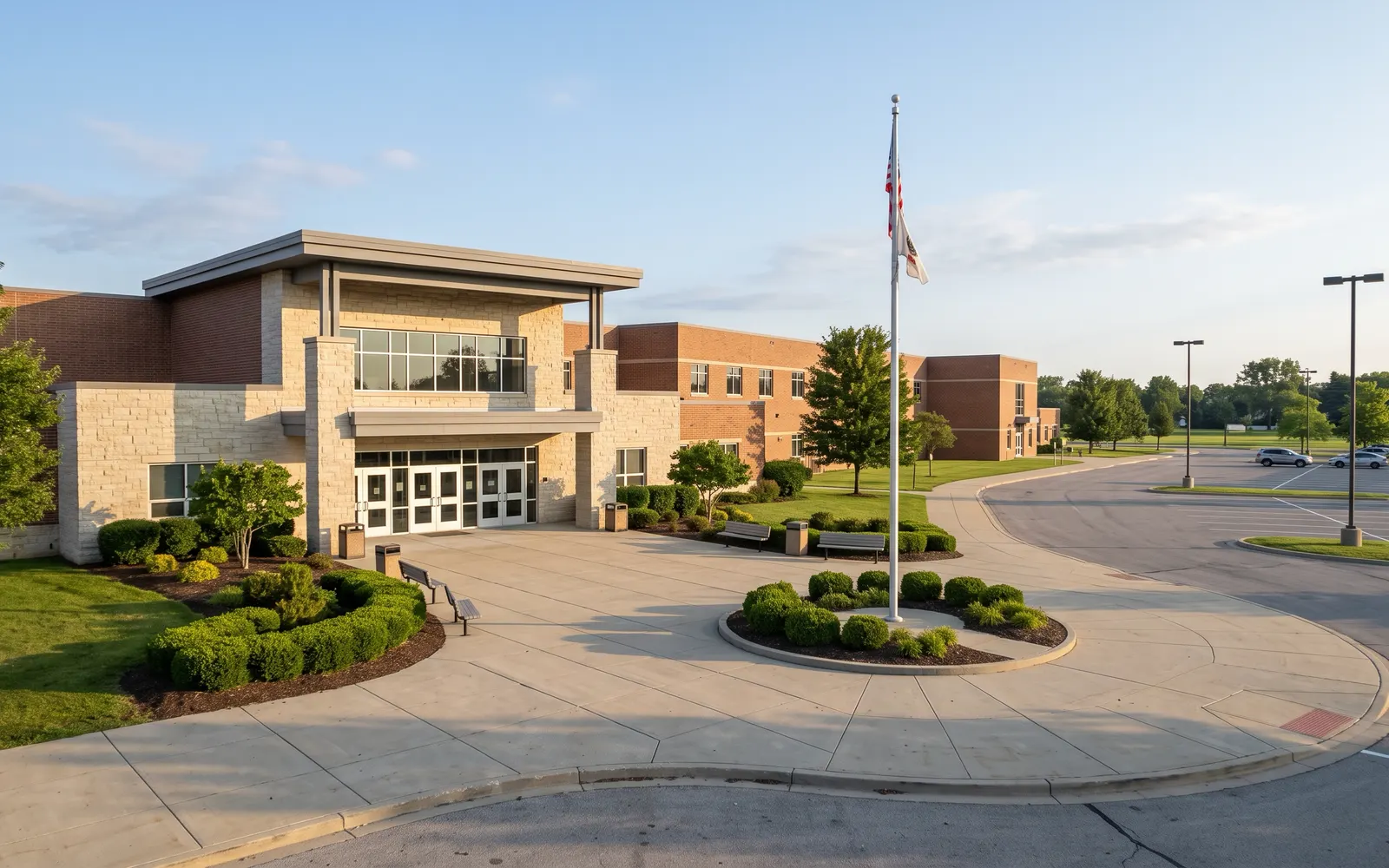
Fabyan Elementary. Grades K–5, District 304.
Harrison Street Elementary. Grades K–5, District 304.
Heartland Elementary. 3300 Heartland Dr. Grades K–5, District 304.
Mill Creek Elementary. Grades K–5, District 304, serving the Mill Creek area.
Western Avenue Elementary. Grades K–5, District 304.
Williamsburg Elementary. Grades K–5, District 304.
Geneva Middle School North and South. 1357 and 1415 Viking Dr. Grades 6–8.
Geneva Community High School. 416 McKinley Ave. Grades 9–12.
Commuting from Geneva: Metra to Chicago
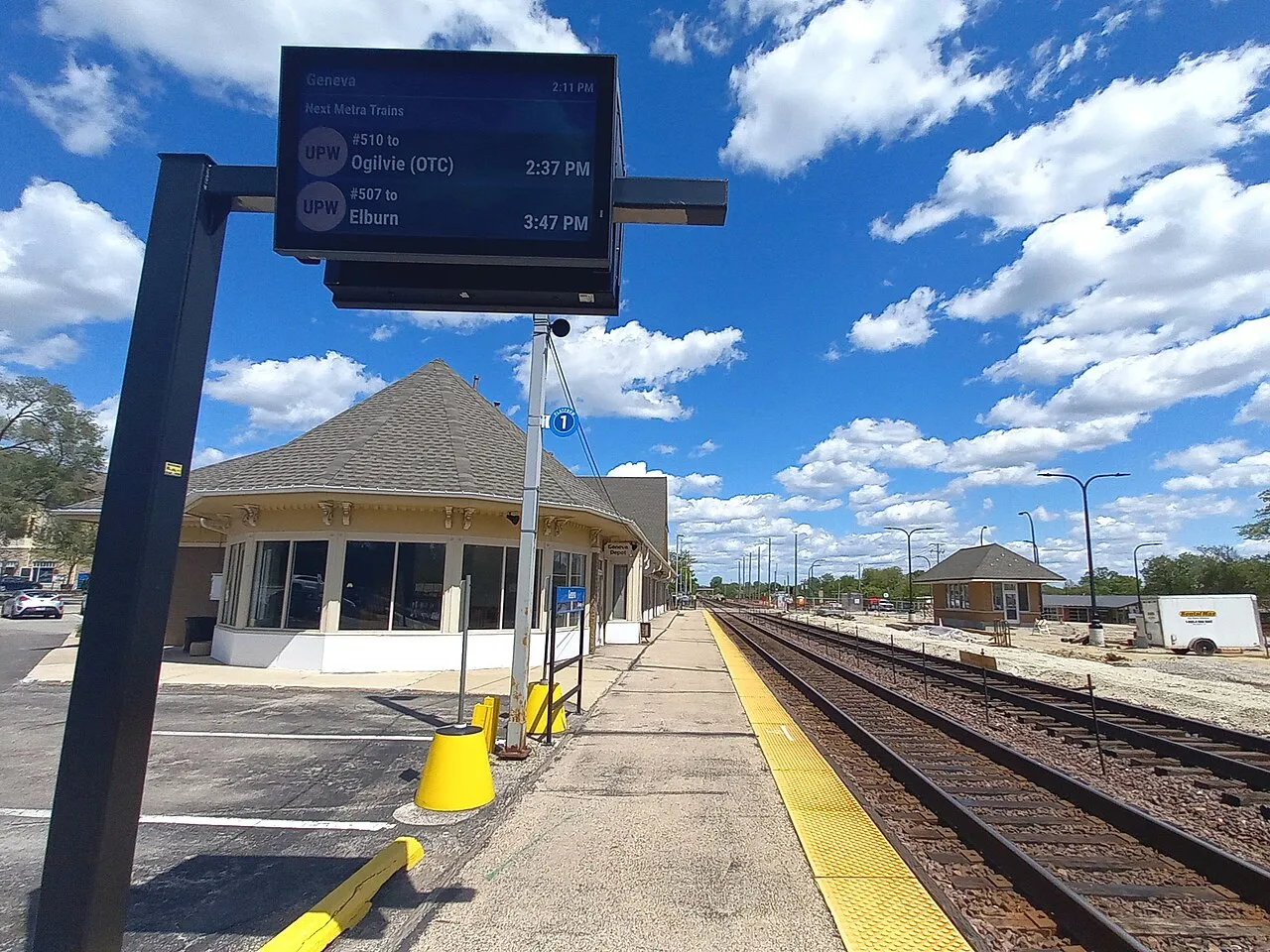
The Geneva Metra station at 328 Crescent Place is on the Union Pacific West line, a one-seat ride to Ogilvie Transportation Center, 35.5 miles away). According to Metra's published schedule data for fall 2026, 28 trains stop here in each direction on weekdays, 10 each way on Saturdays and 9 each way on Sundays.
Travel time depends on the train. The fastest morning train, the 7:00 a.m., reaches Ogilvie in about 60 minutes. The other rush-hour trains take 65 to 74 minutes, and the all-stop trains midday and in the evening take about 76. Coming home, the fastest evening trains out of Ogilvie reach Geneva in 57 to 62 minutes. If you commute every day, the difference between the express pattern and the local is worth checking against your office hours before you pick a house.
The station itself was rebuilt as part of Union Pacific's third-track project, which ran from 2022 to 2025. The new middle track carries the trains that don't stop in Geneva and freight, which keeps the platforms clear for Metra riders. Geneva was the end of the line until 2006, when service was extended west to Elburn, so the schedule here is fuller than at most stations this far out.
On Sundays the station lot does double duty as home to the Geneva French Market, which I cover in the dining section.
Driving from Geneva: Highways and Airports
Geneva has no interstate inside the city, and that shapes daily driving more than anything else. State Street (Route 38) is the main east-west route and runs through downtown, across the river and on toward DuPage County. Route 31 runs north-south along the west bank of the river to St. Charles and Batavia. Randall Road on the west side and Kirk Road on the east side are the fast north-south corridors, and both connect south to I-88, the Reagan Memorial Tollway, for the drive toward Naperville, Oak Brook and the city.
The practical effect is that downtown gets congested at rush hour, because Route 38 and Route 31 meet there and the river has limited crossings. Locals learn which bridges to use at which times of day. If you will drive to the east suburbs every day, a house on the east side or near Kirk Road can save real time compared with a house past Randall.
For flights, O'Hare is the far side of DuPage County from Geneva, so give yourself the better part of an hour outside rush hour. DuPage Airport, a general aviation airport, sits just east of the city line for private and charter flying.
Is Geneva Walkable?
Downtown is, and most of the rest of the city is not. Walk Score rates Geneva 38 for walking, which it calls car-dependent, and 57 for biking, which it calls bikeable.
The spread by address is huge. Walk Score's address tool gives 227 S. Second Street downtown a Walk Score of 81, a block on South Third Street 84, the Metra station 74 and Geneva Community High School 72. Out west, Heartland Elementary on Heartland Drive scores 17. That is the difference between walking to dinner and the train and driving to both.
If being able to walk to Third Street, the library and the station matters to you, it narrows your search to the two historic districts and the blocks around them, which are also the most expensive per square foot and the fastest to sell.
Biking is Geneva's hidden strength. The Fox River Trail runs along both banks of the river through downtown and connects north to St. Charles and south to Batavia and beyond, and the park district has built paths into many of the subdivisions. Part of the trail near the wastewater plant is under construction this fall; see the development section.
Downtown Geneva and Shopping
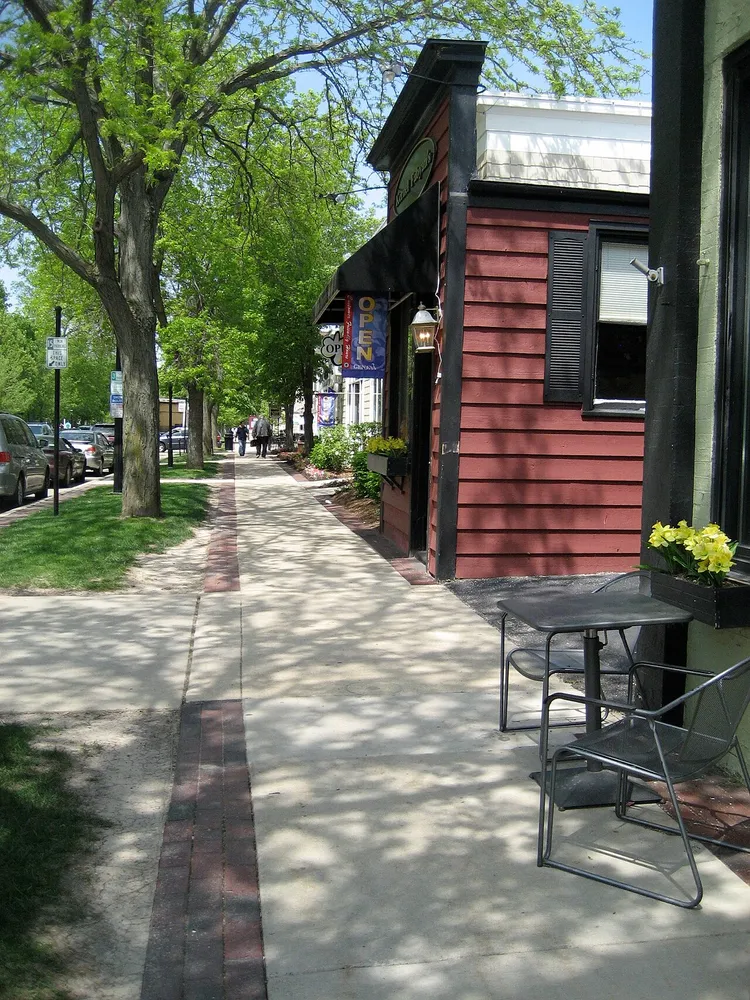
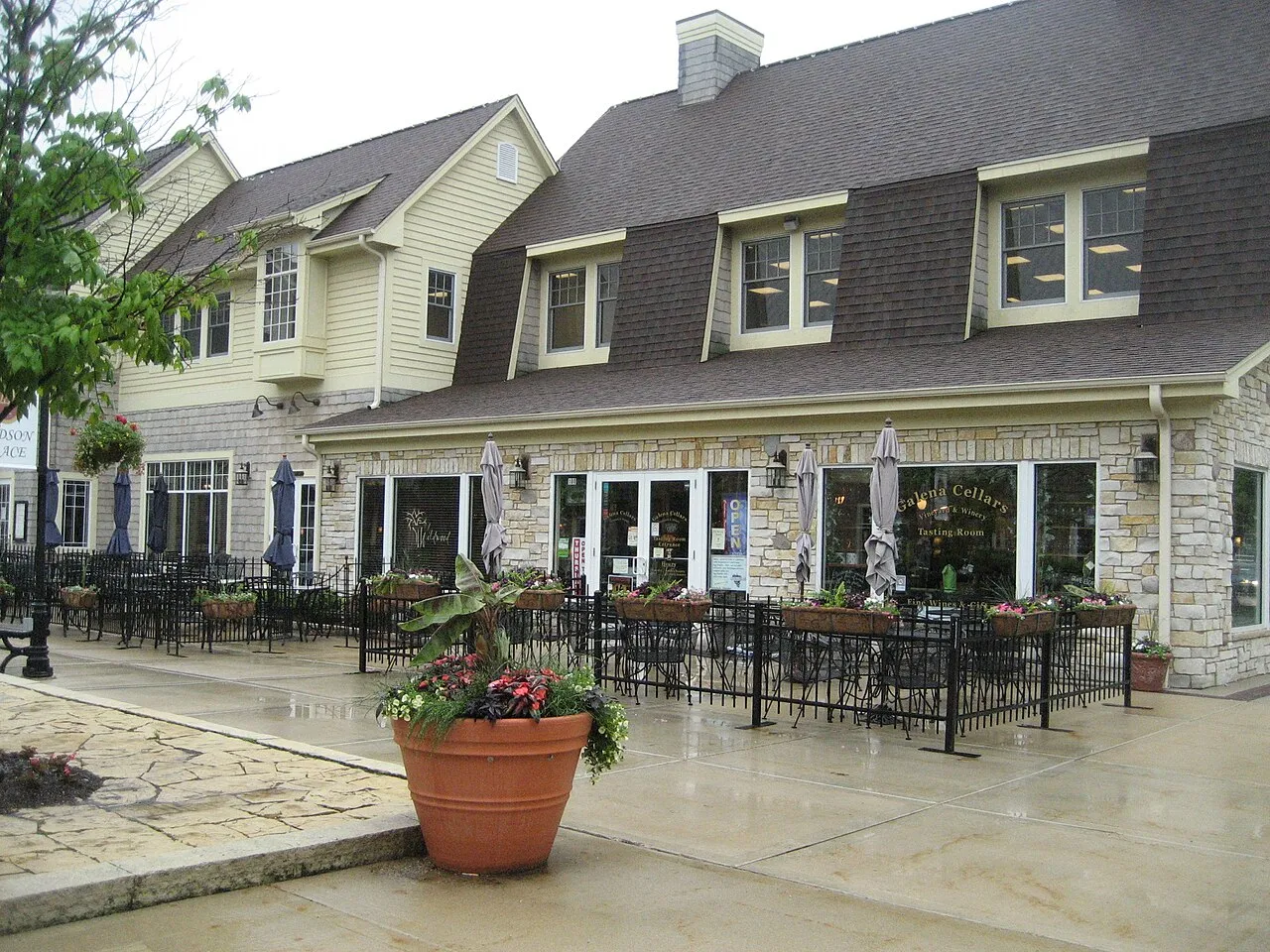
Downtown Geneva is the draw. The shops on Third Street and State Street, inside the Central Geneva Historic District, are mostly independent boutiques, home stores, galleries and restaurants in 19th-century buildings, with the Kane County Courthouse as the landmark at the center. It is one of the few downtowns in the western suburbs where people come from other towns to spend a Saturday.
For everyday shopping, Geneva Commons is a 440,000-square-foot open-air center on Randall Road at Bricher Road, with more than 60 shops including Dick's Sporting Goods, The Fresh Market, DSW and HomeGoods. The rest of the Randall Road corridor, running north into St. Charles and south into Batavia, covers the big-box errands.
The practical result is that Geneva has two shopping centers of gravity a couple of miles apart: the walkable downtown on the east side and Randall Road on the west. Which one you live closer to changes your weekly routine more than people expect.
Groceries and Everyday Errands in Geneva
Groceries are a Randall Road errand for most of the city. The Fresh Market anchors Geneva Commons, and the rest of the Randall corridor in Geneva, St. Charles and Batavia has the national grocers, warehouse clubs and pharmacies within a short drive of most west-side subdivisions. If you live downtown or on the east side, plan on a five to ten minute drive for a full grocery run, and use the Sunday French Market for produce from April through November.
Where Geneva Eats
Most of Geneva's restaurants are downtown, along State Street, Third Street and the side streets between them, with more along Randall Road. The downtown mix leans toward independent, chef-run places and patios, and it changes often enough that I would rather point you to the blocks than to a list that will be out of date in a year.
Two food events are worth planning around. The Geneva French Market runs Sundays in the Metra station lot at Fourth and South streets, 9 a.m. to 2 p.m. from April 12 through October 25 in 2026, then 9 a.m. to 1 p.m. from November 1 through November 16. And the Festival of the Vine's Flavor Fare puts local restaurants under one tent each September, covered in the events section.
Parks, Forest Preserves and Recreation in Geneva
The Geneva Park District was founded in 1953 with four parks and now runs 50 parks on more than 700 acres, along with trails, pools and spraygrounds, a community center, a recreation center, a skate park, mini golf and disc golf. Sunset Pool has eight lap lanes, slides, climbing walls and a zero-depth area.
The largest is Peck Farm Park on the west side, 385 acres with the historic Peck House, two original barns, an observation tower built into a converted silo, and the Stephen D. Persinger Recreation Center across the road at 3507 Kaneville Road.
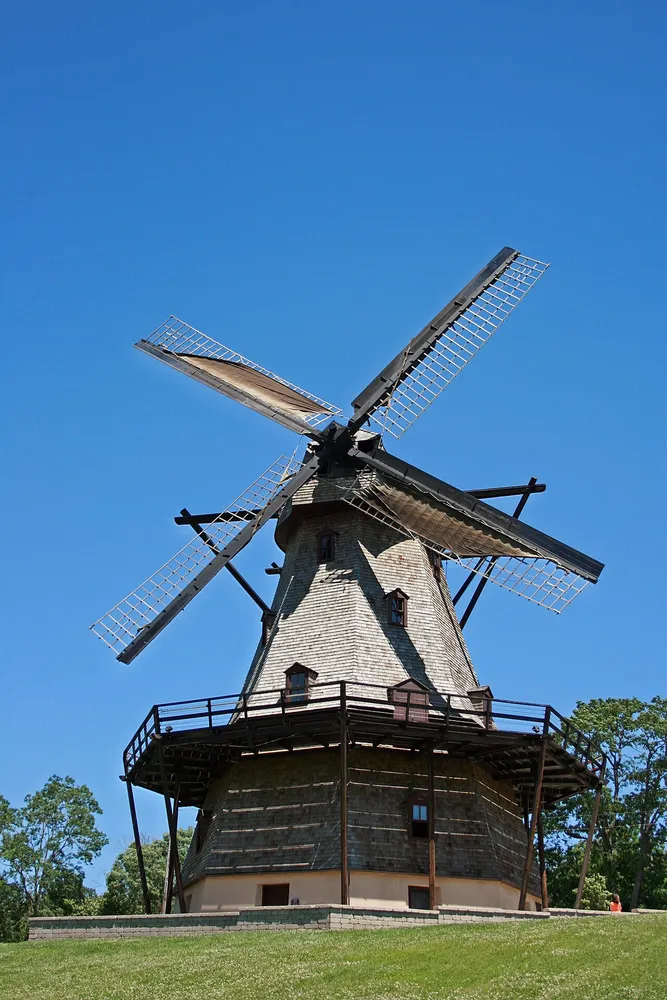
On the south edge of town along the river, Fabyan Forest Preserve is run by the Forest Preserve District of Kane County. It holds the Frank Lloyd Wright-remodeled Fabyan Villa, now a museum; a Japanese garden designed in 1914 by Taro Otsuka; and the Fabyan Windmill, a 68-foot Dutch windmill from the mid-1800s that Colonel Fabyan moved onto the estate in 1914. The Fox River Trail runs right through it.
Golf is easy to find. Eagle Brook and Mill Creek each have a course built into the subdivision, and several more are a short drive away in the Tri-Cities.
The Geneva Public Library
The Geneva Public Library moved into a new 57,000-square-foot building at 227 S. Seventh Street in July 2020, a block from the downtown shops. It has a drive-up window, a makerspace, a demonstration kitchen, an art gallery and a long list of meeting and study rooms. The library is its own taxing district, so you will see it as a separate line on your property tax bill.
Utilities in Geneva, Including the City Electric Company
This is the one that surprises buyers from other suburbs. Inside the city limits, you don't buy electricity from ComEd. The City of Geneva has owned and run its own electric distribution system since 1896, and the Illinois Commerce Commission does not regulate it. The city buys most of its power through the Northern Illinois Municipal Power Agency, gets about 8% from a landfill gas generator inside the city, and runs a 30-megawatt natural gas peaking plant to cut costs on high-demand days.
The city also provides water and sewer, and it is in the middle of a wastewater upgrade covered in the development section. Nicor Gas provides natural gas.
Unincorporated addresses are different. Mill Creek and other county pockets sit outside the city limits, so the city's utilities may not serve them, and Mill Creek's shared facilities run through its county special service area. Ask for recent utility bills on any house you are serious about, and confirm the providers by address rather than by ZIP code.
Hospitals in Geneva
Geneva has its own hospital. Northwestern Medicine Delnor Hospital sits at 300 Randall Road on the west side, with medical office buildings around the same campus. For most of the city it is a five to ten minute drive, and Northwestern Medicine's larger Central DuPage Hospital in Winfield is the next step for specialty care.
Cougars Baseball and Nights Out Near Geneva
Geneva is home to Northwestern Medicine Field, the ballpark of the Kane County Cougars, at 34W002 Cherry Lane on the east side. It opened in 1991, seats 10,923, and is owned by the Kane County forest preserve. The Cougars play in the American Association, an MLB partner league, and a summer weeknight game is one of the cheapest good nights out in the Fox Valley.
Beyond that, the Fabyan Villa museum and Japanese garden, the Geneva History Museum and the downtown restaurants fill most weekends, and the riverfront downtowns of St. Charles and Batavia are each a few minutes away by car or by trail.
Swedish Days and Geneva's Yearly Traditions
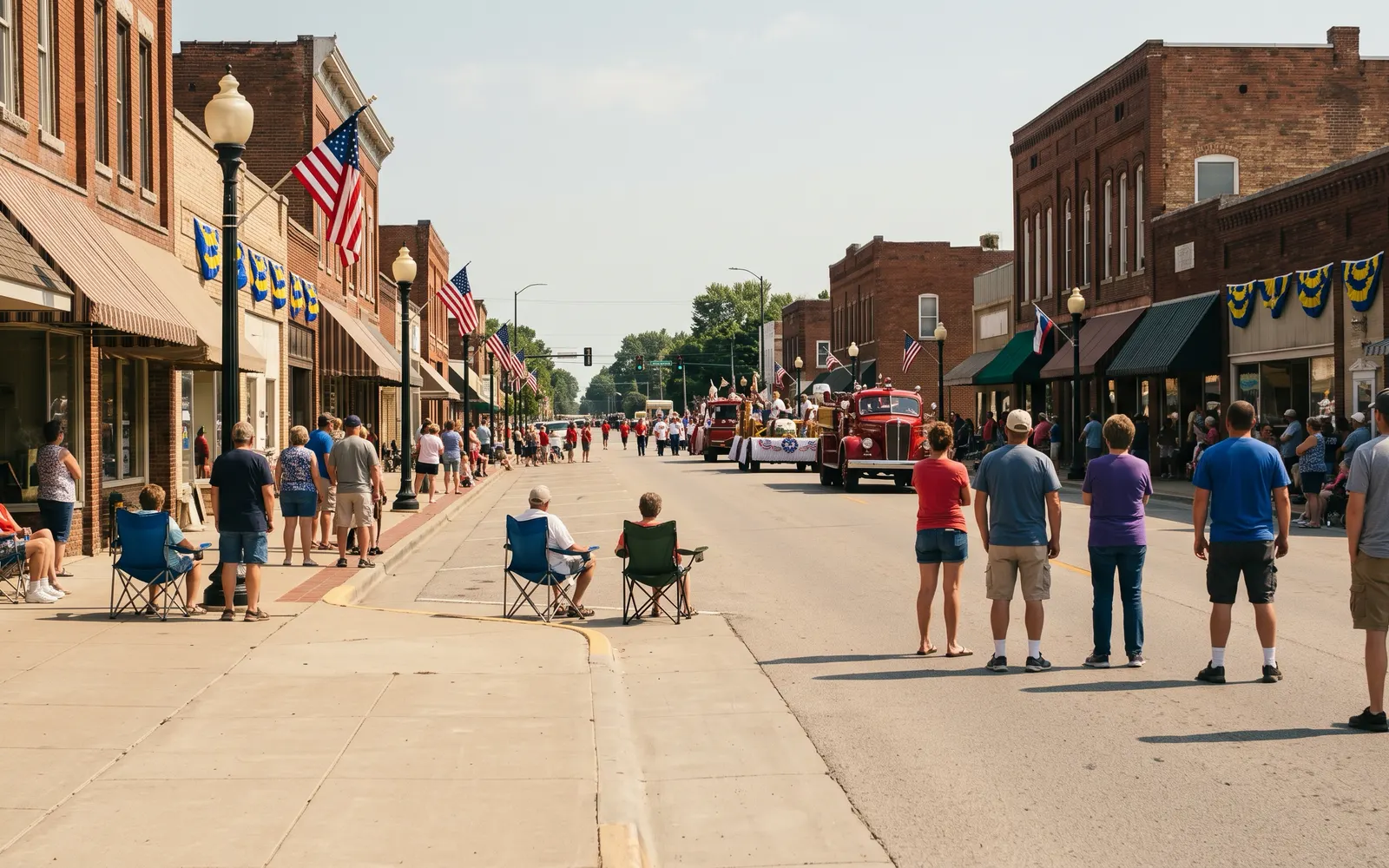
The big one is Swedish Days, Geneva's signature summer festival downtown. In 2026 it ran June 24 through June 28 with music, a craft beer tent, carnival rides, a 5K, food and a parade, and it was billed as the 76th annual. It is the clearest trace of the town's Swedish roots, and it takes over downtown for most of a week.
In September comes the Festival of the Vine, which ran September 11 to 13 in 2026 around Fourth and James streets. It pairs the Flavor Fare restaurant tent with wine and live music, an arts and crafts show and horse-drawn carriage rides, and admission is free.
The season closes with the Christmas Walk, set for Friday, December 4, 2026. The Great Tree is lit on the Kane County Courthouse lawn, Santa Lucia arrives with the carolers and Santa, and the downtown shops stay open late. If you are touring houses in late June or early December, walk downtown during the festival. It tells you more about the town than any listing will.
What's Being Built in Geneva
Geneva grows slowly, and most of what is changing is small and infill. The city's development projects page is the best place to watch it. Here is what was on it as of September 2026.
The largest new residential proposal is Mill Race Residences, an application for 84 units in three five-story buildings that the city received on September 18, 2026. It is only at staff review. It still has to go to the Historic Preservation Commission, then a Planning and Zoning Commission hearing, then the City Council. The city page does not list the site, so I would not assume anything about the location until the hearing notice is out.
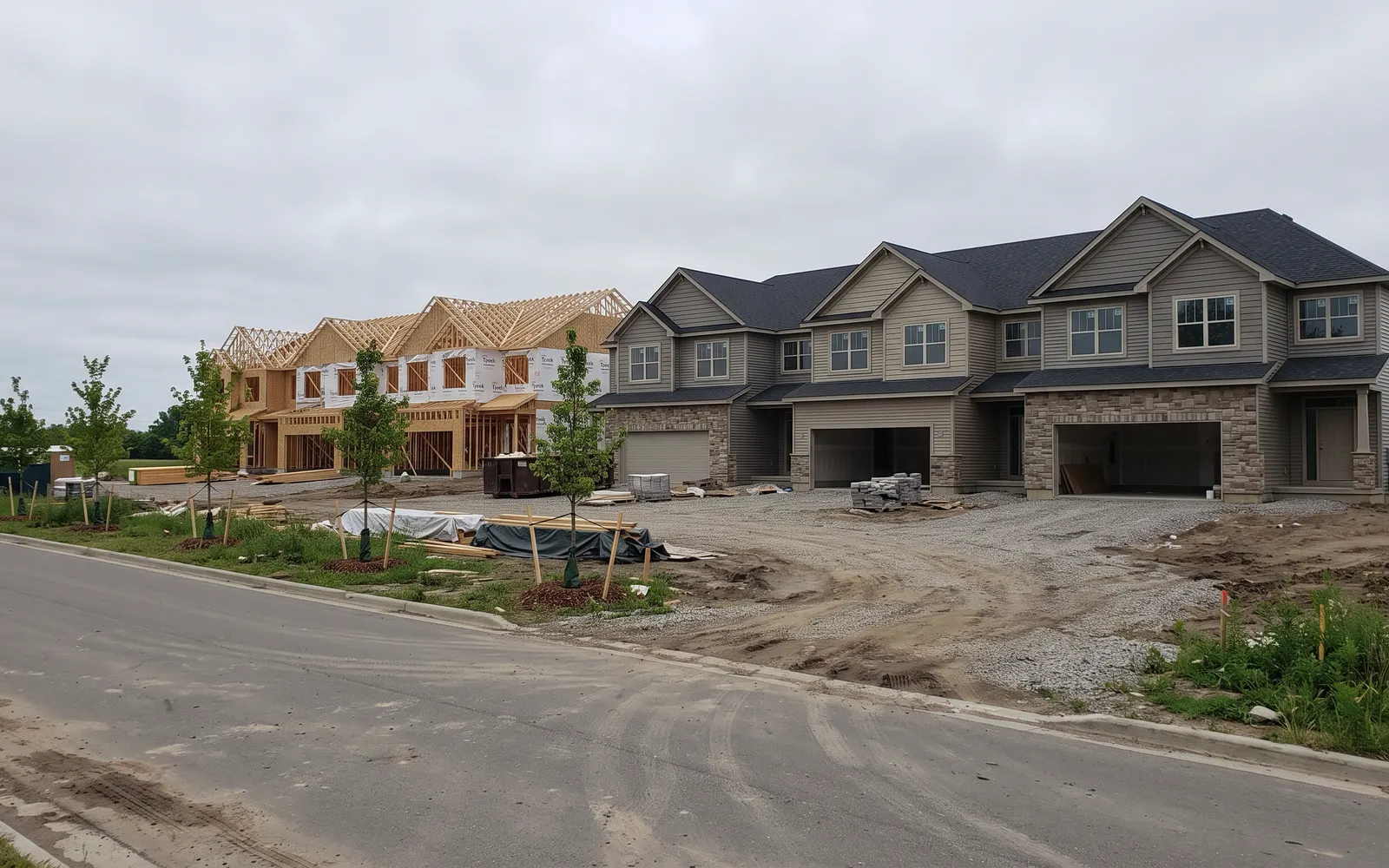
On the far west side, the Fisher Homestead annexation would bring a 6-acre, 21-lot single-family subdivision into the city, rezoned to high-density single-family with variations for lot width and setbacks. It was under staff review as of September 15, 2026. Nearby, the Prairie Grove townhomes at 1N557 Peck Road, approved by the City Council in January 2025, are now selling. The plan is 24 units, mostly ranches, and in September 2026 several were listed in the MLS between $499,000 and $522,500.
Downtown, the City Council agreed in April 2026 to consider tax increment financing help for a preservation and remodel of the circa-1867 Bennett House at 223 E. State Street, with new live-work units behind it. A smaller PUD at 322 Hamilton Street would add ground-floor residential units.
The project most residents will actually notice is underground. The city is building a new screening building at the wastewater plant and replacing the sewer line under the Fox River with two new pipes, funded in part by a $12.9 million state loan. The river crossing started in April 2026 and is expected to take 18 to 24 months. It has closed parts of the Fox River Trail: the east-side section is set to reopen by September 25, and a west-side section near the Kane County Government Center closed for about two months starting the week of September 14.
Geneva has also allowed accessory dwelling units since 2024 in every district that permits single-family homes. For a buyer with a big lot, a coach house or in-law unit is now a real option, subject to the city's rules.
I don't label any town or neighborhood as safe or unsafe.
Flood Risk in Geneva
Flooding isn't a city-wide problem in Geneva, but it is a house-by-house one. Redfin, using First Street's model, rates Geneva's flood risk as minor, with about 3% of properties at risk of severe flooding over the next 30 years. That risk concentrates along the Fox River and the smaller creeks that feed it, which is also where some of the most desirable lots in town are.
Two checks before you write an offer. Look the address up on the FEMA flood map, because a mapped flood zone can mean required flood insurance on a mortgage. And ask the seller directly about water in the basement. In older Geneva houses near the river the answer is often "once," and the follow-up question about what they did about it is the one that matters.
Frequently Asked Questions
How much does a house cost in Geneva, IL?+
Redfin reported a median sale price of $519,656 for the three months ending August 2026, and Zillow's home value index was $553,230 for August 2026. Prices run from about $300,000 for townhouses to well over $1 million near the river and downtown.
What are property taxes in Geneva, IL?+
The median effective rate is about 2.58%, with a median bill of about $10,130 (Ownwell, April 2026). The city's own rate is the lowest since at least 1980 and is only about 7% of the bill, and a home's bill usually rises after a sale once it is reassessed.
What school district is Geneva, IL in?+
Geneva Community Unit School District 304 covers kindergarten through high school, with six elementary schools, two middle schools and Geneva Community High School. Assignment depends on the street, so confirm each address with the district.
How long is the commute from Geneva to downtown Chicago?+
On Metra's Union Pacific West line, the fastest morning train reaches Ogilvie in about 60 minutes, most rush-hour trains take 65 to 74 minutes, and all-stop trains take about 76. There are 28 weekday trains in each direction.
Is Mill Creek part of Geneva?+
Mill Creek has Geneva addresses and District 304 schools, but it is in unincorporated Kane County, outside the city limits. Its shared facilities are funded through a county special service area that appears on the property tax bill.
Who provides electricity in Geneva, IL?+
Inside the city limits, the City of Geneva's own municipal electric utility, which it has run since 1896. It is not regulated by the Illinois Commerce Commission. Unincorporated areas have different providers, so confirm by address.
What neighborhoods are in Geneva, IL?+
Commonly named areas include the Central and North Geneva historic districts, the area south of the tracks, Geneva East, Pepper Valley, Williamsburg, Randall Square, Sterling Manor, Eagle Brook, Fisher Farms, Harvest Ridge, Westhaven, Mill Creek and the newer Prairie Grove and Prairie Ridge townhomes.
Is Geneva, IL walkable?+
Downtown is. Addresses on Second and Third streets score 81 to 84 on Walk Score, but the city-wide score is 38 and many west-side addresses score below 20.
Eshu Chikoti has extensive access to off-market listings throughout Geneva and the rest of Kane County — homes that never make it to the public listing sites. That matters right now: in a seller's market like this one, well-priced homes routinely go under contract within days, and buyers relying only on public listings are competing for whatever is left over. Working with someone plugged into off-market inventory means seeing homes before the crowd does.
Eshu Chikoti · 847-691-4282 ·
Get new Geneva listings by email
When a home comes on the market in Geneva, I'll email it to you.
Just your email. Unsubscribe any time by replying.
Thinking About Geneva?
Whether you're buying, selling, or just curious what's on the market, I can walk you through Geneva street by street.