Elgin, IL
Elgin, IL is a Fox River city of about 115,000 people with three Metra stations, one of the largest historic housing stocks in the suburbs and new subdivisions on its west side, at prices well under most of the Chicago area.
Living in Elgin, IL means a median sale price near $360,000 this summer, a one-seat Metra ride to Union Station from three city stations, and a choice between Victorian homes by the river and new construction past Randall Road. The trade-off is property tax near 2.55% and a long ride to the Loop. Here is how it breaks down.
Written by Eshu Chikoti · 847-691-4282 ·
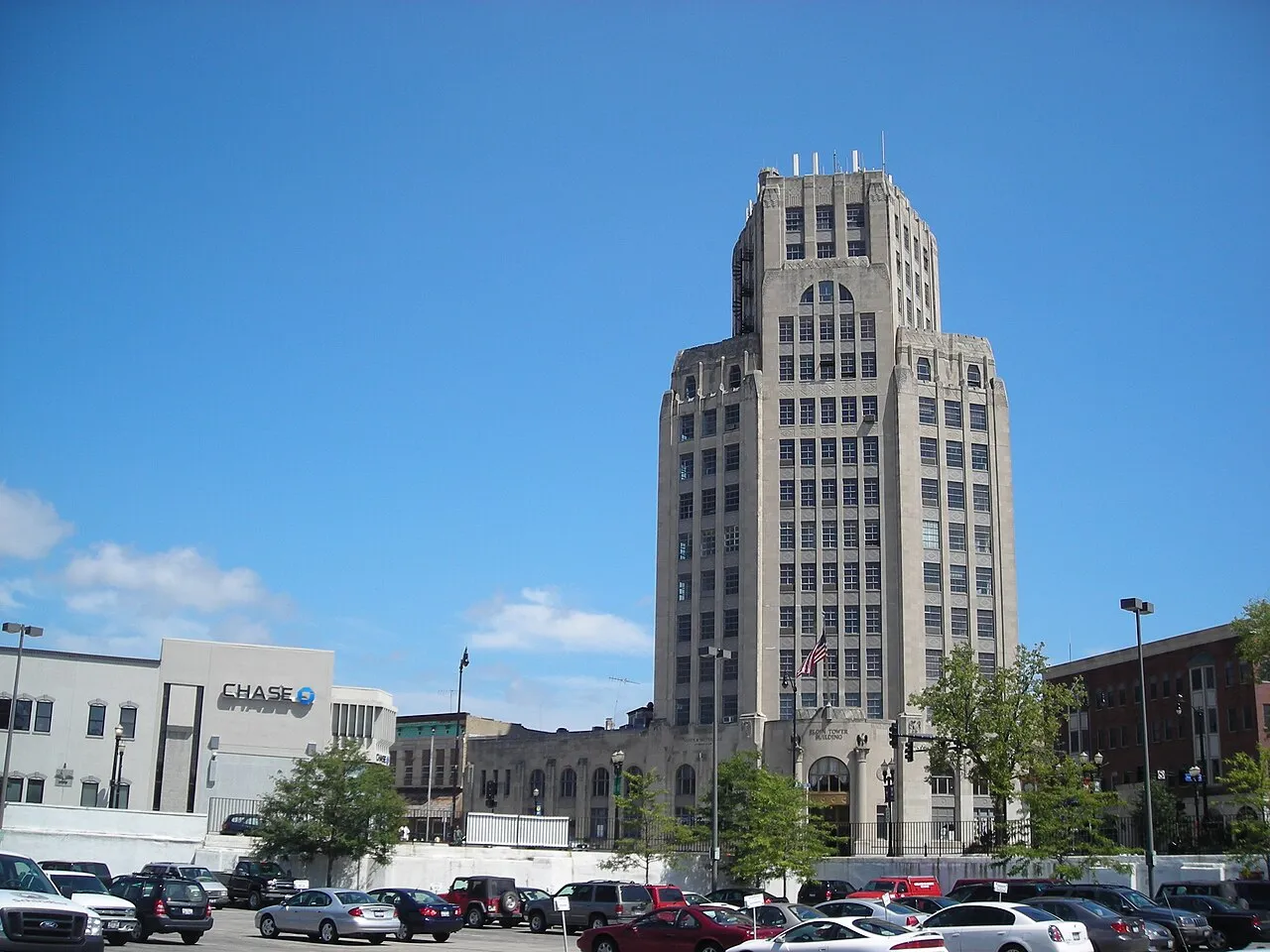
How Elgin, IL Got Here: A Short History
Elgin was founded in April 1835 by James T. Gifford and his brother Hezekiah, who came from New York looking for a spot on the Chicago to Galena stage road where the Fox River could be bridged. They named it after a Scottish hymn tune called "Elgin." James Gifford laid out the original plat on the east bank in 1842, and part of that grid is still the heart of the Elgin Historic District today. The city was chartered in 1854.
Dairy came first. Elgin butter and milk supplied Chicago, and Gail Borden opened a condensed milk factory here in 1866. The library still carries his name. Then came the Elgin National Watch Company, which for most of a century ran the largest watchmaking complex in the world and employed three generations of residents. The factory stopped production in 1965 and was torn down in 1966. If you have ever checked the time under the clocks at Chicago's Union Station, you have read the Elgin name.
The watch money is what built the housing stock buyers still tour today. Company executives put up Queen Anne houses on the east side, workers built cottages and bungalows, and between 1908 and 1940 a long run of Sears catalog kit homes arrived by rail. Before any of that, the earliest settlers built with native fieldstone, and Elgin is believed to have once had more cobblestone houses than anywhere outside Rochester, New York. A few still stand in the historic districts.
Two more dates explain the modern city. On March 28, 1920, a tornado along the Fox River killed 23 people in Elgin and destroyed the Opera House and much of downtown. And in 1954 Elgin became the first Illinois city to adopt the council-manager form of government. The Grand Victoria riverboat casino arrived in the 1990s, and the long rebuild of downtown since then, including the 2014 streetscape and the Riverside Drive promenade, is why the riverfront looks the way it does now. The history above comes mostly from Elgin's Wikipedia entry and the City of Elgin's historic districts page.
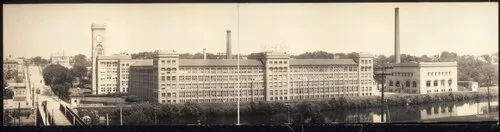
Elgin at a Glance
Elgin covers about 38.6 square miles on both banks of the Fox River, roughly 35 miles northwest of the Loop. Most of the city is in Kane County, but the east side past the Poplar Creek area crosses into Hanover Township in Cook County. That matters more than people expect. Cook and Kane run different assessors, different reassessment cycles and different tax calendars, so the county a parcel sits in changes how you should read its tax history. On the Kane side the city spreads across Elgin, Dundee, Rutland, Plato and Campton townships.
The 2024 Census ACS, via Census Reporter, puts the population at 115,541, which makes Elgin one of the largest cities in Illinois. Of the 39,229 occupied homes, 74.0% are owner-occupied. About 64.5% of all housing units are single-family detached houses and another 14.7% are attached single-family homes such as townhouses, so this is mostly an ownership market with a real rental and condo segment around downtown.
Elgin is also a job center in its own right, not only a bedroom suburb. The city's 2018 comprehensive plan listed School District U-46, Advocate Sherman Hospital, John B. Sanfilippo & Son, Elgin Community College and the Grand Victoria Casino among the largest employers. The Randall Road corridor on the west side and the industrial parks along I-90 add a steady weekday workforce.
The easiest way to read the map is in three bands. The Fox River runs north to south through the middle of the old city, with downtown on the east bank. Route 31 and State Street follow the river. McLean Boulevard and then Randall Road mark the west side, and everything past Randall is the newer city built mostly since the 1990s. I-90 runs along the north edge. Almost every conversation I have about an Elgin address starts with which side of the river it is on and how far west it sits.
Elgin Neighborhoods, Area by Area
Elgin is too big to treat as one market. A Victorian in Gifford Park, a 1960s ranch near Wing Park and a 2020 two-story west of Randall Road are three different purchases with different inspection issues, different school assignments and sometimes different counties. The city's own planning maps and listings use a mix of historic district names, park names and subdivision names, so it helps to learn all three.
Walk Score rates the city 43 overall, which is car-dependent, but its neighborhood scores run from 77 in Gifford Park and 74 in Near West Elgin down to 28 in College Green and 15 in Willow Lakes Estates. That spread tracks the age of the housing almost exactly. The older the neighborhood, the closer it sits to the river, downtown and the train.
Below are the areas you will see named in listings. Boundaries are informal and agents draw them slightly differently, so treat them as a starting point. If you want to know which area a specific address falls in and what nearby homes have actually sold for, that is a conversation I am happy to have here.
The questions buyers ask first are the ones I hear on every Elgin house: which county, which school district and how old the mechanicals are. Price per square foot in Elgin changes a lot from block to block, and those three answers explain most of the difference.
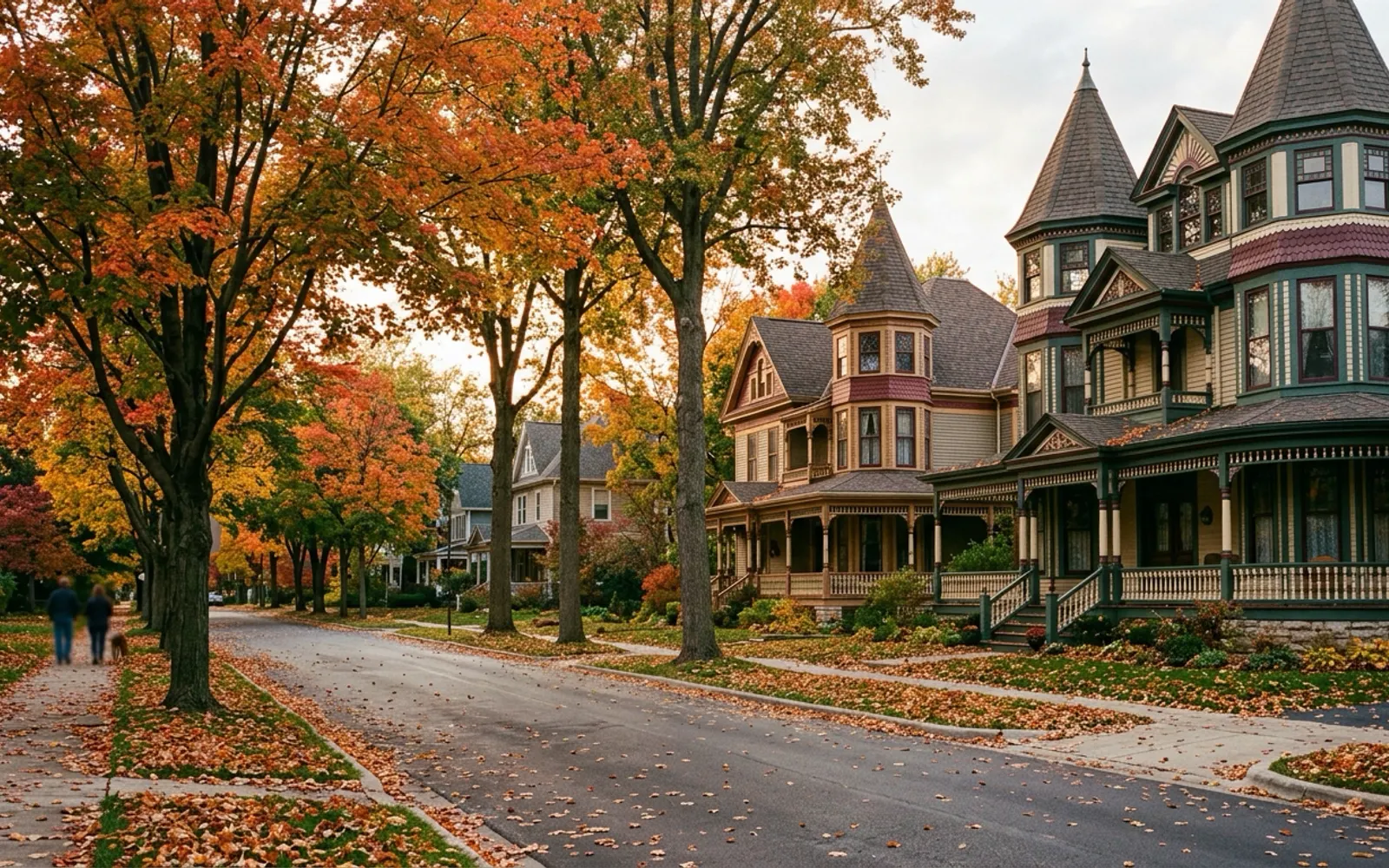
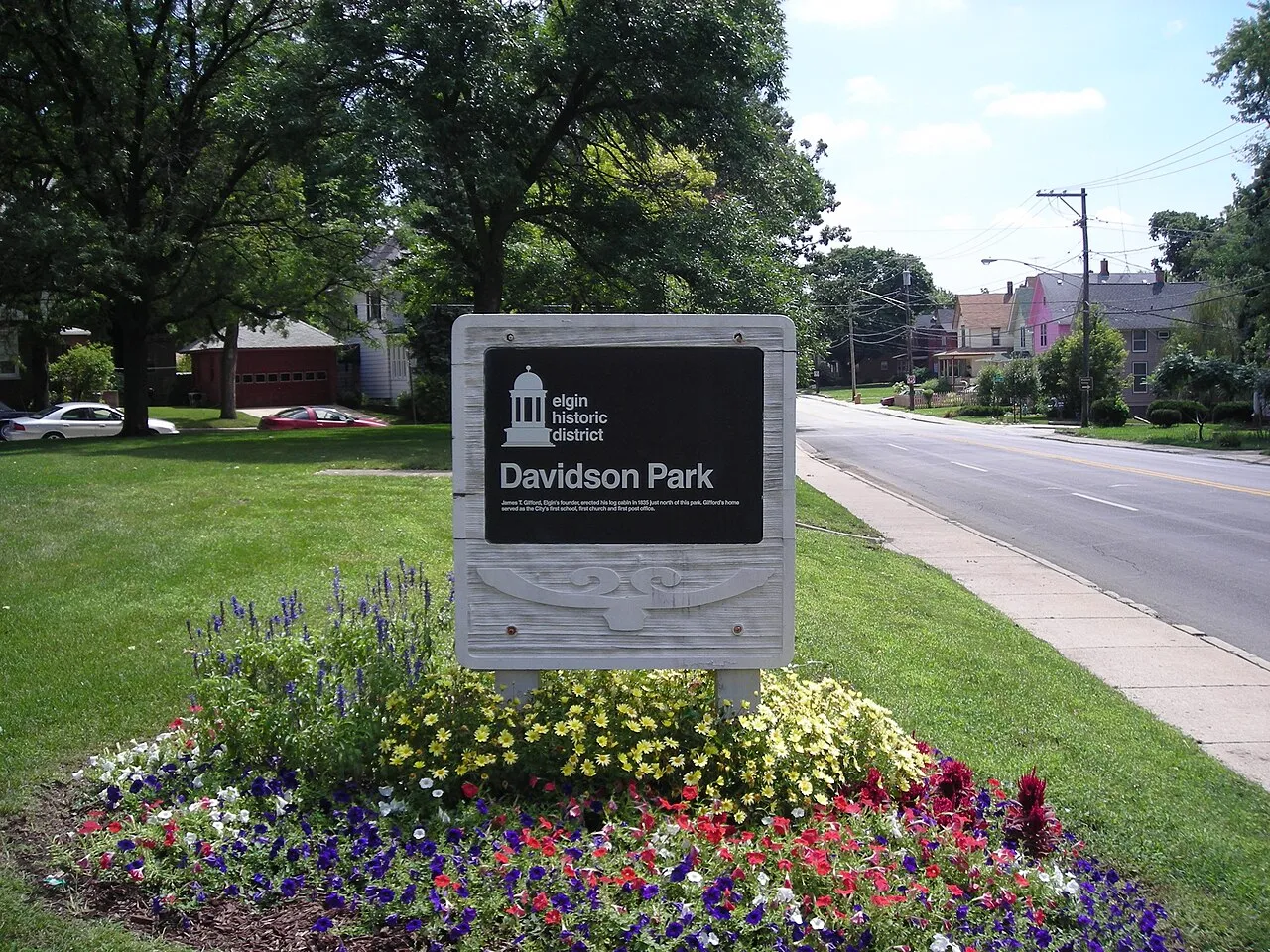
Gifford Park and the Elgin Historic District. East of the river, just northeast of downtown, on part of the original 1842 plat. Victorian and early 1900s homes on a street grid, and the highest Walk Score in the city at 77. Much of it is a locally designated historic district, which adds exterior review rules (see the homes section).
Spring/Douglas. Twelve blocks along Spring Street and Douglas Avenue north of downtown, on the east side of the river. Mostly homes built between 1886 and 1920, listed on the National Register in 2002. Big porches, big old houses and big old-house maintenance.
Northeast Elgin. The larger area around the historic districts, with a Walk Score of 57. A mix of Victorian, foursquare and bungalow houses, plus smaller multi-unit buildings.
Near West Elgin. Just west of the river and downtown, with a Walk Score of 74. Older homes on tighter lots and some of the easiest walks to the Elgin Metra station.
Wing Park and the west side of the old city. Around the 121-acre Wing Park, between the river and McLean Boulevard. Bungalows, 1920s to 1950s houses and later ranches on quieter streets.
Lords Park. Around the 112-acre park and its bison herd on the east side. Walk Score 59, with mostly early and mid-century houses.
Southeast and Southwest Elgin, Grant Park and Sunset Park. The postwar middle of the city, with Walk Scores in the 50s. Ranches, split-levels and modest two-stories that are often the most affordable single-family houses in Elgin.
Century Oaks, Century Oaks West and College Green. West-side neighborhoods from the 1970s and 1980s near Elgin Community College, with Walk Scores between 28 and 48. More space and more driving.
North Country Knolls and Eagle Heights. Northwest-side neighborhoods near Judson University and the I-90 edge.
The far west, past Randall Road. Subdivisions built from the 1990s onward, including Bowes Creek, Providence, Edgewater, the Highlands of Elgin golf community and West Point Gardens. This is where the newest construction and most homeowner associations are, and where some addresses fall in District 300, 301 or 303 instead of U-46.
What Elgin Homes Look Like, by Era
Elgin's housing is older than most suburbs and newer than most people expect, often in the same zip code. According to the 2024 Census ACS, about 19.3% of Elgin's 40,561 housing units were built before 1940. At the other end, about 25.9% were built in 2000 or later. The 1970s were the biggest single decade at 16.3%, followed by the 1990s at 12.9%. Very few suburbs have both a large pre-war stock and a large post-2000 stock, and that range is the main reason Elgin prices spread so widely.
The east side is where the old houses are: Queen Anne and Italianate homes from the watch-company era, American foursquares, workers' cottages, a few surviving cobblestone houses and a long run of 1910s to 1930s bungalows. The city thinks enough of the bungalows that it created a citywide Elgin Bungalow Thematic Historic District in 2015. The postwar middle of the city is ranches, Cape Cods and split-levels. West of McLean and Randall the housing shifts to 1970s and 1980s bi-levels and colonials, then 1990s and 2000s production two-stories and townhouses, and now a new round of builder homes.
Buying inside a historic district comes with rules. Elgin has four designated historic districts (the Elgin Historic District, Spring/Douglas, the Elgin National Watch Factory district and DC Cook/Lovell) plus the bungalow thematic district. According to the city's historic preservation page, exterior work there needs a Certificate of Appropriateness, and the city offers historic architectural rehabilitation grants and a historic paint grant. If you want to replace windows or siding, read the design guidelines before you make an offer, not after.
The Census ACS puts the median home value at $318,400 and median gross rent at $1,597 for 2024. Those figures lag the market, but they show how much of the city is still reachable for a first purchase compared with the North Shore or DuPage.
I have walked enough 100-year-old Elgin houses to know what the inspector will find: knob-and-tube wiring in walls nobody has opened, old galvanized supply lines, clay sewer laterals with root intrusion, and stone or block foundations that have taken on water at some point. Newer west-side houses have their own list, usually builder-grade roofs and water heaters reaching the end of their life at the same time. None of it should kill a deal. All of it belongs in the price. My home inspection checklist is a good place to start, and on any pre-1950 house I would add a sewer scope.
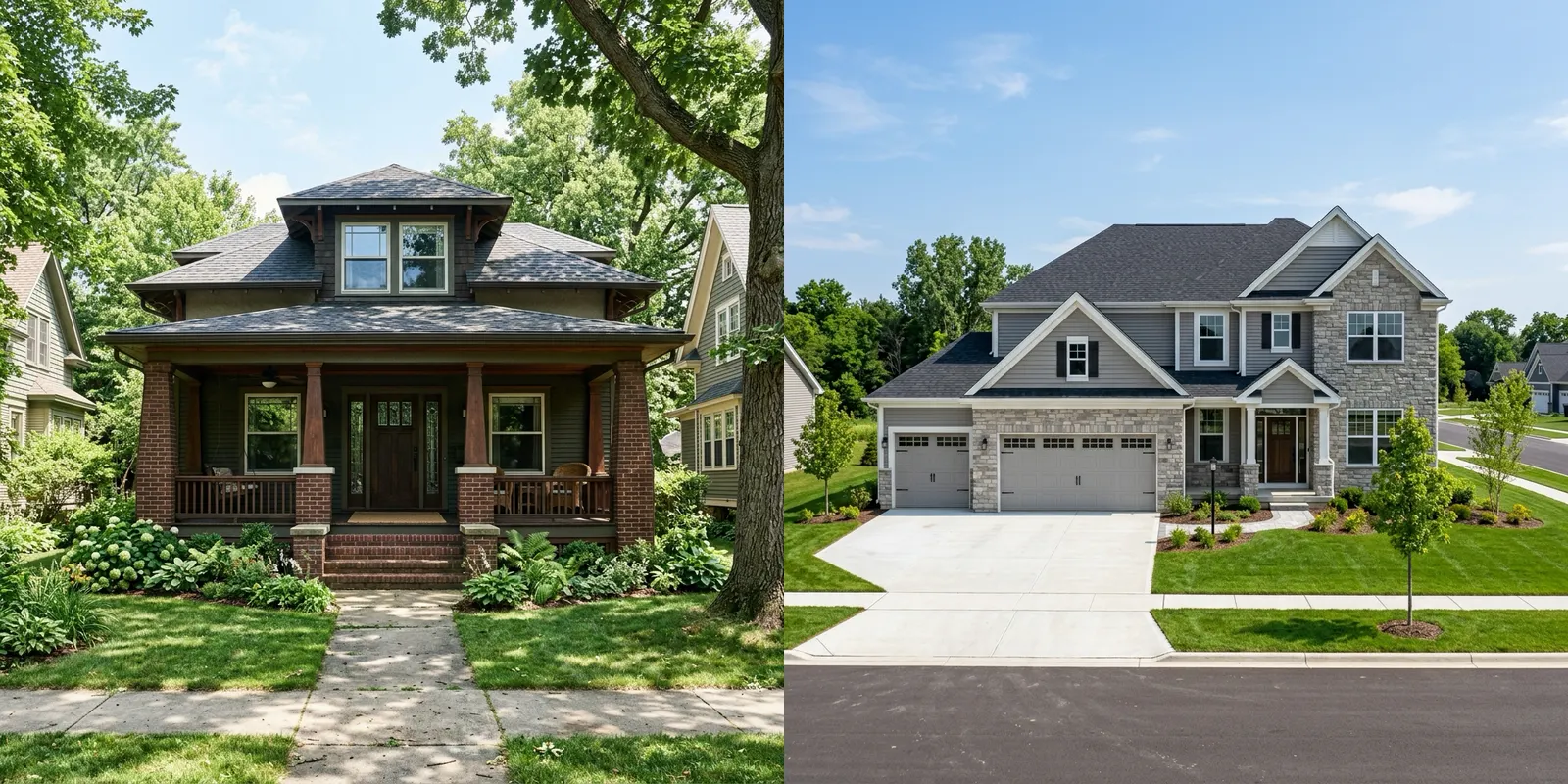
The Elgin Housing Market in 2026
Elgin is a busy, competitive market. In the three months ending August 2026, Redfin reported a median sale price of $359,762, up 8.0% from a year earlier. Median price per square foot was $211, up 8.2%. The median home took 49 days to sell, three days longer than last year, and homes sold for 100.7% of list price on average. 44.1% sold above asking, and Redfin counted 372 homes sold in August, up 6.7% from August 2025. Redfin gives Elgin a Compete Score of 70 out of 100, which it calls very competitive, with about three offers per home on average.
This year the two big data sources agree on direction. Zillow's home value index for Elgin was $339,753 in August 2026, up 4.4% year over year. Zillow's number is lower and rose more slowly because it estimates the value of every home in the city, sold or not, while Redfin's median only reflects what actually changed hands. This summer a lot of the sales were larger west-side houses, which pulls the sold median up. My read is that values are rising at a mid-single-digit pace and the mix of what sold ran a little high.
What that means in practice: a well-priced house draws competition, and Redfin says hot homes are going about 3% over list and pending in around 34 days. An overpriced house sits. 18.2% of listings took a price cut this summer. In a city this size, the price is set by the six or eight sales closest to your house, not by the citywide median.
The citywide number hides a wide range. On the Ownwell zip code table, the median home value it uses in 60124, the far west side, is about $370,000, against about $203,000 in 60120 on the east side. That gap is the whole story of Elgin real estate in one line: older and cheaper on the east, newer and pricier on the west, with the middle in between. If you are weighing whether now is the time, my take on whether 2026 is a good time to buy walks through the rate and price math.
Elgin Property Taxes and the Real Cost of Owning
Property tax is the cost that surprises Elgin buyers most, because the prices look low and the rate does not. Ownwell's data, last updated April 13, 2026, puts Elgin's median effective rate at 2.55% and the median annual bill at $6,347. Kane County as a whole runs 2.49% with a median bill of $6,802.
The rate also moves by zip code. Ownwell shows 2.52% in 60120, 2.53% in 60123 and 2.73% in 60124, where the median bill is $10,017. The west side runs higher partly because newer subdivisions often sit in tax codes with more layers, and some carry a special service area (SSA) line for subdivision infrastructure. Ask for the most recent full tax bill on any west-side house and read every line.
Here is what that looks like on a real purchase. At 2.55%, a house bought at this summer's $359,762 median would eventually carry about $9,170 a year in tax, roughly $765 a month on top of the mortgage. In 60124 at 2.73%, the same price means about $9,820 a year. Current bills may be lower because assessments trail the market, but they catch up. The expectation I most often have to reset is buyers who budget off the seller's current bill instead of the rate.
The Cook County piece works differently. Kane County assesses through township assessors and a county supervisor of assessments, with bills paid in two installments. Cook County reassesses on its own three-year cycle and sends two installments on a different calendar. If the house you like is on the far east edge of Elgin, confirm the county before you compare its tax bill to a Kane County house down the road.
If you are working out what payment you can actually carry, my guide to how much house you can afford in 2026 includes tax in the math. This is general information, not tax advice. Your actual bill depends on your parcel, your exemptions and the assessor.
Elgin Schools: U-46 and the Other Three Districts
Most of Elgin is in Elgin Area School District U-46, the second-largest school district in Illinois. It covers about 90 square miles across Kane, Cook and DuPage counties and serves roughly 40,000 students. Its two high schools inside the city are Elgin High School and Larkin High School, and U-46 also runs South Elgin, Bartlett and Streamwood high schools in neighboring towns. The district runs a gifted High School Academy program and a gifted program for grades 4 through 8, and Elgin Math and Science Academy is a publicly funded K-8 charter school in the city.
Elgin High enrolled 2,576 students in 2024-25 according to the Illinois Report Card.
Here is the part that trips people up. Elgin is served by four public school districts. According to Wikipedia's summary of the city's schools, Central Community Unit School District 301 (Burlington Central) serves some western parts of Elgin, Community Unit School District 300 serves some northwestern parts, and St. Charles District 303 serves some southwestern parts. These are mostly the far-west subdivisions, where two houses a few streets apart can feed different districts. Never assume from the Elgin address. Check the specific address with the district before you write an offer, and ask me for the boundary if you want it done for a particular house.
U-46 is also building. The city's 2025 development recap reports that construction started on the new Legacy Middle School on Rohrssen Road, renovations began at Kimball Middle School and Century Oaks Elementary, and a new football stadium is planned at Larkin High School in 2026.
For private options, St. Edward Central Catholic High School and several parish and Christian schools are in the city. Elgin Community College and Judson University, a four-year school on the Fox River, are both in Elgin.
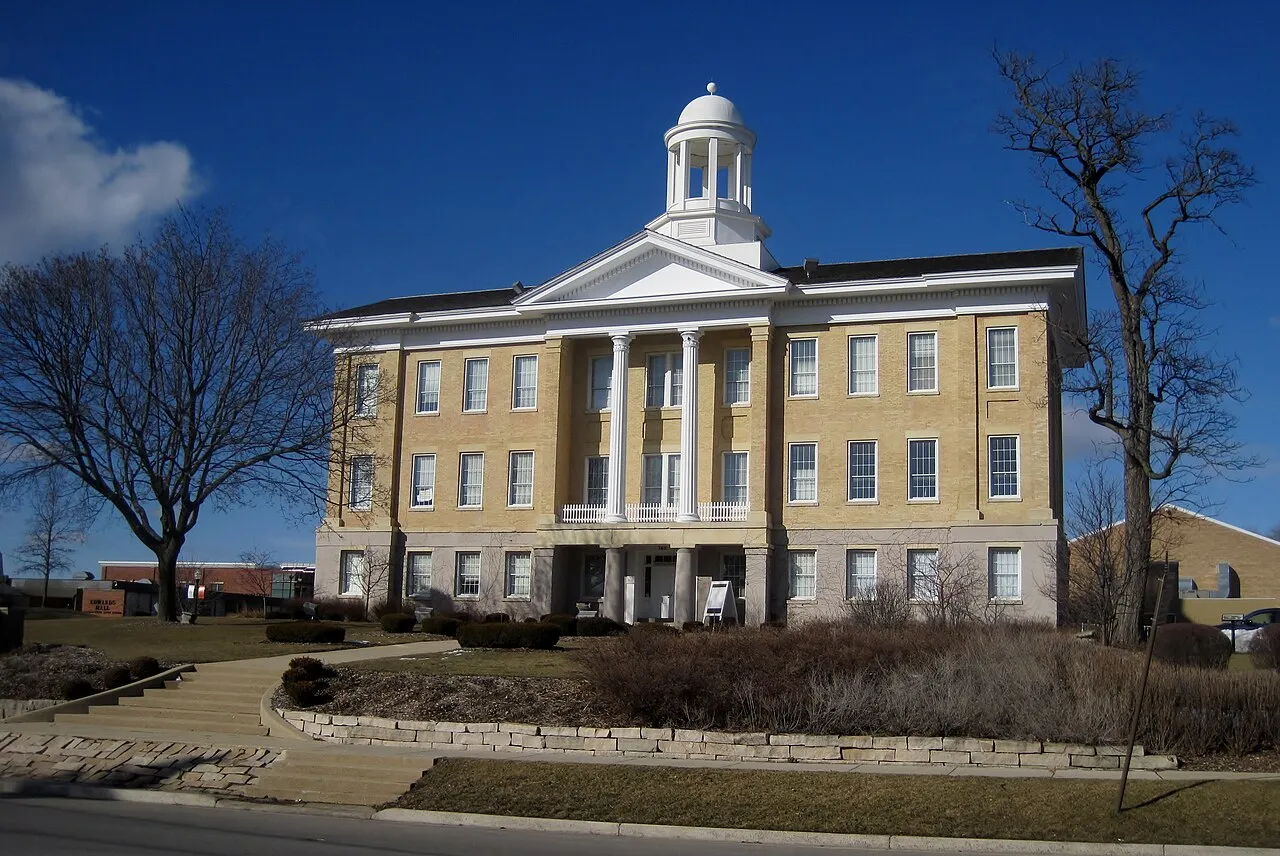
Elgin High School. U-46. Home of the district's gifted High School Academy program.
Larkin High School. U-46. New football stadium planned in 2026.
Elgin Math and Science Academy. Publicly funded K-8 charter school.
Legacy Middle School. U-46, under construction on Rohrssen Road.
Central CUSD 301. Burlington Central High School; serves some western Elgin addresses.
CUSD 300. Serves some northwestern Elgin addresses.
St. Charles CUSD 303. Serves some southwestern Elgin addresses.
Commuting from Elgin: Three Metra Stations
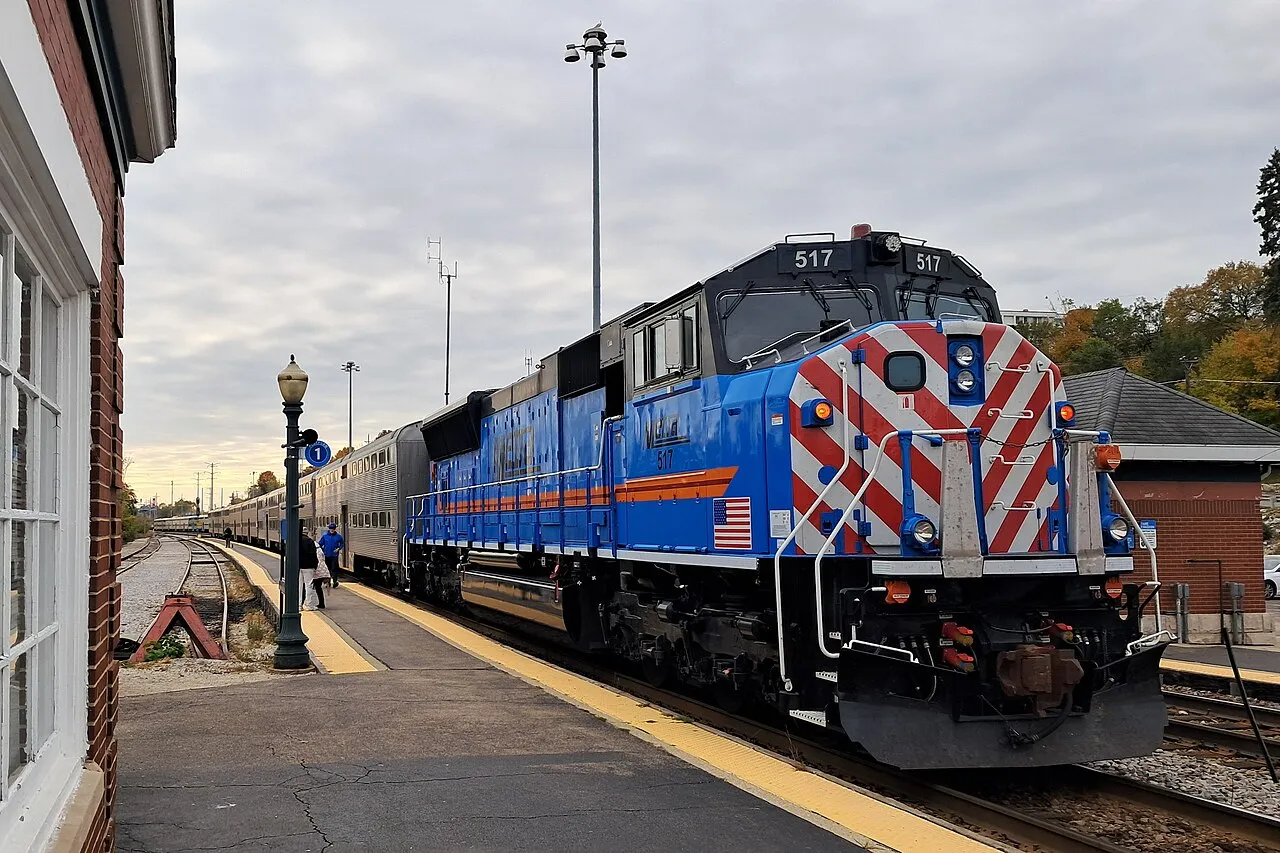
Elgin is the end of the line on Metra's Milwaukee District West, which runs one seat to Union Station, and it has three stations: Big Timber Road on the far northwest side, Elgin (Chicago Street) downtown next to the Elgin Transportation Center, and National Street on the southeast side of downtown. I counted trains from Metra's published schedule data for the week of September 21, 2026.
On weekdays the downtown Elgin station has 22 trains toward Chicago and 22 back. National Street has 23 inbound. Big Timber has 19 inbound and 22 outbound, and it is weekday only; on Saturdays and Sundays trains end at the downtown station. Weekend service is 12 trains each way on Saturday and 9 on Sunday.
The ride is long, and the timetable is honest about it. The fastest trains, the 6:26 and 7:26 a.m. departures from downtown Elgin, reach Union Station in 61 minutes. Most other trains take 70 to 81 minutes, and midday locals run about 77. From National Street every trip is about two minutes shorter. For a Loop commuter, the house-to-station distance matters as much as the train time, which is one reason Near West Elgin and the downtown condos hold their value.
Pace buses fill in the rest. Most of the city's routes meet at the Elgin Transportation Center at 102 W. Chicago Street, and Pace runs an I-90 express between Elgin and the Rosemont Blue Line station, with park-and-ride lots at Randall Road and Route 25, according to the Wikipedia summary of Elgin transit.
Driving from Elgin: I-90, Randall Road and O'Hare
I-90, the Jane Addams Tollway, runs along the north edge of Elgin with interchanges at Randall Road, Route 31, Route 25 and Route 59 nearby. That is the main route east to Schaumburg, O'Hare and the Kennedy. O'Hare is roughly 25 miles east, usually 35 to 45 minutes outside rush hour, and the tollway's flex lanes help at peak times.
North to south, Randall Road is the west side's commercial spine and the fastest way to St. Charles, Geneva and Algonquin. Route 31 follows the river on the west bank and Route 25 on the east bank. U.S. Route 20 cuts across the city toward Bartlett and west to Hampshire. The honest drawback is that the Fox River has only a few bridges in the city, so crossing east to west at rush hour takes planning.
Is Elgin Walkable?
Parts of it very much are, and most of it is not. Walk Score rates the city 43 for walking, 29 for transit and 51 for biking, which is car-dependent overall.
The walkable part is the old city. Gifford Park (77), Near West Elgin (74), Lords Park (59) and Northeast Elgin (57) all score far above the citywide number, because they sit on a street grid close to downtown, the river and the train. At the other end, College Green (28), Century Oaks West (29) and Willow Lakes Estates (15) are subdivisions where you drive for everything. If walking to a coffee shop or the Metra matters to you, it narrows your Elgin search to a small area east and just west of the river.
For recreation, the Fox River Trail runs along the river through Elgin and connects north to Algonquin and the Dundees and south to St. Charles, Geneva and Batavia, so a long bike ride is easy from almost anywhere in the city.
Downtown Elgin and the Randall Road Corridor
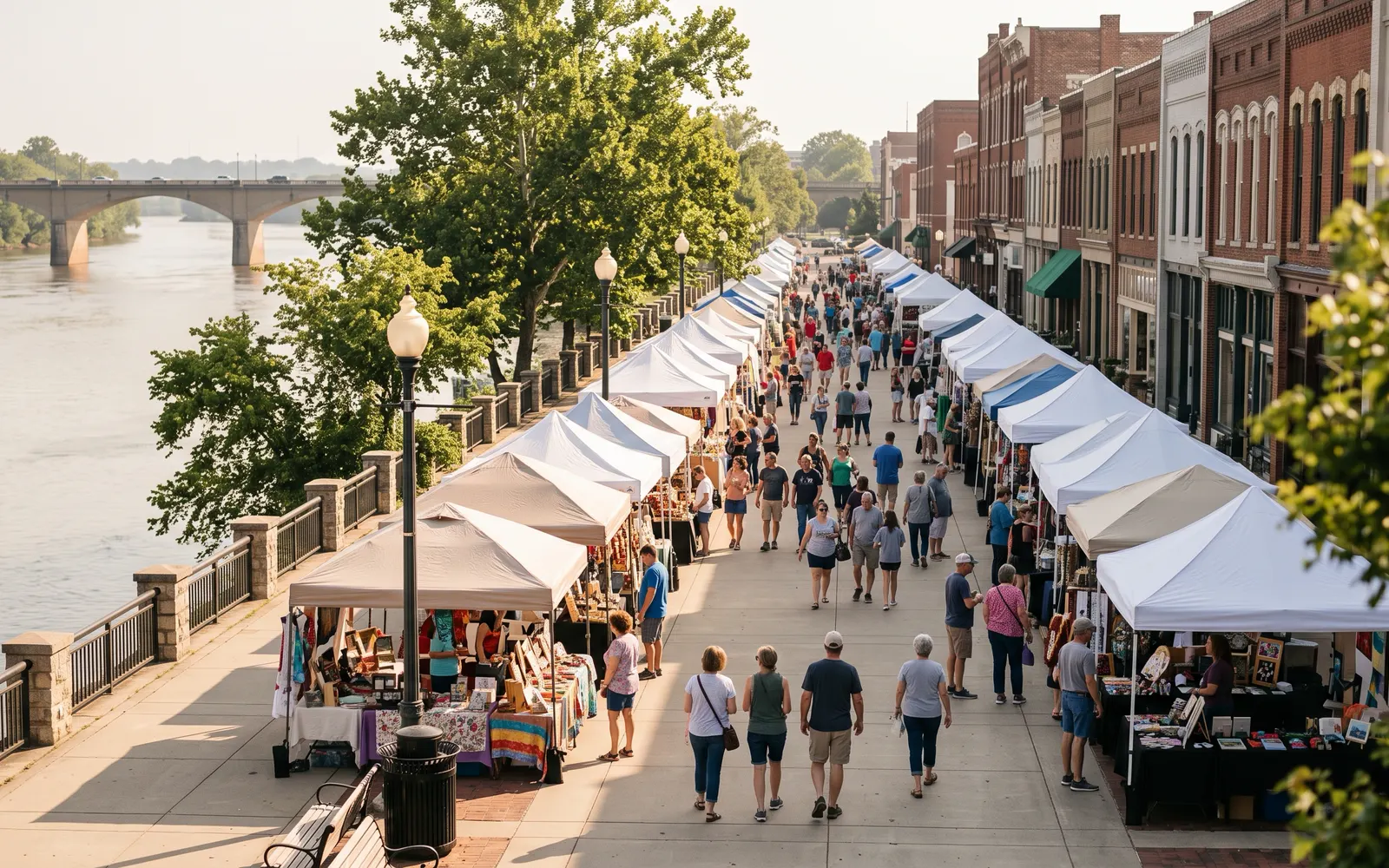
Elgin has two shopping centers of gravity. Downtown, along the river and Chicago Street, is small independent shops, restaurants, bars and the Grand Victoria Casino, with Festival Park and the Riverside Drive promenade hosting markets and events most summer weekends. The Makers Markets on Riverside Drive ran several weekends in 2026, according to the city's 2026 summer events list.
The west side runs on Randall Road, a long commercial corridor of big-box stores, grocery chains, restaurants and car dealers stretching from I-90 south toward South Elgin and St. Charles. The city's 2025 recap notes a new dealership, a Starbucks, a Holiday Inn Express and Kane County satellite offices opened along it last year. For a traditional mall, Woodfield in Schaumburg is about 20 minutes east on I-90, and Spring Hill Mall in West Dundee is closer to the north side.
Groceries and Everyday Errands in Elgin
Groceries are easy on either side of the river. The Randall Road corridor has the large chain stores and warehouse clubs, and the east side has neighborhood grocers, independent markets and bakeries along the older commercial streets. Most weekly errands on the west side are a five-minute drive to Randall, and on the east side many are a short walk or drive to Chicago Street, Dundee Avenue or Summit Street.
Where Elgin Eats
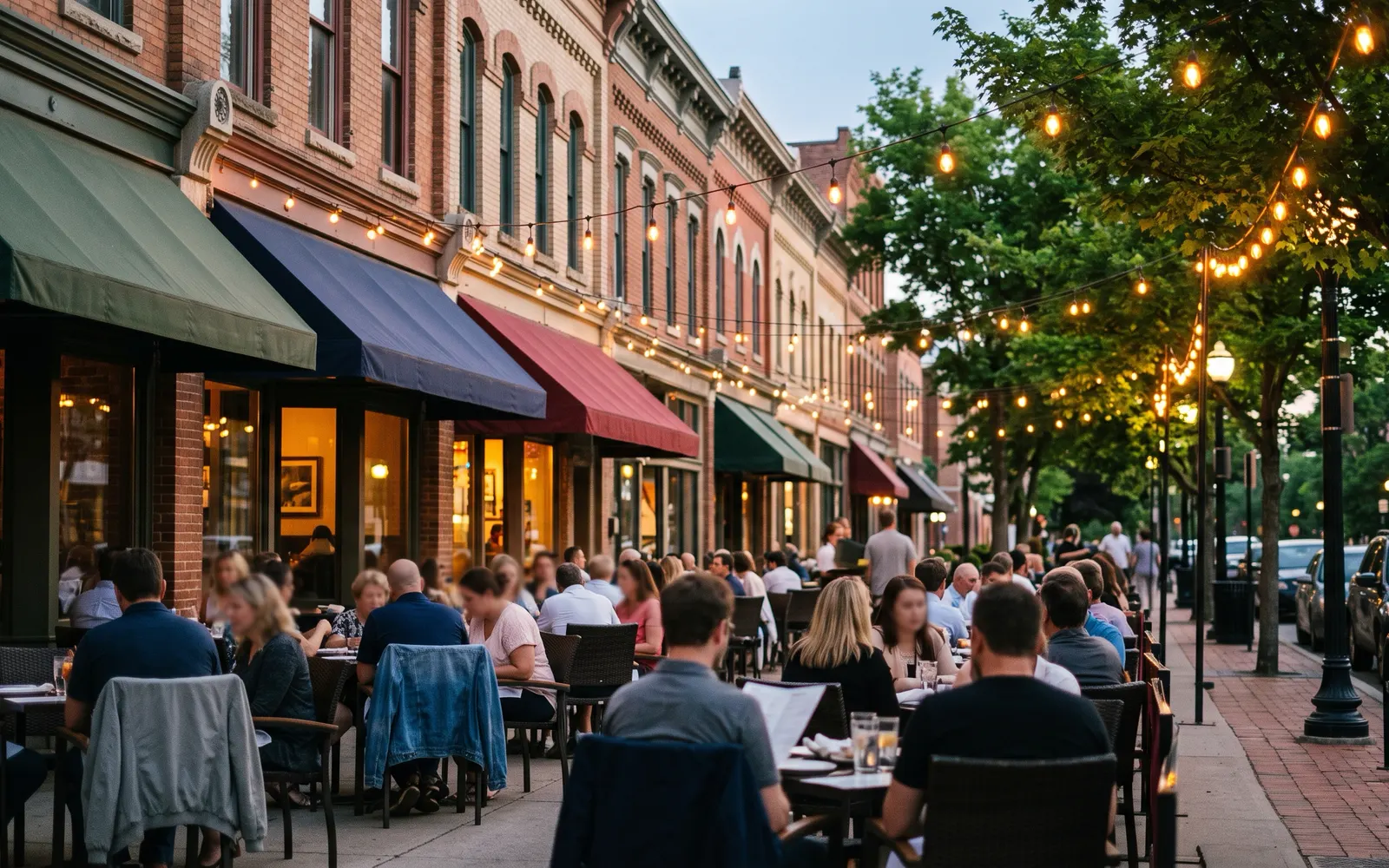
Downtown Elgin is where most of the independent dining is. The historic buildings along the river and Chicago Street hold restaurants, taprooms and cafés, and The Lodge at 18 Villa Street opened as a performing arts venue in 2025. Elgin's restaurant scene covers a wide range of cuisines, with a lot of independently owned places on the east side and more chain options along Randall Road. The summer calendar adds food-focused events at Festival Park, and Illinois Brews at Bowes ran on September 12, 2026.
Parks, Golf and Nature in Elgin
Elgin's two signature parks are both more than a century old. Lords Park covers 112 acres on the east side, with the Elgin Public Museum and a small zoo that keeps a herd of American bison. Wing Park covers 121 acres on the west side, with a golf course, an aquatic center and the bandshell that hosts summer concerts. The Centre of Elgin, across from the library downtown, is one of the largest municipal recreation centers in the country, with an aquatic park and a climbing wall. The Elgin Sports Complex on the southwest side has ten lighted ballfields, ten soccer fields and The Hill BMX track.
Golf goes beyond Wing Park: the Highlands of Elgin, Elgin Country Club and Bowes Creek Country Club are all in the city. For open land, the city borders the 4,200-acre Poplar Creek Preserve run by the Forest Preserves of Cook County on the east, with trails for biking, hiking and horses. Two protected nature preserves sit inside Elgin: Bluff Spring Fen, known for its rare orchids, and Trout Park, a spring-fed forest that the Northwest Tollway cut through in the 1960s. These park facts come from Elgin's Wikipedia entry.
The Gail Borden Public Library in Elgin
The Gail Borden Public Library moved into its current downtown building in October 2003, a $30 million, 139,980-square-foot library across from the Centre of Elgin. It opened the Rakow Branch on the west side in 2009, and that same year it received the National Medal for Museum and Library Service, one of five libraries in the country to get it. It runs a full calendar of programs for all ages, and it is a good first stop for anyone researching the history of a specific Elgin house.
Utilities in Elgin
The City of Elgin provides water and sewer service inside the city limits. ComEd delivers electricity and Nicor Gas provides natural gas. The city handles residential trash and recycling through its contracted hauler, and Elgin was the first city in Illinois to offer free curbside textile recycling, starting in 2017. On unincorporated parcels near the edges of the city, water and sewer can instead be private well and septic, so confirm the service on any address outside the city limits before you rely on it.
Hospitals in Elgin
Elgin has two full-service hospitals inside the city, which is unusual for a suburb. Advocate Sherman Hospital is at 1425 N. Randall Road on the west side, and Saint Joseph Hospital is at 77 N. Airlite Street, also west of the river. Both are among the city's largest employers. For most addresses in Elgin, an emergency room is under 15 minutes away.
The Arts, the Casino and Nights Out in Elgin
For a city its size, Elgin has an unusually deep arts calendar. The Elgin Symphony Orchestra is based here, the Hemmens Cultural Center and Elgin Community College's Visual and Performing Arts Center host touring acts, and several community theater companies perform through the year. The Elgin Fringe Festival took over downtown from September 23 to 27, 2026, according to the city's summer events list.
The Grand Victoria Casino on the river has been part of downtown since the 1990s, and its foundation has put well over $100 million into community grants. Open Elgin, a free self-guided tour of downtown architecture, opens buildings to the public on its tour weekends. Concerts in the Park and Movies in the Park ran through the summer at the Wing Park Bandshell, Lords Park and College Green Park.
The Fourth of July, Nightmare on Chicago Street and Elgin's Calendar
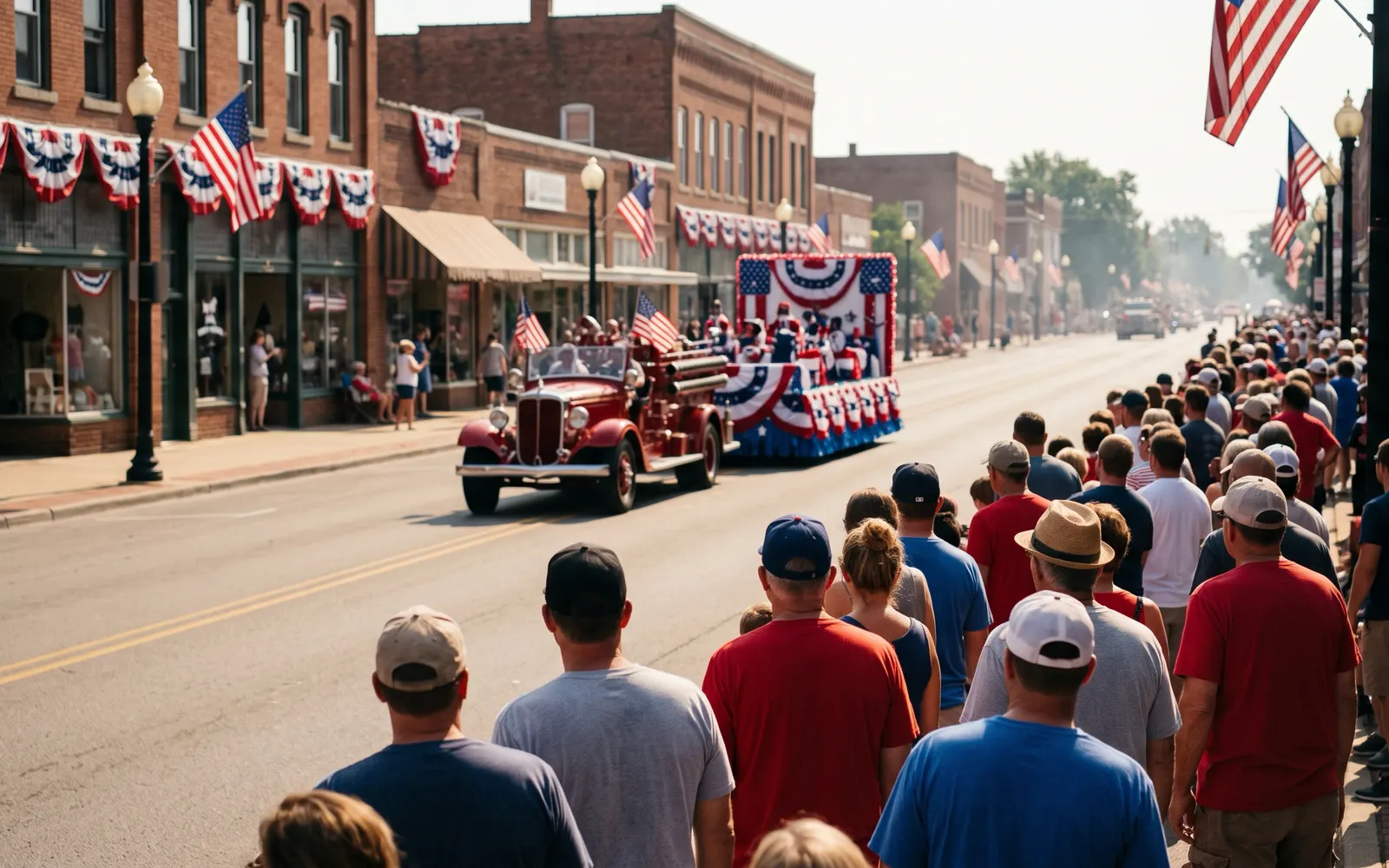
The Fourth of July Parade and Celebration is the big summer day. On Saturday, July 4, 2026, the parade started at 9 a.m. at Douglas and Slade avenues and ran south on Douglas to Highland Avenue near City Hall. The evening moved to Festival Park at 132 S. Grove Avenue from 5 p.m., with live music, food and fireworks at about 9:20 p.m.
The one outsiders know is Nightmare on Chicago Street, the downtown horror festival that started in 2012. In 2026 it expands to two nights for the first time, a concert night on Friday, October 16, and the full event on Saturday, October 17, according to the City of Elgin.
The rest of the year has a steady rhythm. The 2026 summer calendar included a Pride parade and festival on June 6, a Juneteenth rhythm and blues festival on June 20, Shakespeare in the Park at Lords Park on August 16, La Fiesta de Elgin on September 12 and the Elgin Short Film Festival on September 19. If you are touring homes in early July or mid-October, go downtown for an evening. It tells you more about the city than a listing will.
What's Being Built in Elgin
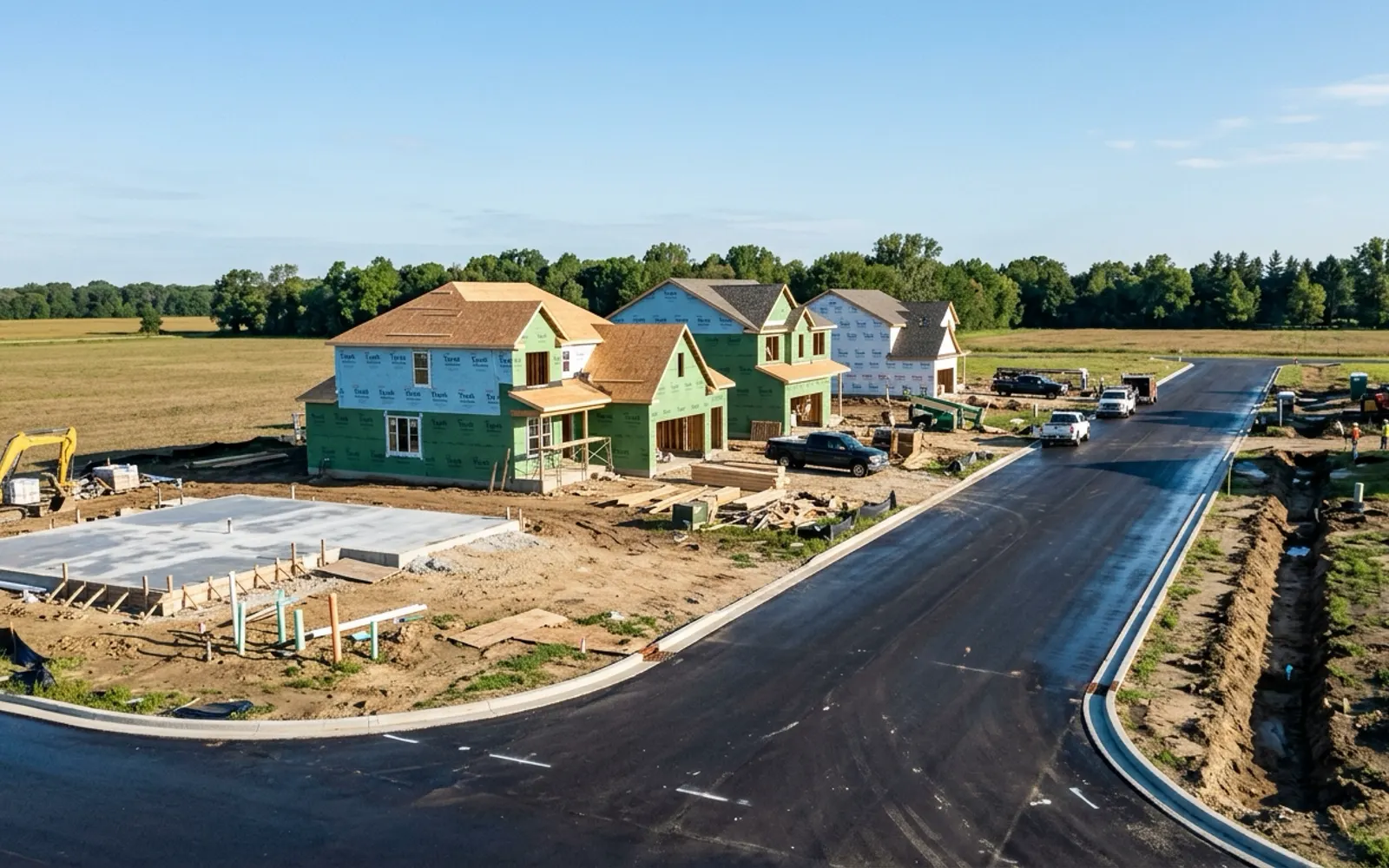
Elgin is still growing on both ends. The city's January 2026 development recap reports that more than 160 new single-family homes were permitted in the far-west subdivisions in 2025, and 280 new apartments opened near Randall Road and Hopps Road. For west-side buyers, that means new construction is still a real option in Elgin, and it also means resale houses in those subdivisions compete with a builder's model down the street. Ask the builder what incentives they are running before you price a resale.
Downtown is filling in more slowly and more carefully. The same recap says 40 new apartments at 40 DuPage Court are now occupied, Judson University finished a new dormitory and studio space, and the McBride Building is planned as a 26-room boutique hotel on its upper floors. At 61-65 S. Grove Avenue, the city approved a redevelopment agreement to turn a long-vacant building into four ground-floor commercial spaces and six apartments, a project of about $5.1 million with up to $1.78 million in downtown tax increment financing, to be completed within 18 months of the permit.
Institutions are investing too. Elgin Community College's new Manufacturing and Technology Center, an $85 million project, is expected to open in fall 2026. U-46's Legacy Middle School is going up on Rohrssen Road, a solar farm is under construction near Bowes and Nolan roads, and a new indoor soccer dome is expected to break ground on McLean Boulevard.
For owners on the east side, the downtown projects matter more than the numbers suggest. Every occupied apartment and reopened storefront near the river supports the walkable neighborhoods around it, and that is where I would watch for price gains over the next few years.
I don't label any town or neighborhood as safe or unsafe.
Flood Risk in Elgin
A river city has river risk, but in Elgin it is concentrated rather than widespread. Redfin, using First Street's model, rates Elgin's overall flood risk as minor, with 1,305 properties, about 7% of the city, likely to be severely affected by flooding over the next 30 years. The low ground along the Fox River and along the creeks that feed it, such as Poplar Creek and Tyler Creek, is where that risk sits.
Two checks before you write an offer. Look the address up on the FEMA flood map, because a mapped flood zone can mean required flood insurance on a mortgage. And ask the seller directly about water in the basement. On the east side's old stone and block foundations, the answer is often "yes, once," and the follow-up about what they did about it is the question that matters.
Frequently Asked Questions
How much does a house cost in Elgin, IL?+
Redfin reported a median sale price of $359,762 for the three months ending August 2026, and Zillow's home value index was $339,753 for August 2026. Prices vary widely by area, from older east-side homes to new construction on the far west side.
What are property taxes in Elgin, IL?+
The median effective rate is about 2.55%, with a median bill of about $6,347 (Ownwell, April 2026). The 60124 zip code runs higher at 2.73%. Bills usually rise after a sale once the home is reassessed, and the Cook County part of Elgin runs on a different assessor.
Is Elgin in Kane County or Cook County?+
Both. Most of Elgin is in Kane County, and part of the east side is in Hanover Township in Cook County. Check the county for any address, since it changes the assessor and the tax calendar.
What school district is Elgin, IL in?+
Mostly School District U-46, which runs Elgin High School and Larkin High School in the city. Some far-west addresses are in Districts 300, 301 or 303, so confirm each address with the district.
How long is the commute from Elgin to downtown Chicago?+
On Metra's Milwaukee District West line, the fastest trains from downtown Elgin reach Union Station in 61 minutes and most take 70 to 81. The downtown station has 22 weekday trains in each direction.
What neighborhoods are in Elgin, IL?+
Commonly named areas include Gifford Park, Spring/Douglas, Northeast Elgin, Near West Elgin, Wing Park, Lords Park, Century Oaks, College Green, North Country Knolls and far-west subdivisions such as Bowes Creek, Providence and Edgewater.
Is Elgin walkable?+
Not citywide. The Walk Score is 43, but older neighborhoods near downtown score much higher, including Gifford Park at 77 and Near West Elgin at 74.
Is new construction available in Elgin?+
Yes. The city permitted more than 160 new single-family homes in its far-west subdivisions in 2025, and builders are still active west of Randall Road.
Eshu Chikoti has extensive access to off-market listings throughout Elgin and the rest of Kane County — homes that never make it to the public listing sites. That matters right now: in a seller's market like this one, well-priced homes routinely go under contract within days, and buyers relying only on public listings are competing for whatever is left over. Working with someone plugged into off-market inventory means seeing homes before the crowd does.
Eshu Chikoti · 847-691-4282 ·
Get new Elgin listings by email
When a home comes on the market in Elgin, I'll email it to you.
Just your email. Unsubscribe any time by replying.
Thinking About Elgin?
Whether you're buying, selling, or just curious what's on the market, I can walk you through Elgin street by street.