Investing in Lake County Real Estate: The Honest Numbers Behind a Rental Here
I own rental property in Lake County, so let me skip the brochure version. The single biggest number in any deal here isn't the rent or the purchase price — it's the property tax, and it quietly turns deals that look fine on the listing into deals that barely break even. If you run Lake County numbers with assumptions you borrowed from a lower-tax market, you will overpay. Every time.
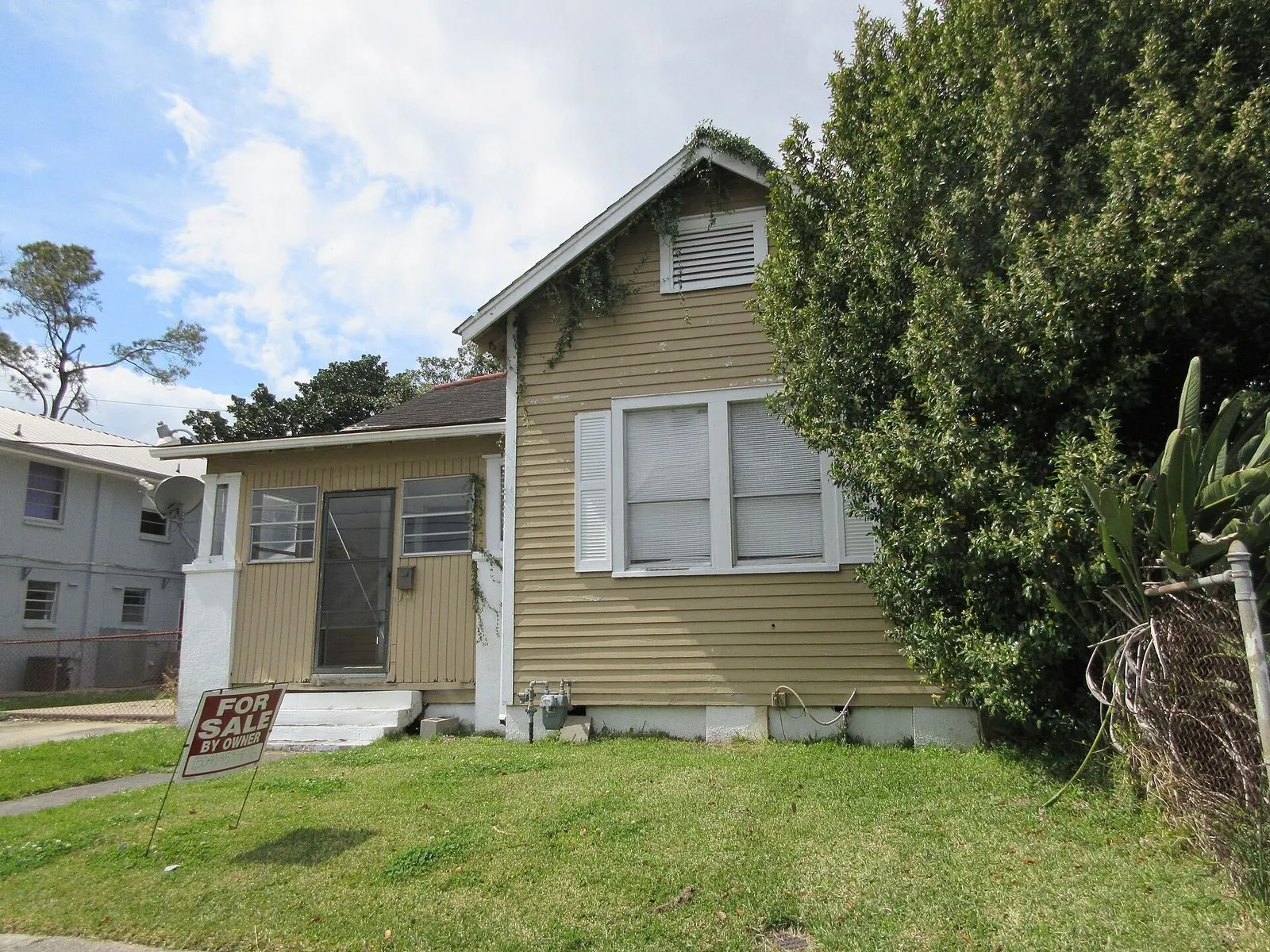
Lake County's effective property tax rate runs about 2.68%, roughly triple the national average and above the Illinois statewide average of 2.07%. The median bill lands near $8,743 a year. For a homeowner that's painful. For a landlord it's the line item that decides whether the whole thing works — because unlike your mortgage, it never gets paid off, and it goes up.
Let me run a real one for you
Take a three-bedroom single-family house in Gurnee, a solid, steady rental town. The typical home value there is about $365,000, and a three-bed rents for roughly $2,700 a month. Say you buy at $375,000 and rent at $2,700, or $32,400 a year in gross rent. Now watch what the county does to it. Here's the honest annual expense stack, not the optimistic one:
- Property taxes at 2.68%: about $10,050
- Landlord insurance: about $1,900
- Maintenance and capital reserves (8% of rent): about $2,600
- Vacancy allowance (5%): about $1,620
- Property management (8% of rent): about $2,600
That's roughly $18,770 in operating costs, leaving about $13,600 in net operating income. Divide that by the $375,000 price and you get a cap rate of about 3.6%. That is a real, defensible number for a typical Lake County single-family rental — and it's well under the 5-6% a lot of out-of-state investors assume they'll clear before they've ever seen an Illinois tax bill.
The property tax is the whole story
Look back at that expense list. The single largest line — bigger than insurance, maintenance, vacancy, and management combined — is the tax bill, at about $10,050. That's roughly 31 cents of every rent dollar gone to the county before I've fixed a faucet or covered a single vacant month.
Here's the part that should stop you. If that exact same house sat in a market with a 1% effective tax rate, the bill would be about $3,750, and I'd keep an extra $6,300 a year. That alone would push net operating income to roughly $19,900 and the cap rate to about 5.3%. Same house, same rent, same price — the tax rate by itself is the difference between a 5.3% cap and a 3.6% one. That's about 1.7 points of yield, evaporated, before the deal even starts. It's also exactly why appealing your assessment matters so much here; I walk through that in the Lake County property tax appeal guide, and on a rental it's not a nice-to-have, it's part of the return.
In Lake County you don't buy a rental. You buy a rental and a permanent partner named the county assessor, and that partner takes their cut off the top every year whether you had a good year or not.
The 1% rule is a fantasy at these rates
Investors love the old 1% rule — monthly rent should equal at least 1% of the purchase price. On our $375,000 Gurnee house, that means $3,750 a month. Actual market rent is $2,700. So we're at about 0.72% — nowhere close, and that's true across almost every rentable town in the county at today's prices.
Financing makes the reality-check sharper. Investment-property loans run about 7.29% right now, a premium over the roughly 6.75% an owner-occupant pays. Put 25% down on our house — $93,750 — and finance $281,250. Your principal and interest run about $1,926 a month, or $23,100 a year. Against roughly $13,600 of net operating income, you're feeding the property about $790 every single month just to hold it. That's not a typo. At current rates, a typical leveraged single-family rental in Lake County is cash-flow negative on day one.
So why would anyone buy? Because you're not buying today's cash flow — you're buying tenant-funded loan paydown, plus appreciation, plus the option to refinance if rates drop. That can be a perfectly good bet. It is just a very different bet from the passive-income story people sell, and you have to be able to cover the monthly bleed while you wait for it to pay off.
Which towns actually pencil?
The rent-to-price math isn't uniform across the county, and the spread is where the whole decision lives:
- Value towns (Gurnee, Round Lake, Waukegan, Zion): Round Lake's typical home value is about $312,000 with houses renting near $2,300-$2,400 — a rent-to-price ratio around 0.74%. Not spectacular, but the strongest in the county, with steady demand from tenants priced out of ownership. Lower entry prices also mean less capital at risk per door.
- The North Shore (Lake Forest, Highland Park, Lake Bluff): Lake Forest's typical home value is over $1,000,000, and a million-dollar house does not rent for $10,000 a month — more like $4,500, a ratio near 0.45%. Add a five-figure annual tax bill and these almost never cash-flow. They're an appreciation and lifestyle play, not a rental play.
The honest summary: value towns get you closest to breakeven and carry real tenant demand, while the pricey North Shore is a place to park equity, not to harvest rent. If you're weighing a rental against just buying to live in, my rent-vs-buy breakdown for 2026 runs that same math from the owner-occupant side, and Gurnee gets its own deep dive if that's the town you're circling.
The Illinois landlord rules you can't wing
Two things trip up new landlords here. First, security deposits. Since January 1, 2024, the Security Deposit Return Act covers every residential landlord in Illinois regardless of unit count. You have 45 days to return a deposit, and if you're keeping any of it you must hand over an itemized statement with receipts within 30 days. Miss that window and a tenant can come after you for double the amount withheld — so a sloppy move-out can cost you more than the deposit itself.
Second, eviction is a court process, full stop. No changing locks, no shutting off utilities, no self-help of any kind — that's how a landlord turns a rent dispute into a lawsuit they lose. Budget both the time and the legal cost of doing it correctly, because in a bad tenancy that carrying cost is real, and it comes straight out of the thin margin we just walked through.
So is it worth it?
Sometimes, and for a specific kind of investor. Lake County home prices were up 8.6% year over year in July 2026, and that appreciation plus tenant-funded paydown is where the return actually comes from here — not the monthly cash flow, which the tax rate has largely eaten. If you're a patient buy-and-hold investor who can cover a monthly shortfall, appeal your assessment aggressively, and hold long enough for equity and price growth to do the heavy lifting, the numbers can work. If you're counting on positive cash flow from day one at current rates, they mostly won't.
That's the candid version, and it's the version I'd want if I were writing the check. If you want me to run these exact numbers on a specific address — real rent comps, the actual tax bill, financed cash flow both ways — that's a conversation I'm glad to have.
Frequently Asked Questions
Rarely on day one with financing. At about a 7.29% investor rate and 25% down, a typical single-family rental here runs cash-flow negative by a few hundred dollars a month. The return comes from appreciation and loan paydown, not monthly cash — so you need to be able to feed it while you wait.
Realistically about 3.5-4.5% once you subtract the real 2.68% property tax bill, insurance, maintenance, vacancy, and management. Anything higher usually means someone left the true tax figure out of the math.
A lot. Lake County's effective rate of about 2.68% is roughly triple the national average. On a $375,000 house that's about $10,050 a year — close to a third of gross rent, and enough to knock roughly 1.7 points off your cap rate versus a low-tax market.
Value towns like Gurnee, Round Lake, Waukegan, and Zion, where lower entry prices produce the county's best rent-to-price ratios and steady tenant demand. The North Shore, with typical values over $1,000,000, almost never cash-flows and is an appreciation play instead.
Under the Security Deposit Return Act, you must return a tenant's deposit within 45 days and provide an itemized statement with receipts within 30 days for anything you withhold. Miss the deadline and you can owe the tenant double the amount kept.
This is general information, not investment, tax, or legal advice. Every deal turns on its own numbers, and property taxes, rents, and rates change. Talk to a qualified accountant, attorney, and lender about your specific situation before you buy.
Get new Lake County listings by email
I'll send you new Lake County homes as they come on the market. Just your email, no account needed.
Just your email. Unsubscribe any time by replying.
I'm Eshu Chikoti, a Lake County, IL agent. If you want the numbers in this article run for your specific home or purchase, let's talk it through — no pressure, no obligation.
Get in touch →