Algonquin, IL
Algonquin, IL is a Fox River village of about 30,000 people that straddles the McHenry and Kane County line, with a historic riverfront downtown, the Randall Road shopping corridor and mostly 1980s to 2000s subdivisions.
Living in Algonquin, IL means a median sale price near $415,000 this summer, property tax around 2.4% to 2.5% of value depending on the county, and two school districts split by address. There is no Metra station in the village, so rail commuters drive to Cary or Crystal Lake. Here is how it breaks down, pocket by pocket.
Written by Eshu Chikoti · 847-691-4282 ·
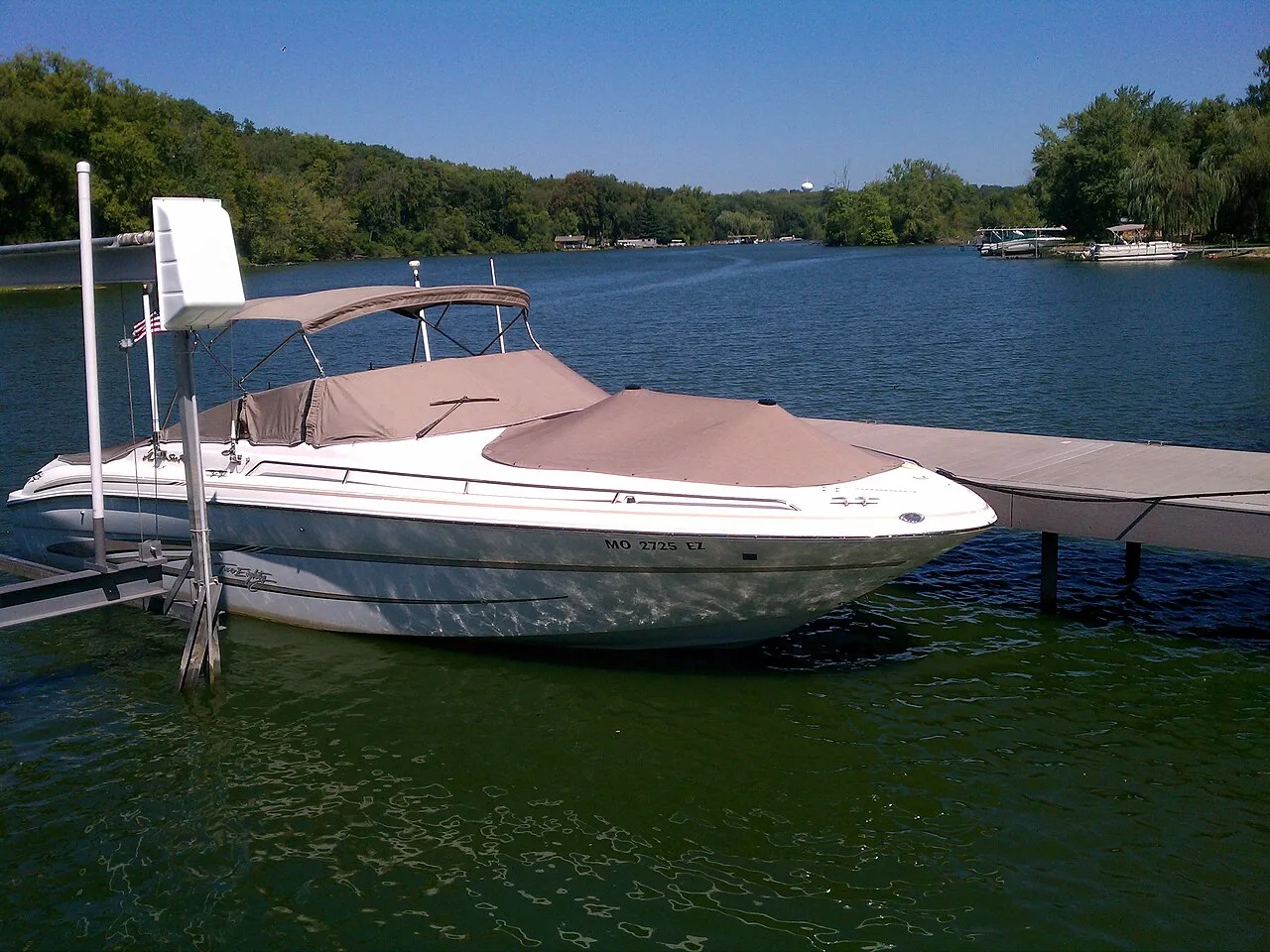
How Algonquin, IL Got Here: A Short History
Algonquin grew up where travelers crossed the Fox River. According to Wikipedia's history of Algonquin, the first settler, Samuel Gillilan, arrived from Virginia in 1834. The settlement went through several names, including Denny's Ferry, Cornish Ferry, Cornishville and Osceola, before the name Algonquin was adopted on December 23, 1847. The Village of Algonquin's 2026-27 budget says Samuel Edwards suggested it after a ship he once owned.
The railroad arrived in 1855, which let local farmers ship to Chicago, and the village incorporated on February 25, 1890. For decades it was a river resort. Chicagoans came out by train for the summer, and the village picked up the nickname it still uses, "Gem of the Fox River Valley." The first Village Hall was built in 1906 at 2 South Main Street and served until 1996. It still stands as Historic Village Hall.
The story locals like best is the Algonquin Hill Climbs. From 1906 to 1913, early automakers raced up the steep hills on the east side of the river to prove their cars could make it. The village budget puts the crowds at more than 25,000 people in a village of about 600.
The modern town is much newer than that history suggests. Algonquin had 5,834 residents in 1980, 11,663 in 1990 and 23,276 in 2000. The 2020 census counted 29,700. Almost all of that growth was subdivisions built west of the river toward Randall Road, and that timeline explains the housing you will see on a tour today.
Algonquin at a Glance
Algonquin covers about 12.3 square miles in southeastern McHenry County, roughly 40 to 45 miles northwest of the Loop. Wikipedia puts about 78% of the village in McHenry County and the rest in northeastern Kane County. The village sits across four townships: Algonquin and Grafton on the McHenry side, Dundee and Rutland on the Kane side.
The 2020-2024 Census ACS puts the population at 30,067 and counts 11,151 housing units. 88.2% of occupied homes are owner-occupied, one of the higher shares I see in the western suburbs, and 74.9% of all homes are single-family detached houses.
The Fox River runs north to south through the east side of the village, and it is the first thing to understand about the map. East of the river and around the old downtown, the land is hilly and the houses are older. West of the river, the ground flattens out toward Randall Road, where the subdivisions, the big shopping centers and the Algonquin Corporate Campus are.
Three roads anchor every conversation. Randall Road runs north to south on the west side and is the commercial spine. Algonquin Road (IL 62) runs east to west through the middle of town and crosses the river downtown. IL 31 follows the river, and since 2014 a western bypass carries through traffic around the old downtown. When a local says a house is "off Randall" or "east of the river," those are the reference points.
The median sale price is well below the inner northwest suburbs, the property tax rate is lower than much of Lake County, and the housing stock is recent enough that most houses need updating rather than rebuilding.
Algonquin's County Line: McHenry Versus Kane
Algonquin is one village with one mayor and one police department, but it sits in two counties, and the county line changes more than people expect. The village budget says it plainly: residents are served by different fire protection, school, township, park and library districts depending on where they live.
Here is what changes when you cross from a McHenry address to a Kane address. The assessor and the tax calendar are different. The tax rate is different: Ownwell's 2026 data shows a 2.51% median effective rate on the Kane side against 2.37% on the McHenry side. Park services can change too. According to Wikipedia, the Dundee Township Park District serves the Kane County part of the village south of County Line Road, and the Huntley Park District serves a western portion.
Schools do not follow the county line neatly either. Most of the Kane side and much of the McHenry side feed District 300, while other McHenry addresses feed Huntley District 158. Two houses in the same ZIP code, 60102, can carry different school districts, different tax codes and different park districts.
The expectation I most often have to reset is buyers who assume "Algonquin" means one set of rules. Before you write an offer, pull the parcel number and check which county, township and school district it sits in. If you want that done for a specific address, that is a conversation I am happy to have here.
Algonquin Neighborhoods, Pocket by Pocket
Algonquin has no official neighborhoods, but it is really three markets. The old downtown and the streets east of the Fox River are the oldest and hilliest part of town, with the most variety from house to house. The middle of the village, between the river and Randall Road along Algonquin Road, is where the 1970s and 1980s subdivisions are. West of Randall Road and down into Kane County are the 1990s and 2000s subdivisions and the newest construction.
Walkability varies less than it does in an older inner-ring suburb, because almost all of Algonquin was built for cars. Walk Score rates the village 26 and ranks Algonquin Lakes (28) as its most walkable named neighborhood, with High Hill Farms at 18 and Highlands of Algonquin-Golf View Estates at 11.
Below are the subdivisions you will see named on listings. Most of the details come from a 2014 Patch subdivision guide and agent subdivision pages, so treat the boundaries as a starting point. In my experience the subdivision name on a listing tells you the build era and the HOA, and the parcel tells you the county and the school district. You need both.
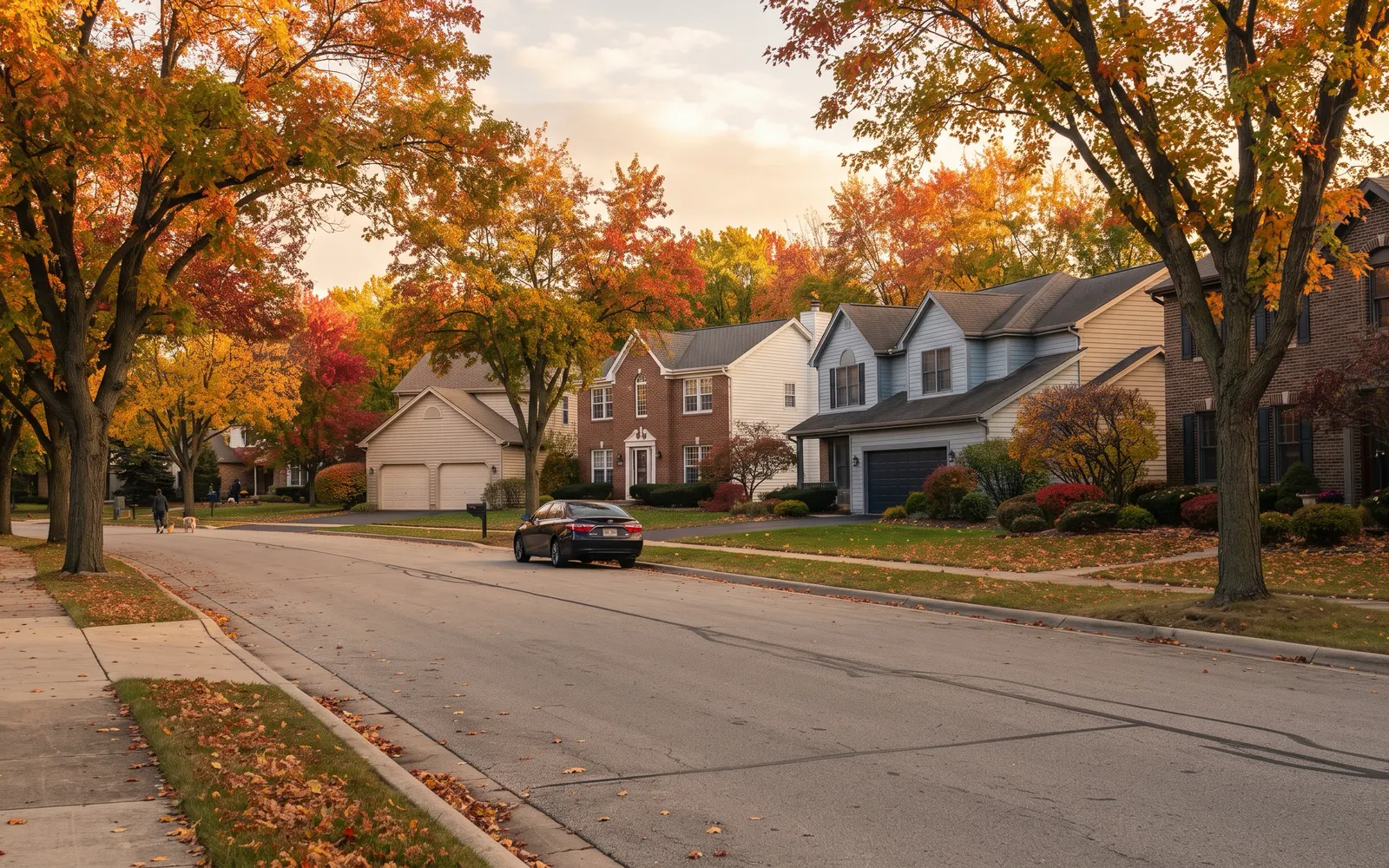
Old Town and the east side. The streets around Main Street and east of the Fox River. The village's oldest homes, on hills and irregular lots, with the most variety in age and style.
High Hill Farms. Along Algonquin Road (IL 62) east of Randall Road. Single-family homes built from the late 1970s through 1999 by United Development, per Homes by Marco and agent pages. Walk Score 18. Every sale today is a resale.
Cinnamon Creek and Copper Oaks. Off Algonquin Road. Patch's 2014 guide dates Cinnamon Creek to the early 1980s and Copper Oaks to the late 1980s (Pulte, 252 single-family homes and 123 townhouses). Some of the more affordable single-family entry points in the village.
Algonquin Lakes. Along Algonquin Road, built in the early 2000s by Realen Homes with 285 single-family homes and 104 townhouses, per Patch. Walk Score 28, the highest named pocket.
Arbor Hills. Off IL 62 east of Randall Road. Late-1990s single-family homes from about 2,300 to 3,400 square feet.
Manchester Lakes Estates. South of Algonquin Road and west of Square Barn Road. Pulte built 234 single-family homes and 120 club villas from 1999 to 2008 around six lakes and about five miles of paths, per Homes by Marco. Feeds District 158.
The Coves, Fairway View Estates and Eagle Valley. South of Algonquin Road, mid-2000s, mostly semi-custom single-family homes with some townhouses in The Coves.
Brittany Hills. East of Randall Road off Longmeadow Parkway. About 165 single-family homes from the late 1990s and early 2000s.
Willoughby Farms. On the Kane County side near Randall Road and Longmeadow Parkway. Kimball Hill built it from 1992 to 2003, with plans from about 1,570 to 5,500 square feet. Feeds District 300.
Grand Reserve. Off Harnish Drive on the west side. An age-restricted community for buyers 55 and older; D.R. Horton is building single-story ranch plans there now.
Algonquin Meadows. Lennar's new community off Randall Road near Westfield Community School, with single-family homes and townhomes. More in the development section below.
What Algonquin Homes Look Like, by Era
Algonquin's housing is newer than most towns its age, and the Census ACS shows exactly how recent. Of the village's 11,151 homes, 3,778 (33.9%) were built in the 1990s alone, and 2,278 (20.4%) in the 2000s. Another 1,900 (17.0%) date to the 1980s. Only about 8% were built before 1960.
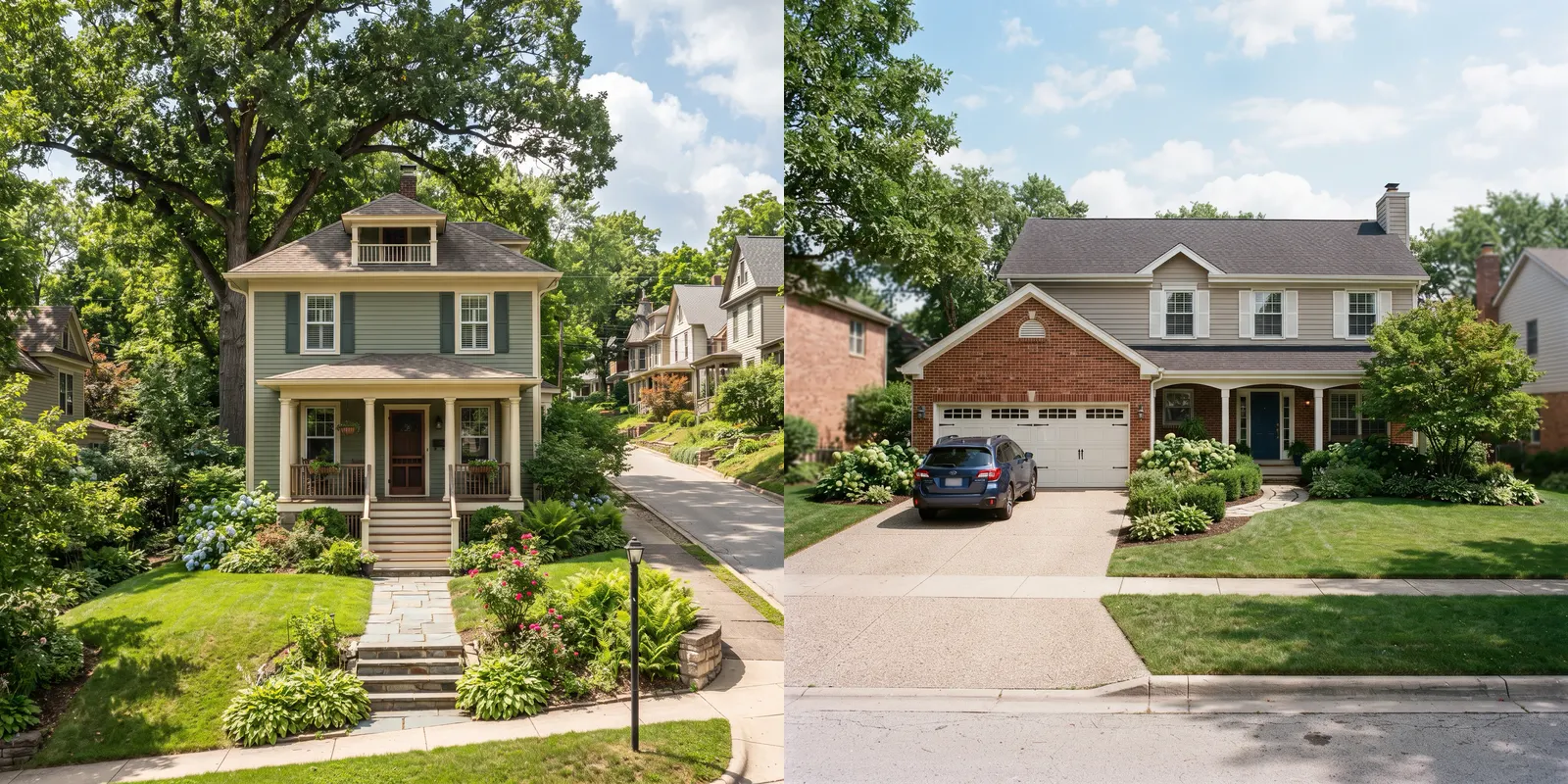
That shapes what you will tour. The typical Algonquin listing is a 1990s or 2000s two-story with an attached two- or three-car garage, a full basement and a builder floor plan you will see repeated down the street. The 1980s subdivisions have more split-levels, raised ranches and smaller colonials. The old downtown and east side have the true variety: Victorian and early 1900s houses, mid-century ranches and a few custom homes set into the hills above the river.
The ACS puts the median home value at $351,000 and median gross rent at $1,723. Single-family detached houses make up 74.9% of the housing stock and attached homes such as townhouses and duplexes another 16.7%, so condo buildings are a small slice of the market.
The things I see come up on inspections here follow the build era. On the 1990s homes it is age, not construction: original roofs, furnaces, water heaters and windows reaching the end of their life at about the same time. On the older east-side houses it is drainage and grading on sloped lots. If you are weighing a house that has not been updated, my home inspection checklist is a good place to start.
The Algonquin Housing Market in 2026
Algonquin is a steady market, not a frenzied one. In the three months ending August 2026, Redfin reported a median sale price of $414,716, down 3.3% from a year earlier. The median home sold in 55 days, up from 46, at 100.6% of list price, and 45.9% of homes sold over asking. 24.6% of listings took a price cut. Redfin gives Algonquin a Compete Score of 61 out of 100, which it calls somewhat competitive, with about three offers on the average home.
Here is the part that looks contradictory. That same Redfin page shows the median price per square foot at $206, up 11.0% from a year earlier. Zillow's home value index for August 2026 is $418,992, up 4.4% from $401,459 a year before. Both can be right. When price per square foot rises while the median sale price falls, it usually means the homes that sold were smaller. This summer that mix included more townhomes, including new ones at Algonquin Meadows. Zillow's index tracks the estimated value of every home, sold or not. My read is that values rose at a mid-single-digit pace and the mix of what sold shifted smaller.
What that means in practice: a well-priced house still sells close to list, and about half go over. An overpriced one sits, because buyers here have more choice than they do in the inner suburbs, and 55 days is long enough for them to notice. Getting the price right in the first two weeks matters more than any staging decision.
Village-wide numbers only go so far. A 1980s split-level off Algonquin Road and a 2000s house in a Randall Road subdivision can be $200,000 apart, and a county line between two similar houses changes the monthly cost. If you are also looking north, my Crystal Lake guide covers how that market compares.
Algonquin Property Taxes and the Real Cost of Owning
Property tax is the cost that changes the monthly payment most in Algonquin, and it depends on which county the house is in. Ownwell's data, last updated April 13, 2026, puts the McHenry County side at a 2.37% median effective rate with a median bill of $8,365. On the Kane County side it is 2.51% with a median bill of $8,111. The Kane bill is lower only because the median home there is valued lower in Ownwell's data.
Here is what that looks like on a real purchase. At 2.37%, a house bought at this summer's $414,716 median would eventually carry about $9,830 a year in tax, roughly $820 a month on top of the mortgage. At 2.51% on the Kane side, the same price comes to about $10,410 a year, or $870 a month. Current bills may be lower because assessments trail the market, but the assessor catches up after a sale. Budget off the rate, not the seller's current bill.
Each combination of county, township, school district, park district, library district and fire district is its own tax code, and Algonquin has a lot of combinations. Special service areas in some subdivisions add a line of their own. Two houses a mile apart, at the same price, can have noticeably different bills.
If you own in Algonquin and think your assessment is high, appeals start with your township assessor (Algonquin or Grafton Township in McHenry, Dundee or Rutland Township in Kane) and go to that county's Board of Review, each on its own deadline. This is general information, not tax advice. Your actual bill depends on your parcel, your exemptions and the assessor.
Algonquin Schools: District 300 and District 158
Algonquin is split between two unit school districts, and which one a house feeds is one of the first things to check. Community Unit School District 300 is headquartered in Algonquin, next to Jacobs High School, and serves most of the south and east of the village, including the Kane side. Consolidated School District 158, based in Huntley, serves western parts of Algonquin, and runs a campus of three schools on Square Barn Road inside the village.
The village's 2026-27 budget lists the public schools serving Algonquin: eight elementary schools (Algonquin Lakes, Conley, Eastview, Liberty, Lincoln Prairie, Mackeben, Neubert and Westfield Community), three middle schools (Algonquin, Heineman and Westfield) and three high schools (Jacobs, Dundee-Crown and Huntley).
Confirm the district for a specific address with the district office, and read each district's profile on the Illinois Report Card at illinoisreportcard.com.
The detail that trips people up is assignment. Both districts assign by address, the line between them does not follow the county line, and a few subdivisions sit right at the edge. Lennar's own listing for Algonquin Meadows warns buyers to verify enrollment independently, and that is good advice for any house. Check the address with the district before you write an offer.
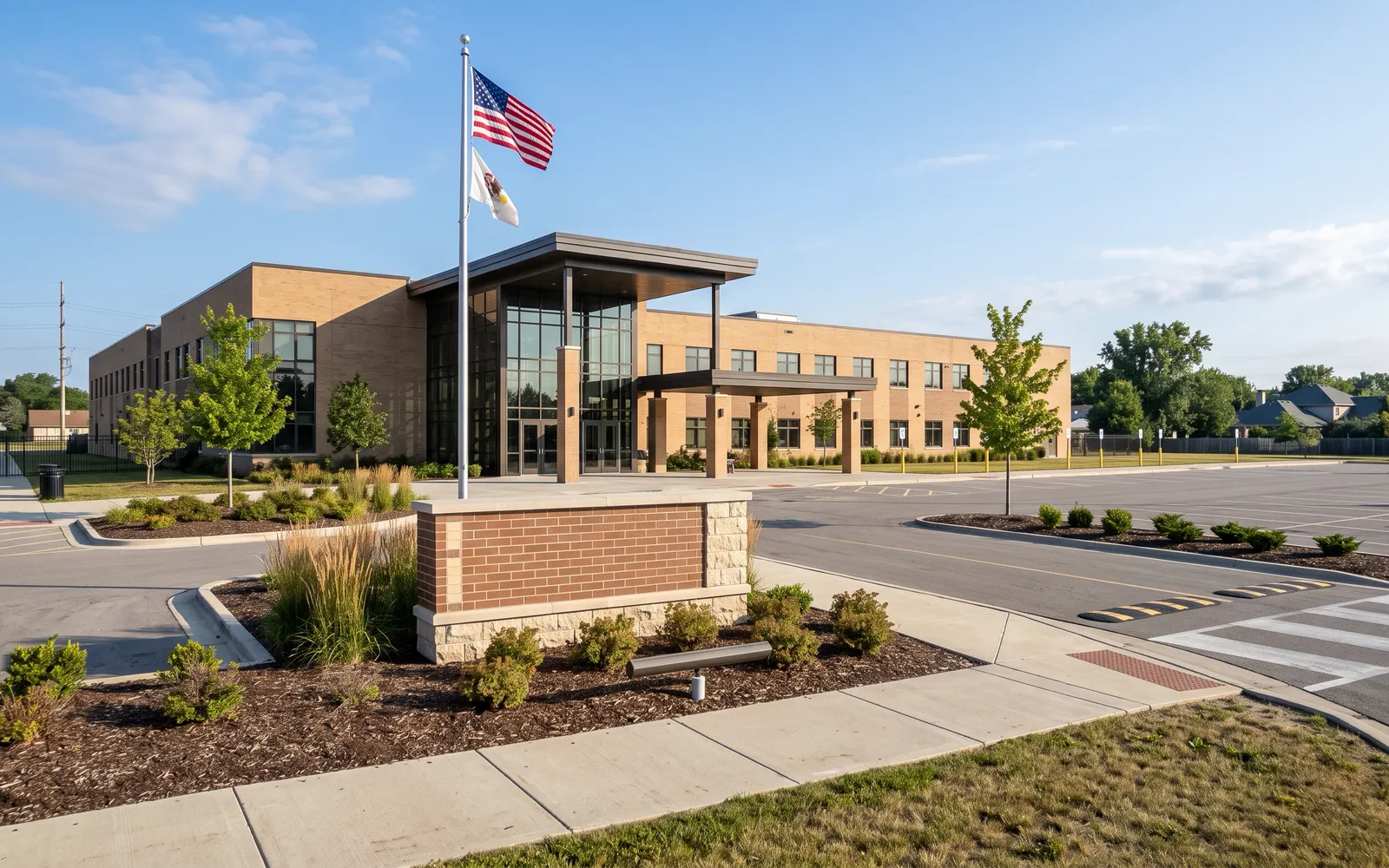
Harry D. Jacobs High School. 2601 Bunker Hill Dr., Algonquin. Grades 9-12, District 300.
Huntley High School. 13719 Harmony Rd., Huntley. Grades 9-12, District 158.
Dundee-Crown High School. Carpentersville. Grades 9-12, District 300.
Square Barn Road campus. Mackeben Elementary (K-2), Conley Elementary (3-5) and Heineman Middle School (6-8), all District 158, in Algonquin.
Westfield Community School. Grades PK-8, District 300, in Algonquin.
Algonquin Middle School, Eastview Elementary and Neubert Elementary. District 300, in Algonquin.
Algonquin Lakes, Liberty and Lincoln Prairie. District 300 elementary schools that serve parts of the village.
Commuting from Algonquin: Metra Without a Station
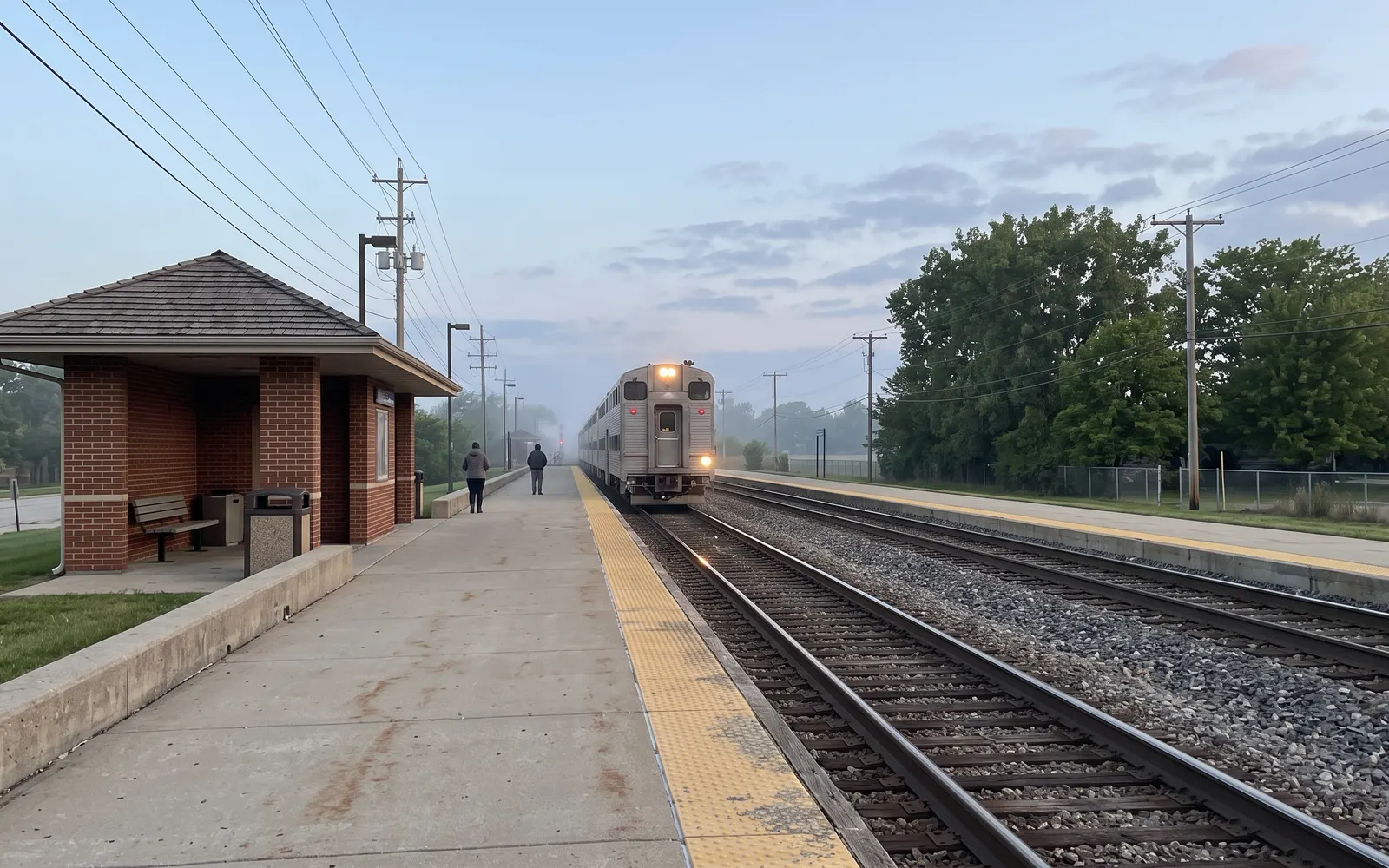
Algonquin has no Metra station, which surprises people who assume every Fox River town is on a rail line. The village's own budget points commuters to stations in Crystal Lake, Cary, Fox River Grove, Barrington and Elgin. For most of Algonquin the realistic choice is one of three stations on the Union Pacific Northwest line to Ogilvie, or Big Timber Road in Elgin on the Milwaukee District West line to Union Station.
I counted trains in Metra's published schedule data for the weekday service that starts September 28, 2026. Cary and Fox River Grove each have 27 inbound and 25 outbound weekday trains, the same stopping pattern as Crystal Lake. The fastest morning express from Cary leaves at 6:04 a.m. and reaches Ogilvie at 7:02, 58 minutes. From Fox River Grove the same train takes 55 minutes. Local trains run closer to 78 minutes from Cary. On Saturdays each of those stations has 15 trains in each direction.
Big Timber Road, at the far north end of Elgin, has 19 inbound and 22 outbound weekday trains, and the fastest morning run reaches Union Station in 67 minutes. It suits the south and Kane side of Algonquin, since it is a short drive down Randall Road.
Pace buses run along the Randall Road corridor and connect to the Crystal Lake and Elgin stations, and the village says about 13% of its commuters use public transit. For a daily Loop commute, the drive to the station is part of the trip, so time it at 6:30 a.m. before you commit to a house.
Driving from Algonquin: Randall Road, I-90 and O'Hare
Most Algonquin commutes start on Randall Road. It runs south to the Jane Addams Tollway (I-90), a few minutes from the village line, and from there it is a straight shot east toward Schaumburg and O'Hare. The village budget puts O'Hare at about 30 minutes and Chicago Rockford International Airport at about an hour, both outside rush hour.
Two road projects changed how the village drives in the last decade. The IL 31 western bypass opened on September 4, 2014, after three construction seasons and $88.5 million, according to the Daily Herald. It carries IL 31 traffic around the old downtown so Main Street is no longer the only way through. The second is Longmeadow Parkway. Its four-lane Fox River bridge and 5.6-mile corridor opened on August 29, 2024, after about 30 years of planning and eight years of construction, per Shaw Local. It opened toll-free and gives the south end of Algonquin a second river crossing.
Rush hour on Randall Road is the trade-off. The corridor carries a lot of regional shopping traffic, and on a Saturday afternoon near Algonquin Commons it is slower than the mileage suggests. If you commute east, compare IL 62, Longmeadow Parkway and I-90 from the specific house.
Is Algonquin Walkable?
For daily errands, no. Walk Score rates Algonquin 26 out of 100, which it calls car-dependent, and even its most walkable named neighborhood, Algonquin Lakes, scores only 28. Most shopping is on Randall Road, and the subdivisions were built with curving streets and few through-connections.
Recreational walking is a different story. The village says it maintains 21 parks covering more than 130 acres, and many subdivisions, Manchester Lakes in particular, were built around ponds and path networks. The old downtown is walkable on a small scale, with the riverfront parks, restaurants and shops within a few blocks of each other.
For longer rides, the Fox River Trail runs along the river south toward Elgin, and the Prairie Trail heads north from Algonquin toward Crystal Lake and beyond. If being able to walk or ride to a trail matters to you, it narrows the search to the downtown streets and the subdivisions close to the river.
Downtown Algonquin and the Fox River
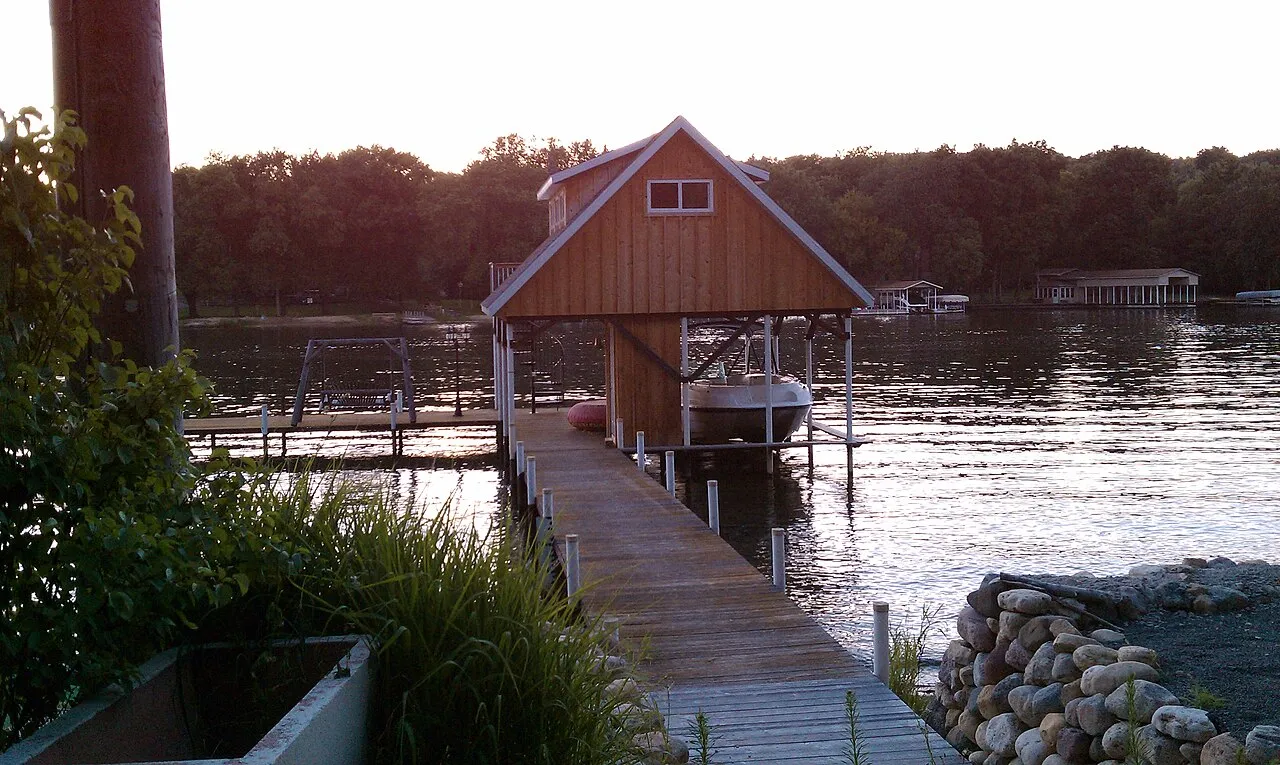
The Fox River is what makes Algonquin more than a Randall Road suburb. Downtown sits on both banks, with Crystal Creek running through it into the river. Cornish Park, about 2.4 acres on the river at 101 South Harrison Street, is home to the village's clock tower and is where most downtown photos are taken.
The village has spent the last decade rebuilding the old downtown. The 2026-27 budget says the downtown tax increment financing district was created in 2014 and that a 2016 streetscape master plan has guided the work since. Projects since 2018 have included the Old Town revitalization, Harrison Street, the Riverwalk and Streetscape project along Crystal Creek, and Towne Park, which the village finished reconstructing this year. Engineering continues on the next phase of North Main Street from IL 62 to Edward Street, and the village is marketing opportunity sites including the former Algonquin State Bank building at 221 South Main Street.
For buyers, the river cuts both ways. Houses on or near it have views and access that nothing else in the village has, and the downtown is steadily getting better. They also carry the flood questions covered below, and some of the steepest driveways in McHenry County.
Algonquin Commons and the Randall Road Corridor
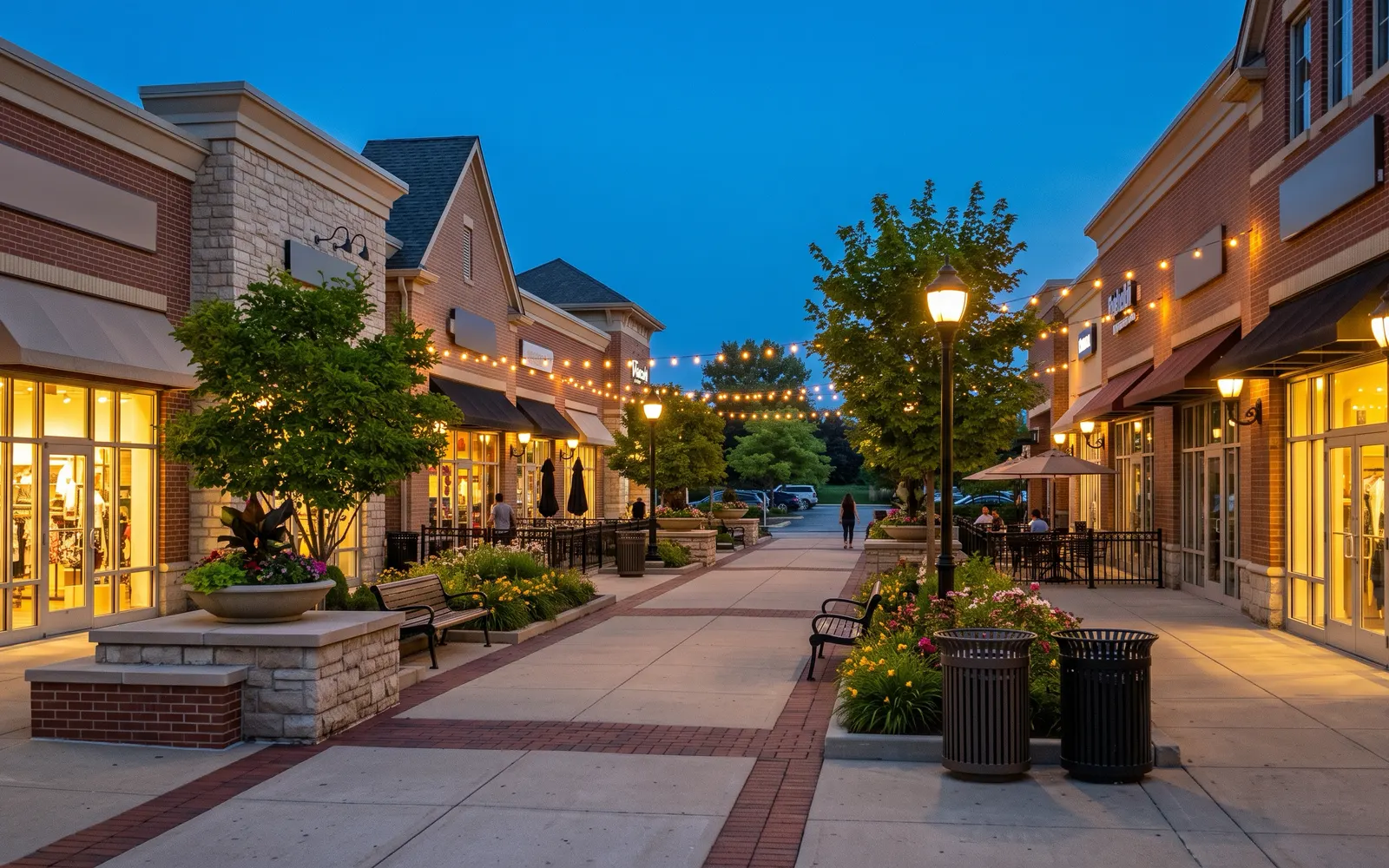
Randall Road is one of the busiest shopping corridors in the northwest suburbs, and most of it is in Algonquin. The village budget counts more than 4 million square feet of retail space along the corridor with a commercial vacancy rate of about 5%.
The anchor is Algonquin Commons, which opened in 2004. The village calls it the largest lifestyle shopping center in Illinois. The Algonquin Galleria followed in 2006, and the rest of the corridor is big-box stores and restaurants. The village's top employers list, drawn from its 2024-25 annual financial report, reads like a shopping list: Jewel-Osco, Walmart, Meijer, Home Depot and Target all rank near the top.
New openings the village expected this year include Penny Mustard, Crunch Fitness, Charley's and Suzaku Field Sushi, plus the reopening of Short Stacks. For a traditional enclosed mall, Spring Hill Mall in West Dundee is a short drive south, and Woodfield in Schaumburg is about 25 minutes away.
Downtown is the other half of Algonquin shopping: smaller, older storefronts along Main Street near the river, with restaurants, bars, an ice cream stop in summer and local shops rather than chains.
Groceries and Everyday Errands in Algonquin
Groceries are easy in Algonquin, and nearly all of it is on or near Randall Road. Jewel-Osco, Meijer, Walmart and Target all have large stores in the village, which is why they show up on its list of top employers. Lennar's sales page for Algonquin Meadows also points buyers to the nearby Costco and Home Depot. Pharmacies, banks and service businesses cluster around the same intersections, so most weekly errands from a west-side subdivision are a five- to ten-minute drive.
From the east side and downtown, Randall Road is a longer drive across the river, and some residents there shop in Cary or Crystal Lake instead. That is a small thing, but it is part of the daily routine difference between the two halves of the village.
Where Algonquin Eats
Algonquin eats in two places. Randall Road has the chains and the sit-down restaurants near Algonquin Commons, which is where most dinners out happen. Downtown along Main Street has the local places, several with patios and river views, and that is where people go when they want somewhere that feels like Algonquin rather than anywhere.
Downtown keeps adding spots. The Chick and the Pig opened at 1000 N. Main Street in 2024, according to Shaw Local's year-end restaurant roundup, and the village's 2026-27 budget lists several restaurant openings expected this year, including Suzaku Field Sushi and the return of Short Stacks. Restaurants turn over, so check what is open before you plan a night around one.
Parks, Trails and Forest Preserves in Algonquin
Algonquin runs its own parks through the village rather than a single park district. The village budget counts 21 parks covering more than 130 acres, and says the village has been a Tree City USA community for nearly three decades. Towne Park downtown was rebuilt this year, Presidential Park was reconstructed with the same 2024 bond issue, and Spella Park on Harnish Drive hosts the summer festival.
Depending on the address, some residents are also in the Dundee Township Park District (the Kane side south of County Line Road) or the Huntley Park District (a western portion), which adds their pools and programs to the mix. Ask which one a house is in; it shows up on the tax bill.
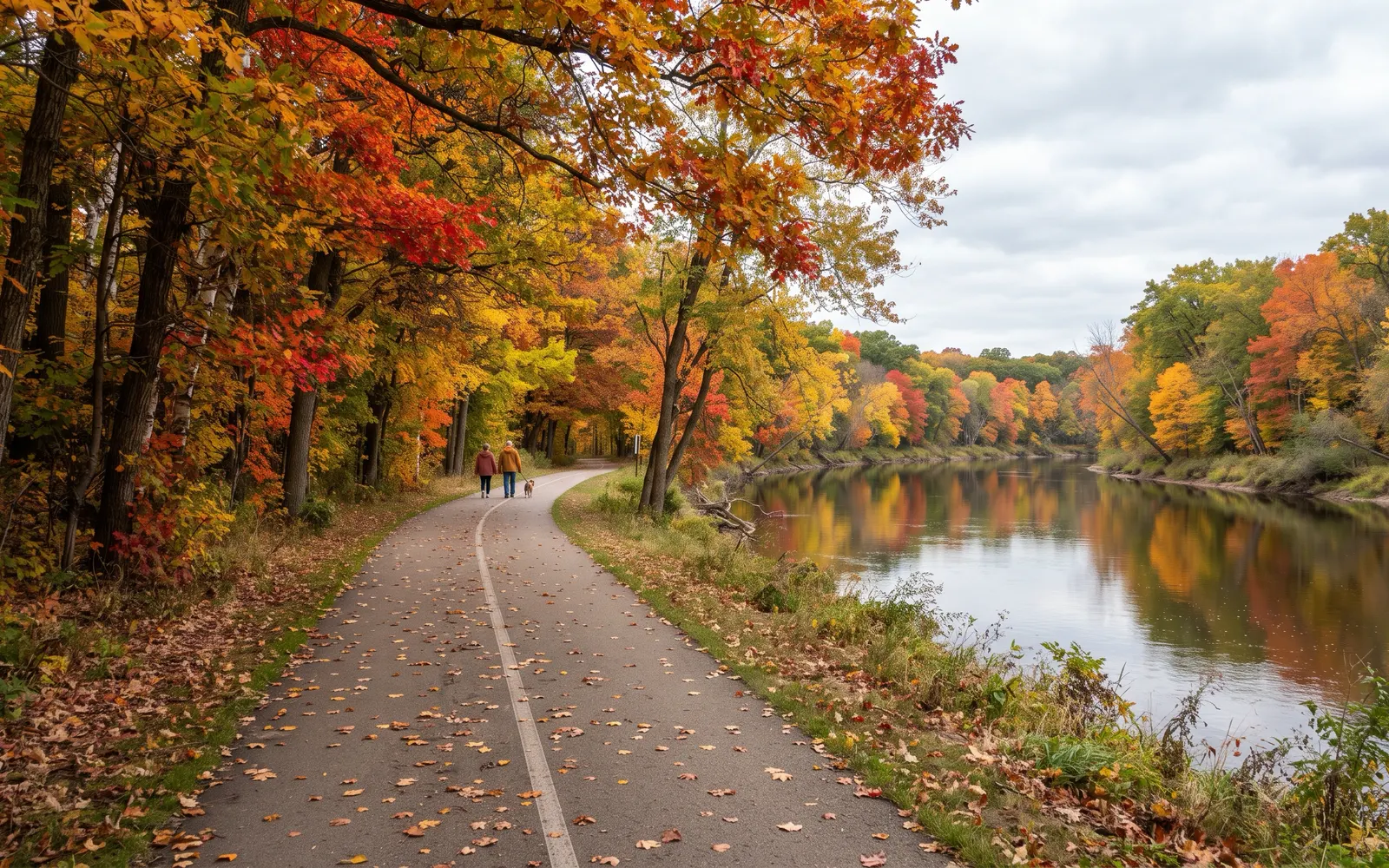
Beyond the village parks, the forest preserves around Algonquin are a real asset. Walk Score lists Dixie Briggs Fromm, Buffalo Park and Willoughby Farms forest preserves in or next to the village. The Fox River itself is used for kayaking, fishing and boating, and the Fox River Trail and Prairie Trail make Algonquin a good base for long rides in either direction.
The Algonquin Area Public Library
The Algonquin Area Public Library District runs two buildings: the main library at 2600 Harnish Drive on the west side, next to Spella Park, and the Eastgate branch at 115 Eastgate Drive, closer to downtown. It serves Algonquin and parts of the surrounding area, and neighboring library districts cover some edges of the village, which is another line item that varies by address. The library runs programs for every age and posts its calendar online, and the popular ones fill up.
Utilities in Algonquin
The Village of Algonquin runs its own water and sewer system, with three water treatment plants and a wastewater treatment facility, according to its budget. The water comes from village wells, and the budget includes an annual lead service line replacement program for older connections. ComEd delivers electricity and Nicor Gas provides natural gas.
A small number of addresses near Algonquin, in unincorporated pockets on the edges, run on private wells and septic systems. If a listing says Algonquin but the parcel is outside the village, test the well and inspect the septic before you close. Both are cheap next to replacing a failed system.
Hospitals Near Algonquin
Algonquin has no hospital of its own, but two are a short drive. Advocate Sherman Hospital is south on Randall Road in Elgin, and Northwestern Medicine Huntley Hospital is west near I-90 in Huntley. Both have full emergency departments. Northwestern Medicine McHenry Hospital and the Advocate Good Shepherd campus in Barrington are within about 25 minutes for specialty care, and urgent care and outpatient clinics line Randall Road.
A Night Out Near Algonquin
Algonquin is not an arts town, and I would not sell it as one. A night out usually means dinner downtown or on Randall Road, and for a show most people drive 15 minutes north to the Raue Center for the Arts in downtown Crystal Lake or south to the Hemmens Cultural Center in Elgin. The village's summer events, covered below, fill in the warm months.
Algonquin Fest and the Village's Yearly Traditions
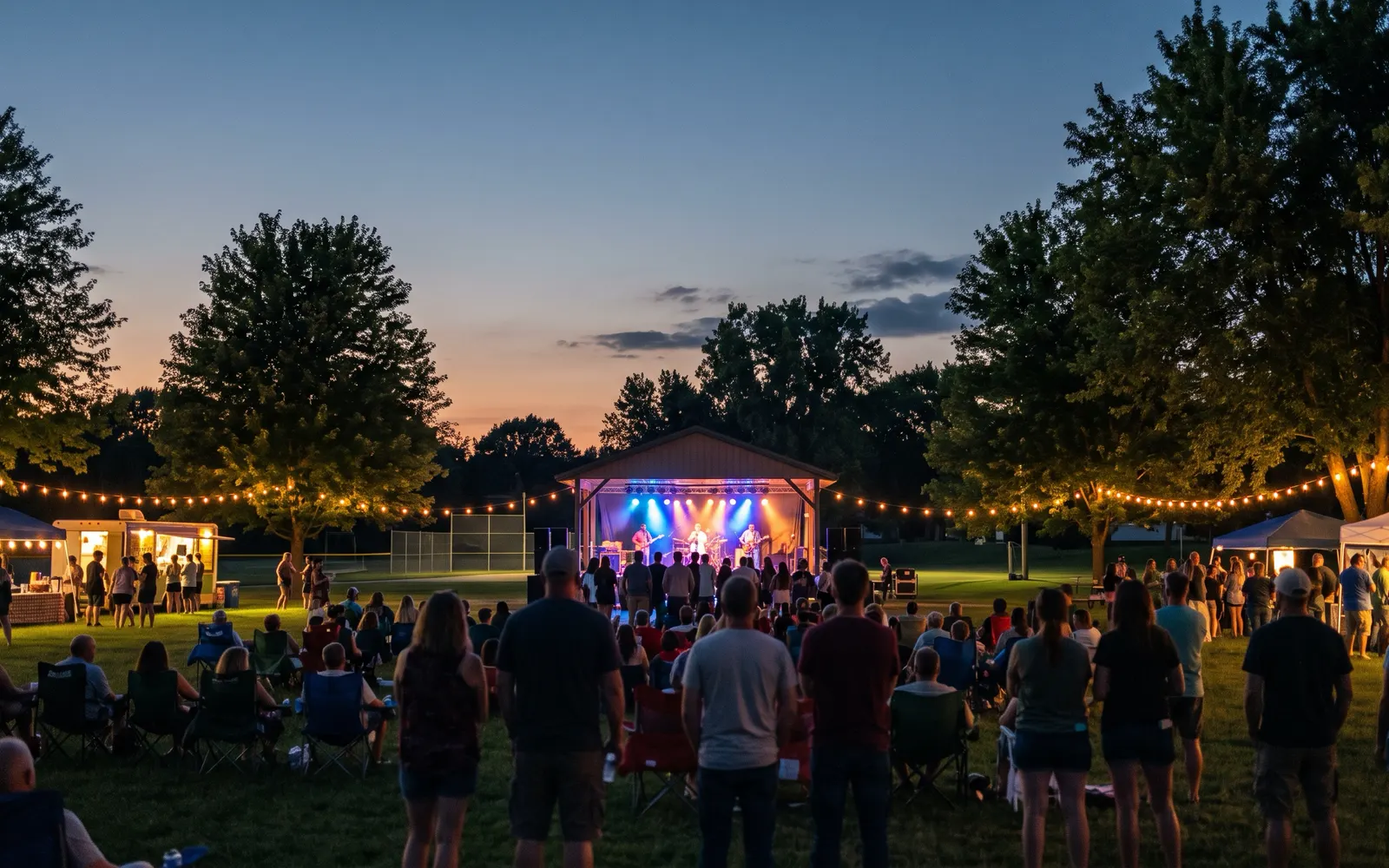
Founders' Days was Algonquin's big summer festival for decades, held the last full weekend of July. In 2025 the organizers paused it to regroup, as Shaw Local reported that March. In 2026 the summer weekend came back as Algonquin Fest, run for the Village of Algonquin at Spella Park, 2610 Harnish Drive, from July 24 to July 26, with live music, food vendors, arts and crafts and a carnival.
The rest of the year follows the river and the downtown: summer events in the riverfront parks, holiday lighting downtown and village recreation programs at the parks. If you are touring houses in late July, spend an evening at the festival. It tells you more about the town than a listing will.
What's Being Built in Algonquin
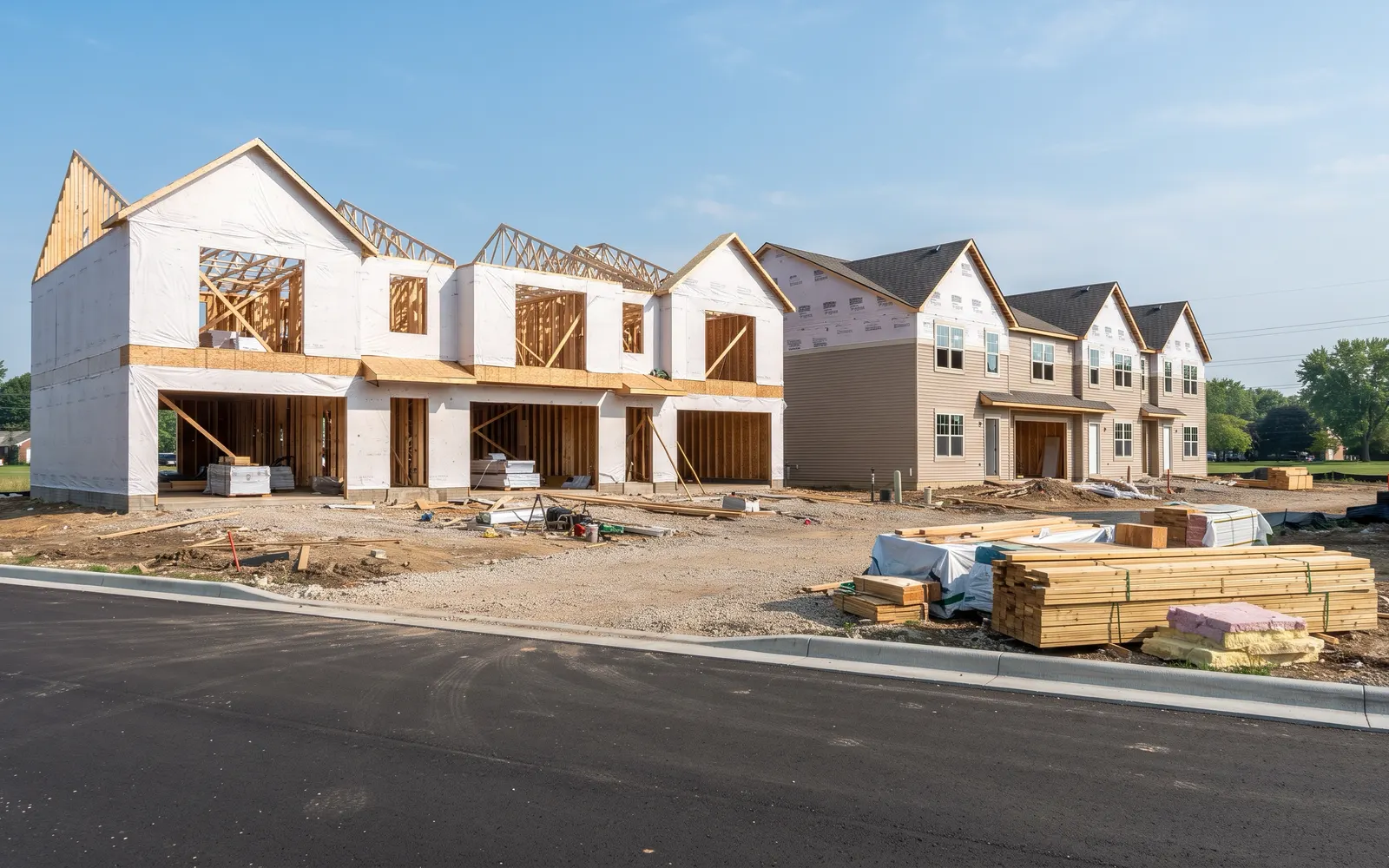
Algonquin is still growing, mostly on its west and south edges. The biggest residential project is Algonquin Meadows by Lennar, about 80 acres off Randall Road near Westfield Community School. The village board approved it 6-0 in June 2024 for 99 single-family homes and 150 townhouses, according to Shaw Local. The village's budget says home sales began in 2025 and nearly half the units sold in the first year. Lennar's current pricing runs from $390,990 for townhomes and from $569,990 for single-family homes, with listed homes up to $704,565.
Next is Huntington Villas, 38 duplex units on 19 lots on about 11 acres at the southwest corner of Stonegate Road and Huntington Drive, off Randall Road. Pulte proposed it, and the Planning and Zoning Commission approved preliminary plans unanimously in January 2026, per Shaw Local. Units run from about 1,500 to 2,700 square feet. The village budget expected final approval soon. Grand Reserve, Trails of Woods Creek and Westview Crossing are nearly built out.
The commercial side matters too. The Algonquin Corporate Campus at Randall Road and Longmeadow Parkway has about 750,000 square feet of industrial space that is nearly fully leased, and the village approved another 750,000 square feet through NorthPoint Development, with 500,000 expected under construction by the end of 2026. For buyers near Longmeadow, that means more truck traffic on the corridor. For the tax base, it means more commercial value sharing the levy.
I don't label any town or neighborhood as safe or unsafe.
Flood Risk in Algonquin
Flooding in Algonquin is concentrated, not village-wide. Redfin, using First Street's model, rates Algonquin's overall flood risk as moderate, with 575 properties, about 7% of the total, at risk of severe flooding over the next 30 years. Most of that risk sits along the Fox River, Crystal Creek and the low ground near them, not in the Randall Road subdivisions.
Two checks before you write an offer on anything near the water. Look the address up on the FEMA flood map, because a mapped flood zone can mean required flood insurance on a mortgage, and get a quote before you commit. And ask the seller directly about water in the basement and about any sump pump or overhead sewer work. In the subdivisions, the pond-and-path layouts that make them pleasant also mean some lots back to detention areas, so check the grading on those too.
Frequently Asked Questions
How much does a house cost in Algonquin, IL?+
Redfin reported a median sale price of $414,716 for the three months ending August 2026, and Zillow's home value index was $418,992 for August 2026. New Algonquin Meadows townhomes start around $390,990 and single-family homes there around $569,990.
Is Algonquin, IL in McHenry County or Kane County?+
Both. About 78% of the village is in McHenry County and the rest is in Kane County. The county changes the assessor, the tax rate and sometimes the park and school district, so check the parcel.
What are property taxes in Algonquin, IL?+
Ownwell's April 2026 data shows a median effective rate of about 2.37% on the McHenry side (median bill $8,365) and 2.51% on the Kane side ($8,111). A home's bill usually rises after a sale once it is reassessed.
What school district is Algonquin, IL in?+
Two: Community Unit School District 300, which runs Jacobs High School in Algonquin, and Consolidated School District 158, which runs Huntley High School. Assignment is by address and does not follow the county line, so confirm each house with the district.
Does Algonquin have a Metra station?+
No. Most commuters drive to Cary, Fox River Grove or Crystal Lake on the Union Pacific Northwest line, where the fastest morning express from Cary reaches Ogilvie in 58 minutes, or to Big Timber Road in Elgin on the Milwaukee District West line.
What neighborhoods are in Algonquin, IL?+
Commonly named subdivisions include High Hill Farms, Cinnamon Creek, Copper Oaks, Algonquin Lakes, Arbor Hills, Manchester Lakes Estates, The Coves, Brittany Hills, Willoughby Farms, Grand Reserve and Algonquin Meadows, plus the older streets around downtown and east of the Fox River.
Is new construction available in Algonquin?+
Yes. Lennar's Algonquin Meadows is selling townhomes and single-family homes from about $390,990, and Pulte's 38-unit Huntington Villas duplex community received preliminary approval in January 2026. How builder contracts, timelines and allowances work is on my new construction homes in Illinois page.
Is Algonquin walkable?+
Not for errands. The Walk Score is 26, and the most walkable named neighborhood, Algonquin Lakes, scores 28. The downtown riverfront, the subdivision paths and the Fox River and Prairie trails are good for recreation.
Eshu Chikoti has extensive access to off-market listings throughout Algonquin and the rest of McHenry County — homes that never make it to the public listing sites. That matters right now: in a seller's market like this one, well-priced homes routinely go under contract within days, and buyers relying only on public listings are competing for whatever is left over. Working with someone plugged into off-market inventory means seeing homes before the crowd does.
Eshu Chikoti · 847-691-4282 ·
Get new Algonquin listings by email
When a home comes on the market in Algonquin, I'll email it to you.
Just your email. Unsubscribe any time by replying.
Thinking About Algonquin?
Whether you're buying, selling, or just curious what's on the market, I can walk you through Algonquin street by street.